
Timișoara Art Museum: What to See at the Muzeul de Artă

The Timișoara Art Museum is a reasonable stop for an hour and a half of a city-break day if you want Romanian painting in a setting that is itself part of the old centre. It sits on Piața Unirii, so it slots easily between the square's churches and a coffee stop rather than requiring a separate trip. This guide covers where the museum is, when it opens, what the programme holds, and how to fit it into a walking route through Timișoara.
Where the museum sits in the city
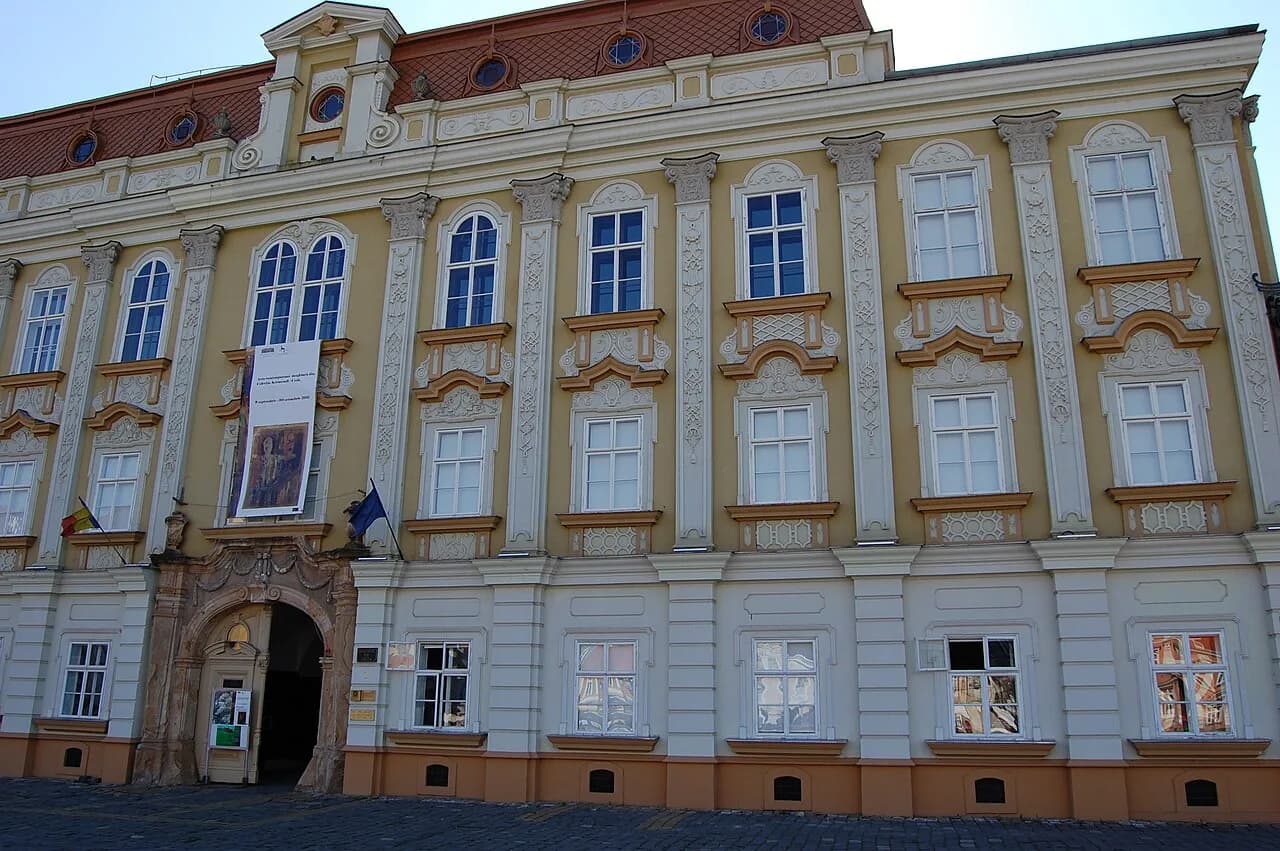
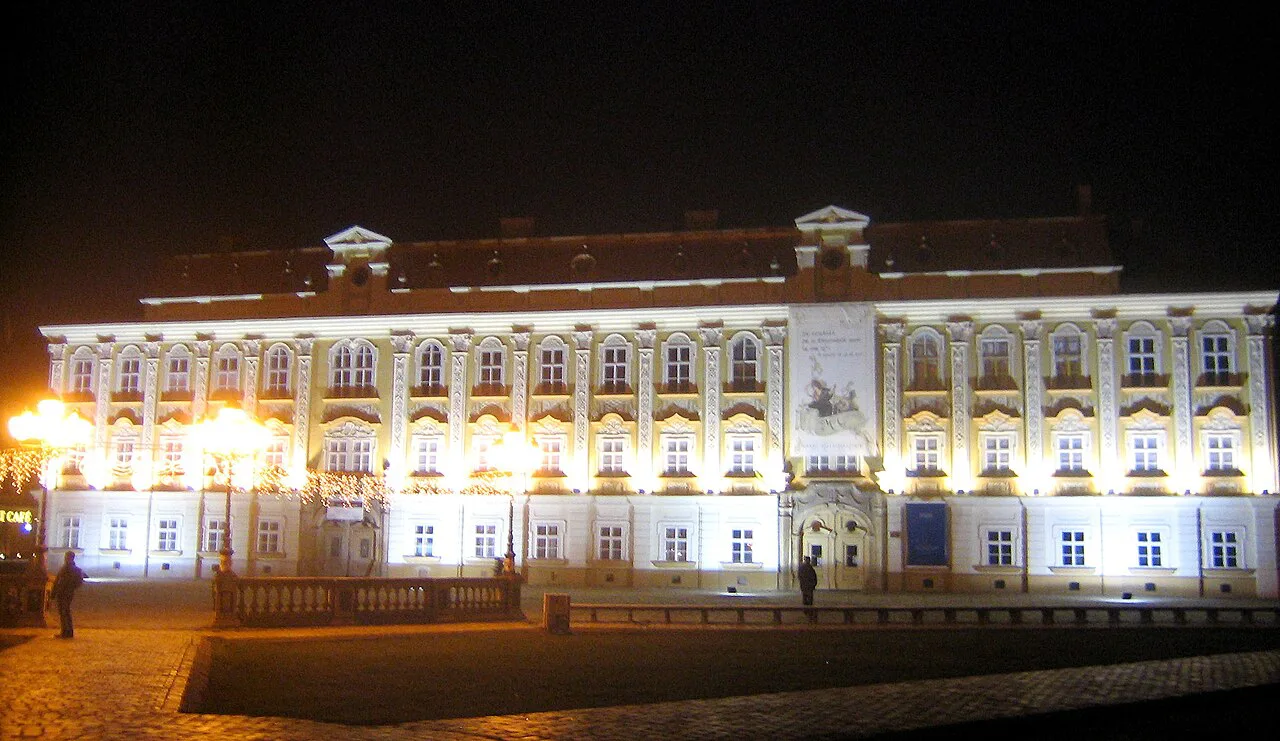
The museum's own address is Piața Unirii number 1, which puts the entrance on the principal square of the old centre rather than on a side street you have to hunt for. Visitor descriptions place the art museum directly on the main market square, and the building is identified as the Baroque Palace in Union Square. Practically, that means you can treat the museum as one stop on a circuit of the square rather than a detour.
Because the museum occupies a historic palace rather than a purpose-built gallery, the rooms themselves are part of the visit. Plan to look up as well as at the walls: the staircase and the sequence of rooms shape how a display reads. If you are working through the city's sights, the Timisoara Attractions: 11 Visitor Guides collection shows what else sits within the same few minutes' walk.

Opening hours and closed days
The museum publishes a schedule of Wednesday to Sunday, 10:00 to 18:00, with Monday and Tuesday closed. That pattern makes Wednesday to Sunday the safe window for a visit and rules out a Monday city-break day. Public holiday arrangements can differ from the normal week, so the museum's own schedule is the one to rely on.
A late-afternoon slot works well if you are spending the morning elsewhere in the centre: arriving with two hours before closing leaves time for both the permanent rooms and a temporary show without rushing. If your trip falls on a Monday or Tuesday, move the museum to another day rather than hoping for an exception.
Tickets and booking ahead
The museum sells tickets online and points visitors to the current exhibitions when they buy. Prices, concessions and any free-entry arrangements sit on the ticket pages rather than being fixed in this guide, so look there when you plan your day. Buying in advance is most useful when a temporary exhibition is drawing crowds.
If you are undecided between the permanent collection and a specific exhibition, look at what is actually on during your dates before paying. Ticket options on the museum's site are listed against particular shows, so the price you see reflects what that ticket covers.
The permanent collections
The collection spans the 15th to the 20th century, which is the single most useful fact for judging whether the museum suits you. In practice that range suggests religious and older panel work at one end and modern Romanian painting at the other, with the palace's own rooms as the backdrop throughout. If your interest is modern and contemporary art, head for those rooms first rather than working chronologically.
The museum's exhibition programme carries names including Corneliu Baba, Constantin Brâncuși, Gheorghe Fikl and Krausz, so Romanian modernism is clearly a strength of what it shows. Expect the balance between older and modern material to shift depending on which shows are running during your visit.
Temporary exhibitions and what a ticket buys
The museum runs a rolling programme of temporary exhibitions alongside the permanent display, and past listings have included Caravaggio's Lights, Krausz – Expressions of modernism, De Anima – Gheorghe Fikl, A closer look – Corneliu Baba, and a survey of the Timișoara experimental groups 111 and Sigma. Treat any of these as history unless the museum's current listings say otherwise, since the programme changes through the year.
This is the practical distinction to hold on to when you buy: one ticket may cover a specific exhibition, while the permanent collection is a separate reason to come. Read the exhibition page for the show running on your dates before deciding how much time to set aside. The museum also publishes a virtual tour, a sensible way to preview the rooms if you are choosing between this and another indoor sight.
How long to allow inside
Budget about ninety minutes for the permanent rooms plus one temporary exhibition, and longer if a major show is on. Moving through a sequence of palace rooms rather than a single open hall keeps progress steady but not fast. If you have only an hour, pick either the older collection or the modern rooms and skip the rest rather than trying to cover everything.
Visitors who have written about the museum describe seeing a limited number of works on display inside the building, which is a reminder that this is a modest gallery rather than an encyclopaedic one. That suits a short, focused visit; if you want a full afternoon of art, pair it with something else in the centre.
Getting there on foot from the centre
The museum sits on Piața Unirii in the pedestrian old centre, so it is easy to reach on foot without a taxi. From Victory Square (Piața Victoriei), Timișoara at the end of the city's main spine, continue towards Piața Libertății and then into Piața Unirii; the palace frontage on the square is hard to miss.
If you are coming from the Orthodox Cathedral side of the centre, the route through Liberty Square (Piața Libertății), Timișoara brings you out at Piața Unirii from the east. Either approach keeps the museum inside a single walking loop with the rest of the old centre.

What is nearby on Piața Unirii
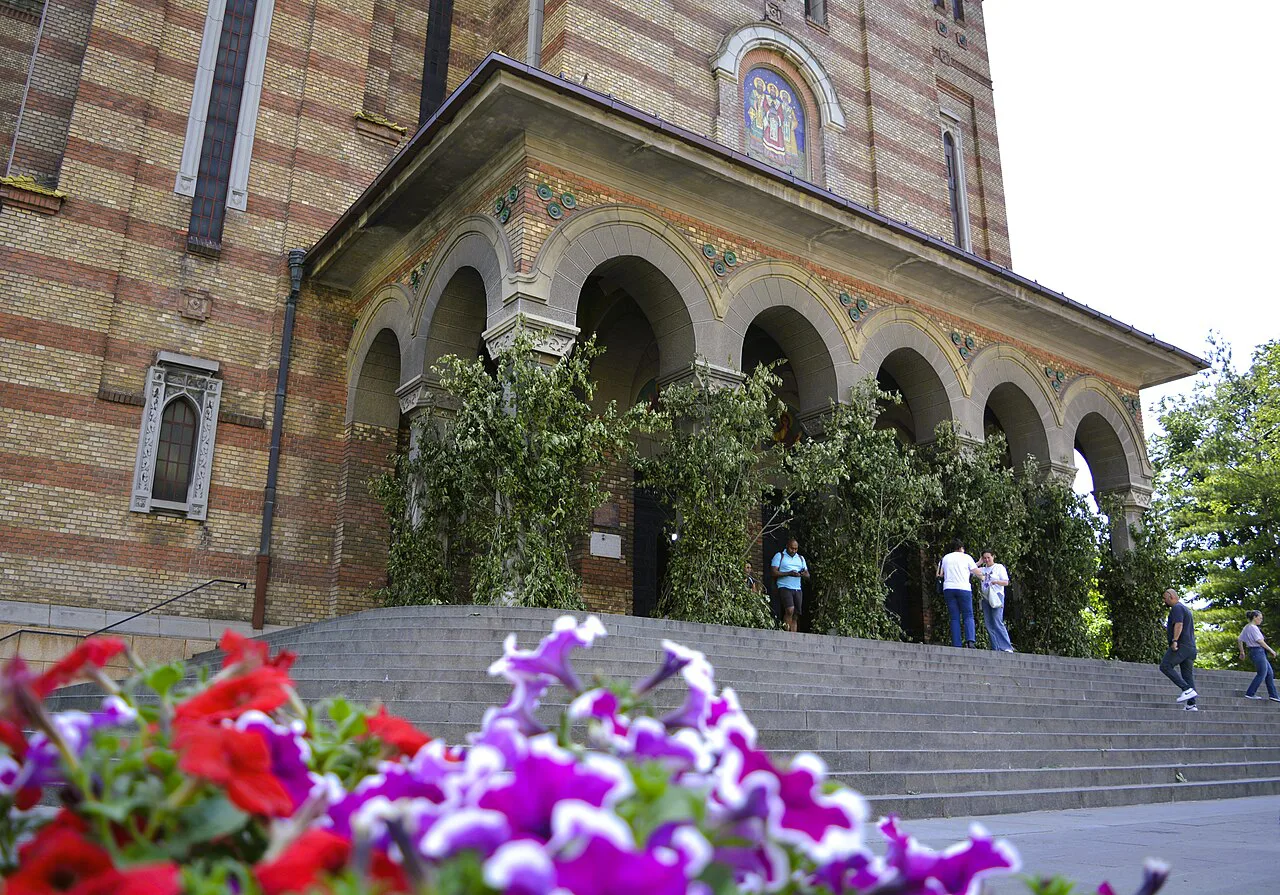
The square itself is the obvious pairing: the museum, the churches and the café terraces share the same paving, so you can move between them without planning transport. The Timișoara Orthodox Cathedral (Catedrala Mitropolitană) makes a natural next stop after the galleries, particularly if you are working through the centre in one afternoon.
For a different kind of collection, the Banat Village Museum, Timișoara takes you outdoors among rural buildings and pairs well with an indoor morning at the art museum. The Huniade Castle (Castelul Huniade) in Timișoara is another central landmark within reach on foot if you are extending the walk.
Visiting rules and practical points
The museum publishes its visiting rules on its own site, alongside contact details and a virtual tour, so read them before you arrive if you plan to photograph or bring a group. Rules about photography, bags and access are set by the museum and are worth checking rather than assuming. Group and guided arrangements go through the museum directly.
The museum also runs cultural mediation programmes and guided tours tied to particular exhibitions, which can add context if you want more than the labels give you. These are event-based, so look at the current calendar rather than expecting one on any given day.
Is the art museum worth an hour of your Timișoara trip?
Yes, if you want Romanian painting in a historic setting and you are already walking the old centre. The museum rewards a focused ninety minutes on a Wednesday-to-Sunday visit, and it costs you little in travel time because it sits right on Piața Unirii. Skip it only if your day is already full of indoor sights.
Before you go, confirm the day's opening on the museum's site and check which exhibitions are running, since the ticket you buy depends on what is on. Build the visit into a loop that takes in the square and the cathedral, and the museum becomes an easy part of the day rather than a separate outing.