Things to Do in Constanța: Old Town, Museums and the Seafront
Plan Constanța by area: Ovidiu Square and the old town, the casino seafront, Roman ruins, the history and Navy museums, and the Mahmudiye Mosque.
On this page
Spend one full day on foot in Constanța and you can cover the old town around Ovidiu Square, the casino seafront and two or three museums without a taxi. The cluster of sights is tight, which is why the town works better as a walking day than a checklist of separate trips. This guide orders the stops by area, flags which are quick photo pauses and which reward an hour indoors, and explains how the town connects to Mamaia and to Bucharest.
Prices and opening days change with the season, so the practical approach is to fix your area order first and confirm interiors on the day. The old town and its squares cost nothing to walk; the museums and the Roman mosaic are the paid stops.
What to see in Constanța in a day: the short answer
Give the old town the morning: Ovidiu Square, the National Museum of History and Archaeology beside it, and the cathedral and mosque within a few minutes' walk. After lunch, drop down to the casino on the seafront, walk the waterfront, then choose one more museum rather than trying to fit three. The Archaeological Park and the Roman mosaic building sit between the two halves, so they slot in naturally as you cross the centre.
If you have only a few hours, cut the museums and keep the outdoor circuit: square, casino exterior, seafront and a monument or two. The interiors are the part that eats time, and a rushed pass through a history collection is worse than skipping it. Use a Constanța Map to mark your two anchor points before you set out, because the streets between the square and the water bend more than the grid suggests.
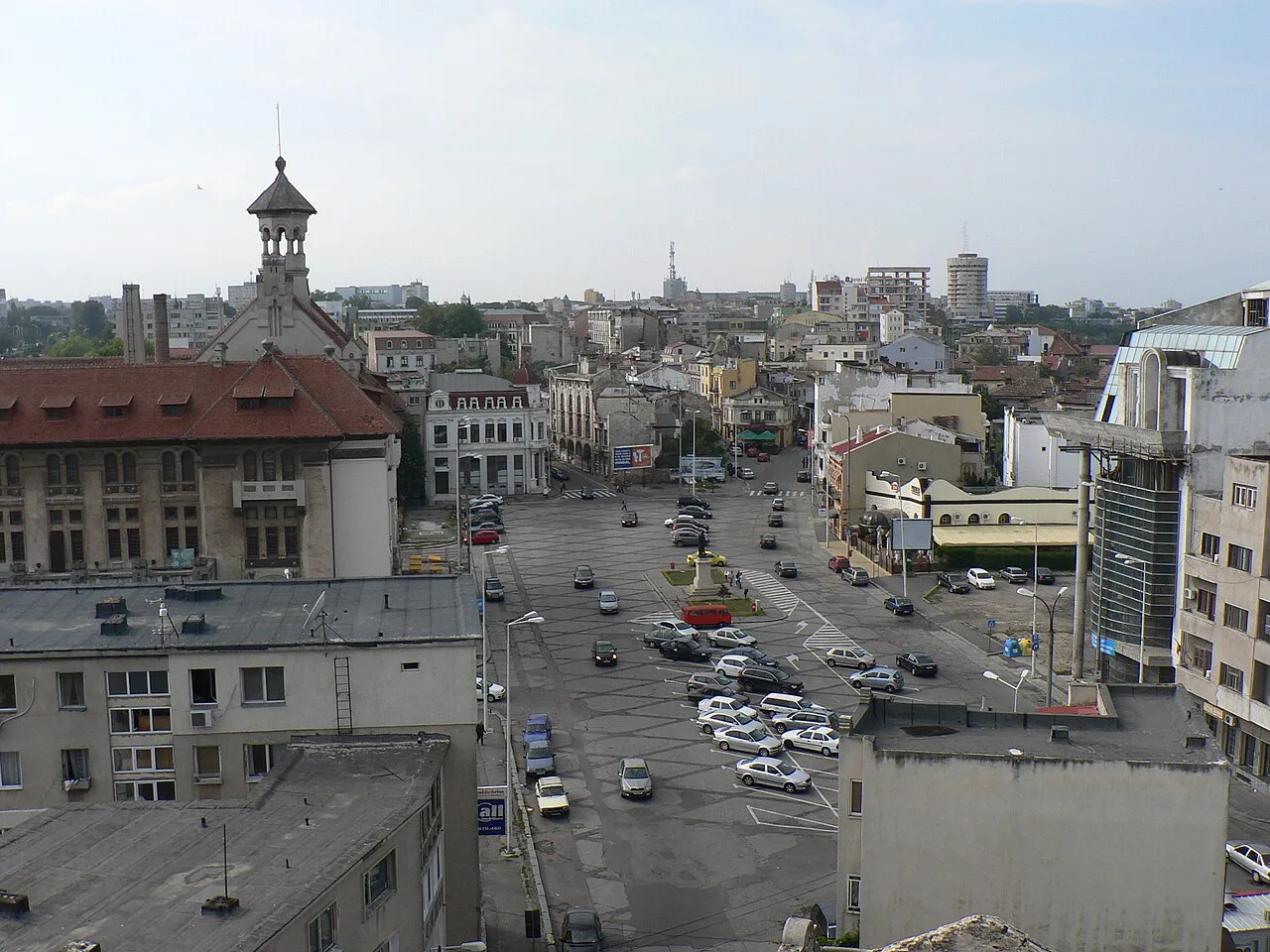
How the old town is laid out around Ovidiu Square
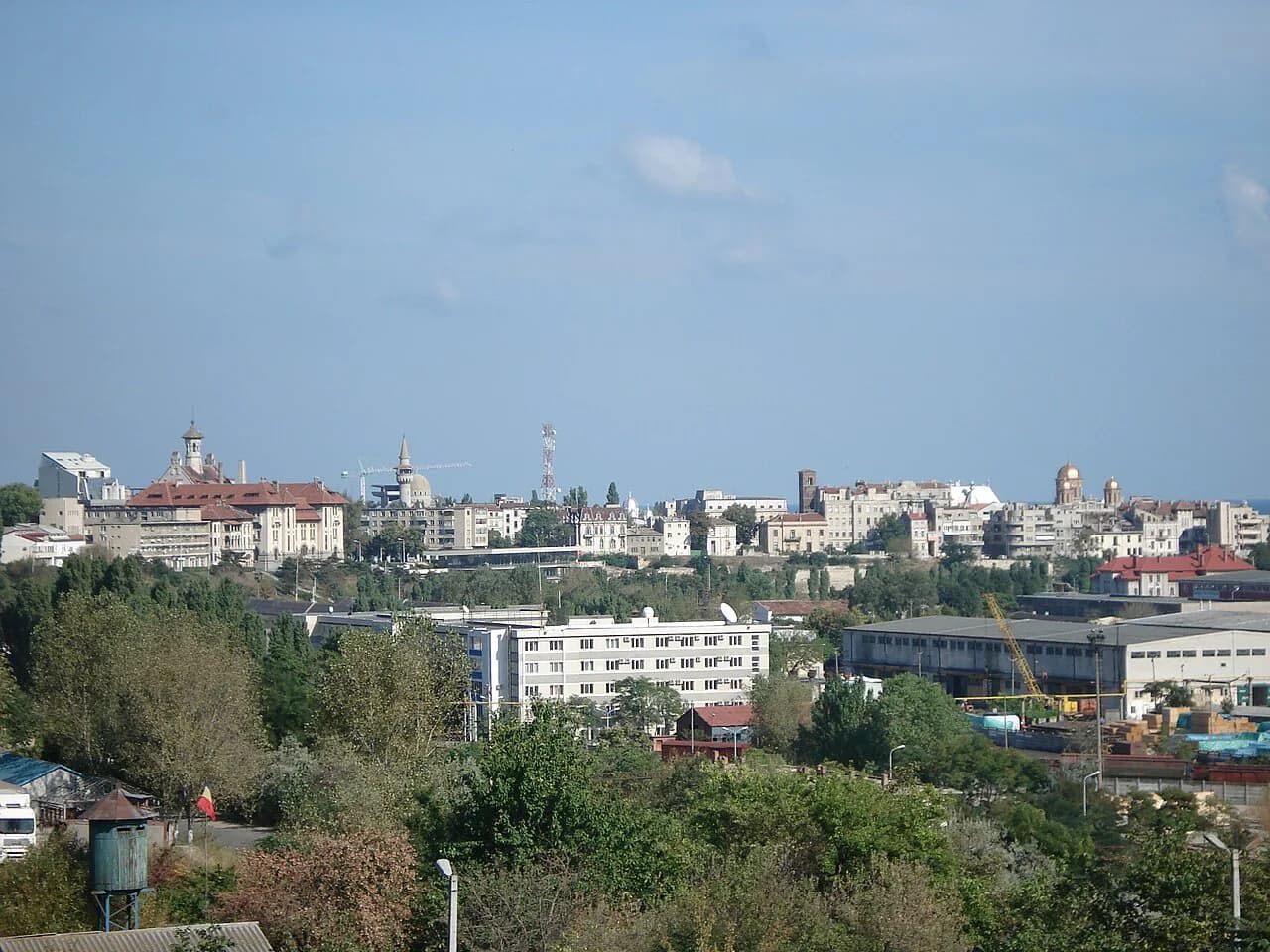
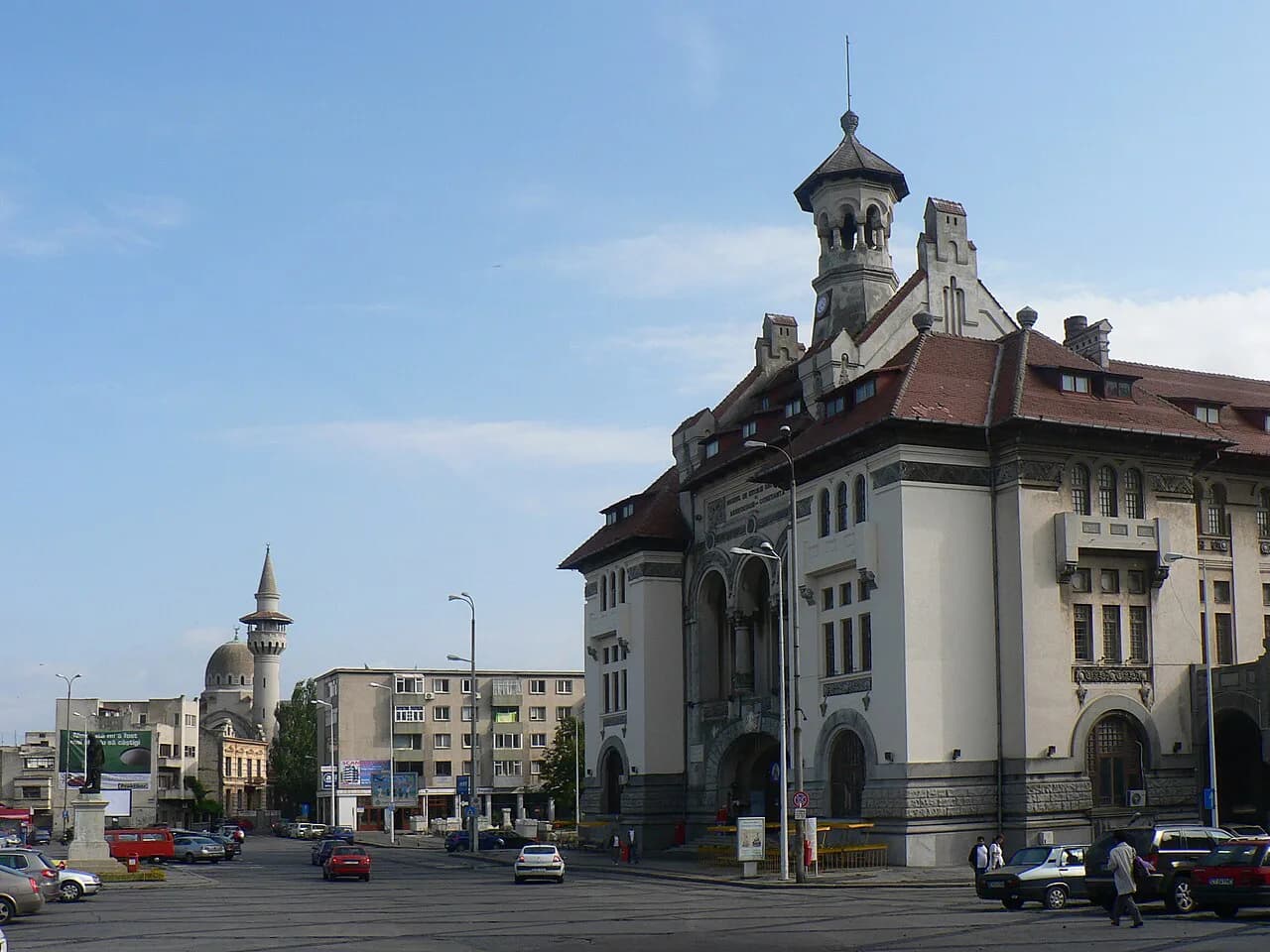
Ovidiu Square is the natural start, with the National Museum of History and Archaeology on one side and the seafront a short walk downhill. The Art Museum of Constanta sits on General Manu, a few streets back from the square, and the Cathedral of Saints Peter and Paul is close enough to combine with both. Treat the square as your compass point and work outwards rather than following a fixed route.
The old town holds the historic buildings that carry the city's long past, and much of the pleasure is in the walking between them rather than in any single facade. Allow an hour for the circuit without interiors, more if you stop at the Art Museum. Constanța History for Visitors explains what you are looking at without turning the morning into a lecture.
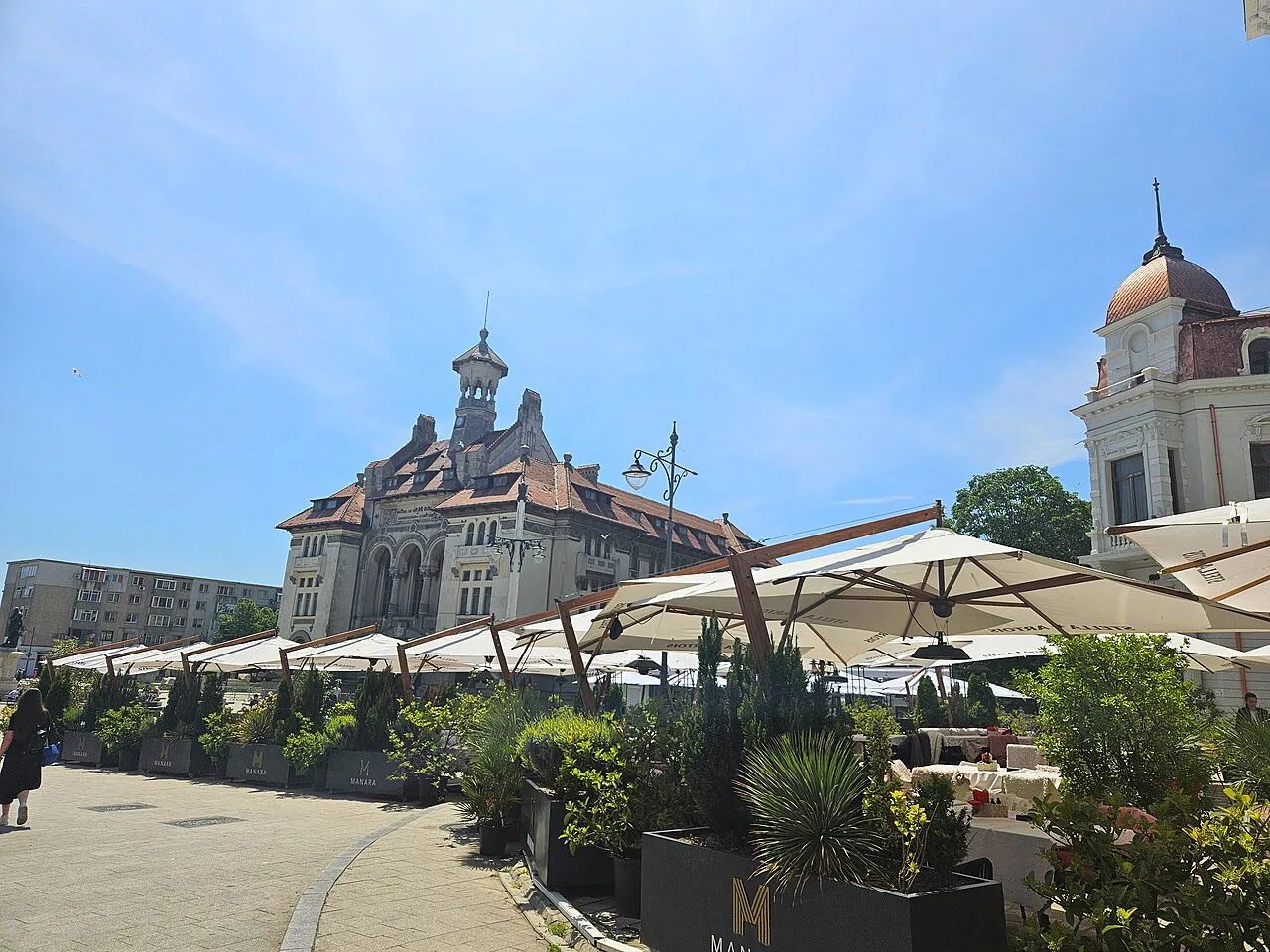
The casino and the seafront walk
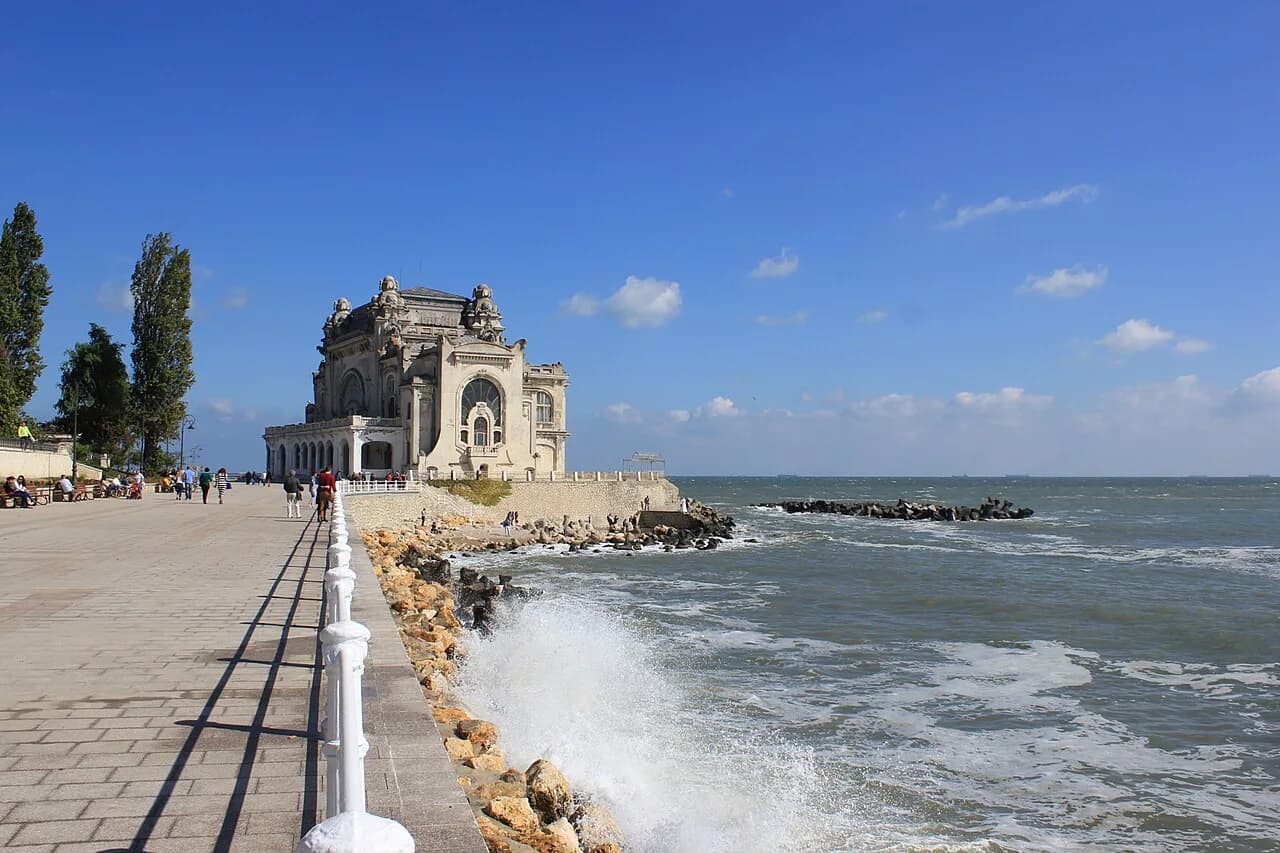
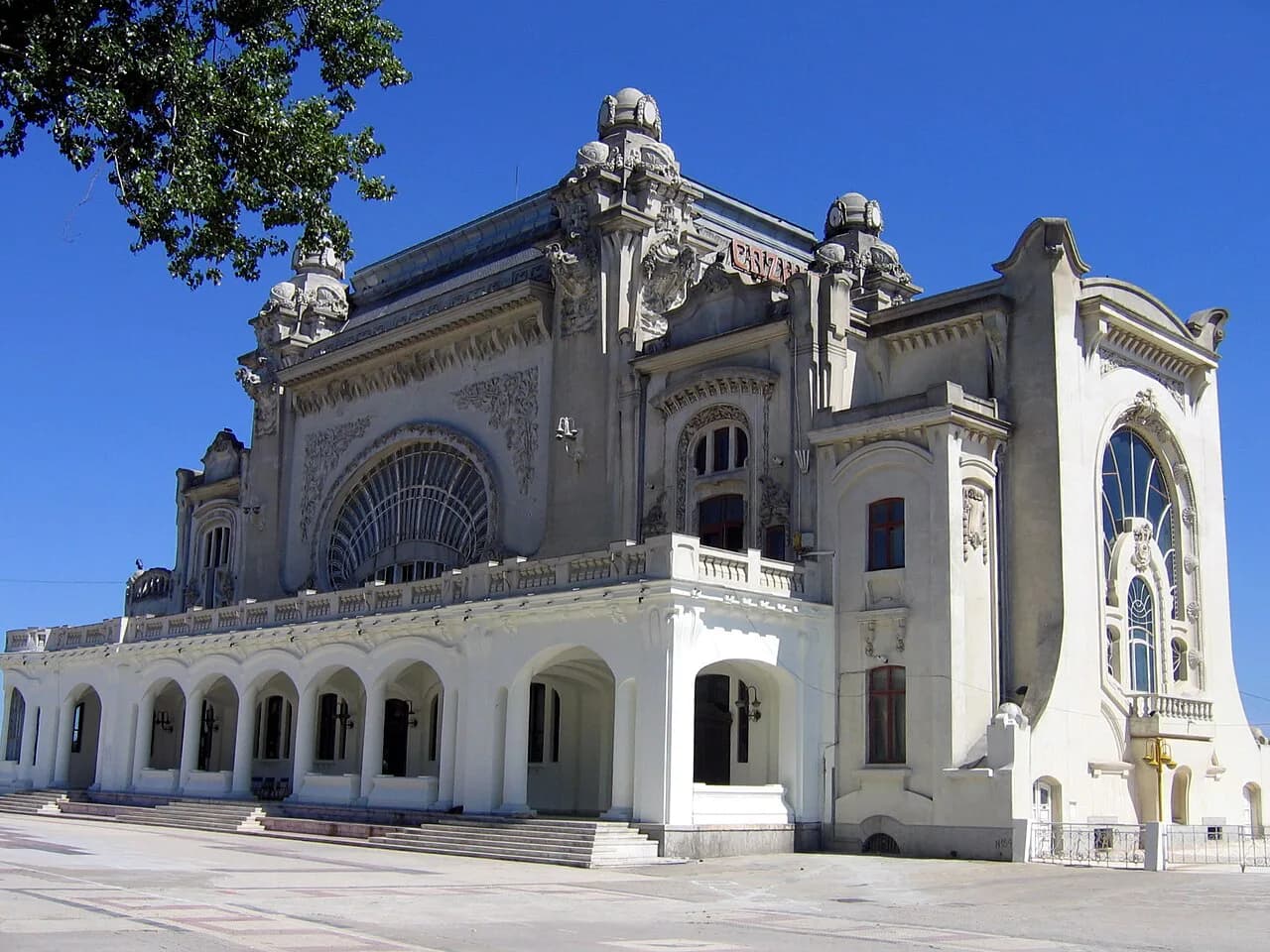
Constanța's casino is the landmark most visitors come for, an ornate building on the waterfront that photographs best in low evening light. The old city around it is easy to walk, and the promenade makes a straightforward out-and-back along the sea. Even without going inside, the casino frontage and the water behind it justify the walk down from the square.
Combine the casino with the Tomis Eye panoramic wheel and the port area if you want a second viewpoint on the city. The wheel is a paid attraction and the casino's interior access varies, so decide on the day rather than building the schedule around it. A Constanta walking tour is the efficient way to link the square, the casino and the seafront without retracing steps.
Roman and archaeological sites: the Archaeological Park and the Roman mosaic
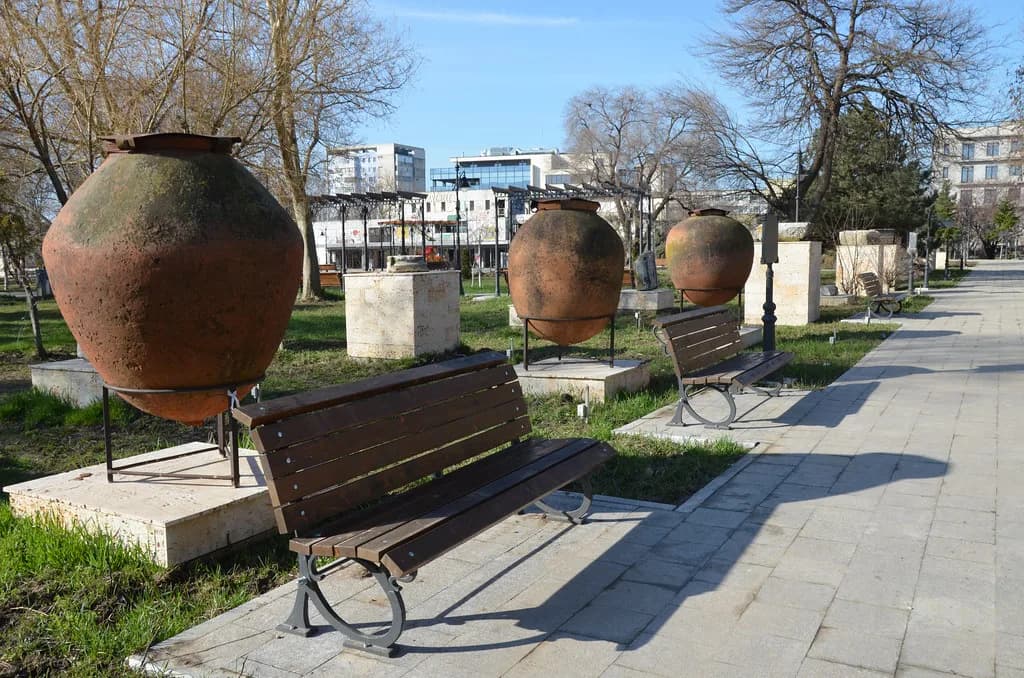
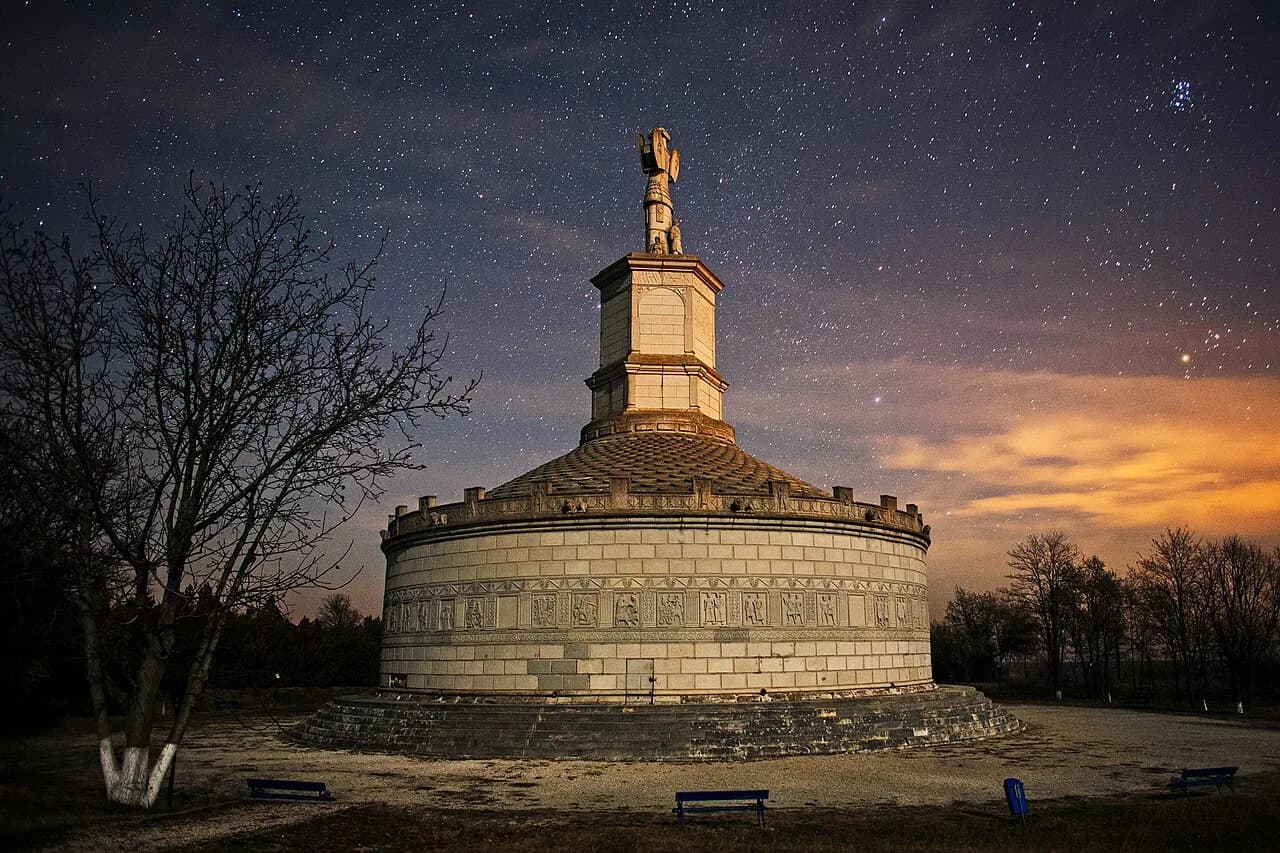
Constanța's Roman remains are split between open ground and a covered building, so plan them as one stop with two parts. The Archaeological Park is public ground you can wander; the Roman Mosaic Building is the interior visit, and it is the one to prioritise if time is short. Both sit close enough to the old town to reach on foot between the square and the seafront.
Check the mosaic building's opening days before you commit a slot to it, since a closed door is the usual reason this stop gets missed. The official Constanta Attractions: 8 Visitor Guides hub is the place to confirm which interiors are running before you set out. Build the park in as a filler between two fixed stops rather than a destination in itself.
Museums worth your time: history, the Navy and the art collection
The National Museum of History and Archaeology is the strongest single interior in Constanța, and many visitors rate the Navy's Museum alongside it. The Art Museum of Constanta on General Manu is the quieter option, with local and international works in a smaller space. Pick two of the three and give each a proper hour instead of racing through all of them.
The Natural Sciences Museum Complex on B-dul Mamaia, nr. 255 suits anyone travelling with children, and the Aquarium on Blvd. Elizabeta 2 covers marine life for a shorter visit. Both are on the Mamaia Boulevard side rather than in the old town, so they belong to a different half-day. Constanta museum opening times and ticket prices in lei are confirmed at the door, so check before making one of these your first stop of the day.
Churches and monuments: cathedral, Greek church, mosque and statues
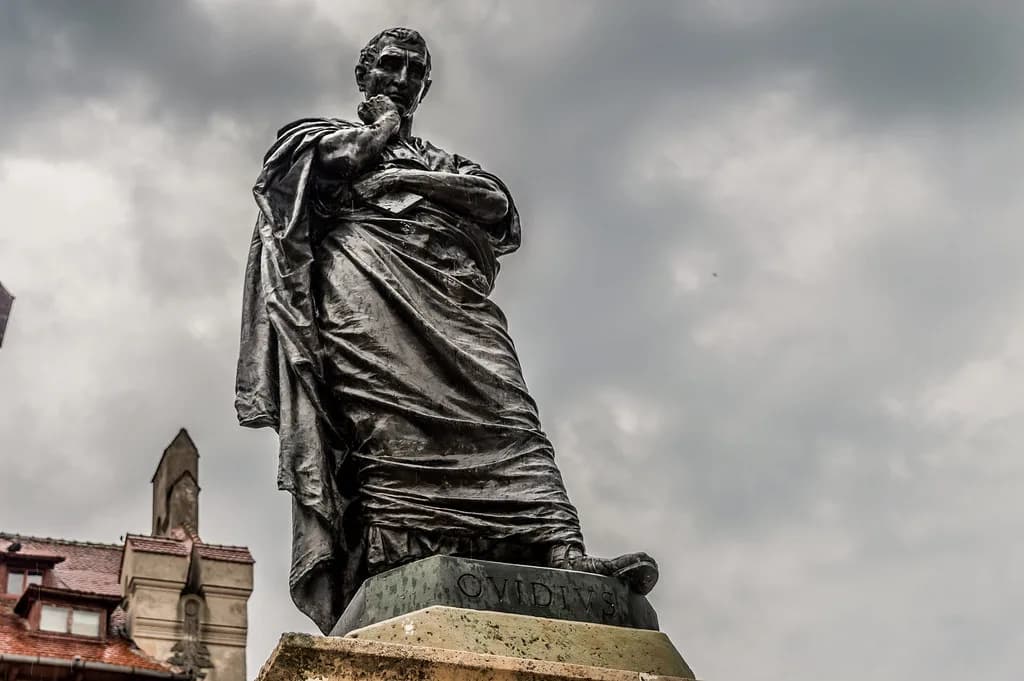
The Cathedral of Saints Peter and Paul and the Metamorphosis Greek Church are both central and quick to visit, and the Great Mahmudiye Mosque adds a different register to the same walk. The Victory Monument and the Lupa Capitolina statue are outdoor stops you pass rather than detour for, which makes them easy to fold into the old-town circuit. Plan the mosque and church visits around their opening conditions rather than treating them as guaranteed drop-ins.
Dress respectfully for the mosque and the churches, and treat services as off-limits for sightseeing. The mosque is a working place of worship rather than a monument, so visitors plan their call around its visiting conditions. Pair these with the square and you have a compact two-hour loop with no transport needed.
Parks and viewpoints: Tabacărie Park and the Tomis wheel
Tabacărie Park and the Archaeological Park give you somewhere to sit between museum stops, and both are free to enter. The Expedia guide names Tabacărie Park and the Archaeological Park as the city's picnic and breathing-space options alongside the beaches. Use them to break up a day that would otherwise be all interiors and pavement.
The Tomis Eye wheel and the port give the best elevated view of the waterfront, and the wheel is the one paid viewpoint in the centre. Ride it late in the day if you want the casino lit up below. Otherwise the seafront promenade gives you most of the same view for nothing.
Mamaia and the cable car if you want beach time
Mamaia is a separate resort strip north of the city, and getting there takes a bus or a taxi rather than a walk. The Mamaia cable car and the beach are the reasons to go, and families often pair them with the water park. Treat it as an alternative afternoon, not an addition to the old-town day.
The trade-off is real: an afternoon in Mamaia costs you the museums, because the two zones are far enough apart that you cannot do both comfortably on foot. If your priority is the old town, stay in the centre and skip the strip. If you want sand and the cable car, give Mamaia its own half-day.
How long Constanța needs and how to order the day
One day covers the old town, the seafront and two interiors at a comfortable pace; two days let you add Mamaia and a third museum without rushing. The mistake is trying to see the beach zone and the historic centre on the same afternoon. Sequence the day as square, museum, cathedral and mosque, then casino and seafront, then a park on the way back.
Walking is the right mode for the centre, and the old city around the casino is flat and compact. Buses and minibuses cover the wider city if you are staying further out. Build in a stop rather than marching from sight to sight, because the pleasure here is in the streets between the names.
Getting to Constanța from Bucharest or the airport
Mihail Kogălniceanu International Airport sits about 25 kilometres from the city centre, with taxis and shuttle buses covering the run into town. Flying into Bucharest instead gives you more airline and route options, and from there you continue by train or bus. Both approaches work; the Bucharest route is the one to choose if the direct flights do not suit your dates.
Once in the city, buses, minibuses and taxis cover most areas, and the centre itself is walkable around the casino and old town. Driving is only worth it if Constanța is one stop on a wider Romanian trip. Car hire booked in the UK such as Enterprise can be arranged before you fly, but check the Romanian pickup terms on the rental paperwork, since a UK booking does not automatically carry over.
Where Constanța fits with the rest of a Romanian trip
Constanța is the Black Sea anchor of a Romanian itinerary, and it pairs naturally with Bucharest as a train-linked pair rather than a standalone detour. Give the coast a day and keep the mountains for a separate leg, because the distances between Transylvania and the sea are too long to treat as a day trip. If Brașov is on your route, plan it as its own stop with its own things to do in Brasov rather than squeezing it around the coast.
Travellers building a longer city sequence often compare Constanța with the inland university towns, and the things to do in Cluj-Napoca sit in a completely different landscape and register. The useful decision is whether your trip is coastal or Carpathian, since mixing both in a short break means long transfers. Pick one axis for a week and leave the other for a return visit.
Which half of Constanța do you want?
Choose the old town if you want squares, museums and the casino on foot in a single day, and choose Mamaia if the beach and cable car matter more than interiors. Most visitors get the best value from the first option and treat the resort strip as a bonus. Fix your two anchor points before you arrive and the rest of the day falls into place.
Confirm opening days and ticket prices in lei for the museums and the Roman mosaic building before you set out, since these are the stops that can close or change. The outdoor circuit of square, seafront and monuments needs no planning at all. Build the day around that certainty and add interiors as they fit.
Explore more Constanta guides
Frequently Asked Questions
What is Constanța known for?
Constanța is known for its Black Sea waterfront, the ornate casino building, the old town around Ovidiu Square, and its Roman remains, including the mosaic building. The city also has a long history as a port, which the National Museum of History and Archaeology covers.
What language is spoken in Constanța?
Romanian is the everyday language in Constanța. English is widely understood in museums, hotels and the central cafés, and staff in the old town are used to international visitors.
Is Constanța a good base for the Black Sea coast?
Constanța works as a base because it has the transport links, the historic centre and the museums, with Mamaia reachable by bus or taxi. If your only aim is beach time, staying in Mamaia itself cuts the daily commute.
Sources
Useful notes for your next trip
Optional updates to our guides.
You might also like
Continue reading
More guides you'll find useful