Things to Do in Cluj-Napoca: Squares, Churches and Viewpoints
Plan your time in Cluj-Napoca with Unirii Square, St. Michael's Church, Cetățuia Hill and the botanical garden, plus notes on steps and seasonal openings.
On this page
Cluj-Napoca needs one full day for its compact centre and two if you want the museums and the trip out to Turda Salt Mine. Almost everything worth seeing sits within walking distance of Piața Unirii, the main square, so you can plan a route rather than chase a list. This guide groups the sights by area and theme, names the steps and seasonal catches, and says what to cut when time is short.
The city works as a university town with a walkable historic core, which means the walking between sights is short and the evenings are lively around the theatre and opera. Start at the square, work through the churches and the hill, then decide whether the gardens and museums earn a second day.
What Cluj-Napoca is like for a first visit
Cluj-Napoca sits in the northwest of Romania, in the heart of Transylvania, and is one of the country's major university cities, so student bars and a young crowd shape the centre. Its roots reach back almost 2,000 years to the Roman period, and it later served as the capital of Transylvania in the 18th century.
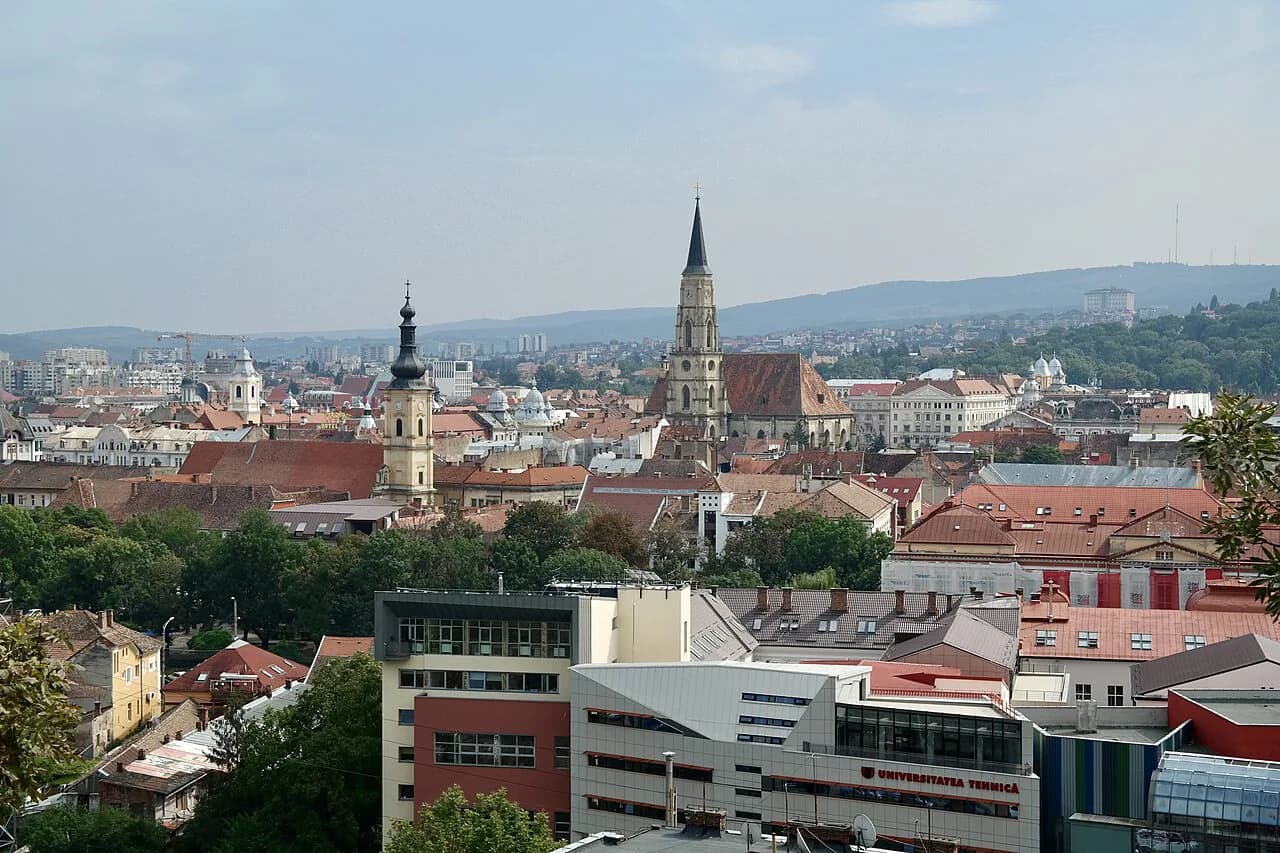
For a visitor the practical point is that the old core is tight and legible: palaces, churches and cafés cluster around one main square, with the hill and the river park within a short walk. You do not need transport to cover the centre, and that is what makes a single day feel unhurried. Plot the squares on a Cluj-Napoca Map before you set out so the day flows in one direction.
Start at Unirii Square (Union Square)
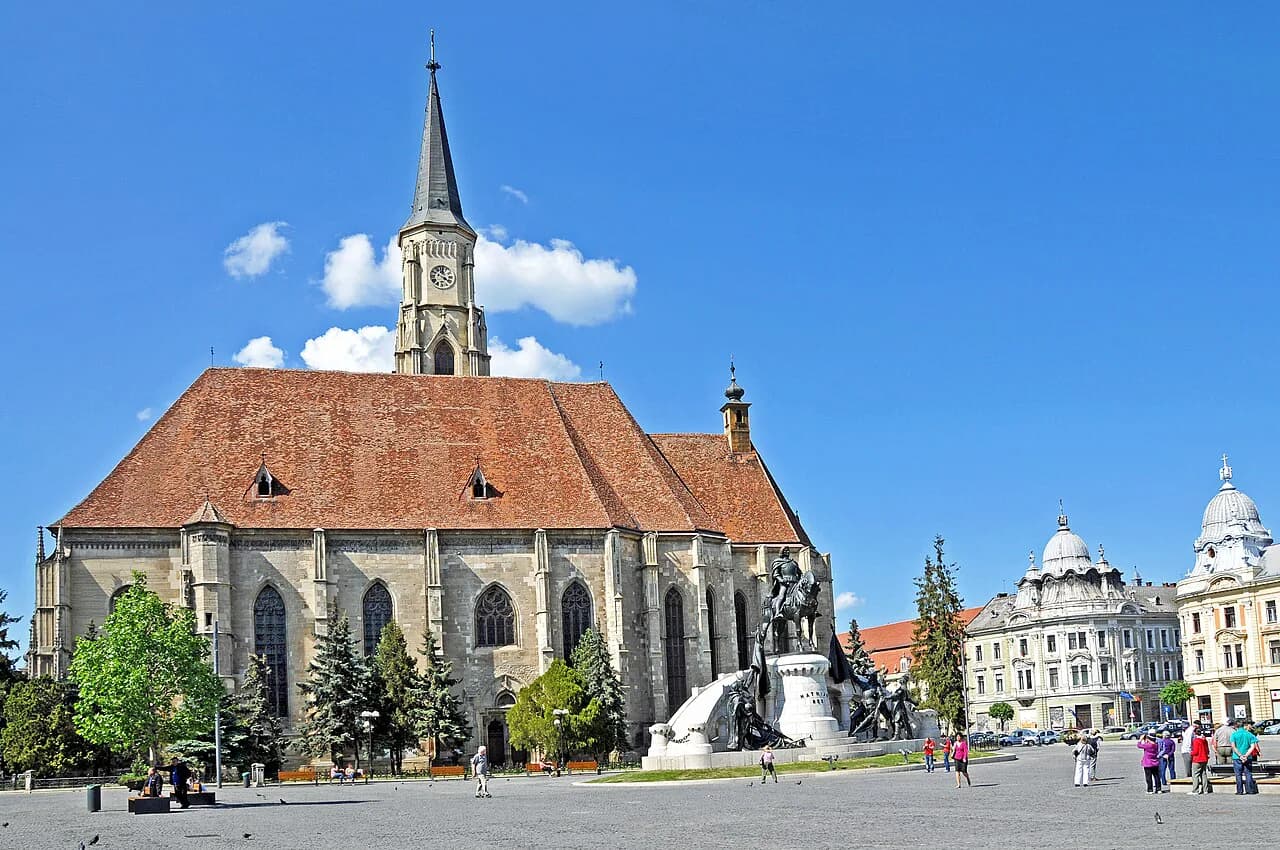
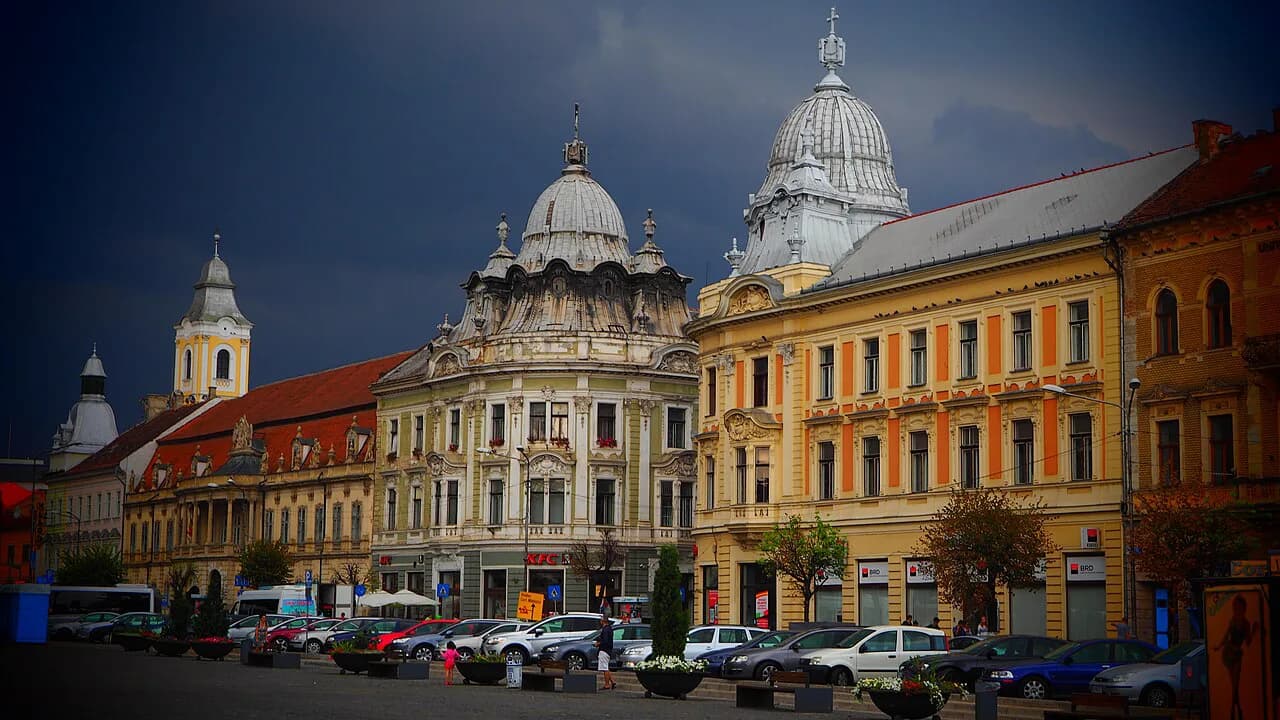
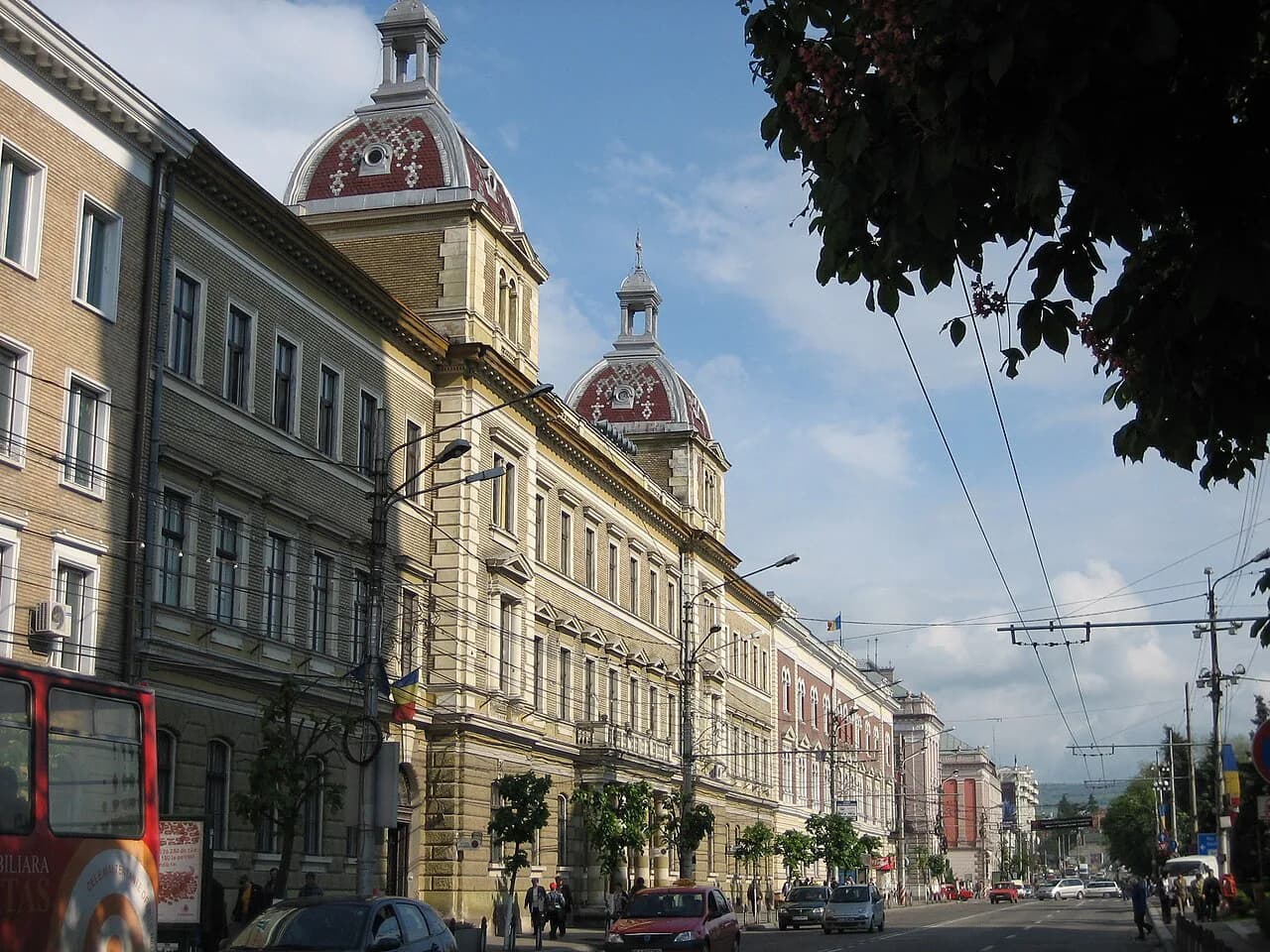
Piața Unirii, also called Union Square, is the heart of medieval Cluj and the natural starting point, ringed by nineteenth-century palaces and the old town hall. The Matthias Corvinus Statue stands at the centre, with St. Michael's Church behind it and the National Museum of Art among the surrounding buildings. The name marks the Union of Transylvania with Romania in 1918; under communism it was called Liberty Square before reverting after 1990.
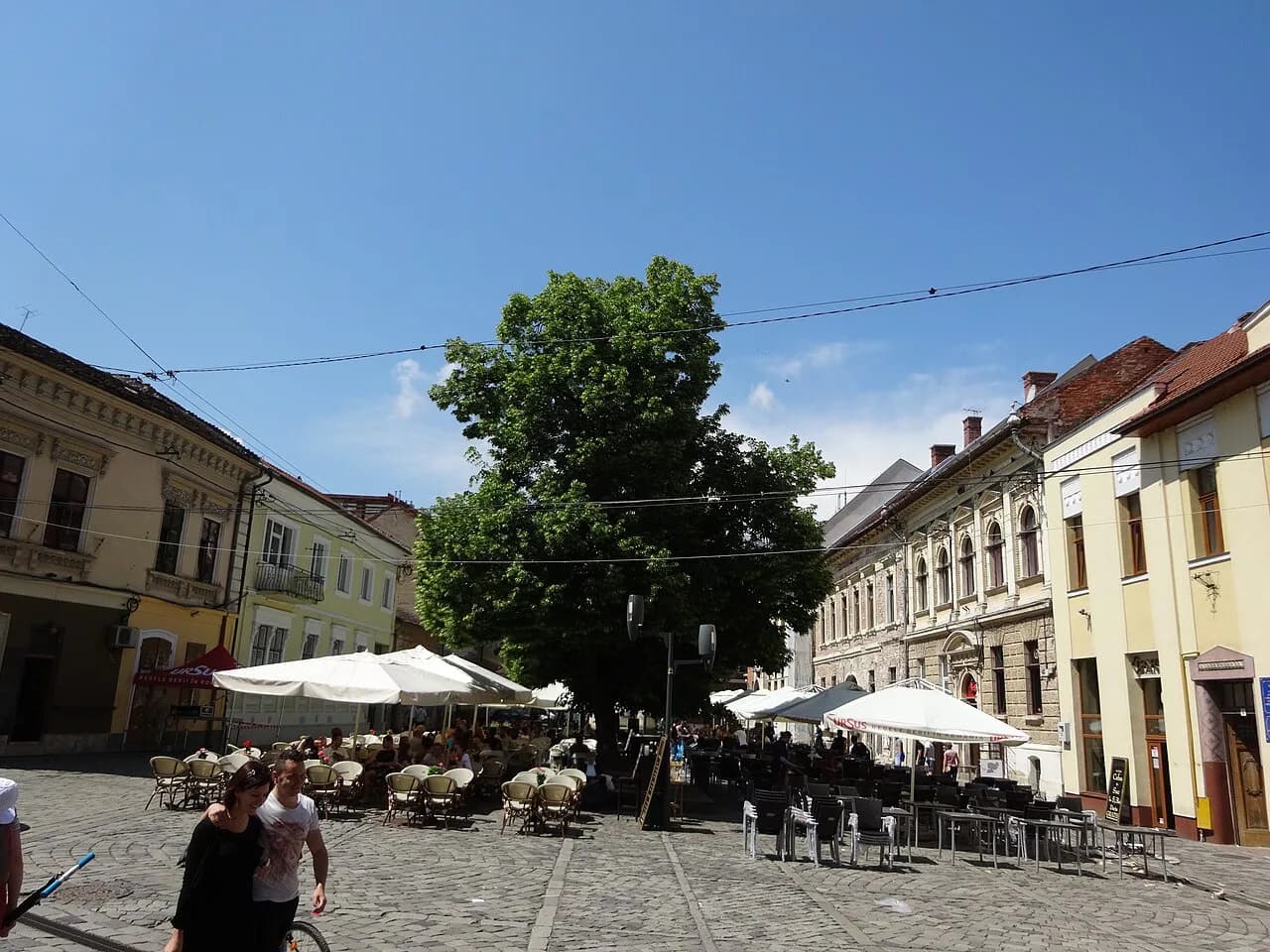
Give the square twenty minutes to walk the full circuit and read the facades, then pick your next sight from the edges. From here the cathedral, the theatre and the streets of the old town are all within a few minutes on foot, which is why the square earns its place as the first stop on any Cluj-Napoca itinerary.
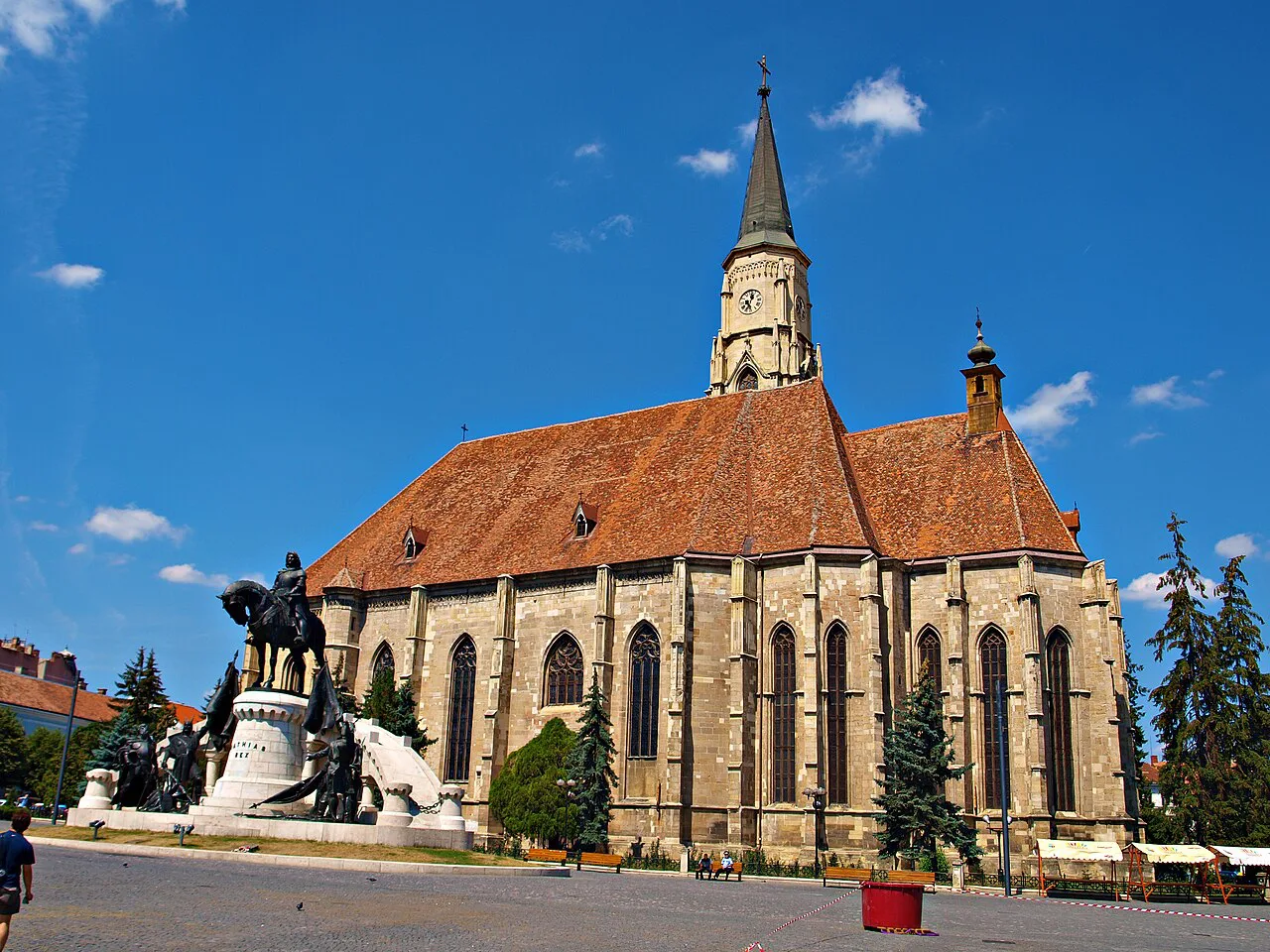
St. Michael's Church: Gothic nave and the tower
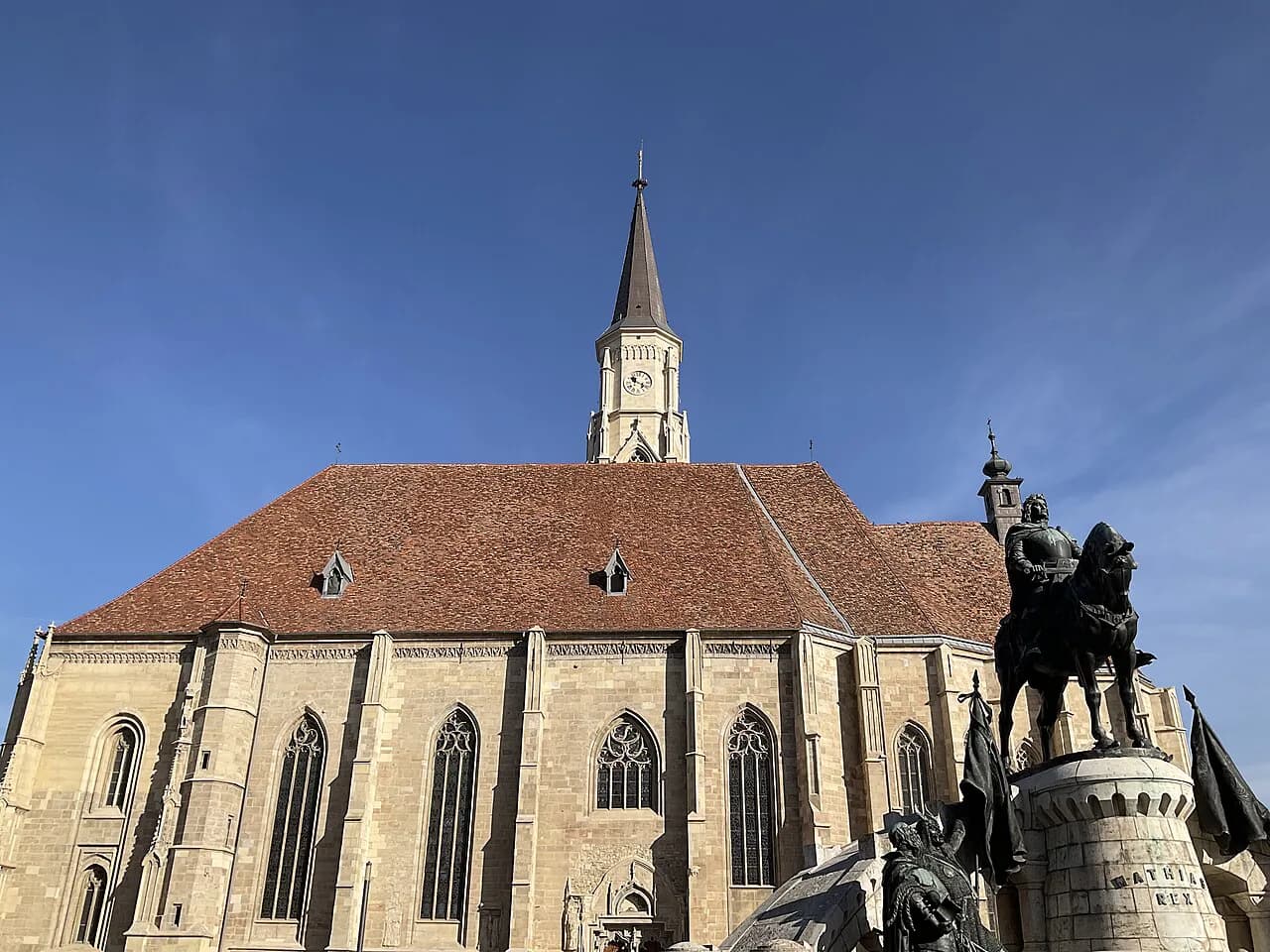
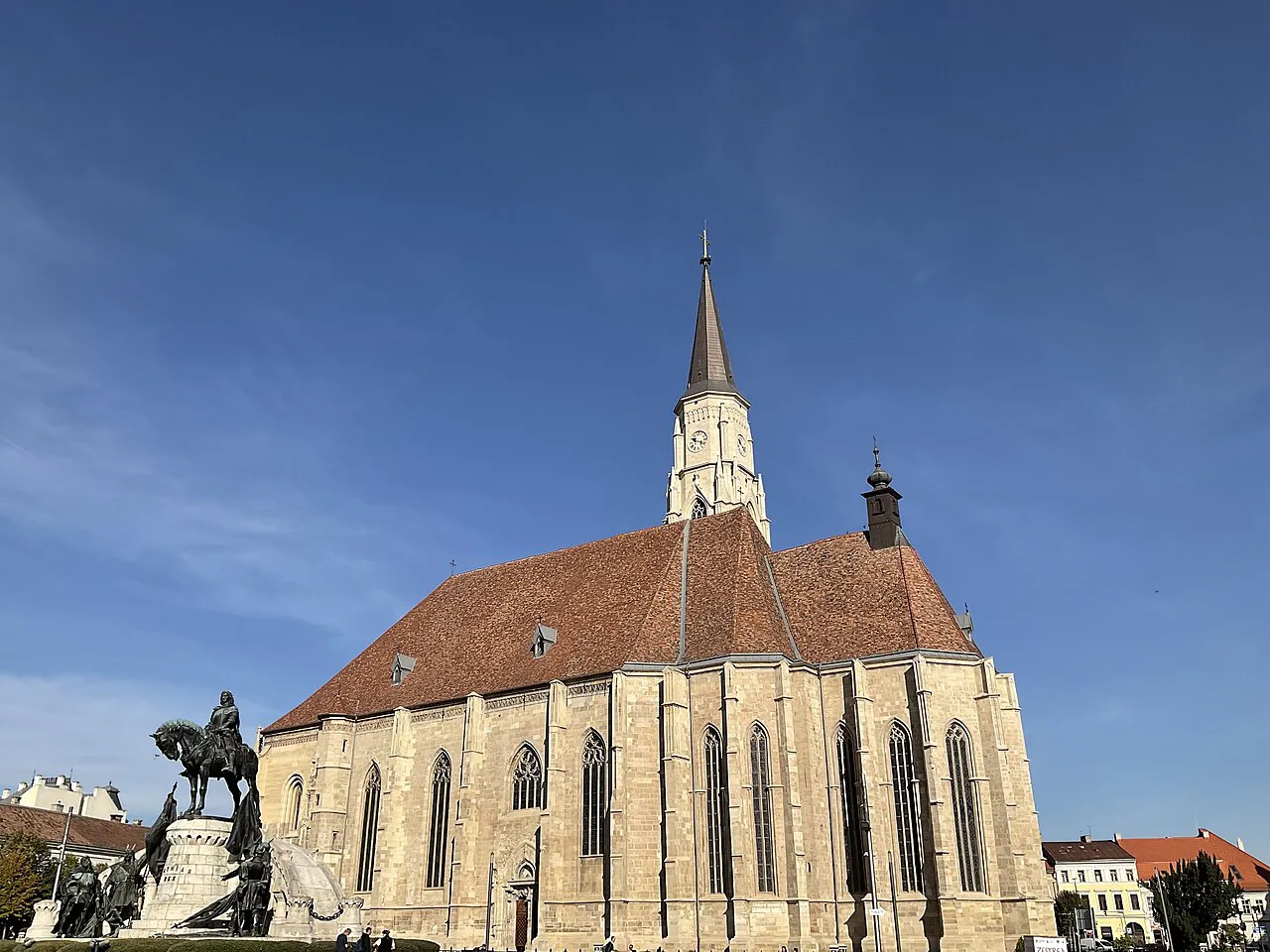
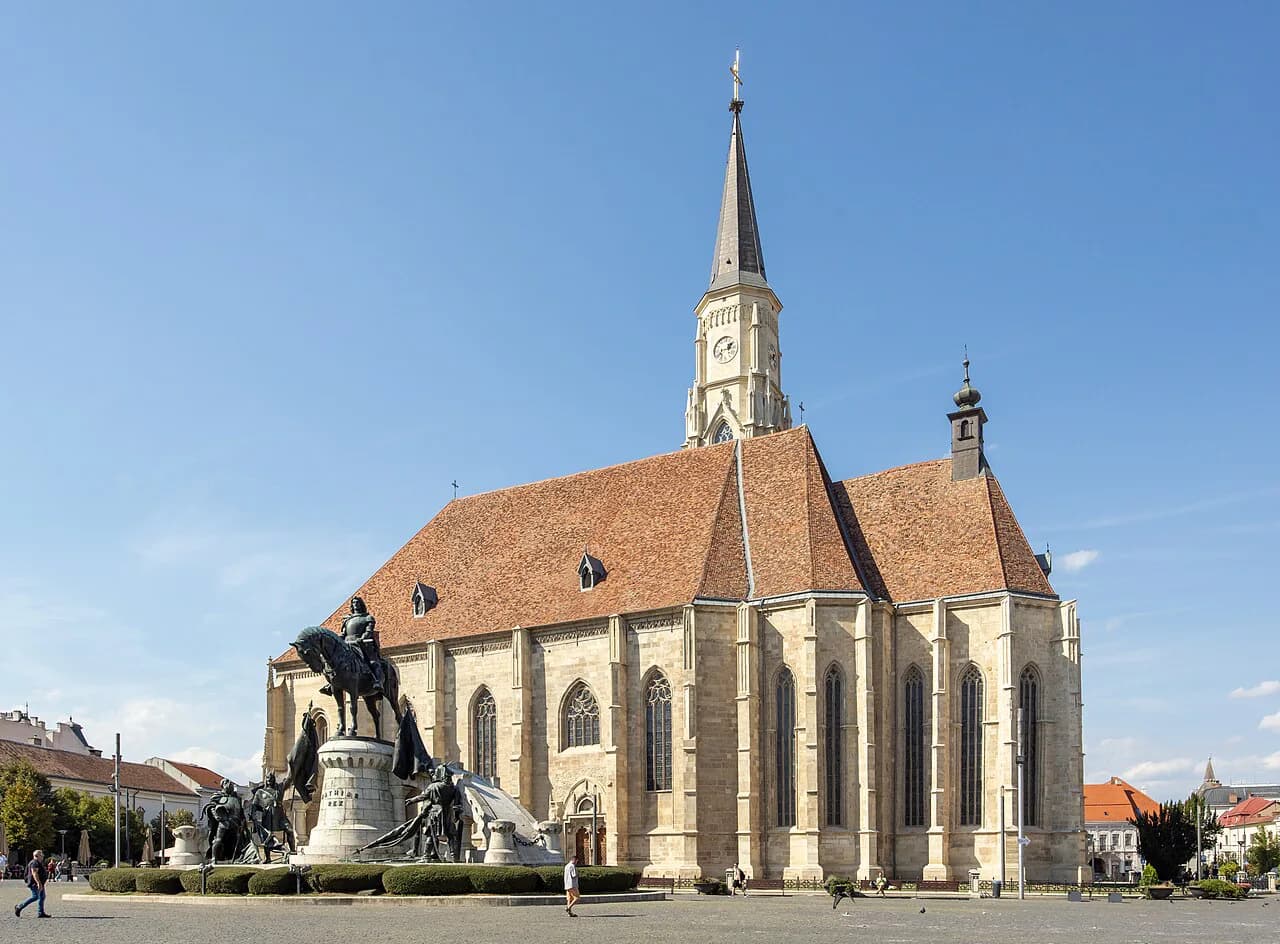
St. Michael's Church occupies the centre of Piața Unirii, a Gothic building from the fourteenth century with a tall nave, stained glass and carved stonework including the altar and pulpit. Entry is free, and the church is generally open through the day; the tower above the city is the part with a catch, since it only opens in the summer months.
If the tower climb matters to you, plan the Cluj leg of your trip for the warmer months rather than gambling on a winter visit. Otherwise the interior is the reward: step in, look up at the vaulting, and come out onto the square again. For the architecture of the surrounding palaces and the church in context, the Cluj-Napoca Architecture guide adds the detail this page leaves out.
Climb Cetățuia Hill for the city view
Cetățuia Hill, topped by Cetățuia Park, rises more than 400 metres and gives a broad view over the city. The route up is a long flight of stairs and it is genuinely tiring, so wear shoes you can climb in and go late in the day for the sunset light.
Treat the climb as a proper stop rather than a shortcut between sights: bring water, take the stairs at your own pace, and allow time at the top rather than turning straight round. If stairs are a problem, cut the hill rather than the square, because everything else in the centre is on the flat.
The Dormition of the Theotokos Cathedral and the market square
The Dormition of the Theotokos Cathedral, also called the Assumption Cathedral, is the city's most important Romanian Orthodox church, an imposing building whose interior is smaller than the exterior suggests. It is roughly a century old and worth a short, quiet visit for the contrast with the Gothic church on the main square.
The square in front of the cathedral often hosts a market with local products, from traditional clothing to wooden utensils, souvenirs and food, and around Easter the stalls carry painted eggs and decorations. A market is sometimes held at Unirii Square in November and December as well, but the dates move, so check what is on before you build a day around it.
Lucian Blaga National Theatre and the Romanian National Opera
The Lucian Blaga National Theatre and the National Opera share one building across the street from the cathedral-side market, and both stage performances through the week. The theatre was built in the early nineteenth century and mixes classic and modern productions, with a play on most days, so a Romanian-language show is a realistic evening option even on a short trip.
Check the programme for your dates and book ahead if a particular opera or play is the reason you are going, since a shared building means the two companies alternate the stage. If you would rather keep the evening free, the facade and the surrounding streets are worth the walk past on their own.
Alexandru Borza Botanical Garden
The Alexandru Borza Botanical Garden holds more than 10,000 plants from around the world, laid out in five main sections that include a Japanese garden, a Roman garden and a large greenhouse of exotic plants. It is a good change of pace after the churches and the hill, and it suits a slow hour rather than a rushed one.
Ask at the gate about tickets and the greenhouse's opening times for the day you visit, because a garden visit depends on daylight and season more than the city sights do. In practice, slot the garden into an afternoon and keep the morning for the centre.
Tailors' Tower and the old walls
Tailors' Tower is the surviving piece of the town's medieval defences that is easiest to reach from the centre, and it makes a short, worthwhile detour between the main square and the river. Pause here to picture the line of the walls rather than treating the tower as a standalone monument.
Pair the tower with a wander along the narrow streets and alleys that fan out from Piața Unirii, which is where the city's quieter corners and older frontages are. The Cluj-Napoca walking tour covers them in a set order if you want a route rather than a wander.
Museums worth an hour or two
The National Museum of Art occupies one of the palaces on Piața Unirii, so it costs you almost no walking time to add it to a square-based morning. Steampunk Transylvania is the quirkier option, a themed museum that rewards an hour if you want something less formal than a gallery.
Pick one museum rather than both unless you have a second day, and check the ticket desk for current prices and closing days, since these vary through the year. The guide to museums in Cluj-Napoca sets out the choices in more detail than a single-day page can.
Central Park Simion Bărnuțiu, Cazino and the Piarist church
Central Park Simion Bărnuțiu gives the centre a green lung along the river, with the Cazino building as its landmark and the Biserica Piaristă close by in the streets toward the old town. Together they make a gentle loop that balances the stairs and the churches with a flat, shaded walk.
This is the part of Cluj-Napoca to keep for the end of the afternoon, when the light softens and the park fills up. It also gives you a fallback if the hill climb is rained off.
How many days Cluj-Napoca needs, and what to cut
One full day covers Piața Unirii, St. Michael's Church, the cathedral and market square, the theatre and opera building, and either the Cetățuia Hill climb or the botanical garden, depending on your legs and the weather. Two days add the second of those parks, a museum and an unhurried evening at a performance. A third day is for Turda and the villages beyond the city. If you are weighing up another Transylvanian stop instead, our list of things to do in Brasov shows how a similar compact old town fills a day.
With a single day, cut the hill if stairs are a problem and cut one of the two cathedrals if you are pressed for time; the square, St. Michael's and one park make a coherent day. One Day in Cluj-Napoca sets that route out stop by stop.
Turda Salt Mine as the main trip out of the city
Turda Salt Mine is the trip out of Cluj-Napoca that most visitors make, and it is a half-day at minimum once you count the journey each way, more with a guided tour of the old galleries. Book a slot or go early, since the underground chambers are the reason for the trip and queuing eats into the time you have.
Tours from the city are listed on operator sites, so compare the time cost and what is included before choosing between a bus, a car and a guided trip. If you have only one day in Cluj-Napoca, leave Turda out and keep the centre.
Getting around the centre and arriving late
The centre is walkable end to end, so you only need a bus or tram to reach the stations, the airport and Turda. Plot your address on the Cluj-Napoca city map before you arrive so you know which side of the river you are on and which sights are nearest.
If you land late, head for Piața Unirii, where the restaurants and cafés stay open into the evening and the square is easy to find from anywhere in the centre. Save the hill and the garden for a morning when you have daylight. The Cluj-Napoca Old Town guide covers the streets around the square.
Is one day in Cluj-Napoca enough?
One day is enough for the centre if you start at Piața Unirii, take in St. Michael's Church and the cathedral, and choose between the hill and the botanical garden. Add a second day if you want a museum and a theatre evening, and a third only if Turda Salt Mine is on your list.
Book the tower climb and the salt mine for the seasons and slots they actually run, check ticket desks in lei when you arrive, and keep the rest of the day loose enough to follow the square's streets. That is a better Cluj-Napoca than a checklist of stops.
Explore more Cluj-Napoca guides
Frequently Asked Questions
What is Cluj-Napoca known for?
For its compact old core around Piața Unirii, the Gothic St. Michael's Church, the Dormition of the Theotokos Cathedral, the National Theatre and Opera sharing one building, and Cetățuia Hill above the city. It is also a large university city in the heart of Transylvania.
Is Cluj-Napoca safe for tourists?
The sights described here are in the central, well-used streets and squares, and the main practical risks are the stairs up Cetățuia Hill and pickpocketing in crowds. Take the usual city precautions, keep bags closed in the market and around the main square, and use licensed transport after dark.
Can I see Cluj-Napoca's sights in one day?
Yes. Piața Unirii, St. Michael's Church, the cathedral and market square, and the theatre building fit a morning and early afternoon, leaving room for Cetățuia Hill or the botanical garden before dinner. Museums, a performance or Turda Salt Mine need a second day.
Sources
Useful notes for your next trip
Optional updates to our guides.
You might also like
Continue reading
More guides you'll find useful