Oradea: Art Nouveau Squares, Fortress and Synagogues
Plan a city break in Oradea with its Art Nouveau centre, Union Square, the Black Eagle Palace, the fortress and the Moon Church.
On this page
Give Oradea one full day for the centre and two if you want the fortress and the museums as well. The historic core is compact: Union Square, the Black Eagle Palace arcade and the Moon Church sit within a few minutes of each other, so most of your first morning is a single loop on foot rather than a series of taxi hops. This guide covers what each set piece adds, how the star-bastioned fortress sits apart from the squares, and how to plan the Art Nouveau buildings and the tip-based guided walks around your time.
The city spreads across both banks of the Crișu Repede, about 8 miles east of the Hungarian border, which is why it works so well as a first or last stop on a Romanian trip arriving by car or train from Central Europe. It was first documented in 1113 under the Latin name Varadinum, and the old trading-route position still shapes how easy it is to reach.
What Oradea is known for
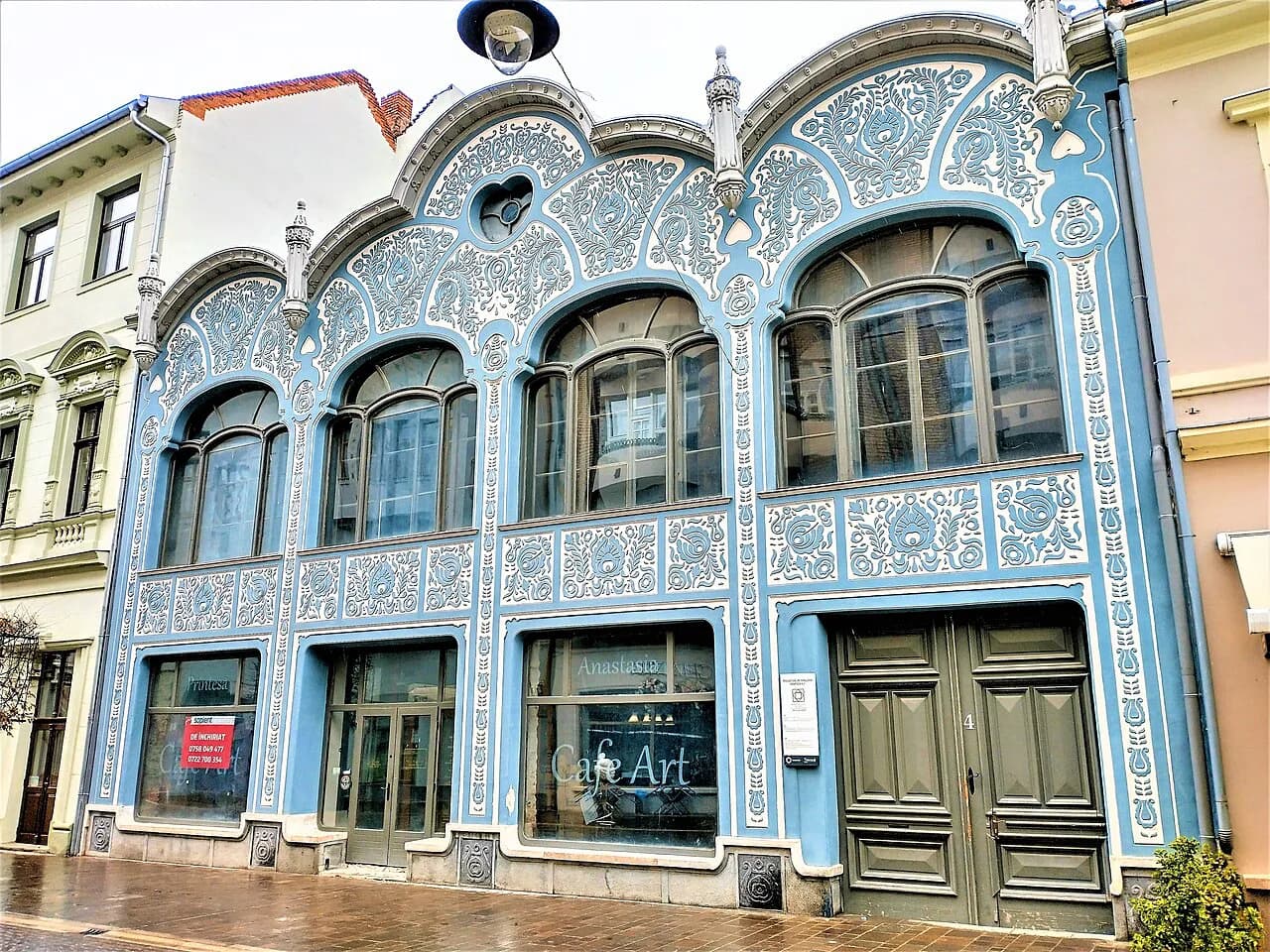
Oradea is an Art Nouveau city first and a fortress town second. The tourism office counts 89 Art Nouveau buildings and monuments across the city, set among Secession, Baroque and medieval star-bastioned monuments — that mix, rather than any single facade, is the reason to come.
That stock is not confined to one street. The same count sits alongside 26 buildings classified as historical monuments, so a wander between the main square and the side streets keeps turning up decorated facades you did not plan to see. Treat the architecture as the spine of the trip and slot the museums and the fortress around it.
How the centre is laid out
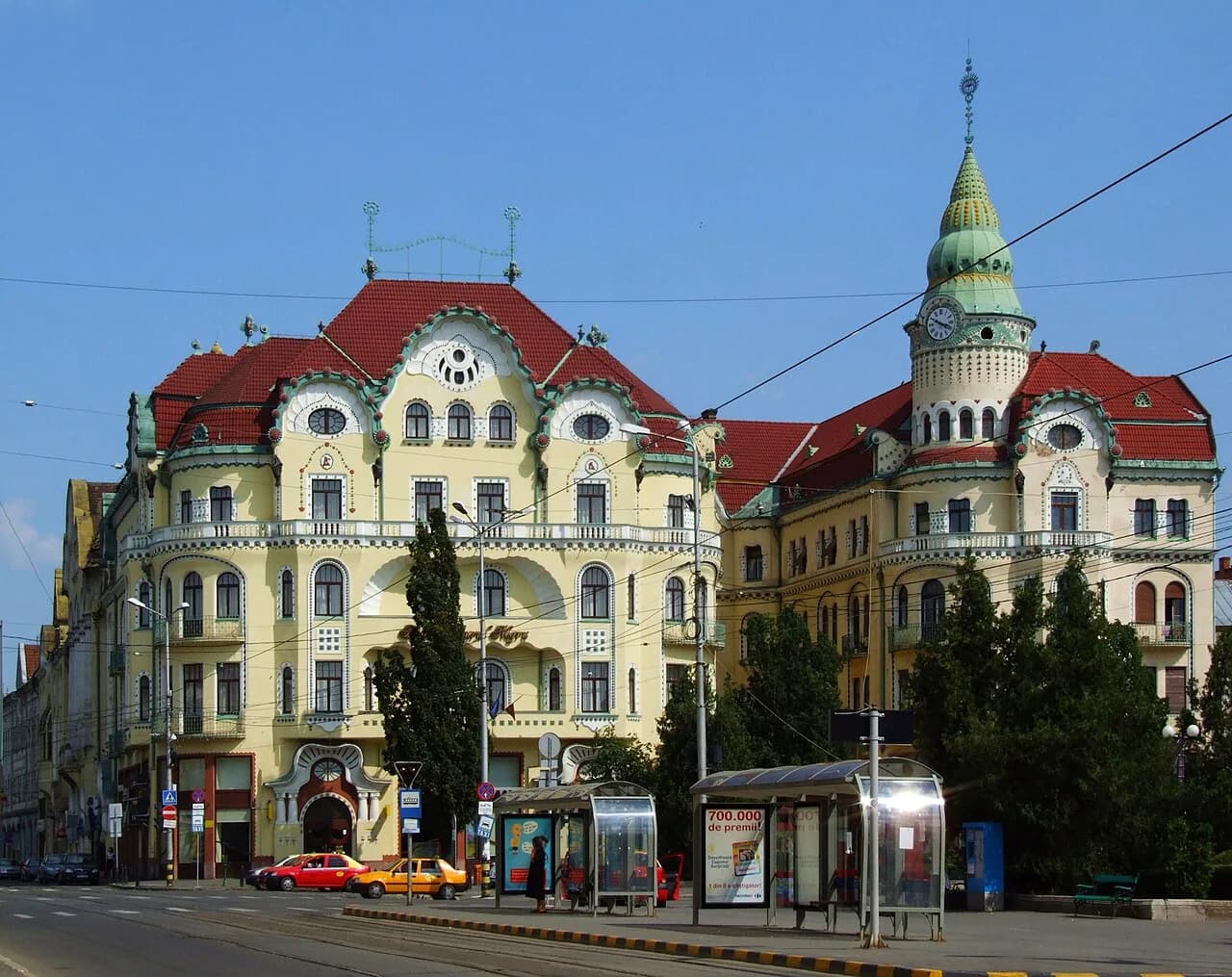
Union Square, Piața Unirii, is the anchor. The Black Eagle Palace, the Moon Church and the streets running off the square are all within a short walk, and the Crișu Repede runs close by, so you can orient yourself quickly with a map and then stop looking at it.
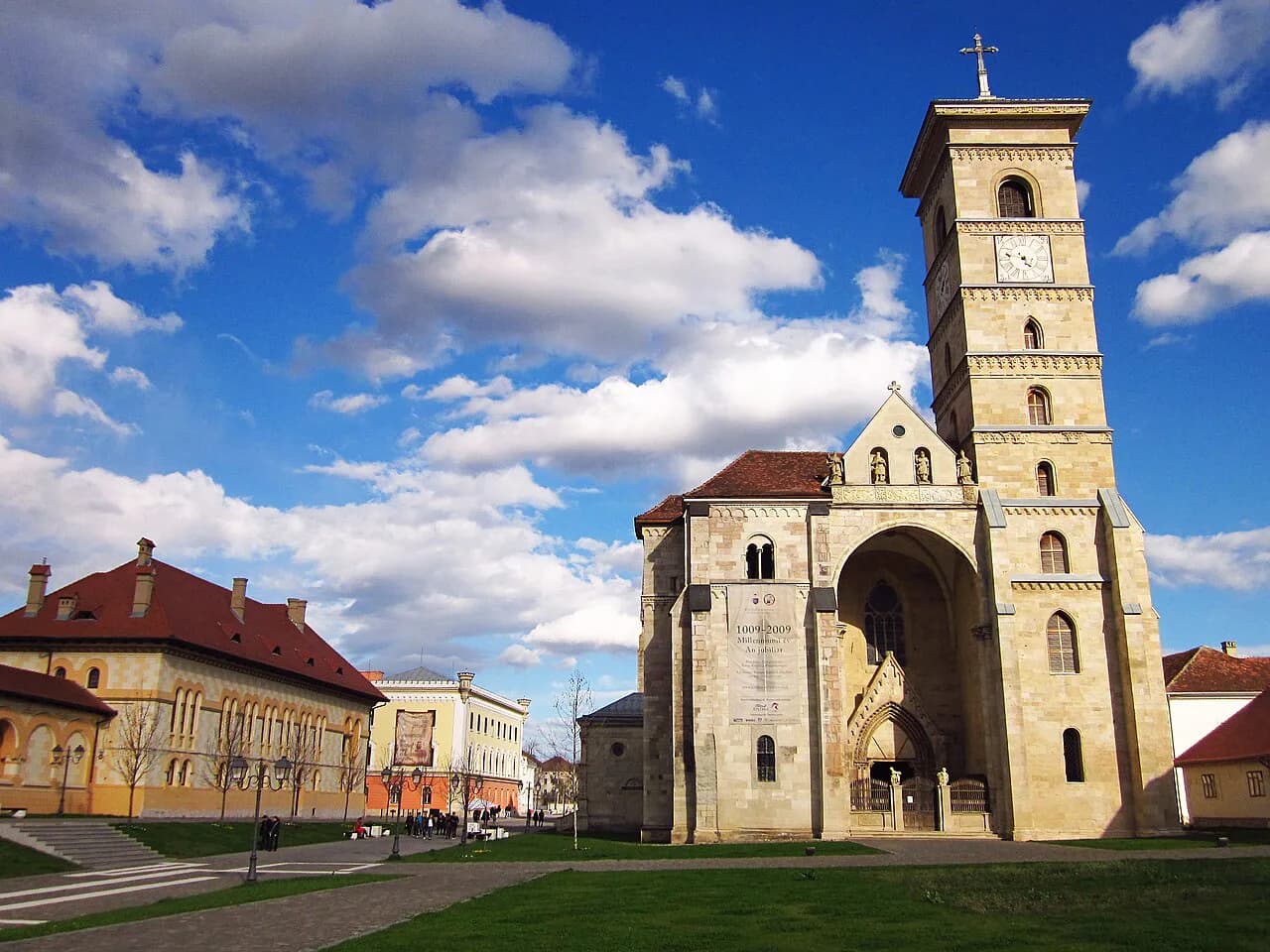
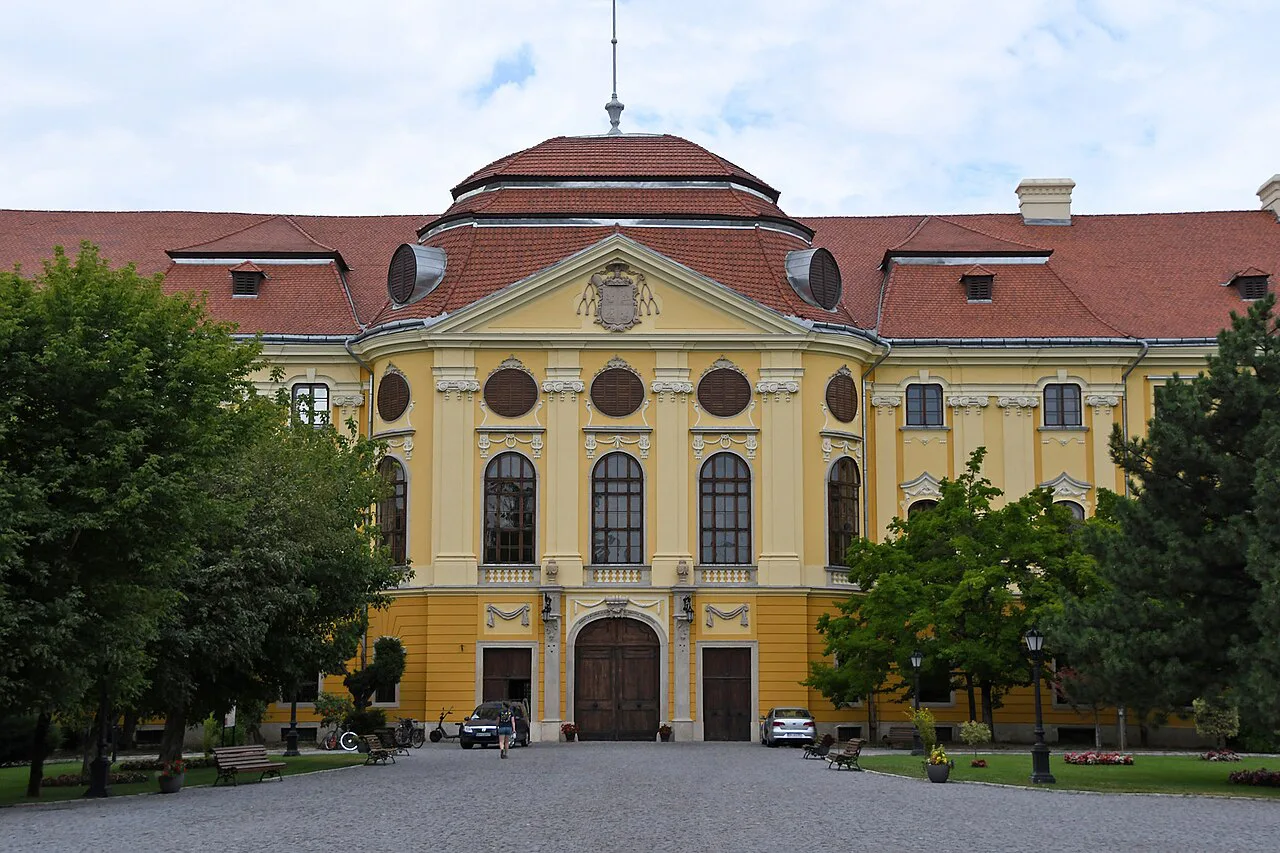
Think of the centre as three layers: the Baroque Episcopal ensemble around the Bishop's Palace, the Art Nouveau commercial blocks around Union Square, and the rebuilt fortress to the south-west. Each rewards a different pace — a slow look at the palace frescoes, a coffee under the arcade, then a longer block for the walls.
Union Square and the Black Eagle Palace
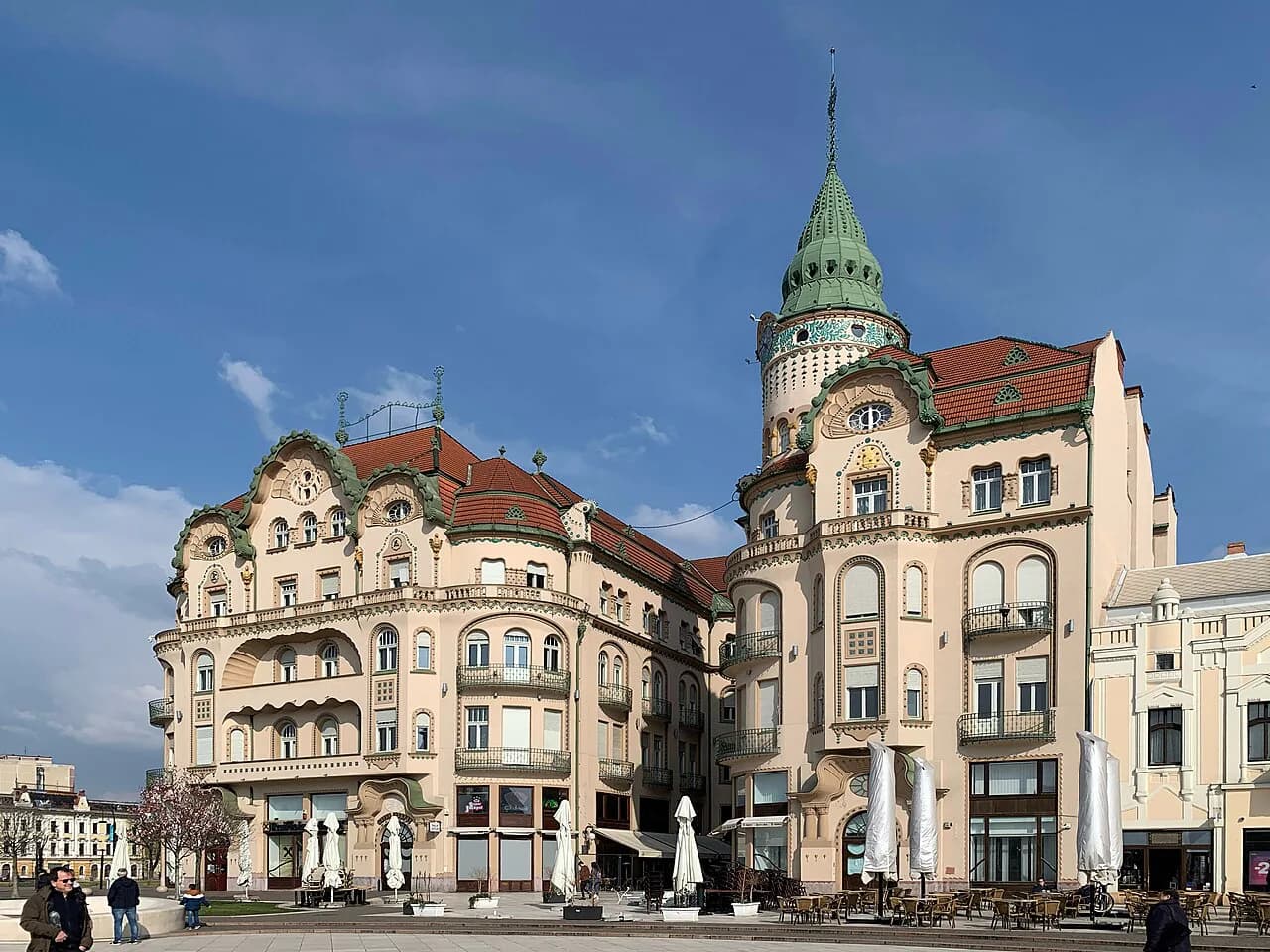
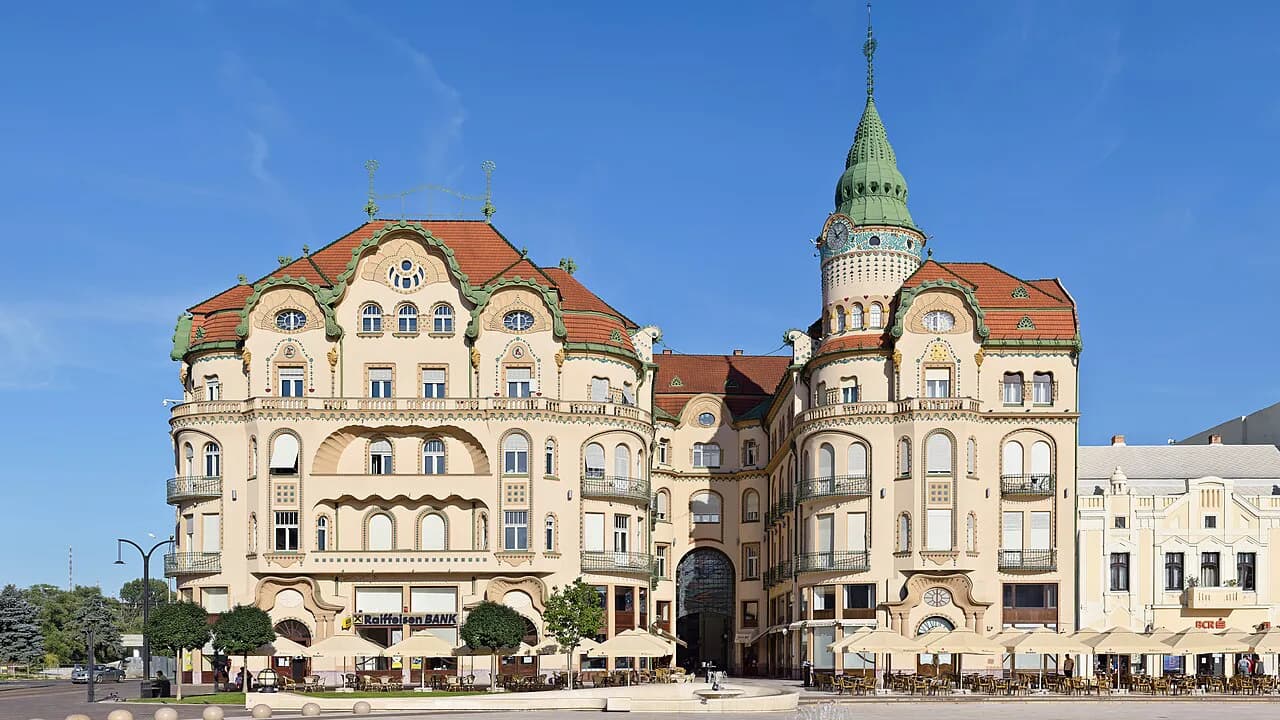
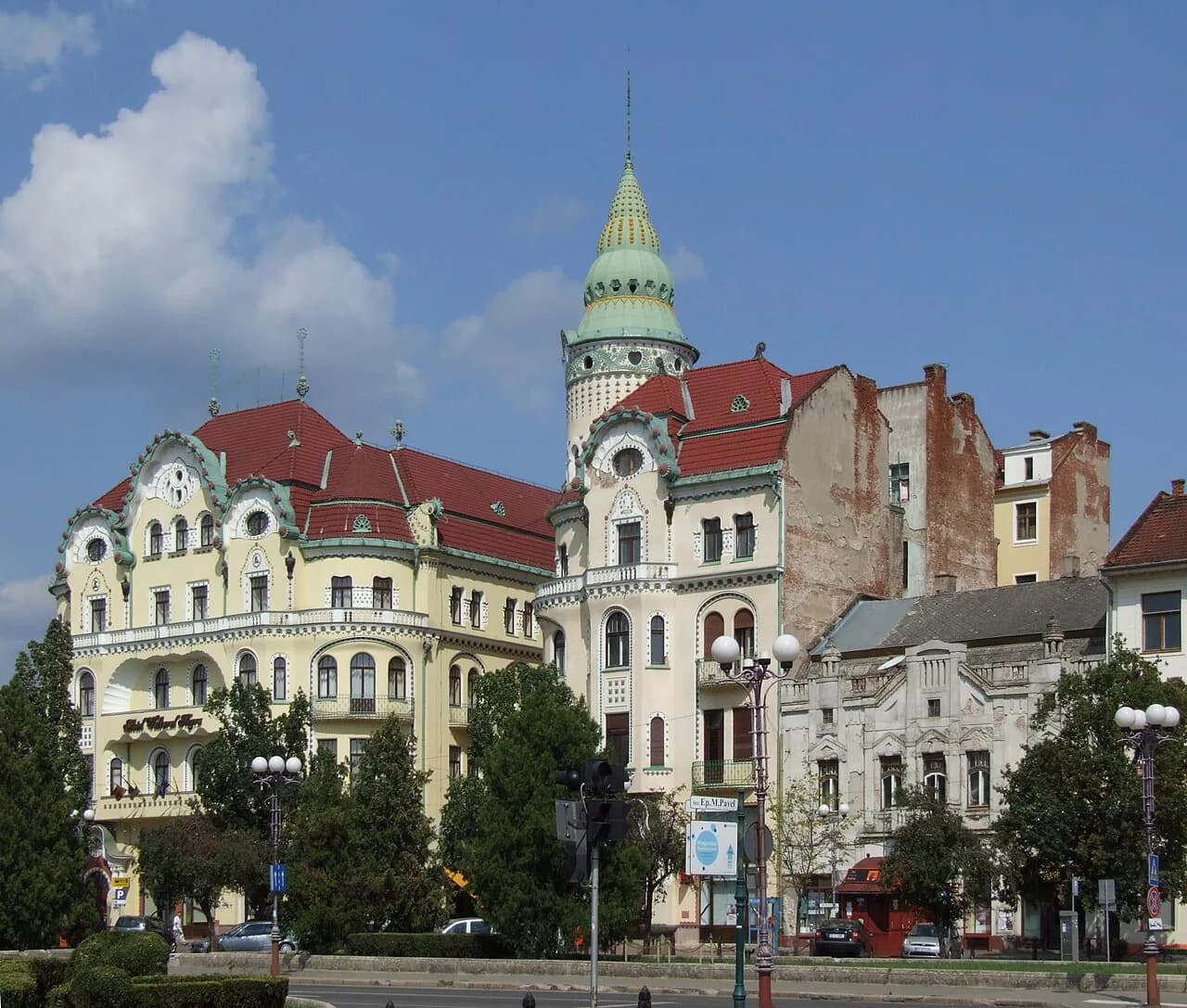
The Black Eagle Palace, Palatul Vulturul Negru, was built between 1907 and 1909 to plans by Marcell Komor and Dezső Jakab, and it holds the piece most visitors remember: a glass-roofed arcade, Pasajul Vulturul Negru, running between the two main buildings. Shops, cafés, a hotel and a cinema sit under that roof, which makes it a natural place to break a walk rather than a five-minute photo stop.
Set aside twenty minutes to walk the arcade end to end and look up at the glass roof, then come back through it in the evening if you are staying nearby — the light changes completely. It is also the most convenient rain shelter in the centre, so keep it in mind if the weather turns.
The Moon Church and its clock
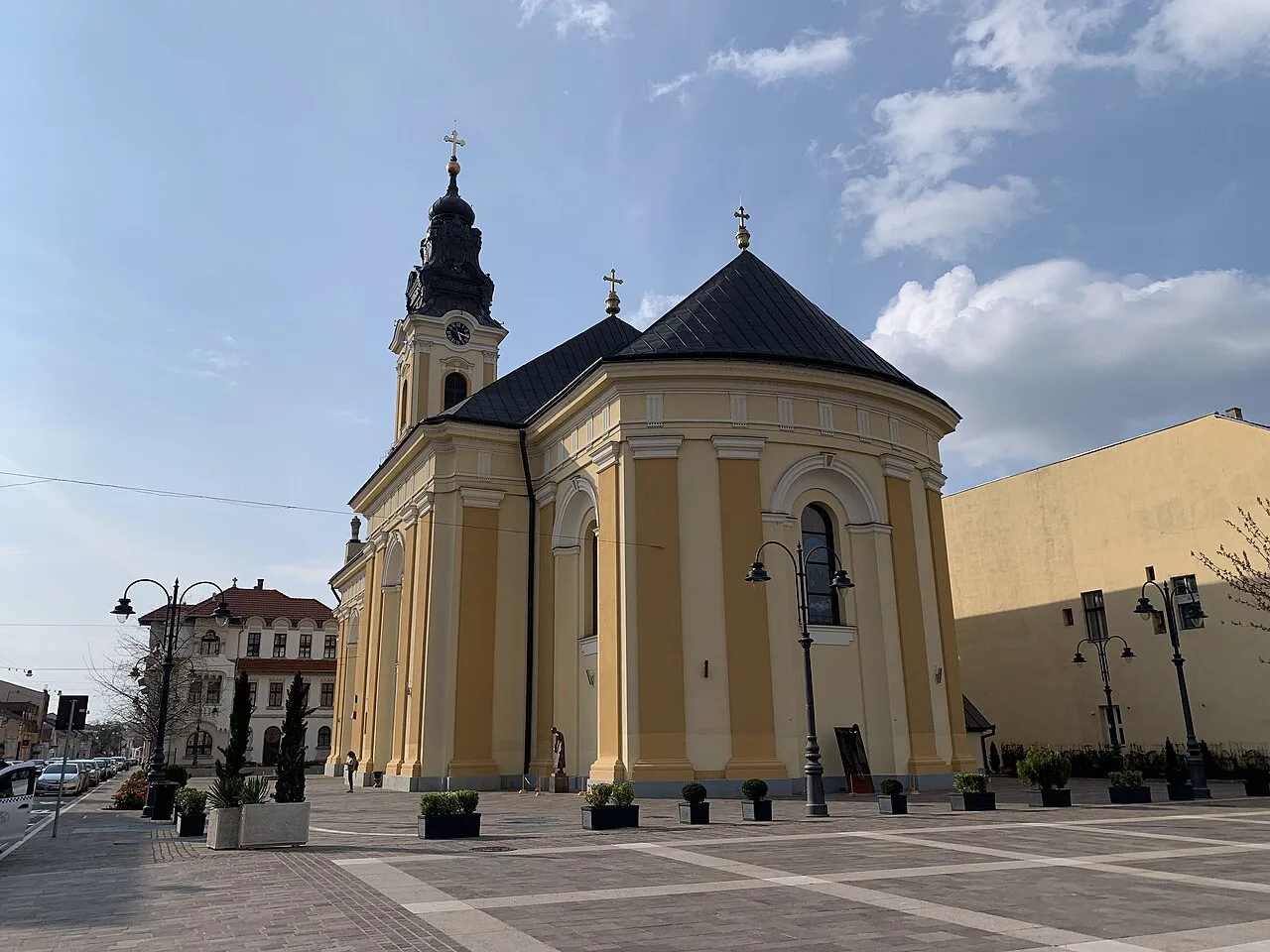
The Moon Church, Biserica cu Lună, stands just off Union Square and is late Baroque, completed in 1790. Its clock mechanism went in three years later, in 1793, and its half-gold, half-black sphere is the detail that pulls people in; the name comes from that moving moon rather than from anything you will see inside.
Pair it with the square rather than making a separate trip. You can see the exterior and the clock face from the street, which keeps the stop short and leaves the rest of the morning for the arcade and the Episcopal buildings.
City Hall and the City Hall Tower
The City Hall and its tower are on the shortlist of city landmarks the tourism office promotes, sitting close to the square and the palace. The tower is what changes a walk: it gives you the roofline of the centre from above, so do it early in your stay and the rest of the layout makes sense on the ground.
Tourism listings pair the tower with the City Hall and the City Museum as a cluster, so ask at the tourist information centre about access and any ticket before you climb.
Oradea Fortress
The fortress is a separate outing from the squares, not a stop on the same loop, and that is where visitors misjudge their day. Its star-bastioned walls and rebuilt interior sit outside the Art Nouveau core, and because the city has been restoring and refunctionalising the fortress walls, check what is open before you set out.
Give the fortress half a day on its own account and ask at the tourist information centre what is open before you walk out. The medieval siege history attached to the site — it fell to Ottoman raids in 1660 and was seized by the Austrians in 1692 — is worth a passing look in a display, but the walls and courtyards are the reason to go.
Synagogues and the Episcopal palaces
Oradea's religious buildings deserve their own block. The Sion Neolog Synagogue and the Orthodox Synagogue are both promoted city sights, and the Jewish heritage route is one of the themed walks the city lists, so you can see them with context rather than as isolated facades.
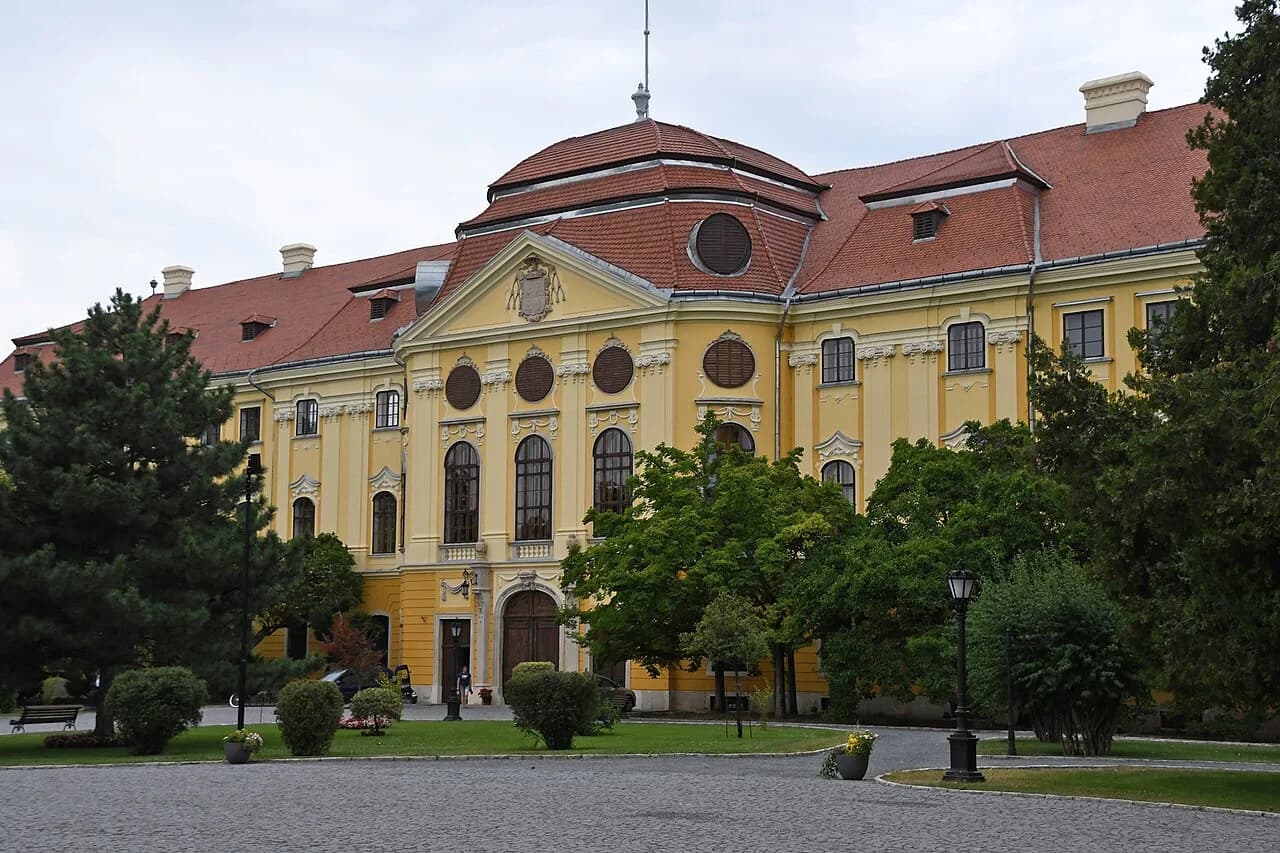
On the Catholic side, the Bishop's Palace is a three-storey, U-shaped structure with 100 fresco-adorned rooms, 365 windows and ionic capitals on the facade, completed in 1770, and it now houses the Țării Crișurilor Museum. The Roman Catholic Episcopal Palace, Palatul Baroc, was completed in 1780 and forms part of the same Hillebrandt ensemble with the Bishop's Palace and Canon's Row.
Museums worth your time
Start with the Țării Crișurilor Museum inside the Bishop's Palace, because the building and the collection come together. Beyond it, the city's own list of sights includes the Aurel Lazăr Museum, the Ady Endre Museum and the Pharmacy Museum, which gives you a menu to pick from rather than a list to complete.
Pick by interest: the literary and civic museums suit a wet afternoon, while the Pharmacy Museum is small enough to fit between two bigger stops. Opening days and admission in lei vary by museum, so check the day's hours at the tourist information centre or on each museum's own page.
Art Nouveau beyond the square
Once you have done Union Square, push out to the Freemasonry Temple and the Darvas–La Roche House. The Freemasonry Temple appears on the city's own sight list, and the Darvas–La Roche House is worth knowing before you go because it anchors the architectural walk beyond the main square.
Vasile Alecsandri Street collects several of the decorated facades in one line, so it works as a short architectural stroll rather than a destination in itself. Give it half an hour after the square, when the light is softer and the arcade crowds have thinned.
Republicii Street and Ciuperca Hill
When the architecture fatigue sets in, Republicii Street and Ciuperca Hill take you out of the tight centre. Republicii Street is one of the named landmarks on the city's visitor map of sights, and it works as a straightforward walk rather than a sight with a ticket.
Ciuperca Hill gives you the green break in the same afternoon — a park climb rather than a museum visit. Use it to reset before an evening back at the arcade, and plan the Oradea weekend around one such outdoor block so the trip does not become all facades and display cases.
Free tip-based guided walks
Oradea runs guaranteed-departure small-group walking tours in English on three themes: from Medieval to La Belle Époque, Baroque, Art Nouveau and more, and Oradea Jewish Heritage. The first two run 2 hours 30 minutes, the Jewish heritage walk about 2 hours, and all are tip-based, with no set price and no upfront payment — you give the guide what you consider appropriate at the end.
Book the theme that matches your gap rather than all three. If you are doing the fortress independently, the Art Nouveau and Baroque route fills in the buildings; if the synagogues are your priority, take the Jewish heritage walk and skip the rest.
How long Oradea needs
One day covers Union Square, the arcade, the Moon Church and one museum at a relaxed pace. Add a second day for the fortress and a second museum, and a third only if you want the outlying streets and Ciuperca Hill without rushing — the centre is small enough that a tight two-day plan is realistic.
Build the plan around walking blocks of two to three hours with a café stop between them, and keep one evening free for the arcade after dark. If you are combining Oradea with another Romanian city, keep the centre day first so the architecture lands before you are tired.
Getting there
The nearest airports are Oradea's own, Arad and Cluj-Napoca, and the city has long been a hub of European trade routes, so arriving by car or train from Central Europe is straightforward. Check current flight schedules with the airlines serving Oradea Airport before planning a flight into Oradea rather than an overland connection.
If you are stringing cities together, Brașov and Bucharest both work as longer rail or road legs, and each has its own compact sight cluster worth a separate stay rather than a rushed add-on.
Where the thermal baths fit
Felix and 1 Mai baths sit outside the city and are a side note rather than the reason to come. If you want a spa afternoon, add it after the centre rather than replacing the fortress day, and check transport and entry arrangements at the tourist information centre.
Putting the Oradea days in order
Start with Union Square, the Black Eagle Palace arcade and the Moon Church on your first morning, then give the fortress its own half-day. That order puts the Art Nouveau set pieces in context before you meet the star-bastioned walls, and it leaves the museums for whichever afternoon suits the weather.
Before you travel, confirm tower access, museum opening days and any fortress closures at the tourist information centre, and book a tip-based walk for the theme you cannot cover yourself. Those three checks are the difference between a smooth two days and a day spent walking to closed doors.
Explore more Oradea guides
Frequently Asked Questions
Is Oradea worth visiting?
Yes, if you want Art Nouveau architecture alongside a fortress in a compact centre. Union Square, the Black Eagle Palace arcade and the Moon Church are within minutes of each other, and the fortress gives you a second, different half-day.
How safe is Oradea?
The city publishes health and safety information for visitors alongside its transport and parking guidance. Read that page before you go for current local advice rather than relying on general impressions.
Are there direct flights to Oradea from the UK?
Oradea has its own airport, with Arad and Cluj-Napoca as the other nearest options. Direct UK routes are not set out in the city's visitor information, so check current airline schedules before planning a flight into Oradea rather than an overland connection.
How much does a guided walk in Oradea cost?
The themed city walks are tip-based, with no set price and no upfront payment. You decide the amount at the end, so there is no fixed fee to budget for.
Sources
Useful notes for your next trip
Optional updates to our guides.
You might also like
Continue reading
More guides you'll find useful