Timișoara Architecture: Baroque Squares, Secession Palaces and Industrial Districts
Timișoara's architecture runs from the Baroque core of Cetate to Secession façades and the industrial quarters of Fabric and Iosefin. Here is how to walk it.
On this page
Timișoara's architecture is best walked by district rather than by a flat list of buildings: the historic core has the Baroque cityscape and monumental squares, Elisabetin holds the 1900s reserve, and Fabric and Iosefin carry the merchant and industrial layers. This guide takes those districts in a sensible order for a day on foot, so you can see one style before moving to the next.
The trade-off is simple: a route that covers all four districts means a lot of walking, while a half-day route should concentrate on Cetate and one neighbouring quarter. Each section below explains what the district contributes and how to fold it into the rest of your stay.
What Timișoara's architecture is known for
Timișoara's identity as an architecture city comes from the combination rather than any single building: a Baroque core drawn up in the 18th century, Secession ensembles added later, monumental squares and eclectic façades filling the gaps. The city is a place where you can read several European styles within a few streets of each other.
That layering is why the district-by-district approach works. The ceremonial squares look one way, the residential quarters laid out around 1900 look another, and the former working districts have a different texture again, so the route should follow the architecture rather than chase landmarks.
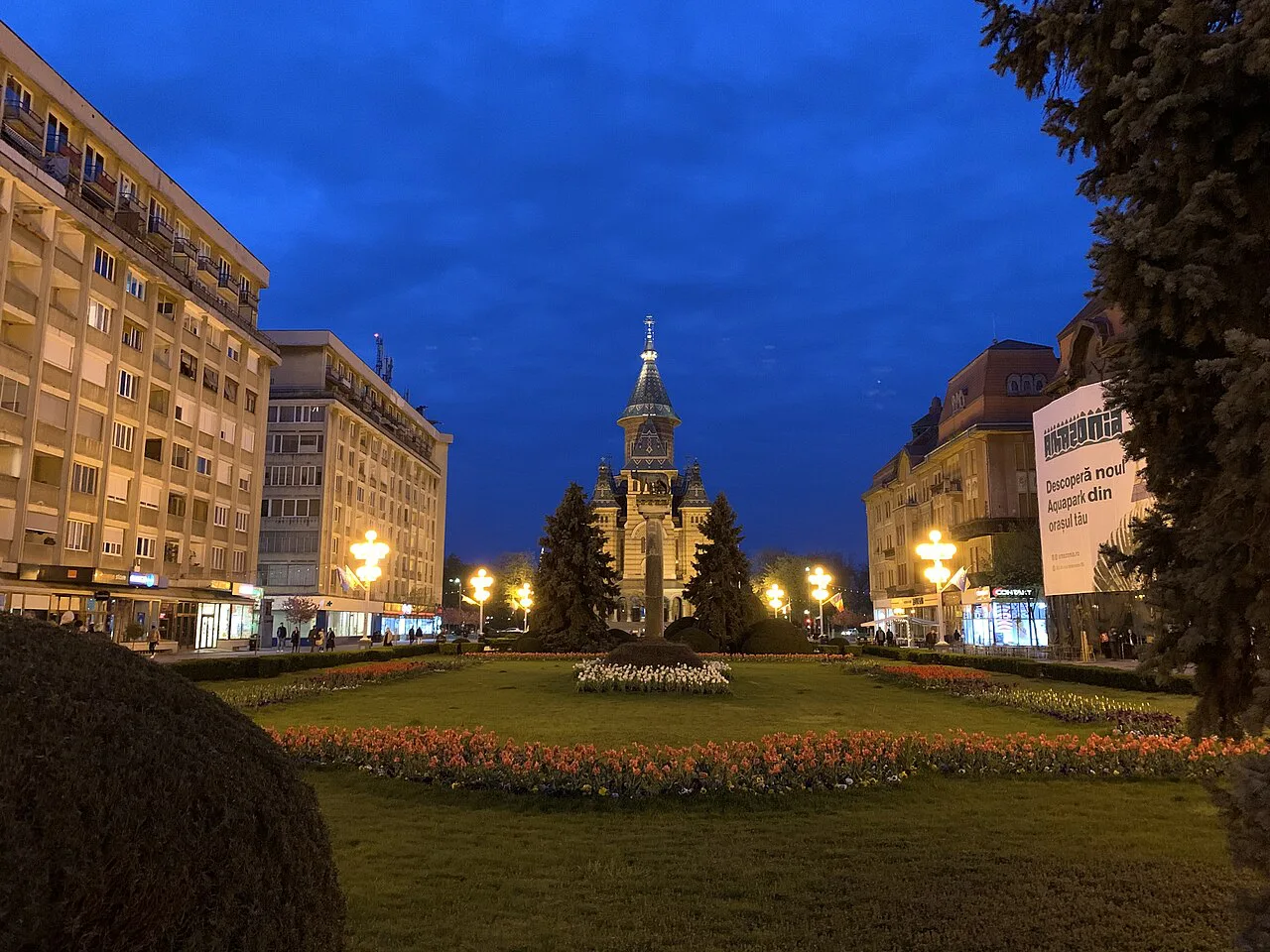
How the city is laid out for a walking route
The city's historic districts are named Cetate, Elisabetin, Iosefin, Fabric and Mehala, and each carries a different architectural character. Cetate is the historic core, Elisabetin is the youngest historic district, Iosefin sits on the western side, Fabric was once the merchants' quarter, and Mehala is the fifth district on the list.
A practical order is Cetate first, then Elisabetin, then Iosefin or Fabric depending on how far west you want to push. Putting the districts on a paper or offline map avoids backtracking, and a Timisoara map that marks the named squares makes the joins between them easier to follow.
Cetate: the 18th-century Baroque cityscape
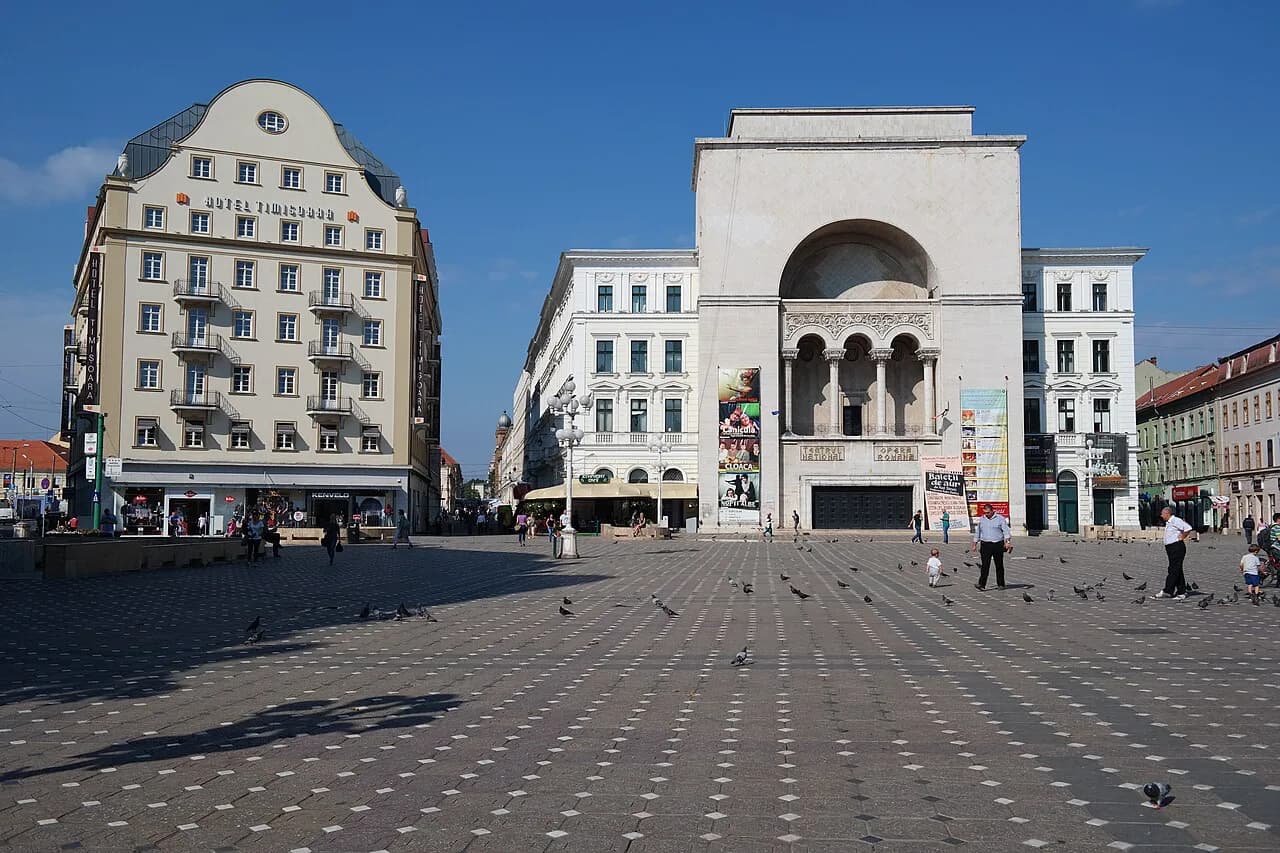
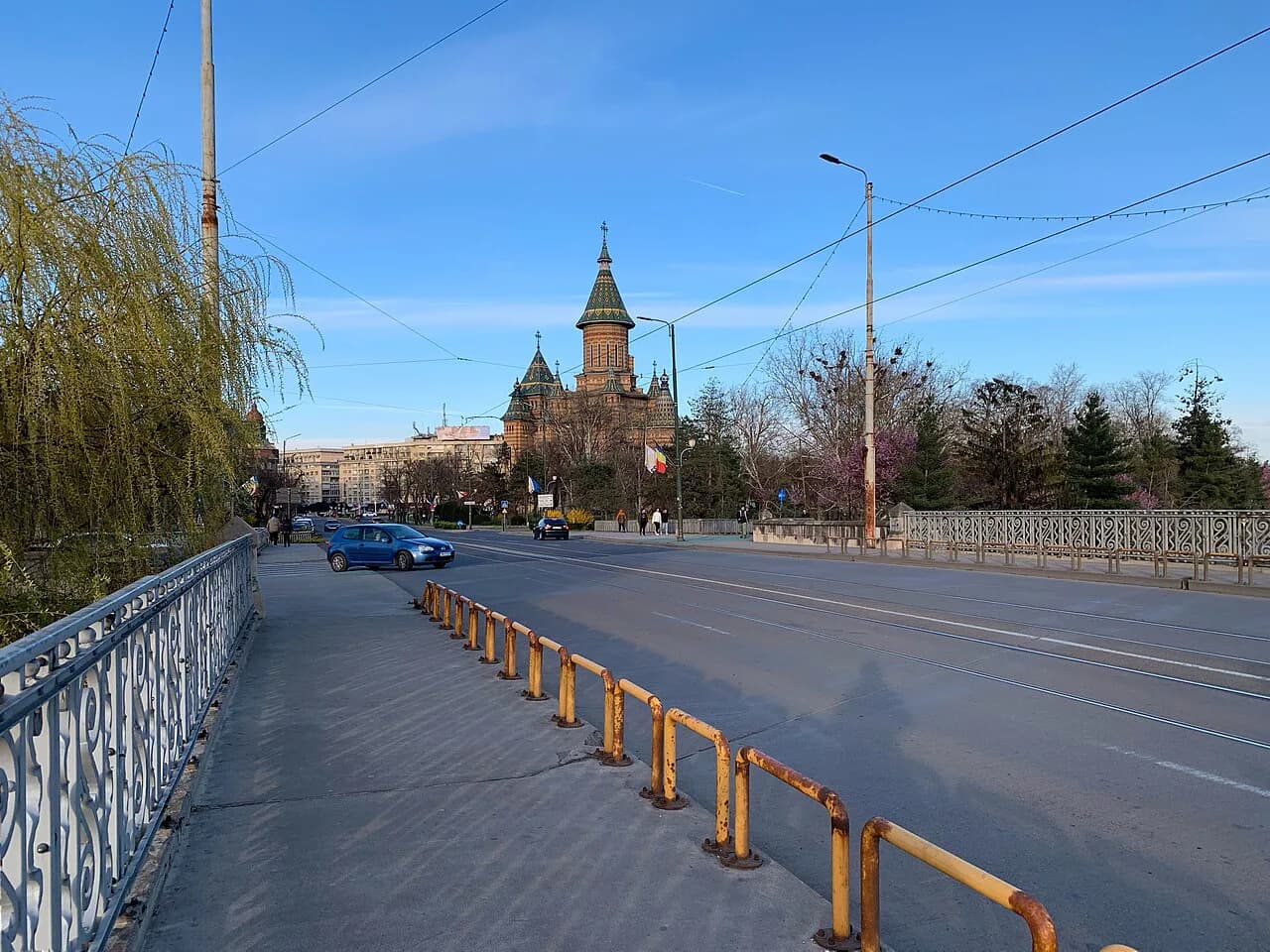
Cetate is where the Baroque cityscape was drawn in the 18th century, and it still reads as a monumental core with Secession ensembles and eclectic façades layered into it. The squares are the natural starting points because you can take in the scale of the place before narrowing into side streets.
Treat Cetate as the walk's overture rather than the whole show. The core is compact and easy to loop, so leave time to look up at façades rather than treating it as a checklist of squares, then head out towards the districts where the 1900s and the working city take over.
Elisabetin: the 1900s reserve
Elisabetin is the district to head for when you want the 1900s architecture, since it is described as the youngest historic district and a reserve of that period. Parks, tramlines and a quiet university atmosphere set the mood, which makes it a softer contrast to the ceremonial squares.
Walking here is slower and more residential than in Cetate, so budget time to wander rather than to tick off monuments. The tramlines make it easy to cut the walk short if the day is running late, and you can pick the quarter back up on another afternoon.
Iosefin: western edge and industrial architecture
Iosefin is the western district, twinned with Vienna's Josefstadt, and it mixes Baroque, Art Nouveau and eclecticism with striking industrial architecture. That combination makes it the best place to see how the city's commercial life and its housing were built alongside each other.
Because it sits on the western side, Iosefin works well as the far end of a longer walk rather than a first stop. Pair it with Cetate if you prefer a shorter itinerary, and keep the industrial buildings in view when you plan where to turn back.
Fabric: the merchants' quarter
Fabric is described as one of the city's oldest neighbourhoods and a former merchants' quarter, and it carries a distinct industrial spirit alongside a rich architectural legacy. The character here comes from commerce rather than from court life, so the façades and street pattern feel different from the ceremonial core.
If you only have time for two districts after Cetate, choose between Fabric and Iosefin rather than attempting both. Fabric suits a route that ends with the industrial city, and it is a natural point to finish before heading back into the centre.
Mehala and the districts beyond the main route
Mehala is the fifth of the city's districts in the same listing of historic neighbourhoods, but it is best treated as optional on a short break. Its coverage alongside the others is enough of a prompt to save it for a return visit, when the core, Elisabetin and one working district are already behind you.
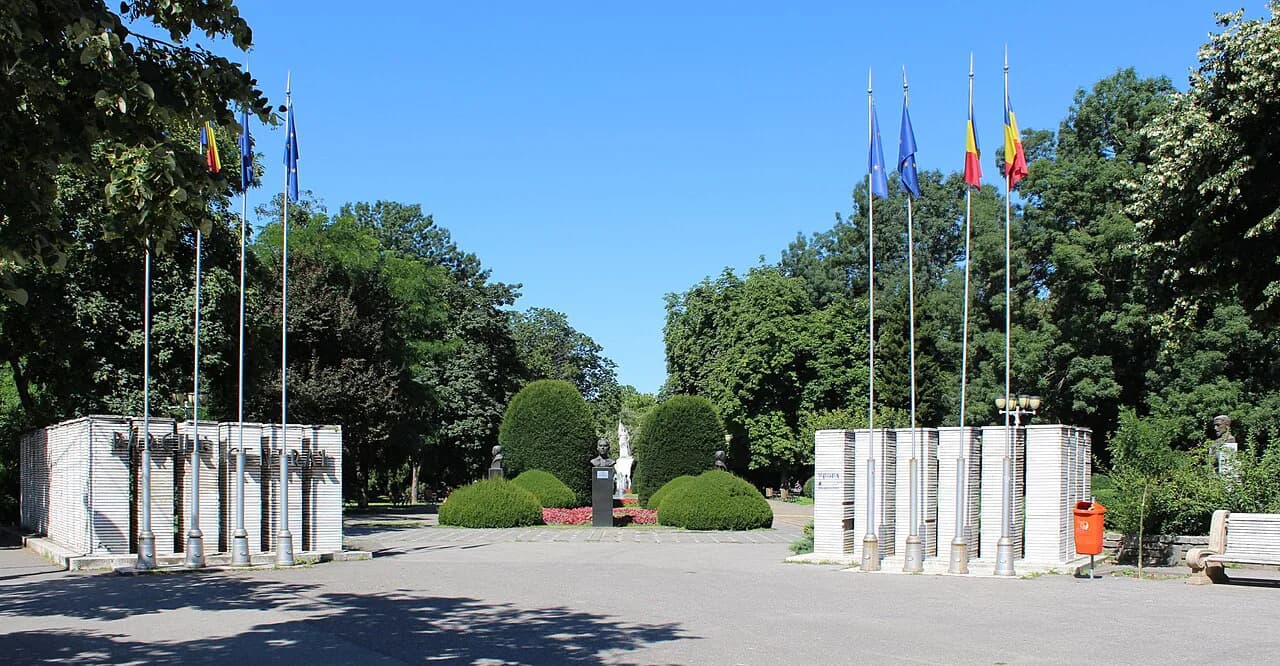
Architecture events can also shift what is worth seeing in a given year. The fifth Beta Timișoara Architecture Biennial, organised by the Romanian Order of Architects' Timiș branch, ran from 13 September to 27 October 2024, and its Breathing Spaces projects worked with neglected or underused spaces including Victory Square and the riverbank, which shows how temporary projects can open up parts of the city.
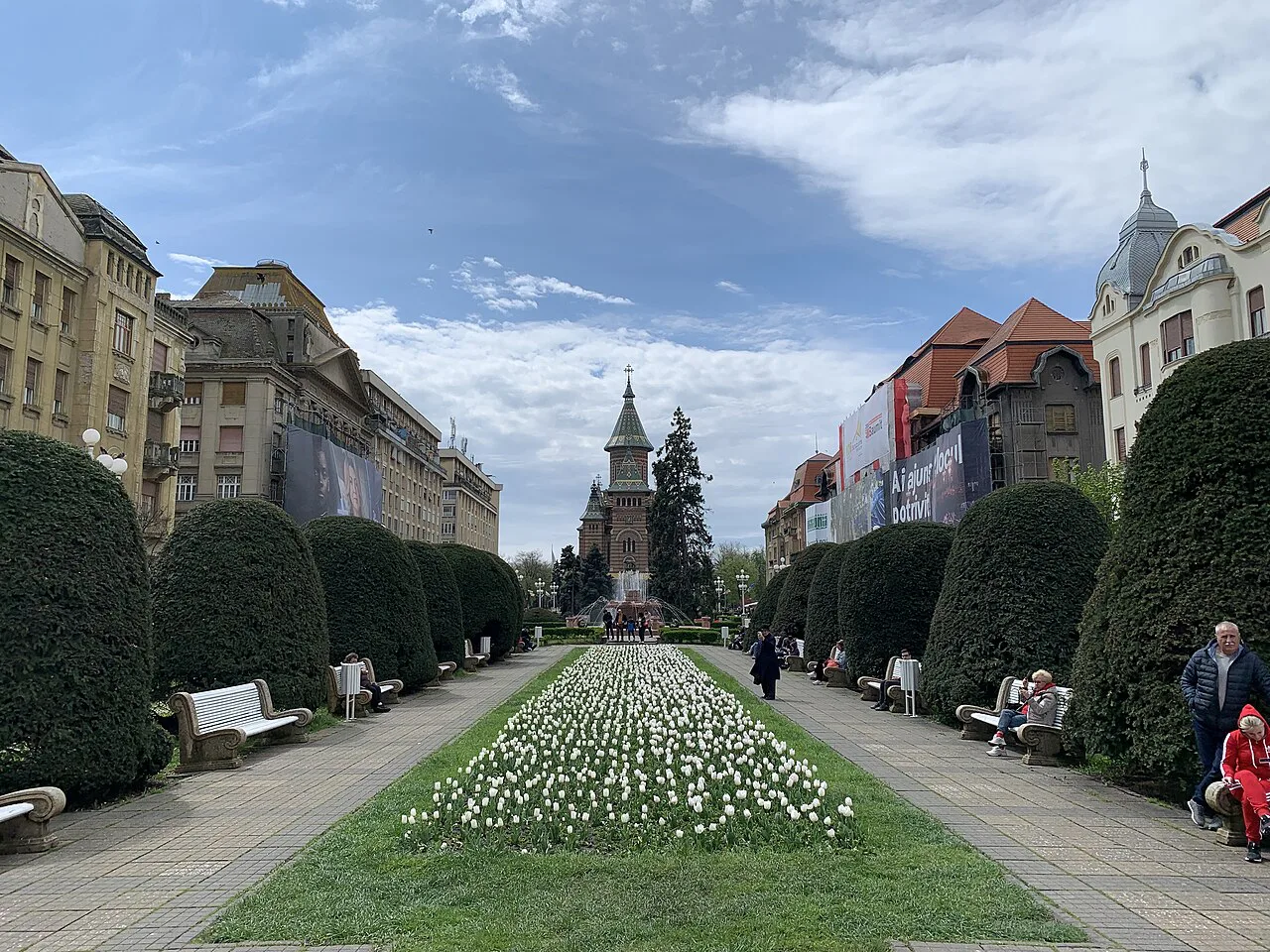
How long the walk takes and the trade-offs
Cetate and Elisabetin together make a comfortable half day, while adding Iosefin or Fabric turns it into a full day with plenty of pavement. The main trade-off is depth against coverage: four districts in one push leaves little time to look closely at any single ensemble.
Plan the walking order so that the outer districts come last, because that leaves the option of a tram or a short taxi back rather than a long return on foot. If your legs give out in Elisabetin, you can still reach the core quickly and pick up the rest another day.
Where to break the route and what to see in half a day
For a half day, walk Cetate first and then Elisabetin, breaking for a coffee in the quieter streets before turning back. That pairing gives you the Baroque cityscape and the 1900s reserve in one continuous route without committing to the western districts.
If the weather or your schedule cuts the day short, a museums stop is the sensible fallback: it keeps you indoors without breaking the architectural thread, and you can return to the street route later the same trip.
Where the route leads next
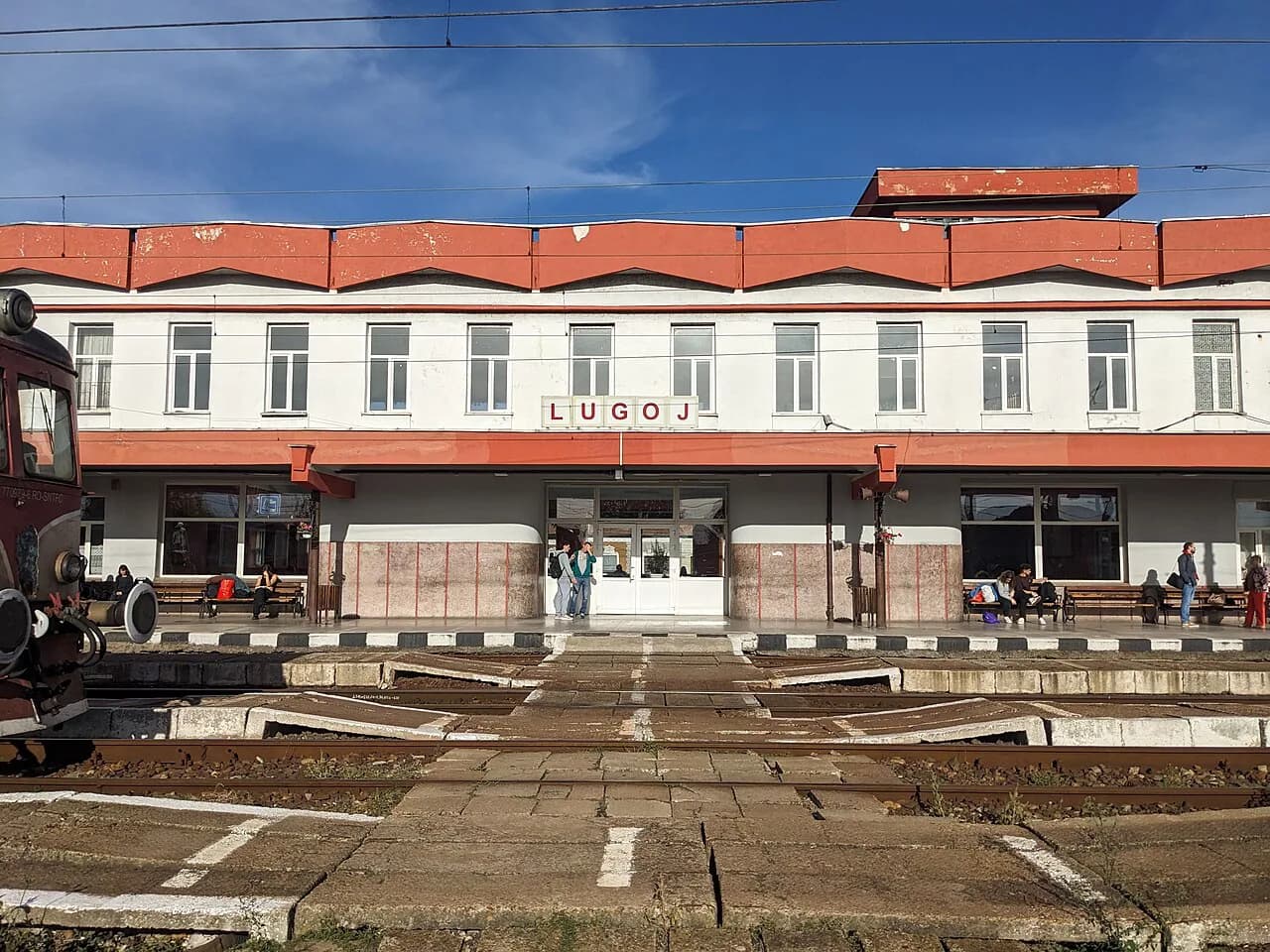
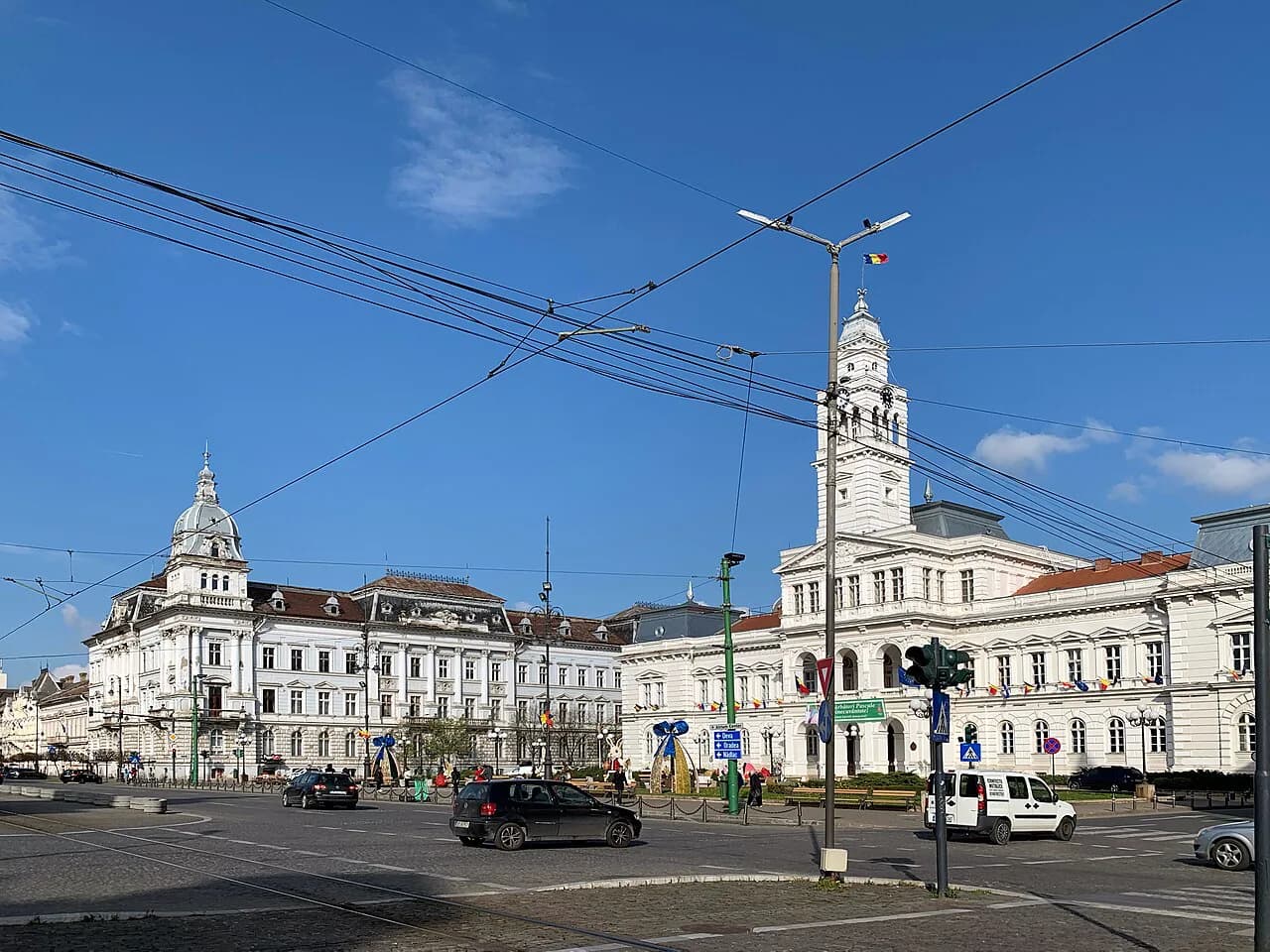
Once the Timișoara districts are done, the wider Banat region has more architecture to offer in towns within reach. Arad and Lugoj both make logical extensions if you are travelling by train or car, and each rewards a slower look at its own centre.
For a first visit, prioritise Cetate and Elisabetin, then add Fabric or Iosefin if you have a second day. That order keeps the historic core and the 1900s architecture in view before the industrial quarters take over.
Which districts to walk first
Start with Cetate and Elisabetin, then pick Fabric or Iosefin for a second outing; that sequence gives you the Baroque core, the 1900s reserve and one industrial district without rushing any of them. If you only have an afternoon, stay in Cetate and walk out to Elisabetin before turning back.
Carry a map with the district names marked, and check current details for any museum or building you plan to enter on the day, since entry to individual sites is arranged separately and may carry its own ticket or opening times.
Explore more Timisoara guides
Frequently Asked Questions
What is Timișoara famous for architecturally?
Timișoara is known for a historic core with a Baroque cityscape drawn in the 18th century, Secession ensembles, monumental squares and eclectic façades. Around that core sit residential and former merchant districts with their own architectural character, which is why the city rewards a district-by-district walk.
Can you see Timișoara's architecture in one day?
Yes, if you concentrate on Cetate and Elisabetin and add one of Iosefin or Fabric. Covering all four historic districts on foot in a single day means a lot of walking and little time to look closely at individual buildings.
Was there an architecture biennial in Timișoara?
The fifth Beta Timișoara Architecture Biennial ran from 13 September to 27 October 2024, organised by the Romanian Order of Architects' Timiș branch, with projects that activated neglected or underused spaces in the city, including Victory Square and the riverbank.
Sources
Useful notes for your next trip
Optional updates to our guides.
You might also like
Continue reading
More guides you'll find useful