Arad, Romania: What to See in the City Centre and How Long You Need
A town guide to Arad in western Romania: the Cultural Palace, the Red Church, the fortress and the Mureș riverside, plus how long the centre needs.
On this page
Arad earns half a day to a full day, not a city break of its own: the centre is compact and walkable, the architecture is worth an afternoon, and the fortress and riverside add a couple of hours if you want them. It sits in western Romania and works best as a stop on the way to or from Timișoara. This guide covers what you can see from the street for nothing, which interiors need a decision, and how to lay out a route.
Treat Arad as a railway and road hub rather than a detour: it is an industrial centre and a transport junction for the region, and the city pairs naturally with Timișoara. That means you can arrive by train, leave your bag, walk the centre and be gone by evening.
What Arad is and where it sits
Arad is a city in western Romania and a railway and road hub that forms an urban agglomeration with Timișoara. It is an industrial centre as well as a historic one, so the approach is not especially pretty; the reward is in the middle. Plan on arriving, walking in and spending your time inside a fairly tight ring of streets.
Because it works as a junction, Arad makes sense as a half-day stop between bigger places rather than a base. If you are building a western Romania trip, put Arad on the same day as a Timișoara transfer and keep the centre for the part of the day when you are freshest.
How the centre is laid out
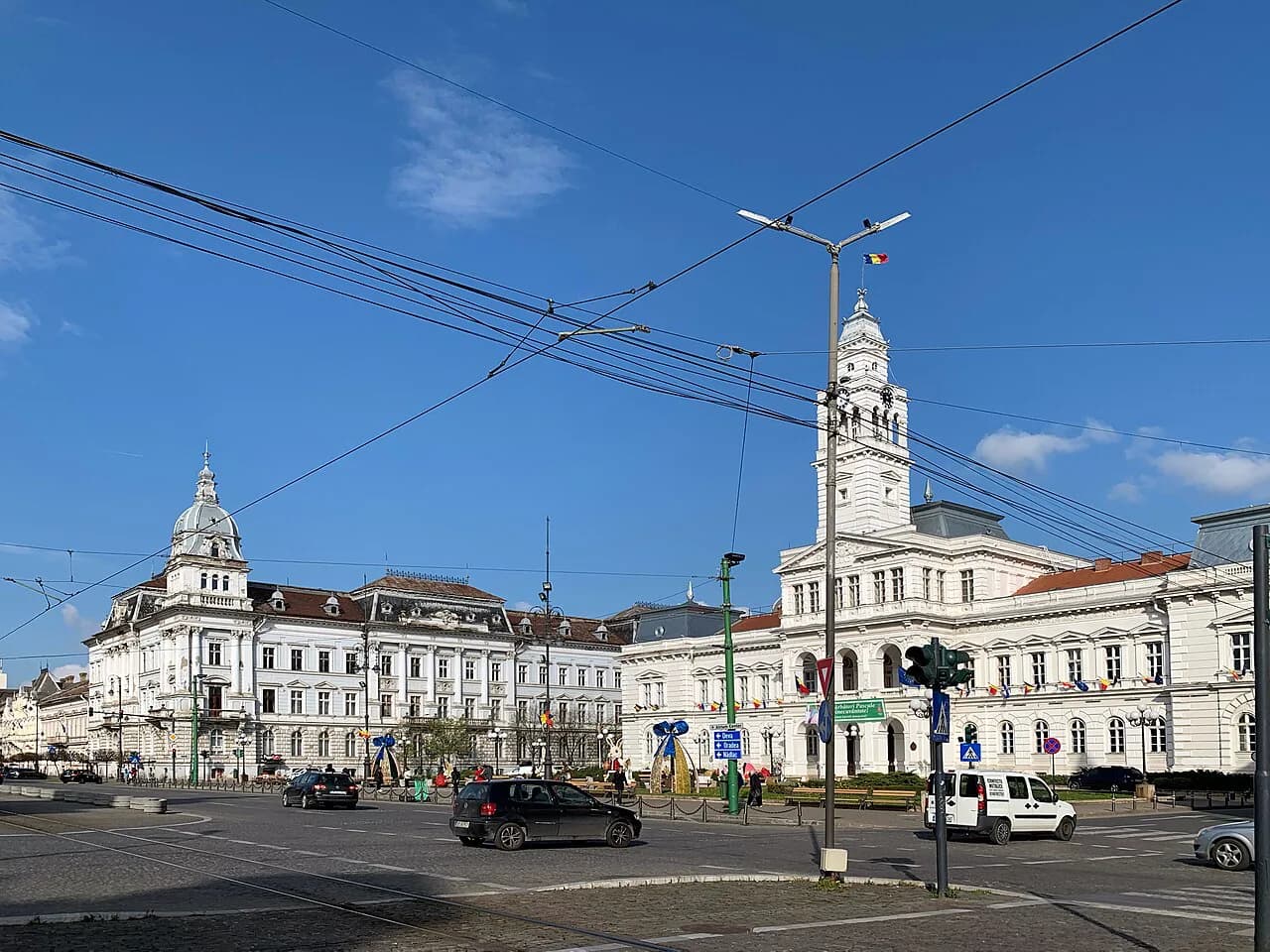
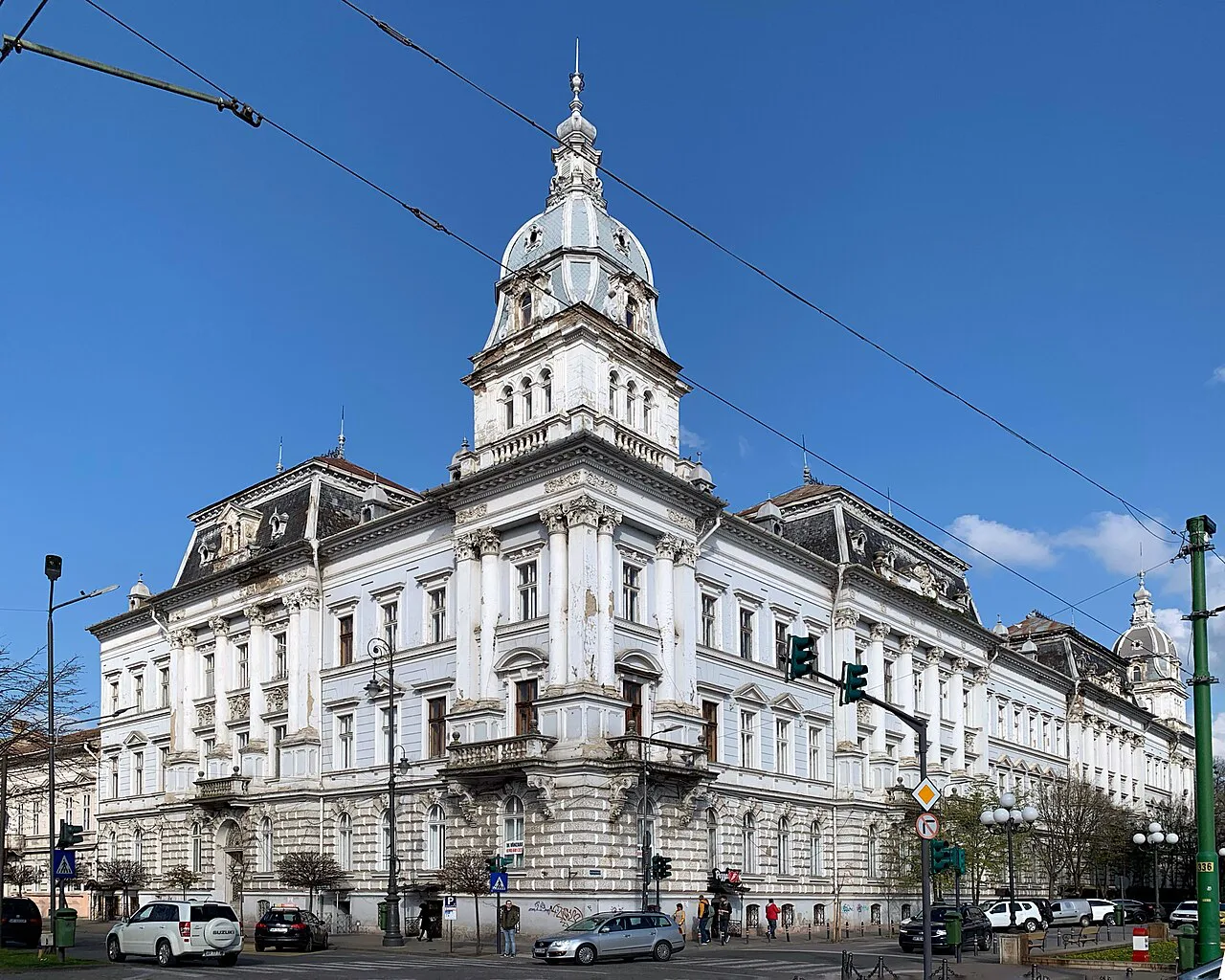
The centre is the part you can cover on foot: a main square with the City Hall on it, streets of 19th- and early 20th-century frontages around it, and the fortress and river within walking distance of that core. This compactness is why an afternoon works: you are not crossing the city between sights.
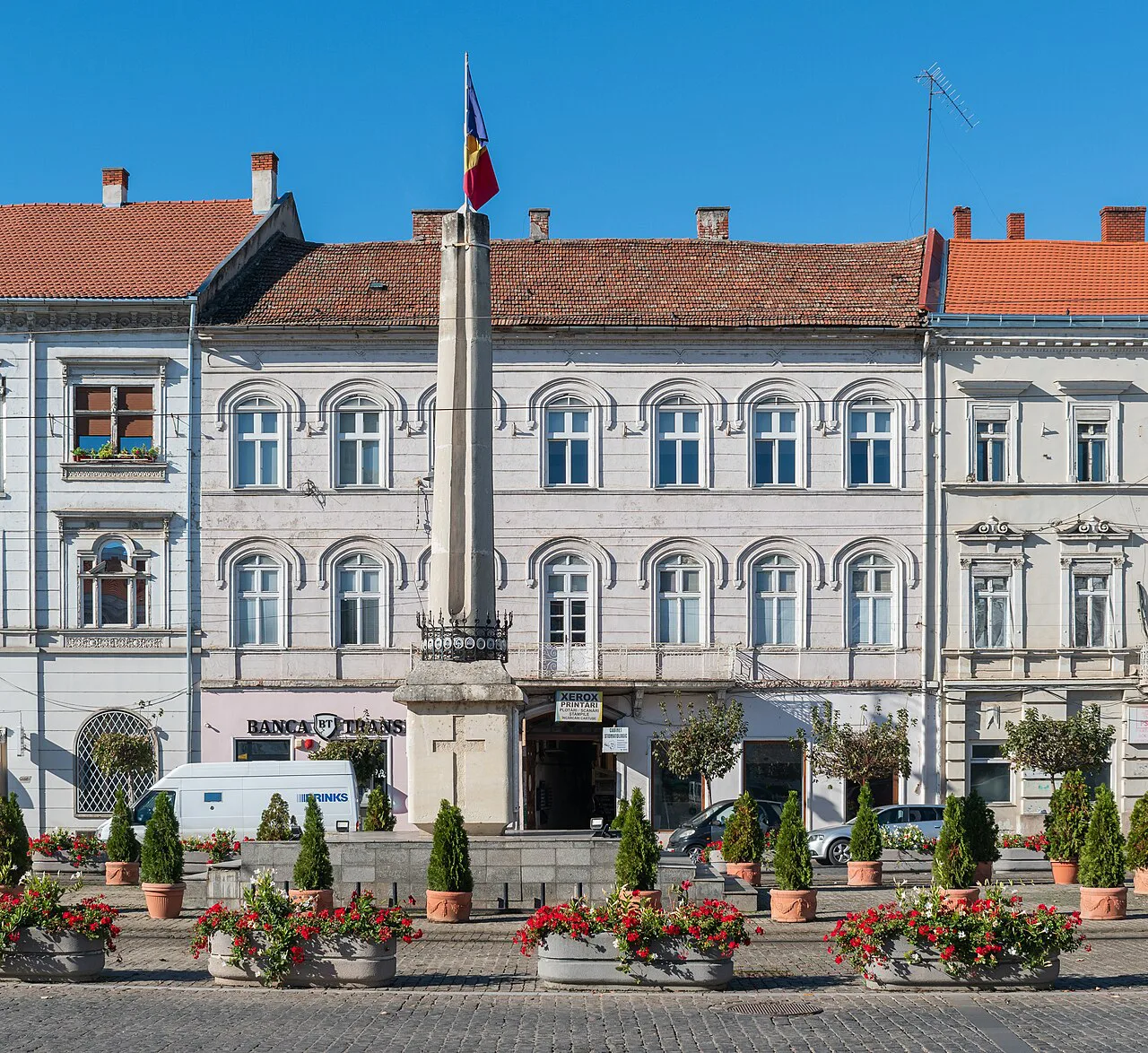
Start at the main square and treat everything else as a loop out from it. You will pass the theatre and the church frontages without needing a plan; the point is to keep moving and look up at the façades. Arad's draw is the mix of Baroque, Art Nouveau and modernist buildings packed into a walkable centre, the same decorative language you see in the bigger squares of the region.
The Cultural Palace and the Red Church
The Cultural Palace and the Red Church are the two names most often attached to Arad's centre, and both are worth locating on your walk even if you do not go inside. The city's cultural institutions sit in this cluster of streets near the main square. Check the entrance before you commit to an interior stop.
If you only have an afternoon, look at them from the street and spend your time walking instead. Interiors in a city this size tend to have limited opening, and a half-day is better spent covering the square, the palaces and the fortress edge than queueing at one door.
Neumann Palace and the City Hall
Neumann Palace is the piece of Art Nouveau to hunt down: a fantastical façade completed in 1906 to designs by László Székely, covered in mosaics and ornament. It now serves as the headquarters of the Arad County Council. The exterior and its mosaics are the reliable part of a visit, so plan around looking up at the façade rather than relying on an interior.
Arad City Hall dominates the central square with a neo-baroque front and Art Nouveau details, built in the early 20th century. The dependable plan is to look at the exterior and the square around it rather than rely on an interior visit. Together these two buildings give the centre its face, and both cost nothing to admire from outside.
The Arad Fortress
The Arad Fortress is an 18th-century Habsburg fortification and the city's most substantial historic landmark, built as a military stronghold and now used as a cultural venue for concerts and exhibitions. It is the one sight that justifies the walk out from the centre. Go for the scale of the walls and moats as much as for anything inside.
What you can count on is the exterior: the walls, towers and moats are the visible, substantial remains. The fortress is described as hosting concerts and exhibitions, so an interior visit depends on what is on rather than a standing ticket. Check the programme before you build the walk around going in.
The Mureș riverside
The Mureș runs past Arad and gives you air and a longer view at the end of a walk. Head for the riverbank after the fortress, when the light is soft, and follow the bank for a stretch rather than treating it as a destination in itself. It is also the place to cool off after the centre's pavements.
Neptun Park, in the heart of the city, is the other green breathing space, with a lake where you can walk the perimeter or take a boat. It is a sensible way to end an afternoon with children or when the heat is on.
A short walking route, half-day and full-day
For a half-day, start at the main square for the City Hall and Neumann Palace, walk the surrounding streets for the theatre and church frontages, then head out to the fortress exterior and finish on the Mureș. That covers the centre's architecture and its landmark fort in a few hours on foot, without committing to any interior.
With a full day, slot in the Cultural Palace and the Red Church properly, add Neptun Park, and give the fortress longer if an event is on. The extra hours are best spent going inside rather than adding new ground, because the centre is small. Arad rewards depth of a few streets, not breadth, so plot the loop on a map before you set off, the same way a Timișoara Map helps you see how that city's squares connect.
Museums and galleries for a short stop
Arad has museums and galleries covering art, history and science, which makes a rainy half-day easy to fill. Pick one that matches your interest rather than trying to see several; the centre's buildings will take the rest of your time. Compare it with what the museums in Timisoara offer if you are spending longer in the region.
How long Arad needs, and how it fits Timișoara
Give Arad half a day for the centre and the fortress exterior, or a full day if you want interiors and the park. It is not a city that fills three days on its own; its value is as a well-placed stop with a dense, walkable core. If you are in the region for a Timișoara trip, this is the obvious add-on.
The two cities sit close enough that Arad works as a morning or afternoon alongside a Timișoara base. If you are working out how to divide your time, plan Timișoara first, settle how many days in Timisoara you want, and treat Arad as the shorter companion stop.
Getting to Arad and getting around
Arad is a railway and road hub for western Romania, so arriving by train or by car is straightforward and the centre is then walkable. You do not need a car inside the city: park or alight, then do the square, palaces, fortress and river on foot. The transport junction is the reason the city is easy to slot into a route.
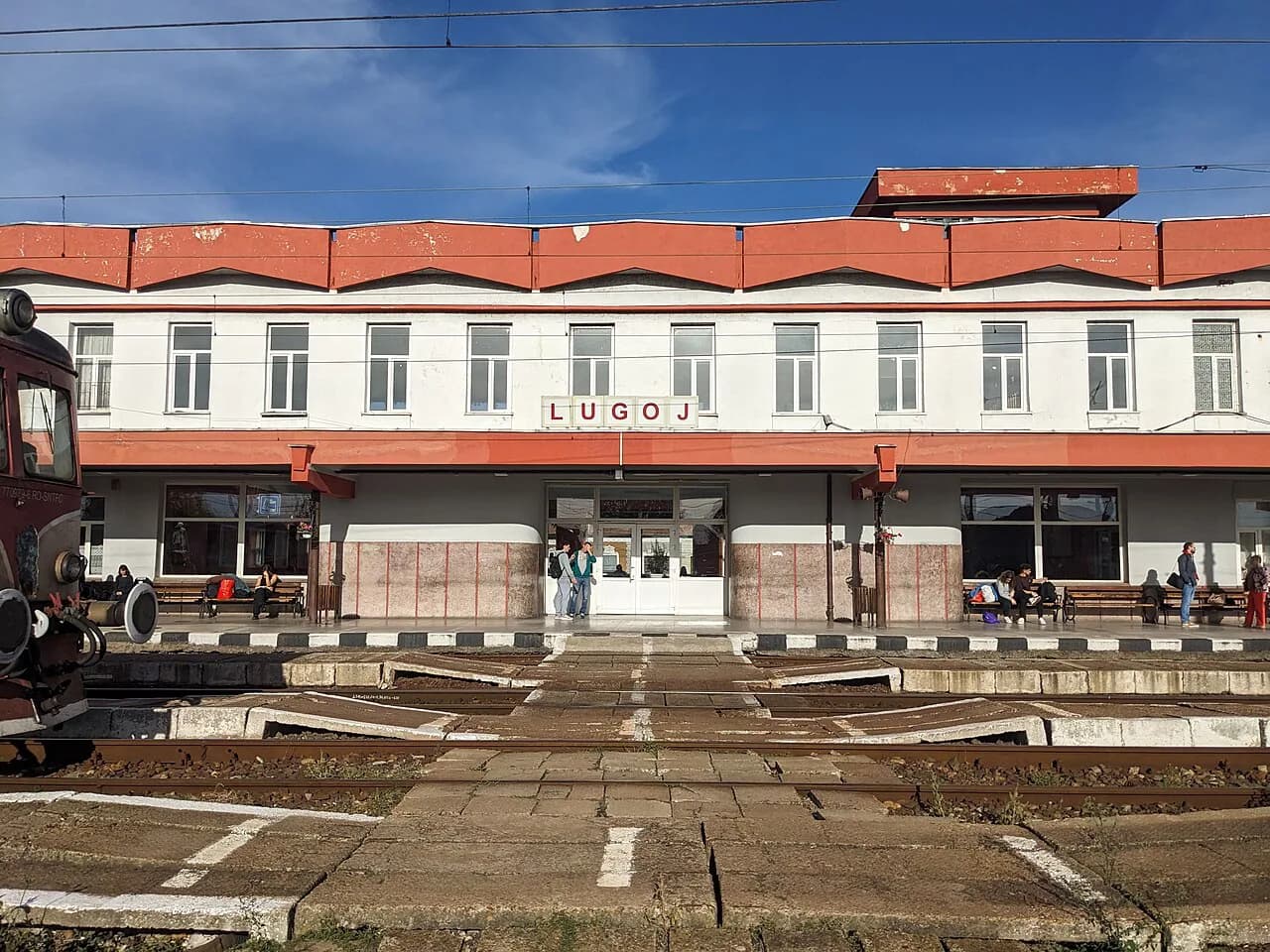
For the wider region, Timișoara is the nearest big city and the natural pairing, and the towns of the Banat such as Lugoj sit within reach for a longer circuit. Sort out your route between them before you travel, then keep the Arad day free of transport admin.
Is Arad worth the stop?
Yes, if you are already in western Romania: the centre gives you Art Nouveau and neo-baroque architecture, a Habsburg fort and a riverside walk in half a day, with the streets and façades free to admire. It is not a reason to fly in on its own, but it is a good reason to break a journey.
Build the day around the main square, walk out to the fortress and finish by the Mureș. Leave interiors to chance and check at the door when you get there. That approach keeps Arad a pleasure rather than a timetable.
Explore more Timisoara guides
Frequently Asked Questions
In which country is Arad located?
Arad is in western Romania and is an industrial centre and railway and road hub that forms an urban agglomeration with Timișoara.
How many people live in Arad, Romania?
The city's population is not something this guide covers; check the latest figure from Romania's national statistics office, which publishes current census and population data.
Do I need a car to see Arad's centre?
No. The main square, the palaces, the fortress and the riverside sit within walking distance of each other, so you can arrive by train and cover the centre on foot.
Can I go inside the Arad Fortress?
The fortress is used as a cultural venue for concerts and exhibitions, so an interior visit depends on what is programmed. The walls, towers and moats are the reliable part; check the event programme before you plan on going in.
Sources
Useful notes for your next trip
Optional updates to our guides.
You might also like
Continue reading
More guides you'll find useful