
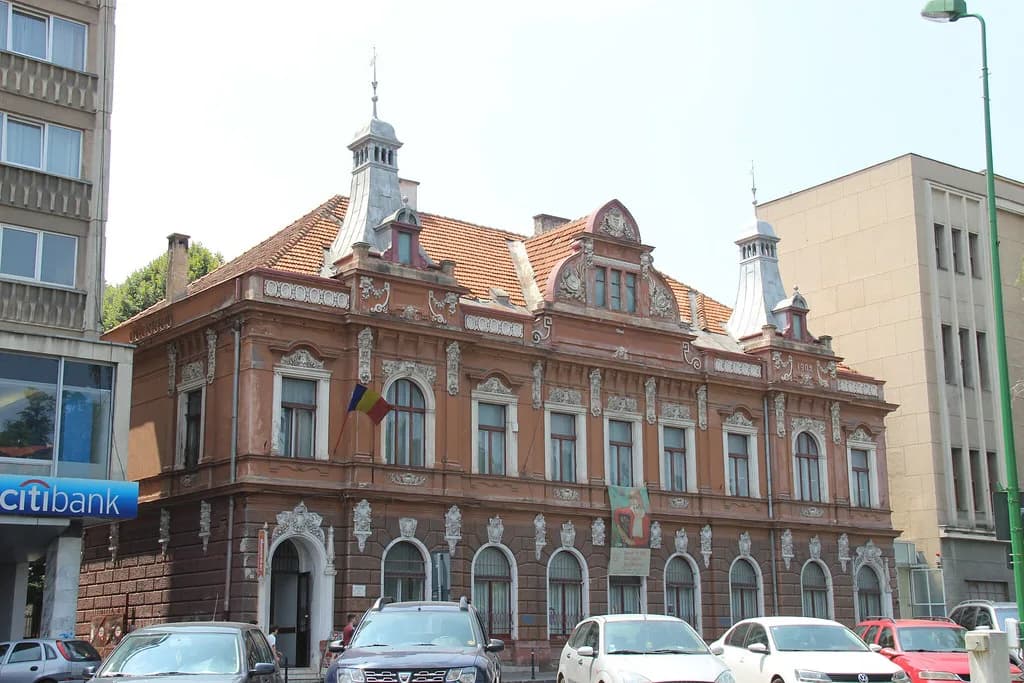
Brașov Art Museum (Muzeul de Artă Brașov): A Visitor's Guide
The Brașov Art Museum (Muzeul de Artă Brașov) is worth about an hour of a Brașov city break, and rather more if a temporary exhibition is running. Its collection of over 4,500 works mixes Romanian modern painting and graphics with sculpture, icons, tapestries and oriental carpets. This guide covers where the museum sits, how to reach it on foot, what the building and collections hold, and how to fit it into a day among the Brasov Attractions.
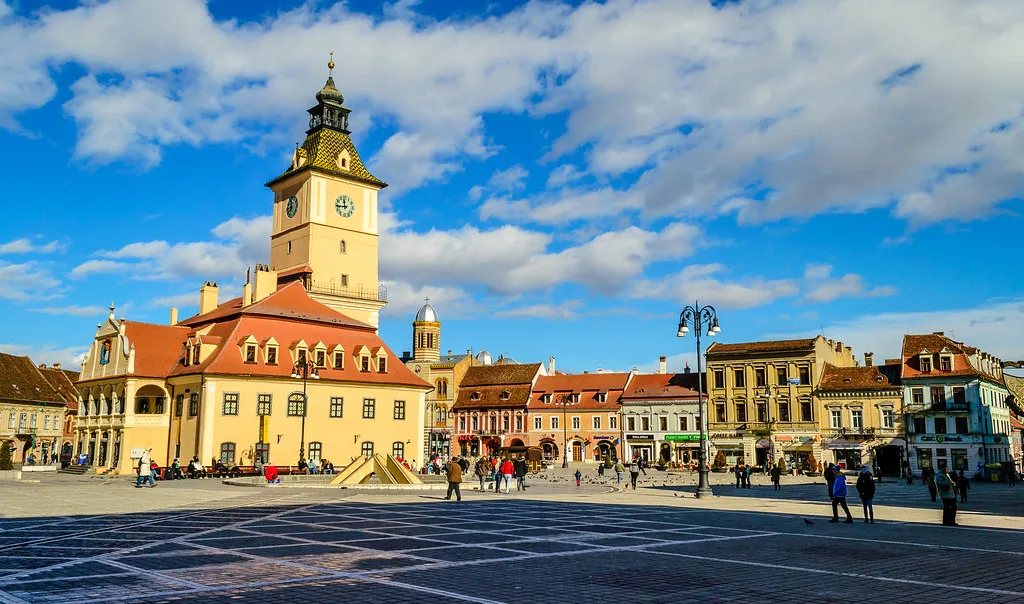
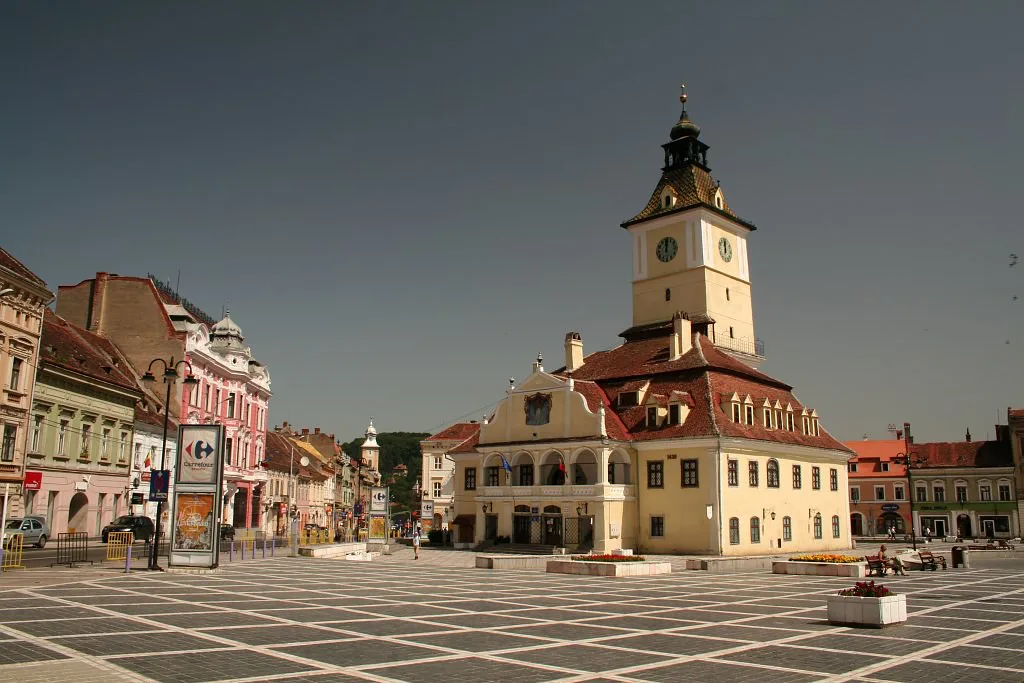
The museum stands at Bulevardul Eroilor 21, roughly a ten-minute walk west of Piața Sfatului along the boulevard. Plan it as one stop on an Eroilor walk rather than a separate trip, because the same boulevard also has the Ethnography Museum at number 21A, a short step further along.
Where the museum is and how to reach it
The address is Bulevardul Eroilor 21, in a neo-baroque building that began life as a craftsmen's hall rather than a purpose-built gallery. Walk west from Council Square past the shops and cafés and the museum appears on the same stretch, about ten minutes on foot. From the railway station, take a local bus or taxi into the centre and finish on foot, since the boulevard is easy to follow.
Bulevardul Eroilor runs between the old town and the Schei district, so the museum fits between the two halves of a day. Visit in the morning while the boulevard is quiet, then continue north-east to the Black Church and the towers along the old wall. If you are heading uphill afterwards, the climb up Tampa Mountain (Muntele Tâmpa), Brasov begins from the Schei side of the centre and is an outing of its own.
The building: a neo-baroque craftsmen's hall on Eroilor
The building went up in 1902 in neo-baroque style to plans by Moritz Wagner, a Saxon architect from the area, for the Brașov Craftsmen Association. Look up at the façade before you go in, because the detailing and scale reflect a guild hall built to impress rather than a purpose-built gallery. That helps you read the interior, which feels more like a grand civic building than a white-cube museum.
The collection began in 1949 as a section of the regional museum, and the first fine art exhibition opened in the Council House in February 1950. The museum has occupied its current Eroilor building since 1 March 1970, and it became an independent institution in June 1990. That sequence explains why the collection mixes earlier regional holdings with a strong core of Romanian and Transylvanian art.
What's inside: 4,500 works across several media
The holdings run past the 4,500 mark and cover oil painting, graphics, sculpture, decorative art, icons, tapestries and oriental carpets. That breadth is the reason to come if you want one place that shows how art in this corner of Transylvania developed rather than a tightly themed gallery. The collection is strongest in modern and contemporary Romanian art and in Transylvanian art from the sixteenth to the twentieth centuries.
A survey of Brașov museums describes the art collection as focused on modern and contemporary Romanian painting, with names such as Aman, Grigorescu and Andreescu represented and temporary exhibitions alongside the permanent hang. Treat that as a guide to the collection's character rather than a promise about what hangs the week you visit. The museum rotates its own holdings and hosts loaned shows, so ask at the desk which rooms are open.
Romanian modern painting and where the collection came from
The Romanian strand is the reason many visitors come: the museum holds a representative collection of modern and contemporary Romanian painting, graphics and sculpture, built up since the middle of the twentieth century. Expect a chronological walk through schools and generations rather than a single masterpiece room, with the museum's own labels doing most of the explaining. Allow time to read them, because the value here is in the connections between artists and the region, not a checklist of famous canvases.
The museum has regularly pulled its own holdings into large thematic exhibitions, including shows on its graphics collection, on Romanian painting masters, on art under communism and on German Art from Transylvania. Those themes show how curators here work with the collection, and a temporary show usually adds a focused selection the permanent rooms cannot sustain. Check what is running before you set out if a particular theme appeals.
Transylvanian art from the sixteenth to the twentieth centuries
The Transylvanian side of the collection runs from the sixteenth to the twentieth centuries and includes Saxon and Brașov material alongside Romanian and Hungarian strands. If you have already walked the old town, this is where the objects connect back to it, with guilds, patrician families and local painters and printmakers turning up repeatedly. Budget extra time here if Saxon heritage interests you more than Romanian modernism.
Look for the decorative and applied pieces as well as the framed work, since tapestries, icons and oriental carpets sit in the same collection and give the museum a broader reach than a painting gallery. Oriental carpets also turn up a few minutes away at the Black Church Brasov (Biserica Neagră), where the church's own collection is described as including Anatolian carpets, so the two visits read well together.
Temporary exhibitions and how they change a visit
The museum has hosted exhibitions beyond its own collection, with past programmes covering Romanian avant-garde artists, local painters and photographers and international names. Past shows are not a schedule, so what is on during your trip depends on the museum's current programme. If a substantial temporary show is running, add thirty to forty-five minutes to your visit.
Temporary shows are sometimes ticketed separately from the permanent collection, so ask which ticket covers which rooms before you pay. That single question avoids buying a combined ticket you do not need, or missing a show because you assumed it was included. The desk can also tell you whether any multi-site ticket exists for the dates you are in Brașov.
The Black Church Museum nearby
The Black Church stands a few minutes north of Bulevardul Eroilor and holds its own museum collections, including Anatolian carpets, a baroque organ and religious sculpture and furniture. If your interest is religious art or textiles rather than painting, it is the natural nearby alternative and needs far less time than the art museum. The two together make a compact half-day of art and church interiors without leaving the old town.
How long to allow, and pairing it with the Ethnography Museum
Allow around an hour for the permanent rooms at a steady pace, or ninety minutes if you read the labels and linger over the Transylvanian material. A large temporary exhibition pushes that towards two hours. The museum is small enough that it does not need a half-day, which makes it easy to slot between a morning on the boulevard and an afternoon in the old town.
The Ethnographic Museum Brașov sits at Bulevardul Eroilor 21A, a short step from the Art Museum at number 21, and covers the traditions and crafts of the Țara Bârsei region with folk costumes, tools and reconstructed peasant interiors. Doing both in one visit is efficient, because the art museum gives you the painters and the ethnography museum the rural material they drew on. If you only have time for one, choose art for painting and ethnography for rural life and crafts.
Tickets and opening hours: how to confirm them
Opening hours and ticket prices are set by the museum and change with its exhibition programme, so confirm both with the museum before you set out rather than relying on figures in older guides. Ask at the desk on arrival whether any rooms are closed for a change of exhibition or whether the museum keeps seasonal weekend and weekday hours. A check the day before is worth the effort.
Pay in lei and keep the receipt. If you are building a museum-heavy day, ask at the desk whether a multi-site ticket exists before buying individual entries, which is the practical way to keep costs predictable without quoting a stale number.
Is the art museum worth an hour of your Brașov trip?
Yes, if you want Romanian and Transylvanian art under one roof and a short, central stop between the old town and the Schei district. It is not a blockbuster gallery, so come for the breadth of the collection and the neo-baroque setting rather than a single must-see canvas. Pair it with the Ethnographic Museum a little further along Bulevardul Eroilor, then walk up to the Black Church and confirm tickets and hours on the day.
Explore more Brasov guides
- Black Tower (Turnul Negru), Brașov
- Brașov Zoo
- Catherine's Gate (Poarta Ecaterinei), Brașov
- Graft Bastion (Bastionul Graft), Brașov
- Rope Street (Strada Sforii), Brașov
- Schei Gate (Poarta Șchei) in Brașov
- St Nicholas Church, Brașov
- Weavers' Bastion (Bastionul Țesătorilor), Brașov
- White Tower, Brașov (Turnul Alb)
Frequently Asked Questions
Is the Brașov Art Museum worth visiting?
It suits travellers who want a compact, central dose of Romanian modern painting and Transylvanian art rather than a blockbuster gallery. An hour covers the permanent rooms; add time if a temporary exhibition is running.
What are the opening hours of the Brașov Art Museum?
Opening hours change with the exhibition programme and season. Check the museum directly or at the desk on arrival before planning your day around it.
Is there a combined ticket covering the Art Museum and the Ethnography Museum?
Ask at the ticket desk whether a multi-site ticket covers both Bulevardul Eroilor addresses; that is also where you confirm which ticket includes any temporary exhibition.