
Graft Bastion (Bastionul Graft), Brașov: What to See and How Long It Takes

Graft Bastion is worth 20 to 30 minutes if you are already walking Brașov's old wall circuit, and it sits on the trail up towards the White Tower. The building holds a small exhibition and a shop, so it is a short visit rather than a half-day. This page covers where it stands, how to reach it on foot from the centre, what is inside, when it opens and what pairs well afterwards.
The bastion sits on Aleea După Ziduri, a quiet street below Warthe Hill, and it is easy to walk past if you are heading straight for Piața Sfatului. Treat it as part of a wall-and-tower walk rather than a standalone sight, and you will get the most from it.
What Graft Bastion is
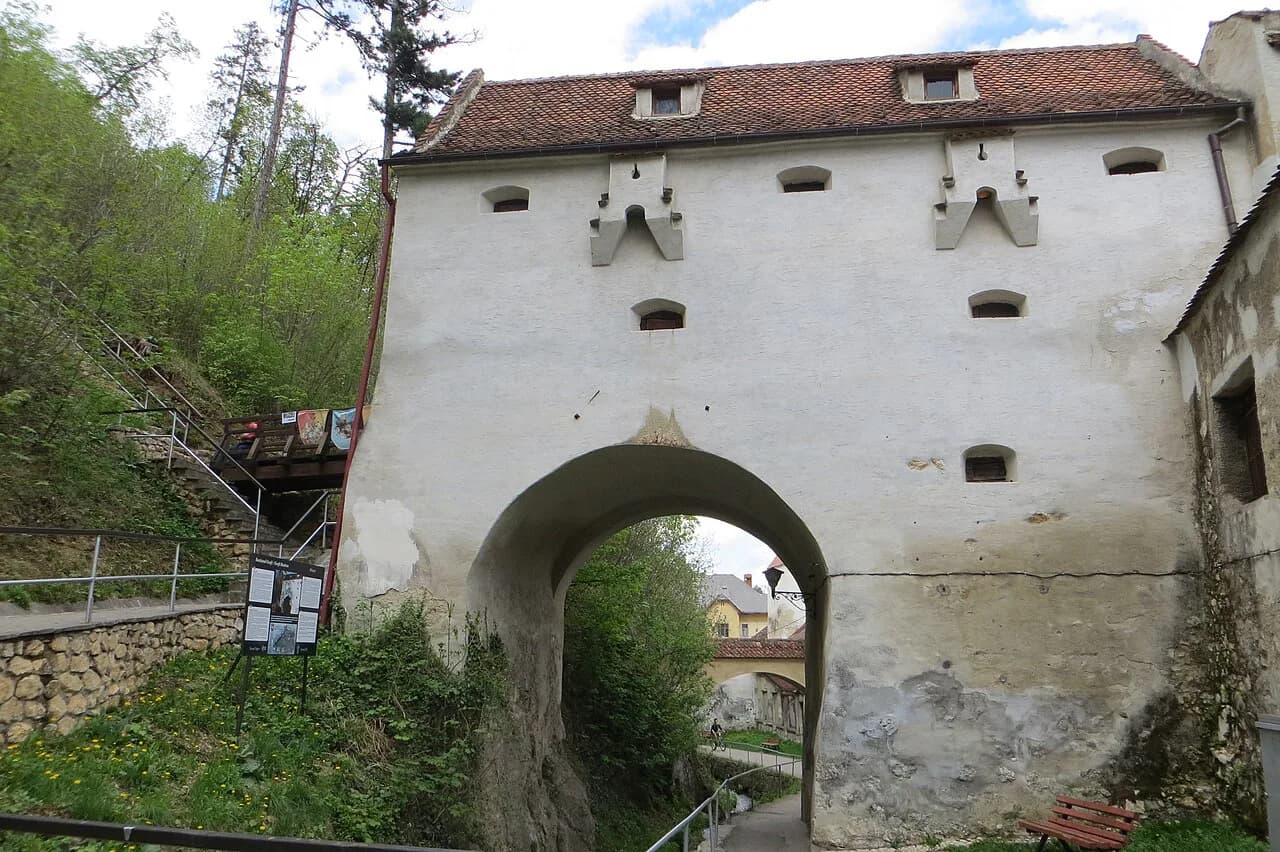
Graft Bastion is a two-storey building set into Brașov's surrounding wall on the bank of the Graft stream. It was built between 1515 and 1516 and was severely damaged in 1809. It was connected to the White Tower by a drawbridge. From the street it reads as a stretch of wall with a tower in it rather than a free-standing castle, so look for the point where the masonry steps forward towards the water.
The walls carry loopholes and crevices cut for pouring down hot pitch or water on attackers. These are the details to look for up close, because the interior is modest and the exterior tells you most about how the position worked. The bastion was valued for correspondence as well as defence, which is why it sits beside a route into the old town rather than facing open country.

Where it is
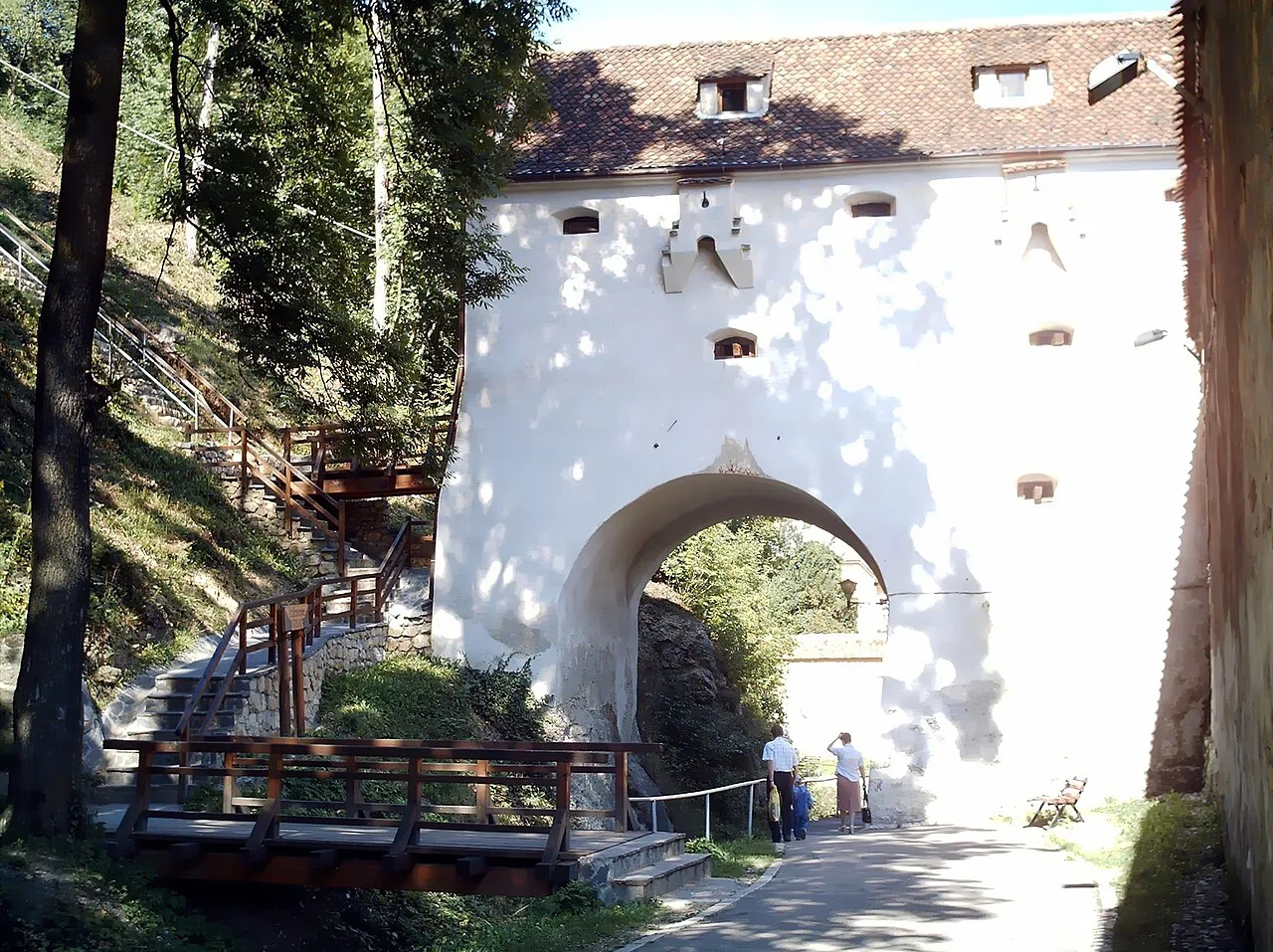
The address is Aleea După Ziduri, on the quiet lane that follows the line of the old wall below Warthe Hill. It sits between the old centre and the wooded slope, with the Graft stream running alongside the wall. The White Tower stands above on the hill; following the trail upward on Warthe Hill leads you to it.

How to get there on foot
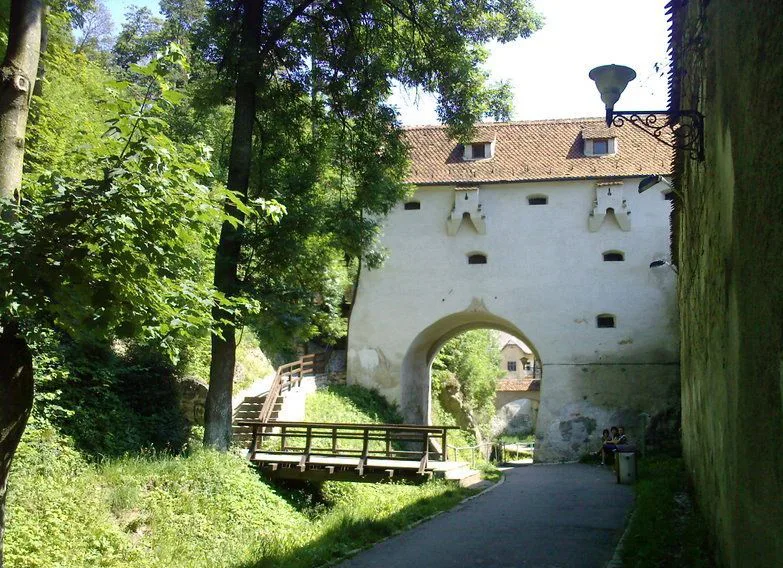
From Piața Sfatului, walk west through the old centre towards the lane that follows the line of the wall below Warthe Hill. Coming from the Black Church, head through the back streets towards the wall rather than down to the main road. The lane itself is narrow, so arriving on foot is simpler than driving.
The path up Warthe Hill from the lane behind the bastion leads to the White Tower, a surveillance tower above. It is a climb rather than a stroll, so carry water in summer. If you want a longer hill walk afterwards, the marked routes up Tampa Mountain (Muntele Tâmpa), Brasov start from the same side of town.
Opening days and hours
The bastion is listed as opening Tuesday to Sunday, with summer hours of 10:00 to 18:00 and winter hours of 9:00 to 17:00. Treat those windows as the published pattern rather than a guarantee for your travel date, because seasonal changes are not always announced far ahead. Confirm the current hours before you set out, particularly outside the main summer months.
An entrance fee applies, but the published information gives no amount, so check the price at the ticket desk or with the Brașov County History Museum before you go. Budget for a modest charge. If the ticket covers the exhibition only, that still makes a short stop worthwhile on the way up the hill.
What to see inside
The interior holds an exhibition called The Craftsmen of Brașov – the City Defenders, presented as part of Brașov County History Museum. It sets out the guilds that maintained and manned the walls, which makes the building easier to read once you step back outside. Allow 15 to 20 minutes for the displays if you read the panels rather than walk through.
A small shop inside sells handmade products, so you can combine a look at the displays with a browse on the way out. Beyond that, the tower's own fabric is the attraction: the loopholes, the pitch crevices and the way the wall meets the stream. Keep an eye out for the surviving support arch spanning the Graft below the building, a reminder of how the structure was shored up after the 1809 damage.
How long to allow
Give Graft Bastion 20 to 30 minutes including the exhibition, then add 10 to 15 minutes for the climb to the White Tower and time at the top. That makes a comfortable hour for the pair, or a little longer if you stop for photographs at the viewpoints. It suits a morning slot before the centre gets busy, and it fits easily around a visit to the Black Church or the Council Square.
If you are short of time, the bastion is the part to skip and the White Tower climb is the part to keep, since the view rewards the effort. Travellers with limited mobility should note that the upper path is uneven and stepped, while the lane below is level. Pair the visit with a wander through the lanes behind the wall, where Rope Street Brasov (Strada Sforii) sits a short walk away.
The 1809 damage and the repairs
The bastion was severely damaged in 1809, and repairs that followed included three support arches built across the Graft in 1822 to hold the wall steady. Two of those arches were later demolished, in 1902, leaving a single span visible today. That surviving arch is the clearest physical trace of the building's long maintenance history, and it is easy to miss if you keep your eyes on the tower.
Restoration work returned the bastion to use as a visitor monument. One account dates the renovation to 2004 to 2005 and says the connection to the White Tower was made then, while another records restoration in 2003 to 2004 before it reopened as a tourism monument; either way, walking from the bastion up to the White Tower is what makes the pair work as a single outing rather than two separate stops. Look back down at the bastion from the tower path for the best view of how the wall follows the stream.
Nearby stops
The Black Church Brasov (Biserica Neagră) is a short walk back into the old centre and makes the obvious next stop after the bastion. Catherine's Gate (Poarta Ecaterinei), Brașov and the art museum Brasov are also close enough to fold into the same morning. Between them, you can cover the wall, a tower and a museum without crossing town.
If you are travelling with children or want a gentler afternoon, Brasov zoo sits further out and pairs well with the wooded side of town. To plan the rest of the day around these stops, the Brasov Attractions: 14 Visitor Guides page sets out the old centre, the wall towers and the hillside walks in one place. The ethnographic museum is another indoor option if the weather turns.
Is Graft Bastion worth the stop?
Yes, as a 20-minute stop on the way up to the White Tower rather than a destination in its own right. The craftsmen exhibition gives the wall context, the pitch crevices and support arch reward a close look, and the climb afterwards is the real payoff. Skip it only if your time in Brașov is very tight.
Go on a weekday morning if you can, when the lane below the wall is quiet and the exhibition is easy to take in. Check the day's opening hours and the ticket price before you set off, then walk up to the White Tower while the light is still good over the old town.
Explore more Brasov guides
Frequently Asked Questions
Can you go inside Graft Bastion?
Yes. The bastion holds an exhibition on the craftsmen who defended Brașov's walls, presented as part of Brașov County History Museum, and there is a small shop selling handmade products alongside it. It is listed as open Tuesday to Sunday, with longer hours in summer and shorter ones in winter, and an entrance fee applies.
How do you get from Graft Bastion to the White Tower?
Follow the trail upward on Warthe Hill behind the bastion; it leads to the White Tower, a surveillance tower above. The two were historically linked by a drawbridge, and the walk between them is what makes the visit work as a single outing.