
Weavers' Bastion (Bastionul Țesătorilor), Brașov: what to see and how long to allow

The Weavers' Bastion, Bastionul Țesătorilor in Romanian, is a short stop rather than a half-day out: a four-level defence tower on Strada George Coșbuc that houses the Bârsa County Museum and repays about half an hour of your time. It is one element of Brașov's old fortifications, so it slots easily into a walk between the surviving walls. This page covers where the bastion stands, how to reach the street, what the four levels and the museum display show, and how to pair it with nearby sights.
What the Weavers' Bastion is and where it stands in Brașov
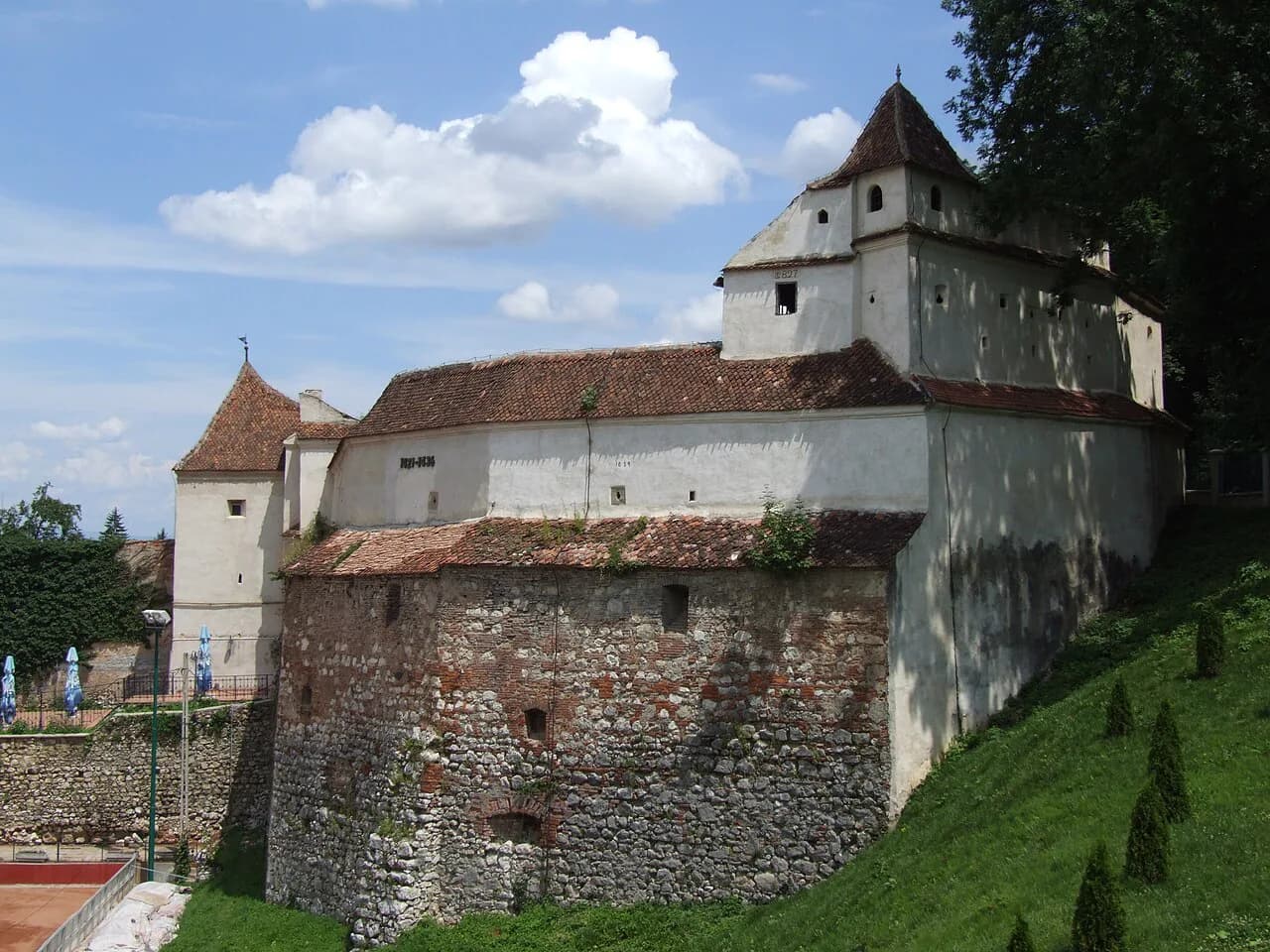
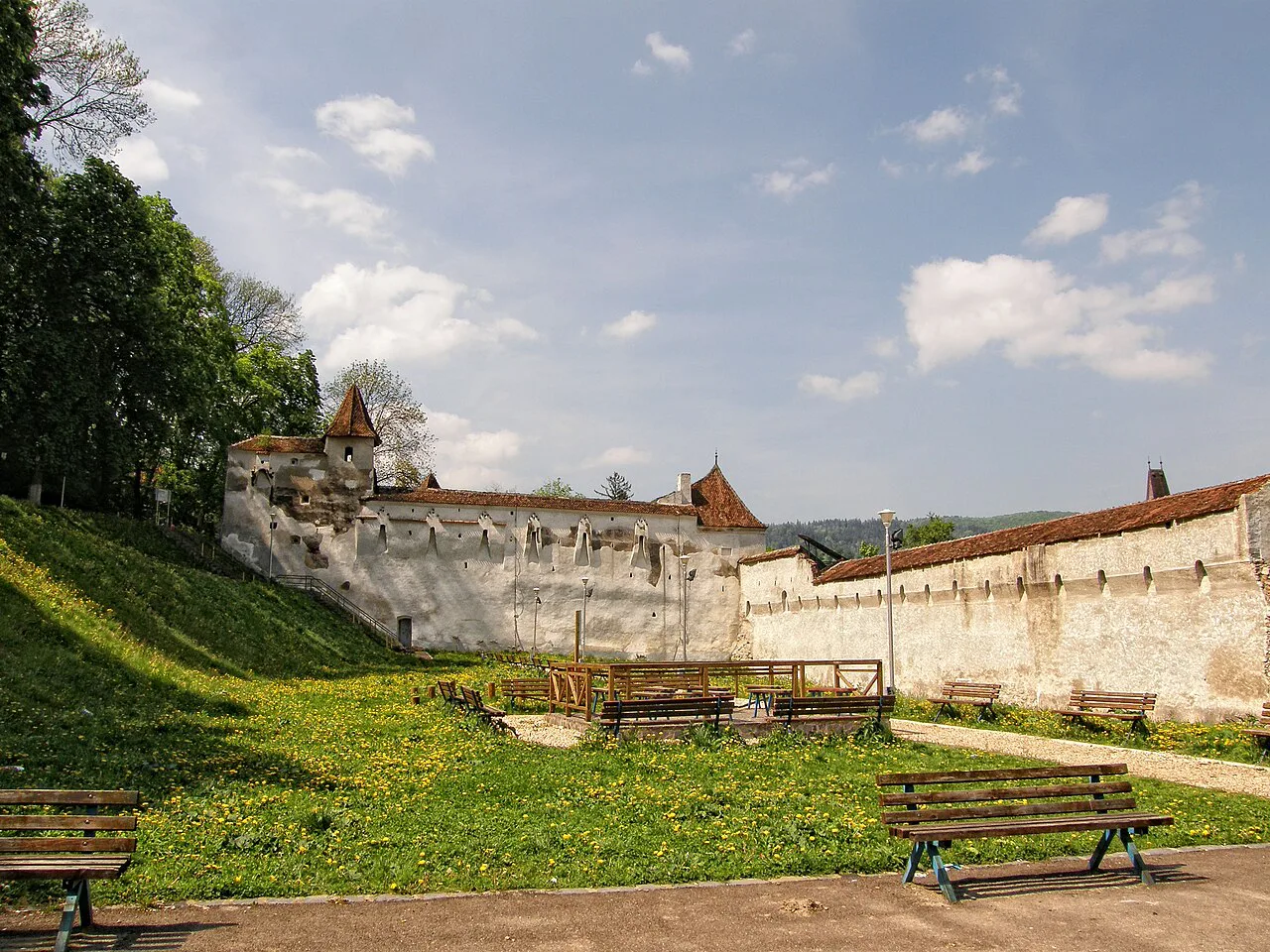
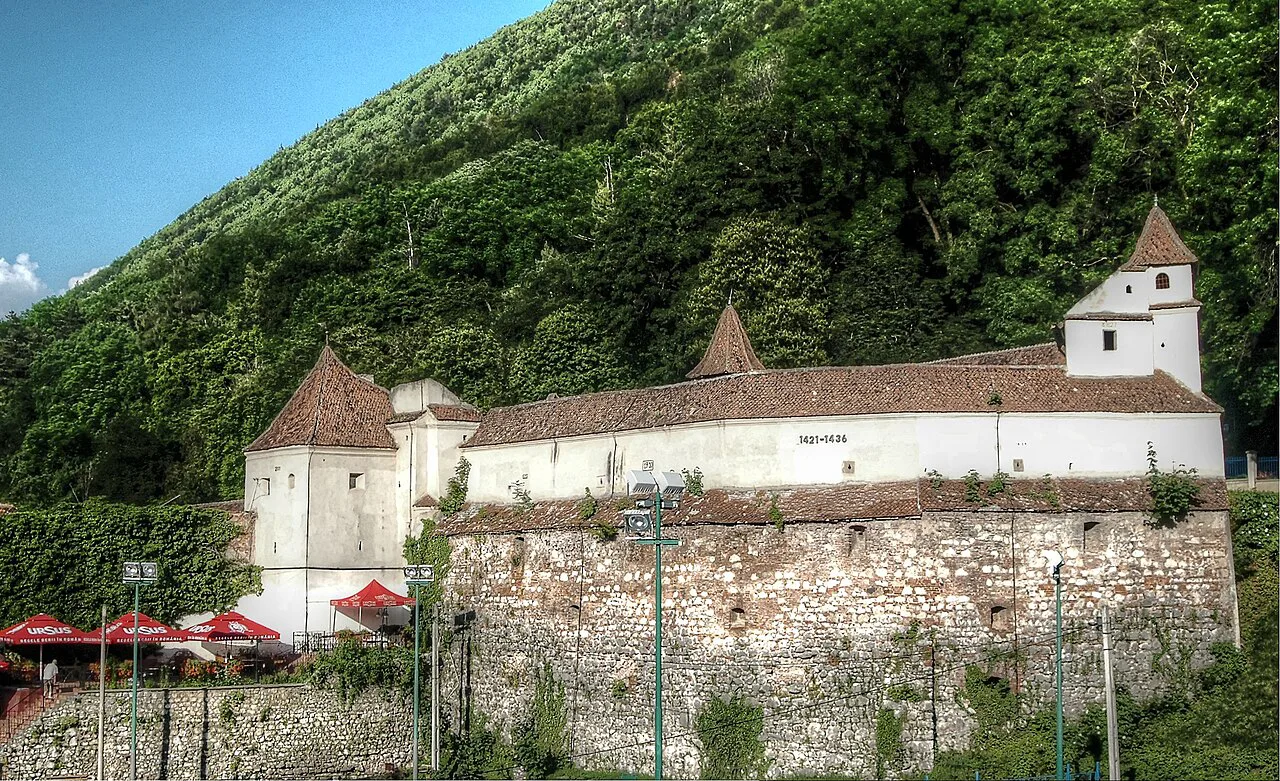
The bastion is a defensive tower built by the linen weavers' guild in the early 15th century, standing at 9 George Coșbuc Street in Brașov. It formed part of the town's outer defences, and that role still makes sense when you look at the surrounding street pattern. Treat it as one element of the old fortifications rather than a standalone monument.
The tower dates from the early 15th century and belonged to the guild of linen weavers, so what you see is a guild-built structure within the town's defences. That ownership explains why the tower reads differently from the smoother stretches of wall nearby. Look at the masonry as you approach from the street.
It now houses the Bârsa County Museum, which has occupied the bastion since 1950, and that is the main reason to go inside rather than simply photograph the exterior. The museum shares the tower with the building's older role as a warehouse and, since 1908, as a venue used for parties and opera concerts, thanks to its acoustics.

How to reach Strada George Coșbuc
The bastion's address is Strada George Coșbuc 9, and the fortified structure is the obvious thing to find on the street. Approaching from the old centre, it makes sense to start near the Black Church and Council Square, Piața Sfatului, and walk on from there.
The bastion is easiest on foot; public transport is of little use for a building this close to the historic core. If you are coming from further out, aim for the old town and walk from there rather than planning a separate journey. The approach along the surviving streets is part of the visit, and the Brasov Attractions: 14 Visitor Guides set out the other sights that fit around it.
If you are building a walking circuit, the bastion fits naturally into a route that takes in the old centre and the lanes towards Șchei, the district on the slopes beyond the old town. The museum's own model of the town shows how those quarters related to the walls.

What you see inside: four levels, ring bays, oil holes and watchtowers
The tower is built on four levels, and the interior makes the defensive design legible: ring bays for defenders, oil holes through the walls, and two watchtowers. These features give the building a purpose you can read rather than just a shell to walk through. Allow time to look up and along the walls rather than rushing between floors.
An inscription of 1807 sits on a beam over the entrance to the enclosure, marking the year three rooms were built for school workshops that trained the town's future craftsmen. It is easy to walk under without noticing, so look up as you pass through. That beam is one of the few datable details you can pick out on the spot.
After a long spell as a warehouse, the bastion took over the adjacent guild headquarters building in 1908, and its acoustics made it a venue for parties and opera concerts. That mixed use as museum, store and performance space explains the slightly improvised feel of parts of the interior.
The Bârsa County Museum: the 17th-century citadel model, weapons and weavers' guild pieces
The centrepiece of the museum is a model of the old citadel of Brașov and Șchei as they stood at the end of the 17th century. It is the single most useful thing in the building for understanding the fortifications, because it shows the town and Șchei as they were laid out at that time. Look at it before or after walking the surviving stretches.
Alongside the model, the display includes weapons and products of the weavers' guild, which tie the collection back to the guild that paid for and manned the tower. The objects are modest in scale, so the museum rewards attention rather than a quick sweep. Read the labels where they are legible and accept that this is a small regional collection, not a national museum.
Because the museum has occupied the tower since 1950, the collection and the building are effectively one exhibit: you are looking at guild material inside a guild structure. That continuity is the reason to go inside rather than content yourself with the courtyard.
How long a visit takes and what the visit involves
Budget roughly 30 to 45 minutes for the bastion and its museum. The tower is compact, the collection is a single thematic display, and there are stairs between the four levels rather than long galleries. Anyone expecting an hour of exhibits will be disappointed; anyone treating it as a well-chosen stop on a wall walk will not be.
The visit is largely indoors but not heavily interpreted, so it suits travellers who already have some sense of how Brașov's defences worked. If you have not yet seen the model, go up first, then walk the outside of the walls with the layout in your head. Good shoes matter more than spare time here.
Photography, and how much of the upper levels you can reach, depends on how the Bârsa County Museum is running the site on the day, so ask at the entrance and check current access before you set out. Steep, narrow stairs are part of the experience.
Before you go: confirming the museum is open
Museum opening days and any ticket price are not given here, so check the current entry fee and hours with the museum or at the bastion itself before setting out. Do not build a day around a fixed opening time you have not verified for your dates.
Opening times change, so treat any schedule you find as a hint to confirm rather than a timetable to rely on. If the bastion is closed when you arrive, the exterior and the surrounding wall are still worth the walk.
Nearby sights to pair with the bastion
The Black Church stands within a few minutes' walk in the old centre, and its scale makes a deliberate contrast with the compact bastion. Pair the two and you cover both the town's civic wealth and its defensive engineering in one loop. Allow more time for the church than for the tower.
For a view over the walls you have just walked, head for Tampa Mountain (Muntele Tâmpa), Brasov, where the summit looks down on the old town and the line of the fortifications. Seeing the bastion from above makes the model inside the museum click into place. It is a sensible final stop after the tower.
Council Square is the natural place to start or finish, with the bastion a short walk away along Strada George Coșbuc. The wider set of Brasov Attractions: 14 Visitor Guides covers how these pieces fit into a city break.
Is the bastion worth the detour?
Yes, if you are already walking Brașov's old centre and want the fortifications explained rather than just photographed. The Bârsa County Museum's 17th-century citadel model and the four-level defensive interior justify a half-hour stop, and the bastion sits naturally on a route that also takes in Council Square and Tampa Mountain (Muntele Tâmpa), Brasov.
Skip it if your time in Brașov is very short and you have not yet seen the Black Church or the main square; the bastion is a supplement to the old town, not a substitute for it. Confirm the museum is open on your dates before you go, then build the walk around what is confirmed open.
Explore more Brasov guides
- Black Tower (Turnul Negru), Brașov
- Brașov Art Museum (Muzeul de Artă Brașov)
- Brașov Zoo
- Catherine's Gate (Poarta Ecaterinei), Brașov
- Council Square (Piața Sfatului), Brașov
- Graft Bastion (Bastionul Graft), Brașov
- Rope Street (Strada Sforii), Brașov
- Schei Gate (Poarta Șchei) in Brașov
- St Nicholas Church, Brașov
- White Tower, Brașov (Turnul Alb)