
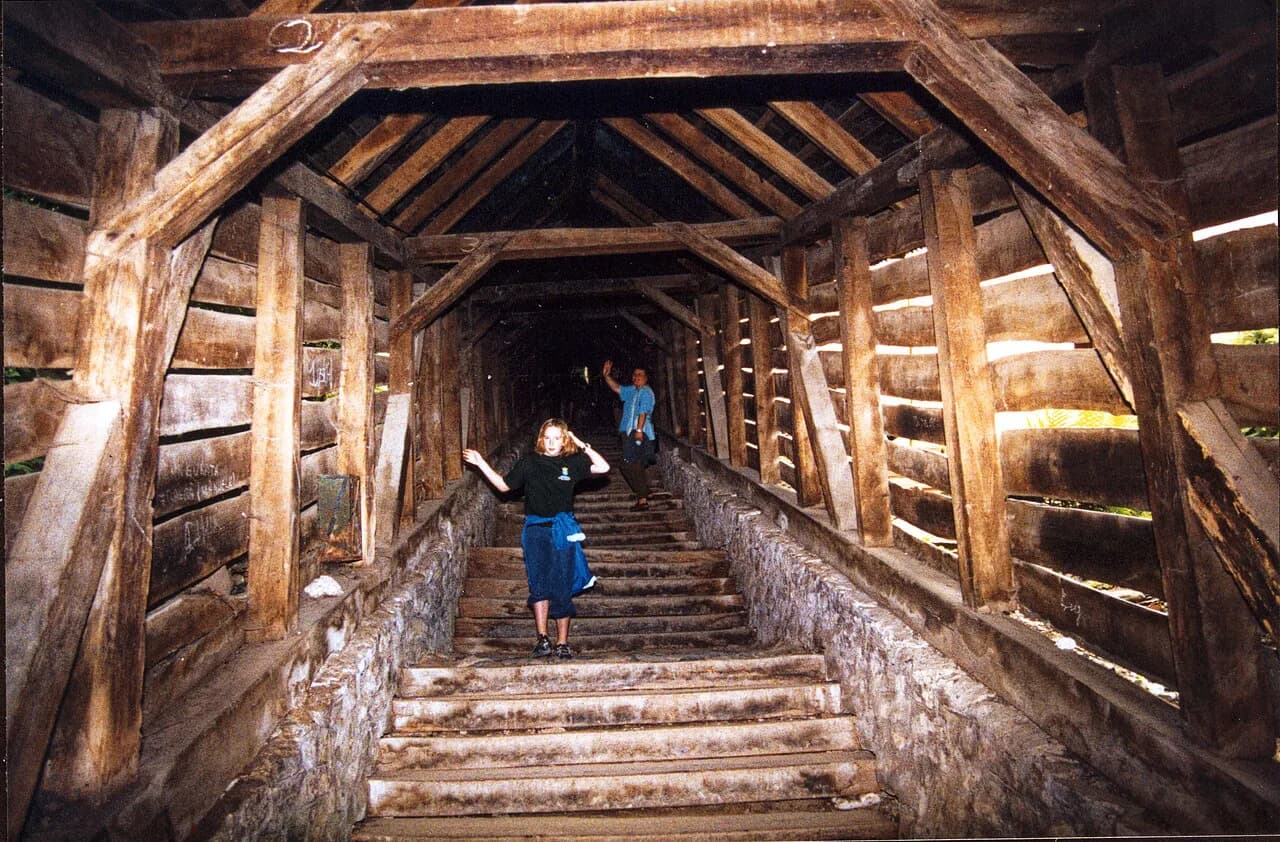
Scara Școlarilor (The Scholars' Stairs), Sighișoara

Scara Școlarilor is a covered wooden staircase in Sighișoara's old town, built to give pupils and locals a sheltered climb up to the school and church on the hill. Allow a quarter of an hour or so for the ascent and the look back over the roofs, and rather more if you are visiting the church at the top. This guide covers the two names you will see on signs, where the bottom of the stairs sits, what the climb is like and what to pair it with nearby.
What the Scholars' Stairs are
The staircase is a long wooden flight under a roof and side walls, running uphill through the upper lanes of the old town. Signs and maps give it two names: Scara Școlarilor, the Scholars' Stairs, and Scara acoperită, the covered stair, so do not assume you are looking at two different places when you see both.
Its purpose was practical rather than ceremonial: it sheltered the daily walk up to the school on the hill, which is why the name ties the stairs to scholars. The staircase dates from the seventeenth century, and one map listing gives the year as 1642 for the covered wooden structure.
Treat the stairs as the route to the Church on the Hill rather than a sight on its own. That framing matters when you plan the morning: the climb, the church and the view are one outing, and the staircase is the part that gets you there whatever the weather is doing.
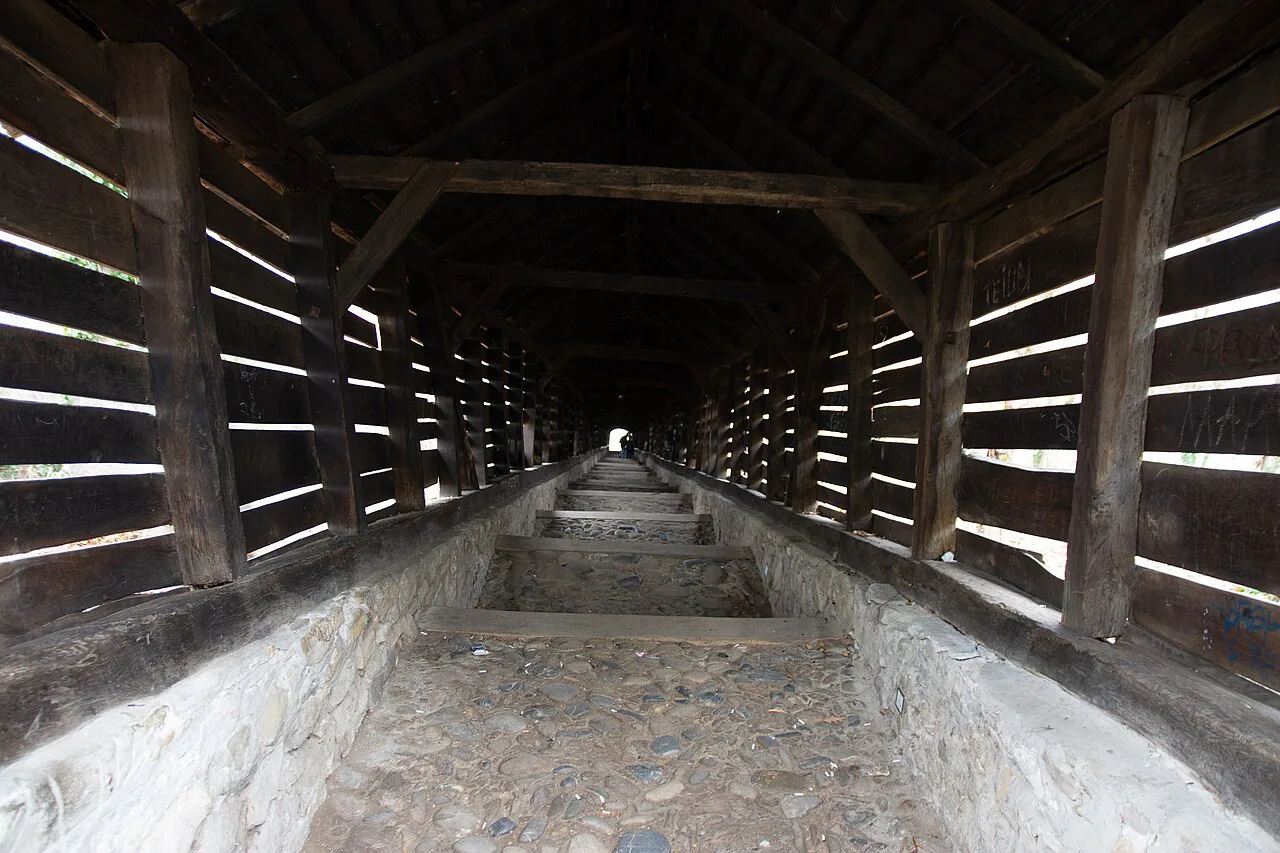

Where to find the bottom of the stairs
The foot of the staircase is in the upper old town, reached on foot through the lanes above the main squares rather than from the road below. Coming from Piața Cetății, walk uphill past the church and lane entrances towards the raised part of the citadel; the covered passage is easy to miss because its opening sits between buildings rather than facing an open square.
Because the citadel is pedestrian and stepped, the realistic approach is to leave a car outside the walls and walk in. The town's lanes climb steadily, so give yourself a few extra minutes to reach the bottom of the stairs without arriving out of breath, and use the Sighisoara Attractions: 9 Visitor Guides index to match the climb with the rest of the walled centre.
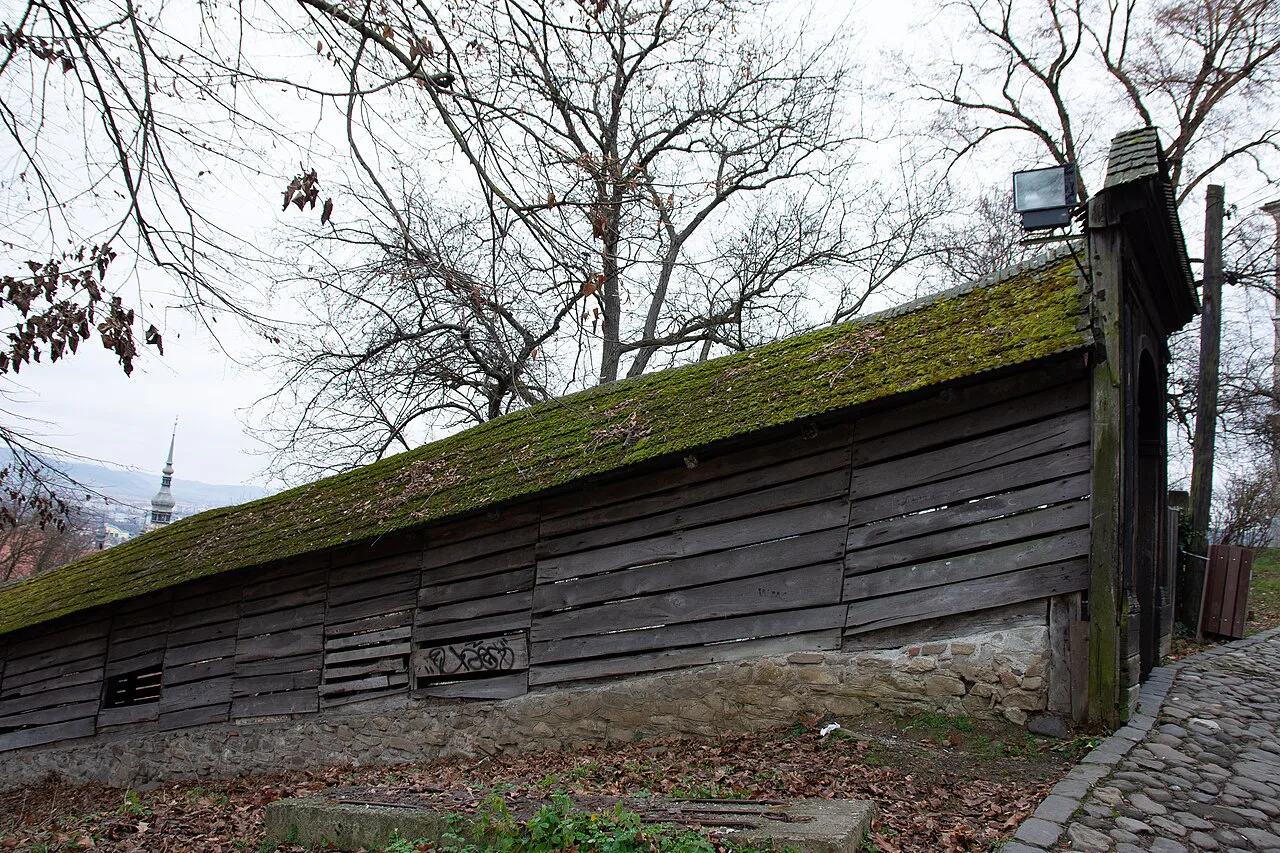

The climb under the roof
Inside, the staircase is a timber tunnel: beams overhead, planks underfoot and light coming in through the gaps and openings along the side. The steps creak and the run is continuous uphill, which makes it a proper climb rather than a stroll, though a short one. If you dislike enclosed spaces, the roofed section is the part to think about before you start.
The cover earns its keep in bad weather. On a wet or cold day the staircase keeps you out of the rain and wind on the way up, which is exactly what it was designed to do for pupils heading to lessons, as the Romanian listing of the covered stair makes plain.
What waits at the top
The staircase brings you out beside the Church on the Hill and its surrounding plateau, with the old town's roofs and towers spread below. The view back down is the reward for the climb and the best reason to pause at the top before heading for the church door.
The church itself is a separate visit with its own arrangements, which change with the season and with services. Check entry times and any charge at the church or through the town's visitor information before you build the climb around going inside; the staircase page cannot stand in for that.
How long to allow
Budget around fifteen minutes for the staircase from bottom to top, including a breather and a look back over the town. If you are continuing into the church and walking the plateau, set aside an hour for the whole upper-town loop, and more if you photograph every gap in the boards.
The climb suits most walkers who are comfortable on stairs, but the continuous rise and the roofed, low-lit stretch are worth weighing up if you have knee trouble, use a wheelchair or feel uneasy in tight spaces. There is no lift and no alternative covered route up the same slope.
Nearby in the old town
Pair the climb with the Sighișoara Clock Tower (Turnul cu Ceas) and the squares at the heart of the Sighisoara Citadel, both a short walk downhill from the foot of the stairs. Doing the tower first and the stairs second puts the uphill work at the end of the loop, which is easier on the legs.
The lanes around the upper town hold several smaller churches and houses worth a look on the way past, so leave time to wander rather than treating the staircase as a there-and-back errand.
Getting to Sighișoara and up to the stairs
Sighișoara sits on the main rail line across Transylvania, so trains from Brașov and Cluj-Napoca are the straightforward way in, with the station a signposted walk from the old town below the citadel. From the station, follow the signs uphill into the walled centre, then continue on foot to the upper lanes.
Arrive early or late in the day if you want the staircase and the plateau to yourself; the middle of the day brings the coach groups into the citadel. The cover makes the climb workable in rain, which is when the old town is at its quietest.
Should the stairs be on your Sighișoara list?
Yes, if you are already going up to the Church on the Hill, and less so as a standalone detour. The staircase is short, atmospheric and does a real job in wet weather, but its value comes from where it takes you rather than from the timber itself.
Plan the climb as part of a loop with the Sighișoara Clock Tower (Turnul cu Ceas) and the main squares, check the church's entry arrangements before you set out, and leave the car below the walls. That is the whole of the planning this one needs.
Explore more Sighisoara guides
Frequently Asked Questions
Do you need a ticket for Scara Școlarilor?
The staircase is a public route through the old town, and the sources describing it give no charge for using the stairs. The Church on the Hill at the top sets its own arrangements for visitors, so check entry times and any charge with the church or the visitor information before you climb.
How fit do you need to be for the climb?
You need to be comfortable on a continuous flight of wooden stairs under a low roof. The rise is steady rather than long, but there is no lift, and the covered section is enclosed, so anyone with knee problems or a dislike of tight spaces should weigh it up before starting.
Is the staircase open in wet or cold weather?
The roof and side walls are the point of the structure, keeping the climb out of rain and wind as it did for pupils heading to the school on the hill. Snow and ice on the steps are a different matter, so take care underfoot in winter conditions.