
Elisabetin, Timișoara: a Visitor's Guide to the Residential Quarter

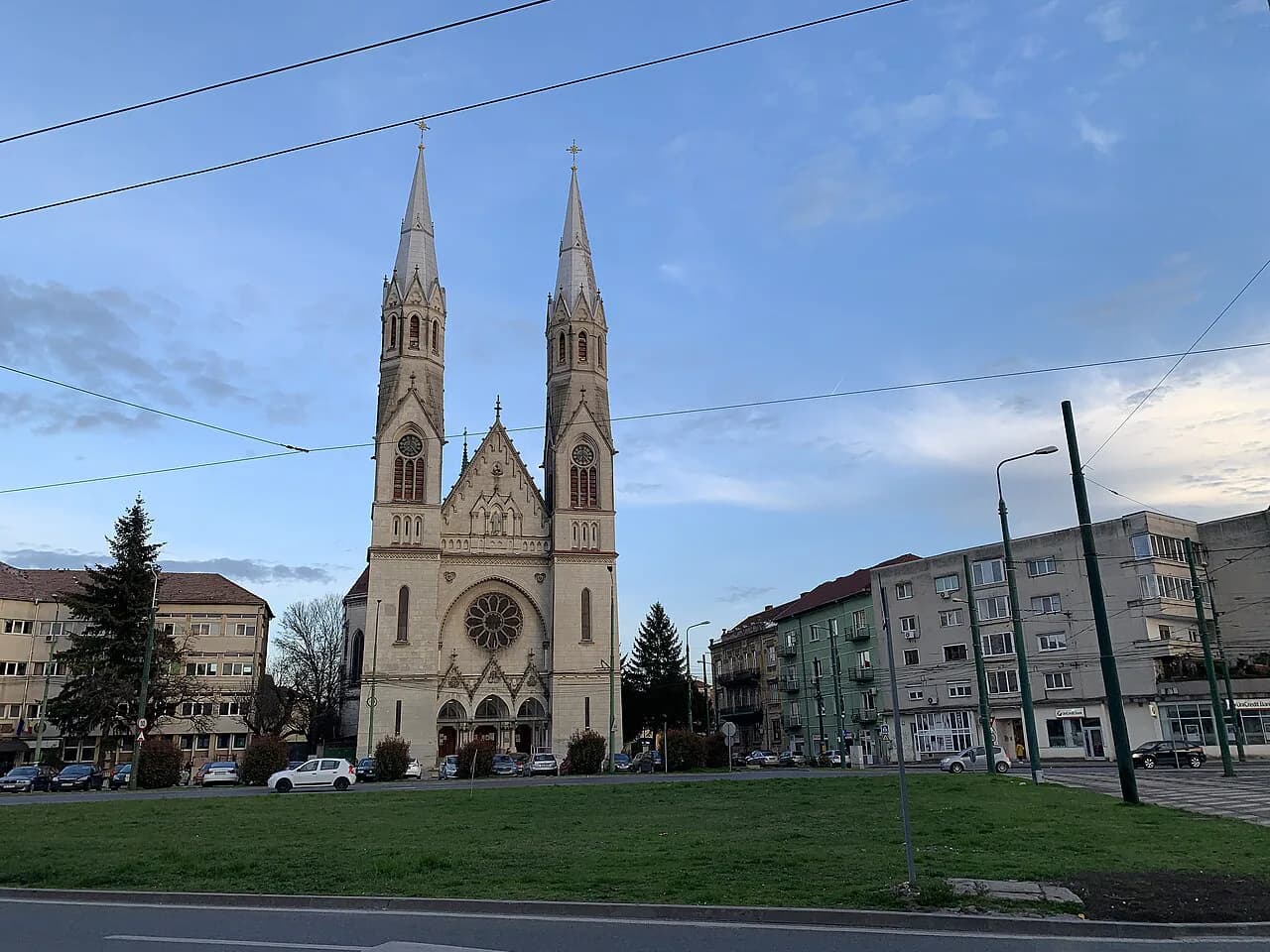
Elisabetin is worth a couple of hours of your Timișoara trip if you want decorated residential streets rather than a sight-dense tourist quarter. It is described as a calm, refined district whose buildings carry Art Nouveau and Secession detailing, best seen on foot. This guide covers what the district is, where it sits, what to look for on the façades, the Greek-Catholic Church of Mary Queen of Peace, and who will get the most out of a wander here.
What Elisabetin is
Elisabetin is a residential district of Timișoara, described in local walking-tour listings as quiet and refined, with buildings decorated in Art Nouveau and Secession style. That description sets your expectations: this is a neighbourhood to read through its architecture and street rhythm, not a compact cluster of ticketed sights. Come for façades, balconies, gateways and the pace of an ordinary residential quarter.
The district's identity is tied to its period buildings rather than to a single monument. A guided walking tour runs through the neighbourhood, which suggests the appeal is spread along the streets rather than concentrated at one address. Treat the quarter as the attraction and let the detail accumulate block by block.

Where Elisabetin sits in Timișoara
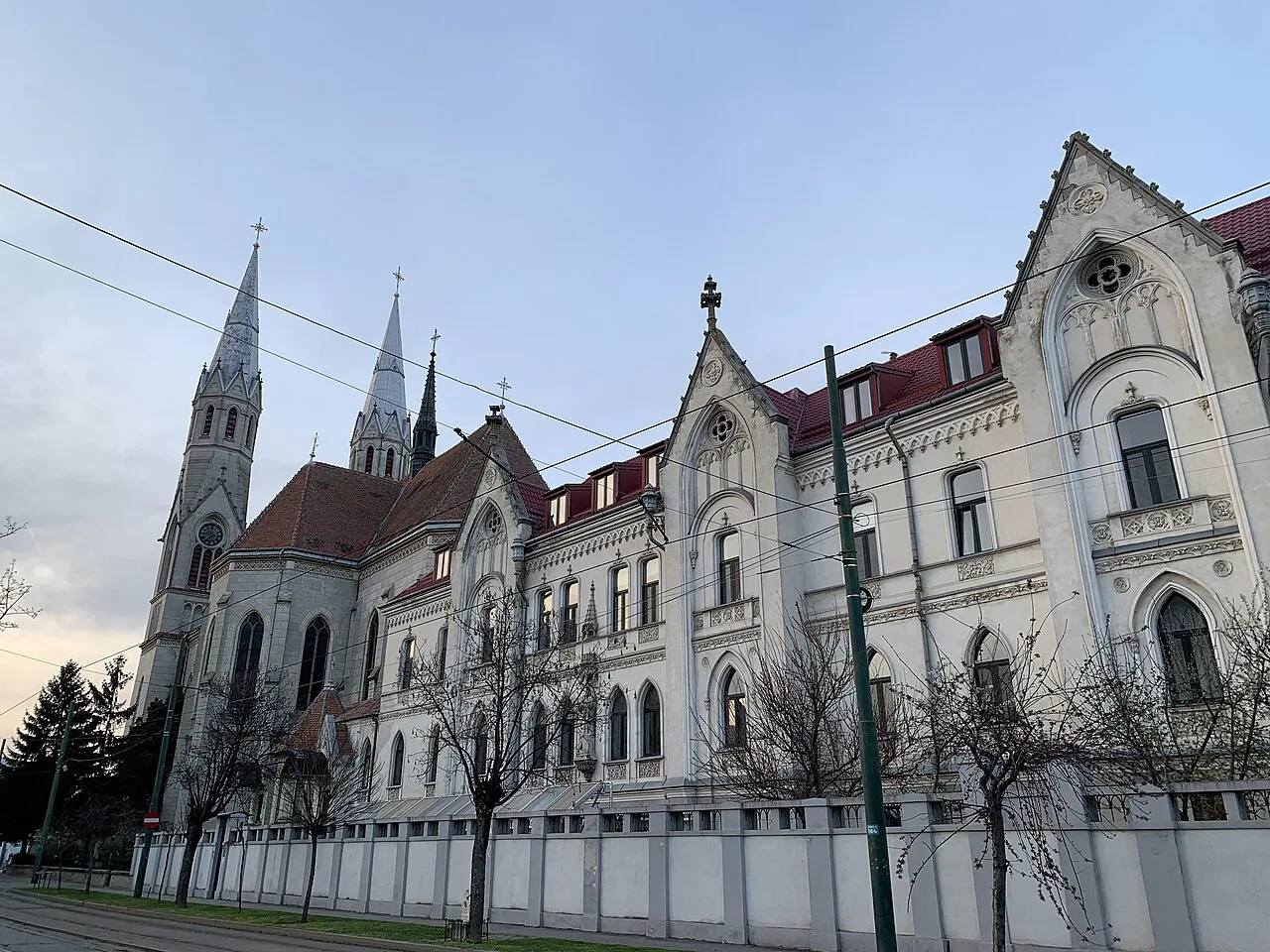
Elisabetin is a residential district of Timișoara, quieter than the central squares. Set-piece sightseeing gives way to residential streets. If you are weighing up where to base yourself, compare this area with Cetate, Timișoara's central district, before you commit.
Piața Maria is the anchor square named in guided walks of the district, and it makes a sensible starting point for a loop. From there you can head into the residential streets and work your way back towards the centre. The wider Timisoara neighbourhood picture helps you see how Elisabetin fits alongside the centre and the other historic quarters.

The district's character
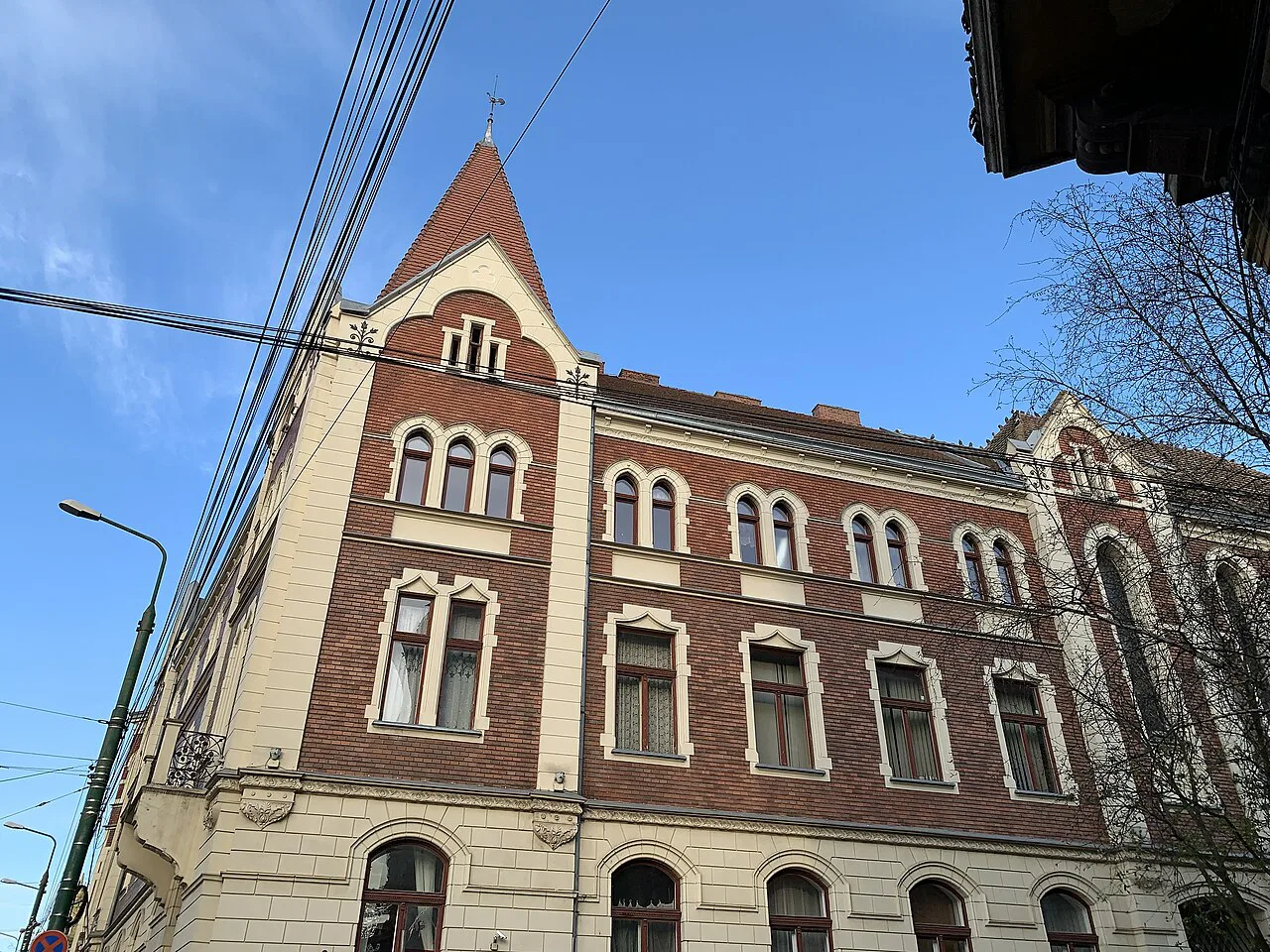
Expect low-rise residential streets and a slower tempo than the centre. The buildings are the draw: look up at the upper storeys for the Art Nouveau and Secession decoration, and note the entrance doors and ironwork at street level. Because this is a lived-in neighbourhood, you will spend as much time looking as stopping at anything.
The trade-off is straightforward. Elisabetin is a residential quarter whose appeal is architectural rather than a set of ticketed sights, so it rewards travellers who enjoy unhurried wandering and frustrates those who want a checklist. If you have only one day in the city, prioritise the centre and come here with the time that is left.
Who Elisabetin suits, and who it does not
Elisabetin suits travellers who have already seen the main central sights and want a second, quieter layer of the city, and anyone with an interest in early twentieth-century domestic architecture. It also works well for a slow afternoon with a camera, when you would rather walk two or three streets properly than rush a queue.
It is a poor fit for anyone with a tight schedule, for families needing constant entertainment, or for visitors expecting cafés and shops on every corner. If your priority is the dense historic core, stay with the Cetate area and treat Elisabetin as an optional extra rather than a rival.
Walking Elisabetin
Start at Piața Maria, where a guided architecture walk through the district begins, and head into the side streets rather than sticking to the main road. Pick two or three parallel streets and walk each one end to end, looking at the decorated façades. Give the loop an unhurried pace, allowing for stops.
On the façades, look for the flattened ornament and the stylised detail that mark Art Nouveau and Secession building. Compare these with the more classical central streets and the difference in period and taste becomes obvious. Carry your own notes or use an architecture guide, since the district does not label its buildings for passers-by.
If you would rather be led, book a guided walk rather than improvising, and check the meeting point and timings on the GetYourGuide booking page for the Elisabetin tour. A guide can explain which buildings matter and why.
The Greek-Catholic Church of Mary Queen of Peace
The Greek-Catholic Church of Mary Queen of Peace sits within Elisabetin. It is a Greek-Catholic church dedicated to Mary Queen of Peace, and it gives the neighbourhood a named landmark among the surrounding residential streets.

Treat the church as an exterior stop first: admire the composition and its place in the street, then check locally whether the interior is open when you pass. Visiting times at parish churches change with services, so read the notice on the door rather than planning around a fixed hour.
Getting to Elisabetin and its tram history
Elisabetin is a walking district once you arrive, and the simplest approach is on foot from the centre. Electric trams first ran in the city on 27 July 1899, with the line along Strada Doja from Piața Maria to the end of what is now Strada Independenței.
Aim to start at Piața Maria and walk; the point of the visit is the streets. Bring a map, since the streets are ordinary residential lanes. If you are also exploring the western side of the city, the neighbouring Iosefin, Timișoara district can be folded into the same afternoon.
Practical notes on visiting a residential district
Elisabetin is a lived-in neighbourhood, so keep your voice down in courtyards and doorways and photograph façades from the pavement rather than through windows. Keep to public streets and squares.
Build the visit around daylight and your own pace rather than a fixed schedule. The main planning decision is simply how much of your trip to give it: a couple of hours is a reasonable allowance for the architecture walk and the church.
Is Elisabetin worth the walk from the centre?
Yes, if you have already covered the centre and want a quiet, architecturally interesting hour or two on foot. Head for Piața Maria, walk the side streets for Art Nouveau and Secession façades, and stop at the Greek-Catholic Church of Mary Queen of Peace. Skip it if your time in the city is short or you need a steady supply of sights and cafés.
Explore more Timisoara guides
Frequently Asked Questions
Is Elisabetin worth visiting in Timișoara?
For travellers who have seen the central sights and enjoy architecture, yes. Elisabetin is a quiet, refined residential district whose buildings carry Art Nouveau and Secession decoration, best explored as a walk from Piața Maria. It is not a sight-dense quarter, so anyone with a very short stay should keep their time in the centre.
What is Elisabetin known for?
It is described as a calm, refined residential district whose buildings carry Art Nouveau and Secession detailing. The Greek-Catholic Church of Mary Queen of Peace stands within the district. Beyond that, the appeal is spread along the streets rather than concentrated in one attraction.
How long does it take to walk around Elisabetin?
A couple of hours is a reasonable allowance for a leisurely loop from Piața Maria through the side streets, with stops to look at façades and the church. A guided architecture walk covers similar ground with commentary, so check the route, meeting point and timings on the booking page.