
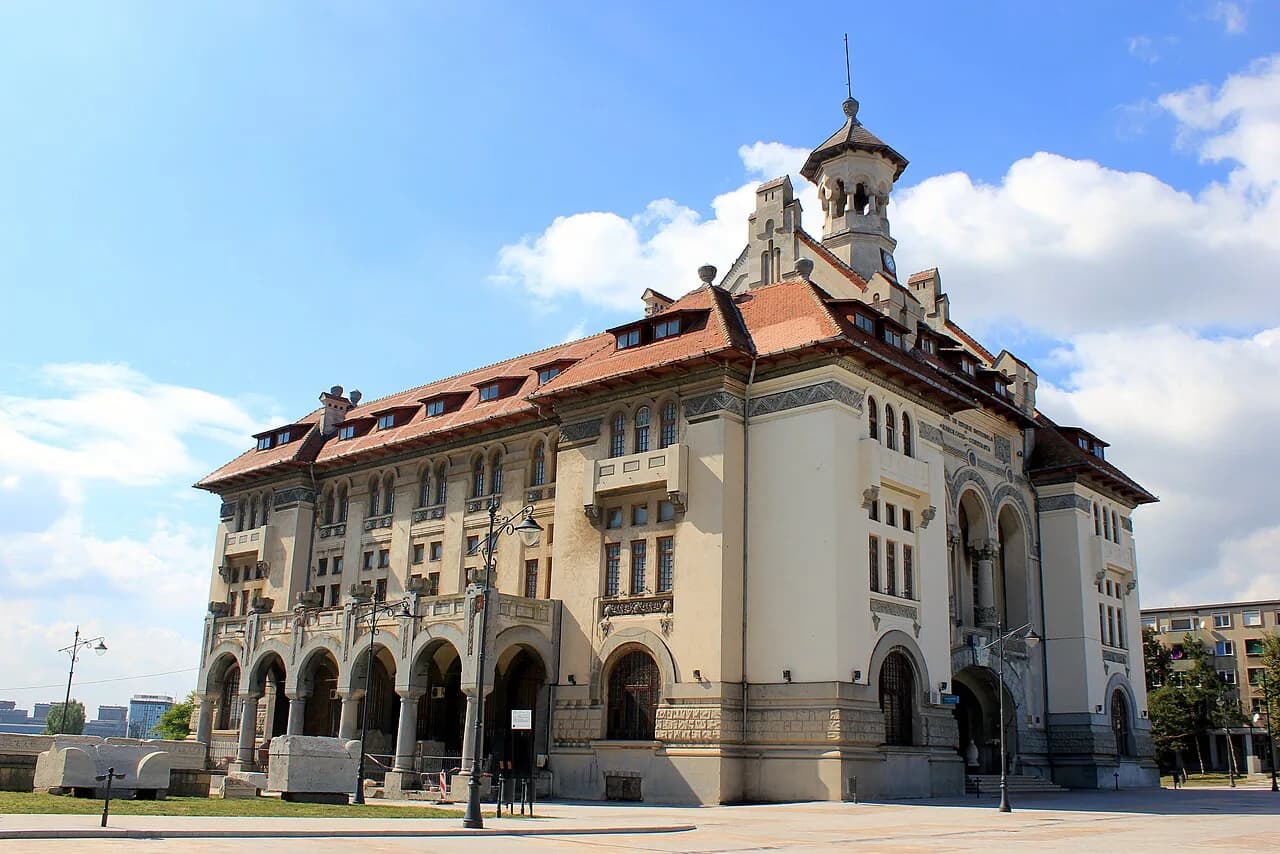
Museum of National History and Archaeology, Constanța

The Museum of National History and Archaeology in Constanța is worth an hour of your old-town time if you want the ancient city explained before you walk its ruins. It is the indoor archaeology stop for the Greek and Roman material of the Black Sea coast, and it pairs naturally with the harbour and the Roman mosaic. This page covers where the museum is, how to reach it on foot, what to look for inside, how long to allow and where to confirm tickets and hours. The wider set of Constanta Attractions: 8 Visitor Guides is worth mapping before you set out.
What the Museum of National History and Archaeology is
This is Constanța's museum of archaeology and history, the place to make sense of the Greek and Roman material scattered around the modern city. The collection is the reason to come: inscriptions, sculpture and grave goods from the Black Sea coast, displayed in a formal building on the square. Treat it as a single focused stop rather than a whole afternoon, and read it before or after the outdoor Roman remains so the pieces connect.
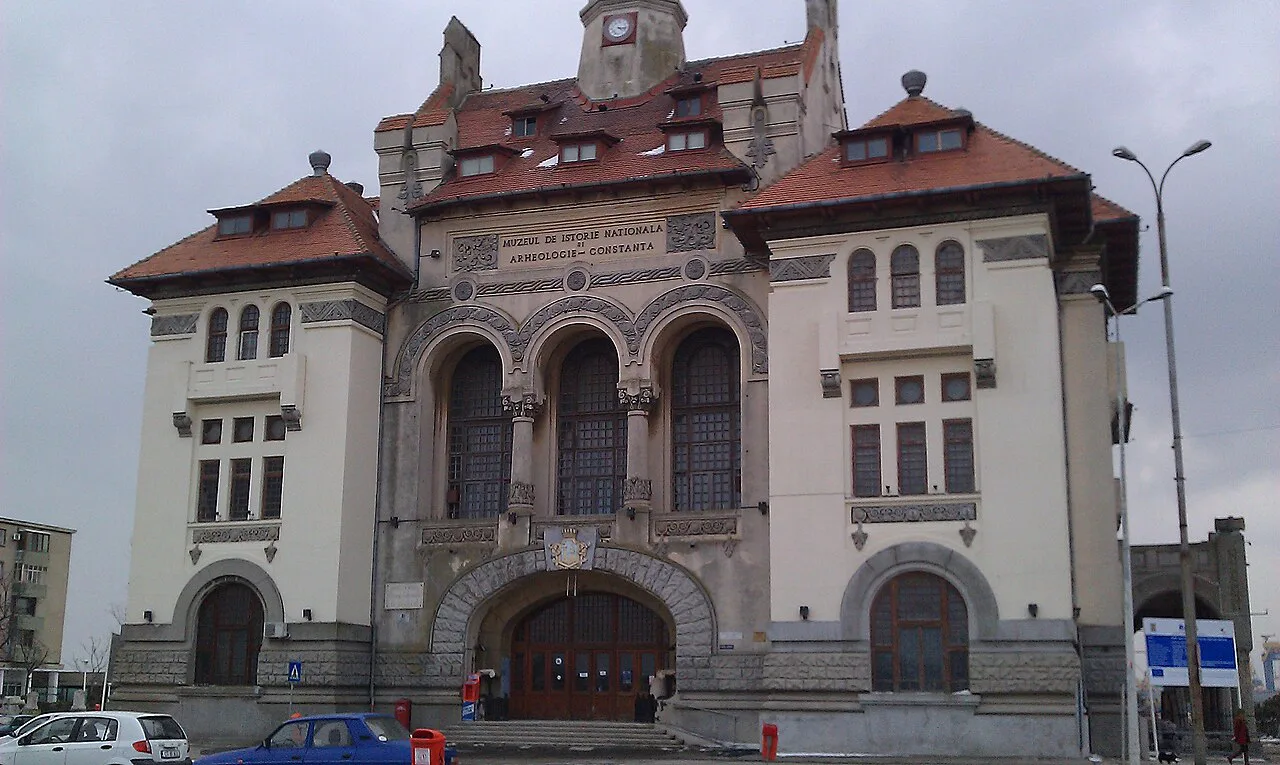
The museum's setting matters as much as its contents. Ovid Square is named for the Roman poet exiled to the Black Sea, and the square is the orientation point for this part of the old town. The building itself presents a symmetrical frontage, which makes the entrance easy to identify from across the square.

Where it is: the Ovid Square setting
Piața Ovidiu is the square to aim for, close to the old town and the waterfront. The museum stands on the square, so you do not need to navigate side streets to find it; look for the building's frontage on the open space.
The square is the natural orientation point for this part of Constanța. Once you have the museum on one side and the harbour beyond, the rest of the old town falls into place: the mosque, the casino and the mosaic edifice all sit within a short walk. Use the museum visit to anchor your morning, then work outwards, with the Constanța Casino and seafront at the eastern end of the loop.

How to get there on foot
Constanța's old town is compact and walkable, and the museum is best reached on foot from wherever you are staying near the centre. From the railway station the walk is longer than it looks on a map, so budget more time than you expect or take a short taxi to the old town edge. From the harbour promenade, head inland and slightly north to reach the square.
If you are combining sights, the museum slots neatly between the waterfront and the old town lanes. Walk from the casino along the seafront, turn inland at the square, and you arrive at the door without needing public transport. That route also passes the Roman mosaic edifice, which makes a sensible pairing with the museum's archaeology.
What to see inside
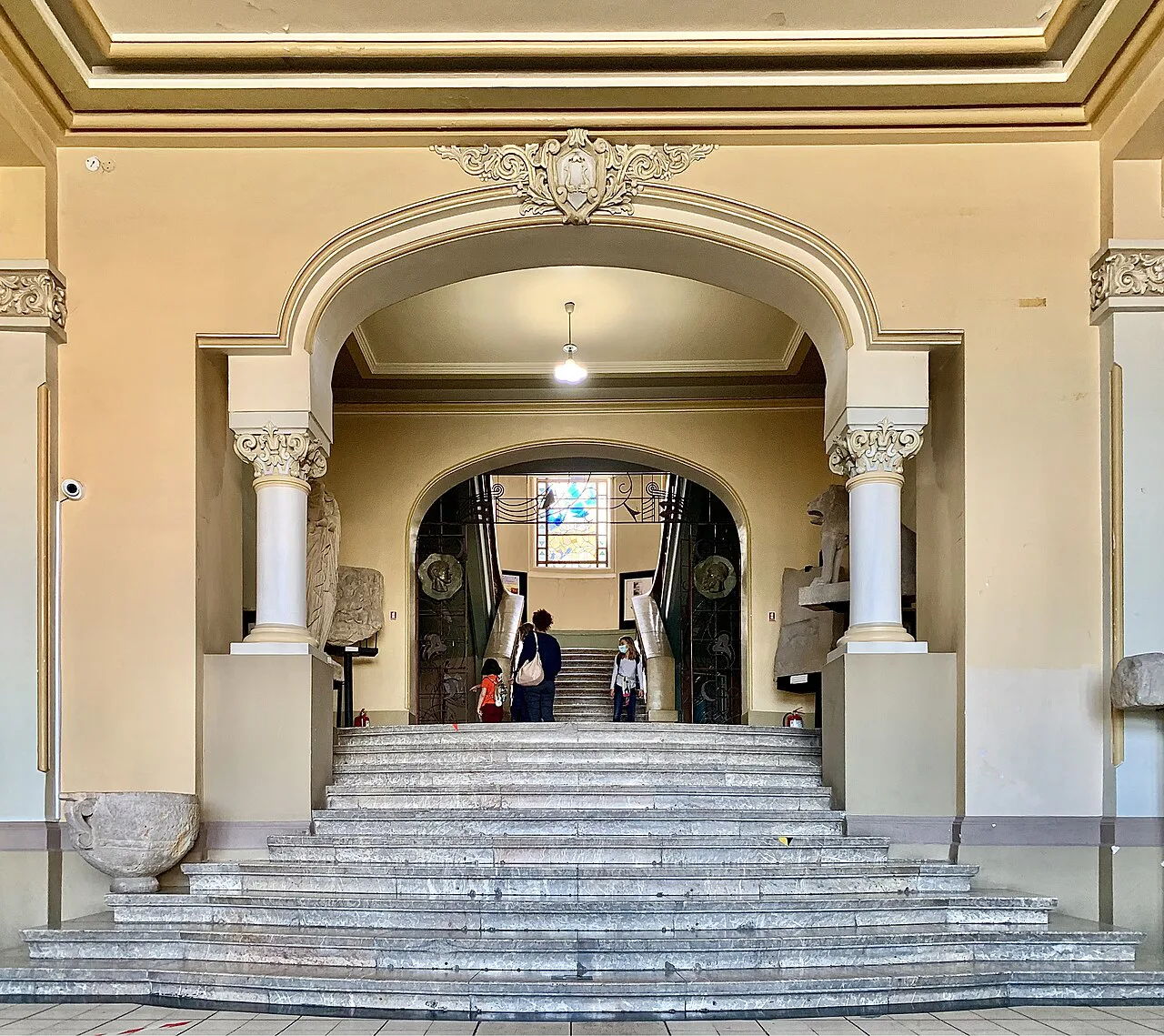
Inside, expect the archaeology to carry the visit: carved stone, inscriptions and objects recovered from the coastal settlements. Read the labels rather than rushing the cases; the value here is in connecting objects to the ruins you will see outdoors later the same day. Allow time for the lapidary material, which is often the part visitors skim.
Among the items documented at the museum is a stele of a Scythian ruler, a carved grave marker that rewards a close look at the figure and its framing. It shows how far back the region's material record reaches and why the Black Sea coast drew so many different peoples. Look for it as you move through the display rather than treating the museum as a single highlight.
The Ovid connection
Ovid, the Roman poet, was sent into exile on the Black Sea coast, and in 2015 the museum prepared to mark the two-thousandth anniversary of his death. That connection explains the square's name and gives context to the Latin inscriptions you will read in the cases. Keep the poet and the archaeology in separate compartments: one is literary history, the other is the material record of the coast.
If Ovid is what brought you to the square, read the displays with him in mind. Give the Ovid material ten minutes and still cover the rest of the archaeology.
How much time to allow
An hour is a realistic budget for a focused visit, and ninety minutes if you read the labels and linger over the lapidary section. The museum is small enough that a two-hour block starts to feel padded unless you are working through the inscriptions in detail. Build the visit into a half-day loop of the old town rather than making it the day's main event.
Time your arrival for the quieter part of the day if you can, and leave the outdoor Roman remains for when you have finished indoors. That order means the museum's explanations are fresh in your mind as you look at the ruins. If you are travelling with children, the Constanta dolphinarium and the aquarium nearby offer an easier sell than a gallery of inscriptions.
Tickets, opening hours and closures
Ticket prices and opening hours are not published in the sources used here, so confirm them through the museum's own channels before you travel. Check the notice at the entrance on the day rather than relying on a figure you saw online.
Nearby in the old town
The museum sits in the densest cluster of old-town sights in Constanța. The Carol I Mosque is a couple of minutes away, the casino headland is a short walk east, and the Roman mosaic edifice is close enough to see on the same morning. That concentration is why the museum works best as one stop in a walking loop rather than a separate trip, and it is the reason the Constanta Attractions cluster rewards a planned route.
If you want a second indoor stop, the art museum gives you a different register after the archaeology. The harbour and the seafront give you the open air in between. Plan the loop so you finish near the water and walk back through the old town lanes.
Is the museum worth an hour of your old-town morning?
Yes, if you want the ancient city explained before you walk its ruins. The museum is central and well placed on Piața Ovidiu, and an hour there sharpens everything you see afterwards at the mosaic and along the harbour. Skip it only if you are pressed for time and have already covered the outdoor Roman remains.
Go early, budget an hour, and confirm tickets and hours through the museum's own channels before you set out. Pair it with the square, the mosque and the waterfront for a half-day that stays on foot.
Explore more Constanta guides
Frequently Asked Questions
Where is the Museum of National History and Archaeology in Constanța?
It stands on Piața Ovidiu (Ovid Square) in Constanța's old town, close to the harbour and within a short walk of the mosque, the casino and the Roman mosaic edifice. It is reached most easily on foot from the old town centre.
What is the stele of a Scythian ruler?
It is a carved grave marker of a Scythian ruler held at the museum, documented by the ancient-history resource Livius. Look closely at the figure and its framing; it is one of the objects that shows how far back the region's material record reaches.
Did the museum mark the anniversary of Ovid's death?
Yes. In 2015 the museum prepared to celebrate two thousand years since the death of Ovid, the Roman poet exiled to the Black Sea coast and author of the Letters from the Black Sea. That link explains the name of the square outside.
How long should I spend at the museum?
An hour is a realistic budget for a focused visit, and ninety minutes if you read the labels and linger over the carved stone. Build it into a half-day loop of the old town rather than making it the day's main event.