Craiova Art Museum: Brâncuși, Grigorescu and the Jean Mihail Palace
The Craiova Art Museum fills the Neo-Baroque Jean Mihail Palace, 100 m from Mihai Viteazul Square. Here is what hangs inside and how to reach it by bus.
On this page
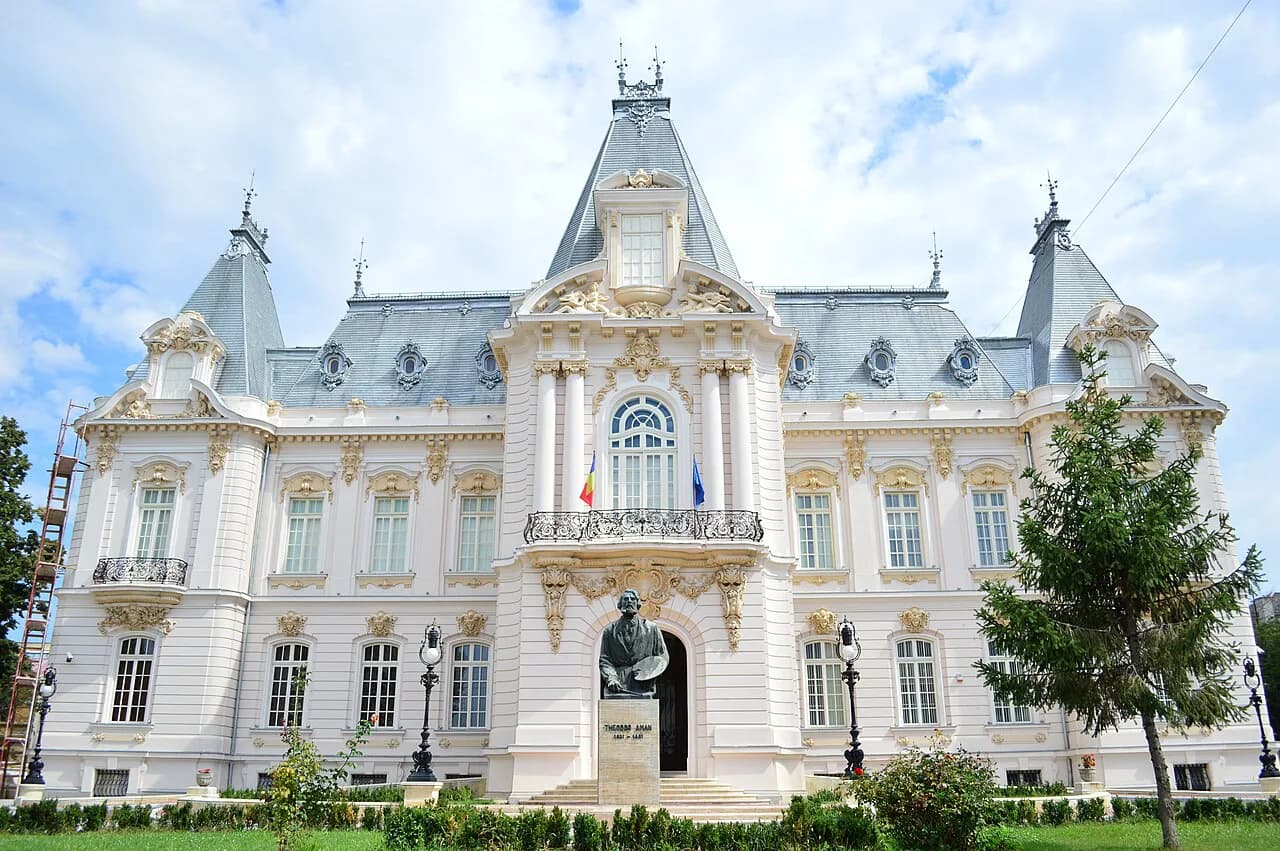
The Craiova Art Museum is the city's main art collection, housed since 1954 in the Jean Mihail Palace, a Neo-Baroque mansion about 100 m from Mihai Viteazul Square. Come for two things at once: the Brâncuși sculptures and Romanian paintings inside, and the palace interiors that frame them. This guide covers what the museum holds, how to reach it from Craiova railway station, and how to fit it into a day in the centre; for the wider trip, see Craiova: A Practical Guide to the City and Its Sights.
The museum sits in the heart of Craiova, so it pairs naturally with the rest of the old centre rather than requiring a separate trip. Allow it a proper slot rather than a quick dash, because the building is as much the exhibit as the pictures.
What the Craiova Art Museum is
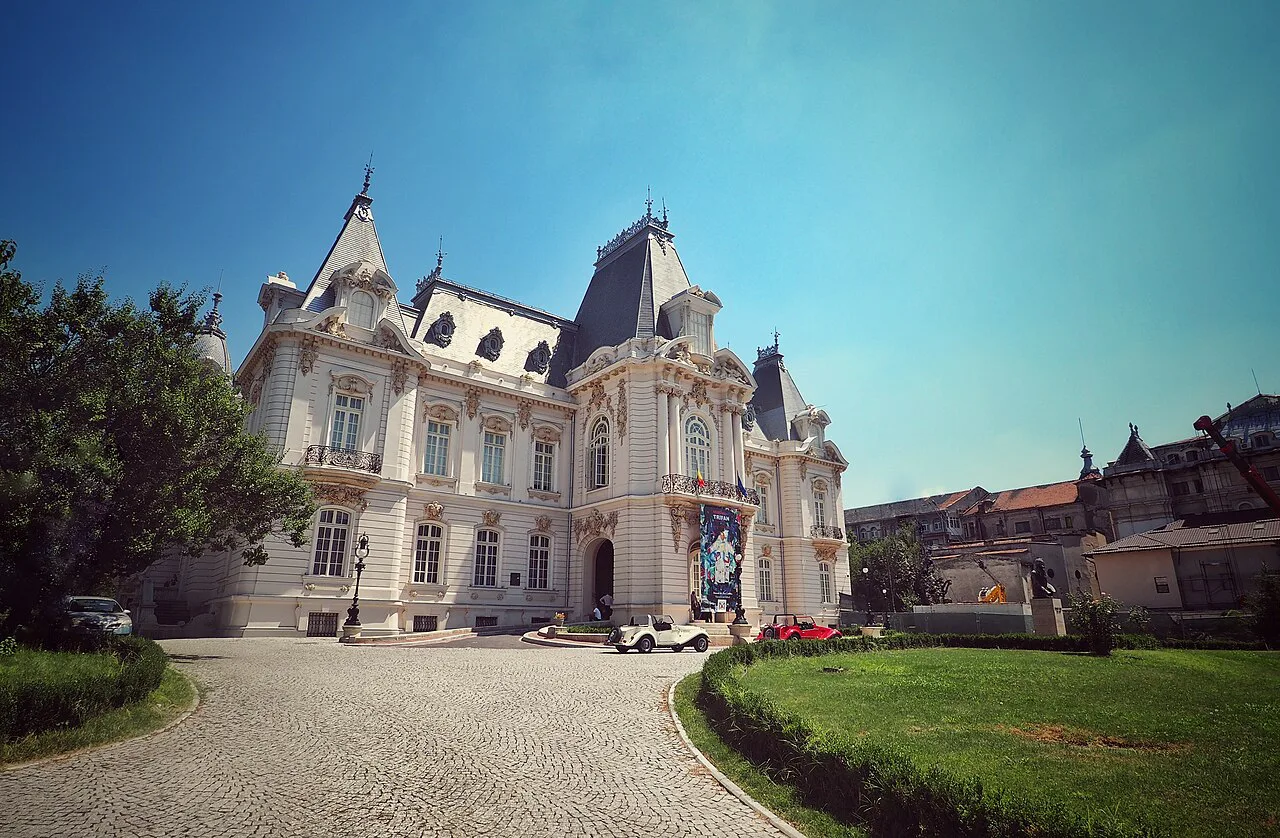
The Art Museum, housed by the elegant Neo-Baroque Jean Mihail Palace, is Craiova's most important sight and a major monument of early 20th-century civil architecture. The building accommodates the art museum since 1954, when the collection became a freestanding institution inside the palace. That combination, a refined mansion and a serious art collection, is what makes the visit distinctive.
The collection covers Romanian and international art: paintings, sculpture, decorative art and porcelain. The exact number of works is reported differently in different places, so treat any figure as approximate and focus on the named pieces below.
Where it sits in Craiova
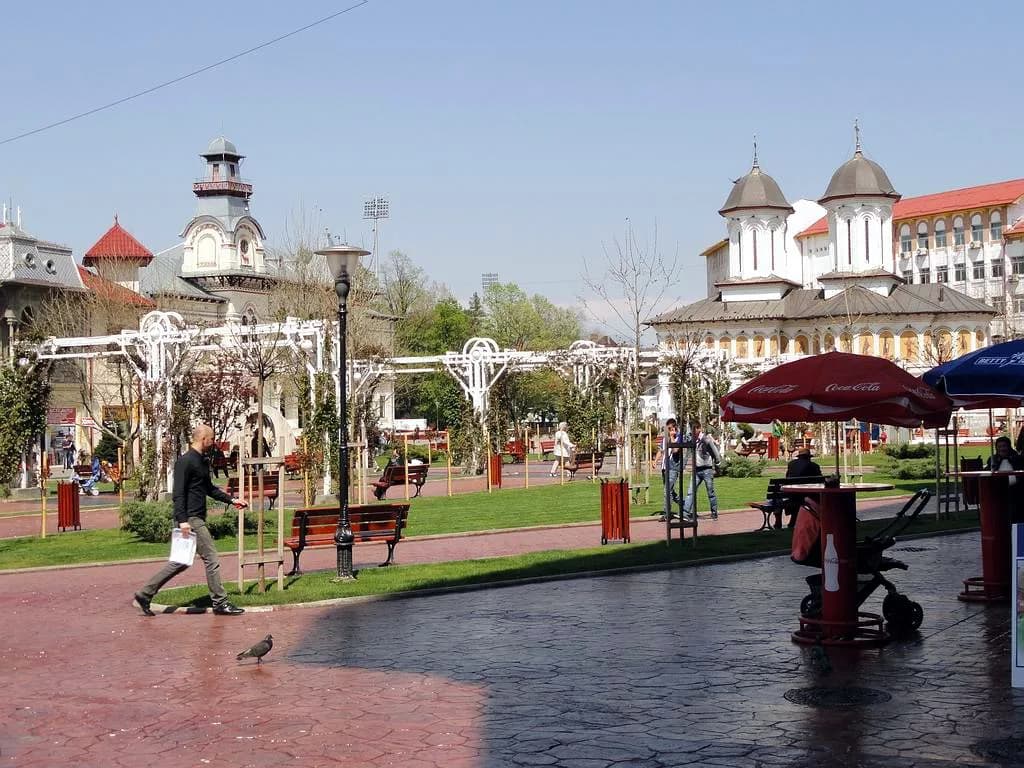
The museum is in Craiova city centre, 100 m from Mihai Viteazul Square. That puts it within a short walk of the main central streets, so you can combine it with a wander through the centre rather than building a whole excursion around it.
If you are planning a wider look at the city, the palace and square belong on the same short walk. Use Craiova: A Practical Guide to the City and Its Sights to line up the centre before you set out.
Getting there from Craiova railway station
From Craiova Train Station, take bus 1b to Olteț station in the city centre, then walk about 10 minutes to the Art Museum. That route drops you close enough to the centre that you can reach the palace on foot without a further transfer.
Check the current bus route and stop names before you travel, since local services change. If you arrive by car, central Craiova is compact and walking between the square and the museum is straightforward.
The palace itself
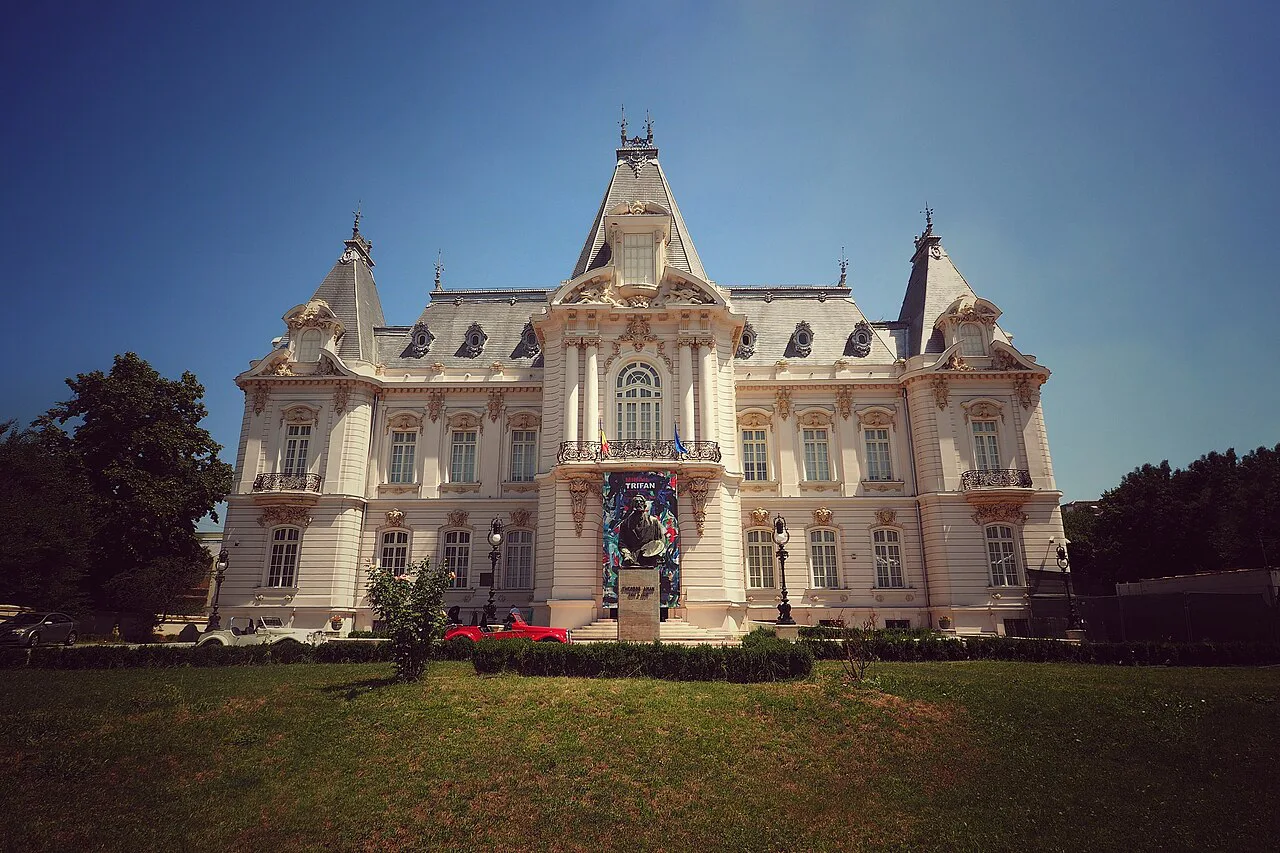
The Jean Mihail Palace was built between 1900 and 1908 at the initiative of Constantin Mihail, one of the wealthiest men in Romania at the time, to a design by a French architect. The building is Neo-Baroque in style, and the decorative scheme runs through the whole interior rather than stopping at the facade.
View the palace as part of the collection, not just the shell around it. The rooms themselves are the reason the museum is worth more than a quick look.
Interiors to look for
Inside, look for Venetian mirrors, chandeliers with ornaments made of Murano glass, columns made of Carrara marble and walls covered with Lyon silk. These elements give the rooms an elegant, refined air, and they are easy to walk past if you are focused only on the paintings.
Give yourself time in each room to notice the materials, then move to the art. The two halves of the visit reinforce each other.
The Brâncuși sculptures
The main attractions are Brancusi's sculptures, including the famous Mademoiselle Pogany and The Kiss. These are the pieces most visitors come for, so head for them early if the rooms are busy.
Look at the sculptures in the round where the display allows, since the surfaces change as you move around them. The setting in the palace rooms makes the viewing experience different from a purpose-built gallery.
Romanian painting: Aman and Grigorescu
The painting collection includes works by Theodor Aman and Nicolae Grigorescu, two names that anchor the Romanian side of the museum. If you know little about Romanian art, these are the painters to look for first.
The wider holdings also take in 17th-century Dutch, Flemish, Italian and French schools, along with Romanian and international decorative art. That mix means the museum works as a general art visit, not only a Romanian one.
The wider collection and its origins
The museum's roots go back to the Alexandru and Aristia Aman Pinacoteca, opened in Craiova in 1908 according to the will of the two philanthropists. It began with 17th-century paintings from the Dutch, Flemish, Italian and French schools, plus Romanian and international decorative art, and grew through significant donations. The Pinacoteca was taken over by the Oltenia Museum before the collection became a freestanding Art Museum in 1954.
That history explains why the collection ranges so widely across periods and countries. The Oltenia Museum is a separate institution elsewhere in the city, so do not confuse the two when planning.
How long to allow and how to time a visit
Set aside a couple of hours for the palace rooms and the main works, and longer if you want to work through the wider painting collection. The museum is compact enough that you can see the highlights without rushing, but the interiors reward a slower pace.
Opening hours, ticket prices and any closure days are not published in the sources used here, so check the museum's own current information before you go. Build the visit into a morning or afternoon in the centre rather than treating it as a whole-day outing.
Fitting it into central Craiova
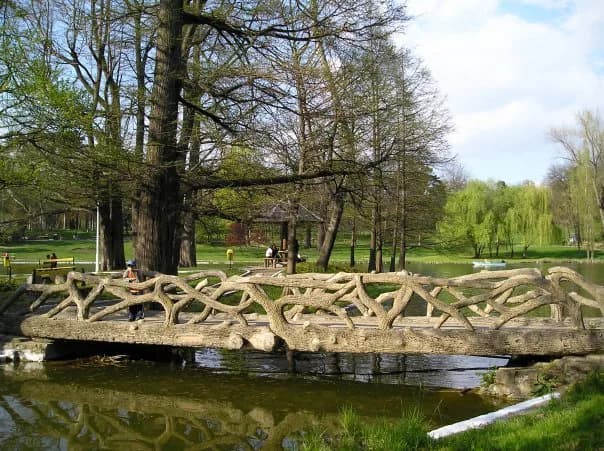
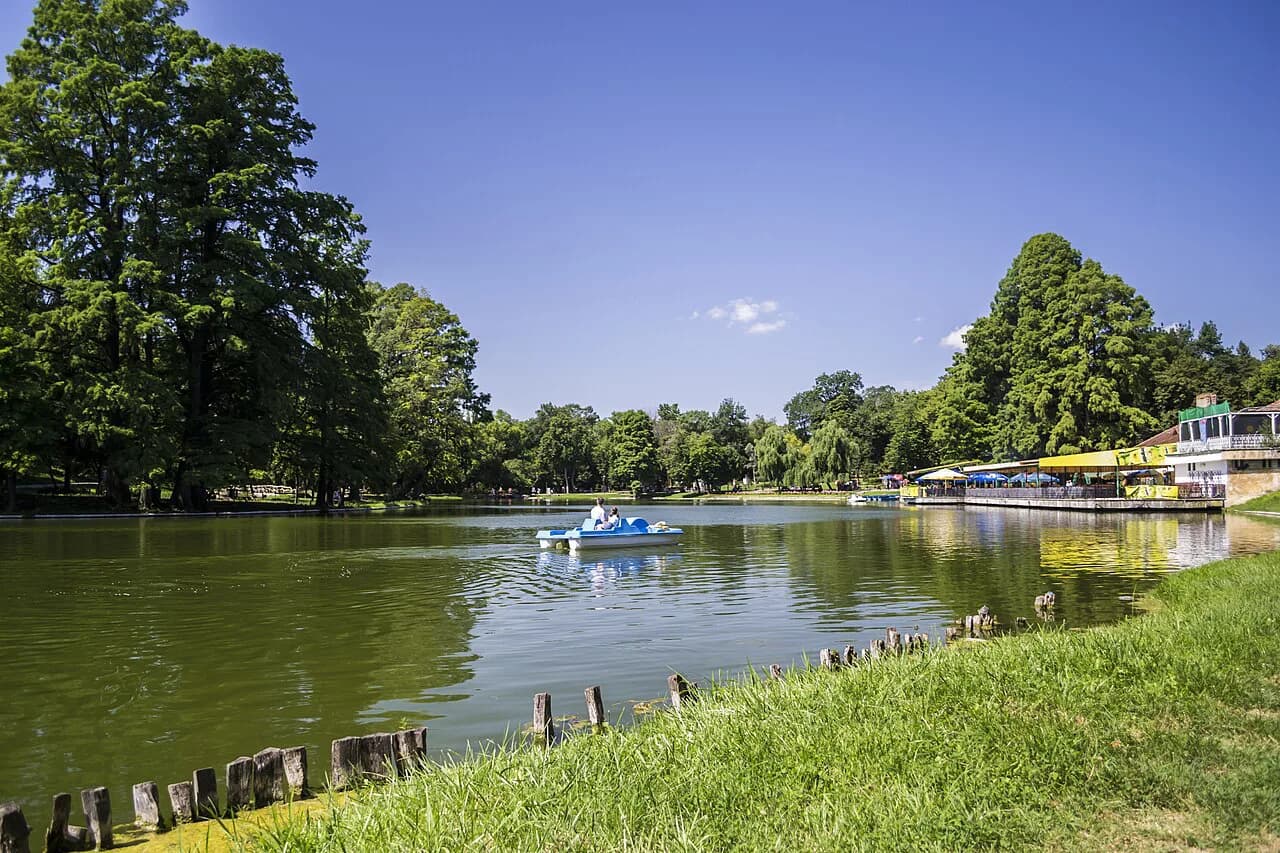
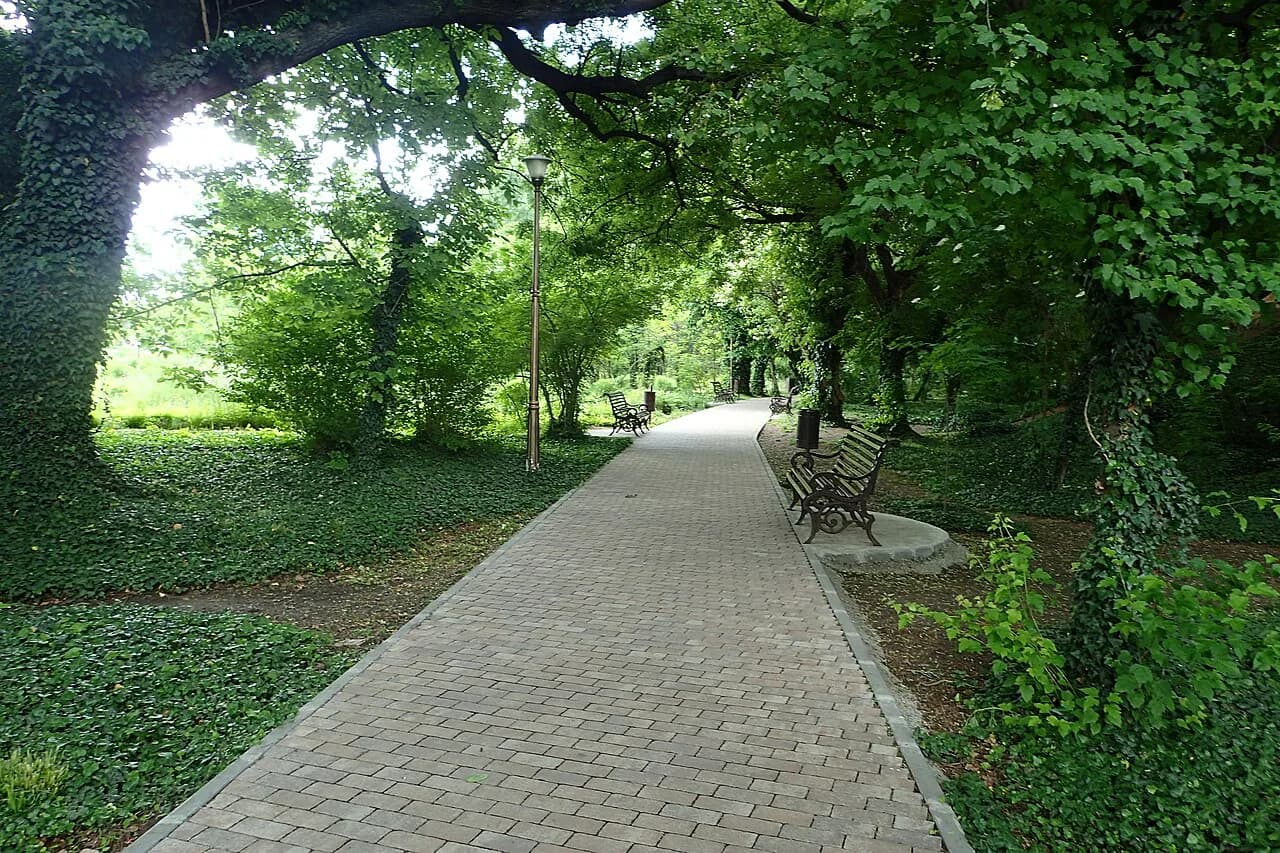
The museum's central position makes it easy to pair with the rest of the old centre on foot, and it works well as the cultural stop in a day that also takes in the city's green spaces. Nicolae Romanescu Park, Craiova is the city's main park and gives you a contrast to the palace rooms.
Plan the museum for when you want to be indoors, and leave the open-air stops for the rest of the day. The exact opening hours determine how you order the day, so confirm them before setting out.
Is the Craiova Art Museum worth your time?
Yes, if you want a compact, high-quality art stop in the city centre that also lets you see inside a Neo-Baroque palace. The Brâncuși sculptures and the palace interiors are the reasons to go, and the 100 m walk from Mihai Viteazul Square makes it easy to slot in.
Check the museum's current opening hours and ticket prices before you travel, then use the city guide to plan the rest of your time in Craiova.
Explore more Craiova guides
Frequently Asked Questions
Do I need to book tickets for the Craiova Art Museum in advance?
No published booking arrangement is given in the sources used here, so check the museum's own current information before you go. Bring the question up with the museum directly rather than assuming advance booking is required.
How do I get to the Craiova Art Museum from the railway station?
Take bus 1b from Craiova Train Station to Olteț station in the city centre, then walk about 10 minutes to the museum. Check the current route before you travel, as local services change.
What should I see first in the museum?
Head for the Brâncuși sculptures, including Mademoiselle Pogany and The Kiss, then work through the Romanian paintings by Aman and Grigorescu. Take time over the palace interiors, especially the Venetian mirrors and Murano glass chandeliers.
Sources
Useful notes for your next trip
Optional updates to our guides.
You might also like
Continue reading
More guides you'll find useful