Craiova Botanical Garden: What to See and How Long It Takes
Plan a visit to Craiova Botanical Garden, run by the University of Craiova: what the three sectors hold, where the lake and its birds sit, and how to pace a circuit.
On this page
Allow about an hour for the ornamental entrance strip off Iancu Jianu Street, and more if you want the lake and the earth-mound sectors as well. The garden belongs to the University of Craiova and covers approximately 12.8 hectares in the south-west of the city, so a short loop and a full circuit are genuinely different visits. This guide walks you through the three named sectors, the streets that frame the garden, and how to pace it around a break in Craiova.
What the Craiova Botanical Garden is and who runs it
The garden is a scientific, teaching and educational institution run by the University of Craiova. Professor Doctor Alexandru Buia established it in 1952, and the university records that he saw no proper agronomic or horticultural higher education without a university botanical garden. That academic purpose shapes what you see: the planting is arranged for study as much as for display, which is why labels and grouped collections matter more here than flower-bed spectacle.
For visitors, the practical consequence is that the garden reads as a working collection with distinct compartments rather than a single landscaped park. You can walk a small part of it in a spare hour or treat it as a proper half-day stop, and the university describes the layout sector by sector so you know what you are crossing. If you only have time for one green space in the city, weigh it against Nicolae Romanescu Park, which is a different kind of outing altogether.
Where the garden sits and which streets bound it
The garden lies in the south-western part of Craiova inside a block framed by Constantin Lecca, Obedeanu, Poporului, Renaşterii, N. Titulescu and Iancu Jianu streets. The visitor entry the university describes is on Iancu Jianu Street, at the flat ornamental section, which makes that side the sensible approach if you are coming from the direction of the centre. For orientation on the rest of the city, keep Craiova: A Practical Guide to the City and Its Sights to hand.
Travellers describe the garden as a short walk from the historic centre, with waterfowl and turtles among the things they notice on the way round. Treat that as a rough pointer for route-planning rather than a measured distance, and confirm the entrance you intend to use when you arrive. The street names are the reliable way to find your bearings, because several sides of the block are residential streets rather than a formal gate.
How big it is and what that means for walking it
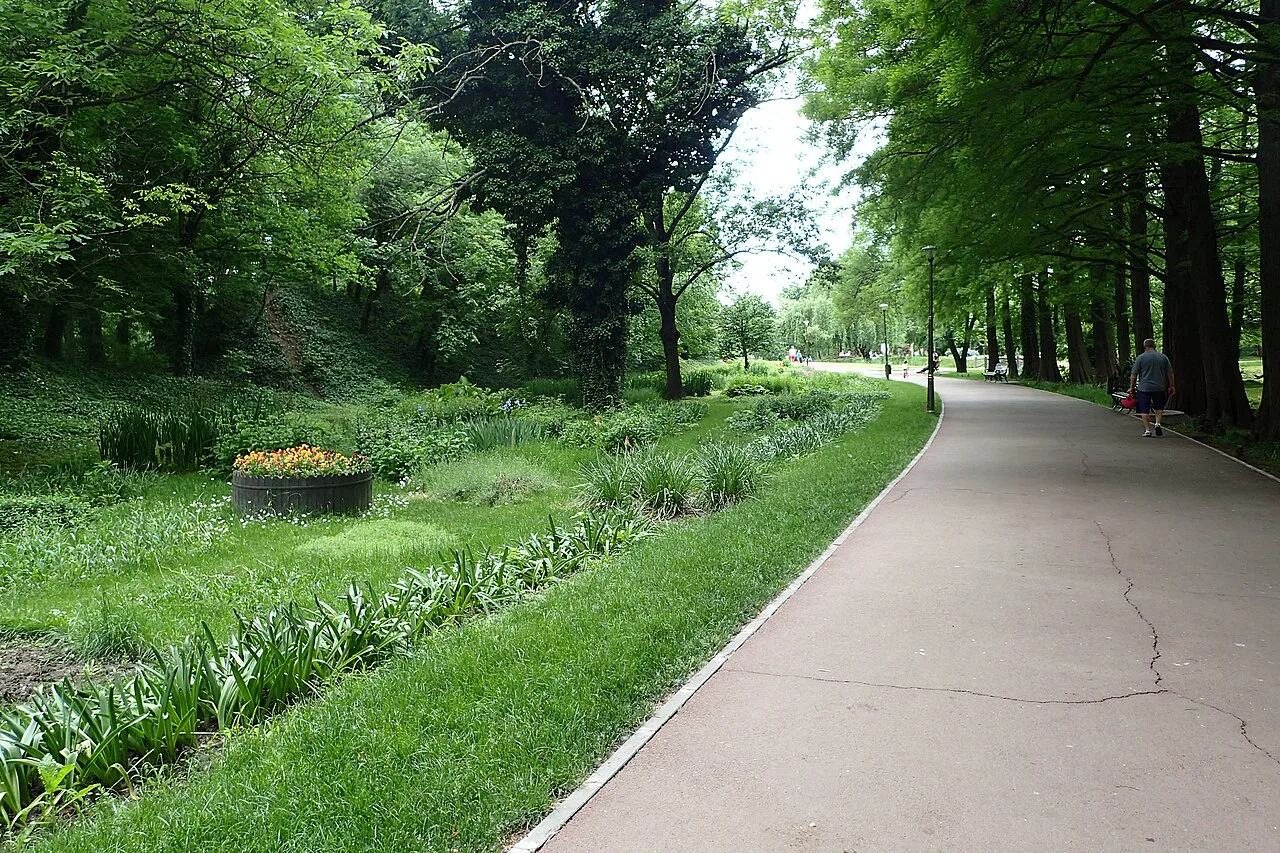
At approximately 12.8 hectares, the garden is large enough that crossing it takes real effort but small enough to cover in an afternoon at an unhurried pace. The northern, north-eastern and eastern sides are the demanding part: the sector built to represent Romania's floristic provinces uses earth mounds rising between 1.5 and 30 metres above the lake surface to mimic different regions. That means slopes rather than a flat promenade, so plan the ornamental entrance strip first if anyone in your group would rather keep to level ground.
The Ornamental Sector at the Iancu Jianu Street entrance
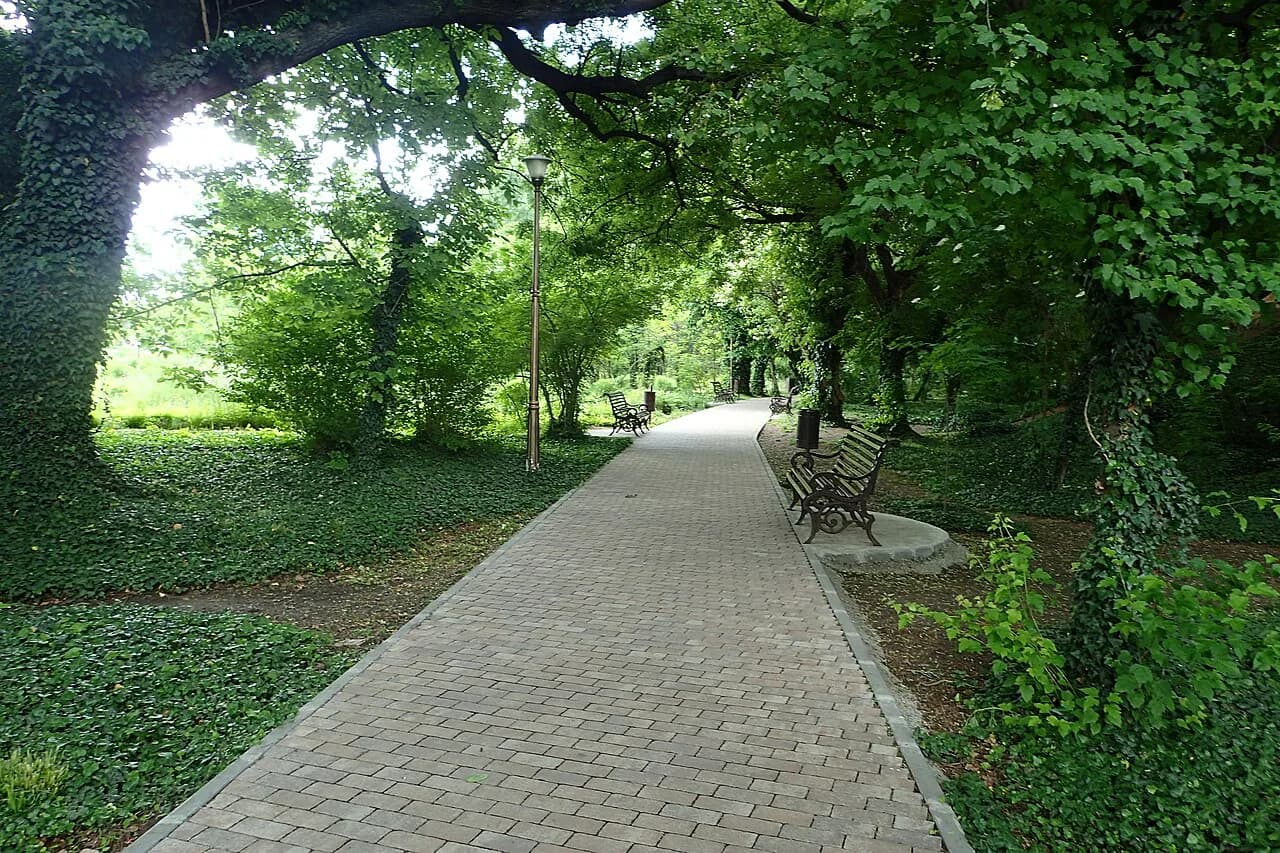
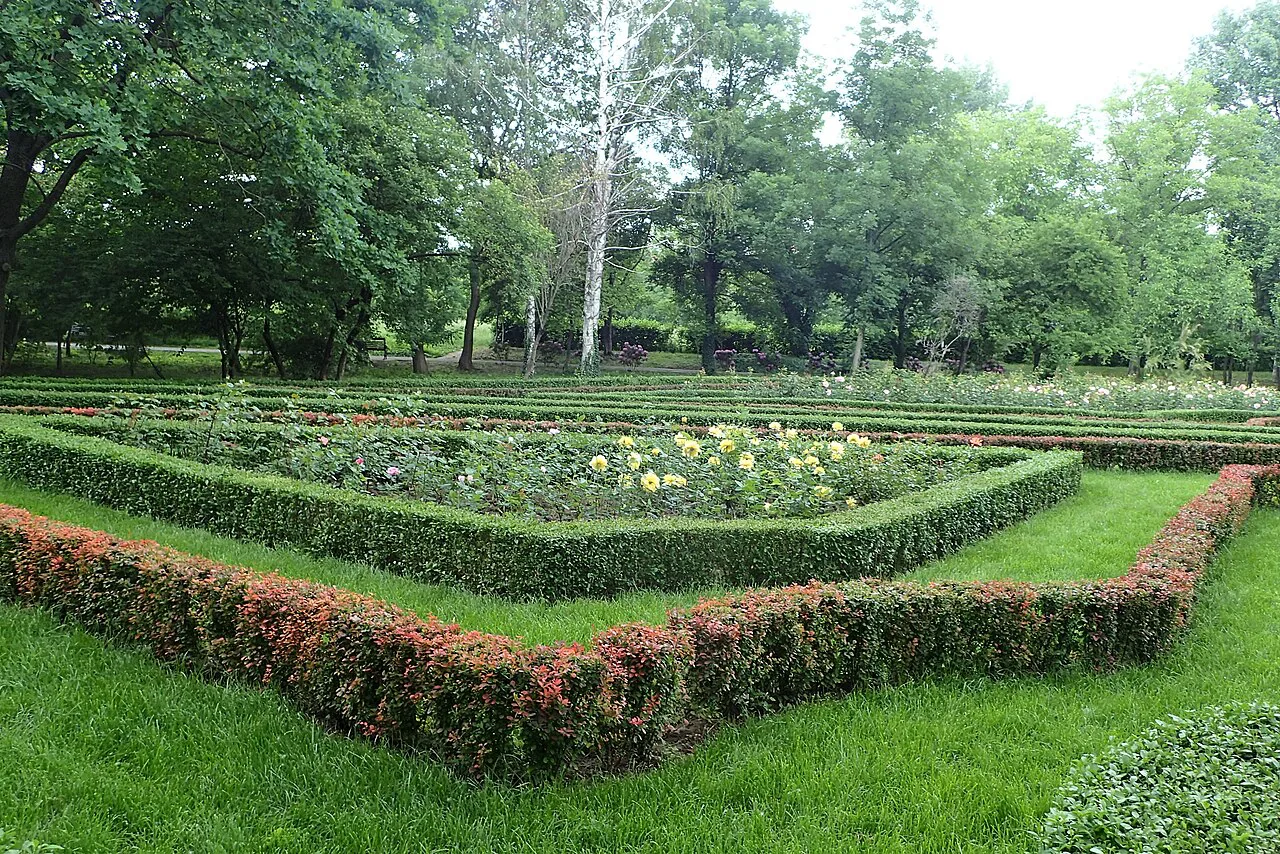
The Ornamental Sector starts at the Iancu Jianu Street entry and is deliberately flat, which makes it the easiest part of the garden to walk. It holds 145 taxons and gives the entrance its display through the growing season, so it works well as a short visit when you have less than an hour. If you are deciding whether the garden deserves a slot in a tight city itinerary, this strip is the lowest-commitment way to test it.
The Floristic Provinces of Romania sector and its raised landforms
This sector sits to the north, north-east and east of the garden and gathers 120 taxons grouped by the country's phytogeographic regions. Its defining feature is the constructed terrain: large earth accumulations create micro- and macro-landforms so species from different regions can be grown under conditions closer to their natural requirements. Walking it is the closest the garden comes to a hill climb, and the height differences are the main reason a full circuit takes longer than the ornamental entrance suggests.
The Plant Systematics sector and the lake
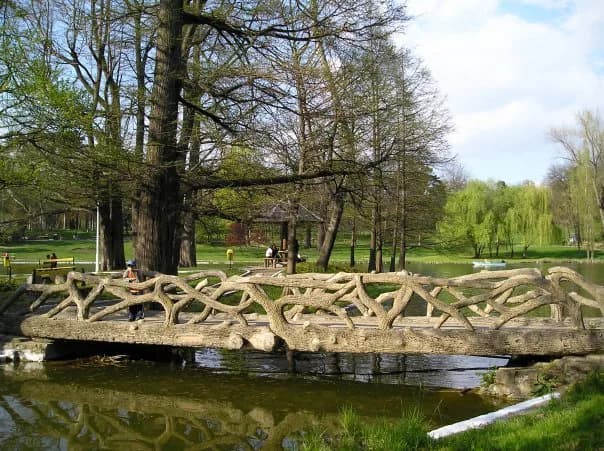
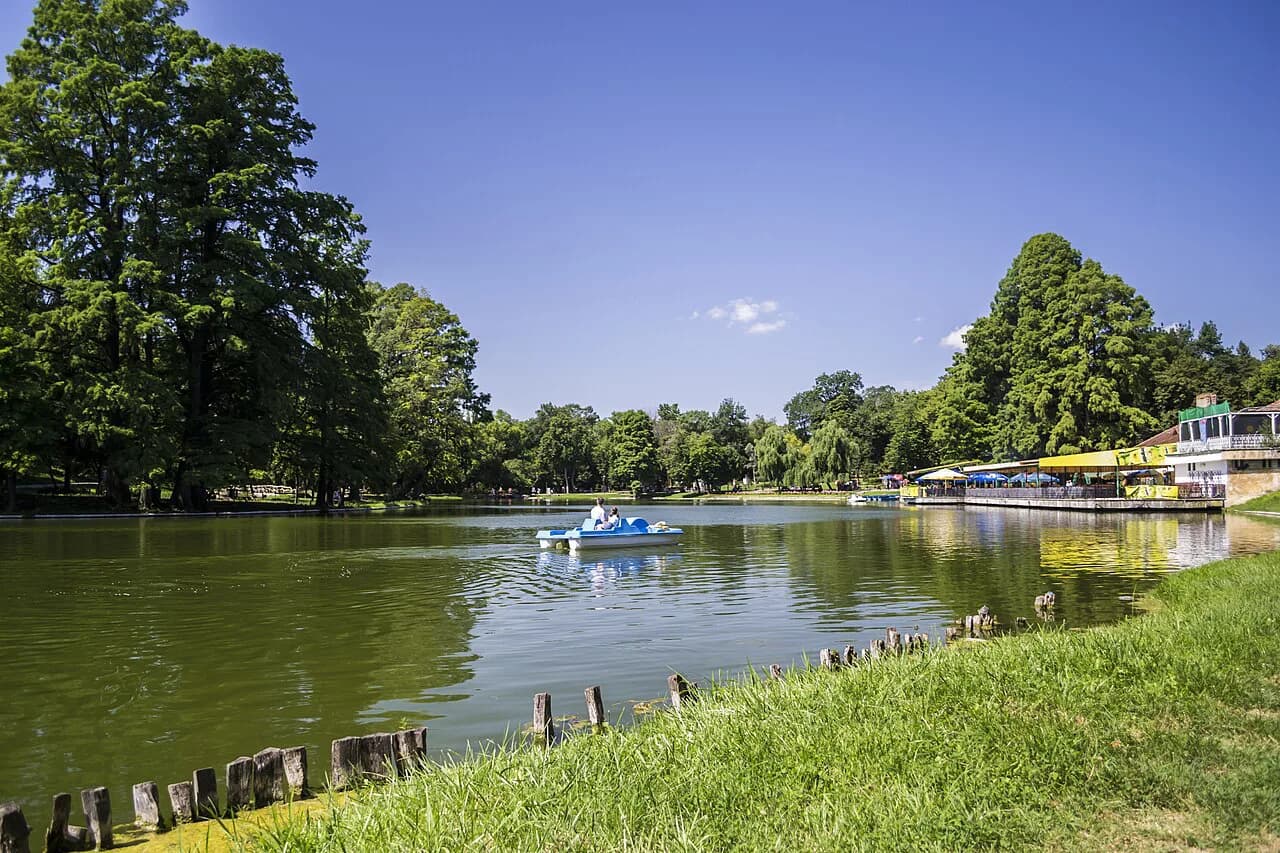
The Plant Systematics Sector occupies the central part of the garden and is laid out according to the theoretical classification of the plant kingdom. Its lake carries aquatic plants and attracts different species of birds, which makes this the quietest and most rewarding stretch for anyone interested in wildlife rather than flower beds. Because it sits in the middle, you pass through it whichever route you take, so build in a pause here rather than treating it as a through-route.
What else you will see: waterfowl and the garden's setting
Visitors consistently mention ducklings, swans and turtles alongside the flowers and plants, so the lake and its banks are a draw in their own right for anyone travelling with children or simply wanting a slow half-hour. The garden sits inside a city block rather than out in open country, so you get birds and planting with Craiova street noise at the edges. That urban setting is also why the garden pairs naturally with other central stops rather than needing a half-day excursion.
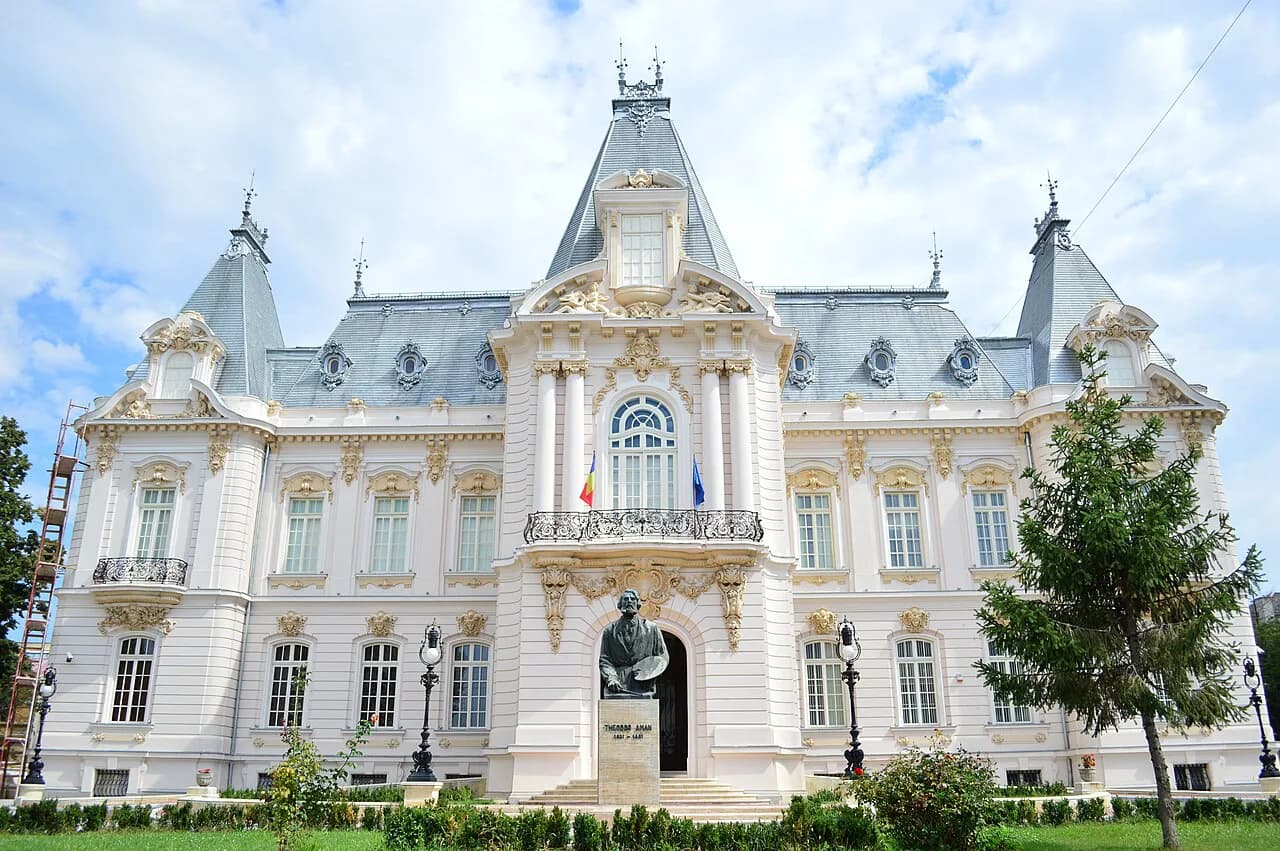
If you are building a day around the centre, the Craiova art museum in Jean Mihail Palace on Mihai Viteazul Square is the obvious indoor counterpart when the weather turns, and it keeps you within the same part of town. Farther out, Dolj County has other options if you have a car, but they belong to a separate trip rather than this one.
How long a visit takes and how much walking is involved
As a working allowance rather than a published figure, budget around an hour for the flat ornamental strip and its immediate surroundings. Add another one to two hours if you intend to take in the Floristic Provinces mounds and the central lake properly, because the gradient and the spread of the sectors slow you down. The layout is described sector by sector by the University of Craiova, with no prescribed visitor route, so pick your own circuit and turn back when you have had enough; there is no obligation to complete the whole 12.8 hectares.
Practical points before you go
Entry is through the Iancu Jianu Street side, and the six bounding streets give you the frame of the block if you are approaching from elsewhere. The university pages for the garden are the place to confirm current opening arrangements and any admission charge before you set out, since these change and are not fixed here. Wear shoes you can walk uphill in if you plan to reach the raised sectors.
Is the botanical garden worth an hour of your Craiova trip?
Yes, if you want a flat, unhurried pause near the centre and are content with the ornamental strip and a look at the lake. Skip the full circuit if steps and earth mounds are not what you want from a city break, or if your one green-space slot is better spent at Nicolae Romanescu Park.
Explore more Craiova guides
Frequently Asked Questions
Do I need to book the Craiova Botanical Garden in advance?
No booking scheme is described for the garden in the university's own pages. Arrive at the Iancu Jianu Street entrance; check opening arrangements with the University of Craiova before you travel, as these are not fixed in this guide.
Can I combine the garden with other Craiova sights on foot?
The garden sits inside a block in the south-west of the city, and travellers describe it as a short walk from the historic centre. Pair it with a central stop such as the art museum on Mihai Viteazul Square, and allow extra time if you also want the raised northern sectors.
Sources
Useful notes for your next trip
Optional updates to our guides.
You might also like
Continue reading
More guides you'll find useful