Baia de Fier: Peștera Muierilor Cave and Village Guide
Plan a visit to Baia de Fier in Gorj County, where Peștera Muierilor cave sits above a two-village commune, and how to arrange your day.
On this page
Baia de Fier is a small commune in Gorj County, Oltenia, made up of two villages, Baia de Fier and Cernădia, and it exists on the visitor map because of one cave above the village. Peștera Muierilor is the anchor: you come here for the cave, and the villages are the setting you pass through to reach it. This guide covers how the commune is laid out, where the cave sits in relation to the villages, how to arrive by car and how much time the pair deserves on a Gorj itinerary.
Hours, ticket prices and guided access for the cave itself are set by the administrators of Peștera Muierilor, so check current details before you set out. The practical decisions below are about layout, transport and sequencing, which are what most travellers to Baia de Fier get wrong.
What Baia de Fier is
Baia de Fier is a commune in Gorj County, in the Oltenia region of Romania, composed of the villages of Baia de Fier and Cernădia and crossed by the river Pârâul. That is the essential geography: two villages, one river, and a rural setting rather than a town with a centre to wander. Arriving with a town-break expectation will leave you puzzled, because there is no square or museum quarter to work through.
Treat the commune as a base for one specific sight and a staging point for the surrounding Gorj countryside rather than a destination in its own right. The reason to stop is the cave, and the village layout only matters because it determines where you park and how far you then drive.
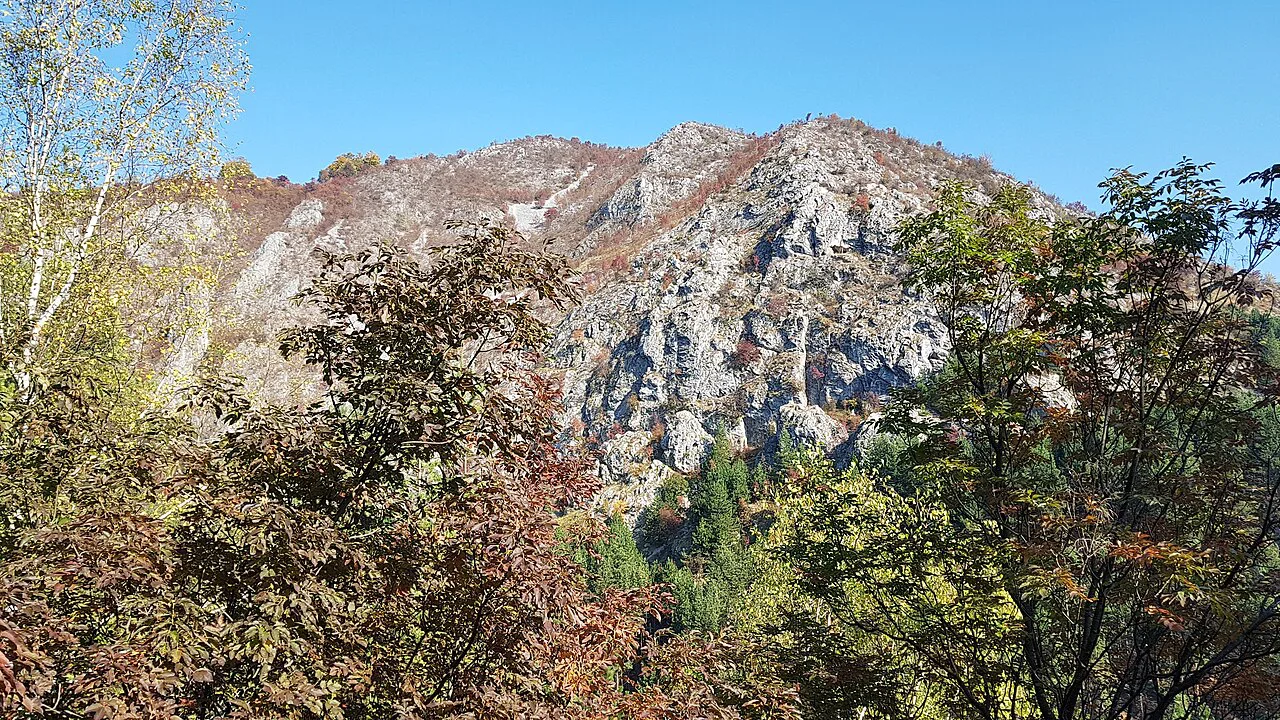
Peștera Muierilor: the cave that brings people here
Peștera Muierilor, the Women's Cave, sits above the village of Baia de Fier and is the single reason most travellers make the detour into this part of Gorj County. The listings for accommodation in the area measure themselves against it and treat it as the local reference point, with properties placing it anywhere from about 2.5 to 7.5 km away. Everything else in the commune is arranged around reaching it.
Cave bears, large animals that used caves across this part of Europe, are the association the cave is known for, and its name points the same way. It has no connection to Dracula or vampire folklore, and framing it that way will mislead you about what you are going to see. Come for the geology and the cave itself, not for Gothic atmosphere.
Opening days and whether visits run with a guide are set by whoever operates the cave, so ask before you drive out, particularly outside the main season. A wasted detour in this rural corner of Oltenia costs you half a day. The cave is the priority; build the rest of the day around it.
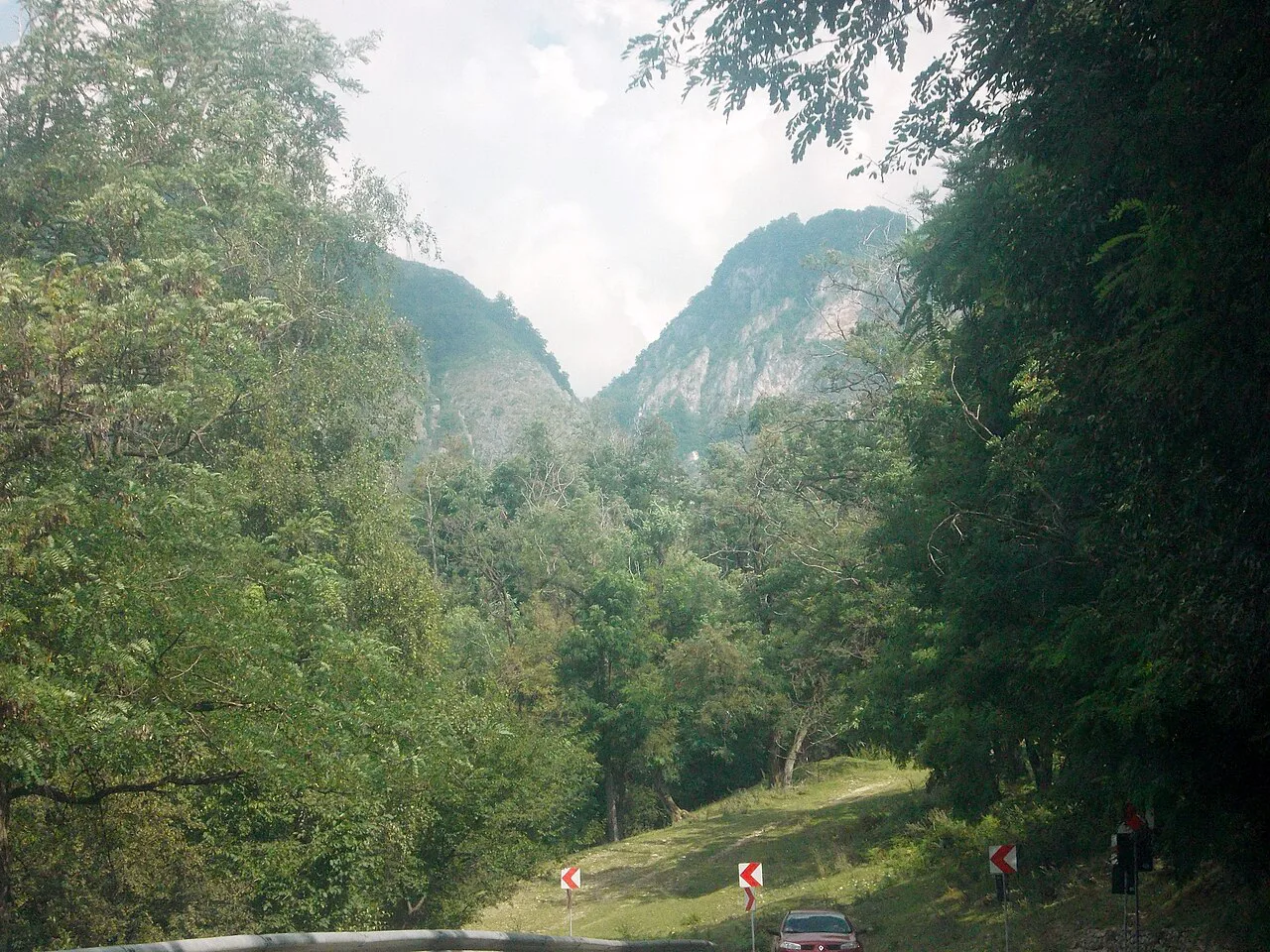
What the cave contains
The cave is associated with cave-bear remains, and that is the interpretive hook for a visit. Cave bears were large animals that used caves across this part of Europe. Read up briefly before you go so the formations and the cave-bear story mean something when you are inside.
Do not expect a large interpretive centre or a long museum sequence; the visit is about the cave environment itself. Wear shoes with grip, because show caves are damp and the paths are rarely dry. Photography rules, group sizes and lighting vary between operators and cannot be assumed.
How to reach Baia de Fier by car
Driving is the practical way to reach Baia de Fier, since the commune sits in rural Gorj County away from the main intercity rail corridors. Accommodation listings in the area place Peștera Muierilor anywhere from roughly 2.5 to 7.5 km from their own front doors, which gives a sense of the spread rather than a measured distance from any village centre. Plan on a short drive up to the cave from wherever you stop in the commune.
Parking near the cave is a separate consideration from parking in the village, so decide whether you are driving straight up or stopping first. If you are coming from Craiova, the drive is the better part of a day out, and Gorj County's roads through the hills are slow going in places. Fill up before you leave the last sizeable town, because rural filling stations thin out.
How much time the village and cave need together
Half a day covers the cave and a look around the commune comfortably if you are driving. The villages do not have a checklist of sights to work through, so the time goes on the cave visit itself, the drive up and back, and a stop to take in the setting. If you are pairing Baia de Fier with the surrounding Gorj countryside, give it a full day and start early.
Sequence the day cave-first if the weather is uncertain, because a show cave is an indoor activity and the village is not. Allow more time than you think for the climbing approach road, and less for the villages than a town guide would suggest. A rushed cave visit is a wasted one, so protect an unhurried slot for it.
Surrounding landmarks: Cheile Olțetului, Polovragi and Novaci-Străini
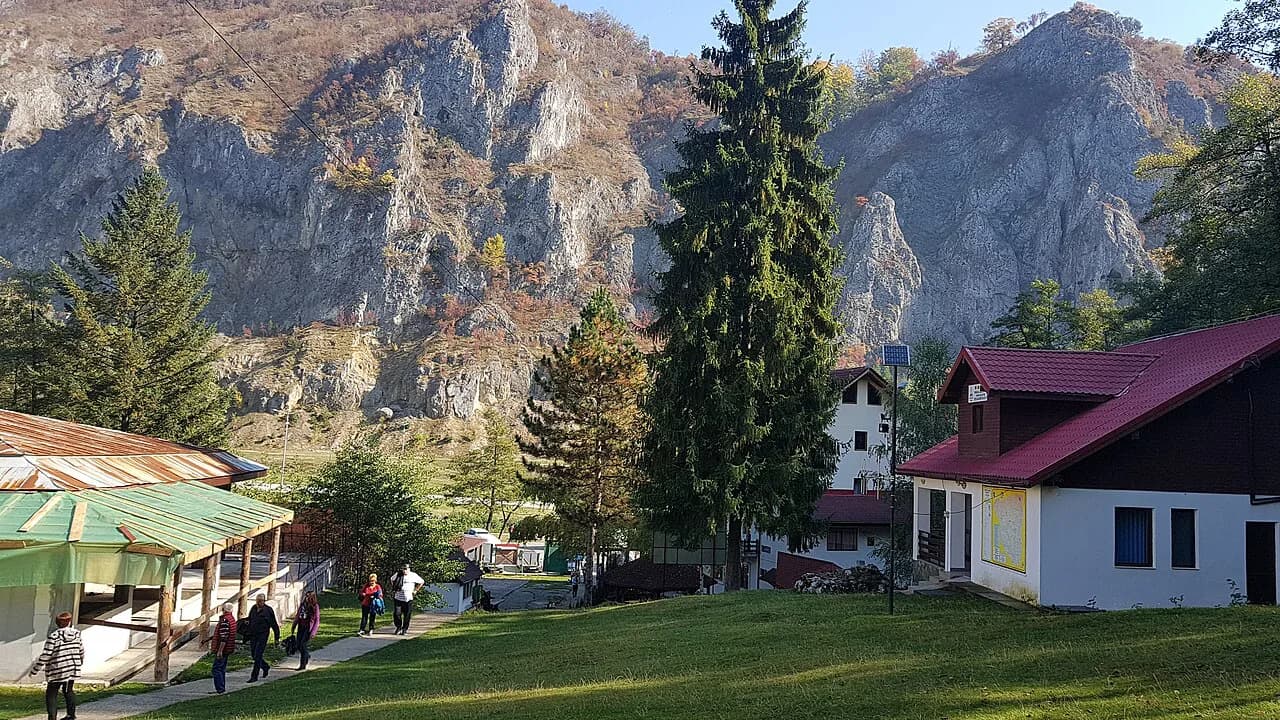
Local listings measure their distance from several surrounding landmarks, including Cheile Olțetului, Polovragi and Novaci-Străini. Cheile Olțetului, the Olteț Gorge, appears in listings at around 5.8 to 7.5 km from properties in and around the commune. Polovragi and Novaci-Străini are the other two names that recur, close enough to Baia de Fier to pair with it by car.
These are the places a driver might pair with Baia de Fier, but no driving time is given for the combinations, so plan by map rather than by quoted minutes. Polovragi is the pairing listed closest to the gorge, and Novaci-Străini sits a little further out, so treat both as places to look up before you commit the day.
Trail indexes list walking routes in the area without route facts, distances or difficulty, so ask locally before committing to a hike. The cave remains the reason to come; build the day around it rather than around an unverified walk.
Reading the cave as part of the Gorj and Oltenia landscape
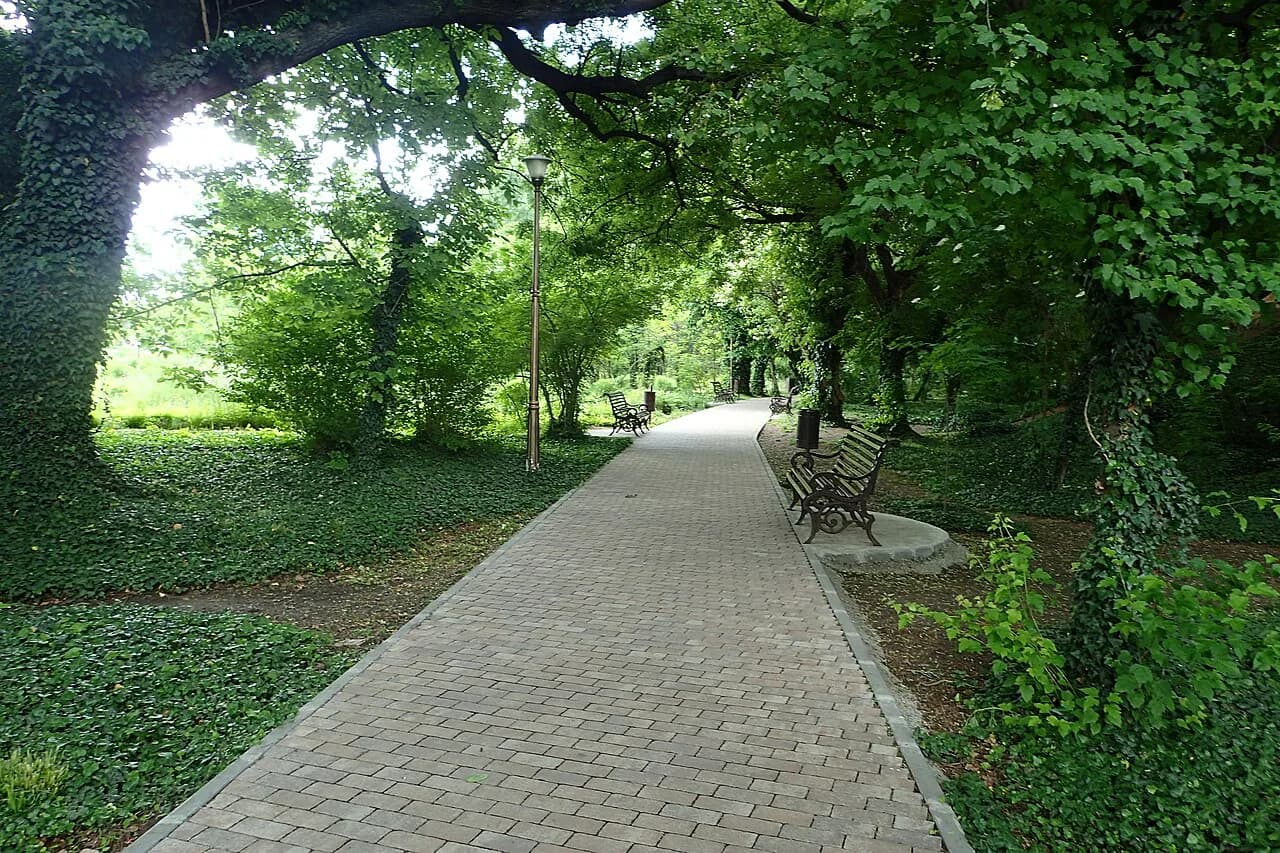
Peștera Muierilor belongs to the limestone country of Gorj County, and that context is what makes it interesting: a cave in a working rural landscape. Approaching it as part of the Oltenia landscape rather than as a stop on a Dracula trail will give you a far better visit. The surrounding villages are farming settlements, and the roads, fields and wooded slopes are the substance of the day.
If you are building a wider Gorj itinerary, Târgu Jiu is the county town and the obvious urban counterweight to a morning underground. It pairs naturally with a cave visit in the same day if you start early. Keep the two stops in the same trip and you get both the natural and the civic side of the county.
Where Baia de Fier fits if you are based in Craiova
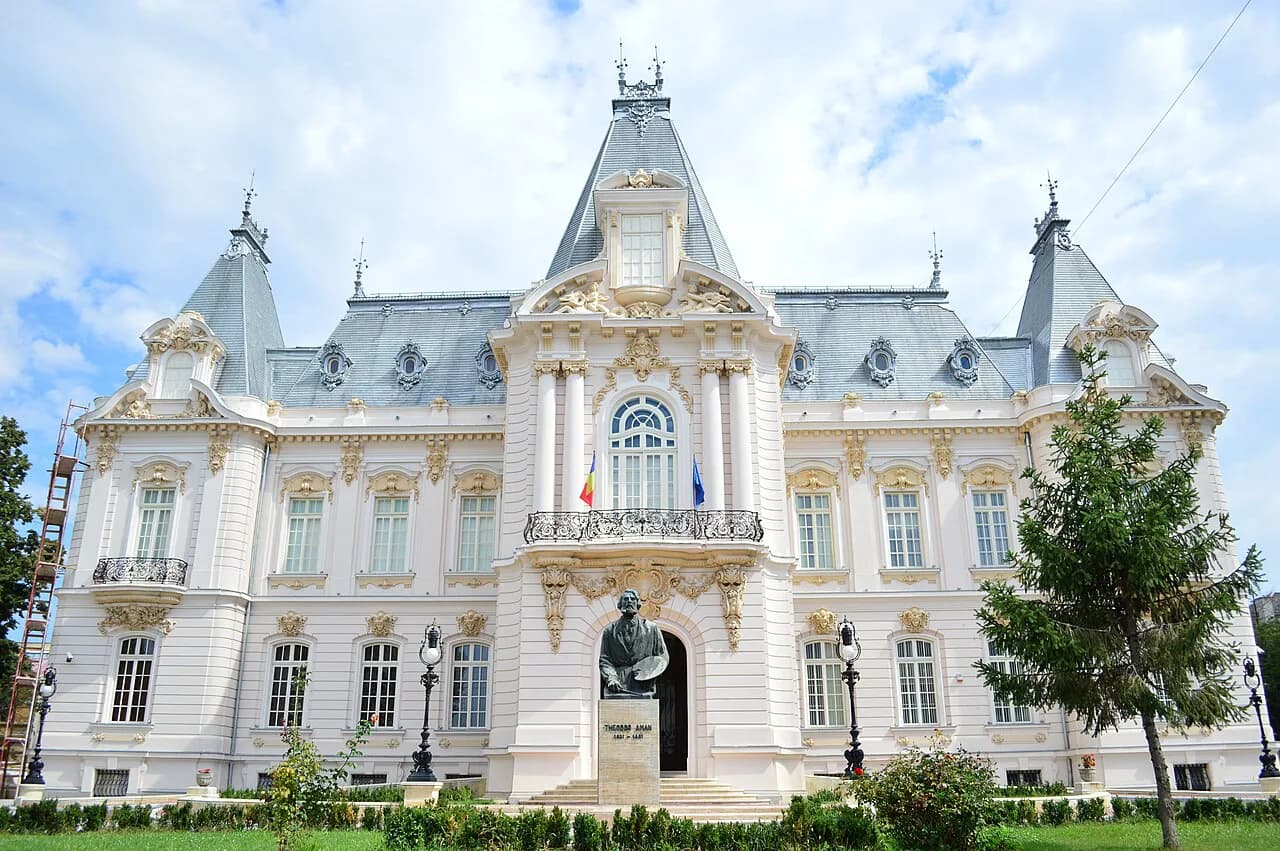
Craiova is the nearest city most visitors will use as a base, and Baia de Fier is a countryside day out from it rather than a suburb. The drive takes you out of Dolj County and into the hills of Gorj, so treat it as a full day rather than an afternoon add-on. Craiova: A Practical Guide to the City and Its Sights lays out the city's own sights so you can decide how much of the trip to give to the city and how much to the countryside.
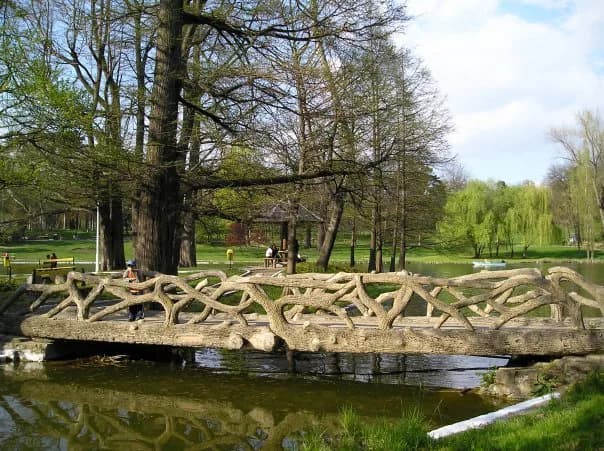
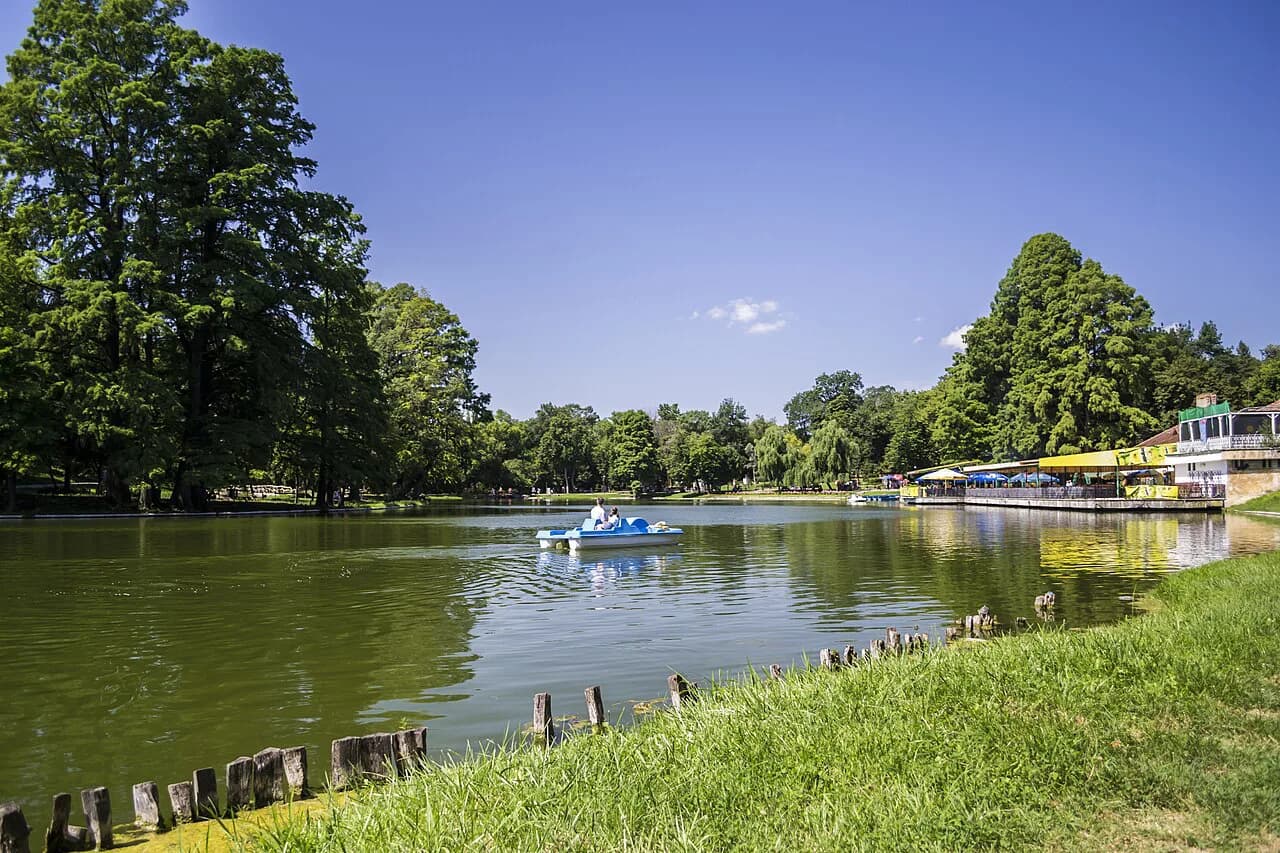
If you would rather keep the day urban, Nicolae Romanescu Park, Craiova gives you a green afternoon without the drive, and it is a sensible alternative when the weather or your schedule rules out a cave trip. Bookending a Craiova stay with one rural day is the usual pattern: city sights one day, the Gorj cave and villages the next. Pick based on how much driving you want to do, not on a fixed itinerary.
Check the cave's current opening arrangements before committing, and confirm the parking situation at the same time. Everything else about Baia de Fier, the villages, the river, the drive and the surrounding gorges, can be planned from a map and a sense of the landscape.
Is the cave worth the drive into Gorj?
For travellers interested in caves and natural history, Peștera Muierilor justifies the drive into rural Gorj County, and the villages of Baia de Fier and Cernădia are a pleasant setting rather than a destination. Give the trip half a day minimum from Craiova, longer if you add Polovragi or Târgu Jiu. Confirm the cave's arrangements before you set out, then build the rest of the day around the landscape.
Explore more Craiova guides
Frequently Asked Questions
Is Peștera Muierilor open all year?
Opening days and seasons for the cave are set by its operator. Contact the operator or tourist information for Gorj County before you travel, especially outside the summer months, so you do not make the drive for nothing.
How far is Peștera Muierilor from Baia de Fier village?
The cave sits a few kilometres from the villages of the commune. Local accommodation listings place it between roughly 2.5 and 7.5 km from their own properties, which reflects the spread of the commune rather than a measured distance from any village centre. Treat it as a short drive up rather than a walk from the village core.
Can you visit Peștera Muierilor without a guide?
Show-cave access arrangements are decided by the cave operator, and whether visits are guided-only or self-guided is not confirmed. Ask when you contact the operator and plan around the answer.
How much is entry to Peștera Muierilor?
Ticket prices for the cave are set by the operator. Check the operator's own information or ask at the entrance before you travel, so you can budget in lei (RON) rather than relying on an old figure.
What else is near Baia de Fier?
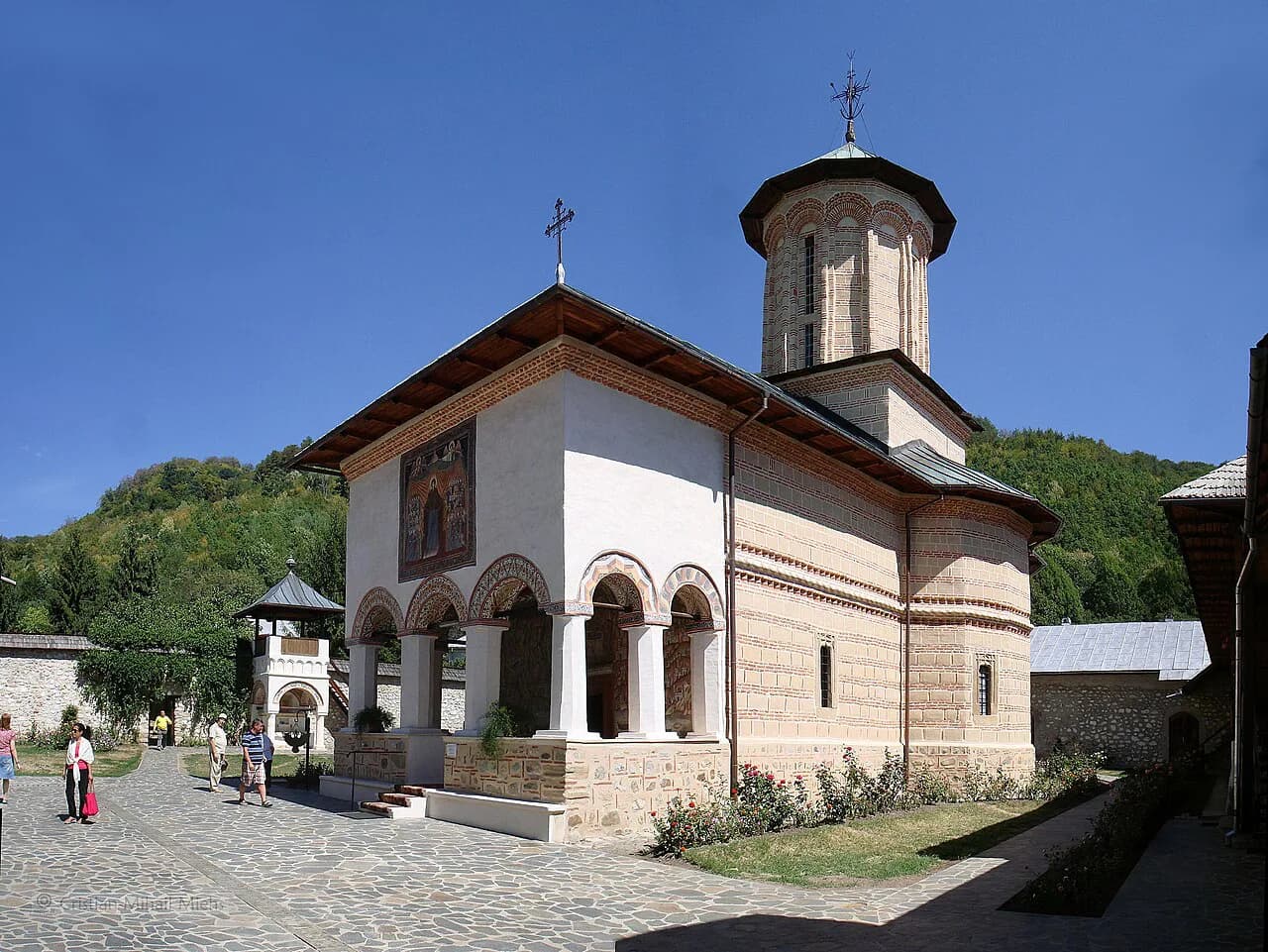
Cheile Olțetului, Polovragi and Novaci-Străini are the surrounding landmarks that local listings reference, all within short driving distance. Cheile Olțetului appears at around 5.8 to 7.5 km from properties in the area. Polovragi has its own cave and monastery, and Târgu Jiu, the county town, is a natural urban pairing.
Sources
Useful notes for your next trip
Optional updates to our guides.
You might also like
Continue reading
More guides you'll find useful