Polovragi: the Monastery and Cave, and How to Visit Both
Polovragi in Gorj county pairs a 1505 monastery with a cave above the Olteț gorge. Here is how the two fit together and how to reach them by DN67.
On this page
Polovragi is worth a half day, not a full one: the monastery and the cave sit close together on the same stretch of the Olteț valley, and you can see both in a single stop between Târgu Jiu and the Vâlcea side. The cave is the more physical of the two, set about 20 m above the river, while the monastery is a level, short walk. This guide sets out what each sight is, how the two fit together, and how the DN67 approach works.
The commune lies in the north-east of Gorj county in Oltenia, roughly 54 km from Târgu Jiu, and is made up of two villages, Polovragi and Racovița. The national road DN67 links it with Târgu Jiu, Drobeta-Turnu Severin and Râmnicu Vâlcea, which is what makes it a natural stop rather than a base.
What Polovragi is and where it sits
Polovragi sits on the Olteț in hill country at the foot of the Southern Carpathians, at an altitude given as 546 m where the commune introduces itself and an average of 600 m in its geographic summary. The Olteț rises in the Căpățânii mountains and cuts a gorge of roughly 3 km near the village before running on past it. That gorge is the reason the cave is where it is.
The commune has two villages, Polovragi itself and Racovița, and the local administration sits on Str. Drumul lui Burebista at number 128. Racovița has its own small church with its own dedication days, so the parish calendar is spread across both villages rather than concentrated in one.
Neighbouring communes are Baia de Fier and Alimpești to the west and south, Mălaia in Vâlcea to the north, and Vaideeni in Vâlcea to the east. Baia de Fier, on the same road axis, holds Peștera Muierilor, which is the other cave stop travellers commonly pair with this valley.
Mănăstirea Polovragi
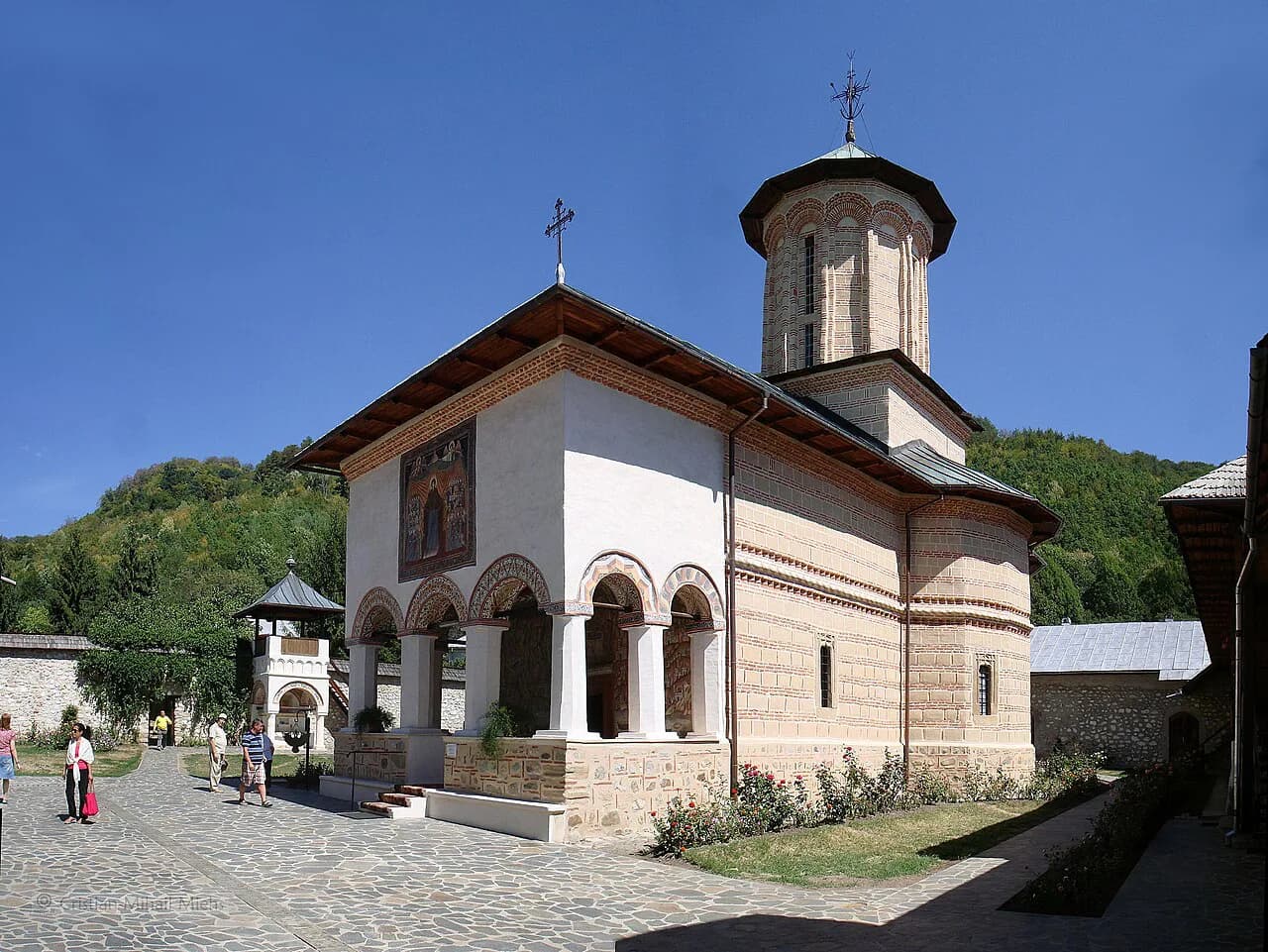
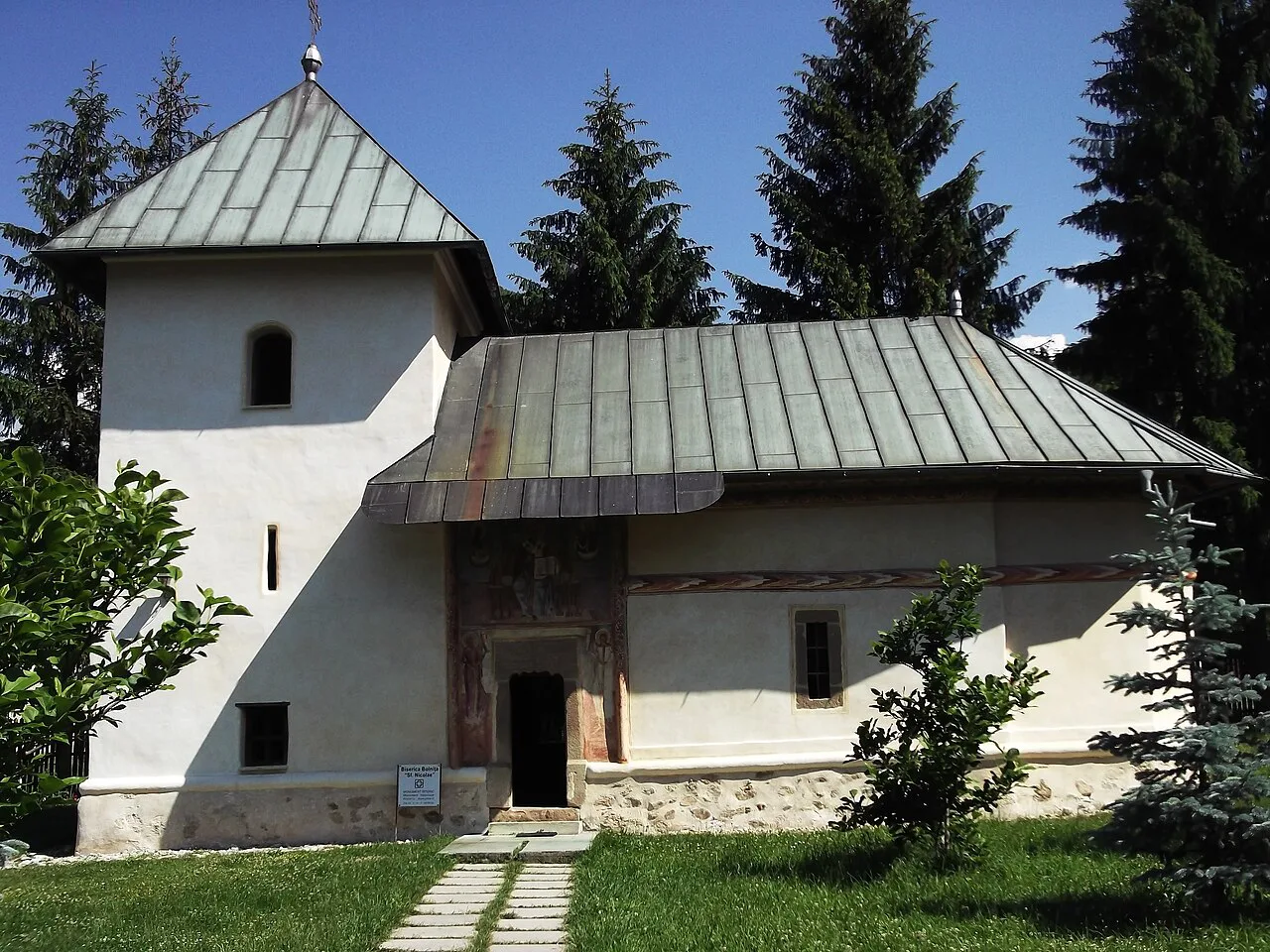
Mănăstirea Polovragi was founded in 1505 by Radu Comisul and Pătru Spătaru, sons of the boyar Danciu Zamona. The church is dedicated to the Adormirea Maicii Domnului, the Dormition of the Mother of God, and its dedication day falls on 15 August.
That 15 August date matters for planning: it is the monastery's hram, the annual church feast, and the commune lists it as a fixed date each year. If you want a quiet visit, go on another day; if you want the feast, expect a religious crowd rather than a tourist one. There is also a second Polovragi church dedication, to Sfântul Dumitru, on 26 October.
The monastery is the calm half of the visit and needs no vertical effort, which makes it the sensible first stop if you have come off a long drive. Service times and any visitor restrictions are set by the monastery itself, so confirm them before you build the day around a visit.
Peștera Polovragi
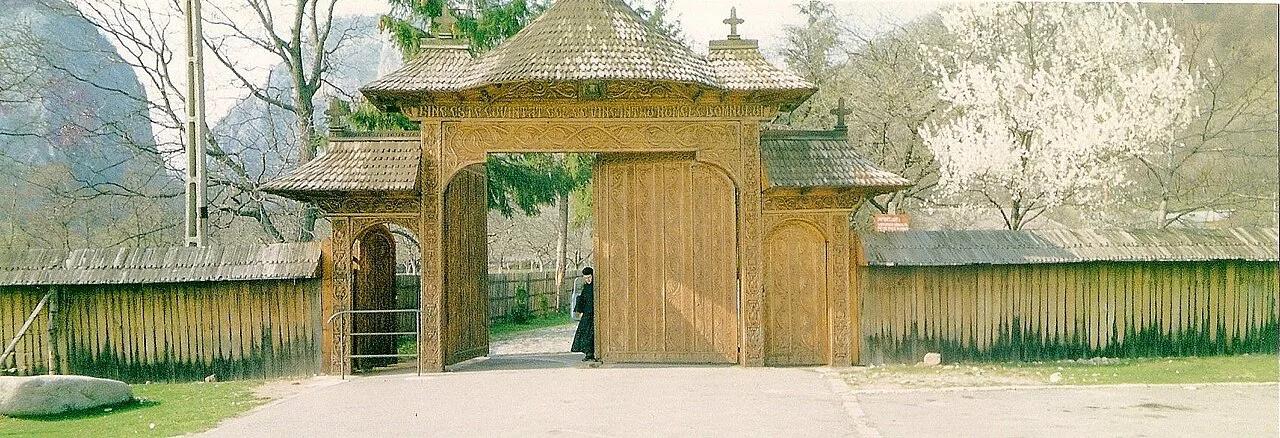
Peștera Polovragi sits above the Olteț at an altitude of about 670 m, roughly 20 m above the river bed. The cave operator places it on the river's left bank in the Parâng mountains, while other descriptions put it in the Căpățânii range.
The cave is known for a colony of around 300 horseshoe bats and for formations carrying Dacian names, among them the Cuptorul Dacic and the Tronul lui Zalmoxis. Those names sit inside a body of local legend that ties the cave to the god Zalmoxis; the naming is tradition rather than a documented historical claim, and it is worth keeping the two apart as you read the panels inside.
Plan the cave as a short underground stop rather than a day out. What makes the visit feel bigger is the setting: the gorge outside and the climb from the river to the entrance.
Visiting the cave: what to expect
Entry arrangements, tickets and any seasonal change are set by Peștera Polovragi, and the cave's own site is the place to check the current position before you drive out. Don't assume a specific tour, group size or pace from this guide.
Because the cave sits above the river, reaching the entrance involves a climb, and the ground outside is uneven gorge terrain rather than a paved promenade. Sturdy shoes matter more here than at the monastery, and anyone with knee trouble should weigh the ascent before committing.
Bat colonies mean the interior is managed for the animals as well as for visitors, so parts of the cave can be closed to protect them. Look up Peștera Polovragi's current ticket and opening arrangements before you set out.
How long Polovragi needs
Half a day covers the pair comfortably: the monastery first, then the short transfer to the cave and the gorge between them. Arriving early leaves margin for the cave's entry arrangements, which are the element you cannot sort out on the spot.
If you are driving the DN67 between Târgu Jiu and Râmnicu Vâlcea, Polovragi works as a mid-route break rather than a destination in its own right. Treating it as a stop keeps the day honest: you are not going to fill a full day here unless you add the wider Gorj County sights.
Adding Racovița's church and a walk along the gorge rim stretches the visit, but the gorge is scenery here rather than a hiking objective. The sensible shape is two to three hours on site, plus the drive in and out.
Getting there without a car
The commune's road connection is the DN67, which ties Polovragi to Târgu Jiu, Drobeta-Turnu Severin and Râmnicu Vâlcea. Public transport along this corridor is not documented in the sources behind this guide, so the honest position is that you should check current coach and minibus timetables locally before relying on them.
Without a car, the weak link is the final stretch from the road to the cave entrance, which is exactly where a timetable will not help you. A taxi or a pre-arranged lift from the nearest town covers that gap; arriving on a scheduled service and walking the gorge road is the fallback, not the plan.
Getting there by car
By car, the DN67 is the whole approach, and the commune's hill ground at 546 m means the last few kilometres are slower than the map suggests. Use the road as your reference point and expect to park near the sights rather than in the villages themselves.
The commune has listed a project to build and equip a car park for tourist objectives, which tells you parking provision is being upgraded. Treat that as a reason to arrive early in summer rather than as a guarantee of space.
From Târgu Jiu the drive is the roughly 54 km the commune gives, and from the Vâlcea side you arrive via Vaideeni or Mălaia. Either way Polovragi sits between two larger bases rather than being one itself, which shapes how you should book the trip.
What to check before setting out
Two things change and both are published locally: the cave's opening and entry arrangements, and the monastery's service times. Check the cave operator's site and the monastery's own information before you set off, and do it close to the day rather than weeks ahead.
The commune's calendar is fixed by date each year, which helps: the monastery's hram on 15 August, Sfântul Dumitru at Polovragi on 26 October, the Racovița dedications on 21 May and 8 November, and the annual fair of Sfântul Ilie from 14 to 20 July. Around those dates the villages are busy for religious reasons, not tourist ones.
Where Polovragi fits in a Gorj trip
Polovragi is a stop on the Târgu Jiu to Vâlcea axis, not a base. The two sights justify the detour; the villages themselves offer little for an overnight stay, and the surrounding accommodation picture is outside what this guide covers.
If your wider trip reaches southern Oltenia, Craiova makes a natural city anchor for the region and a useful contrast to the valley stops. It is a city break with its own parks and museums rather than a mountain stop, and it rewards a separate day.
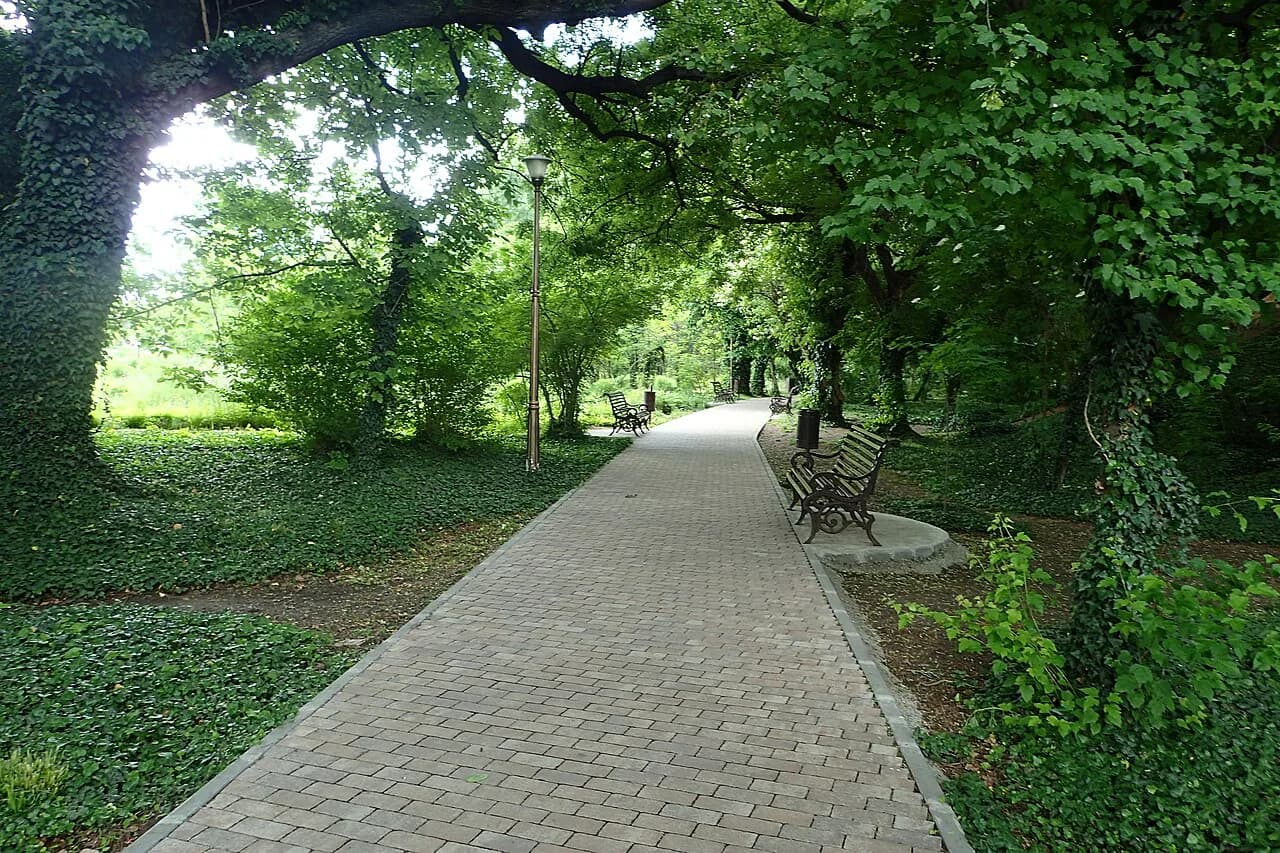
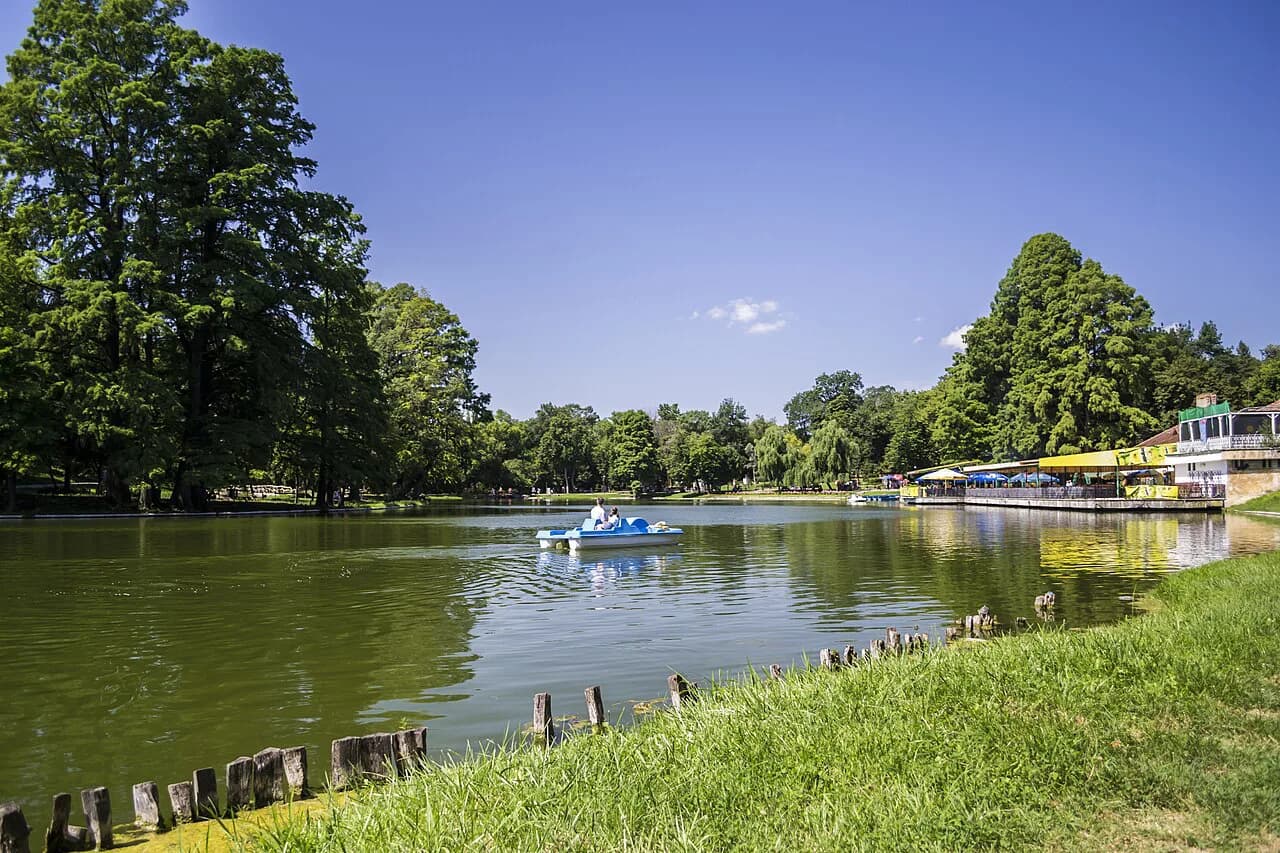
Within Craiova, Nicolae Romanescu Park is the obvious green escape, reached along Bulevardul Nicolae Romanescu, and it works as an easy half day after a morning in the centre. It does not overlap with Polovragi at all, which is the point: the two belong to different parts of a longer Romanian trip.
The commune also runs a chestnut and traditional products festival on the second Saturday of October and a strawberry and local products festival on the second Sunday of June. These are village events, useful if your dates happen to align, not reasons to plan a trip around Polovragi.
Is Polovragi worth the detour?
Yes, if you are already driving the DN67 between Târgu Jiu and the Vâlcea side: the monastery and the cave together make a solid half day, and the gorge gives the stop its character. No, if you would be travelling a long way specifically for it, because the cave is short and there is nothing else in the villages to fill a day.
Build the day around the cave's timing and the monastery's calm, arrive early enough to park, and check the cave operator's arrangements the week you travel. That is the whole planning job; the rest is the drive.
Explore more Craiova guides
Frequently Asked Questions
Can you visit Peștera Polovragi and the monastery on the same day?
Yes, the two sit in the same valley near the Olteț gorge, so both fit into a half day. Do the monastery first for a calm start, then drive the short distance to the cave.
How far is Polovragi from Târgu Jiu?
The commune gives the distance as roughly 54 km from Târgu Jiu, reached by the DN67 road that also links Drobeta-Turnu Severin and Râmnicu Vâlcea. The final kilometres are hill road, so allow more time than the distance alone suggests.
Do you need a car to get to Polovragi?
A car is the practical choice, because the last stretch from the road up to the cave entrance is not something a timetable will solve. If you come by coach, arrange a lift or taxi from the nearest town for that final section.
Is the cave a long visit?
Treat it as a short underground stop and let the gorge and the climb to the entrance make up the rest of the time on site. The visit works as part of a half day rather than a day out on its own.
Sources
Useful notes for your next trip
Optional updates to our guides.
You might also like
Continue reading
More guides you'll find useful