Tulcea: A Practical Guide to Romania's Danube Delta Gateway
Plan a visit to Tulcea, the gateway town to the Danube Delta: what to see in the centre, how to pick a boat trip, and how long the town itself needs.
On this page
Tulcea deserves one full day on land plus whatever time you give the delta. It is the port on the Lower Danube that most delta boats leave from, and it is also a town of seven hills with a museum, a monument and a waterfront worth an afternoon of your trip. This guide covers how the town is laid out, what to see in the centre, how to judge a boat trip, how long Tulcea needs on its own, and how to arrive from Bucharest or Constanța.
What Tulcea is and where it sits on the Danube
Tulcea is the administrative centre of Tulcea County and the port of the Lower Danube, built on the right bank of the river on seven hills. It is the main gateway to the Danube Delta and one of the entry points to the Cimmerian Dobrogea Geopark, so most travellers treat it as a base rather than a destination in itself. The town sits in Dobrogea, the region across the Danube from the rest of Romania, which is why its history and population look different from a town in Transylvania.
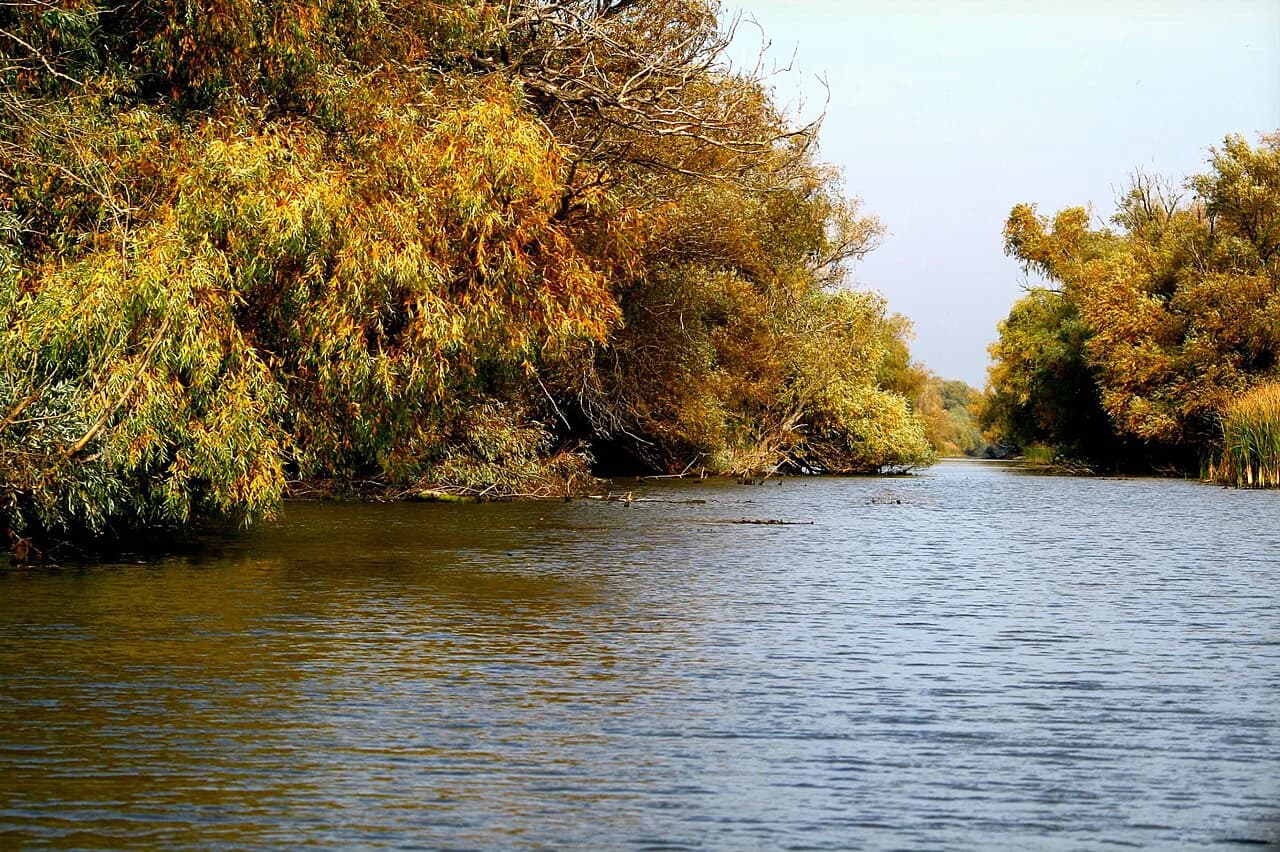
The delta begins at the edge of town, which shapes everything about a visit here: boats leave in the morning, the waterfront fills early, and the day is usually split between the river and the streets. If your interest is the delta itself rather than the town, the regional guide to the Danube Delta covers the wider landscape, the branches and the villages in more depth.
How the town is laid out: seven hills, the right bank and the waterfront
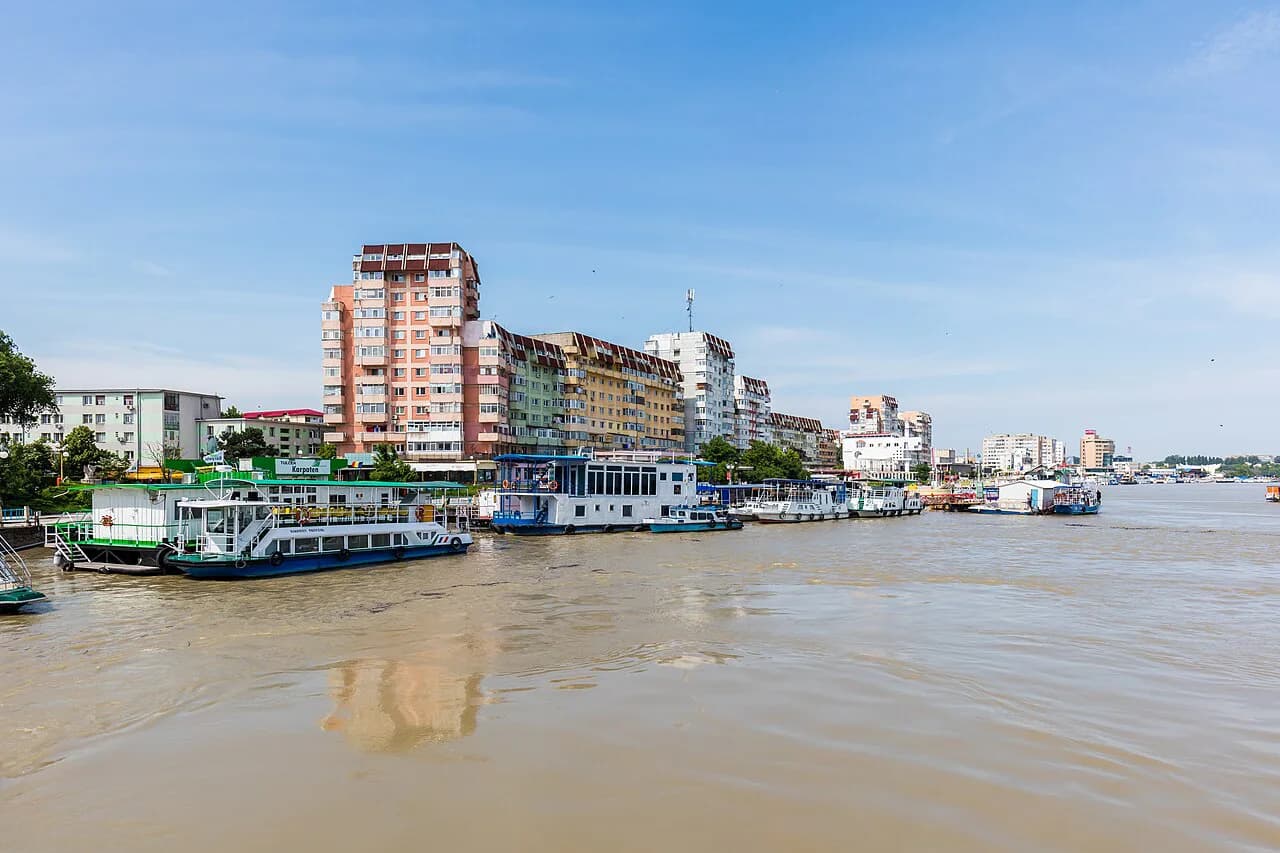
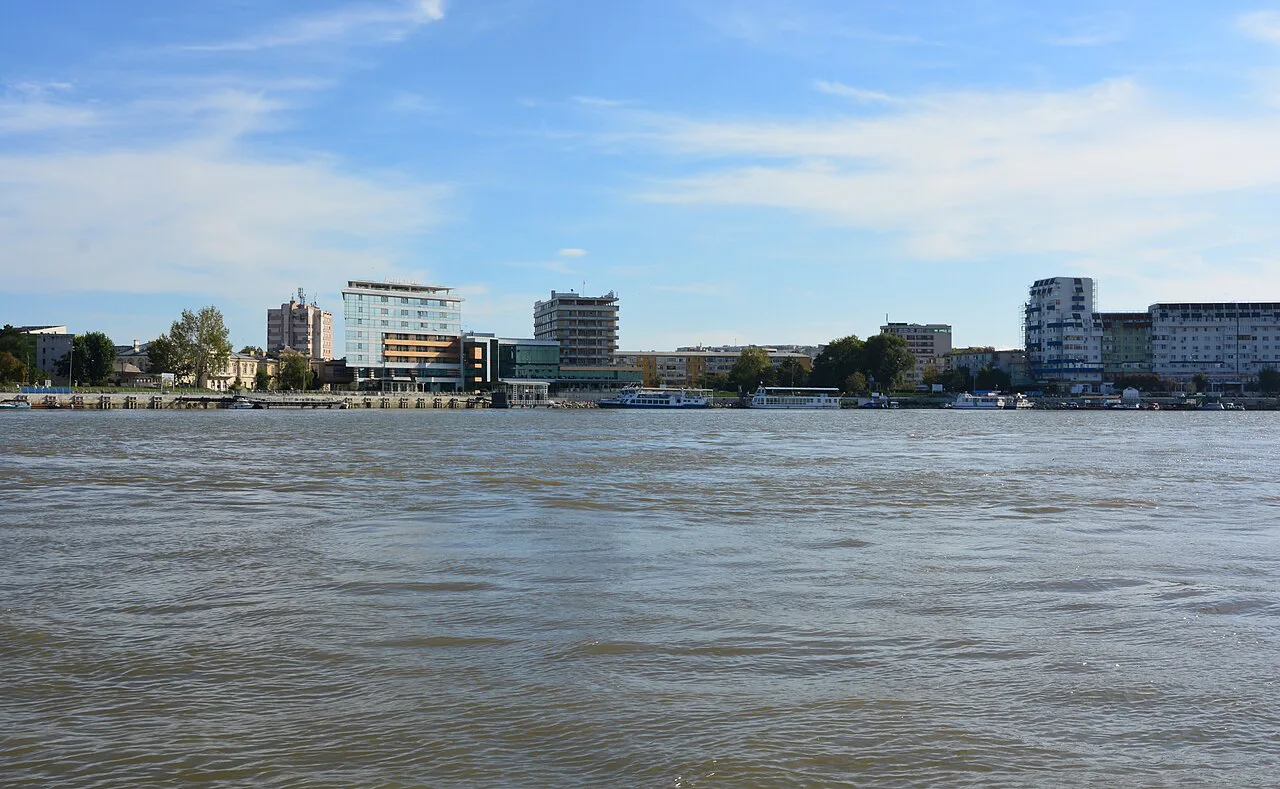
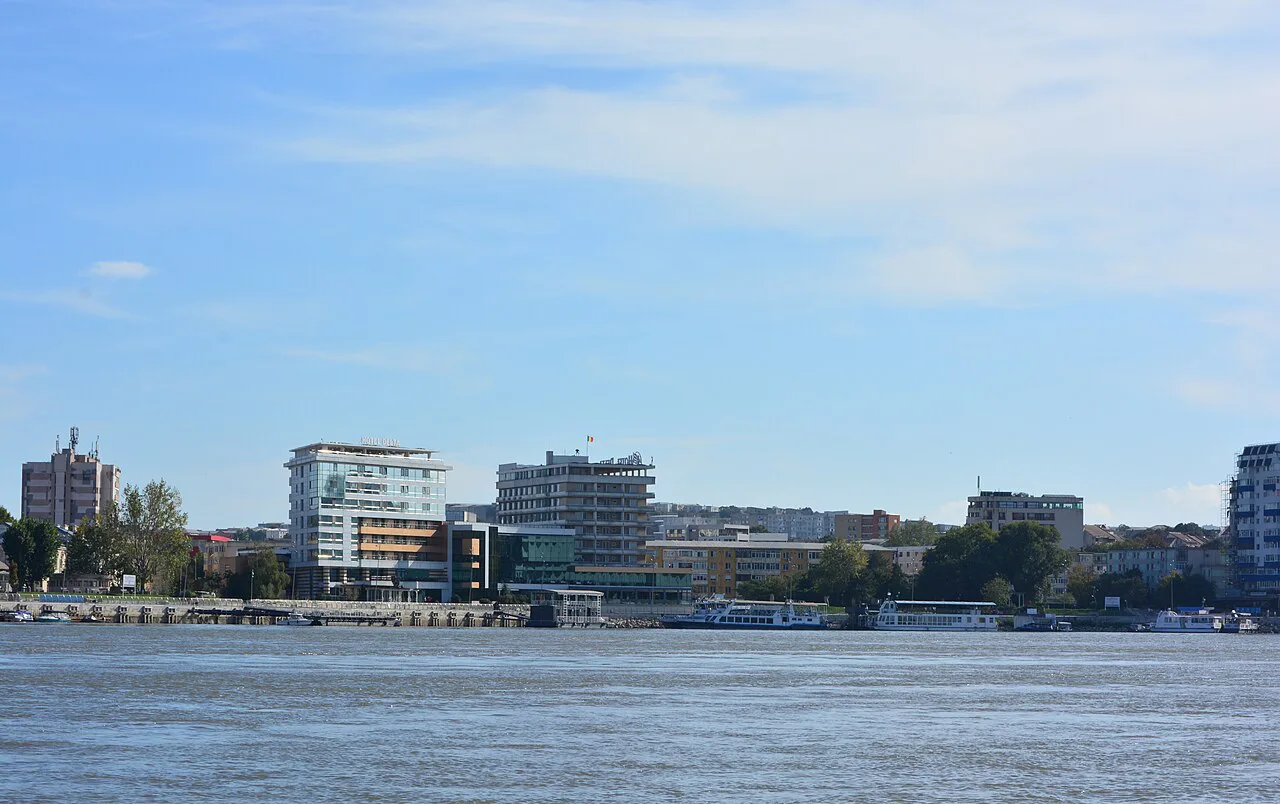
Tulcea climbs a series of hills above the Danube, so the centre is not flat and a short walk often means a slope. The waterfront along the river is the natural spine of a visit: it is where boats dock, where locals and visitors walk in the evening, and where you get your first sense of how wide the river is here. From the waterfront, streets run uphill towards the monuments, museums and parks.
The town grew as a trading and defensive port, and its older quarters reflect a mix of communities that settled in Dobrogea. Tulcea was included in the Roman frontier system along the Danube as a fort and port, and later became an important centre for transit trade under Ottoman rule, first documented under its modern name in 1506, which is why the historic core feels layered rather than planned.
Practically, plan your day in two halves: the waterfront and lower streets first, then the uphill sights such as the Independence Monument and the museums beside it. Allow for the climb, wear shoes you can walk uphill in, and keep the map open because the streets bend around the hills rather than forming a grid.
What to see in the town centre: the Independence Monument, the Aegyssus ruins and the History and Archaeology Museum
The Independence Monument stands on top of a hill and is the town's main viewpoint, with panoramas over the Danube Delta and the Tulcea hills. Right next to it are the ruins of the Aegyssus fortress and the Museum of History and Archaeology, so the three sights form a single stop rather than three separate trips. Go up once and see all of it, ideally in the clearer light of the morning.
The Aegyssus ruins connect the hill to the town's ancient name, and the museum beside them is the place to make sense of what you are looking at. The fortress was founded in the 4th century BC, and the ruins are next to the Independence Monument and the Museum of History and Archaeology, so the three sights form a single stop.
The Central Eco-Tourism Museum of the Danube Delta
The Central Eco-Tourism Museum of the Danube Delta is the town's key indoor stop and the best preparation for a boat trip, because it explains the delta's habitats, water and wildlife before you see them from the water. Visit it before your cruise rather than after, so the birds and channels mean something when you get there.
Treat it as a half-day anchor for a wet or windy morning, when boats may not run comfortably. The museum is listed among the main things to do in Tulcea, and it sits in the same cluster of sights as the waterfront, so you can walk between them.
The Museum of Fine Arts and the Avramide House
The Museum of Fine Arts and the Avramide House give you the town's cultural side and a look at the historic buildings that survive in the centre. Both appear among the named sights of Tulcea, and the Avramide House is the one to seek out if you want a sense of how the port's merchant town looked. Add them to the same walking loop as the waterfront rather than making a separate journey.
Check opening days at the door or on the town's own listings before you build a day around either museum, because small municipal museums in Romania often close one or two days a week. If one is shut, the other sights on the hill fill the time without much replanning.
Parcul Ciuperca and views over the delta and the Tulcea hills
Parcul Ciuperca is the town's park stop and a good place to break up a day of museums and slopes. It is named among the things to do in Tulcea and works well as a late-afternoon pause before the waterfront. Combine it with the hilltop viewpoint so you get both the greenery and the panorama in one circuit.
The views from Tulcea's hills are the reason to slow down here rather than treat the town as a ferry terminal. From above, you can see the river and the low land beyond it, which makes the geography of the delta easier to understand before you board a boat.
Walking along the Saint George branch of the Danube
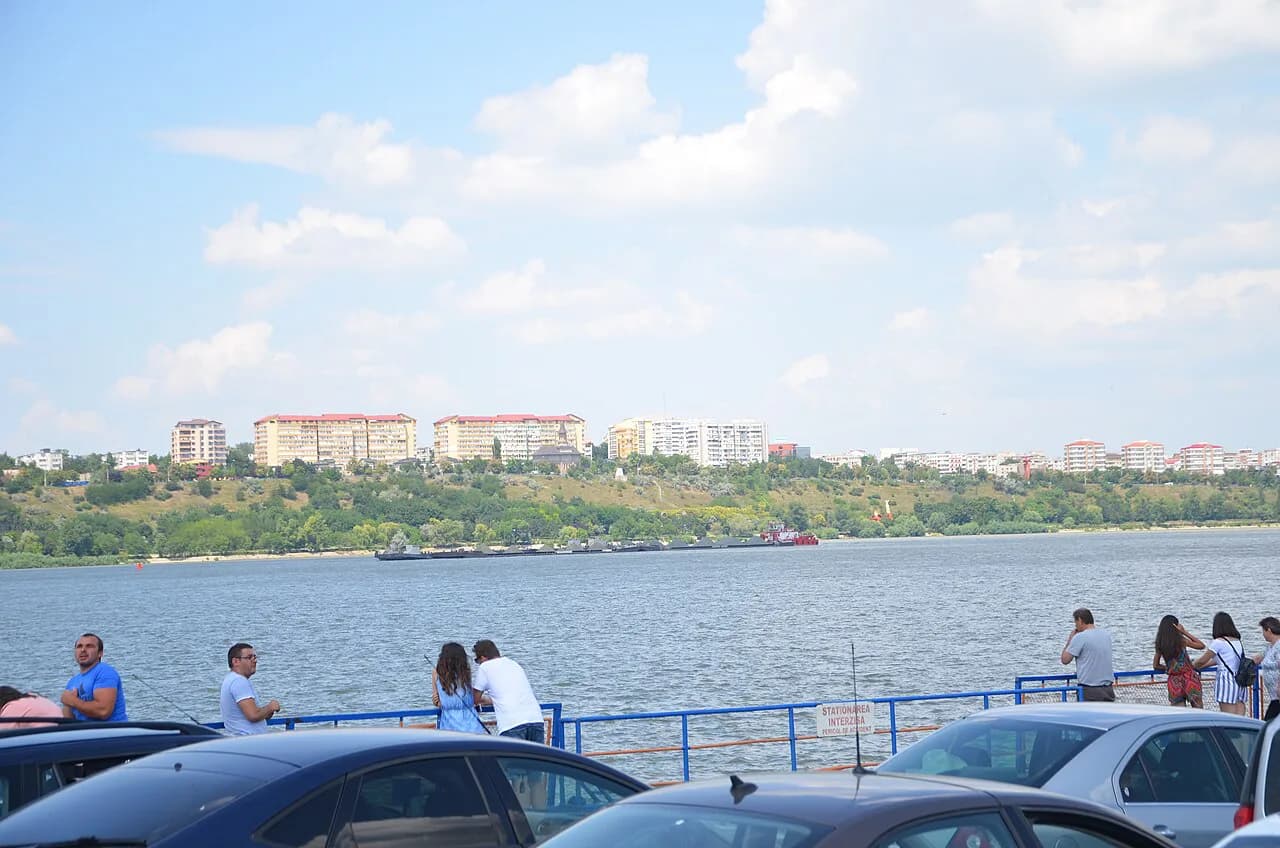
The waterfront along the Saint George branch of the Danube is one of the busiest parts of Tulcea, used by locals and visitors for an evening stroll. Walk it at the end of the day when the light softens, or combine it with a stop at a nearby café or ice-cream shop. It is flat and close to the centre, which makes it the easiest thing to do when you arrive tired.
The river here is broad and busy with working traffic, so this is a place to watch the port rather than swim or sunbathe. Keep the walk short and combine it with a meal near the water; that is enough to finish a day in town.
How to pick a Danube Delta boat trip from Tulcea: morning or full day, and the value of a guide
Boat trips leave Tulcea in the morning and run either for a morning or for a full day, so your first decision is how long you want to be on the water. Book ahead rather than turning up and hoping, because departures can fill. If you are comparing operators and routes, the guide to Danube Delta tours sets out the options.
Assume a basic boat rather than a comfortable one: trips run rain or shine, and there is unlikely to be a restroom on board. Take a waterproof layer and plan your comfort stops before departure. A knowledgeable guide earns their place by identifying birds and explaining the channels, so ask what guiding is included before you pay.
A morning trip leaves the afternoon free for the town's museums, while a full day gives you more time in the channels but uses up your only day in Tulcea. If you have one night, take the shorter trip and spend the rest of the day on the hill; if you have two, a full day on the water is the better use of the second.
Mila 23 as a delta village reached by boat or ferry
Mila 23 is a small delta village that many boat trips include as a stop, and it cannot be reached without a boat. Tours that stop there usually include a lunch of local fish, often catfish, served fried or as a soup. If you prefer to go independently, a ferry from Tulcea also reaches the village, and the fare is low.
Check the day's ferry times at the port when you arrive in Tulcea rather than planning around a timetable you found online, because delta services change with the season and the water. For a fuller picture of the village and how a stay there works, see the guide to Mila 23.
Further out, Sulina is the delta town at the mouth of the river, reachable by boat along the main channel and worth a separate trip rather than a detour from a day cruise.
How long Tulcea needs on its own versus as a base for the delta
Give Tulcea one full day on land, and two or three days in total if you want both the town and the delta. The town's sights — the hilltop monument and ruins, the eco-tourism museum, the fine-art museum and the waterfront — fill a day comfortably without rushing. Many group tours stop in Tulcea for one or two nights, but you can explore the town independently.
If your trip is built around the river rather than this town, base yourself here for the boats and treat the streets as evening content. If you are touring Romania by train and bus, Tulcea works as a two-night stop between Bucharest and Constanța.
Getting to Tulcea from Bucharest and Constanța
Tulcea is reached by bus or train from Bucharest and from Constanța, but not easily by plane. Allow four to five hours from Bucharest, the estimate given for the bus or train journey, so a same-day arrival plus an afternoon in town is realistic but tight.
Book your onward delta trip for the morning after you arrive rather than the same day, so a delayed bus or train does not cost you the boat. Check current departure times with the boat company or at the station when you buy your ticket.
Should you book the boat or the museums first?
Book the boat first, then build the town around it. Choose a morning departure, keep the afternoon for the Independence Monument, the Aegyssus ruins and the History and Archaeology Museum on the same hill, and leave the eco-tourism museum for the day you arrive or a wet morning.
Two nights in Tulcea gives you one day on the water and one in town without rushing, and it leaves room for a ferry to Mila 23 if the boats are full. Confirm departure times and museum opening days directly before you travel, then let the river set the rhythm of the rest.
Explore more Danube Delta guides
Frequently Asked Questions
Where is Tulcea located?
Tulcea sits on the right bank of the Danube in Dobrogea, eastern Romania, and is the administrative centre of Tulcea County. It is the main gateway to the Danube Delta, which begins at the edge of town, and one of the entry points to the Cimmerian Dobrogea Geopark.
Is the Danube Delta worth visiting?
The delta is the reason most travellers come to Tulcea: boat trips leave in the morning for a half or full day, and the Central Eco-Tourism Museum of the Danube Delta explains the habitats before you go. Whether it is worth it depends on your tolerance for a basic boat, rain or shine departures and no restroom on board. If that is acceptable, the delta is the main event of the trip.
Can you visit Mila 23 without a tour?
Yes. Mila 23 cannot be reached by road, but a ferry from Tulcea serves the village in addition to the organised boat trips that stop there. Check the day's ferry times at the port when you arrive, because delta services vary with the season.
Sources
Useful notes for your next trip
Optional updates to our guides.
You might also like
Continue reading
More guides you'll find useful