Ploiești: What to See in Romania's Oil Town
Ploiești is best planned as a short stop: see the Clock Museum, the Caragiale Museum and the old centre, then continue between Bucharest and the Prahova Valley.
On this page
Ploiești suits a short stop, built around a museum visit and a walk through the old centre, rather than a full city break. It is an oil and industrial town in Prahova county on the corridor between Bucharest and the Prahova Valley, and it rewards travellers who arrive with that framing. This guide covers what to see, how the centre is laid out, how long to allow and how the town fits a longer Romanian trip.
The two anchors are the Nicolae Simache Clock Museum in Ploiești and the petroleum heritage that shaped the town. Visitor listings for Ploiești put the Clock Museum and the Ion Luca Caragiale Museum among the town's leading attractions, with the old centre filling the rest of a short visit.
Where Ploiești sits between Bucharest and the Prahova Valley
Ploiești lies in Prahova county, north of Bucharest on the corridor that continues up the Prahova Valley towards the mountain resorts and Brașov. If you are weighing the stops along that line, Brasov Attractions shows what the larger mountain town at the far end offers. That position makes it a natural pause rather than a destination in its own right: you break the journey, see the centre and carry on. Treat it as a stop of a few hours on the way north or south.
The town grew on oil, and the industrial landscape is part of what you see rather than something hidden at the edges. Walking tours run by a local history group have covered the industrial chapters of Ploiești alongside the old merchant town, which tells you how closely the two are woven together.
How the centre is laid out
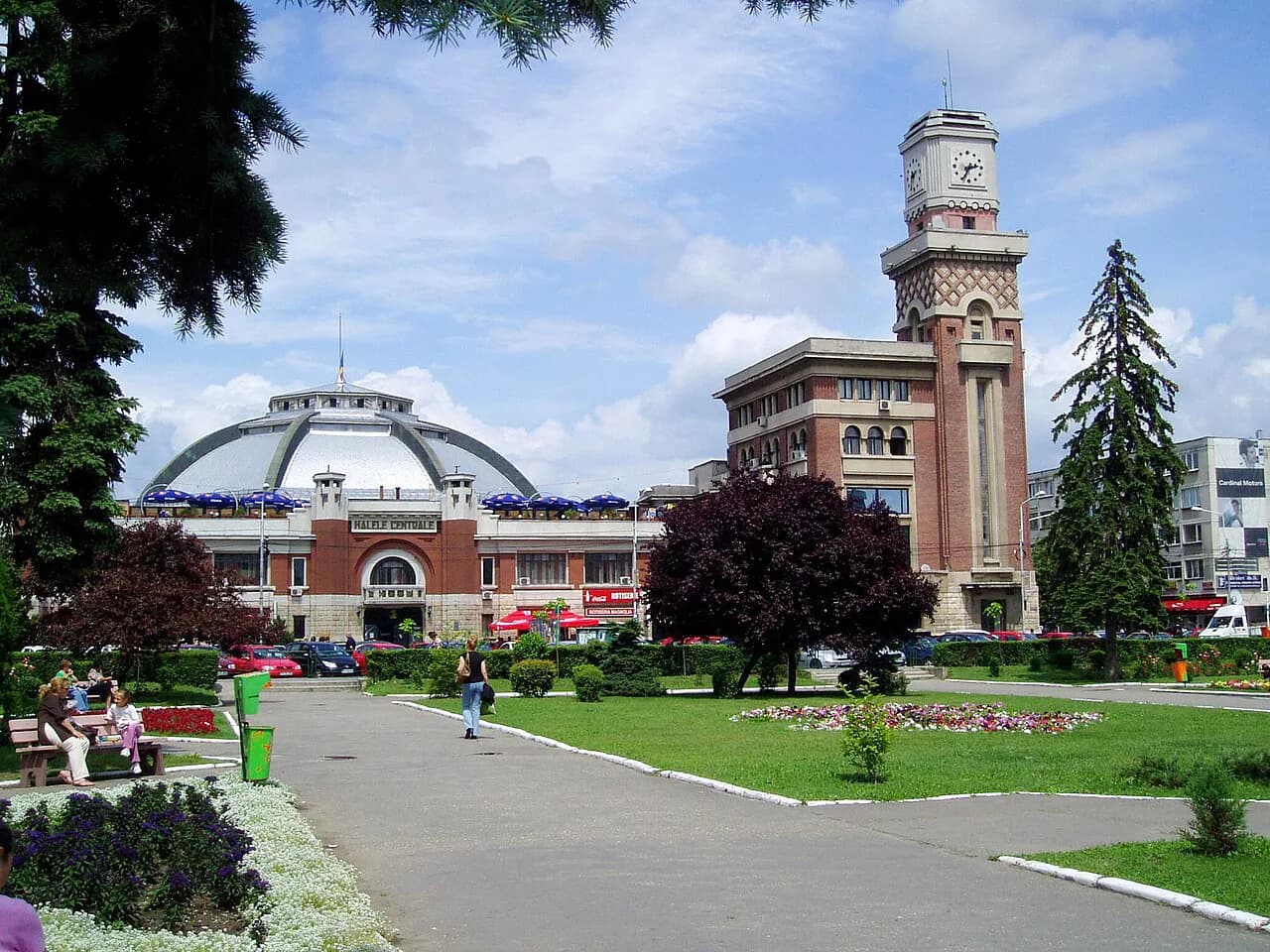
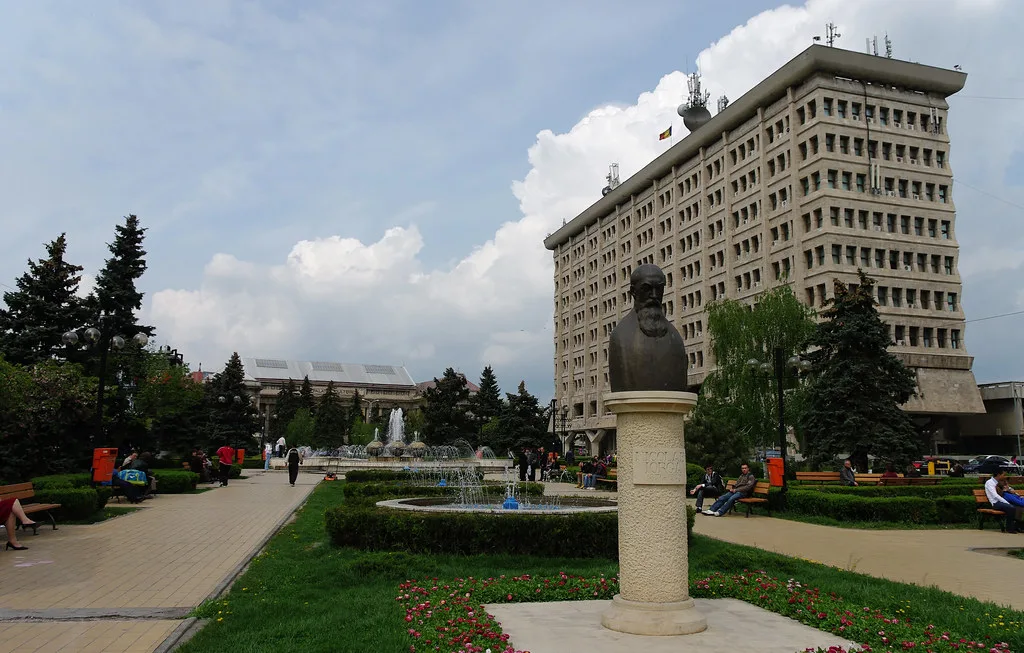
The walkable core is compact, with the older streets, the churches and the historic houses clustered together, so you can cover it on foot in an afternoon. Plan your walk around the centre and you will pass most of what a short visit needs without needing transport between sights.
Historic walking tours run for the town start in the heart of Ploiești and work outwards through the old streets, which is a sensible model for your own route. Read the town as a merchant centre first and an oil town second, and the layout makes more sense.
The Clock Museum: why it anchors a visit
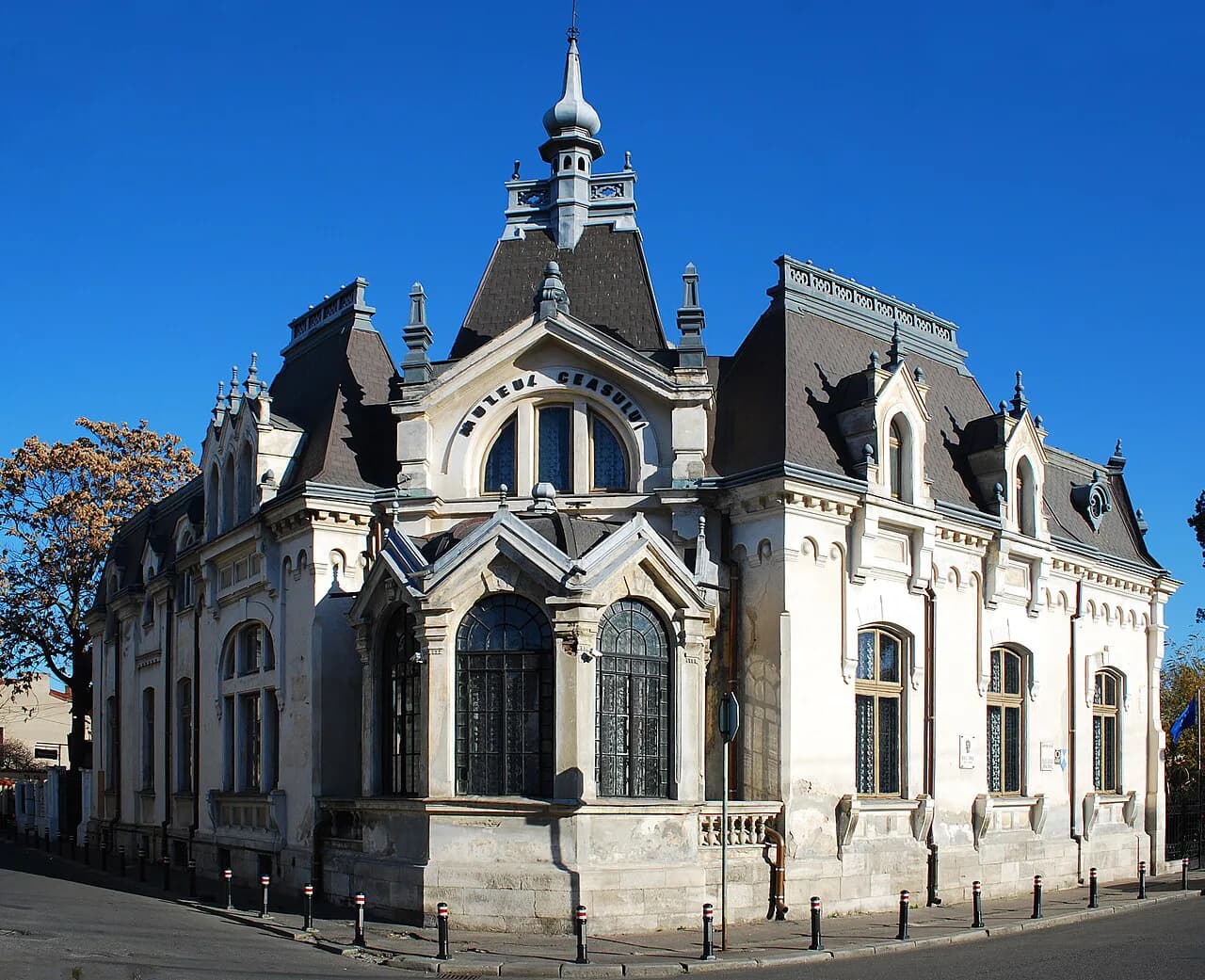
The Nicolae Simache Clock Museum in Ploiești is the sight that most justifies getting off the train, and it is the one place to build your timings around. It displays a collection of clocks and timepieces, and it gives a short visit a proper focus instead of a scatter of small stops.
Check opening days and ticket prices in lei (RON) directly with the museum before you travel, because published details change between seasons and the museum's own information is the reliable source. A dedicated guide to the clock museum in Ploiești covers what is on display and how to plan the visit in more depth.
The oil heritage: buildings and tours tied to petroleum history
Ploiești's identity comes from petroleum, and the town's industrial past is the second anchor of a visit. A local history project has run walking tours on the industrial town and on the world of oil in Ploiești, tracing refineries, company buildings and the streets that grew around them.
Oil heritage here is largely a matter of buildings and streets read in sequence rather than a single ticketed attraction, so a guided walk or a self-guided route with notes works better than turning up at a gate. If you want to see how another Romanian town presents a comparable set of sights, Brasov Attractions shows the same book-or-skip decision there. Choose a route that keeps to exteriors and pairs well with the museums in the centre.
The Ion Luca Caragiale Museum and the literary stop
The Ion Luca Caragiale Museum appears alongside the Clock Museum among the town's main attractions, and it gives the centre a literary stop that balances the industrial story. The museum is the natural place to meet the playwright's work if you do not already know it.
Pair the two museums in one day rather than spreading them across two, since together they justify a single afternoon in the centre. Visitor listings for Ploiești set out both, which helps when you are choosing how to order the day. If you are deciding between the same kind of short museum stop elsewhere on your route, Brasov Attractions sets out the options there.
Historic houses and streets in the old centre
The old centre keeps merchant houses and the street pattern of the older town, and local history writing has documented individual houses and the people who built them. Walking those streets takes under an hour, and it is the part of Ploiești that visitors most often skip.
Long-running local history projects on the old town publish stories about specific houses, streets and families, which makes a self-guided walk through the centre more rewarding than simply looking at façades.
Churches and squares to fold into the route
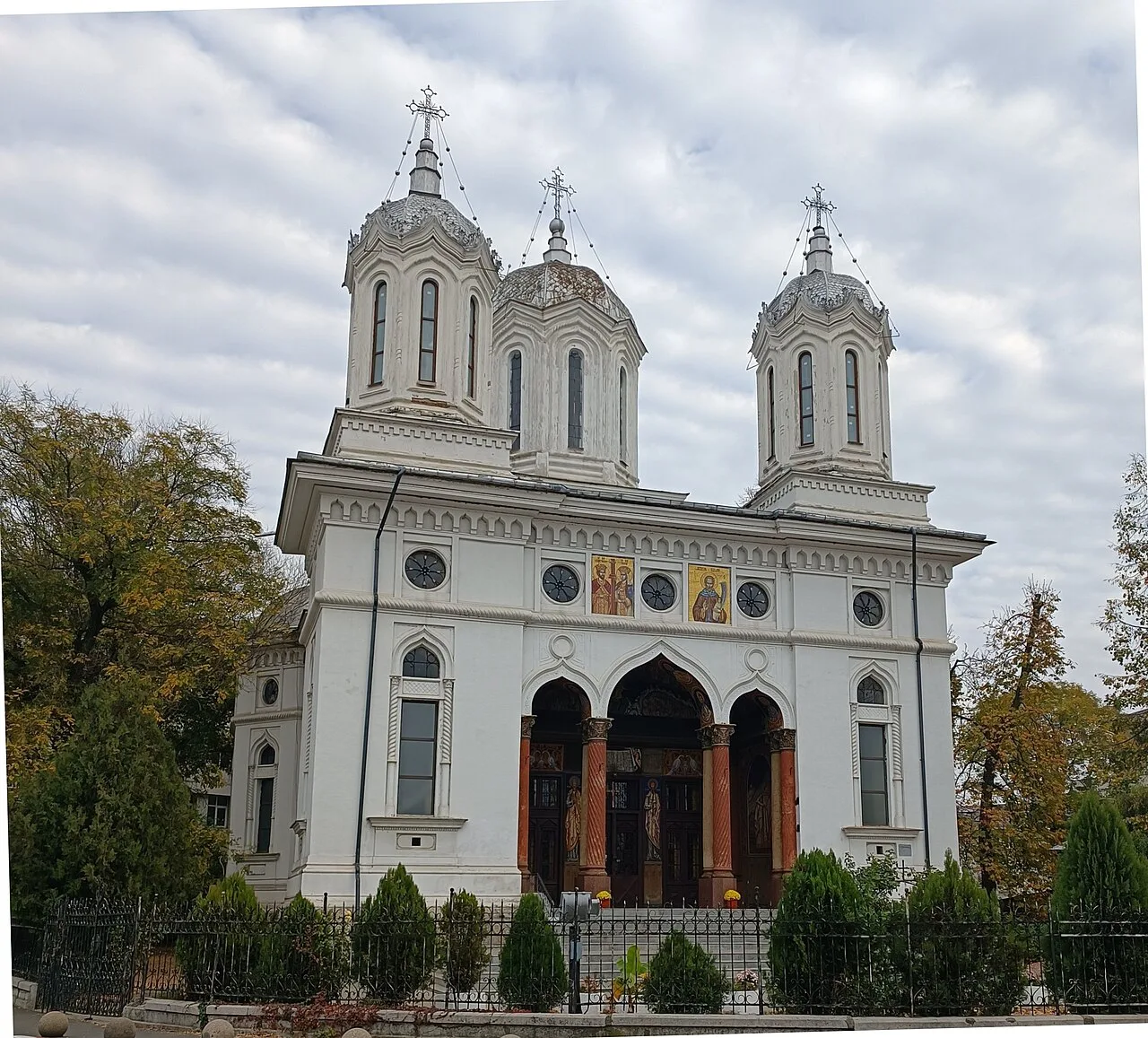
Churches sit within the central streets rather than on a separate circuit, so fold them into the same walk as the museums and houses. Treat the squares as orientation points: they tell you where the centre begins and ends, and they are where you will naturally stop.
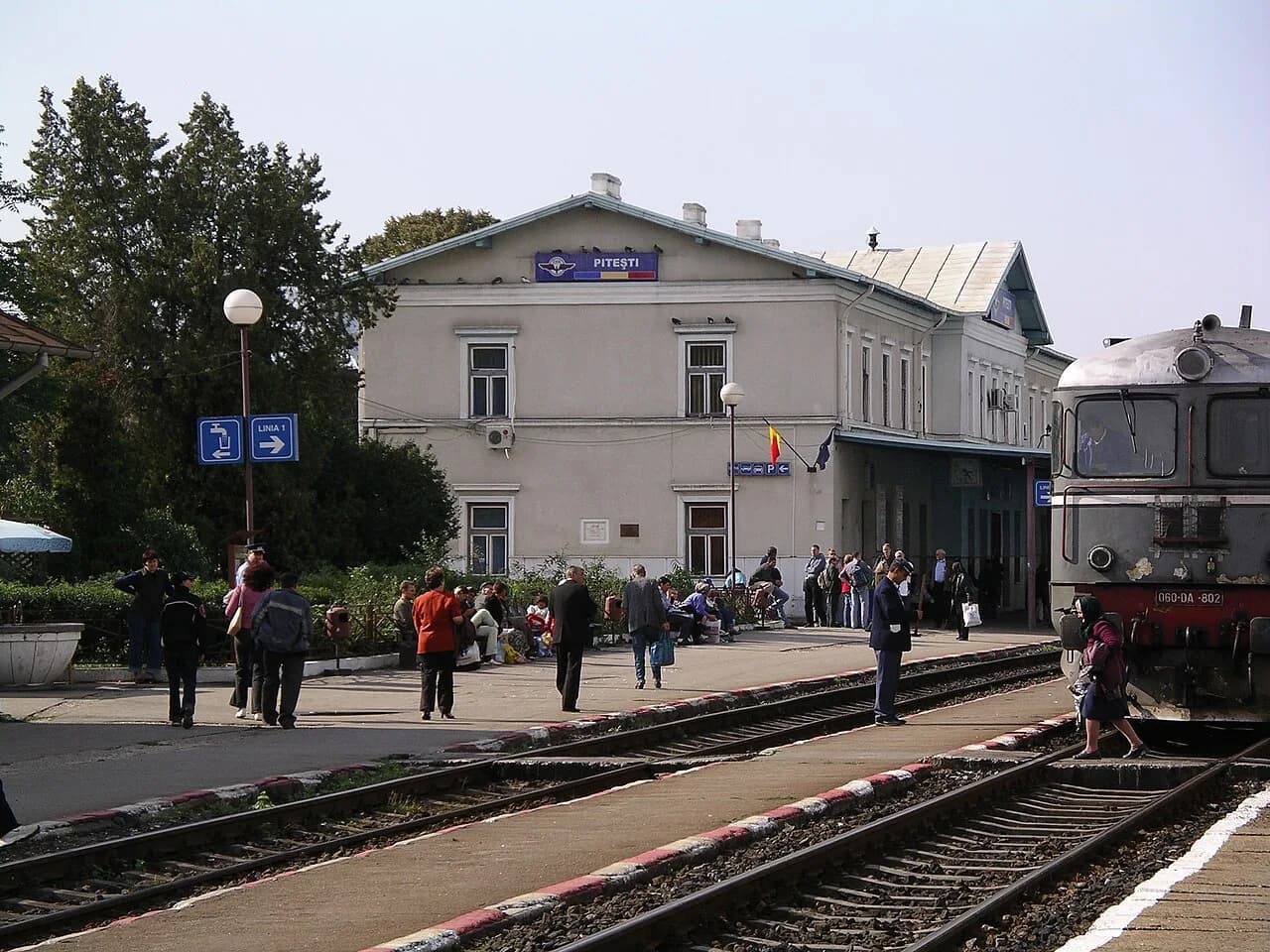
Because the core is small, a route that links the squares, the churches and the two museums will cover the centre in a single loop without backtracking. Start from the station side, work inwards and finish near the centre so you can pick up a train or bus without retracing the whole walk.
A short walking route through the centre
Begin with the Clock Museum while you are fresh, then take the central streets past the merchant houses and churches, and finish with the Caragiale Museum or a look at the oil-era buildings on the edge of the core. This order puts the two anchor sights at either end of the walk, with the streets between them as the connective tissue. If you would rather build the day around a bigger mountain town, Brasov Attractions shows how the sights there compare.
Allow an afternoon rather than a rushed hour, and keep the walk flexible so a museum that holds your attention can take longer. If you want a second town of this size for comparison, Pitești works as a parallel short stop in the same part of southern Romania. If you are continuing north up the corridor, Brasov Attractions covers the larger mountain town at the other end of the route.
How long Ploiești needs and whether it works as a stop
Give Ploiești an afternoon or a single overnight at most, and use it as a stop on the Bucharest to Prahova Valley route rather than a base. The sights sit in the centre, so a base adds little once you have walked the core and seen the Clock Museum.
If you want a slower town in the county instead, Vălenii de Munte is the alternative to weigh against a Ploiești overnight. If your route swings west instead, Târgoviște makes a comparable short stop and is covered in its own guide.
Getting there from Bucharest and Brașov
Ploiești sits on the main rail and road corridor north of Bucharest towards Brașov, so trains and buses along that line are the straightforward way in, and driving gives you the most flexibility for the industrial outskirts. Check current timetables with CFR Călători for trains and with the bus companies serving the route before travelling, since services change by season.
For the wider trip, Bucharest Attractions covers the capital's own sights if you are starting there, and Brasov Attractions covers the mountain end of the same corridor. Ploiești then becomes the middle point of a route rather than a separate journey.
Opening days and tickets: what to check
Confirm opening days and ticket prices in lei (RON) with each museum before you set out, because the museum's own information is the reliable source for current details. Romanian museums often close one day a week, and the closed day varies between institutions.
Visitor listings for Ploiești group the museums and other attractions together, which is a useful starting point for checking what is open on your dates.
Honest trade-offs: industry, spread and modest tourist infrastructure
Ploiești is an industrial town, and the refineries and oil buildings are part of the view rather than a backdrop you can avoid. If you want a postcard centre with cafés on every corner, this is not that town; if you want a real Romanian working city with two good museums, it is. If you would rather compare a more polished postcard centre nearby, Brasov Attractions shows what the mountain town offers instead.
The sights sit within the walkable core, so the practical trade-off is time rather than distance: a short stop covers the centre well, while anything further out needs a car or a taxi. Judge Ploiești on those terms and it earns its place on the corridor between Bucharest and the mountains.
Is Ploiești worth the stop?
Yes, for an afternoon: the Clock Museum and the old centre together justify breaking the journey between Bucharest and the Prahova Valley. Check the museum timings first, then build the walk around them.
If you have a spare day, add Pitești or Târgoviște rather than stretching Ploiești. For the full museum detail, the Nicolae Simache Clock Museum in Ploiești guide covers what to expect inside.
Explore more Ploiesti guides
Frequently Asked Questions
How far is Ploiești from Bucharest?
Ploiești lies north of Bucharest on the same rail and road corridor that continues towards Brașov and the Prahova Valley, so it is a straightforward stop on the way rather than a separate journey. Check current train and bus times, as services vary by season.
Is Ploiești worth visiting?
It is worth an afternoon if you are passing between Bucharest and the Prahova Valley. The Clock Museum and the old merchant centre give the stop a purpose, while the oil and industrial landscape is part of the town's character rather than something you can avoid.
How do you pronounce Ploiești?
The town's name is Ploiești, with the Romanian ș pronounced as 'sh'. Ask locally or listen to the station announcement if you are unsure, since the stress and vowel sounds differ from English.
Sources
Useful notes for your next trip
Optional updates to our guides.
You might also like
Continue reading
More guides you'll find useful