Regions of Romania: A Traveller's Guide to the Historic Regions
Romania's historic regions explained for travellers, from Transylvania and Wallachia to Moldavia, Bucovina, Maramureș, Banat, Crișana and Dobrogea.
On this page
Pick your region before you pick your towns. Romania's historic regions — Transylvania, Wallachia, Moldavia and Bucovina, Maramureș, Crișana, Banat and Dobrogea — group the places visitors actually travel between, and each one delivers a different kind of trip: Saxon squares and castles, a capital city, painted monasteries, wooden churches or the Black Sea coast.
These regions are not the same thing as the 41 counties, which are the administrative divisions of the country alongside Bucharest. Visitors cross historic regional borders constantly without noticing, so treat the regions as travel planning tools rather than formal boundaries; the visitor listings group the main cities and attractions under these regional headings.
Historic regions versus the 41 counties
Romania is divided into 41 counties (județe) plus the municipality of Bucharest, and these are what appear on official maps and in addresses. The historic regions — Transylvania, Wallachia, Moldavia, Dobrogea, Maramureș, Crișana and Banat — are older groupings that cut across county lines and match how travellers describe where they are going.
In practice, a single county can hold towns from more than one historic region, and a historic region can span several counties. That is why a route such as Brașov to Sibiu stays inside Transylvania while crossing county boundaries, and why you should plan by town and transport link rather than by administrative area. Use a map of Romania to see how the towns sit relative to each other before you commit to a route.
Transylvania: Brașov, Sibiu, Sighișoara and Cluj-Napoca
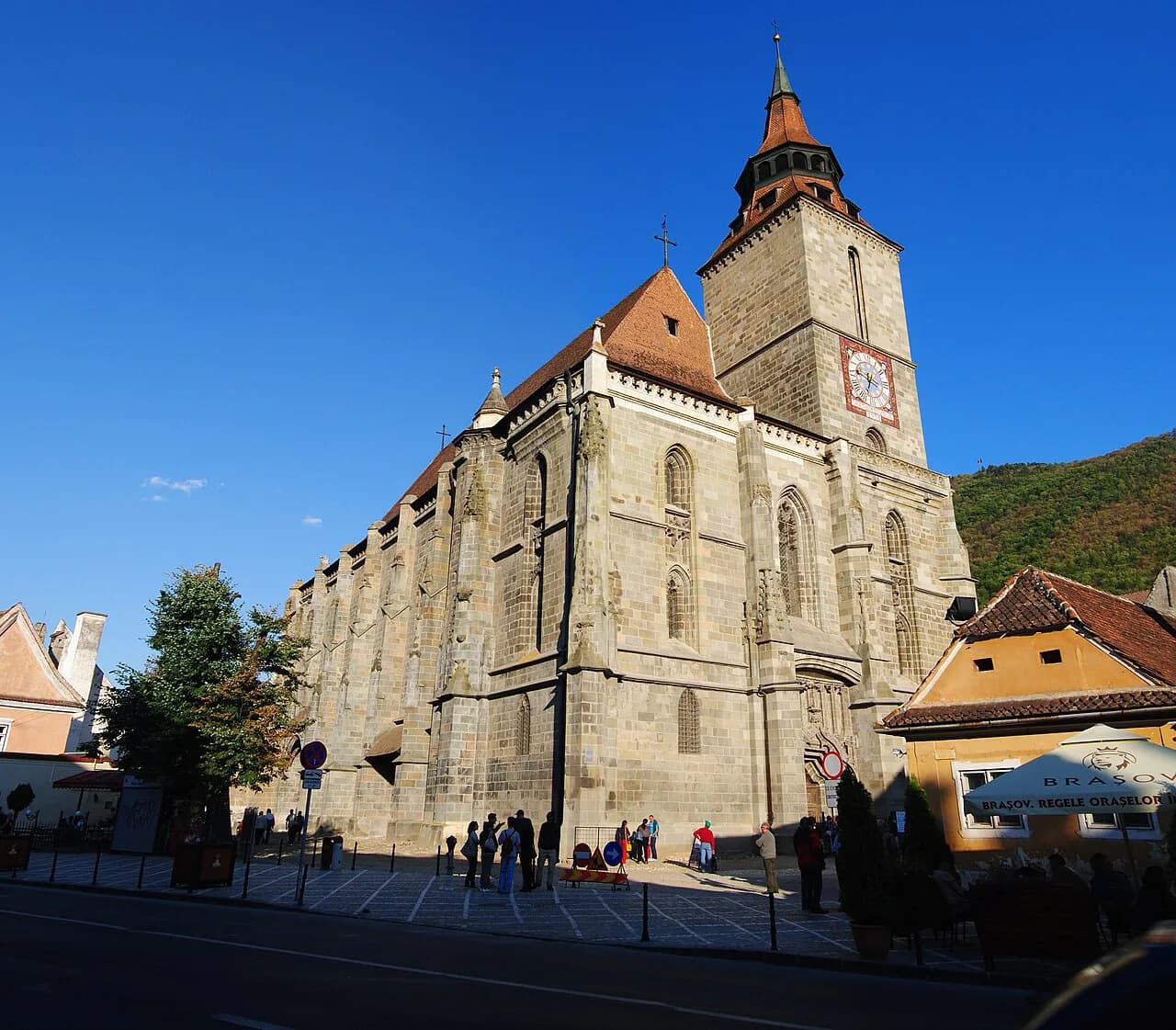
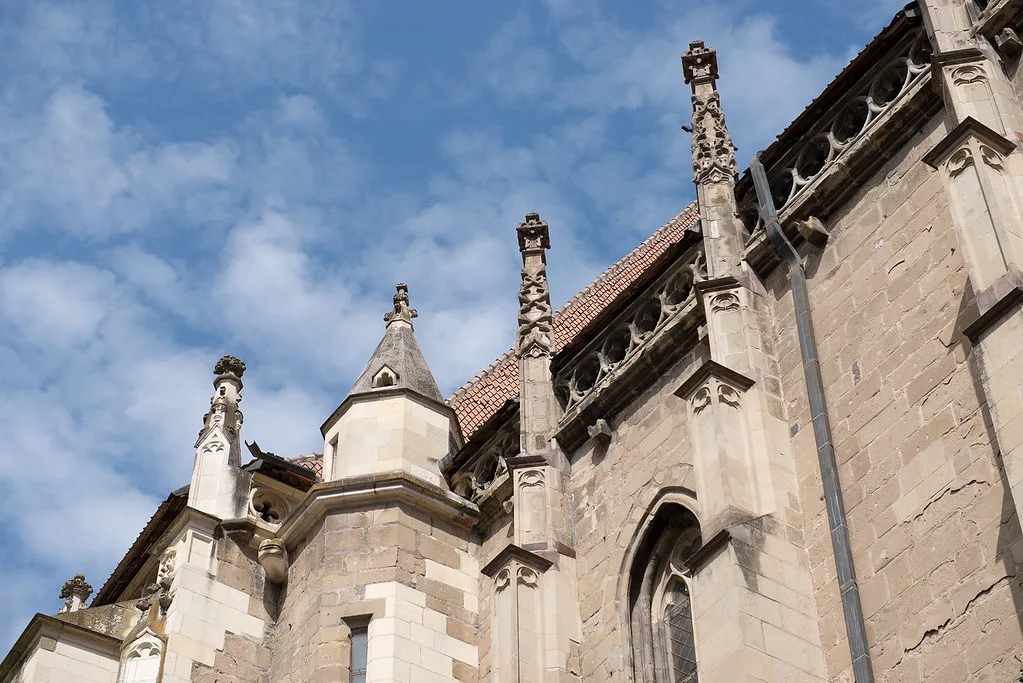
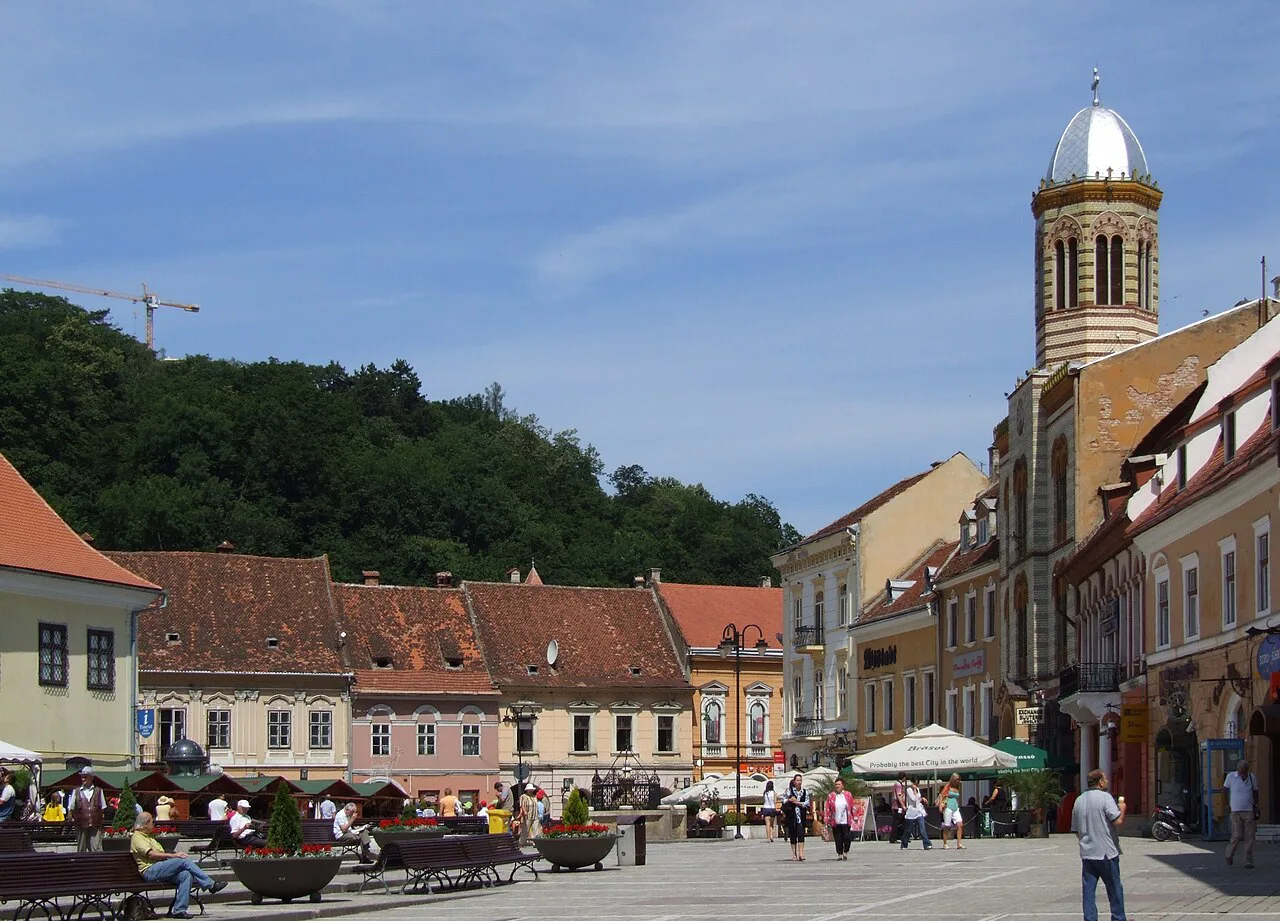
Transylvania is the region most city-break travellers land on first, and it rewards that: Brașov has the Black Church and Piața Sfatului (Council Square), Sibiu has Piața Mare (Large Square) and its old towers, Sighișoara has the walled citadel and its clock tower, and Cluj-Napoca is the big university city of the north-west.
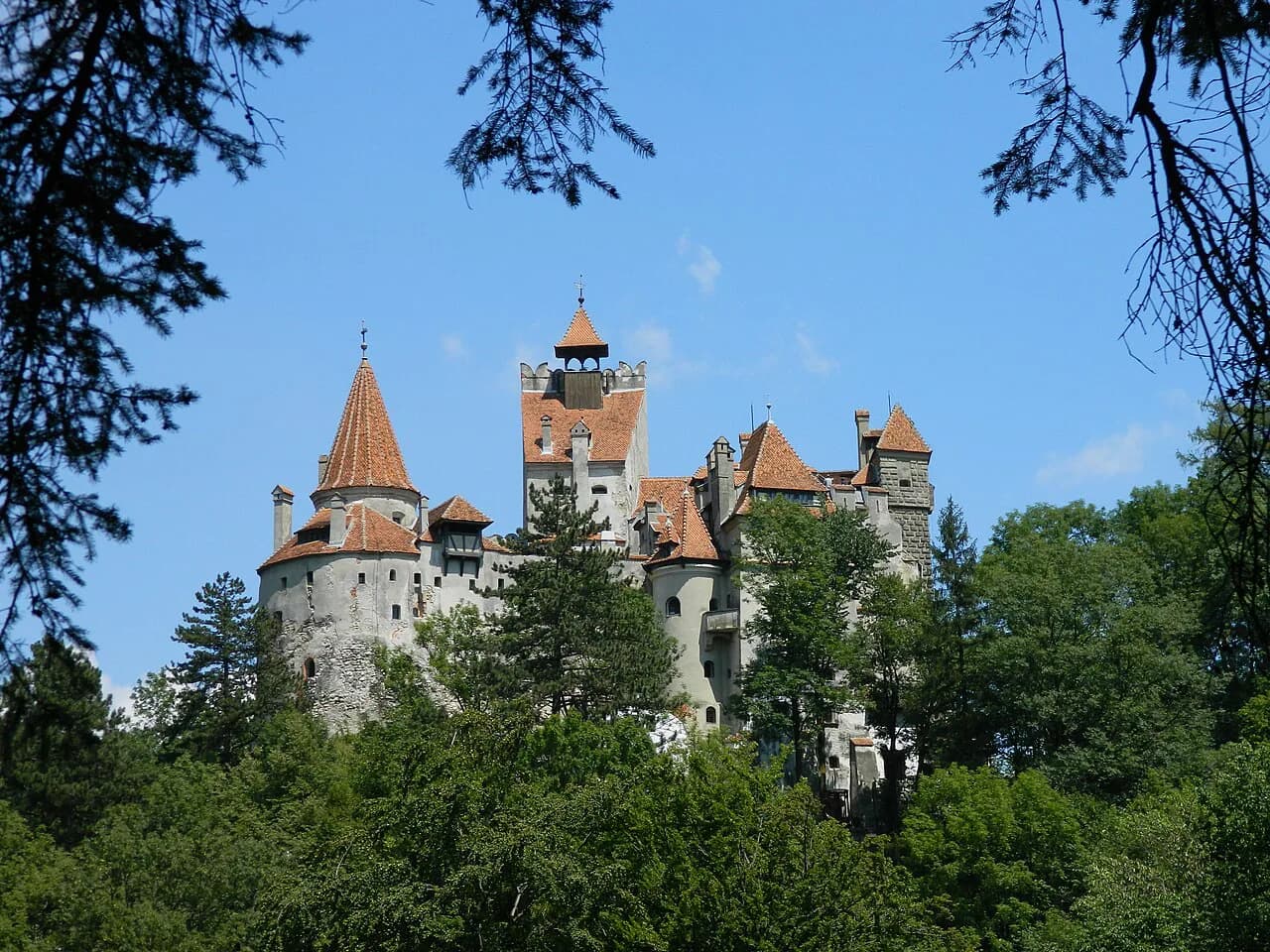
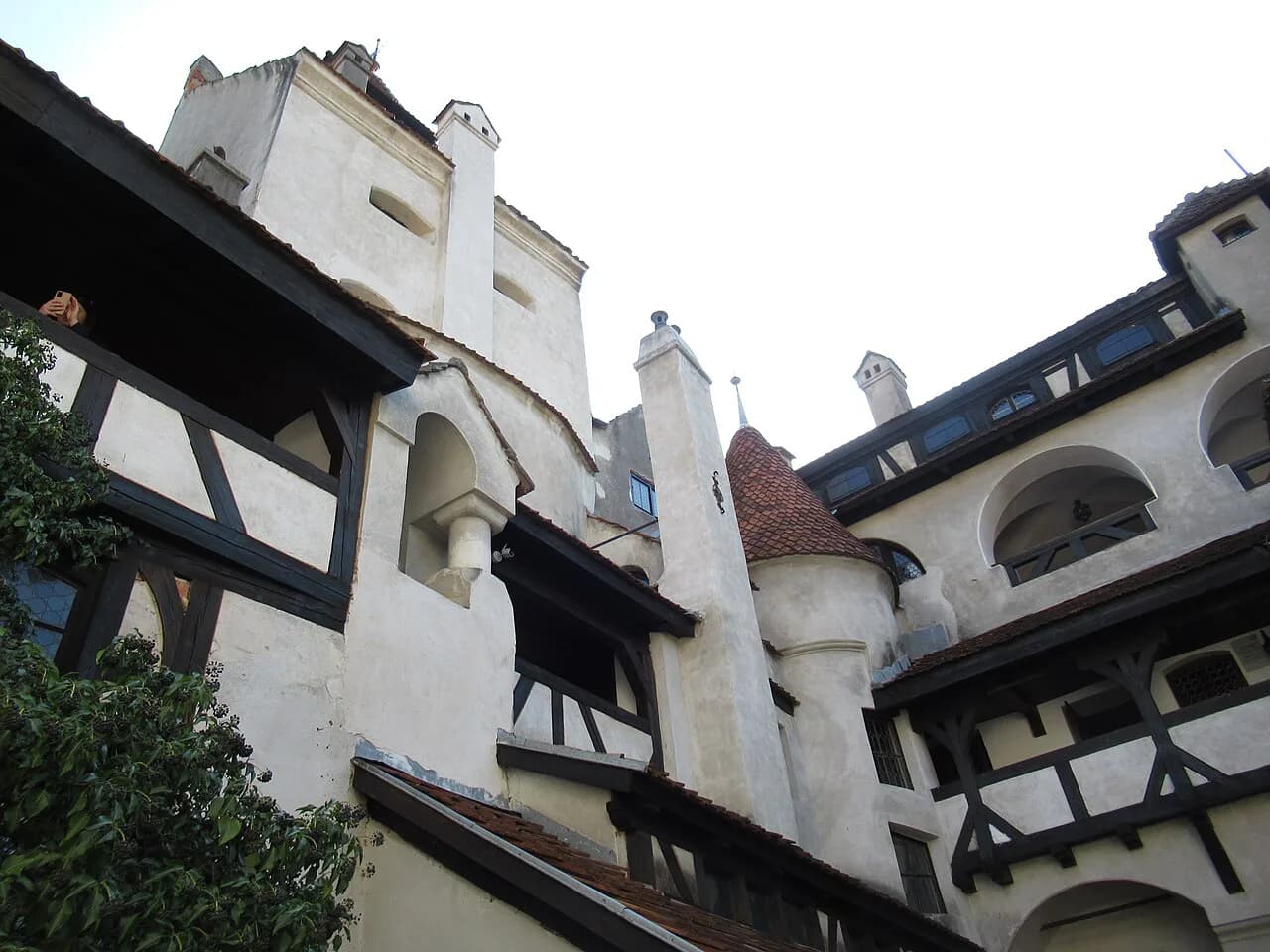
The region also carries the Saxon heritage that draws castle and church trips. Biertan, Viscri, Prejmer and Hărman are fortified churches within reach of the main towns, and Bran Castle and Râșnov Fortress sit close to Brașov. Allow a full day by car for a loop that includes two or three of the villages rather than trying to tick off all of them in an afternoon.
Wallachia: Bucharest and Muntenia, plus Oltenia in the west
Wallachia splits into Muntenia in the east, centred on Bucharest, and Oltenia in the west. Bucharest is where most trips begin or end: the Palace of the Parliament, Lipscani and the Ateneul Român (Romanian Athenaeum) sit within a walkable centre, and the city works as a base for the Prahova valley castles of Peleș and the mountain route of the Transfăgărășan.
Oltenia, the western half, is the quieter side of Wallachia and the one to plan as its own leg. It is usually reached from Bucharest or by crossing the mountains from Transylvania, so treat it as a separate stretch of the trip rather than a day trip from the capital.
Moldavia and Bucovina: Iași, Suceava and the painted monasteries
Moldavia is the eastern region, with Iași as its cultural city and Suceava as the gateway to Bucovina. Bucovina, in the north, holds the painted monasteries — Voroneț, Sucevița and Moldovița among them — which are the reason many travellers make the long journey east.
This is the region where distance matters most. Bases such as Suceava or Gura Humorului put several monasteries within a day's drive, and a car or an organised tour is the practical way to cover them; expect to spend at least two nights in the area if you want more than a rushed look at one or two.
Maramureș: wooden churches and villages in the north
Maramureș, in the far north, is village country: wooden churches with tall spires, gates and farm life spread across a valley landscape rather than concentrated in one town. Baia Mare is the main city, but the villages are the point, and they are best visited by car because public transport between them is slow.
Treat Maramureș as a destination in its own right rather than a stop en route to somewhere else. It is far from Bucharest and from the southern Transylvanian towns, so give it two or three nights and pair it with a crossing into Bucovina or back down through Transylvania.
Crișana and Banat: Oradea and Timișoara in the west
Crișana and Banat make up the western edge of the country, with Oradea in Crișana and Timișoara in Banat. Both are cities for architecture and squares: Oradea has a compact historic centre, and Timișoara has its own set of historic squares.
This is the easiest part of Romania to reach overland from Hungary or Serbia, which makes it a sensible start or finish to a longer trip. The trade-off is distance from the castles and monasteries that most first-time visitors come for, so include it only if you have time for a second leg.
Dobrogea: Constanța and the Black Sea coast
Dobrogea lies in the south-east, along the Black Sea, with Constanța as its main city and Tulcea as the gateway to the Danube Delta. It is the one region where the coast sets the rhythm, and it is reached by train or road from Bucharest rather than as a loop through the mountains.
The region pairs well with a Bucharest stay if you want a change of scenery, but it is far from Transylvania. Including it means a long transfer, so decide early whether your trip is a single-region city break or a multi-region tour.
Which region to pick for a city break, castles or monasteries
For a city break, choose Transylvania for Brașov, Sibiu or Cluj-Napoca, or Wallachia for Bucharest. For castles and fortified churches, base yourself in Brașov or Sibiu and drive the villages between them. For painted monasteries, go to Bucovina and stay near Suceava or Gura Humorului; for wooden churches, go to Maramureș.
If you want a single region that covers a lot without long transfers, Transylvania is the strongest choice: it combines cities, castles and Saxon villages within a few hours of each other. If you want the western cities or an overland arrival, start in Banat or Crișana. For the mountains themselves, plan a separate leg around the Carpathian Mountains, which run through several of these regions, and use a dedicated guide to the Carpathian Mountains in Romania to pick the ranges and bases that fit your route.
How the regions fit into one itinerary
A realistic multi-region route runs Bucharest, then Transylvania, then out through Banat or Bucovina. Fly into Bucharest, take the train to Brașov, work west to Sibiu and Sighișoara, and finish in Cluj-Napoca or Timișoara. Add Bucovina only if you have at least a week, because the transfer from Transylvania eats a day.
Trains connect the main cities, but villages, castles and monasteries usually need a car or a tour. Check current timetables and ticket prices for trains and sites directly with the rail companies and site administrators before you book. Build in slack: a single long transfer between regions is better than three short ones.
Choose your region, then your towns
Start with the experience you want — city squares, castles, painted monasteries or wooden churches — and let that pick the region. Transylvania covers the most bases for a first trip; Bucharest and Wallachia are the easiest entry point; Bucovina and Maramureș repay the extra travel if you have time.
Once the region is set, choose two or three towns as bases and plan transport between them as you go. That order keeps the trip realistic and stops you trying to see the whole country in a week.
Explore more Romania guides
Sources
Useful notes for your next trip
Optional updates to our guides.
You might also like
Continue reading
More guides you'll find useful