Nicolae Simache Clock Museum, Ploiești: What to Expect
Plan a visit to the Nicolae Simache Clock Museum in Ploiești: what the chronological collection holds, the cited opening days and how long to allow.
On this page
The Nicolae Simache Clock Museum in Ploiești is worth an hour of your time if you are passing through the city on the Prahova valley route, and it is best read as a timeline rather than a room of pretty objects. The museum displays timepieces in chronological order, so you can follow the story from sundials and sand clocks through to pocket watches. This guide covers what the collection holds, the opening days, how to move through the rooms and whether it fits a stop in Ploiești.
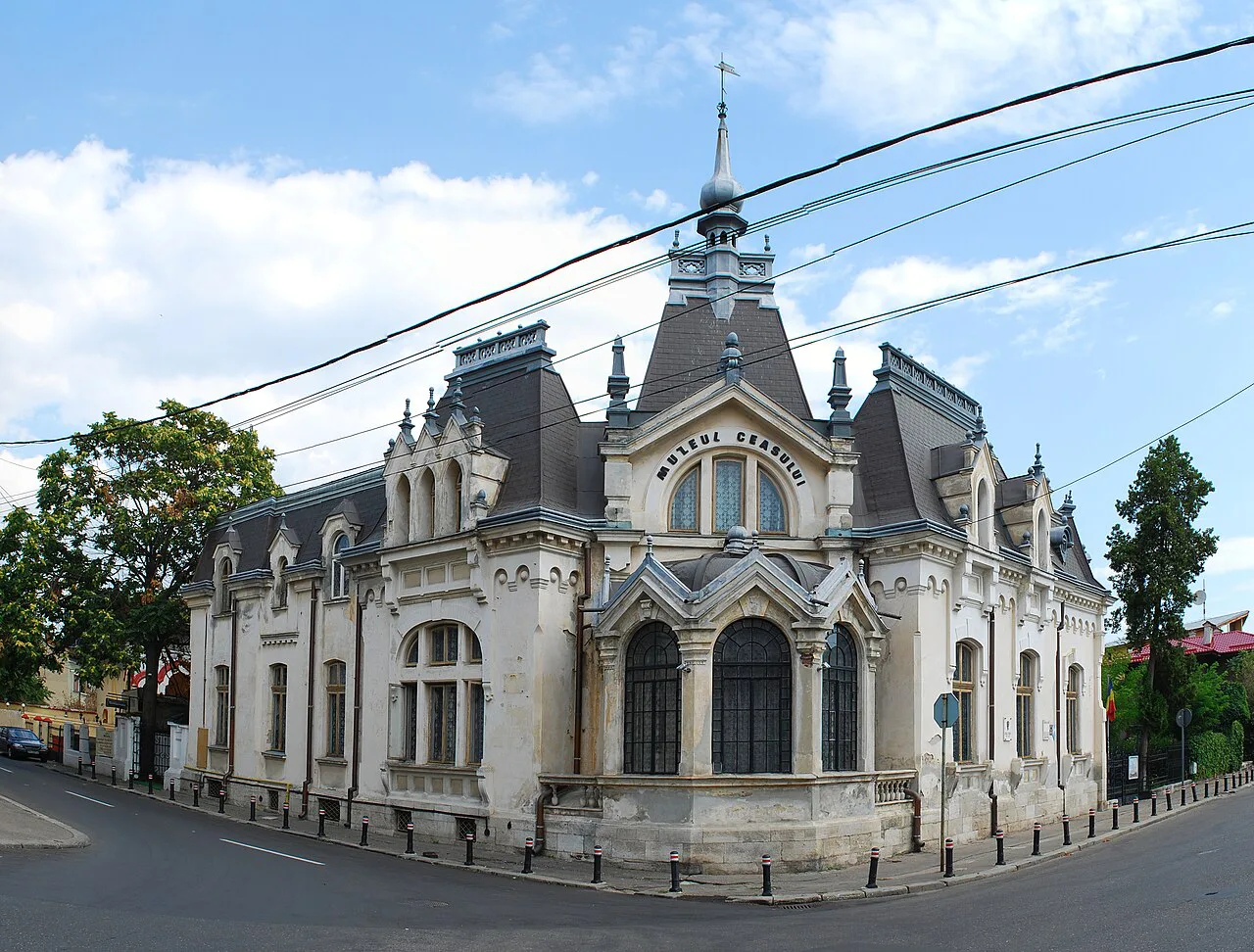
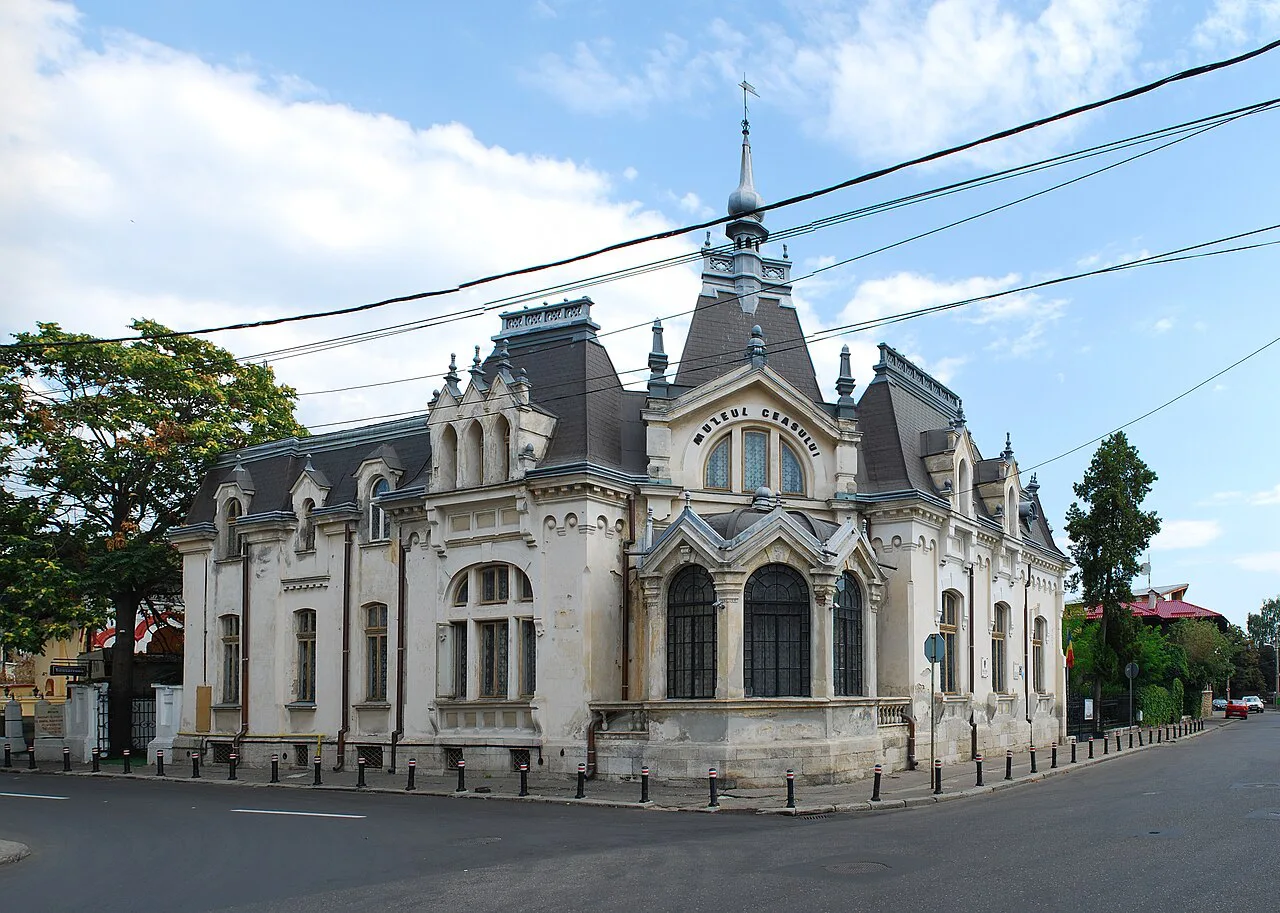
It sits at Str. Toma Caragiu nr. 10 in Ploiești, in Prahova County. That address is the one to give a taxi driver or type into a map app, and it puts the visit within a morning in the city rather than out on a country excursion.
Where the museum sits in Ploiești
The museum is at a street address in Ploiești, the Prahova County capital that sits between Bucharest and the mountain resorts of the Prahova valley. Treat it as a city-centre-style stop rather than a country excursion: you arrive, see the clocks, and carry on.
The visit is compact and does not need a car or a guide to make sense of it. Arrive with the address written down and the opening days checked, and you can slot it into a morning in the city.
Who Nicolae Simache was and when the museum opened
The museum was founded in 1963 by Professor Nicolae Simache, and it carries his name. That founding date matters for the shape of the collection: this is a twentieth-century assembly of older objects, gathered deliberately into one place rather than a royal cabinet left intact.
Opening days and hours before you travel
The museum opens Tuesday to Sunday, from 9:00 am to 4:30 pm. Plan your Ploiești stop around a weekday or a Saturday rather than a Monday.
Hours can shift around public holidays, so confirm the day before you go, especially if you are building a longer Prahova valley itinerary around the museum. If you are weighing other stops in the region, Vălenii de Munte lies further up the valley and makes a natural second call.
The collection in chronological order
The rooms are arranged so the objects tell a story in sequence. Beginning with sundials and sand clocks, the collection moves through table clocks, mantel clocks, travel clocks and pocket watches. Read it in that order and the later pieces make far more sense.
That structure is what separates the museum from a general decorative-arts display: the point is the development of portable and domestic timekeeping rather than individual masterpieces hung on a wall. Walk the cases in sequence and you are effectively reading a timeline of how people measured the day.
The astronomical clocks of 1544 and 1562
The oldest mechanical timepieces in the collection are two astronomical clocks, dated 1544 and 1562 and made by Jacob Acustodia and Jeremias Metzker. These are the pieces to look for first if you only have twenty minutes, because everything else in the museum is later.
Astronomical clocks carry far more than the hour, so give these two a few minutes before moving on to the eighteenth-century cases. They reward a slow look rather than a glance.
Grandfather and long-case clocks of the eighteenth century
Beyond the earliest pieces, the museum holds grandfather and long-case clocks in cases of various styles, made by French, Austrian and Dutch clockmakers in the eighteenth century. The variety of casework is the attraction here: the same mechanism dressed in very different furniture.
The collection also includes mantel clocks with bases decorated with mythological or allegorical scenes, which sit alongside the long-case pieces. Look at the bases as well as the dials; the carving and painted scenes carry much of the period character.
Pocket watches and enamelled watches
The largest group by number and value is the pocket watches, made by French and British watchmakers and accompanied by enamelled watches of the eighteenth and nineteenth centuries. If you have come for craftsmanship rather than furniture, this is the section to linger in.
Because these pieces are small, they reward close looking, and the display cases carry the detail you would otherwise miss. Plan your slowest pass through this part of the museum rather than the entrance rooms.
How long to allow and how to move through the rooms
Allow around an hour. A compact museum of this kind does not stretch to a half-day, and padding it out will leave you circling the same cases. If you are short of time, concentrate on the two astronomical clocks, the long-case clocks and the pocket watches.
Move through in the order the collection is laid out rather than doubling back to favourites, because the chronology is the museum's organising idea. That way the enamelled watches at the end land as the destination of the story rather than an afterthought.
Whether it fits a Prahova valley stop
Ploiești sits on the route between Bucharest and the Prahova valley resorts, which makes the clock museum an easy hour-long break rather than a destination in its own right. Pair it with a walk through the city centre and you have a sensible half-day.
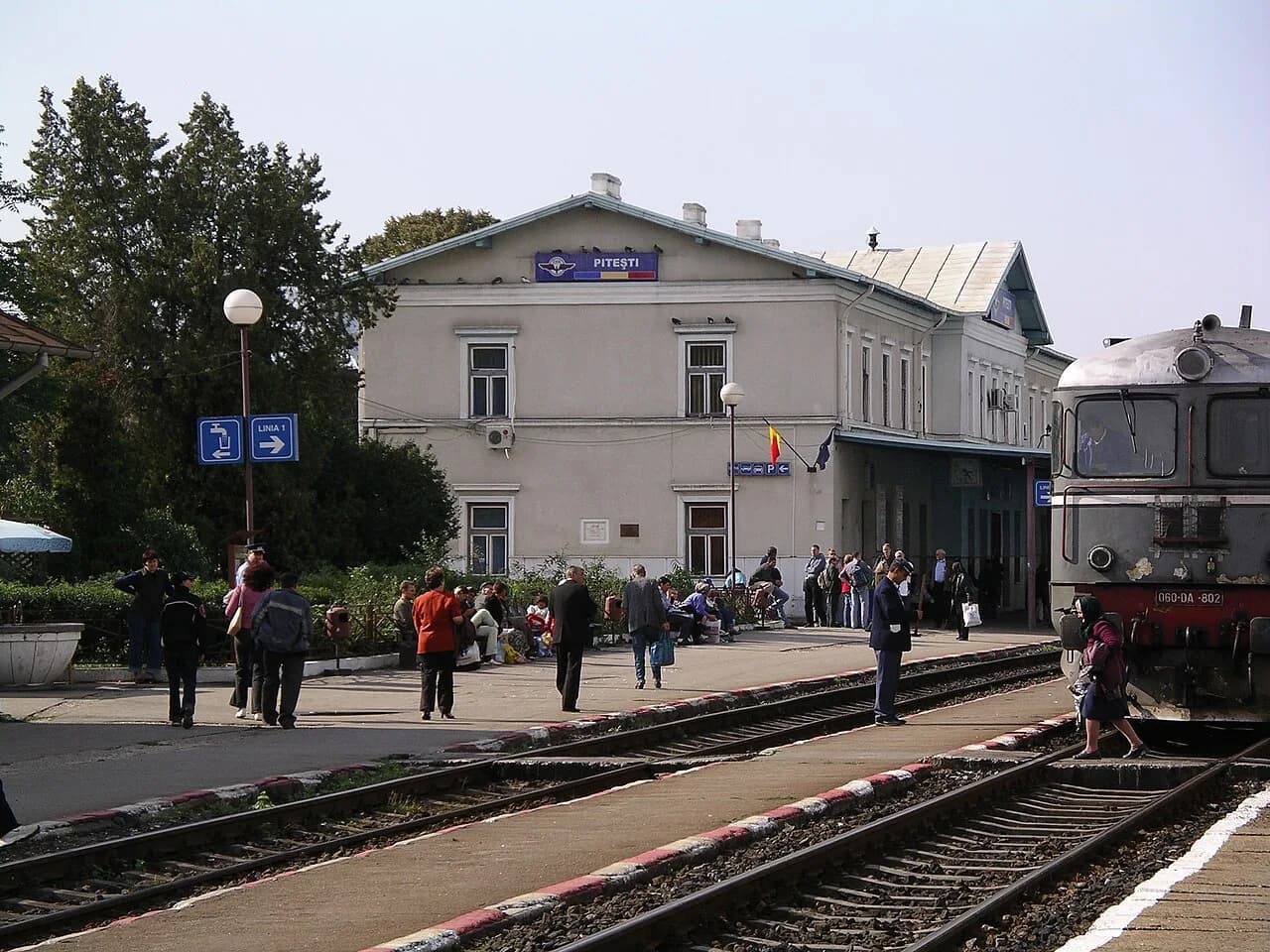
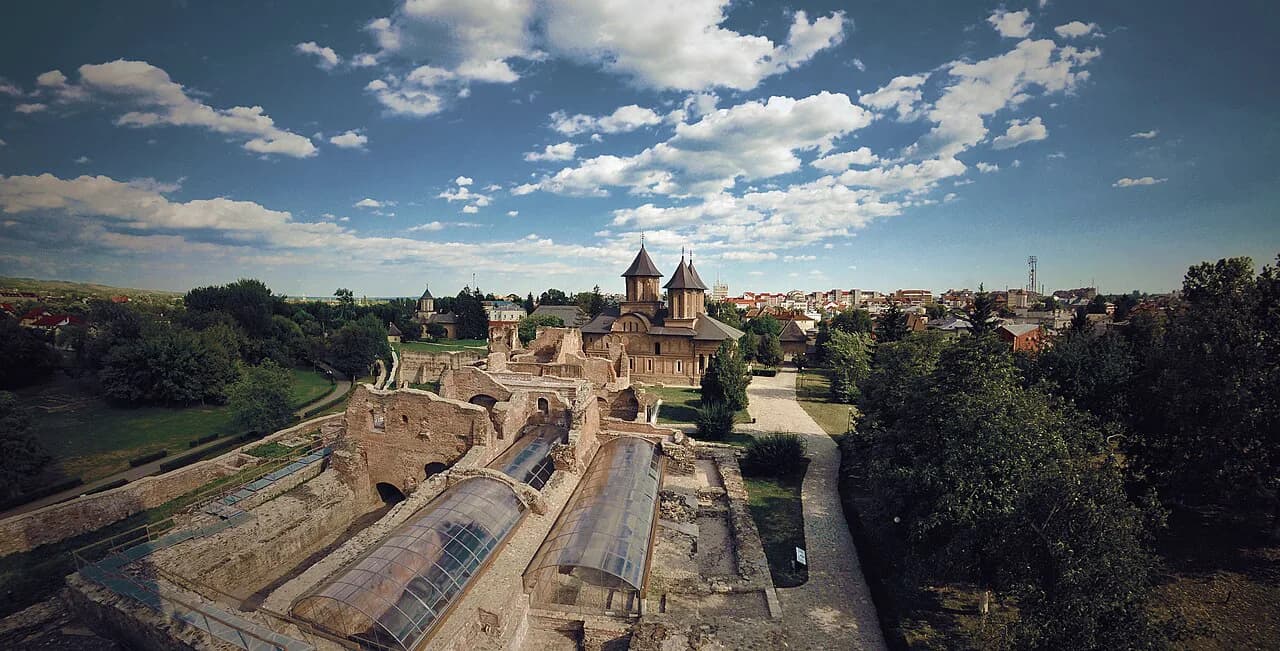
If your trip is heading west instead, Pitești: the Town Centre, Trivale Park and the Road to Curtea de Argeș covers the next town of comparable size on that axis, and Târgoviște to the south-west gives you another former capital to weigh against Ploiești.
Is the clock museum worth an hour in Ploiești?
Yes, if you are already passing through Ploiești and want one focused, indoor hour with a clear narrative. The collection is chronological, the astronomical clocks of 1544 and 1562 anchor the early rooms, and the pocket watches close the story. It is not a reason to build a whole trip around the city.
Check the day before you travel and go on a Tuesday to Sunday rather than a Monday. Take the address, Str. Toma Caragiu nr. 10, and give the displays an hour rather than a rushed twenty minutes.
Sources
Useful notes for your next trip
Optional updates to our guides.
You might also like
Continue reading
More guides you'll find useful