Sfântu Gheorghe, Danube Delta: Getting There and What to See
Sfântu Gheorghe sits at the southern mouth of the Danube Delta, reached by boat from Tulcea. What the village is like and how to plan the journey.
On this page
Sfântu Gheorghe is only worth the trip if you accept that the boat decides your day, not your car. The village sits on the southern distributary of the Danube Delta, reachable by water from Tulcea, so the crossing has to be planned first and everything else built around it. This guide covers which mouth you are heading for, how the boat and road approaches combine, what the village and its sea beach are like, and how long to give it.
It is a working fishing settlement on a sandy spit where the river finally meets the Black Sea, not a resort and not a museum piece. Come for the birds, the open water and the walk to the shore, and treat the village as somewhere to slow down rather than tick off.
Where Sfântu Gheorghe sits in the Delta
The river splits into three distributaries before it reaches the sea: Chilia in the north, Sulina down the middle and Sfântu Gheorghe in the south. Which branch you are on matters, because each mouth is a different journey with a different settlement at the end. The southern option puts you closest to the wild shore where the river ends.
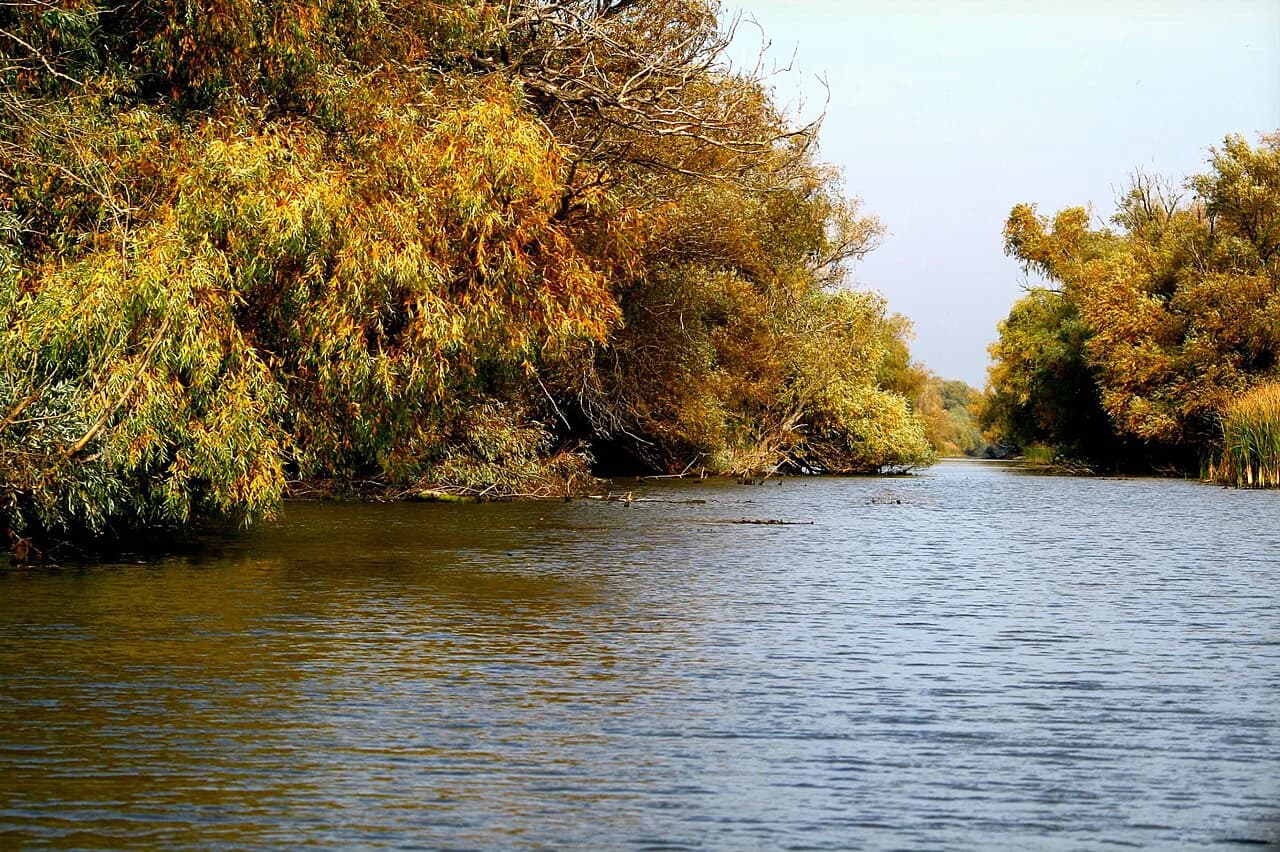
The whole area lies within the Danube Delta Biosphere Reserve, a UNESCO-listed wetland of rivers, canals, marshes, lakes and reed islands. That status explains why the wildlife is the main draw and why visitors move through by boat and on foot rather than by road. Plan your days around water, because that is how everything here connects.
Do not confuse this Sfântu Gheorghe with the town of the same name in Covasna county, deep in Transylvania. When booking transport, say plainly that you mean the village in Tulcea county on the Delta, and use the full Romanian name so timetables and booking desks recognise it.
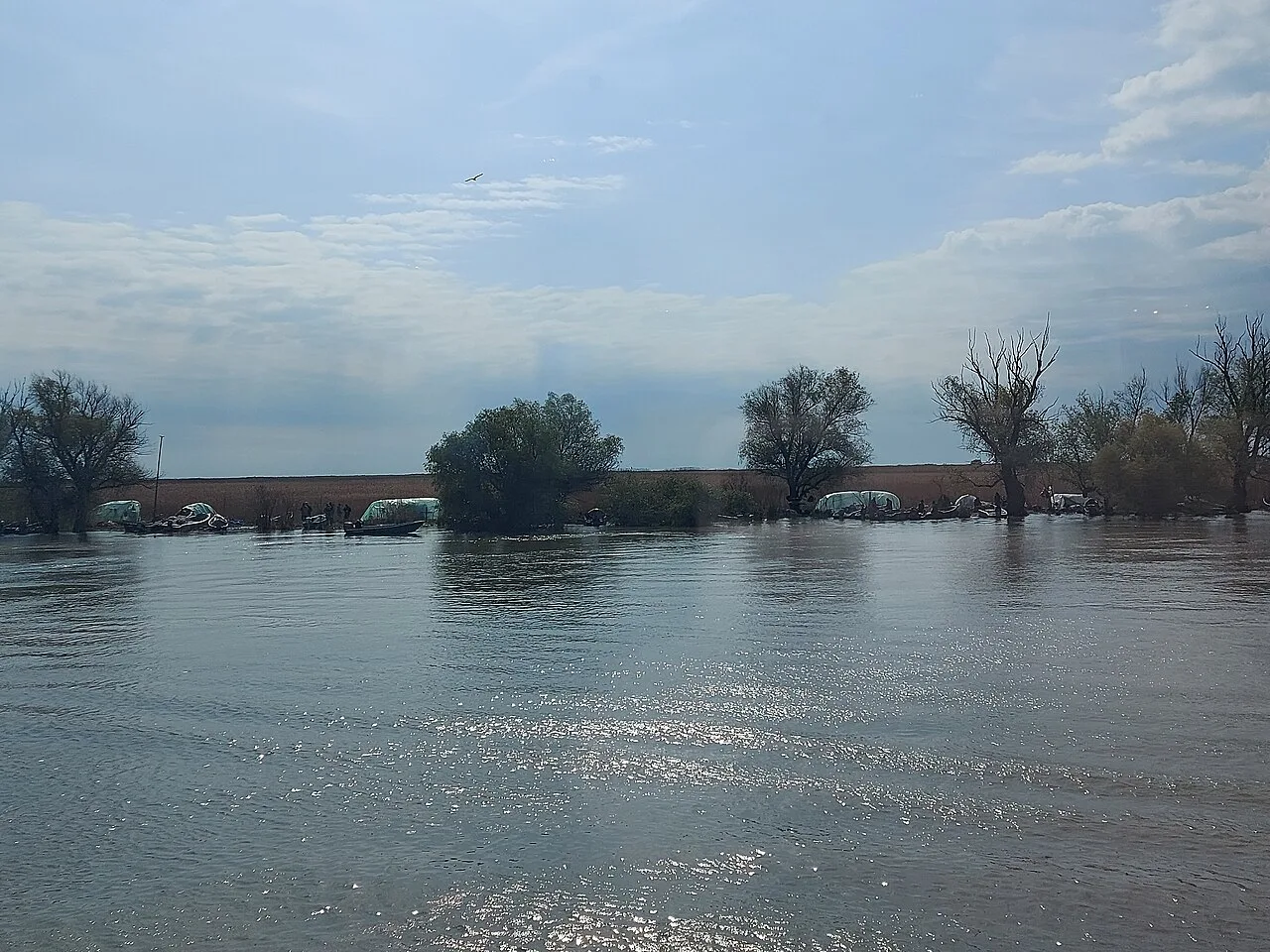
Getting there by boat from Tulcea
Tulcea is the gateway for almost every Delta journey, and the boat is the onward step after you reach it. Sailings follow the Sfântu Gheorghe branch south-east towards the coast, so confirm your place before you commit to anything else: the return leg sets your deadline.
Access is by water alone, from the administrative port at Tulcea or from smaller landings such as Murighiol and Mahmudia. The Murighiol approach shortens the water leg if you have a car to park at the landing, but it means checking two connections rather than one. For a first visit, the straightforward Tulcea sailing is easier to manage.
Boats on this route range from scheduled passenger vessels to open guided boats run by local operators. Tour operators such as Discover Danube Delta publish their day trips and multi-day programmes with what each includes, which helps you compare a dedicated tour with a plain crossing.
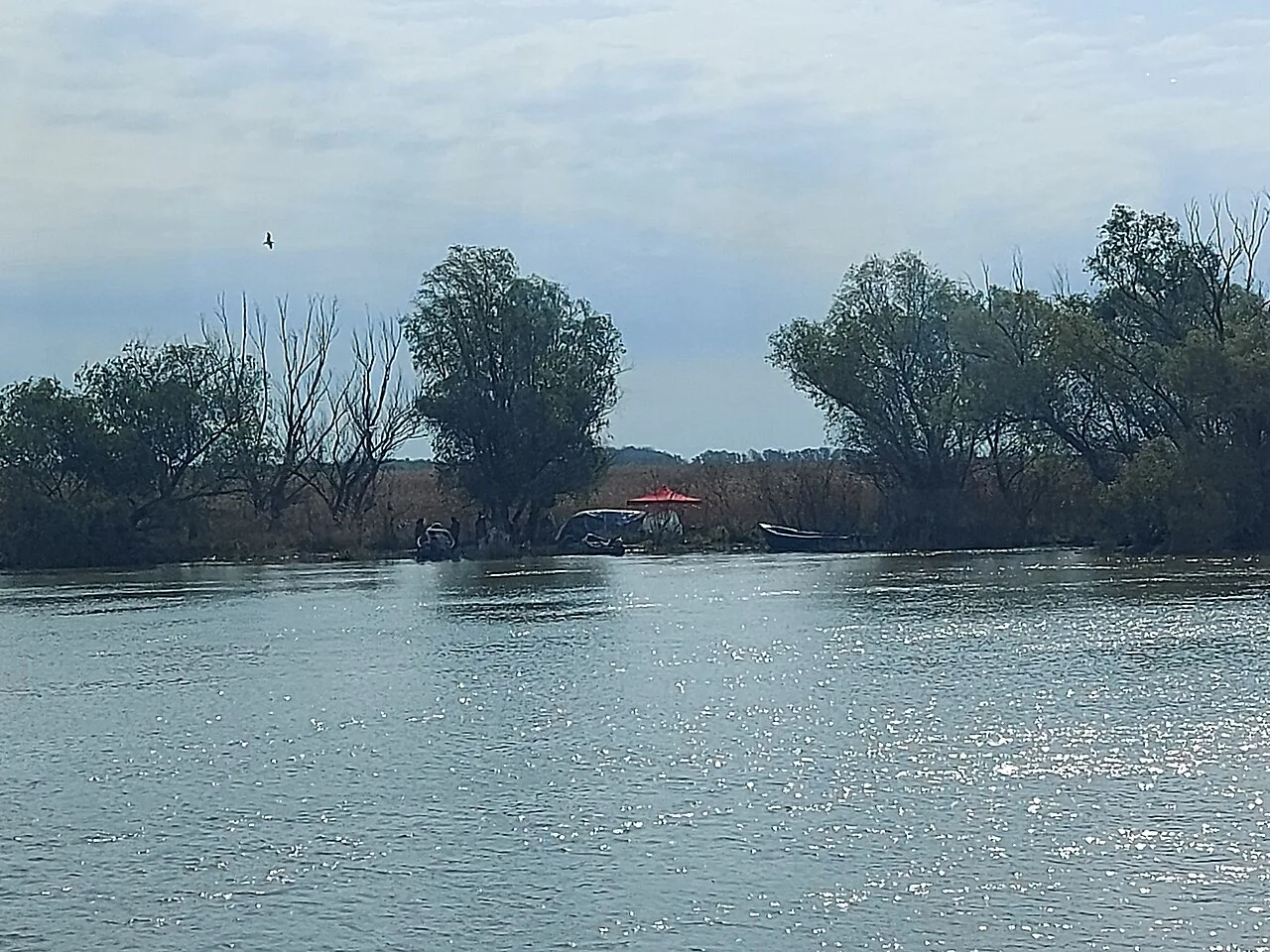
How long the boat takes and why there is no road
The village has no road connection, so the boat is the only way in rather than a scenic extra. That single fact governs the trip: you arrive when the boat arrives and leave when it leaves, with no option to drive yourself out early. Build the rest of the day around the sailing times you are given at booking.
Ask the boat company for the total time from the Tulcea landing to the village jetty, including any pickups at other landings, rather than the headline sailing time. Channels, reed beds and wildlife stops all stretch the journey, and a slow open boat is part of the experience rather than a delay. Carry water and a windproof layer, because the exposed water is cooler than the town.
Timetables shift with season, water levels and demand, so confirm your return sailing when you buy the outward ticket and again on the day. Booking through an operator who runs the route regularly is more reliable than turning up and hoping for space in high season.
What the village itself is like
Expect sandy lanes, low fishing houses with nets and boats outside, and a pace set by the river rather than by visitors. The settlement is small and walkable, so an hour's wander covers the core of it without a fixed circuit; follow the lanes towards the water and back.
The village church is the natural landmark to aim for when you orient yourself, and the surrounding streets give the best sense of how the community lives alongside the reserve. Treat houses and working boats as people's property rather than photo props, and ask before photographing anyone.
Facilities are limited, so treat the village as a base rather than a destination in its own right. Bring what you need for the day, and if you are staying overnight, ask your host what is available before you arrive.
The beach at the mouth and the walk to the sea
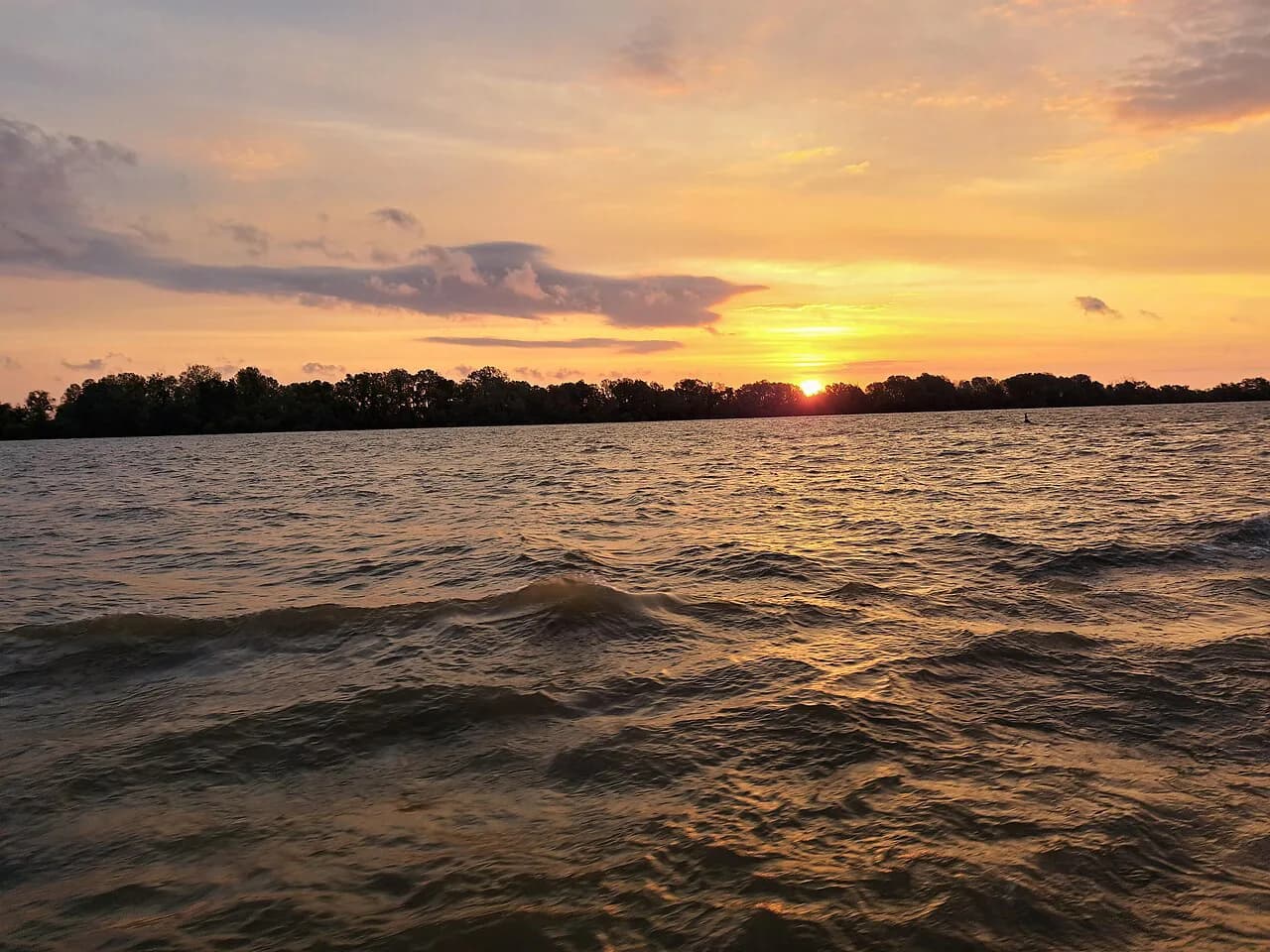
Many visitors come for the shore where the Sfântu Gheorghe branch empties into the Black Sea, a wide sandy beach beyond the village. The walk out is straightforward but exposed, so go early or late rather than at midday and take water and sun protection, since there is little shade on the spit.
This is a wild river mouth rather than a managed resort beach, with no rows of loungers and no lifeguard culture to rely on. Swimming is your own judgement, and currents near the mouth deserve respect. Most people come for the emptiness and the light rather than for a full beach day.
Time the walk so you are back at the jetty well before your sailing. Pairing a beach afternoon with a boat connection is where day-trippers come unstuck, so fix the return time first and work backwards.
Wildlife: pelicans, cormorants and the Letea forest
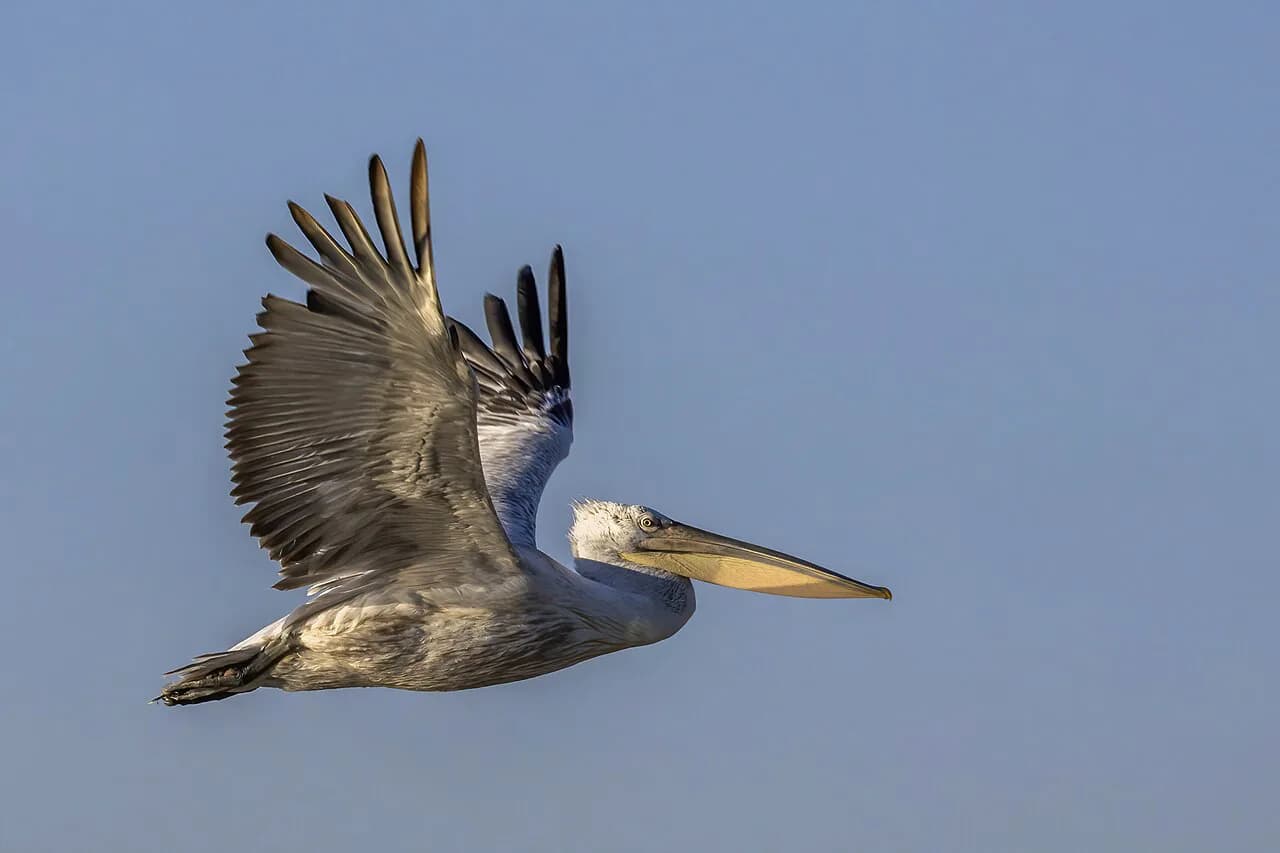
The Delta holds some 300 species of birds, including pelicans, cormorants, white-tailed eagles and glossy ibises, and it shelters over 60 per cent of the world's pygmy cormorants. Sightings are never guaranteed, but the channels around the southern branch are productive water, and spring and autumn bring migrating waterbirds through in numbers.
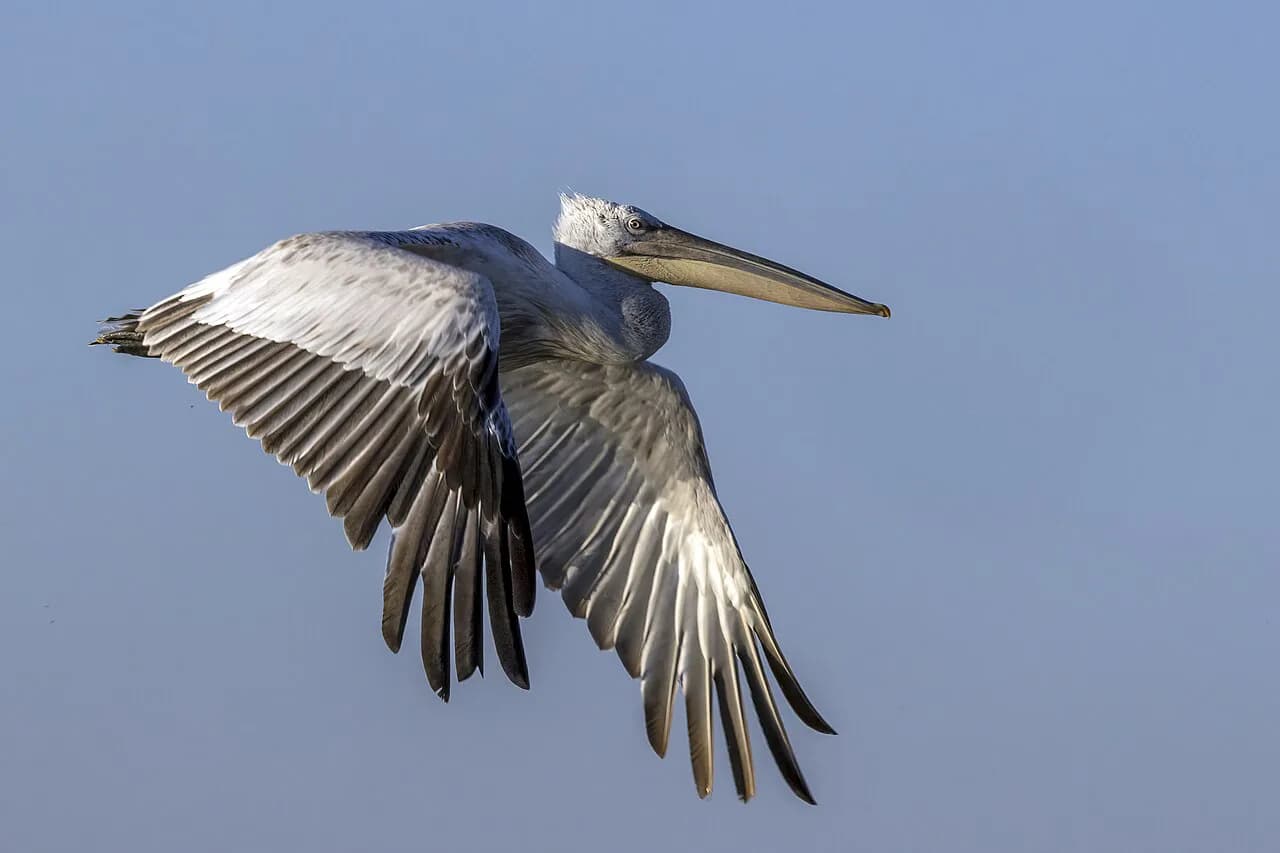
Two pelican species use these wetlands alongside herons, storks and terns, and the season shapes what you see far more than the route does. Ask your operator which species are present in the weeks you plan to travel, because a guide reading the water levels will know where to look.
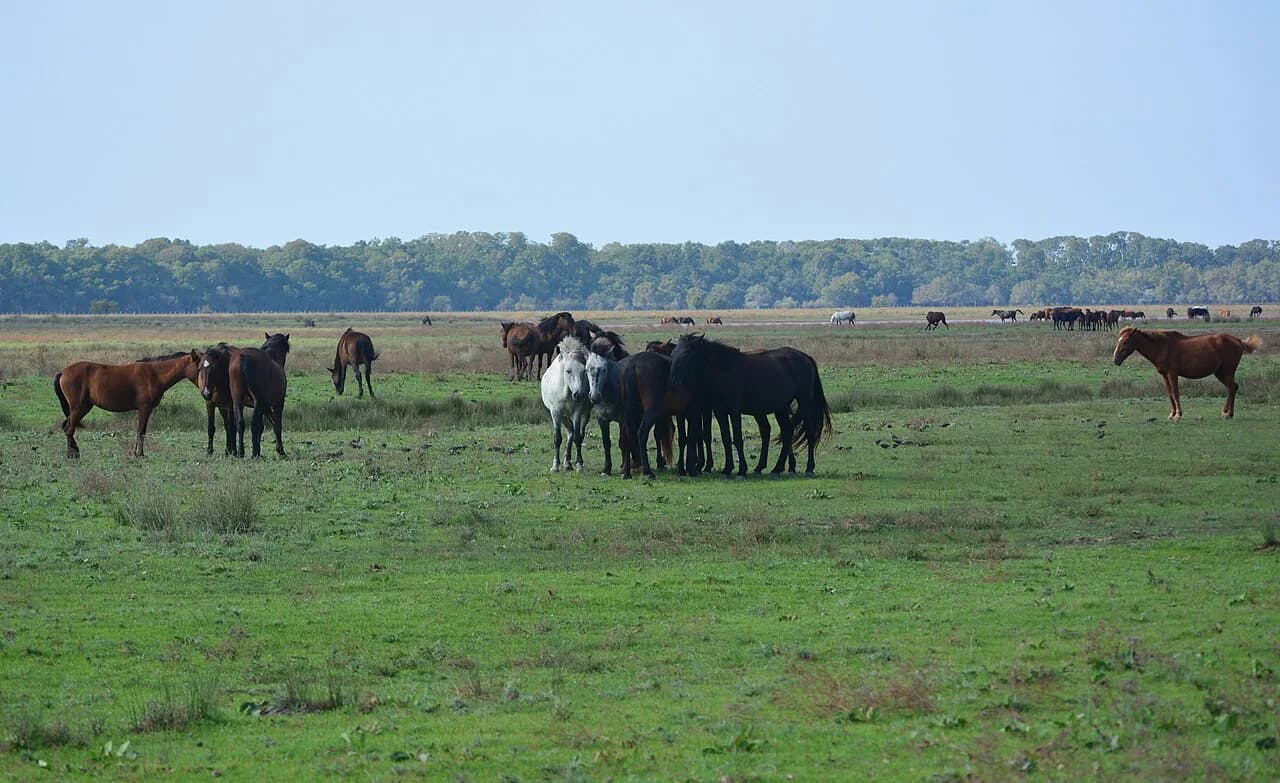
The Letea forest, with its grazed woodland and distinctive trees, is one of the Delta's best-known landscapes and is usually visited as a separate excursion rather than on foot from Sfântu Gheorghe. Guided day trips combine the forest with village stops and channels, and some run out of Tulcea. Check what a tour actually includes before you book it.
A day trip or a night in the village
A day trip gives you the boat journey, a walk through the village and a stretch of time on the shore, but little slack if a sailing runs late. An overnight stay trades comfort and choice for the chance to see the village quiet in the evening and the water at first light, when birdlife is most active. If wildlife is your priority, the overnight is the better use of the journey.
Staying also removes the pressure of a single return boat, since you can take a later sailing the next day and use the afternoon for a guided channel trip. The trade-off is that beds are scarce in a village this small, so book well ahead in season.
Getting to Tulcea from Bucharest or Constanța
Tulcea is the practical gateway, and most travellers reach it by road or rail from Bucharest or Constanța before switching to the water. Allow a night in Tulcea before an early sailing rather than trying to connect a long journey with a boat on the same day. The town's waterfront and its position at the head of the Delta make a few hours there worthwhile.
With a car, the drive to Tulcea and on to the Delta landings is straightforward, but the car stops at the water's edge, so park at the landing or in town and continue by boat. Confirm the last service if you are arriving late in the day.
Where to go next in the Delta
Sulina, the Delta's one town, sits at the central mouth and offers a different experience: a river town with a long waterfront and a mix of historic buildings. It is reached by boat from Tulcea and makes a natural second stop. Further into the Delta, the fishing village of Mila 23 is a common base for guided excursions.
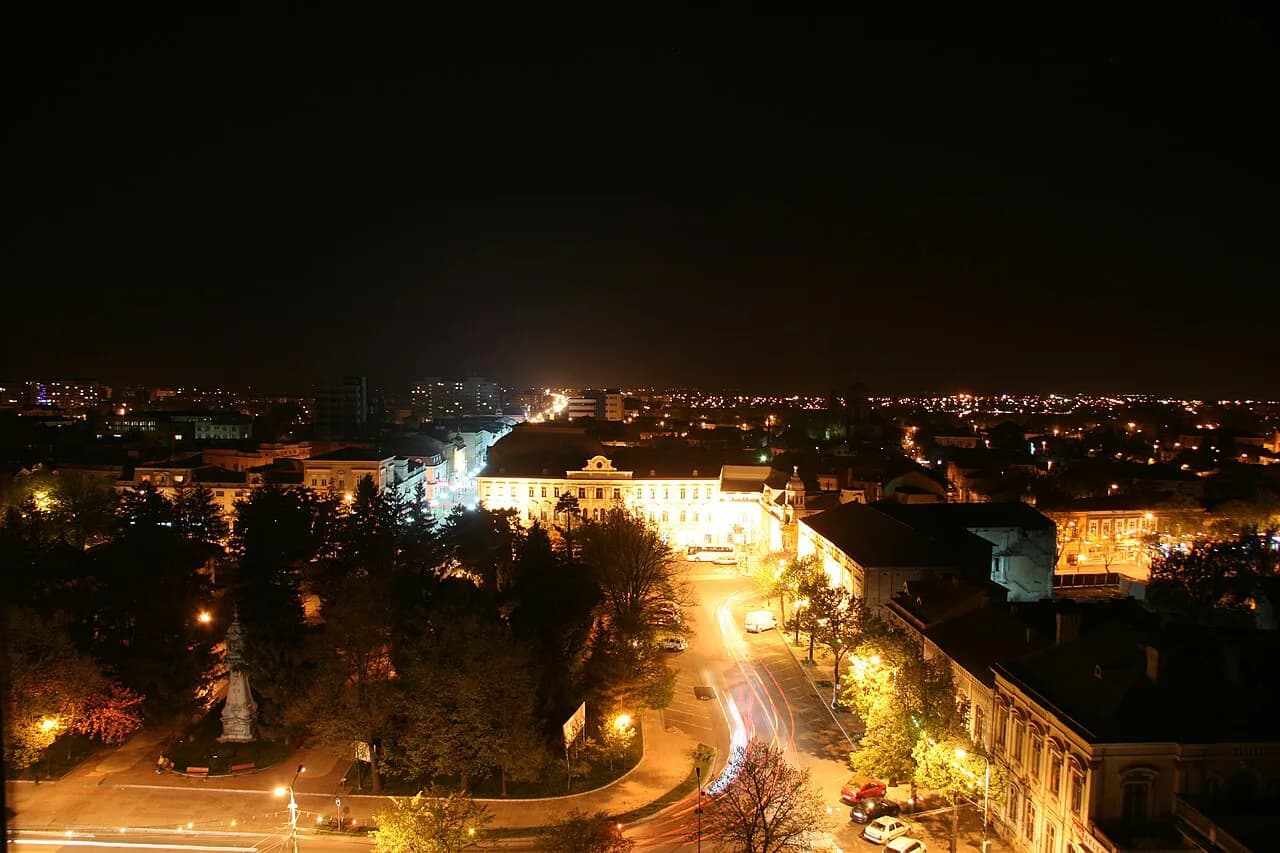
If you head west afterwards, port towns such as Brăila have old centres and riverfronts worth a stop on the way back towards Bucharest. It is a different kind of Danube trip, with streets and architecture rather than channels and reeds.
Is Sfântu Gheorghe worth the boat journey?
Yes, if you want a small, quiet fishing village, a wild beach at the river's mouth and good birdlife within a short boat ride of Tulcea. No, if you need a road, a full afternoon of sights or guaranteed wildlife, because the village offers none of these and the boat sets your schedule.
Book the outward and return sailing first, decide between a day trip and an overnight second, and let the water decide the rest.
Explore more Danube Delta guides
Frequently Asked Questions
Can you drive to Sfântu Gheorghe in the Danube Delta?
No. Access to the village is by water, from the administrative port at Tulcea or from smaller Delta landings such as Murighiol and Mahmudia. You can drive to those landings and park, but the last leg is by boat.
What is there to do in Sfântu Gheorghe?
Walk the sandy lanes and see the fishing houses and church, take the path to the beach at the river's mouth, and use the village as a base for birdwatching and guided channel trips. Sightings are not guaranteed.
Should you stay overnight or visit Sfântu Gheorghe as a day trip?
An overnight gives you the village in the evening and the water at first light, when birdlife is most active, and frees you from a single return sailing. A day trip covers the crossing, the village and some time on the shore but leaves little slack. Beds are limited, so book ahead in season.
Sources
Useful notes for your next trip
Optional updates to our guides.
You might also like
Continue reading
More guides you'll find useful