Prahova Valley: Sinaia, Bușteni, Azuga and Predeal for a Stop-off
The Prahova Valley links Sinaia, Bușteni, Azuga and Predeal between Bucharest and Brașov. Here is what each town offers and how to stop off by train.
On this page
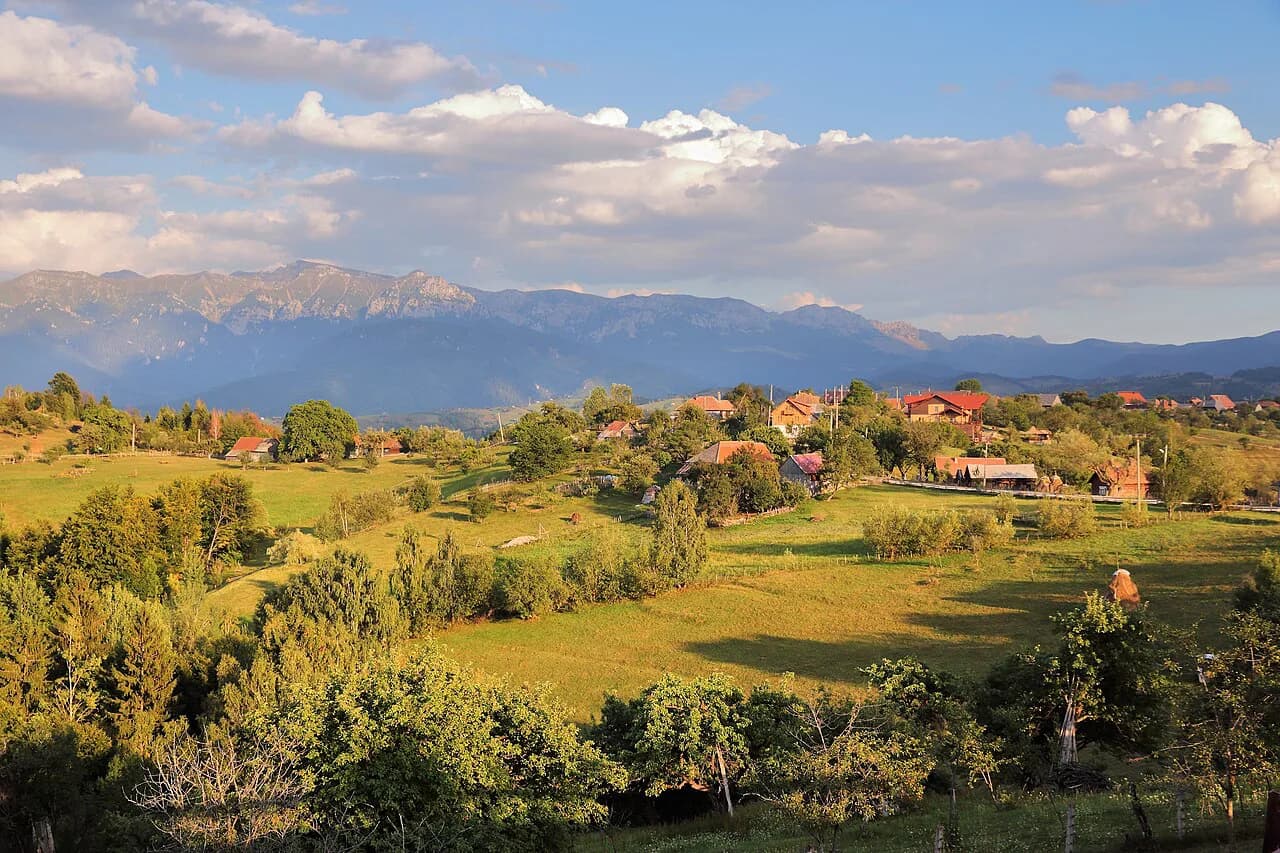
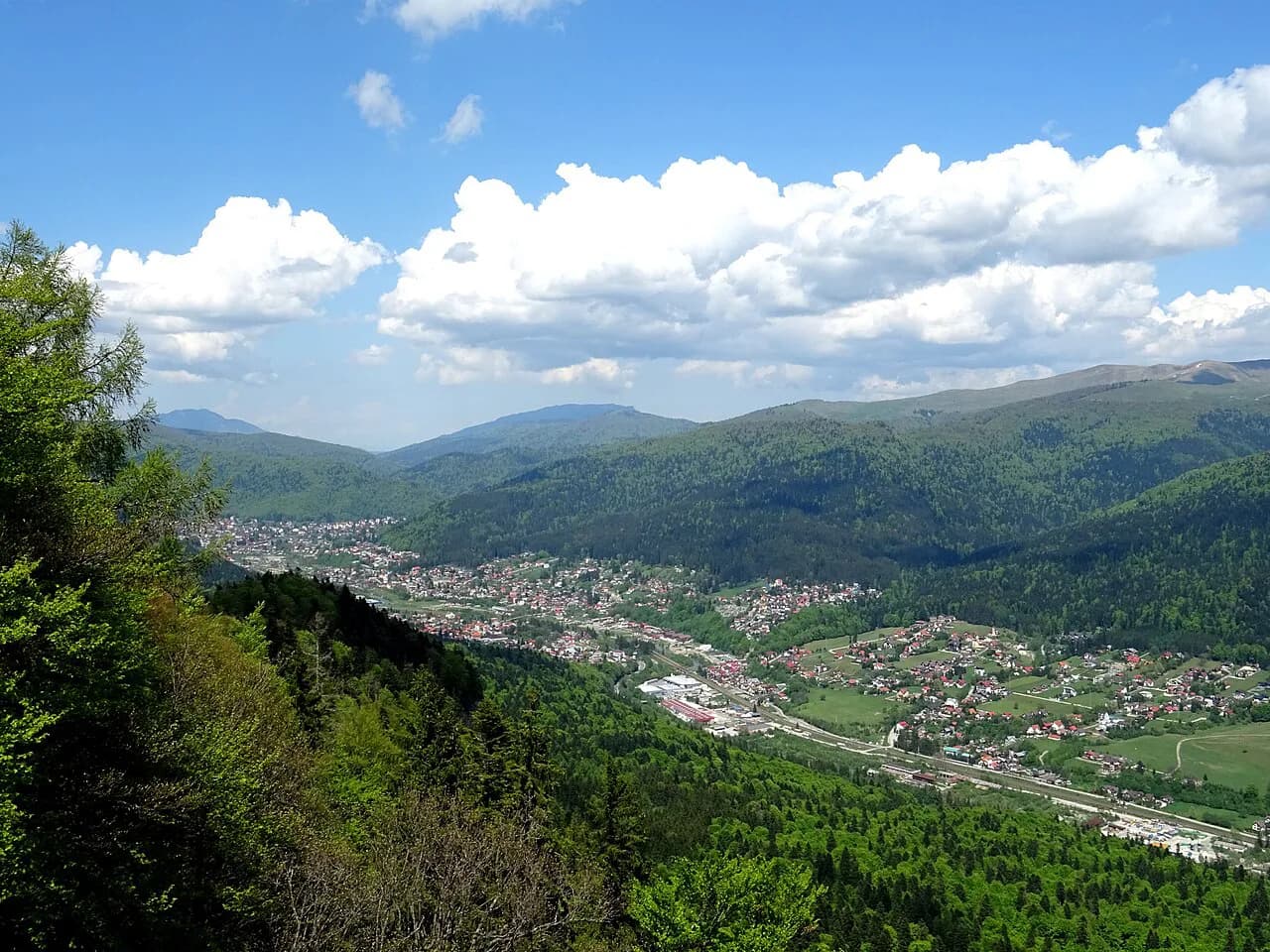
The Prahova Valley is a tourist region of about 4,716 square kilometres lying roughly 100 km north of Bucharest, and its towns string along the rail corridor that continues to Brașov. That position makes it the easiest mountain scenery to add to a city break: you can step off a train at Predeal, Azuga, Bușteni or Sinaia without a car. This guide separates the four valley towns, says what each is set up for, and shows how to build a stop-off into the journey between the capital and Brașov.
Where the Prahova Valley sits on the Bucharest–Brașov route
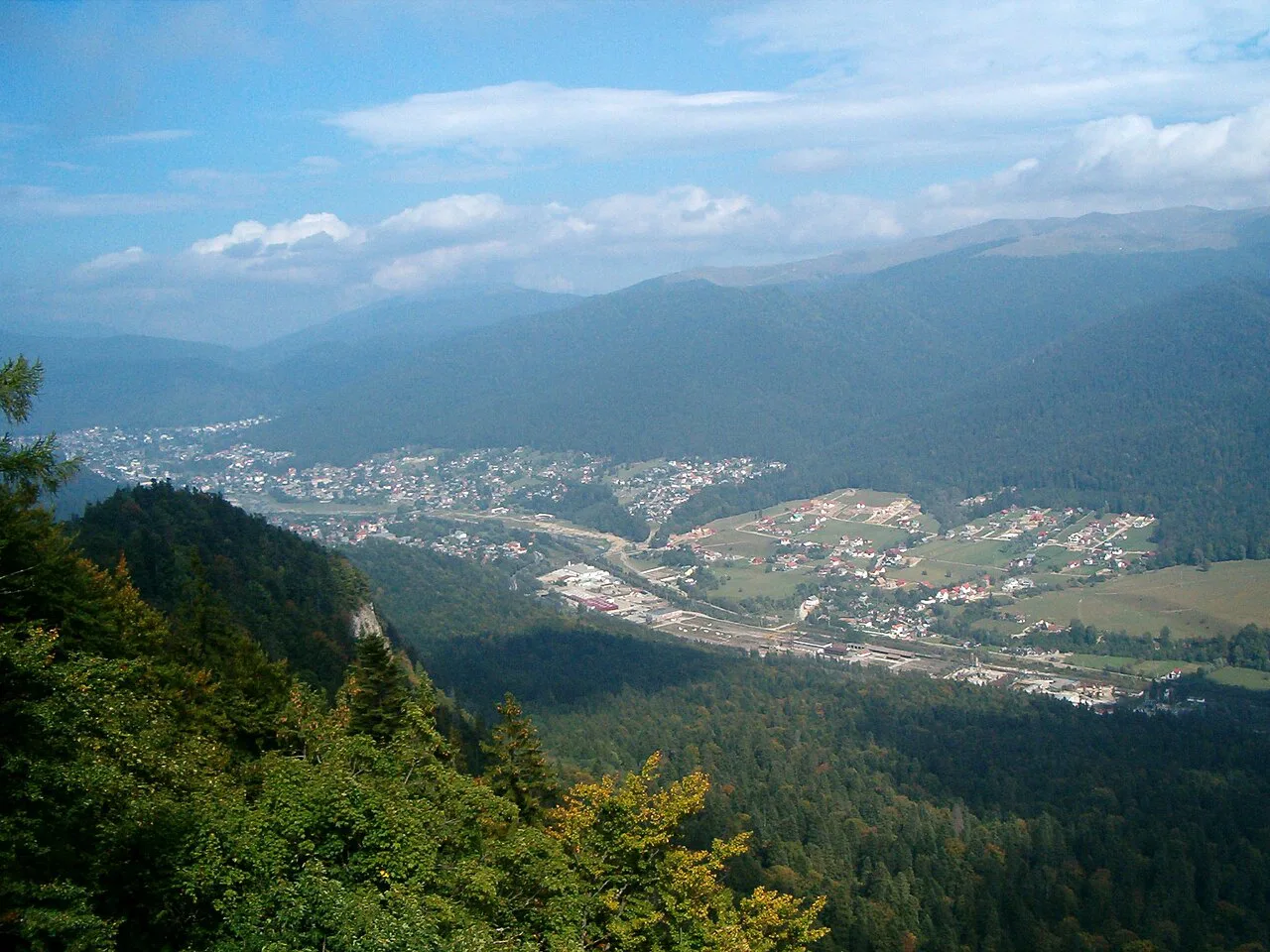
The valley is a tourist region lying about 100 km north of Bucharest and covering some 4,716 square kilometres. Its resort towns are spaced closely together, which is why the valley works as a chain of short stops rather than a single destination. Pick your towns by what you want from the day: altitude, slopes, a palace or a town.
Coming from Bucharest, Predeal is the first of the valley towns on the line, before it continues to Brașov. If you are travelling between the two cities anyway, a single stop in the middle costs you little more than staying on the train. The trade-off is luggage: valley stations are small, and hauling a suitcase around a resort for a few hours is the main argument for travelling light or leaving bags in Brașov or Bucharest.
Which towns sit on the valley: Sinaia, Bușteni, Azuga and Predeal
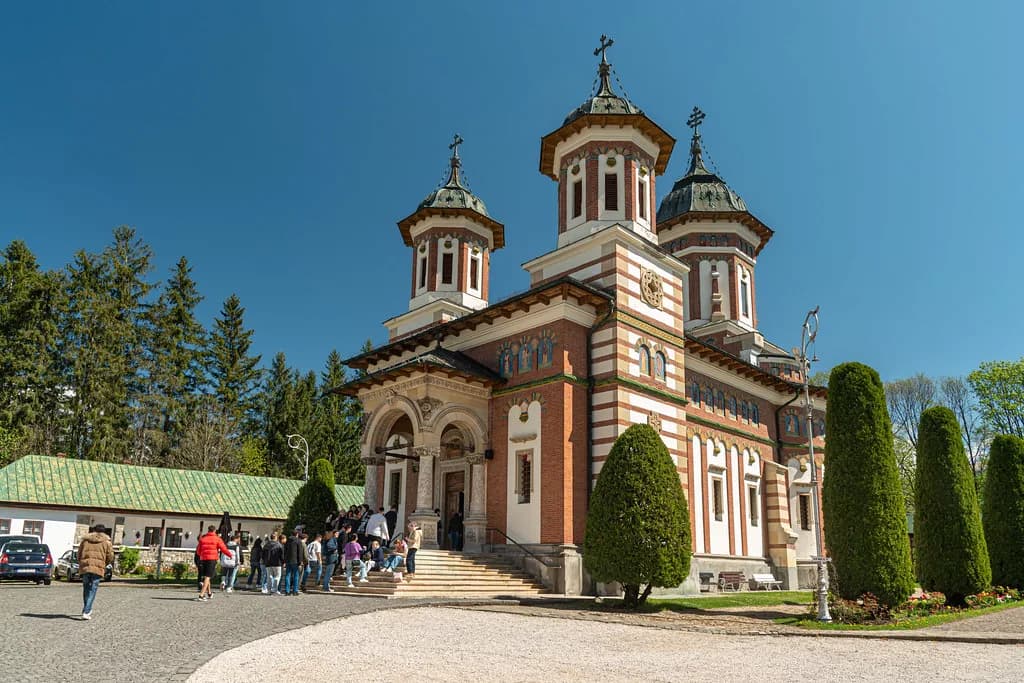
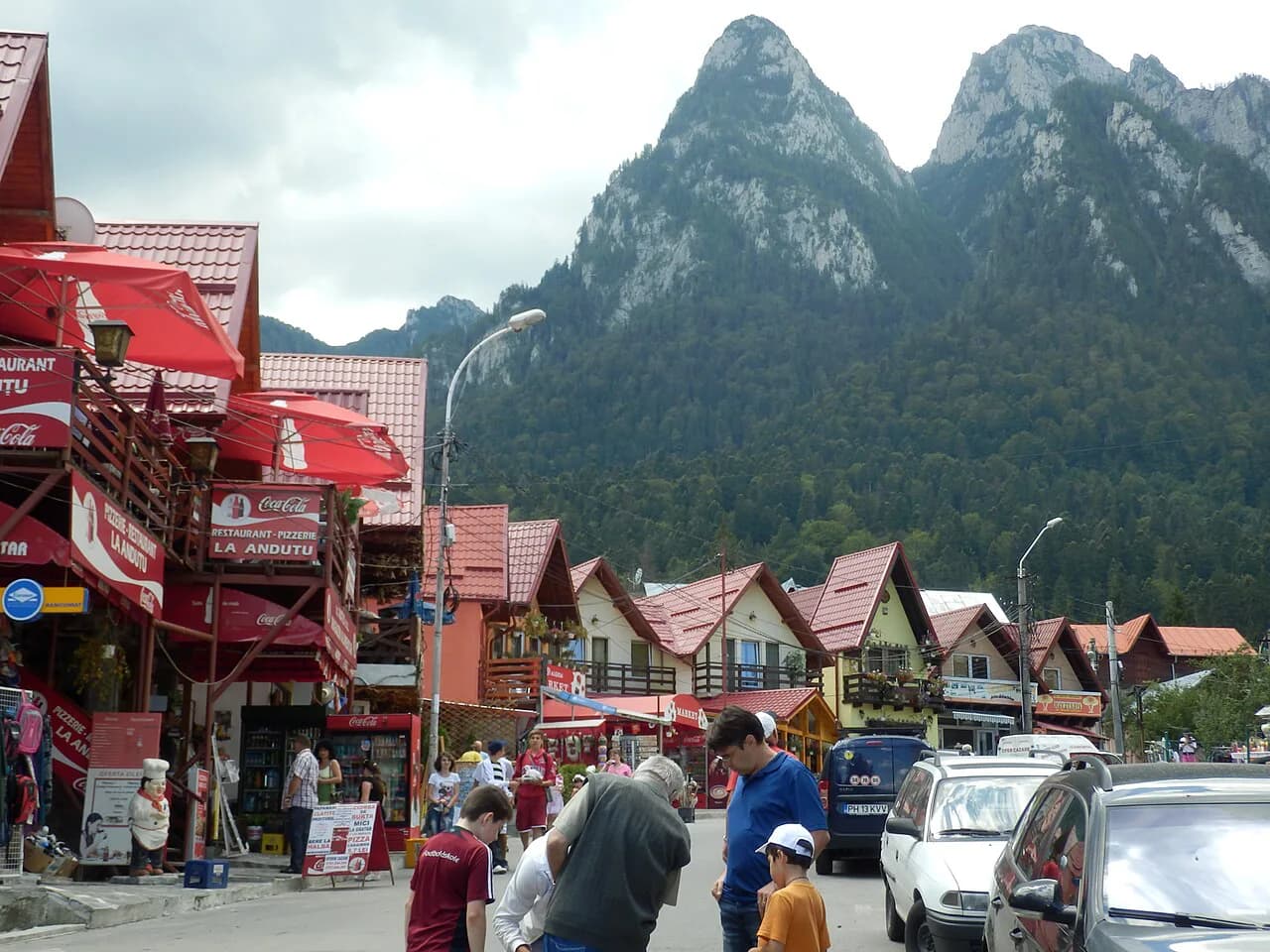
Four places carry almost all of the valley's visitor traffic: Sinaia, Bușteni, Azuga and Predeal. They differ sharply. Sinaia is a full town with the deepest sightseeing, Bușteni is the base for the Bucegi and holds Cantacuzino Palace, Azuga is a small resort with slopes and historic cellars, and Predeal is the highest of them. Choosing between them is mostly about how much time you have and whether you want a town or a mountain base.
Sinaia deserves the most time and has its own guide covering the monastery, Peleș and Pelișor; Bușteni likewise has a full guide to its mountain side and Cantacuzino Palace: Bușteni: A Practical Guide to the Prahova Valley's Mountain Town. The two smaller resorts, Azuga and Predeal, need less planning and reward a shorter visit. A sensible split for a first trip is a full day in Sinaia and half a day each for Bușteni and one of the smaller resorts.
Predeal: altitude, mountain setting and what the resort is set up for
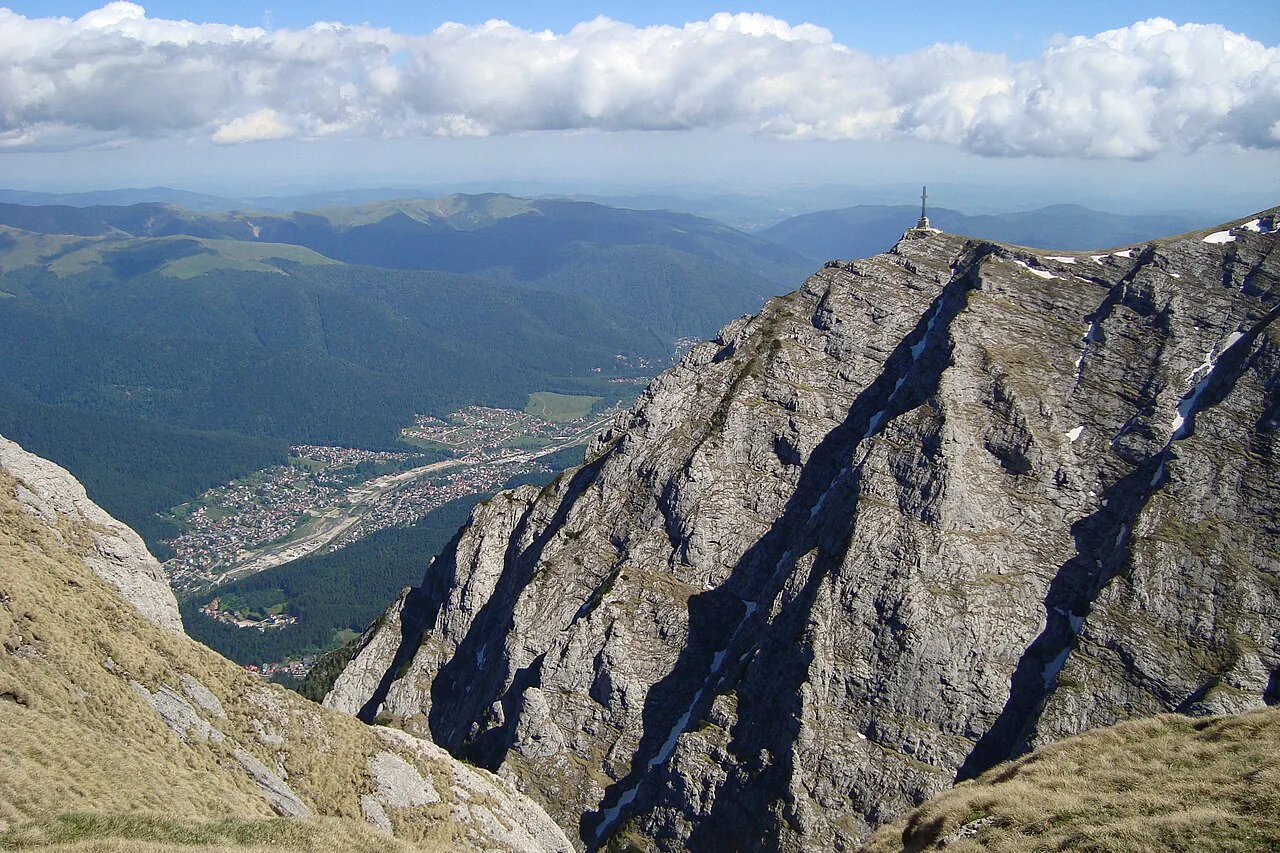
Predeal sits at 1,030 to 1,110 m, the highest of the valley towns, and its reputation rests on winter sports and mountain air. Visitors find five ski slopes of varying difficulty, a cross-country ski route on Valea Rasnoavei, marked mountain trails and ski lifts. In season that makes it a working resort; out of season it is quieter and the appeal shifts to the setting itself.
The resort is also a starting point for routes onto the mountains around it, including Piatra Mare, the Bucegi and Postăvarul. Those are serious upland walks rather than strolls from the platform, so treat Predeal as a base for a mountain day or a short look at the resort rather than a place to fill a long afternoon in the town. If your interest is the high ground above the valley, the Bucegi Mountains guide covers the terrain in more detail.
Out of season, be candid with yourself about what remains. Predeal's published identity is winter sport, and the slopes and lifts are its headline offer; the town itself is small. A two-hour walk between trains is enough to get the measure of it, and longer only makes sense if you are heading onto a marked trail.
Azuga: slopes, cable installations and the wine cellars
Azuga lies lower, at about 950 m at the foot of the Bucegi, and combines a small ski area with an unusual second identity. The resort has seven slopes totalling seven kilometres, served by seven cable installations, and its Sorica slope runs 2,100 m with a descent of 561 m, the first Romanian slope authorised by the International Ski Federation. Those figures make it a compact winter base rather than a large resort.
The cellars at Azuga were founded in 1892 and made sparkling wine by the champenoise method, and the wine was served at King Ferdinand I's Coronation in Alba Iulia in October 1922. That history is the reason the cellars appear in accounts of the valley at all. In summer, the surrounding heights are also used for cyclo-cross and as a start for routes into the Bucegi or Baiului mountains.
Treat the cellars as a side interest rather than the reason to come, and confirm visiting arrangements directly with the cellar before you build a stop around it. The same applies to the slopes: outside winter they are scenery, not a service. Azuga suits a short pause between trains, with the wine history as the extra rather than the main event.
Bușteni and the Cantacuzino Palace at the foot of the Bucegi
Bușteni is the valley's mountain town, sitting under the Bucegi, and it carries two distinct draws: the high ground above it and Cantacuzino Palace. The two are separate outings, so decide before you arrive whether you are going up or staying in town. Bușteni: A Practical Guide to the Prahova Valley's Mountain Town sets out the mountain side in full.
The palace is the reason many travellers get off here at all. Whether you can go inside is a separate question from whether it is worth the stop: visiting access depends on the administrator of the Cantacuzino Palace in Bușteni, so the park and the exterior are the sure part of any day built around it. If you are combining the palace with the high ground, look at mountain conditions before committing to both in one afternoon.
Cantacuzino Palace: the park, the interior and what you see inside
Cantacuzino Palace was built in 1911 for Prince Gheorghe Grigore Cantacuzino, known as the Nabob, a former Romanian minister between 1899–1900 and 1904–1907. It is built of stone and brick in the Neo-Romanian style and stands in a park laid out with alleys, waterfalls, artesian fountains and a grotto. Inside, the rich decoration and stained glass are the features that justify the visit.
The park and the decorative interior are the two parts to see, and the report of rich decoration and stained glass is what separates the palace from an ordinary country house. Opening days, ticket prices and any guided visits are set by whoever administers the palace, so check current access on the day rather than relying on an old figure.
Sinaia as the main stop-off on the line
Sinaia is the valley's principal stop and the one that can fill a day on its own. It is a town rather than a resort strip, with the monastery, Peleș and Pelișor as its core sights and enough streets around them to absorb a slow morning. If you only make one valley stop between Bucharest and Brașov, make it this one.
The practical constraint at Sinaia is time, not capacity of this page: check the opening days and ticket arrangements for Peleș and Pelișor before you travel, as these are the sights most likely to shape your day. Arrive on an early train and go to the palaces before the town. If you want to spread the town over more than one day, the Sinaia Attractions: 6 Visitor Guides collection breaks the sights into individual pages.
How to reach the valley towns by train from Bucharest and Brașov
The valley is served by the main line between Bucharest and Brașov, with Sinaia, Bușteni, Azuga and Predeal each having a station. From either end of the route, you board a train heading for the other city and get off at your chosen town; the towns come in sequence, so a stop is simply a break in the same journey. For a stop-off, buy a ticket to your town rather than through to the far end and buy the onward leg when you arrive.
Timetables and fares change by season and operator, so check them before you travel. A car gives more freedom for the cellars and the palace at Bușteni, but parking in Sinaia in high season is the usual frustration. For a one-town stop, the train is the lower-risk choice.
How long to give each town and which stops work in a single day
Sinaia justifies a full day if you want both palaces and the monastery, and a half day if you content yourself with one interior. Bușteni needs half a day for the palace, its park and anything else you add. Azuga and Predeal each work as a two-hour pause, enough for the resort centre and, at Azuga, a look at the cellars if arrangements are confirmed.
A single day allows one substantial stop plus one short one, and no more. Trying to see Sinaia, Bușteni and Predeal between two trains produces a day of platforms and little else. Pick Sinaia as the anchor, then add Predeal or Azuga only if your timetable has slack.
Stopping off on the way between Bucharest and Brașov: the trade-offs
The trade-off is simple: every hour in a valley town is an hour not spent in Brașov or Bucharest, and Sinaia's main sights are palaces and a monastery that reward unhurried time. A stop works best when you are already moving between the two cities and can break the journey without adding a hotel night. If you are based in one city, a there-and-back trip to Sinaia is still worthwhile but eats more of the day.
Luggage, weather and timing decide most of these choices. Valley towns are small enough to walk, but a wet day removes the park and mountain options and leaves the interiors crowded. Check the forecast before you commit to Bușteni's high ground and keep a palace visit as the fallback.
Prahova County vineyards and wine tasting
Prahova County also has vineyards, listed on TripAdvisor under Wineries & Vineyards in Prahova County, where Crama Serve Ceptura, Crama Budureasca and Pensiunea Rhein appear at the top of that user-review ranking. These sit in the county rather than on the valley rail line, and they are not a reason to come to the Prahova Valley. Treat wine tasting as a side option if you are driving and have a spare afternoon.
Opening hours, tour arrangements and tasting charges are set by each winery, so contact them directly before planning a detour. Without a car, the county's wineries are awkward to reach from the valley stations. Most travellers will get more from the extra hours in Sinaia or Bușteni than from a vineyard run.
Practical limits: winter resort focus and out-of-season trade-offs
Predeal and Azuga are built around winter sport, and out of season their slopes and lifts are not the attraction they are in January. What remains is the setting, the walking from the towns and, at Azuga, the cellar history. If you want a resort experience with facilities running, come in winter; if you want a stop between trains, the smaller resorts give you that at any time of year.
Sinaia and Bușteni carry the valley outside winter because their main sights are buildings rather than pistes. That is the honest reason the classic itinerary weights them so heavily. Plan the small resorts as scenery and pauses, and put your sightseeing hours where the interiors are.
Travellers coming from the UK or Ireland should also allow for the altitude: Predeal's 1,000 m-plus setting means cooler, changeable conditions than Bucharest, even on a day when the capital is warm. A jacket carried for the mountains is not wasted.
Which valley town to choose for your stop
Choose Sinaia if you have one stop to spend and want palaces and a town; add Bușteni if you can give the palace an afternoon. Predeal and Azuga are short pauses, best in winter or as a look at the mountains from the platform.
Build the stop into a Bucharest–Brașov train journey rather than adding a separate round trip, buy tickets as you go and confirm palace entry arrangements before you travel. The valley rewards a traveller who picks two towns well over one who tries to tick off four.
Explore more Sinaia guides
Frequently Asked Questions
Can you visit the Prahova Valley by train?
Yes. Sinaia, Bușteni, Azuga and Predeal all have stations on the line between Bucharest and Brașov, so a valley stop is a break in the same journey. Check timetables before you travel, as services vary by season.
How far is the Prahova Valley from Bucharest?
The valley region lies about 100 km north of Bucharest. The individual towns sit at different points along it, with Predeal the first of the valley towns when approaching from Bucharest and Sinaia further on toward Brașov.
Is the Prahova Valley worth visiting outside ski season?
For Sinaia and Bușteni, yes: their main sights are buildings and interiors rather than pistes, though you should confirm access to Cantacuzino Palace and the Sinaia palaces before you go. Predeal and Azuga are built around winter sport, so out of season they work better as short pauses or starting points for mountain walks than as full days in themselves.
Sources
Useful notes for your next trip
Optional updates to our guides.
You might also like
Continue reading
More guides you'll find useful