Sinaia: Peleș Castle, the Monastery and How Long to Stay
Plan a Sinaia visit around Peleș and Pelișor castles, the monastery and the cable car, with walking times, how long to stay and the train from Bucharest.
On this page
Sinaia needs one full day for Peleș Castle, Pelișor Castle and the monastery, or two if you want the cable car to the upper mountain station and an unhurried walk through the centre. The town is small enough to cover on foot, with the station, Dimitrie Ghica Park and Carol I Boulevard (Bulevardul Carol I) forming a line you can walk in a morning.
The town sits in Prahova County on the Prahova valley, between Bucharest and Brașov, and the railway line that connects those two cities is how most visitors arrive. Expedia notes that Sinaia is most accessible by train from Bucharest and that most attractions are within walking distance of one another once you are there. That combination makes it an easy stop on a Brașov–Bucharest route rather than a place that needs a car.
Sinaia in a nutshell: a monastery town with royal palaces above it
Sinaia grew around the Sinaia Monastery, founded in 1695, and the town takes its name from Mount Sinai; Expedia describes the monastery as the origin of both the settlement and its name. The monastery sits in the lower town, and the royal residences sit higher up the slope, so the day works best as a walk uphill and a drift back down.
Peleș is usually described as a castle but is a palace built for Carol I, Romania's first king. Knowing that shapes what you are paying to see: state rooms, themed interiors and an armoury rather than a fortress. The mountain setting is part of the visit, and the buildings sit among wooded slopes above the town.
How Sinaia fits a Brașov–Bucharest route
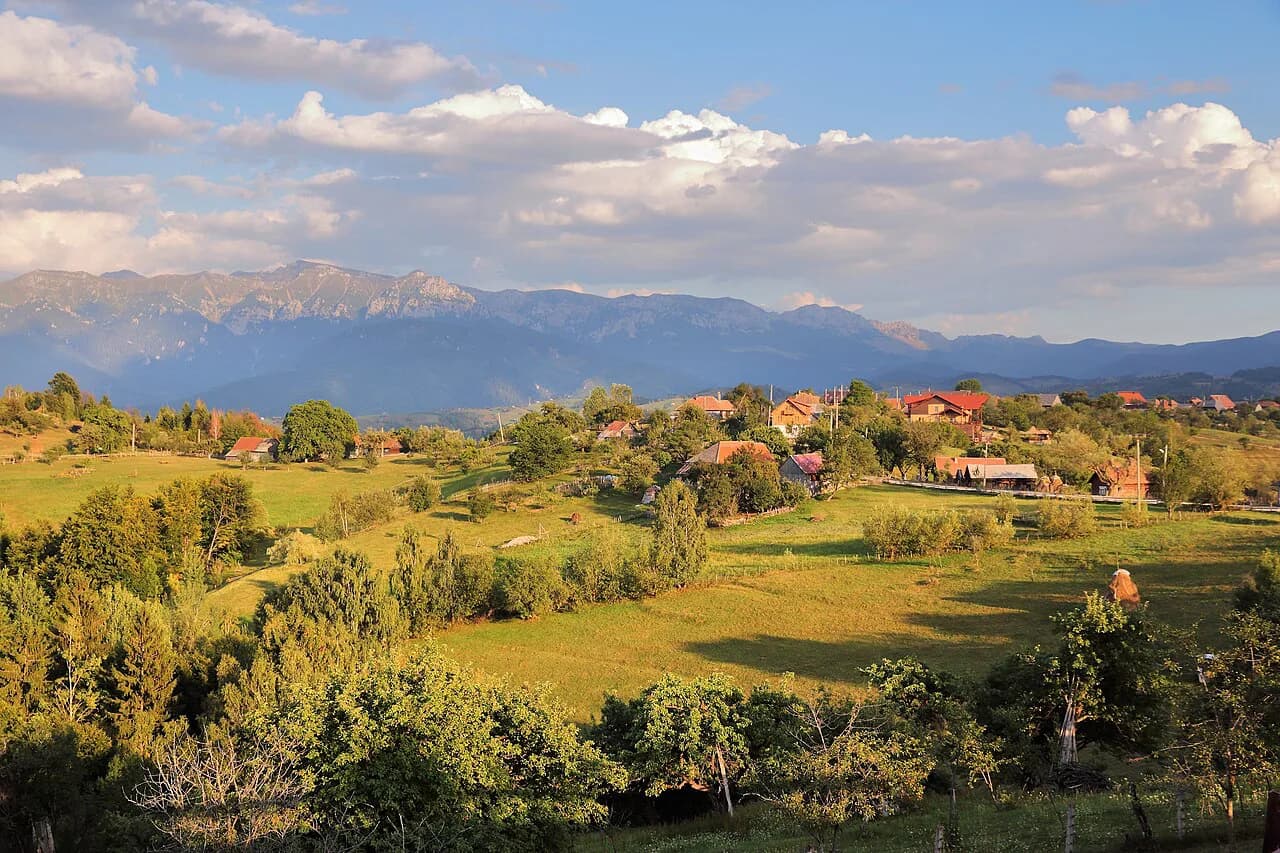
Sinaia lies on the Prahova valley corridor between Brașov and Bucharest, so it slots naturally into a trip between the two. The practical pattern is a night or two in Sinaia between stays in Brașov and Bucharest, arriving by train and leaving the same way. If you are building the mountain side of the trip, the wider Bucegi range above the town is covered in the guide to the Bucegi Mountains.
Bucharest is the other end of the line and the source of most day visitors; the city's own sights are set out in the Bucharest Attractions guides if you are planning time there. Treat Sinaia as a stop of one or two nights rather than a day return from Bucharest, because the castles alone take most of a day.
Getting there: train from Bucharest and Brașov, and arriving on foot
Trains from Bucharest and Brașov serve Sinaia, and the station sits at the bottom of the town within walking distance of the main street. Expedia recommends arriving by train and then exploring on foot, which avoids the parking problem on busy days. Sinaia's timetable shifts with the season, so look up departure times on the CFR Călători site before you travel.
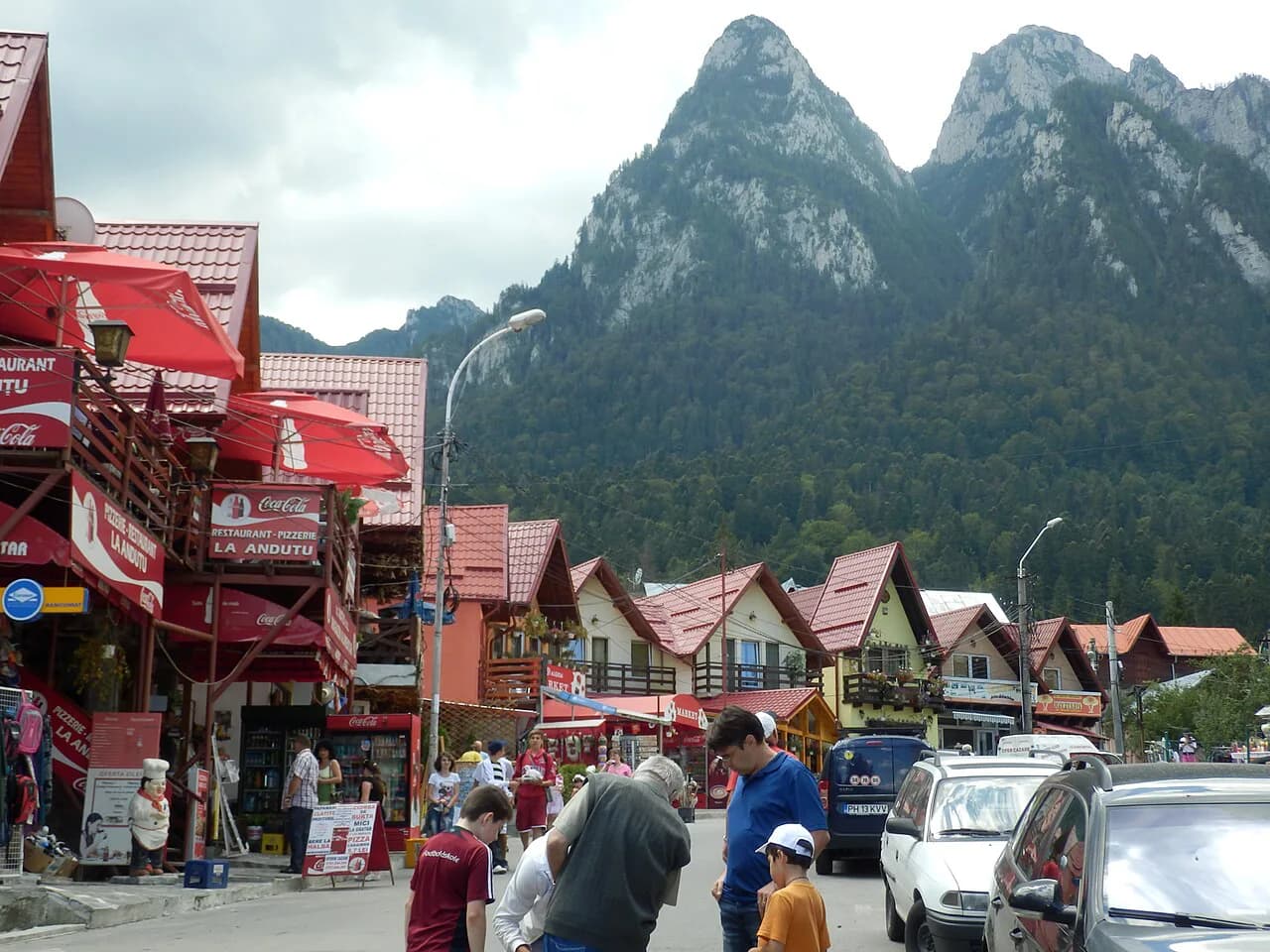
From the station, walk up Carol I Boulevard (Bulevardul Carol I), the town's main thoroughfare, where Expedia places cafés, restaurants and shops. The park and the cable car station sit along this climb, so you can break the walk rather than doing it all at once.
How the town is laid out: Carol I Boulevard, the park and the monastery
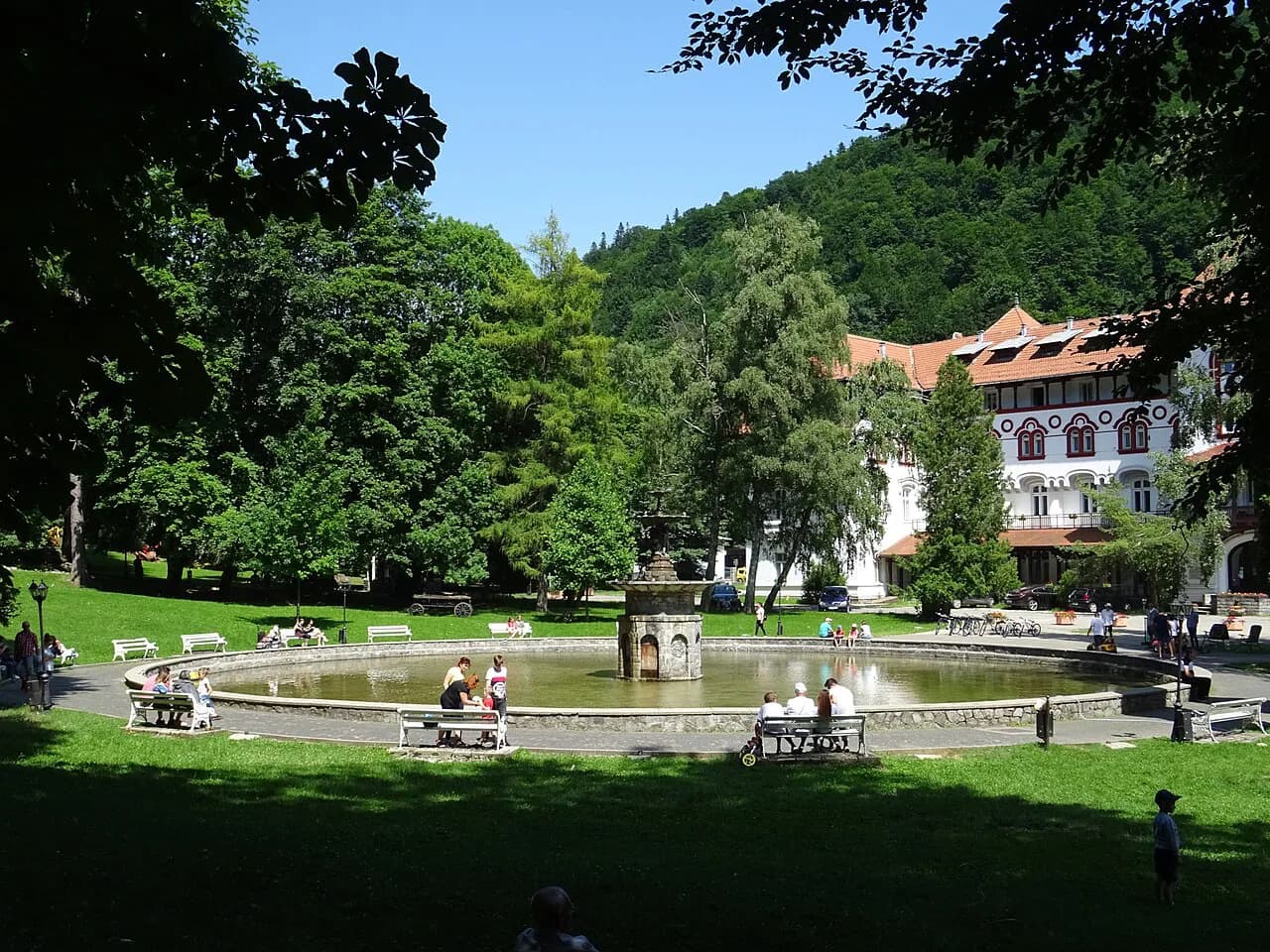
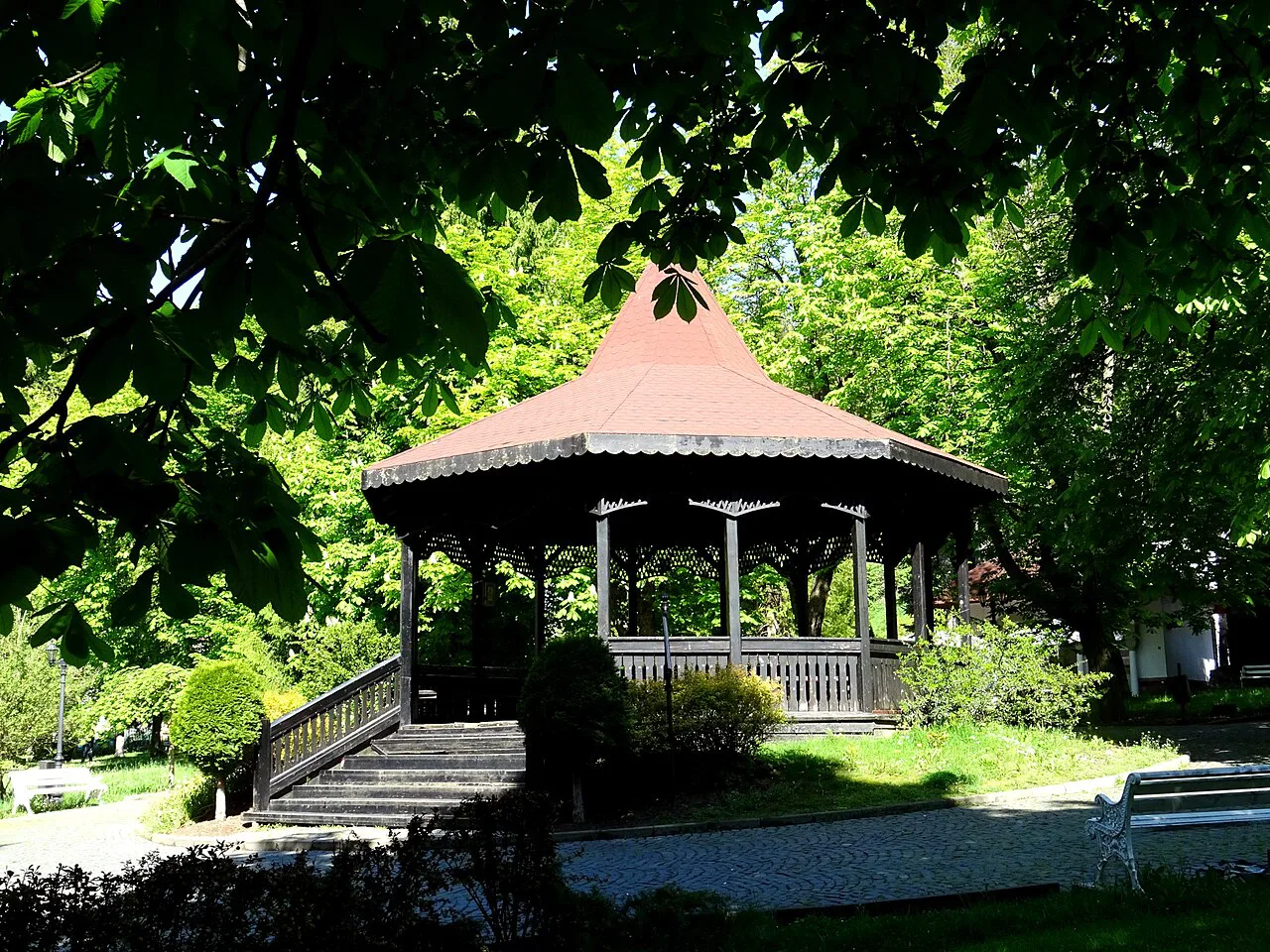
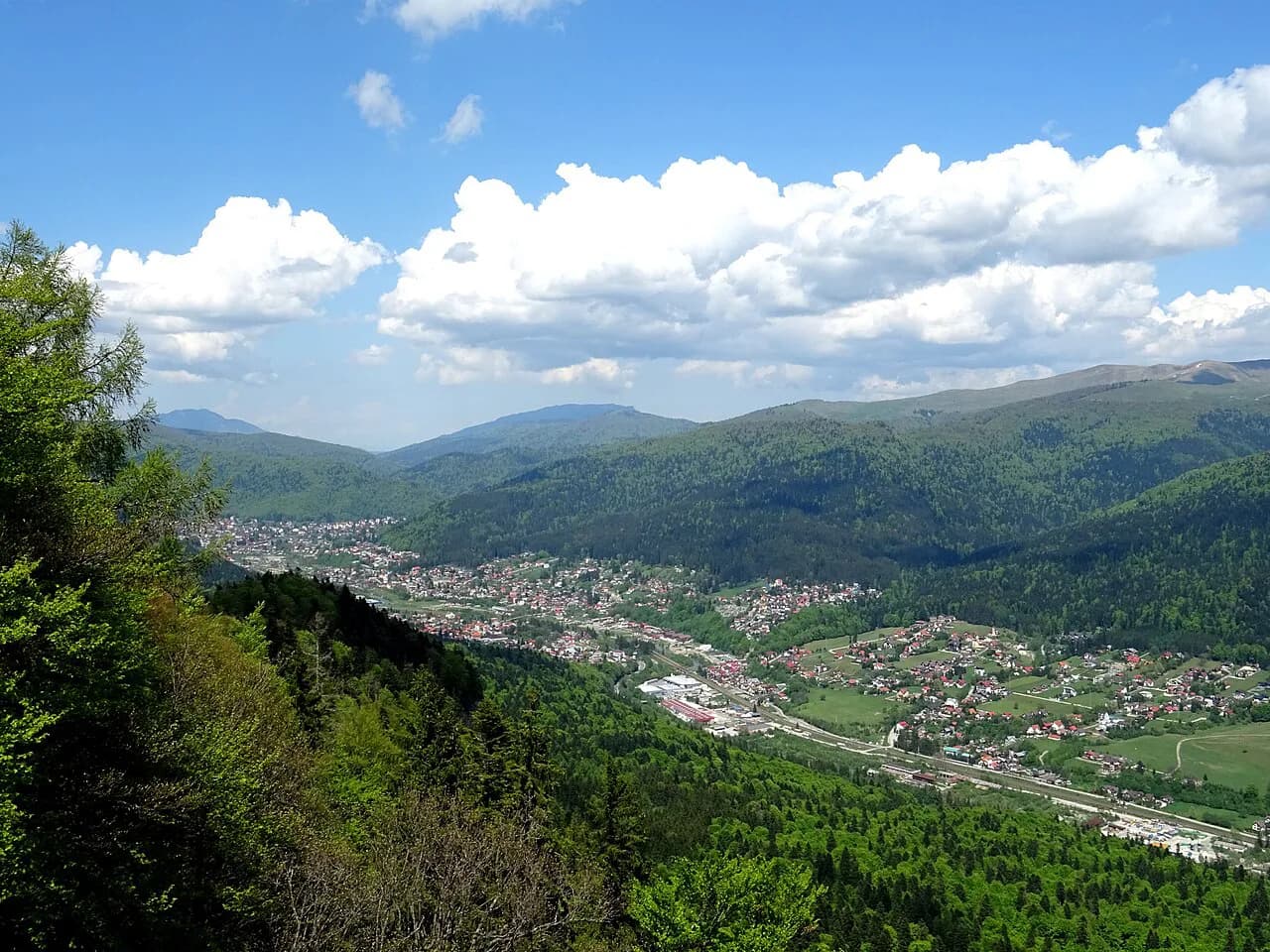
Sinaia runs up a valley, with the station at the lower end, Carol I Boulevard climbing through the centre, and the monastery and the castles on the higher streets. Dimitrie Ghica Park and the Sinaia Casino are in the middle band, which makes them natural pauses between the station and the monastery. Expedia lists the casino as a place to see local art, eat and try the gaming tables.
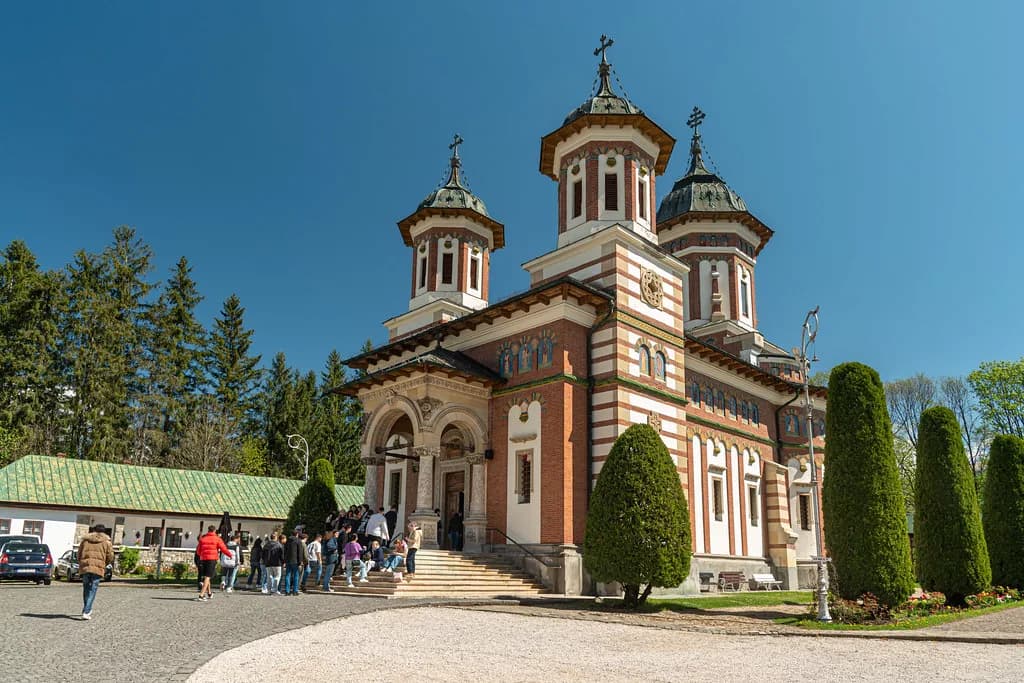
The monastery is the oldest anchor in the town and the easiest orientation point in the lower half. Its church combines Byzantine spires with the horizontal brickwork Expedia describes as typical of Romanian churches, and you can see monks going about the grounds and gardens. Allow a short visit rather than a long one, then continue uphill towards the palaces.
Peleș Castle: the interiors, the armoury and the queue
Inside Peleș you tour state rooms furnished in different styles, and Expedia singles out an armoury of 1,600 historic weapons and themed rooms dedicated to cultures from around the world. The interiors are the reason to go in rather than simply photograph the façades, so budget time for the tour itself.
Demand is heavy: the Romania Experience guide warns that queues are long and that the number of daily tickets is limited, and suggests booking a skip-the-line guided tour in advance. That is the central decision of a Sinaia visit, because turning up without a ticket risks losing the interior altogether on a busy day.
Confirm ticket prices and opening days with the castle's own published information before you commit to a date. Book the castle slot first and build the rest of the day around it.
Practical Peleș decisions: booking ahead versus turning up
Booking ahead buys certainty on the interior and costs you flexibility if the weather turns; turning up saves the booking step and risks a long wait or a sold-out day. Given the limited daily tickets, the advance option is the safer choice for anyone with only one day in town.
Plan Peleș as the anchor of the morning and keep the afternoon free for Pelișor, the monastery and the park, which need no timed slot. That sequencing means a delay at the castle does not wipe out the rest of the day.
Pelișor Castle: the smaller royal residence a few minutes' walk away
Pelișor, meaning 'the little Peleș', sits a couple of minutes' walk from the main palace, and you pass it on the way up. Expedia notes its timber framing as the photogenic detail, and the Romania Experience guide treats it as an important attraction worth a few minutes even if you skip the interior.
If time is tight, the honest trade-off is to see Pelișor from outside and spend the interior time at Peleș, because the second interior follows a similar royal-house pattern. If you have a full day and an interest in the family's private rooms, the second visit earns its place.
Stirbey Castle: the 1875 building, its museum and guest rooms
Stirbey Castle was built in 1875 and, according to the Romania Experience guide, served as the summer residence of Princess Alina Stirbey and General Emanuel Florescu before being turned into a museum in 2015. It also holds a restaurant and guest accommodation, which makes it a flexible stop: a quick look at the building, a museum visit, or a meal.
The cable car into the Bucegi: Cota 1400 or 2,000 m
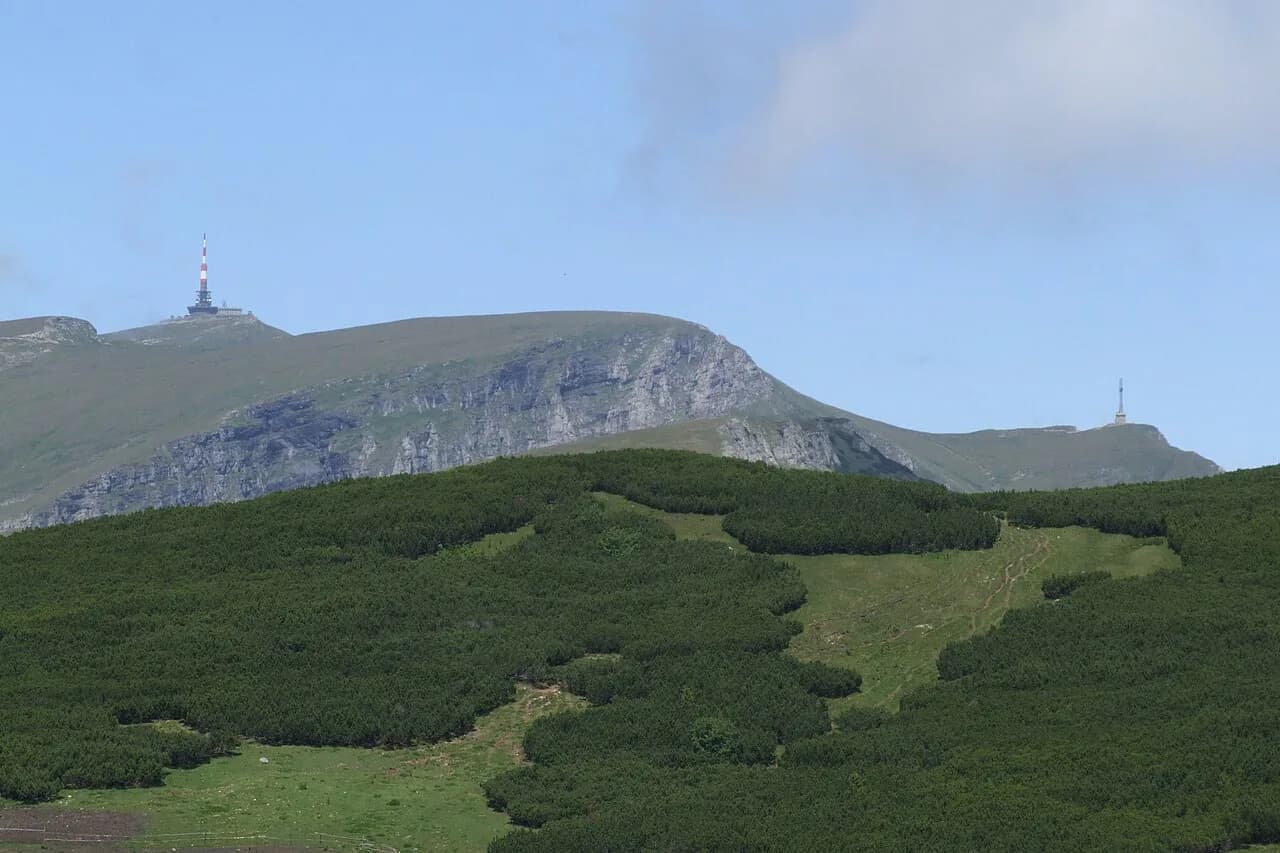
The gondola leaves from a semi-central station in Sinaia and runs to an intermediate stop at 1,400 m or continues to the upper station at 2,000 m near Furnica Peak. The Romania Experience guide recommends the 1,400 m stop if you are not skiing, and warns that even summer can be cold at the top. Bring a warm layer whichever stop you choose.
Fares and timetable options vary, so check the cable car operator's current price and running times before you buy. For the wider mountain terrain and the higher plateau, see Babele and the Sphinx and the Bucegi Mountains guide.
Walking the town: realistic timings
Allow roughly ten to fifteen minutes from the station up Carol I Boulevard to the park, then another stretch uphill to the monastery and the castles, with the whole lower town walkable in a morning. These are walking estimates on the street plan, not signage, so treat them as planning figures rather than promises.
Expedia notes the town is easy on foot because most attractions sit within walking distance of one another, which means you can leave the car behind. Weather changes the pace; the Sinaia in summer guide covers the warmer months in more detail.
How long Sinaia needs: half day, full day or overnight
A half day covers the monastery, the park and the castle exteriors, which suits a stopover on the way to Brașov or Bucharest. A full day lets you add a Peleș interior tour and Pelișor, and that is the version most travellers should plan for.
An overnight adds the cable car and a slower walk through the centre, plus an evening at the casino or a meal on Carol I Boulevard. Two nights is only worth it if you want the upper mountain or a base for the neighbouring valleys.
Sinaia versus Brașov as a base
Brașov has the larger old town, more restaurants and a wider choice of places to stay, while Sinaia is quieter, closer to the mountains and easier to cover on foot in a day. If you want evenings with variety, sleep in Brașov and visit Sinaia; if you want the castles first thing in the morning, sleep in Sinaia. Either way, it is worth knowing which sights in Brasov are worth booking ahead, since the same advance-booking logic applies there.
Sinaia is the better base for the Bucegi cable car and the Prahova valley towns, with Bușteni a short hop down the line. Bușteni has its own cable car and Cantacuzino Castle, so the two towns pair well across two days; see Bușteni: A Practical Guide to the Prahova Valley's Mountain Town for the other end.
Costs, tickets and opening days
Peleș interior tickets are limited each day, and the Romania Experience guide advises booking ahead because of the queues. Prices in lei (RON) and opening days are the details that change, so check them on the castle's own site before travel. That is the one thing worth checking twice.
The cable car has several fare options, so check the current price on the Sinaia Gondola website rather than relying on older figures. Monastery entry, the park and the casino are separate, and each is best checked on the day.
Book the Castle Slot First
Give Sinaia one full day, book the Peleș interior before you travel, and build the monastery, park and Pelișor around that slot. If you have a second day, add the cable car to Cota 1400 and a walk down through the centre.
Use the train from Bucharest or Brașov and leave the car behind, then treat the town as a walking day with the castles at its centre. The Prahova valley and Bucegi guides cover what lies beyond the town.
Explore more Sinaia guides
Frequently Asked Questions
Which country is Sinaia in?
Sinaia is in Romania, in Prahova County on the Prahova valley between Bucharest and Brașov. It sits on the railway line linking those two cities, which is how most visitors reach it.
Is Peleș Castle worth visiting?
Yes, if you want the interiors rather than a photograph. Peleș is a palace built for Carol I, with state rooms and an armoury of historic weapons, and the daily ticket numbers are limited, so book ahead if the interior matters to you.
Is there snow in Sinaia?
Sinaia is a winter sports town, and the Romania Experience guide describes snow usually lasting until early spring. That is a general seasonal pattern rather than a forecast, so check conditions before a winter trip.
Is Sinaia worth visiting?
Sinaia earns a day for the two royal residences, the monastery and the mountain setting, and it fits neatly between Brașov and Bucharest. It is less rewarding as a base for evenings than Brașov, so choose according to whether you want castles or nightlife on your doorstep.
Sources
Useful notes for your next trip
Optional updates to our guides.
You might also like
Continue reading
More guides you'll find useful