Sinaia Weather: What to Expect and How It Shapes a Visit
Sinaia sits at 816 m in the Prahova valley, so conditions shift fast. Here is what to expect and how it shapes a castle, cable-car or upland day.
On this page
Treat Sinaia as a mountain town rather than a lowland city break: it stands at an elevation of 816 m in the Prahova valley, and that altitude is what drives its weather. Expect cooler air, more frequent cloud and rain that arrives faster than it does down in Bucharest. In practice that shapes the order of a visit — Peleș and Pelișor first when the cloud is down, and the cable car towards Cota 1400 when it lifts.
What follows is a decision framework rather than a forecast. Ten-day figures for Sinaia change by the hour and are no use for planning months out; a sensible order of play is. Pair this page with the fuller Sinaia: a Practical Guide to Peleș, Pelișor and the Town for tickets, opening days and layout.
Sinaia weather at a glance: an upland town, not a lowland city break
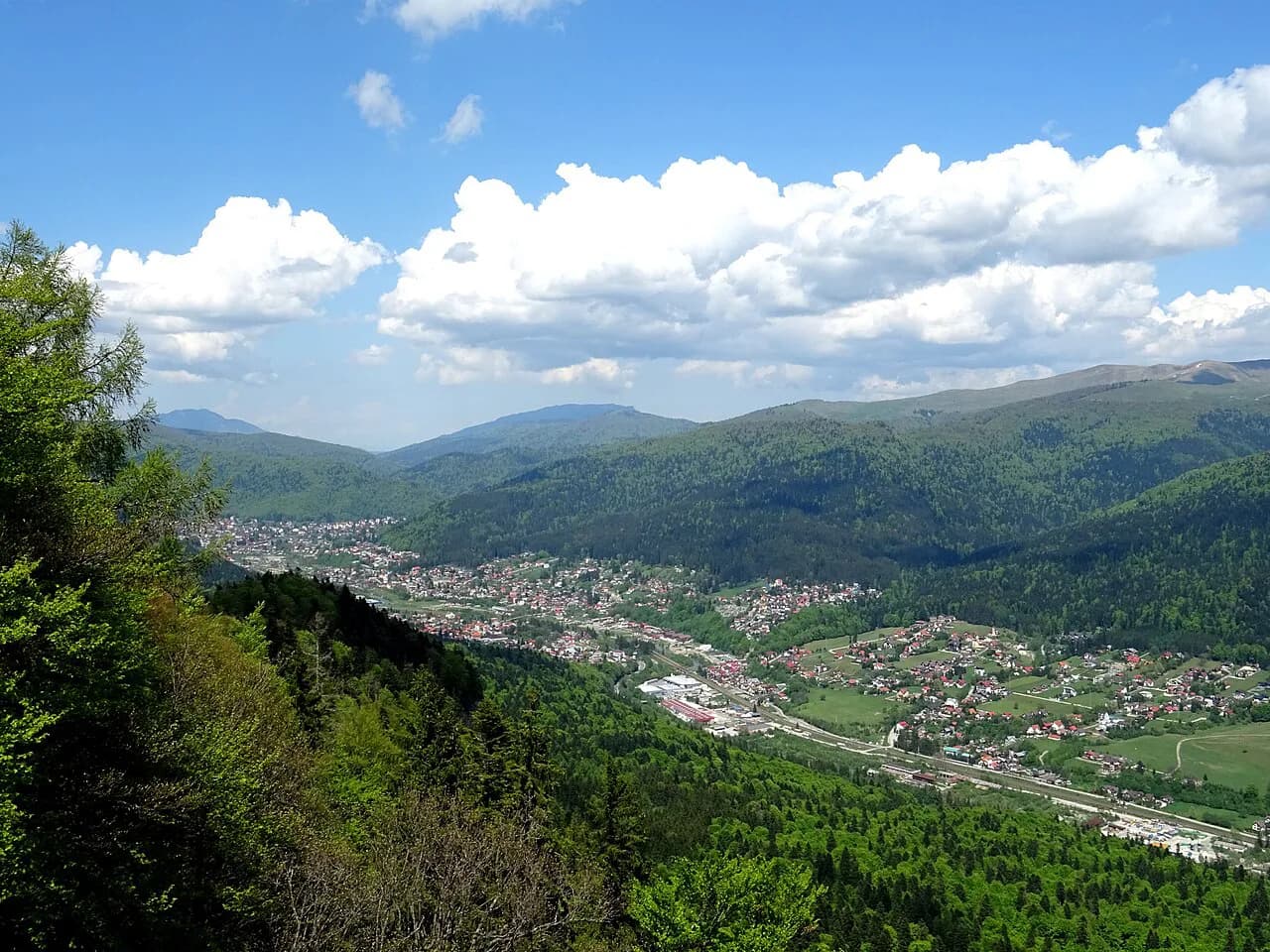
Sinaia's elevation of 816 m puts it in a different weather regime from Bucharest on the plain. Cloud builds against the Bucegi Mountains above the town and can sit low over the roofs while the capital stays bright. On a short break, plan for one flexible day and hold the castles as your fallback when the high ground disappears into mist.
Weighing a Brașov base against a Bucharest one, note that Sinaia is a mountain stop on the Prahova valley line, not a city. A town-and-castle trip here rewards layers and a waterproof over a fixed timetable.
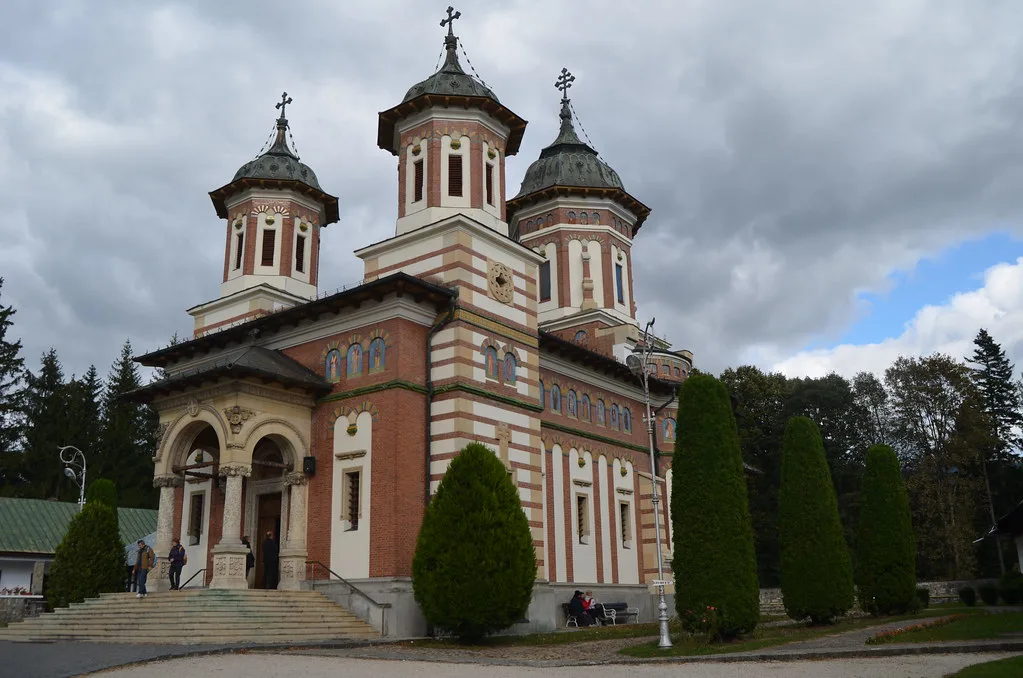
Typical temperatures and conditions through the seasons
Yr's location page for Sinaia gives the elevation and a detailed hour-by-hour table for the coming ten days, which is the most granular way to see how a day in the town is likely to run. Read it for the pattern across the days you are considering rather than a single snapshot.
Compare that with a second source such as WeatherBug's Sinaia forecast page in the week before you travel, and a third check through Weather Underground's hourly view for the town coordinates. Different forecasters often diverge on the timing of rain, which is exactly the uncertainty that should keep your plan loose.
Weather Underground's hourly view for the town coordinates shows how a single day can swing between morning cloud and an afternoon clearance. That is the granularity worth watching when you are deciding whether to walk up or take the cable car towards Cota 1400.
Why the altitude matters: cooler, wetter and quicker to cloud over than Bucharest
Air cools as it rises, so temperatures in a town at 816 m run below those on the plain even on a clear day, and cloud that clears Bucharest can still be caught on the Bucegi slopes above. The practical result is that a light jacket earns its place in your bag almost any month.
Showers form over the mountains through the afternoon and can be sharp and localised, so a morning start usually buys you drier hours. Build the outdoor part of the day first and leave the indoor or covered elements for later.
What rain or low cloud does to a Peleș or Pelișor castle day
Peleș and Pelișor are the reason most people stop in Sinaia, and a wet or cloudy day is when they come into their own. The interiors are the attraction: carved wood, stained glass and furnished rooms, none of which depend on the view. When the cloud is down, make the castles the first stop and treat the terraces and gardens as a bonus.
Allow more time than you think for the castle estate in poor weather, because everyone else has the same idea and the indoor route absorbs visitors slowly. Ticket prices, opening days and any booked-slot arrangements change through the year, so confirm them with the castle administration before you travel rather than relying on a guidebook figure.
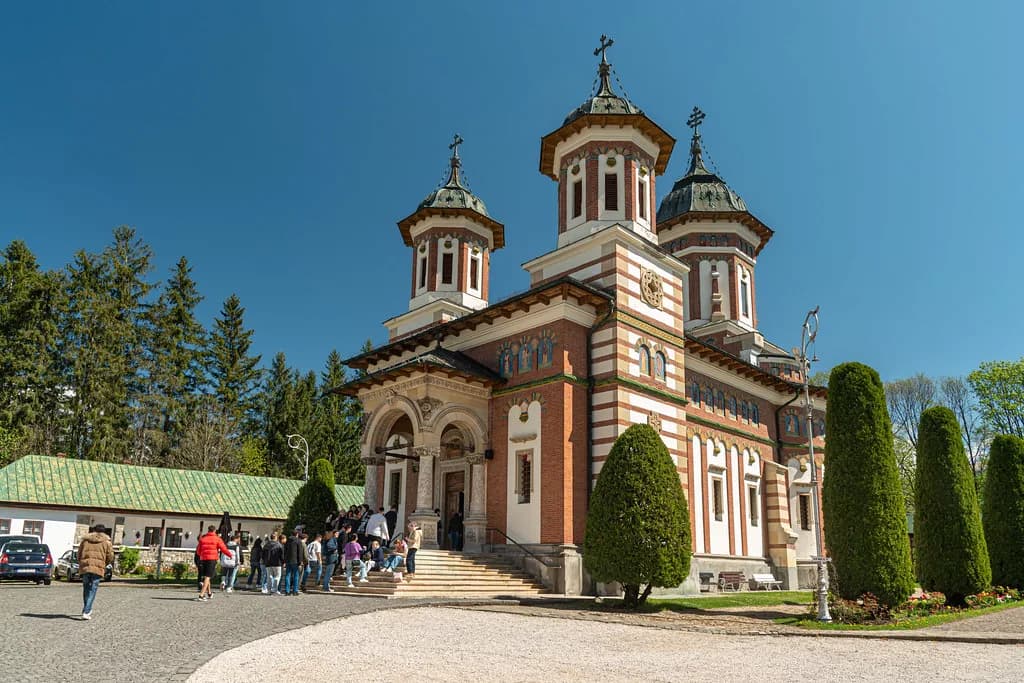
A useful wet-day plan is to see the Sinaia Monastery, then the two castles, then retreat to a café on the main street while the cloud lifts. The Sinaia Attractions: 6 Visitor Guides hub covers each site in turn if you want to slot them together.
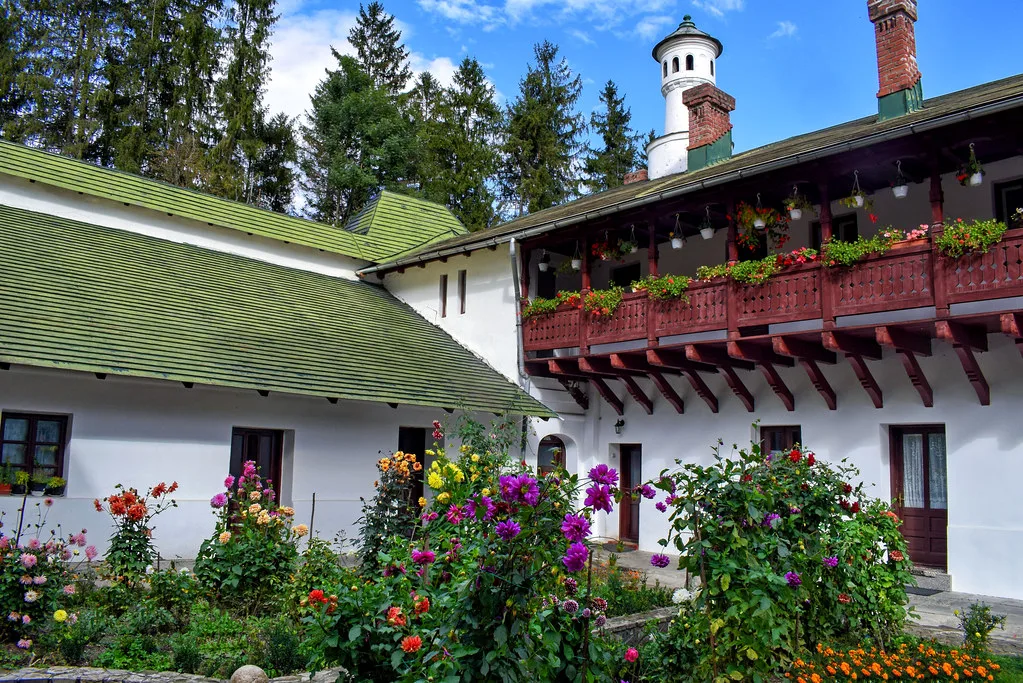
Cable car and Cota 1400: when cloud and wind matter
The cable car up towards Cota 1400 is the one part of a Sinaia visit that weather can genuinely cancel. Wind and low cloud stop lifts running, and there is no point queuing if the top is inside a cloud. Check operating status and current prices on the day, not from an old timetable.
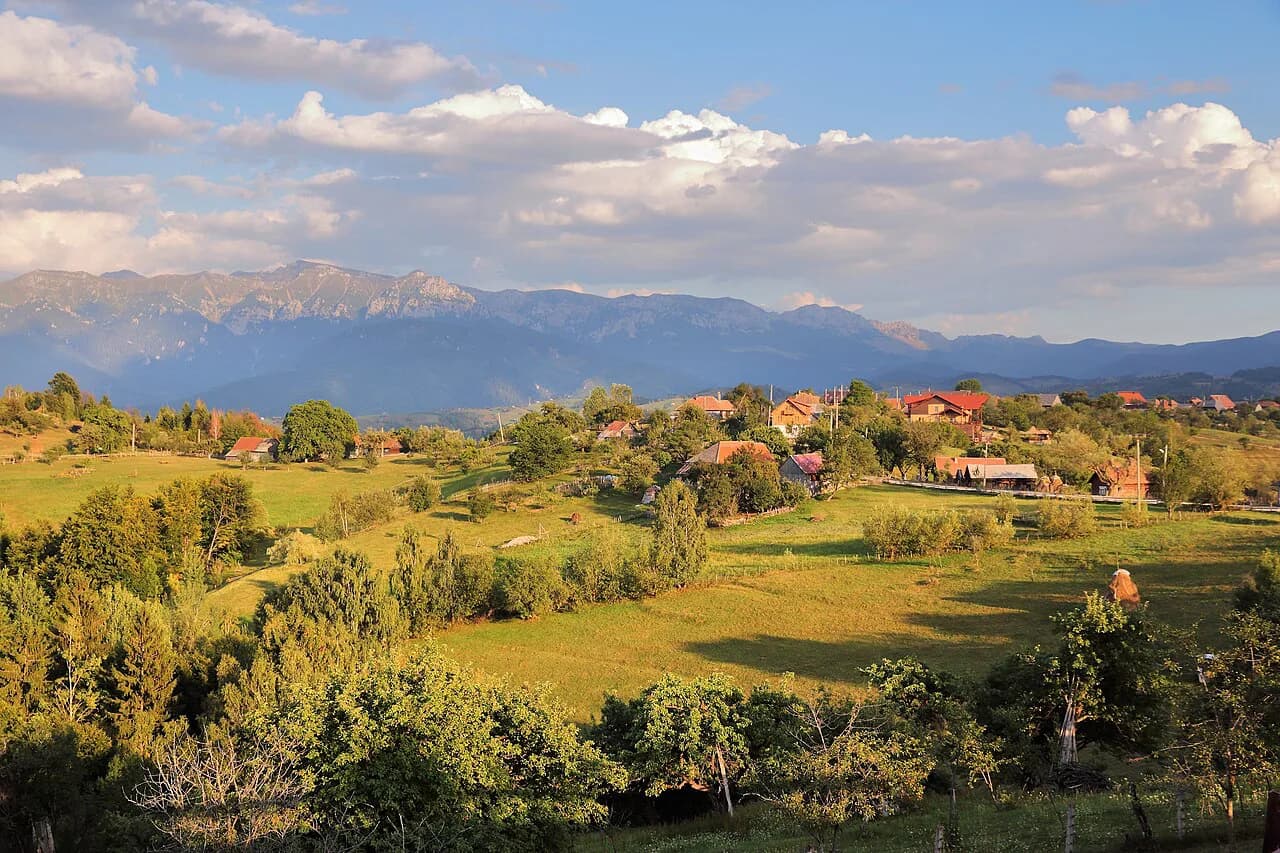
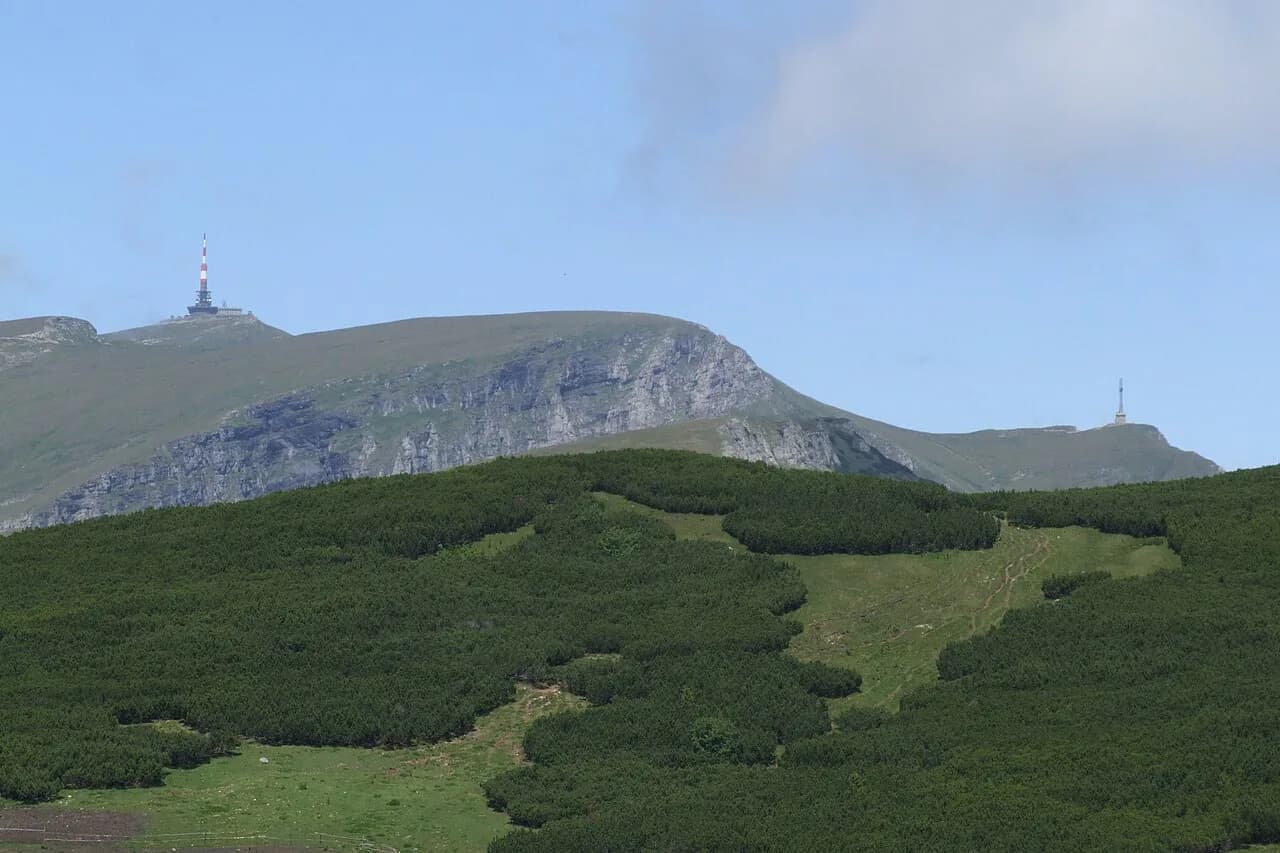
If the cloud lifts, the high ground above Cota 1400 opens up views across the Bucegi Mountains and back down the Prahova valley. If it does not, swap the mountain for the castles or the monastery and keep the cable car for another morning.
Beyond Cota 1400 the terrain climbs into the Bucegi Mountains and on towards Babele, where conditions are colder and change faster than in the town. Treat any walk above the cable-car station as a proper upland outing with layers and a waterproof, and turn back if the cloud thickens.
What to wear and carry for a town-and-castle day in the mountains
Sinaia rewards layers over a single heavy coat: a base layer, a warm mid-layer and a waterproof shell cover most of the year in the town, with a hat and gloves earning their place from autumn onwards if you plan to go above Cota 1400. Sensible shoes matter more than boots for the castle estate, which is largely on paths and terraces. Carry water, a snack and downloaded offline maps, since phone signal is patchier on the high ground, plus a little cash in lei for anything small you buy in the town.
Carry a small daypack with water, a snack and a map or downloaded offline maps, since phone signal is patchier on the high ground. Keep a paper or downloaded copy of opening times for the castles and monastery, and a little cash in lei for anything small you buy in the town.
Reading a forecast for Sinaia: town level versus the high ground
Sinaia's forecast pages generally describe conditions at town level, which is where you will spend most of a castle day. The higher ground above Cota 1400 sits several degrees cooler and in more cloud, so read the town figure as a floor for what to expect on the mountain, not a ceiling.
Read a 10-day outlook as a trend, not a promise: forecasts for a mountain town can flip between rain and sun several times before the date, and daily figures in any outlook should not be mistaken for climate norms for the month. Use the trends to choose rough dates, then re-check in the week before you travel.
Weather Underground's hourly view for the town coordinates is the finest-grained check, useful the evening before a cable-car day. If the hourly trend shows cloud clearing by mid-morning, plan the mountain early and the castles for the afternoon.
How weather shapes how long you need in Sinaia
In settled weather, a day in Sinaia splits comfortably between the castles and the mountain. In poor weather, the castle estate absorbs the time and the mountain drops out, so a one-night stay still works if you are willing to abandon the cable car. Add a second night if you want a spare morning for the high ground.
If you are touring the valley, Bușteni: A Practical Guide to the Prahova Valley's Mountain Town is the logical next stop, with its own cable car and castle. Pair a Sinaia day with Bușteni only when the forecast is settled, so you are not juggling two mountain plans in the rain.
Whether to book the mountain morning or the castle day
Book the castles first and treat the cable car and Cota 1400 as the flexible bonus. That order protects your trip when cloud sits low over the Bucegi Mountains, and it means a clear morning can be spent on the high ground instead of inside a palace. Confirm castle opening days and cable-car operation in the days before you go, and let the forecast settle the rest.
Frequently Asked Questions
Which country is Sinaia in?
Sinaia is in Romania, on the Prahova valley in Prahova county, at an elevation of 816 m below the Bucegi Mountains.
Is Sinaia, Romania worth visiting?
Yes, if you want the Peleș and Pelișor castles with a mountain setting. The town itself is small, so the castles and the cable car towards Cota 1400 are the main reasons to stop; if the cloud is low, plan the castles first.
What kind of weather does Romania have?
Romania has warm summers and cold winters on the plains, and its mountain areas are cooler and wetter. Sinaia, at 816 m, runs below Bucharest temperatures and is quicker to cloud over.
Sources
Useful notes for your next trip
Optional updates to our guides.
You might also like
Continue reading
More guides you'll find useful