Târgu Neamț: Neamț Citadel, Creangă's Humulești and the Town
A practical guide to Târgu Neamț: Neamț Citadel, the Ion Creangă memorial house at Humulești, Agapia Monastery, the Vânători-Neamț park and how to get there.
On this page
Târgu Neamț earns its place on a northern Moldova itinerary as a small base for the Neamț Citadel, the Ion Creangă memorial house at Humulești and Agapia Monastery, all within a short radius of one set of rooms. The town lies at 365 m on a terrace of the Ozana river, at the entrance to the Neamț Depression, ringed by wooded hills. This guide sets out how the town is laid out, how to reach it and what to do with the sights around it.
Plan on the town centre for practicalities and the surrounding sites for the day's purpose. The citadel, the Creangă house and the monasteries all lie outside the commercial core, so how you get between them matters as much as what you see. Two nights is a fair allowance for the Neamț Citadel, Humulești and Agapia without rushing.
Where Târgu Neamț sits in northern Neamț county
Târgu Neamț occupies the north of Neamț county, on the Ozana terrace where the valley opens into the Neamț Depression. The surrounding ridges are modest but constant: Culmea Pleșu rises to 913 m to the north, Dealul Boiștea (582 m) closes the Ozana valley to the east, and the Movilele and Humulești hills sit to the south at around 440 m and 410 m. That ring of hills explains why the town feels contained.
Tourism is the town's main activity, with timber processing, textiles and metalworking the industries that remain, and the population is roughly 21,000. For a visitor that translates into a working Romanian market town with a tourist layer around the Neamț Citadel and the Creangă connection, not a preserved resort. Expect the sights to be the draw and the town itself to be quiet.
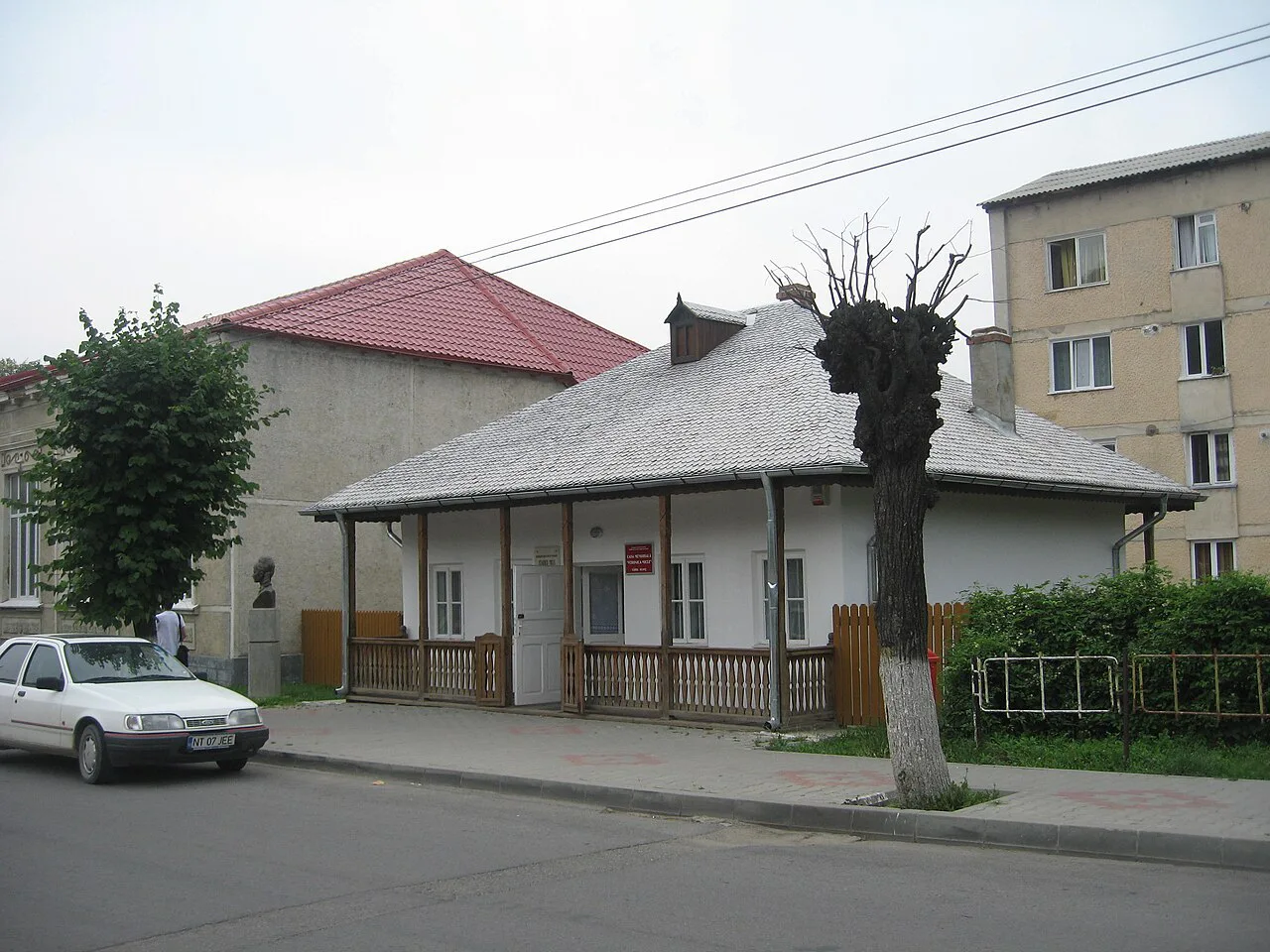
Getting to Târgu Neamț: roads, rail and airports
By road the town is served by DN 15B from Cristești and Poiana Largului on one side and DN 15C from Piatra Neamț and Fălticeni on the other. The E85, the main corridor through this part of Moldova, passes about 15 km away via Cristești and Fălticeni, so anyone driving south from Suceava or north from Bacău leaves the trunk road for the last stretch.
By rail, trains from Târgu Neamț connect to the Bucharest–Suceava main line through the Târgu Neamț–Pașcani line, which makes Pașcani the interchange to look for when building a route. Frequencies and journey times change, so check them with the national rail operator before committing to a tight connection.
The nearest airports are Suceava's Salcea airport, 65 km away; Iași International; and Bacău International. The route lists change with the seasons, so check current destinations with each airport rather than relying on an old timetable. Suceava is the shortest transfer; Iași and Bacău widen your flight options at the cost of a longer drive; Bacău in particular has had regular flights to Italian cities, Bucharest and Timișoara.
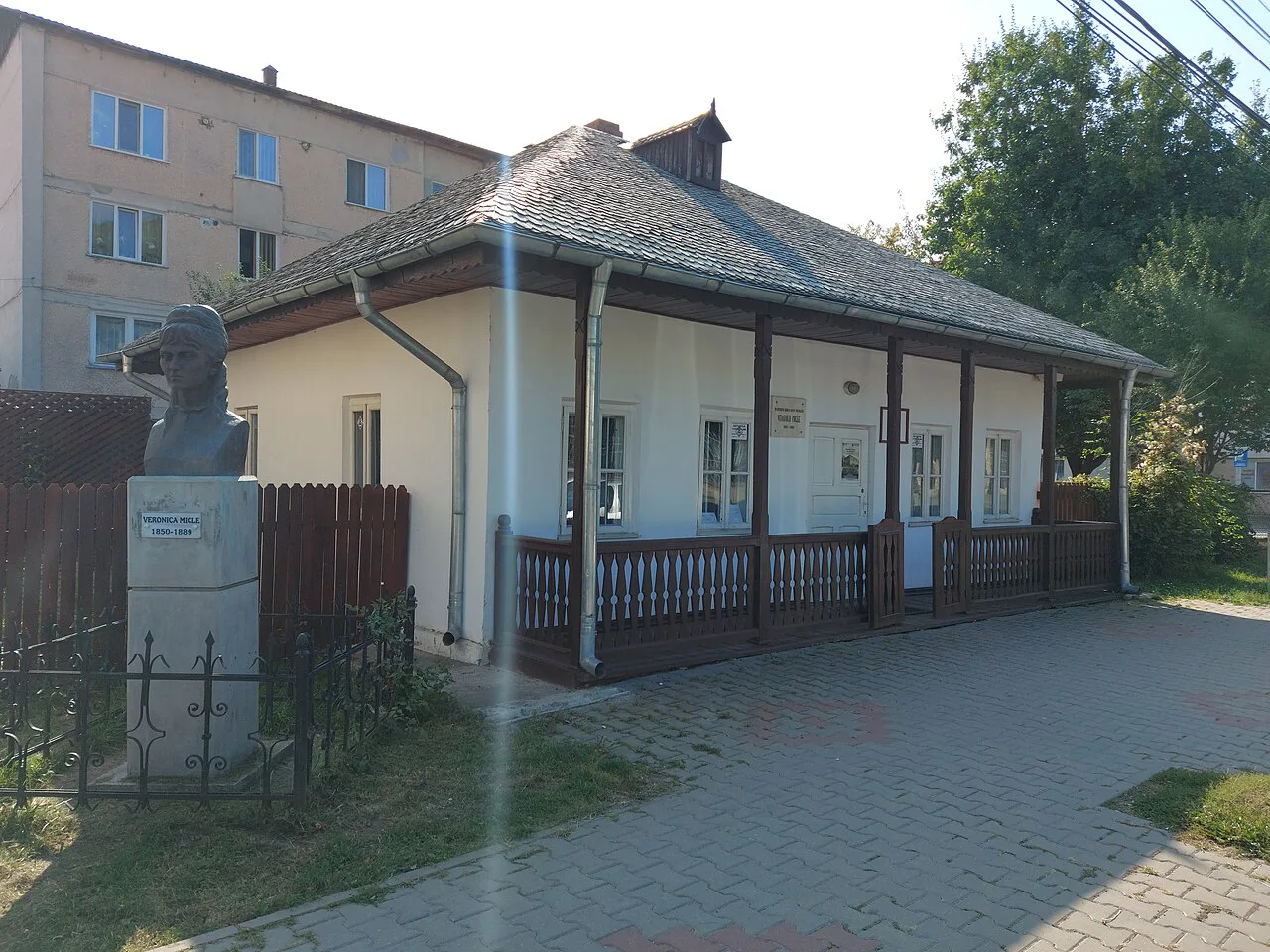
The town centre and layout
Think of Târgu Neamț as a valley-floor core along the Ozana with the sights scattered on the slopes and in the villages either side. The administrative centre sits at Strada Ștefan cel Mare 62, which gives you a landmark for the middle of town, and the town's spiritual patronal feast is the Nativity of the Mother of God. Use the centre for parking, cash and supplies before heading out to the citadel or the monasteries.
The hills frame your day: Pleșu to the north, Boiștea to the east and the Humulești ridge to the south. That geography puts the Creangă memorial house on the southern side at Humulești and the citadel in the same part of town, so a single loop can cover both without returning to the centre in between.
Neamț Citadel
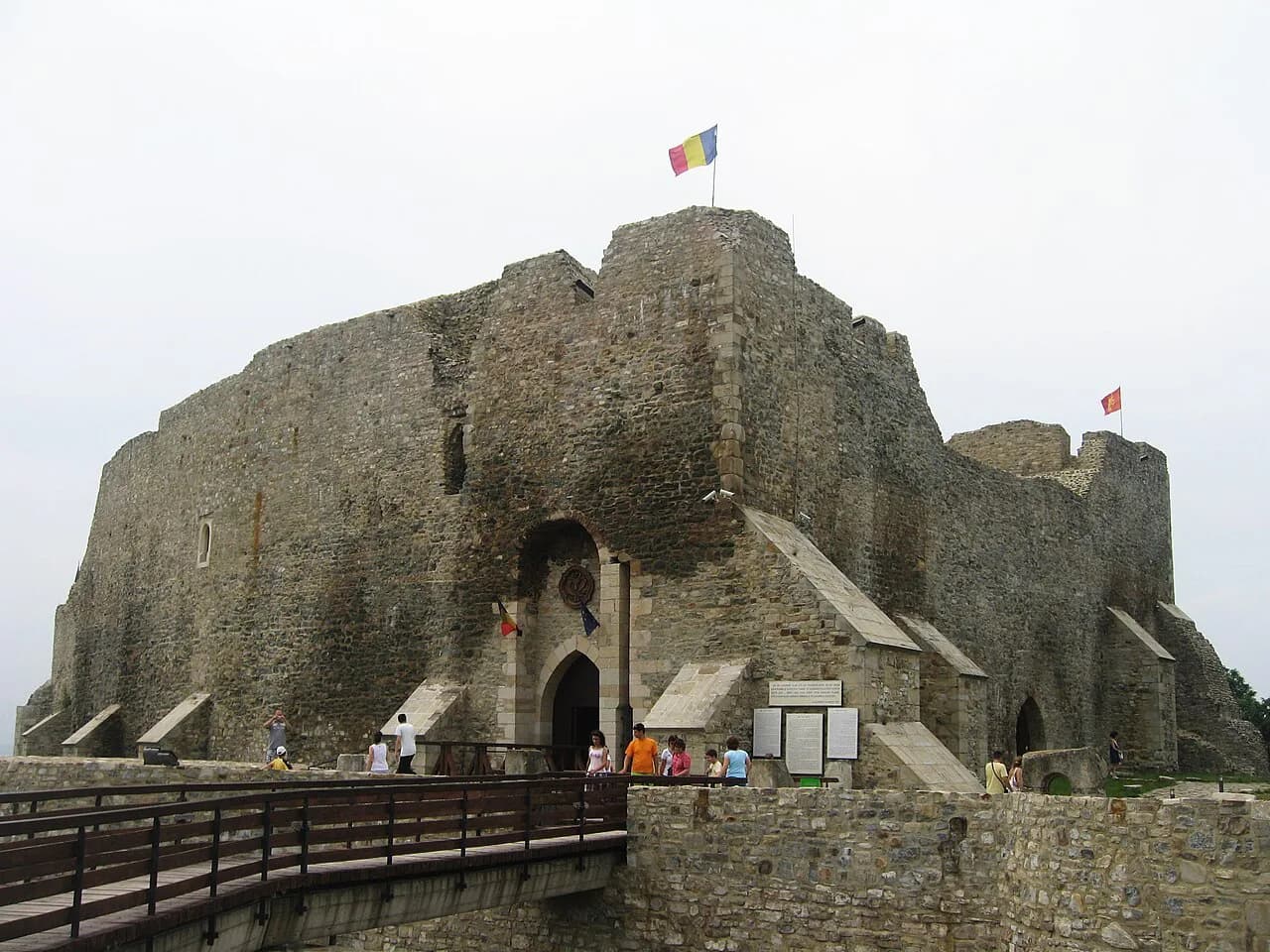
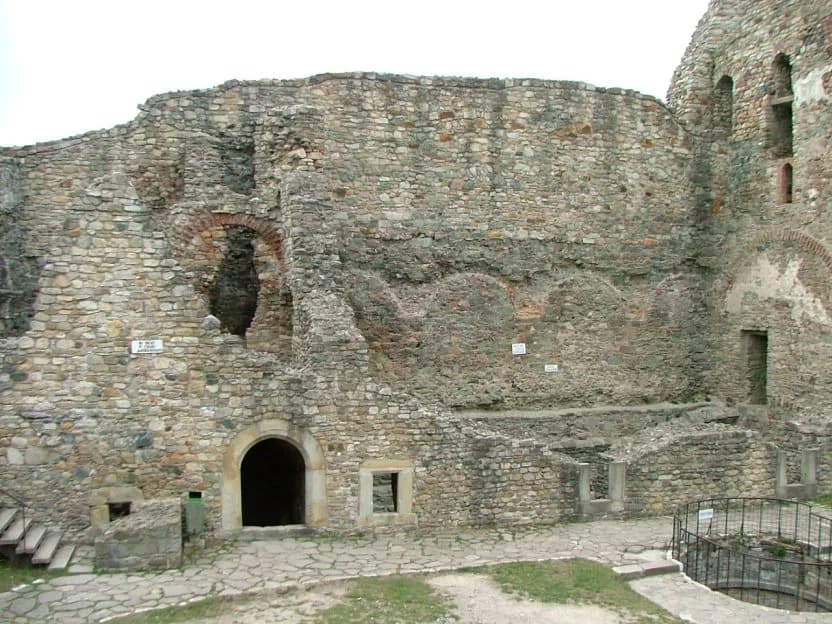
The Neamț Citadel is the town's headline sight and one of the best-fortified castles of the medieval Moldavian state, prominent enough to have been caught up in the major events of this part of the country. It stands above the town and is the natural first stop on any visit.
The castle's history is not a smooth one: Mihail Racoviță had it destroyed at the request of the Ottomans, and the site you see today reflects that turbulent record. Treat the ruin as a monument to read rather than a furnished palace to wander. Leave time for the walk up and for the views back over the Ozana valley.
Visiting arrangements, opening days and tickets are the details to confirm before you go, since the castle runs to its own programme rather than the town's. Build the rest of the day around the citadel rather than slotting it in between other stops.
Muzeul Memorial Ion Creangă at Humulești
The Ion Creangă memorial house at Humulești is the second anchor of a Târgu Neamț day and sits within the town's immediate surroundings, on the southern side by the Humulești hill. It suits anyone interested in Romanian literature and rural life, and it pairs naturally with the Neamț Citadel because both sit away from the commercial centre.
Check the museum's own programme for opening days and admission before setting out, as it runs separately from the Neamț Citadel. Allow a modest amount of time for the house itself and more if you want to walk around Humulești afterwards.
Mănăstirea Agapia, 9 km from town
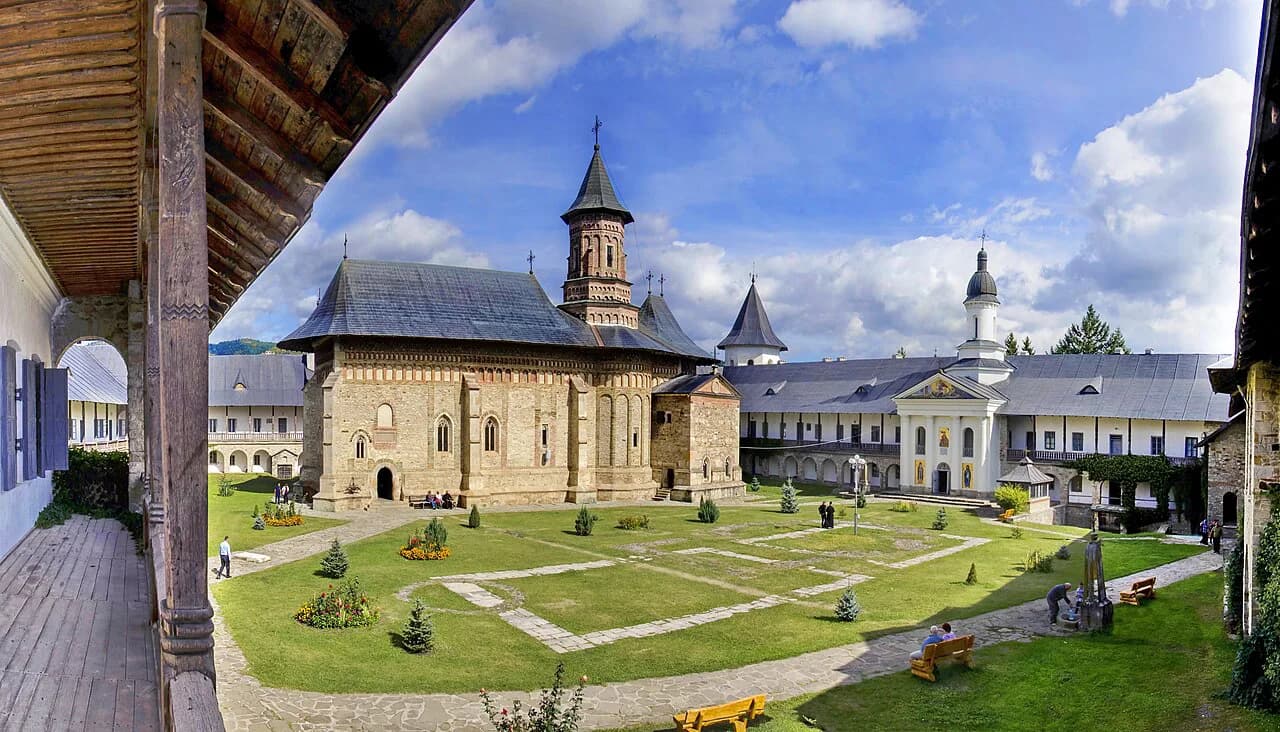
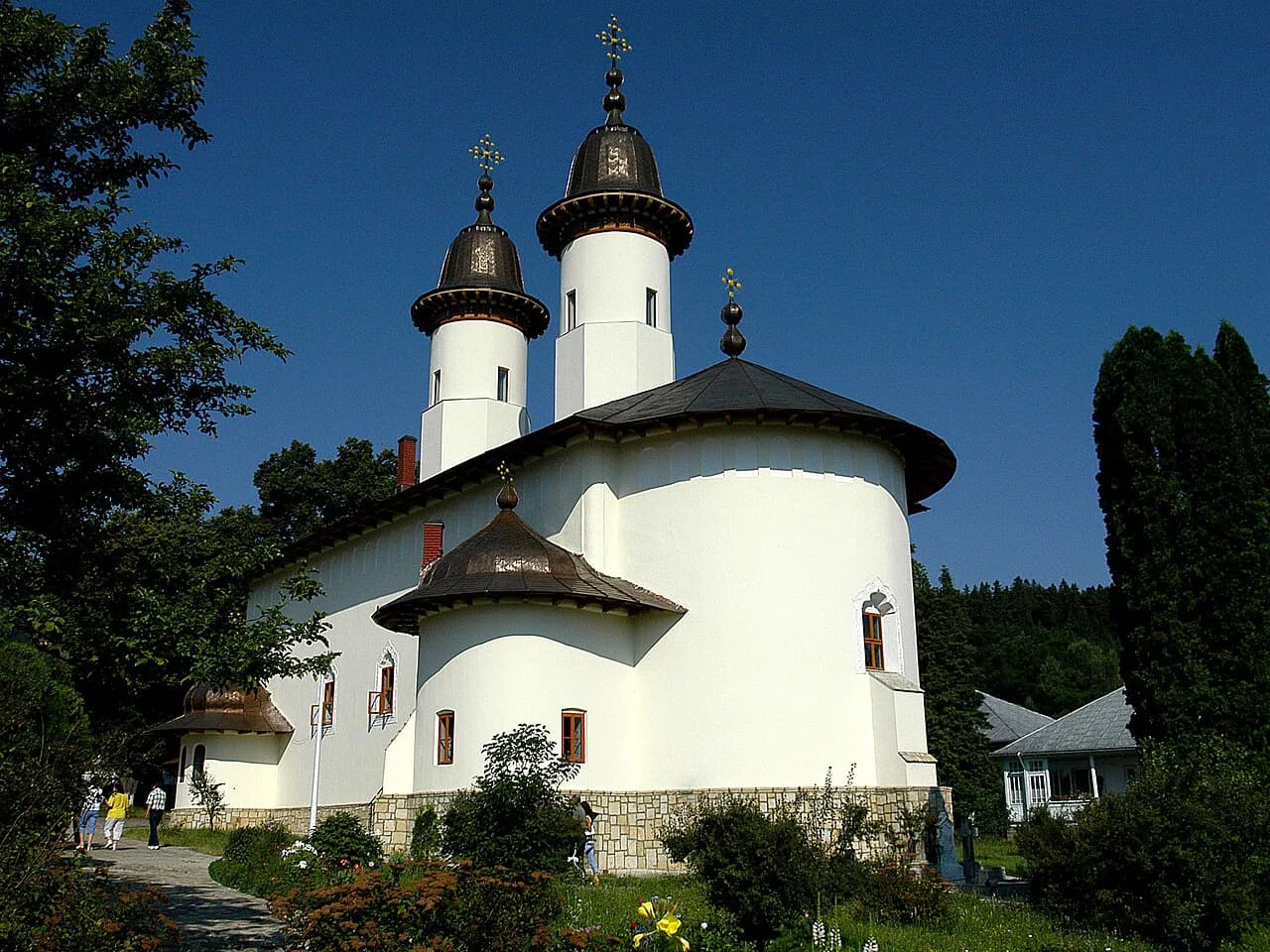
Agapia Monastery lies 9 km from Târgu Neamț and is one of the best-known monuments in this part of the country, which makes it the obvious monastery to combine with the town. The distance is short enough for a taxi or a drive and long enough that walking it is a commitment rather than a stroll.
If you want a second monastery in the same outing, Văratec Monastery and Neamț Monastery sit in the same cluster of Orthodox foundations that draws visitors to this corner of Neamț county. Group them by road rather than trying to reach each one from the town separately.
Parcul Natural Vânători-Neamț and the bison reserve
Parcul Natural Vânători-Neamț and the Rezervația de zimbri, the bison reserve, are the wilder half of the Târgu Neamț area and are listed among the town's own tourist objectives alongside the citadel and Agapia. They reward anyone with a car who wants a half-day beyond the built sights.
Access to the reserve runs on the park's own arrangements rather than the town's, so check the park's visitor information for entry and guiding before you drive out. On the town's own tourist listing the Parcul Natural Vânători-Neamț and the Rezervația de zimbri appear among the objectives alongside the citadel and Agapia.
A short walking route through the town
Start at Strada Ștefan cel Mare in the centre to orient yourself, then head south towards Humulești for the Creangă memorial house, and finish with the climb to the Neamț Citadel. This order keeps the driving to a minimum and puts the steepest part at the end, when you can take your time.
Allow the best part of a day for the loop and carry water, since the hills around town are higher than the 365 m of the centre. The walk itself is straightforward on town streets; the citadel climb is the part that needs footwear.
How long Târgu Neamț needs and how it pairs with Piatra Neamț
Two nights gives you the Neamț Citadel, Humulești and Agapia without rushing, and a third day lets you add the bison reserve or a second monastery. Târgu Neamț is a base rather than a destination in its own right, so its value comes from position rather than from the town itself.
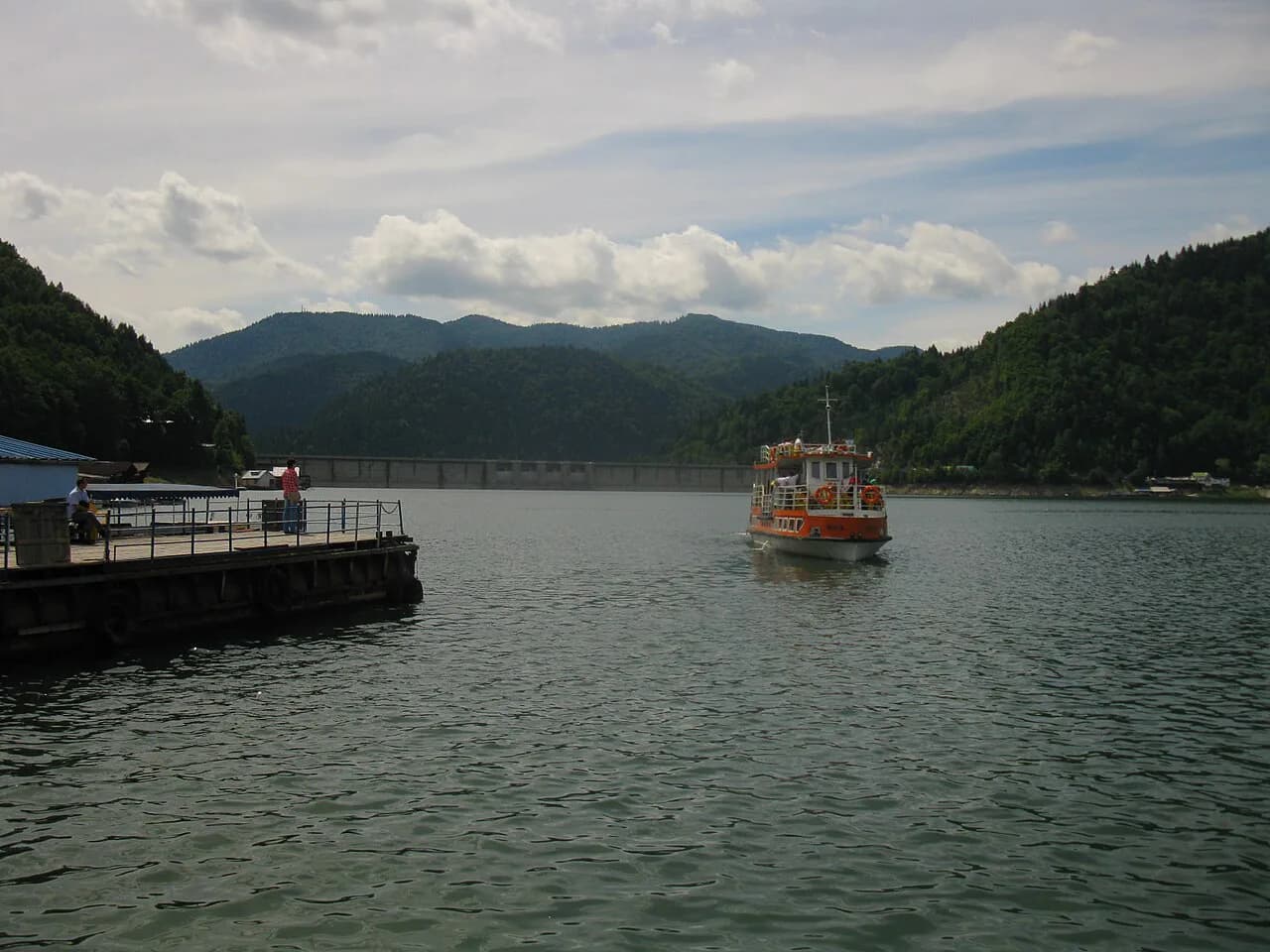
Pair it with Piatra Neamț, the county capital and the natural anchor for a wider Neamț itinerary, and with the Bicaz area for Lake Izvorul Muntelui if you are heading west. That combination gives you a town, a citadel, monasteries and mountain scenery within one driving loop.
What to sort before you go
Fix three things in advance: the Neamț Citadel's opening day, the Creangă museum's programme and how you will reach Agapia's 9 km. Without a car, plan the monastery as a taxi round trip rather than relying on finding transport on the day.
Confirm rail connections through Pașcani if you are arriving by train, and check the park's visitor arrangements if the bison reserve is on your list. Everything else in Târgu Neamț can be worked out once you are in the centre.
Is Târgu Neamț worth the detour?
Yes, if you are already travelling through northern Moldova and want the Neamț Citadel, Humulești and Agapia within a short radius of one base. Târgu Neamț is best judged as the countryside stop on the way to Piatra Neamț rather than as the centre of a short break.
Build the plan around the Neamț Citadel first, add the Creangă house and Agapia, and use the bison reserve as the flexible half-day. Confirm the citadel's and museum's programmes before you commit your dates, and keep a car or taxi budget for the monastery.
Frequently Asked Questions
Can you visit Agapia Monastery without a car from Târgu Neamț?
Agapia is 9 km from town, so a taxi round trip is the practical option if you have no car. Arrange your return pickup before you set out, since finding transport at the monastery itself is harder than finding it in town.
Do you need to book the Neamț Citadel in advance?
Booking requirements depend on the citadel's own programme, which runs separately from the town's. Walk-up entry is not guaranteed, so look up the citadel's visitor information before your trip.
Sources
Useful notes for your next trip
Optional updates to our guides.
You might also like
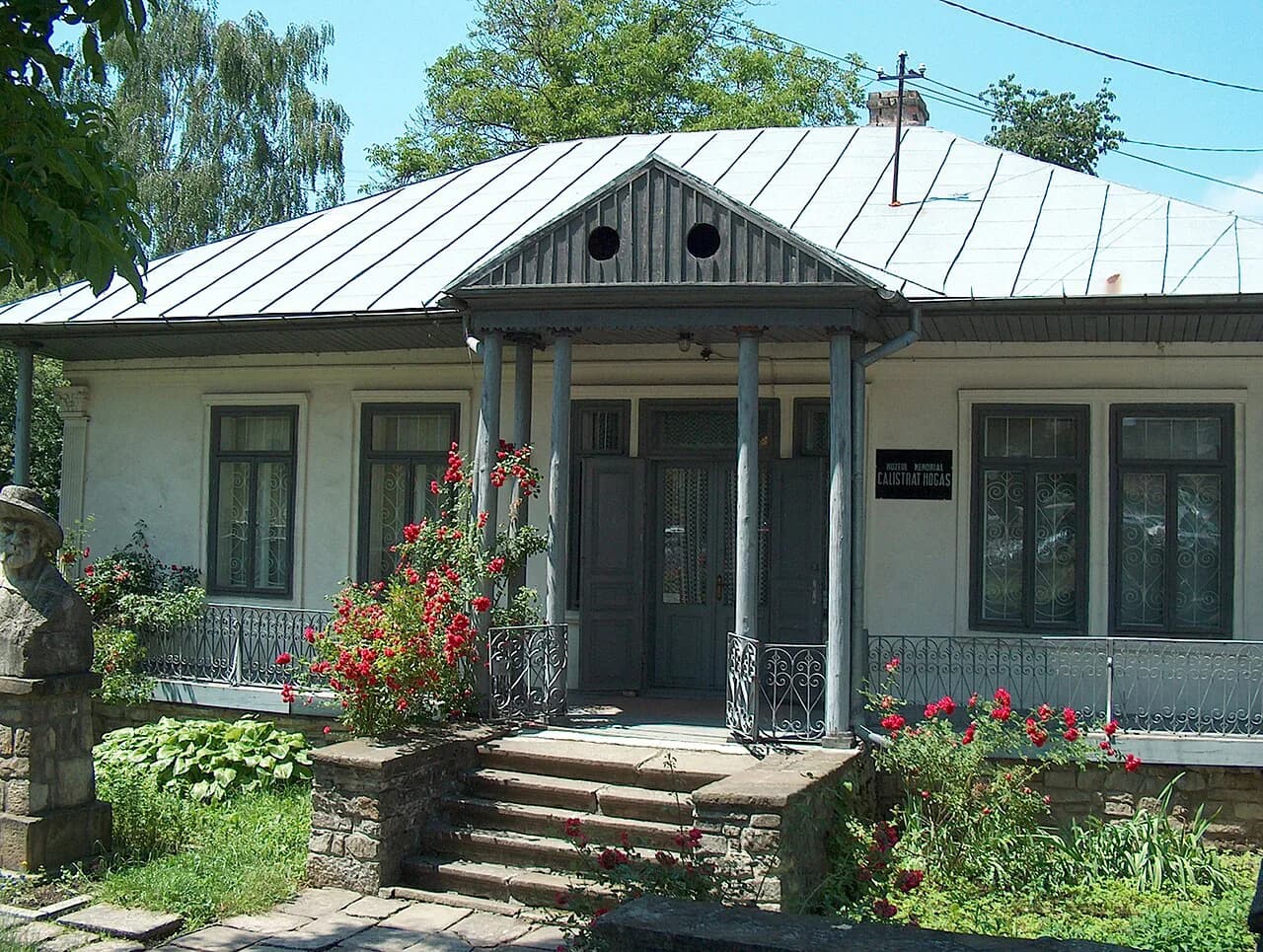
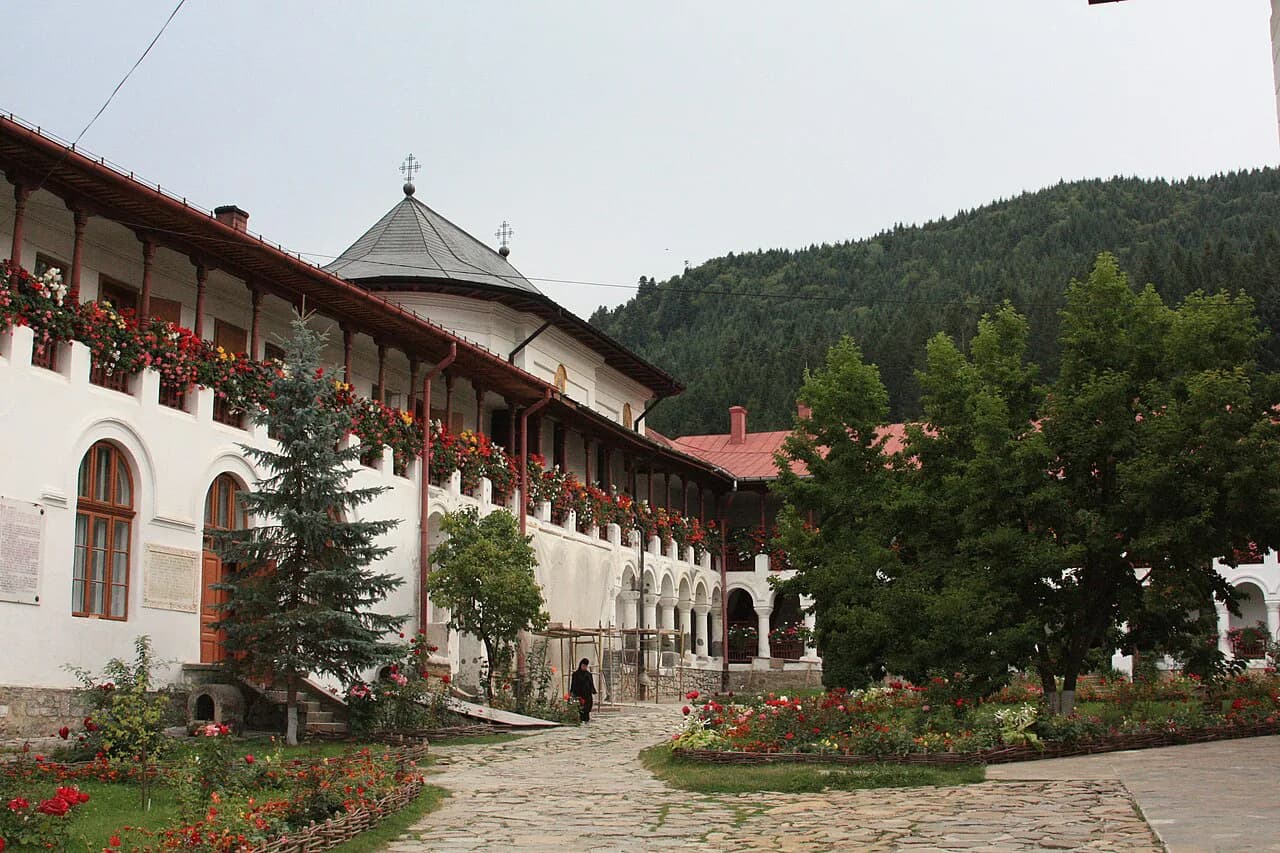
Continue reading
More guides you'll find useful