Neamț Citadel: Visiting the Fortress Above Târgu Neamț
Neamț Citadel is the medieval hilltop fortress above Târgu Neamț, begun in the 14th century and expanded in the 15th. Here is what the visit involves.
On this page
Neamț Citadel is worth a half day if you are already in Târgu Neamț: it is a medieval fortress begun in the 14th century during Peter II's reign and expanded in the 15th century, and it sits on a hill above the town rather than in it. The visit is about walls, towers and the ground you cross to reach them, so it suits travellers who are happy on their feet. This page covers where the fortress stands, how it is laid out, what remains from each building phase, and how to fit it into a Târgu Neamț day.
The town below is small and easy to use as a base. Târgu Neamț sits at about 365 m on the terrace of the Ozana river at the entrance to the Neamț depression, ringed by hills including Culmea Pleșu to the north and Boiștea to the east, and its economy now leans heavily on tourism.
Where the fortress stands
The citadel occupies a hilltop position above Târgu Neamț, in the north of Neamț County. That elevated setting is the whole point of the site and also the reason the visit starts with an approach rather than a turnstile, so plan the walk up as part of the outing rather than an obstacle before it.
Târgu Neamț itself lies on the Ozana at roughly 365 m, with higher ground all around it, and road access runs on DN 15B from Cristești and Poiana Largului and DN 15C from Piatra Neamț and Fălticeni. The E85 passes about 15 km away via Cristești and Fălticeni, which matters if you are arriving by car from another part of Moldavia.
Rail travellers reach the town on the Târgu Neamț to Pașcani line, which links to the Bucharest to Suceava main line; the nearest airports named for the area are Suceava at about 65 km, Iași and Bacău. None of these puts you at the gate, so plan the last stretch into town separately from the long-distance leg.
How the fortress is laid out
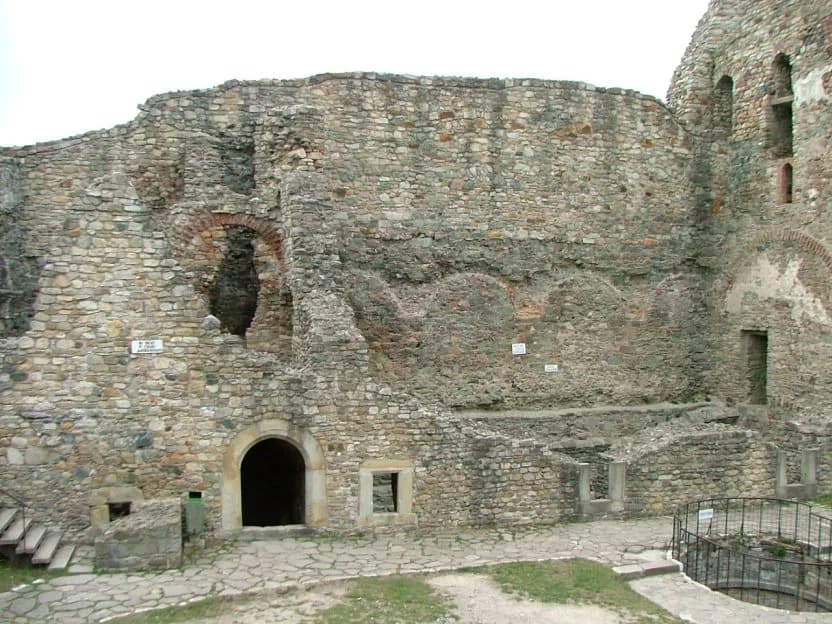
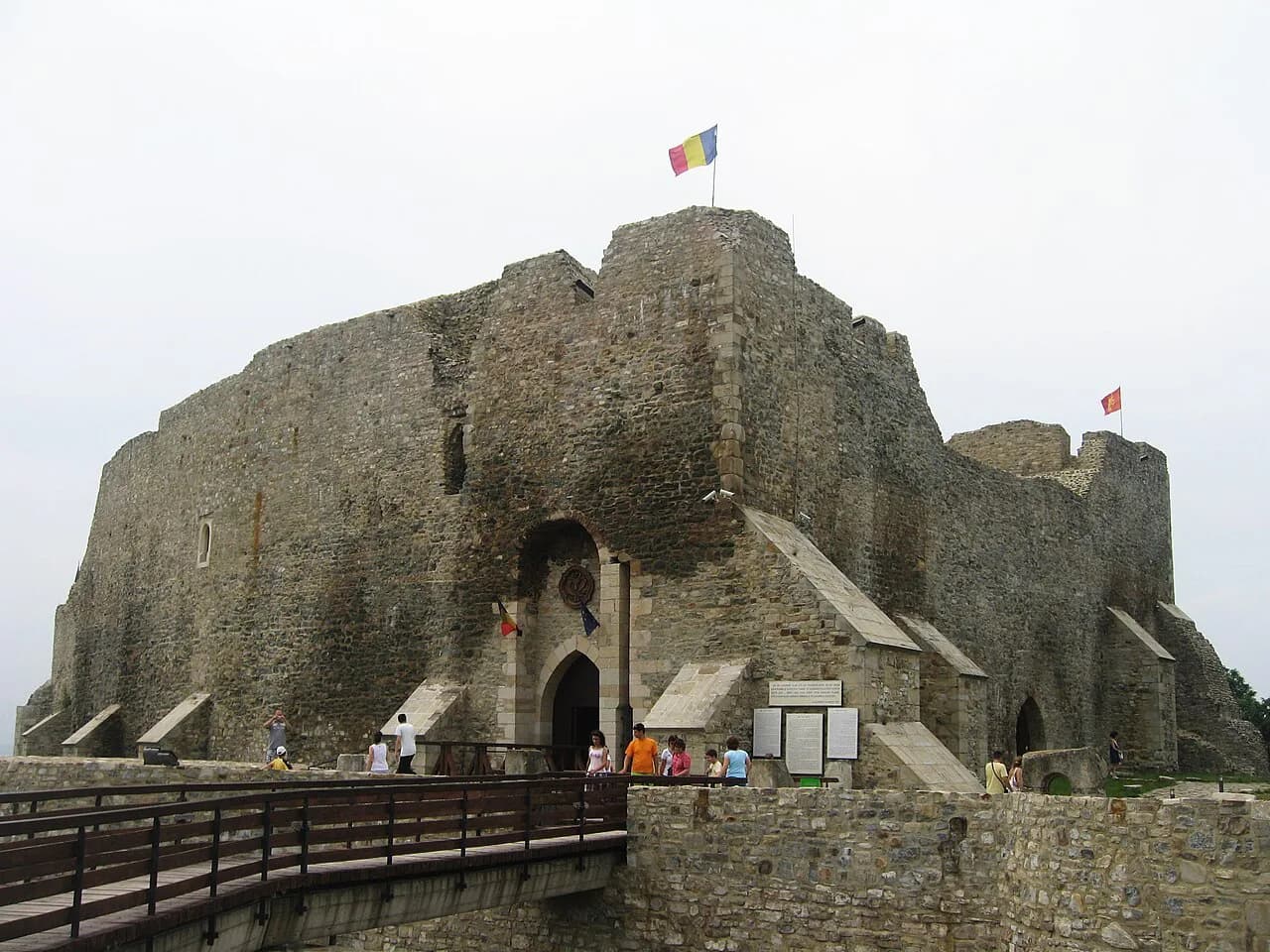
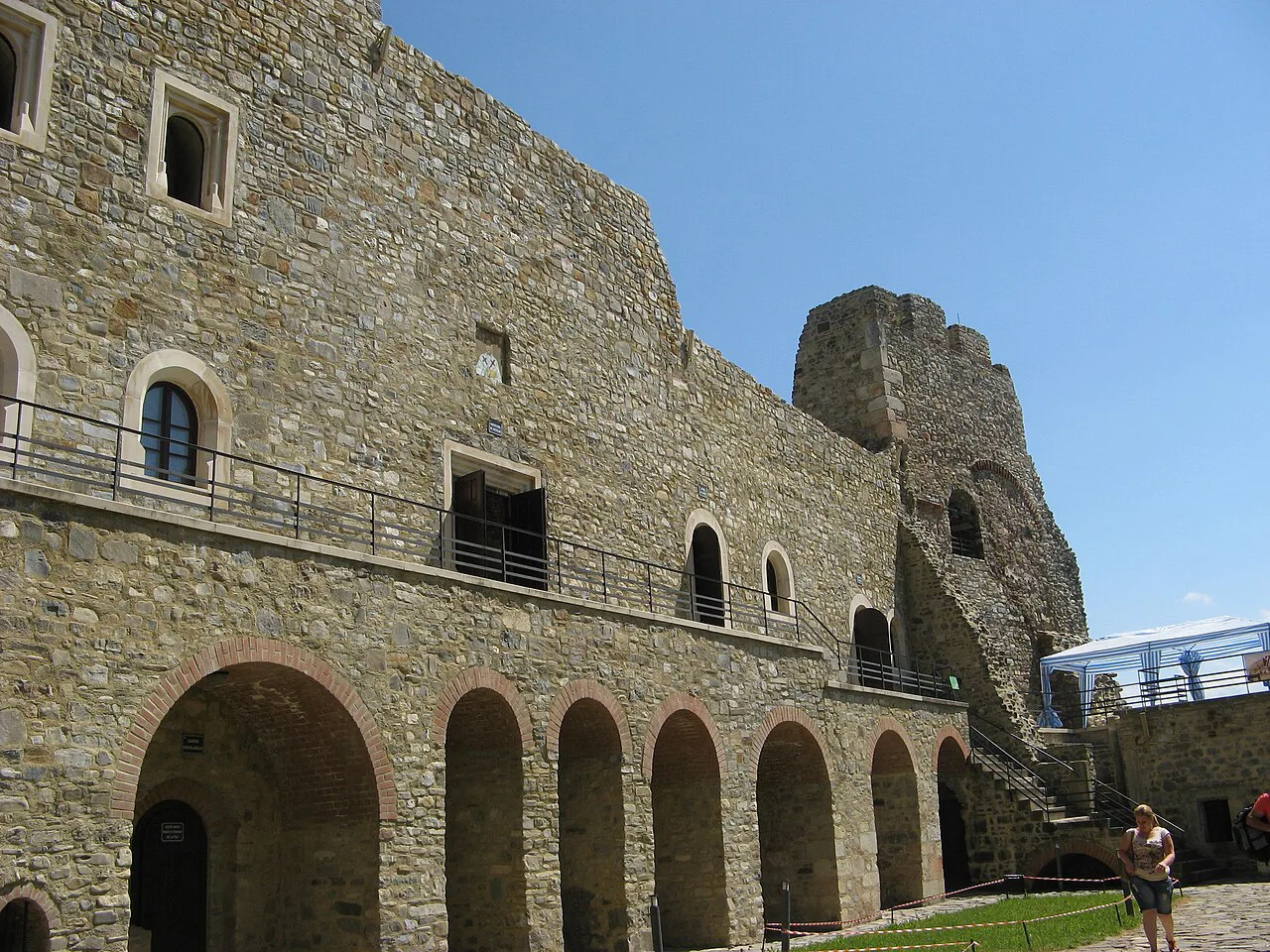
Inside the site you are walking through a fortified enclosure rather than a single building: sturdy stone walls run around the hilltop and stand above the surrounding hills. Expect to move between stretches of wall, tower positions and open ground within the circuit, and allow time at the wall lines looking out over the town and the valley below.
Because the defences follow the hill, the ground underfoot changes as you go round: you cross open ground inside the walls, pass close to masonry and climb between levels. Wear shoes with grip and treat the circuit as a walk over uneven surfaces, not a museum corridor.
What survives from the 14th and 15th centuries
The fortress was built in 14th-century Moldavia during the reign of Peter II and then expanded in the 15th century, and the citadel played a key role in Stephen the Great's defensive system. Keep those two phases in mind as you walk: the earlier work belongs to the founding of the stronghold, the later enlargement to a period of heavier fortification.
When you look at a stretch of wall, the useful question is whether you are seeing the original 14th-century layout or the 15th-century enlargement, and the interpretation on site is where to settle it. Much of what you see today is the product of restoration, which has brought back a good deal of the 14th- and 15th-century character, so some surfaces are renewed rather than worn and the value of the visit lies in the shape and setting of the defences.
What the restoration changed for visitors
Restoration has rebuilt enough of the fortress to make the circuit legible, so you can follow the walls and understand how the stronghold worked. The trade-off is that a restored monument feels different from a ruin: less guesswork, more structure, and a clearer sense of the original plan.
Neamț County's tourist information centres, run by the county tourism authority, and the site's own boards are the places to check what is open and how much of the circuit you can walk on the day you arrive, since access to parts of the fortress can change.
Reaching the citadel from Târgu Neamț and Piatra Neamț
From the centre of Târgu Neamț the fortress is the hill above you, and the choice is between walking up under your own steam and taking a car or taxi as far as the road allows before continuing on foot. Walking keeps the day simple and costs nothing beyond time; the car saves legs but still leaves the final approach on foot.
From Piatra Neamț, the road connection is DN 15C towards Fălticeni, so the drive uses the same corridor that links the two towns. Piatra Neamț sits in a basin between the Pietricica ridge at 590 m to the south-east and Cozla at 679 m to the north, which shapes the route out of the city before you reach open country.
If you are coming without a car, the Târgu Neamț rail link to Pașcani is the backbone of the journey, and the town end of it is walkable. Build the day around the train times rather than the other way round, since the fortress has no station of its own.
Steps, slopes and how much walking is involved
The climb and the uneven ground inside the walls are the real decision here. The citadel's hilltop position means the approach is uphill; the reward is the circuit along the defences and the views back over the town.
Inside the fortress, the walking is over open ground between stretches of masonry, so anyone unsteady on their feet should treat the visit as a proper walk with stops rather than a short stroll from a car park. Travellers with limited mobility, or families with very young children, should weigh the hill against the rest of the day: the town below involves far less climbing, and a mixed group can split the visit and still see the fortress from below.
How long to allow, and fitting it into a Târgu Neamț half day
Treat Neamț Citadel as a half-day anchor rather than a quick stop: the approach, the circuit and the time spent reading the walls add up, and rushing it defeats the purpose of coming up the hill. Start early enough that the climb is not squeezed against a fixed return time, and keep the afternoon for a single second stop rather than three.
Târgu Neamț itself is compact, with a population of roughly 21,000 and tourism as its leading source of income, so the practical stops in town are close together once you are back down. The town is one of the older settled places in the Moldavia region, with written records going back to the late 1300s, which gives the walk back through it some context.
Tickets, opening days and what to confirm
Neamț County publishes visiting programmes and admission charges for its tourist objectives, and that is the place to check the current position for the citadel before you set out rather than relying on a figure from an earlier year. Ask at the tourist information office in Târgu Neamț on arrival if the published information is unclear.
Opening arrangements at Romanian monuments can change with the season, so confirm the day and hours shortly before you travel and again locally; a phone call or a check of the county tourism pages is quicker than a wasted climb.
Neamț Citadel alongside Neamț Monastery and other county stops
Neamț Citadel is not the same place as Neamț Monastery: the fortress is the hilltop stronghold above Târgu Neamț, while the monastery is a separate religious site in the same county. Visitors often confuse the names, so check which one you are routing to before you set off.
The wider county holds enough for several days, from the monasteries at Agapia and Văratec to the water at Bicaz, but each deserves its own outing rather than being tacked on to a fortress morning. The fortress and one nearby stop is a satisfying day; more than that and you spend it in the car.
Is the fortress climb worth it for your day?
Climb if you want to walk a restored medieval stronghold in its hilltop setting and you are comfortable on uneven ground; skip it if steps and slopes would dominate the day, and see the fortress from Târgu Neamț instead. Either way, build the visit around the approach.
Check the county's published visiting programme and admission charge before you travel, then confirm locally on the day, and keep the rest of your Neamț County time for one other site rather than a rushed circuit.
Explore more Neamt guides
Frequently Asked Questions
How old is Neamț Citadel?
The fortress was built in the 14th century, during the reign of Peter II of Moldavia, and was expanded in the 15th century. That leaves two building phases to look for as you walk the walls: the original stronghold and the later enlargement.
Who built Neamț Citadel?
Construction began in the 14th century under Peter II, and the fortress was later expanded in the 15th century, when it played a key role in Stephen the Great's defensive system. The site therefore reflects two rulers and two periods of fortification.
Is Neamț Citadel the same as Neamț Monastery?
No. Neamț Citadel is the hilltop fortress above Târgu Neamț, while Neamț Monastery is a separate religious site elsewhere in Neamț County. Check which one you are routing to before setting off.
Sources
Useful notes for your next trip
Optional updates to our guides.
You might also like
Continue reading
More guides you'll find useful