Neamț Monastery: What to See and What to Expect
A practical guide to Neamț Monastery in Romania, covering the church, the monastery museum, its setting near Târgu Neamț and how to fit it into a Moldavian trip.
On this page
Neamț Monastery is worth two to three hours if you go inside the museum as well as the church, and about an hour if you only walk the grounds. It sits at Vânători-Neamț on Road 155C in Neamț county, west of Târgu Neamț, and works as the quiet half of a day that also takes in Neamț Citadel. This guide covers what is inside the church and the museum, how long to allow and how to reach it.
Two things are easy to confuse. The monastery is a living Romanian Orthodox community with a church you can visit, while the museum holds the documented collection of manuscripts, printed books, liturgical metalwork and textiles from the monastery's scriptorium and printing tradition. Plan the museum as the reason to linger, and treat the church as the place to slow down. The monastery's listing directs visitors to contact the attraction to confirm specific opening hours, so build your day around that check rather than a fixed timetable.
What Neamț Monastery is, in one answer
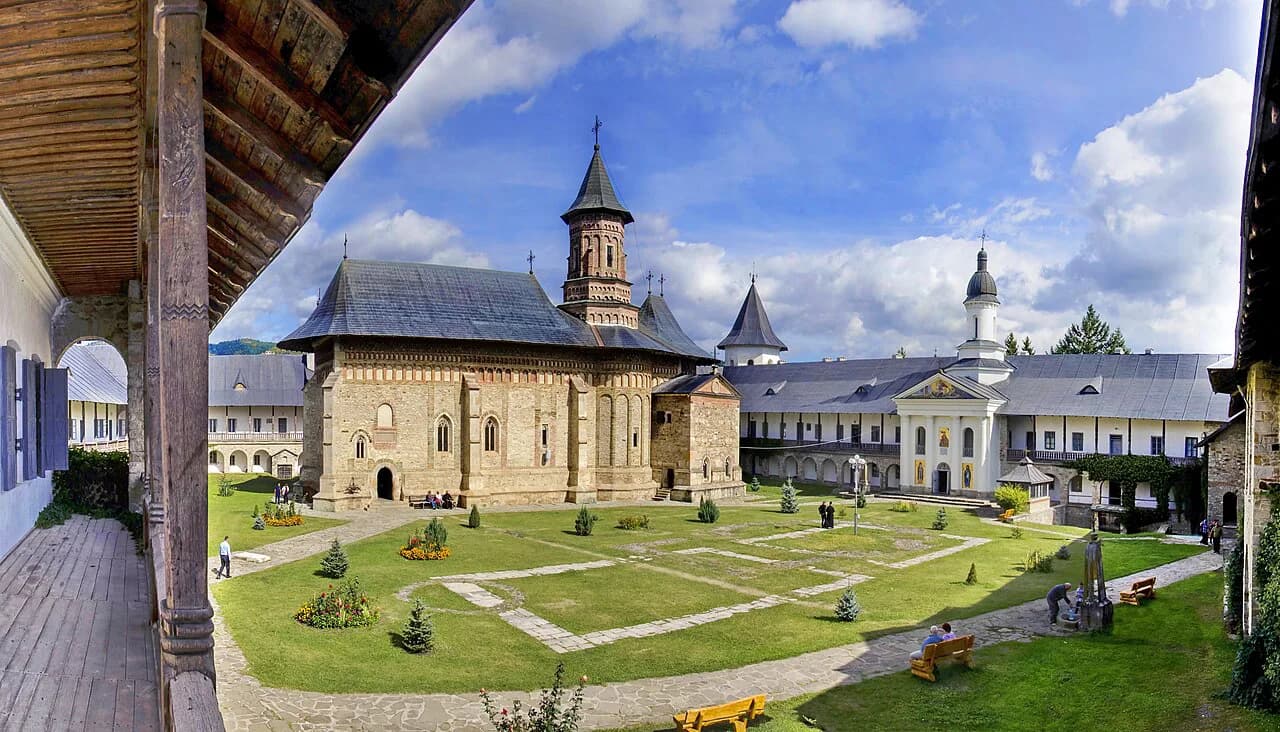
Neamț Monastery is a Romanian Orthodox monastery at Vânători-Neamț, in the Moldavia region of eastern Romania, with a church, a museum and a library on the same site. It is a working religious house rather than a ruin or a theme attraction, so visitors move around a community going about its day. A travel account describes it as a Romanian Orthodox religious settlement and notes that guests can stay overnight there, which makes it unusual among the region's sights.
The museum collection gives context to the monastery's long history, since the objects trace activity across centuries rather than through a set-piece exhibition. If your interest is the Moldavian monastery circuit, this is the site to pair with Agapia and Văratec on the same road.
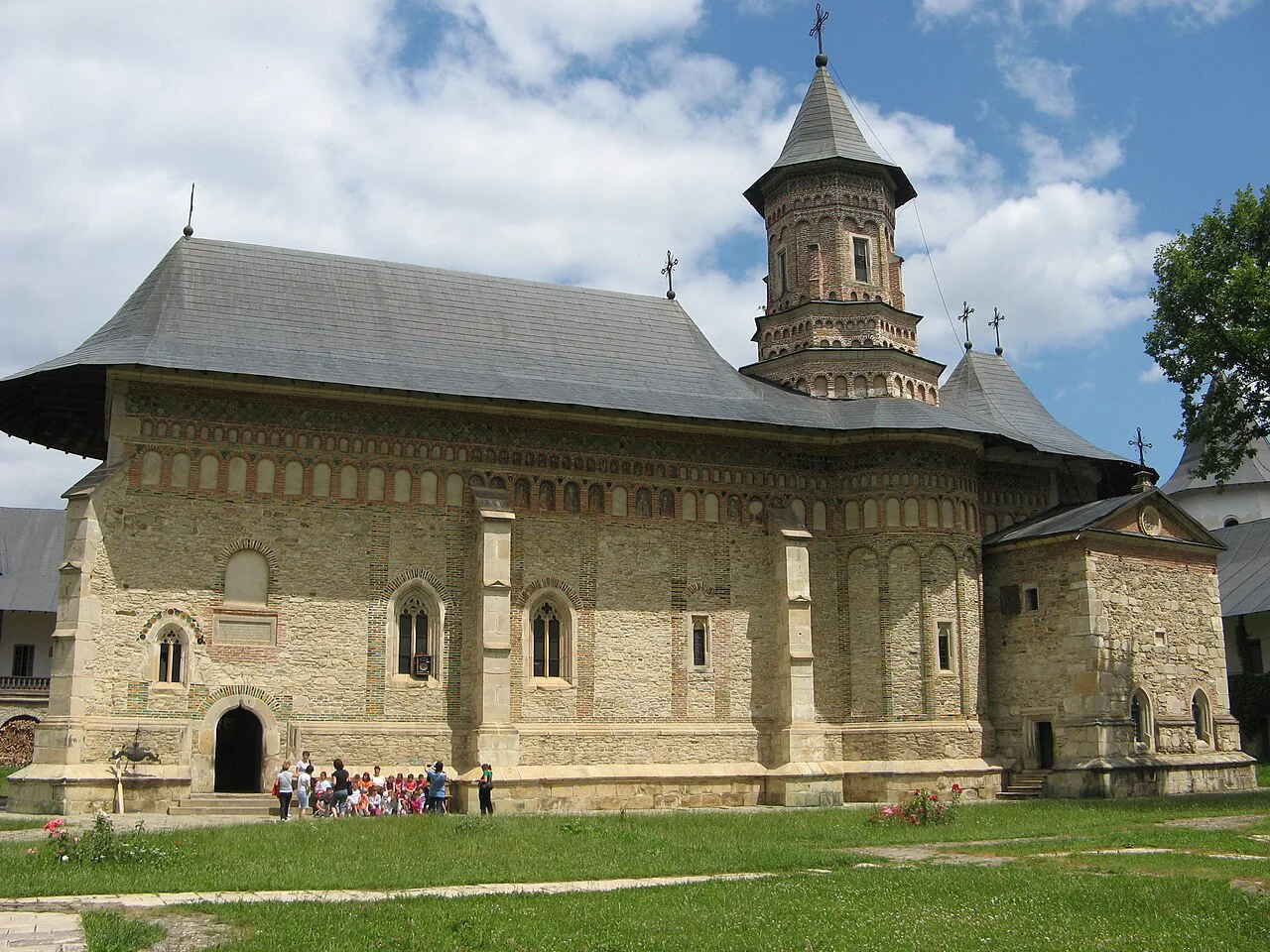
Where it sits: the 155C road near Vânători-Neamț
The address is Road 155C, Vânători-Neamț 617500, which puts the monastery on the county road that serves the Vânători-Neamț area. Coming from Târgu Neamț, follow this road and follow signs for the monastery rather than navigating to a town centre. The same road serves the other monasteries in the area, so one drive can cover several stops.
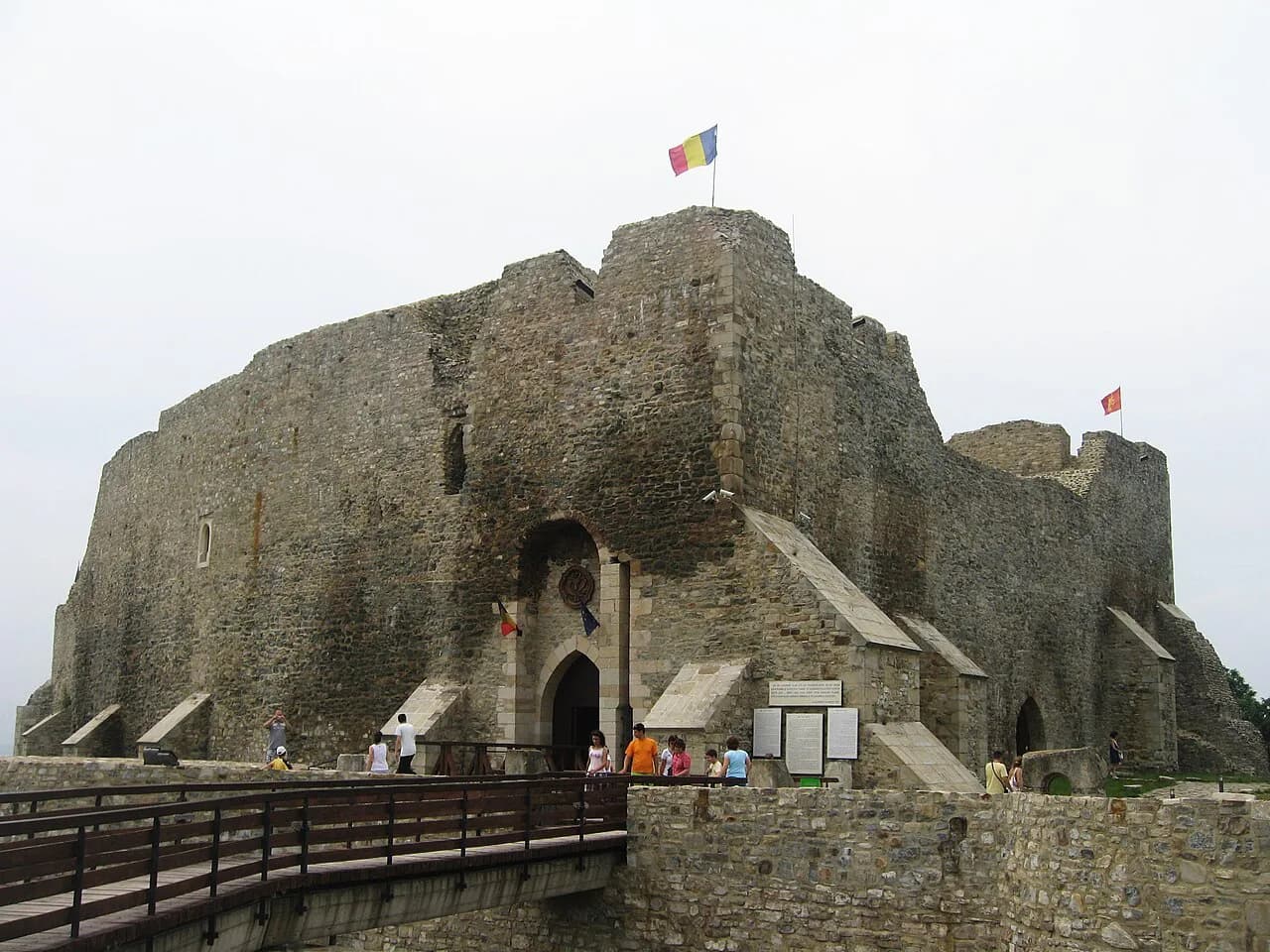
An approximate distance check helps you sequence the day: the monastery listing places Neamț Citadel about 17 km away, Agapia Monastery about 14 km, the Ion Creangă Memorial House about 19 km and a second Neamț Monastery point of interest about 5.6 km from the site. Treat these as rough straight-line guides rather than precise driving times. Use them to decide whether to start at the citadel or the monastery, not to plan a tight timetable.
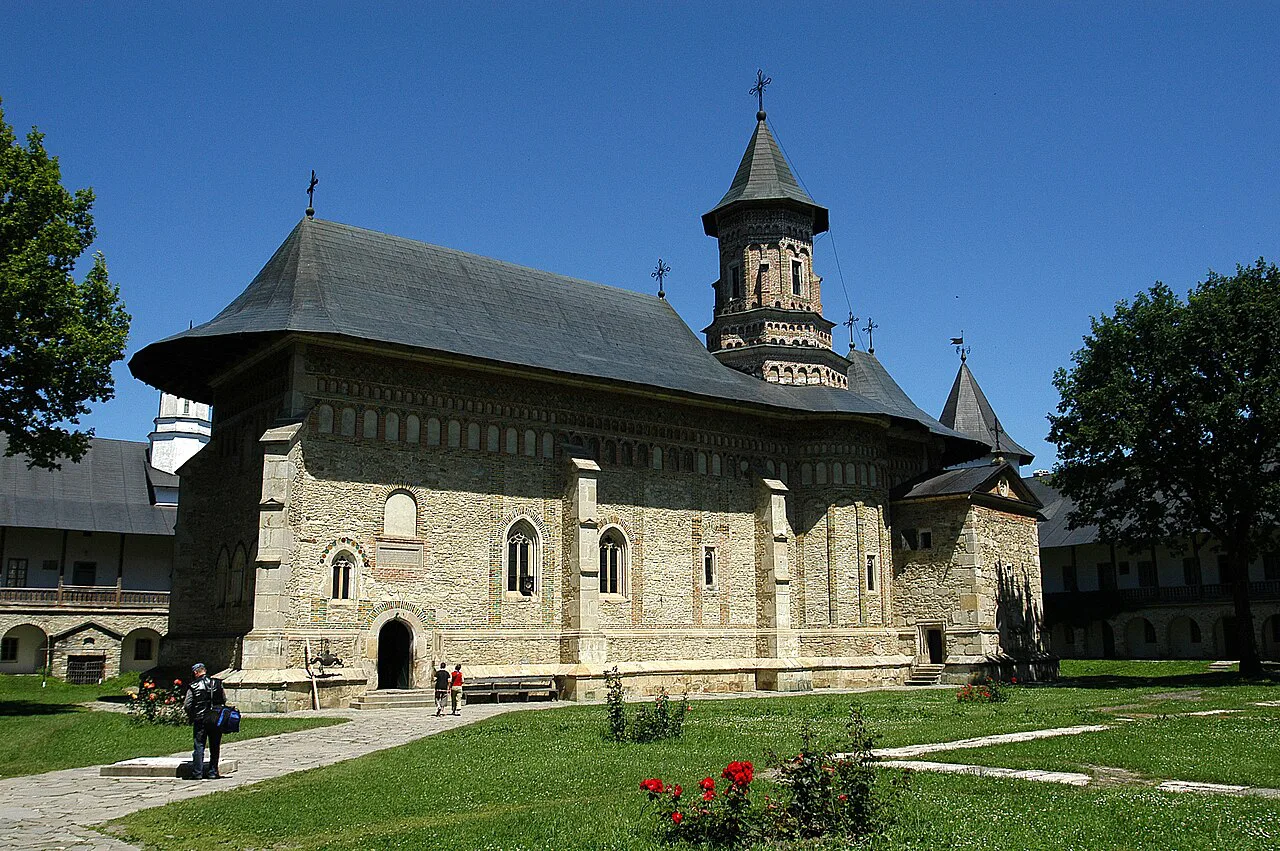
The monastery church and what to expect inside
The church is the focal point of the visit, and you should expect to share it with people who have come to pray rather than to sightsee. Arrive outside the main service times where you can, and keep voices low inside. Build in slack around whatever hours you confirm, because the building is in religious use.
The monastery museum holds the old church iconostasis of Neamț Fortress, whose paintings the county tourism guide describes as fifteenth-century work. That is the strongest reason to look carefully at the museum rather than treating the church as a quick photo stop. Ask at the monastery where the iconostasis is shown on the day you visit.
The monastery museum: gospel, iconostasis and treasury objects
The museum is a separate stop from the church and is where the monastery's story is laid out in objects. Its collection includes gold and silver liturgical items, sculpture, stone and wood engravings, embroidery, fabrics, manuscripts, translations from Greek and Slavonic, and printed documents that record the activity of princes and abbots. Some pieces were made by the monks themselves, while others were gifts from rulers and benefactors.
Two pieces stand out for the general visitor: a Slavonic Gospel of 1759 and the Neamț Fortress iconostasis, both singled out for the quality of their execution and presentation. Read the labels rather than skimming, because the value here is in the detail of who made what and who gave it. The museum also holds objects brought in from other churches for safekeeping, which broadens the collection beyond this one site.
The library and the copyist and printing tradition
The monastery ran a school of copyists and calligraphers and a printing operation, and the library now holds more than 18,000 volumes. That tradition is what gives the museum its coherence: the manuscripts, translations and printed documents on show are the surviving output of a working scriptorium, not random antiquities. If you only see one room, make it the one that explains the copying and printing work.
The collection is described as only part of the treasure the monastery once held, since the house went through periods of damage and looting. That context is worth knowing before you walk in expecting a complete medieval treasury. It also explains why the surviving objects are displayed with such care.
How long a visit takes and what to allow for the museum
Allow roughly an hour for the church and grounds, and two to three hours in total if you read the museum labels properly. The museum is the part that takes time, so do not sandwich it between two other monasteries with a fixed departure. If you are short of time, see the church first and decide on the museum afterwards.
Entry arrangements, ticket prices and opening hours are the details to confirm directly with the monastery before you travel. Ask when you arrive or check ahead, and keep a backup stop in the area in case the museum is closed on the day. Pairing the visit with the citadel means a closed room does not waste the drive.
How to reach it by car or bus from Târgu Neamț
Coming by car is the simplest approach: reach Târgu Neamț, take Road 155C, and follow the monastery signs into Vânători-Neamț. The drive is short in distance but slow on the county road, so leave more time than the map suggests, especially if you are continuing to Agapia. Parking is at the monastery rather than in a separate village centre.
By public transport, Târgu Neamț is the place to start, and local buses and minibuses serve the villages along the valley. Schedules change with the season, so check the return trip when you arrive rather than assuming an evening service. If you are based further east, Piatra Neamț makes a practical base for the county's monastery circuit.
Combining it with Neamț Citadel, Agapia Monastery and the Ion Creangă Memorial House
A sensible day starts at Neamț Citadel above Târgu Neamț, drives west to the monastery for the church and museum, then continues to Agapia Monastery for a contrasting visit. Keep the Ion Creangă Memorial House as a third stop if you have a full day, since the listing places it within the same radius. This sequence keeps the driving in one direction instead of doubling back.
If you have a second day, add Văratec Monastery for its own community and setting, or push on towards Bicaz for a change of scenery. Both make more sense as separate outings than as extra stops on an already full monastery day. Choose based on whether you want another religious house or the wider lake and mountain country.
Is Neamț Monastery worth the detour?
Yes, if you want the museum as well as the church. The manuscript, printing and treasury collection is what distinguishes Neamț Monastery from a roadside church stop, and it justifies the drive out along Road 155C. Go with time to read the labels, and leave the citadel or Agapia for the other half of the day.
Confirm the day's opening arrangements before you set out, and keep the visit flexible so a closed museum does not derail the trip. With the distances to the citadel and Agapia in mind, the monastery fits neatly into a Moldavian day rather than demanding one of its own.
Frequently Asked Questions
Is Neamț Monastery free to enter?
The listing gives no entry price for the monastery or its museum, so ask on arrival or check ahead before you travel rather than budgeting from a figure seen elsewhere.
Do you need to book Neamț Monastery tickets in advance?
The listing advises contacting the attraction to confirm opening hours, which is the practical step to take before a long drive; it gives no details of advance booking.
Can you stay overnight at Neamț Monastery?
Overnight accommodation at the monastery is described by one travel account, though room and booking details are not given there. Contact the monastery directly if you want to arrange a stay.
What is there to see at Neamț Monastery?
The museum, including the old church iconostasis of Neamț Fortress and a Slavonic Gospel of 1759, its liturgical metalwork, textiles, manuscripts and printed documents. The library holds more than 18,000 volumes and reflects the monastery's copyist and printing tradition.
Sources
Useful notes for your next trip
Optional updates to our guides.
You might also like
Continue reading
More guides you'll find useful