
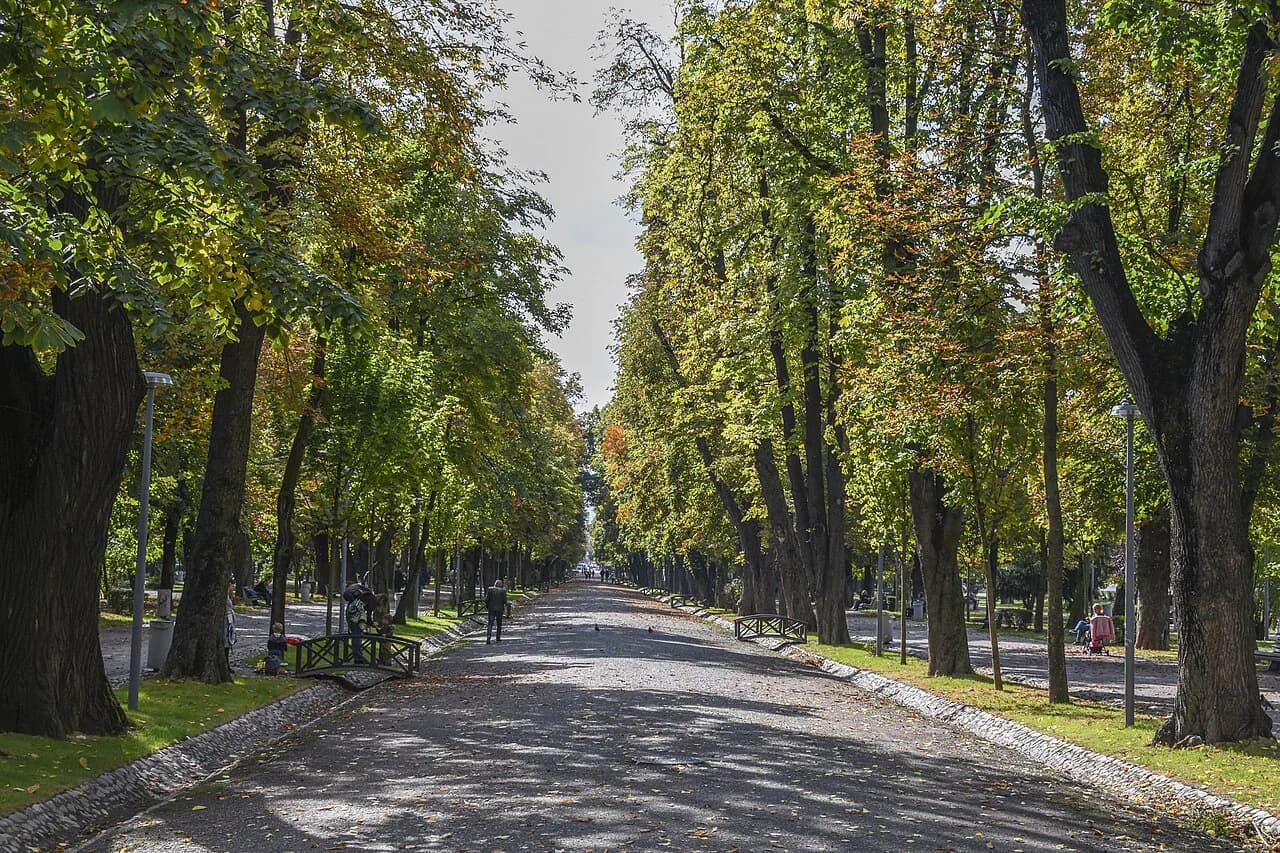
Central Park (Parcul Central „Simion Bărnuțiu”), Cluj-Napoca

Allow roughly an hour for Central Park (Parcul Central „Simion Bărnuțiu”) if you want the lake, the Chioșcul pavilion and the main avenue; budget closer to two hours if you add the Elisabeta Promenade up the Citadel hill slope and come back over the footbridge. Entry is free, and the park sits on the right bank of the Someșul Mic within easy walking distance of the historic centre. This guide covers how to reach it, what to look for inside, and how the walk splits into a short loop and a longer one.
The layout is easy to read once you know it was built in stages: an 1838 design by the engineer Sámuel Hermann gives the park its triple avenue on a single long axis, and the lake followed in 1871 to Anton Kagerbauer's design. That spine is what most visitors walk, with the pavilions and the water grouped along it and the hillside path rising to the south.
What Central Park is and where it sits between the Someșul Mic and the city centre
Central Park occupies the right bank of the Someșul Mic next to Cluj-Napoca's historic core, and it works as the city's main promenade rather than a fenced attraction. You walk straight into it from street level; there is no ticket desk to negotiate. For a wider look at what else the city offers, see the Cluj-Napoca Attractions: 13 Visitor Guides collection.
The ground itself is a piece of engineering worth noticing. The park was raised using material from the demolition of the medieval town walls, which drained what had been marshy land often flooded by the Someș and gave the park its present dry, level footing. That explains why the lawns and avenues sit slightly above the riverbank rather than in a dip.

How to reach the park on foot from the centre
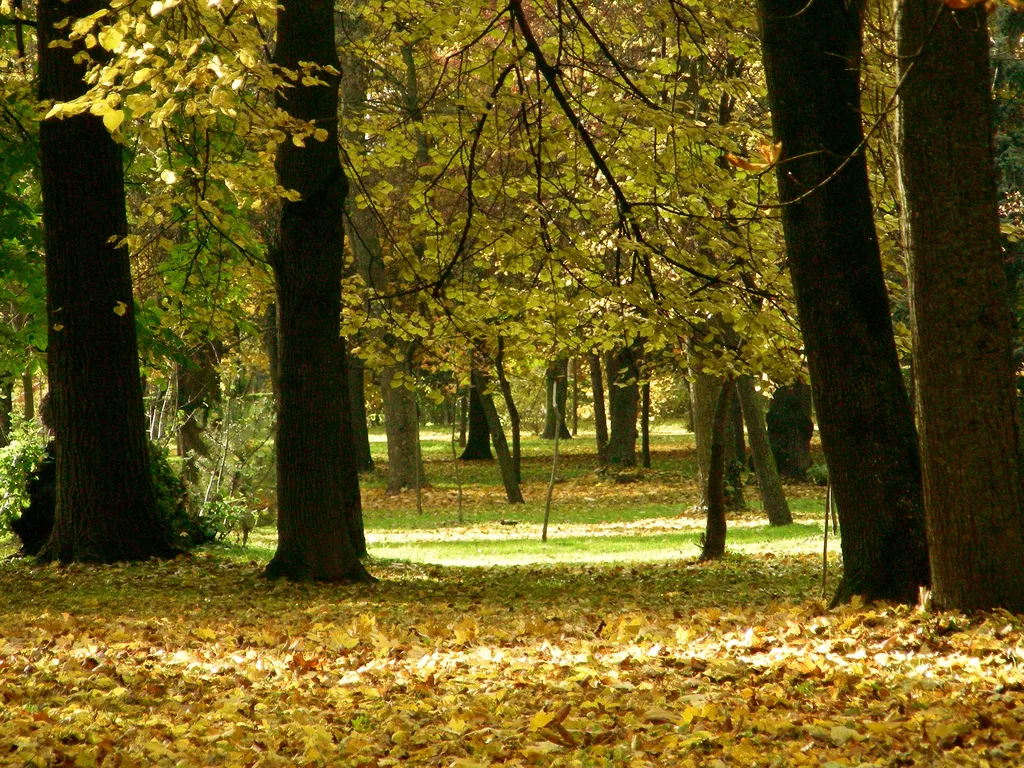
Walk towards the river from the centre and you will meet the park within ten to fifteen minutes; the streets leading off Piața Mihai Viteazul and Piața Ștefan cel Mare funnel you towards it. Approach from Piața Avram Iancu and you head for the Someșul Mic, with the park opening up beyond it. Whichever way you come, pick the side nearest your route rather than aiming for a main gate.
If you are starting from Union Square (Piața Unirii), head north-west past St Michael's Church (Biserica Sfântul Mihail), Cluj-Napoca and keep going until the streets open onto the river. The walk is flat and short enough to do on foot in either direction, which makes the park an easy add-on to a morning in the centre.

Entry and opening: free access, and where to confirm current hours
Entry to Central Park is free, as the official Cluj listing states. The listing gives a free-access line but no opening hours, so treat the park as open public ground and check locally if you plan to be there at an unusual hour.
Because access is free, there is nothing to book and no queue to plan around. The only timing question that matters is daylight: the lake, the pavilions and the promenade are outdoor features with no stated closing time, so plan your loop while it is light and leave the hill path for when you can see the footing.
The lake and the Chioșcul pavilion, plus the fountain and bandstand ensemble
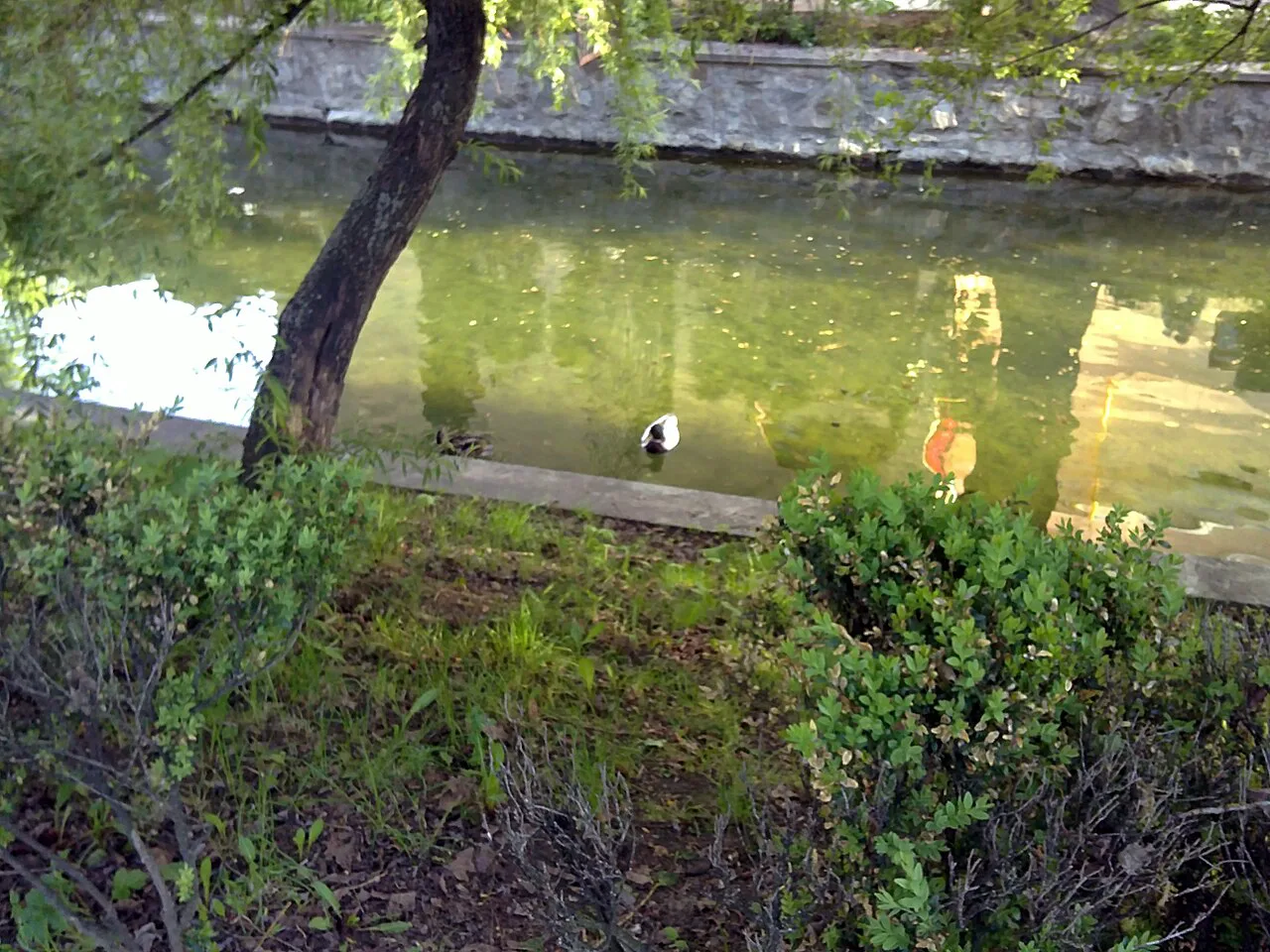
The lake sits inside the park on Anton Kagerbauer's 1871 design and acts as the visual centre of the walk. Alongside it, the 1897 works by the Cluj architect Lajos Pákei added a group of pavilions: the Skating Pavilion, the Chioșcul, a fountain and the bandstand pavilion, laid out along an axis. Read them as one designed ensemble rather than separate sights, and slow down between them.
Later modernisation widened the lake, which left the former skating pavilion stranded on an island. That island is now a fixed feature of the view across the water, and it gives the lake its shape from the main avenue. Walk the length of the triple avenue first, then cut to the water's edge to see the pavilion group from the opposite side.
The Elisabeta Promenade, the 420 m serpentine, the viewpoint platform and the footbridge
The Elisabeta Promenade is the part many visitors mistake for the park itself. Laid out in 1900 on the southern slope of the Citadel hill, it runs as a 420 m serpentine with a viewing platform at its midpoint. The climb is gentle but continuous, so wear shoes you can walk uphill in and give yourself time to stop at the platform.
At the platform stands a bust of Empress and Queen Elisabeth, unveiled on 20 August 1902, sculpted by Alajos Stróbl. The link back to the park is the Elisabeta footbridge, a 35 m metal walkway over the Someș built in the same year. Crossing it closes the loop neatly and saves you retracing the serpentine downhill.
The 1940 Károly Kós pavilion, now painting studios
In 1940 the architect Károly Kós built an exhibition pavilion in the park for Transylvanian artists, and the building now houses the painting studios of the University of Art and Design. It is a working studio building rather than a visitor attraction, so admire it from outside and do not expect to walk in. Its presence is a reminder that the park has been used for exhibitions and making as well as strolling.
How much time to allow
For the short version, give the park about an hour: walk the triple avenue from end to end, circle the lake, and look at the Chioșcul, fountain and bandstand group. That pace leaves room to sit and covers the features most visitors come for without rushing.
For the longer version, add 45 minutes to an hour for the Elisabeta Promenade, the viewing platform and the return over the footbridge. The climb is the trade-off: you get a view back over the park and the river, but you spend time going up and down a slope. Do the park first and the hill second, so the climb is the last thing you do before heading back into the centre.
If you are fitting the park into a day of sightseeing, pair it with something indoors nearby rather than stacking three outdoor stops. The Cluj-Napoca Botanical Garden (Grădina Botanică Alexandru Borza) is another green space in the city and works as an alternative walk, not a duplicate of this one.
Layout and orientation: the main axis and the raised ground
Hermann's 1838 plan used the irregular shape of the site to run a triple avenue lengthwise as the main axis of the whole composition. Find that avenue and you can orient yourself instantly: the lake and pavilions sit off it, and the hillside path branches south. The tree pits along the main alleys were filled with organic material carted from the ploughing of what are now Piața Mihai Viteazul, Piața Avram Iancu and Piața Ștefan cel Mare, which tells you how closely the park was tied to the city around it.
The raised ground created from the demolished walls is why the park feels level and dry despite sitting beside a river. It also means the edges step up slightly from the surrounding streets, so watch the kerbs if you are arriving with a pushchair or on wheels.
When the park is busiest and how that changes the walk
As the city's main promenade, the park fills up on fine afternoons and at weekends, and the stretch around the lake is where people gather. If you want the avenue and the pavilions with fewer people in the frame, come early in the day. The hill path thins out faster than the lakeside, so the promenade is the better bet when the park is crowded.
Crowds change what you can do rather than whether you can do it: the loop still works, but you will be sharing the water's edge and the main axis. Plan the seated stops for the quieter end of the avenue and keep the lakeside for a quick pass.
Nearby sights to pair with the visit
The centre is close enough that the park fits between two museum stops. The Museum Square, Cluj-Napoca cluster and the Museum of Art Cluj-Napoca are both city-centre draws within walking distance, and the National Museum of Transylvanian History, Cluj-Napoca sits in the same central area.
Smaller stops round out a half-day: the Pharmacy Museum (Muzeul Farmaciei) in Cluj-Napoca, the Bánffy Palace (Palatul Bánffy), Cluj-Napoca and the Matthias Corvinus House (Casa Matei Corvin), Cluj-Napoca are all in the old centre. The Ethnographic Museum of Transylvania, Cluj-Napoca is another option if you want an indoor hour before or after the park.
Is the promenade worth the extra climb?
Walk the park for the lake, the Chioșcul and the triple avenue; climb the Elisabeta Promenade only if you want the viewpoint and do not mind the slope. The park costs nothing and takes about an hour, which makes it the easy half of the visit. The hill path is the optional half, and the footbridge is what turns it into a loop rather than an out-and-back.
Explore more Cluj-Napoca guides
Frequently Asked Questions
Is Central Park in Cluj-Napoca free to enter?
Yes. The official Cluj listing gives free access to the park, and there is no ticket desk or booking step.
Can you walk to Central Park from the city centre?
Yes. The park sits on the right bank of the Someșul Mic just beside the historic centre, roughly ten to fifteen minutes on foot from the central squares, and the approach is flat.