
Museum of Art Cluj-Napoca: A Visitor's Guide to the Bánffy Palace

Give the Museum of Art Cluj-Napoca two hours if you want the collections properly; one focused hour is enough if you are picking highlights between other sights on Piața Unirii. The museum occupies the Bánffy Palace, described as the most important baroque building in the city, and its holdings run from old art to Romanian painting of the nineteenth and twentieth centuries. This guide covers where it sits, what hangs inside, opening days and how to plan a visit around it.
You do not need to build a day around it. The museum is one stop within a compact centre, and it works best paired with the square outside and one other collection nearby, whether that is the Muzeul Național de Istorie a Transilvaniei or the Muzeul Etnografic al Transilvaniei.
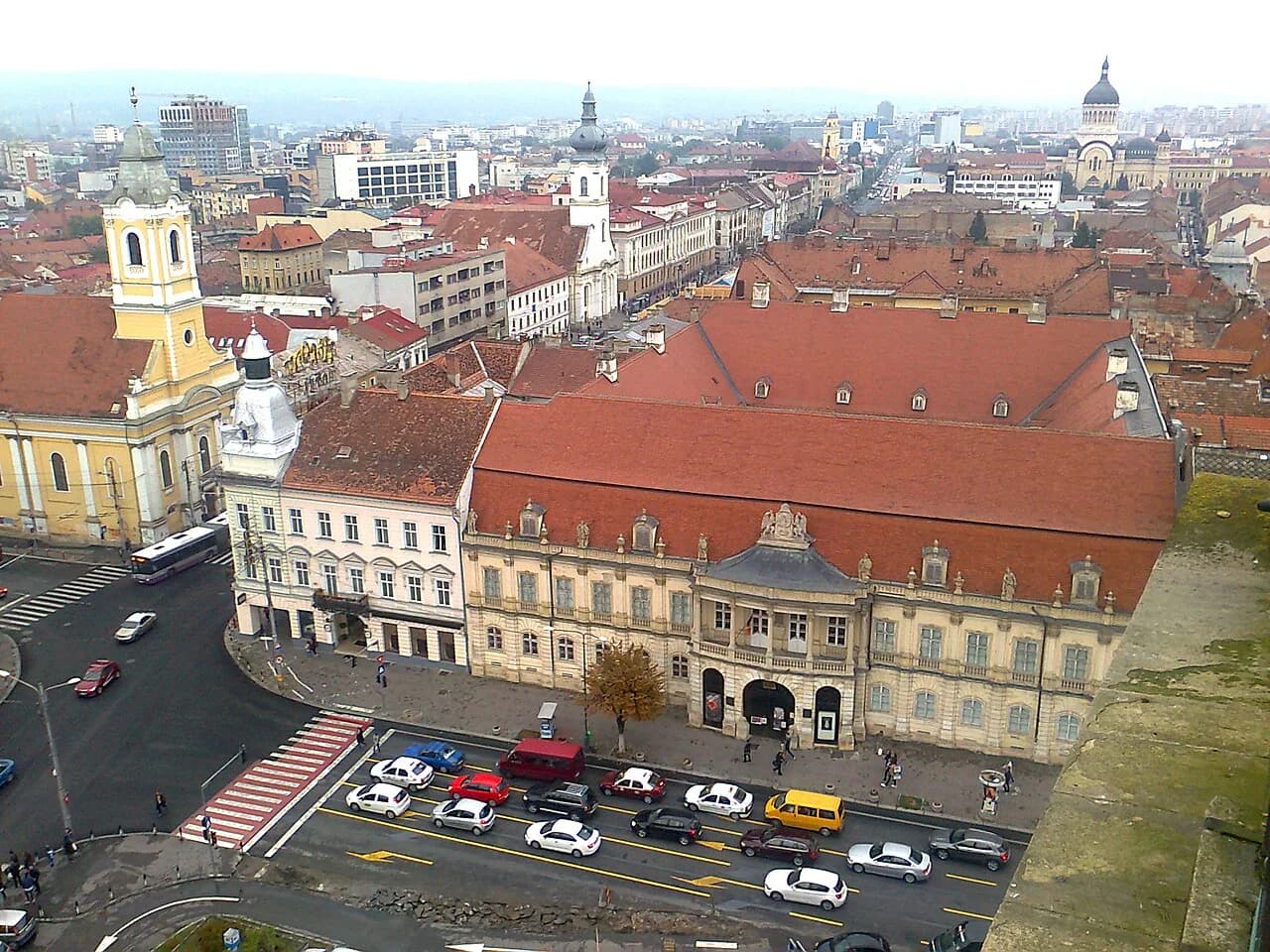
Where the museum is on Piața Unirii
The address is Piața Unirii nr. 30, in the heart of Cluj-Napoca. You approach through the square itself, the city's main open space and the natural orientation point for a first walk. The museum is housed in the Bánffy Palace, so look for the palace frontage rather than a separate modern block.
For the wider layout of the centre, and how the square connects to the river, the cathedral and the shopping streets, use the Cluj-Napoca Attractions: 13 Visitor Guides hub before you set out. It saves backtracking if you are in town for only a day or two.

The Bánffy Palace setting
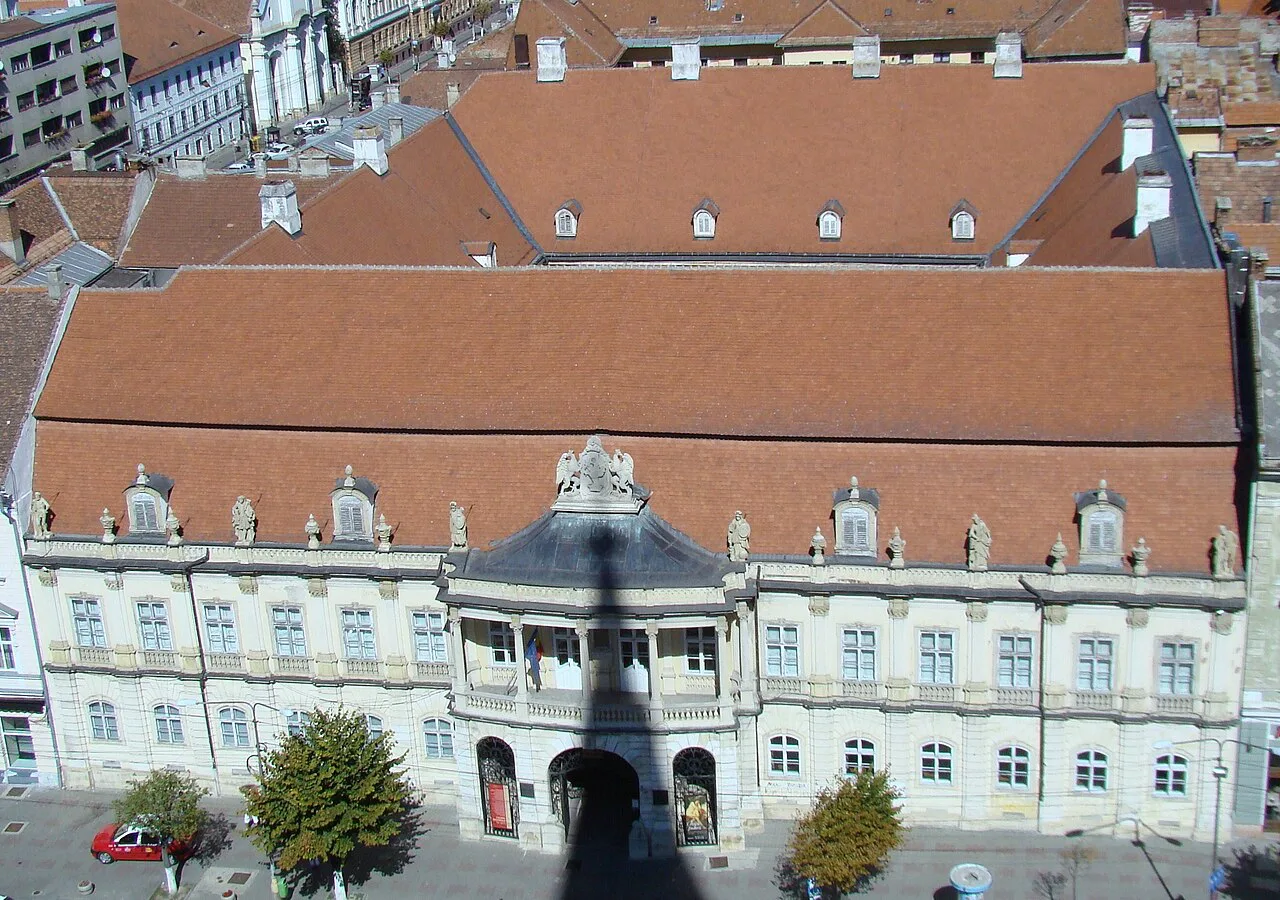
The palace is described as the most important baroque building in the city, and that is part of what you are paying to see. Its formal rooms frame the art rather than simply containing it, so budget a few minutes for the building before you start on the paintings. Visitors who rush straight to the galleries miss the reason the museum is housed here at all.
The palace also gives the museum its scale: period rooms and galleries rather than a purpose-built modern hall. That means rooms of varying size and light, and a visit that unfolds room by room, so wear shoes you can stand in for a couple of hours.

Opening days and hours
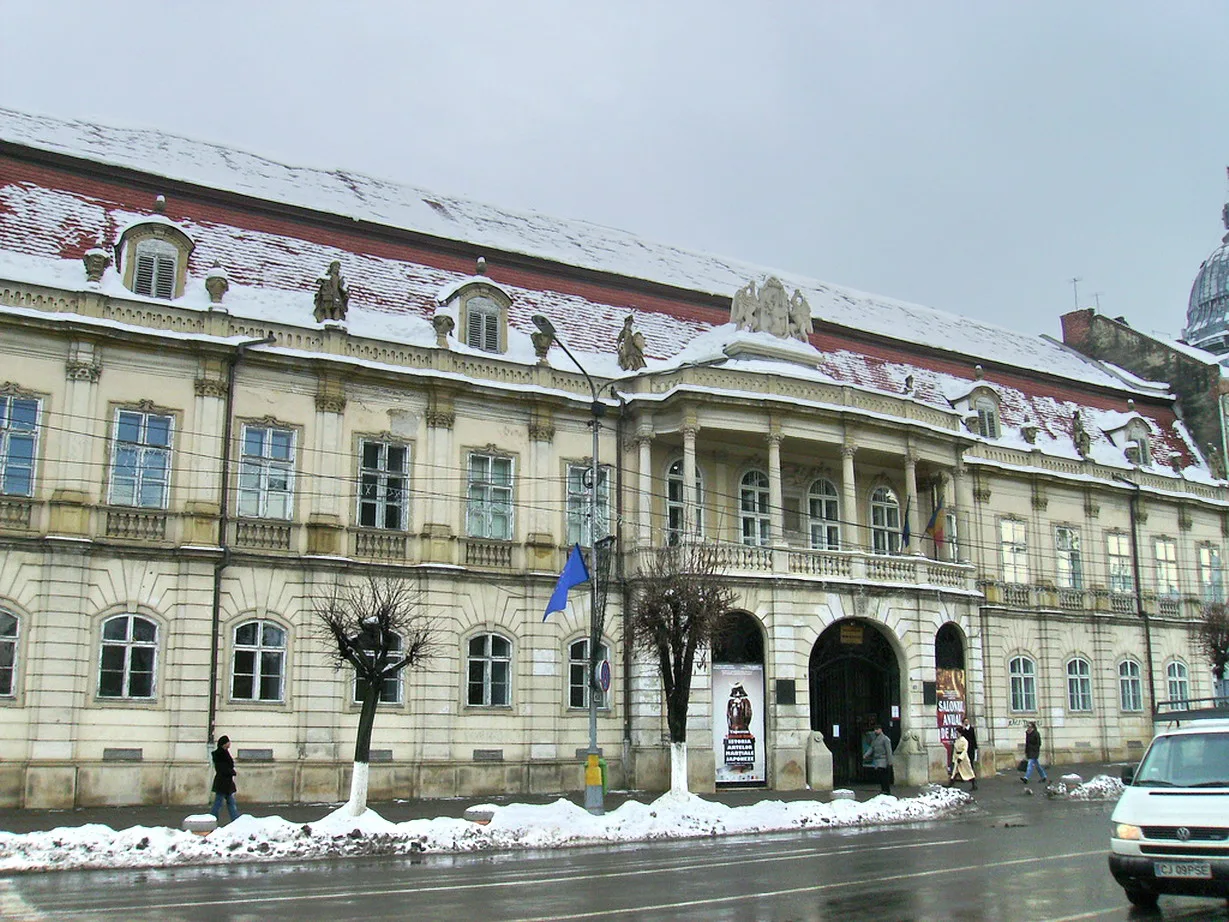
The museum opens Wednesday to Sunday, 10:00 to 17:00, and closes on Monday and Tuesday. Plan around those two closed days if Cluj-Napoca is a short stop, because a Monday arrival will not get you inside.
Tickets are sold through the museum's own site, where you can check the current arrangements before you commit.
Reaching it on foot from the old centre
From the old centre, the museum is a straightforward walk of a few minutes across Piața Unirii, with no transport needed. If you are coming from further out, aim for the square rather than the address, then walk the last stretch along the palace frontage. The square is pedestrian-heavy, so allow a little slack rather than expecting to stride straight through.
The palace sits near St Michael's Church, whose spire is the easiest landmark to steer by when you emerge from the surrounding streets. The two together make a natural half-day: church first, museum second, or the reverse if a service is on.
At the entrance, have your ticket ready if you have bought in advance, and check the museum's site for opening arrangements if you are visiting on a public holiday.
What hangs inside: the collections
The museum collects, conserves and displays Romanian and universal art, spanning painting, design, photography, architecture, film and newer forms. That breadth matters before you start, because the galleries are not only framed oil paintings. Take the rooms in the order they present themselves and you will cover the range without doubling back.
The strongest draw for most visitors is the Romanian painting, with works by Nicolae Grigorescu, Ștefan Luchian, Nicolae Tonitza, Camil Ressu, Gheorghe Petrașcu and Theodor Pallady among the holdings. If those names mean nothing to you, treat them as the core of the national collection and read the room labels as you go. Hungarian and other European artists are represented alongside them.
The museum's own pages set the collections out by category, including a national art gallery, an old art collection, and separate holdings of painting, graphics, sculpture and decorative art. That structure is the most useful map of the building before you arrive, and it tells you where to concentrate if one medium interests you.
Highlights for a one-hour visit
With an hour, go to the Romanian painting first and stay with it, since it is the reason most visitors come. Work through Grigorescu and Luchian into the rooms beyond, and leave the decorative art for another time; a single pass through one strong floor beats a rushed circuit.
Second on the list is the building itself: the staircase and the principal rooms are part of the experience and cost you no extra time. Photograph them on the way in rather than on the way out, when you may be hurrying.
How long to allow, and who it suits
Two hours covers the collections at a reasonable pace with the palace rooms included; three lets you read labels and take in the temporary displays as well. Groups with children or mixed appetites should plan on the shorter figure, and anyone with a specialist interest in Romanian painting should give it longer.
The museum suits travellers who want one serious art stop inside a city break, and it is easy to combine with a walk of the centre. It is less suited to a quick twenty-minute diversion, because the layout rewards a proper circuit; choosing between Cluj-Napoca's museums on a short trip, take this one for painting, the history museum for archaeology and the ethnographic museum for rural life.
The nature collection at the Cluj-Napoca Botanical Garden (Grădina Botanică Alexandru Borza) on Strada Republicii is another option if your group splits, though it keeps weekday-only hours and is a different sort of visit.
Temporary exhibitions and what changes
The museum runs a programme of temporary exhibitions alongside its permanent displays, so the rooms you see will not be identical from one season to the next. Exhibitions in progress and upcoming are listed on the museum's own site, and checking that list before you travel tells you whether something specific is on.
Temporary shows usually occupy part of the building rather than displacing the collections, so the Romanian painting remains the fixed point of a visit. If a show is the main reason you are going, allow extra time on top of the two-hour figure.
Guided tours and workshops
The museum runs guided tours and workshops, listed on its guided tours and workshops page, and these are the route to a structured explanation of the collections rather than a self-guided walk. They are most useful if you want the Romanian painting put in context. Ask at reception or check the page before your visit for what is running and how to join.
Workshops are typically aimed at groups and educational visits, so a solo traveller should not assume a session will be available on the day. The museum's education programme is the place to look for what is scheduled, and reception can confirm whether anything is open to individual visitors.
Nearby: the square and other museums
Step out of the palace and you are on Union Square (Piața Unirii) itself, with St Michael's Church nearby and the streets of the old centre running off it. The Museum Square area, a short walk away, adds another cluster of sights including the Pharmacy Museum (Muzeul Farmaciei) in Cluj-Napoca, a small and specific collection that suits a half-hour stop.
The National Museum of Transylvanian History (Muzeul Național de Istorie a Transilvaniei) on Constantin Daicoviciu is the obvious companion for archaeology and older holdings, and it also opens Tuesday to Sunday. The two museums together fill a wet morning without leaving the centre.
For open-air breathing space afterwards, the central park and Cetățuia Hill both sit within walking distance, and both give you a view back over the centre. Avram Iancu square and the Matthias Corvinus House are further options on the same circuit if you are building a full day.
Practical trade-offs before you go
The main trade-off is timing: Monday and Tuesday closures mean the museum has to be scheduled rather than fitted in, so build it into the middle of your trip. The other is scope: the breadth of the collections means a short visit involves choices, so decide on painting or decorative art before you go in.
Check the opening hours on the museum's own pages rather than relying on memory, and confirm a temporary exhibition's dates before you plan a day around it. Those two checks before you travel cover almost everything that can change.
Is the Museum of Art worth an afternoon?
Yes, if you want Romanian painting and a baroque interior in one stop, and you are in Cluj-Napoca on a day between Wednesday and Sunday. Budget two hours, go for the painting first and the palace rooms second, and leave time for the square outside.
Skip it, or shorten it to an hour, if art is not the point of your trip; the history and ethnographic museums give a broader picture of Transylvania and sit close by. Either way, settle your day around the museum's opening days before you commit.
Explore more Cluj-Napoca guides
Frequently Asked Questions
Do I need to book the Museum of Art Cluj-Napoca in advance?
Online tickets are sold through the museum's own site, so you can buy ahead if you want to avoid time at reception on a busy weekend. Check the museum's tickets page before you travel for the current arrangements.
Which day is the quietest for a visit?
The museum only opens Wednesday to Sunday, so weekday slots are your best bet; weekend afternoons draw the most visitors. Arriving at opening time gives you the galleries before the day builds up.
Can I see the Bánffy Palace without buying a museum ticket?
The palace houses the museum, and the galleries and the building are visited together on the same admission. Plan to see the staircase and principal rooms as part of the museum circuit rather than as a separate stop.
What art is the museum best known for?
Romanian painting from the nineteenth and twentieth centuries, with Nicolae Grigorescu, Ștefan Luchian, Nicolae Tonitza and Theodor Pallady among the artists represented. The museum also holds old art, graphics, sculpture and decorative art, so there is range beyond the painting.