
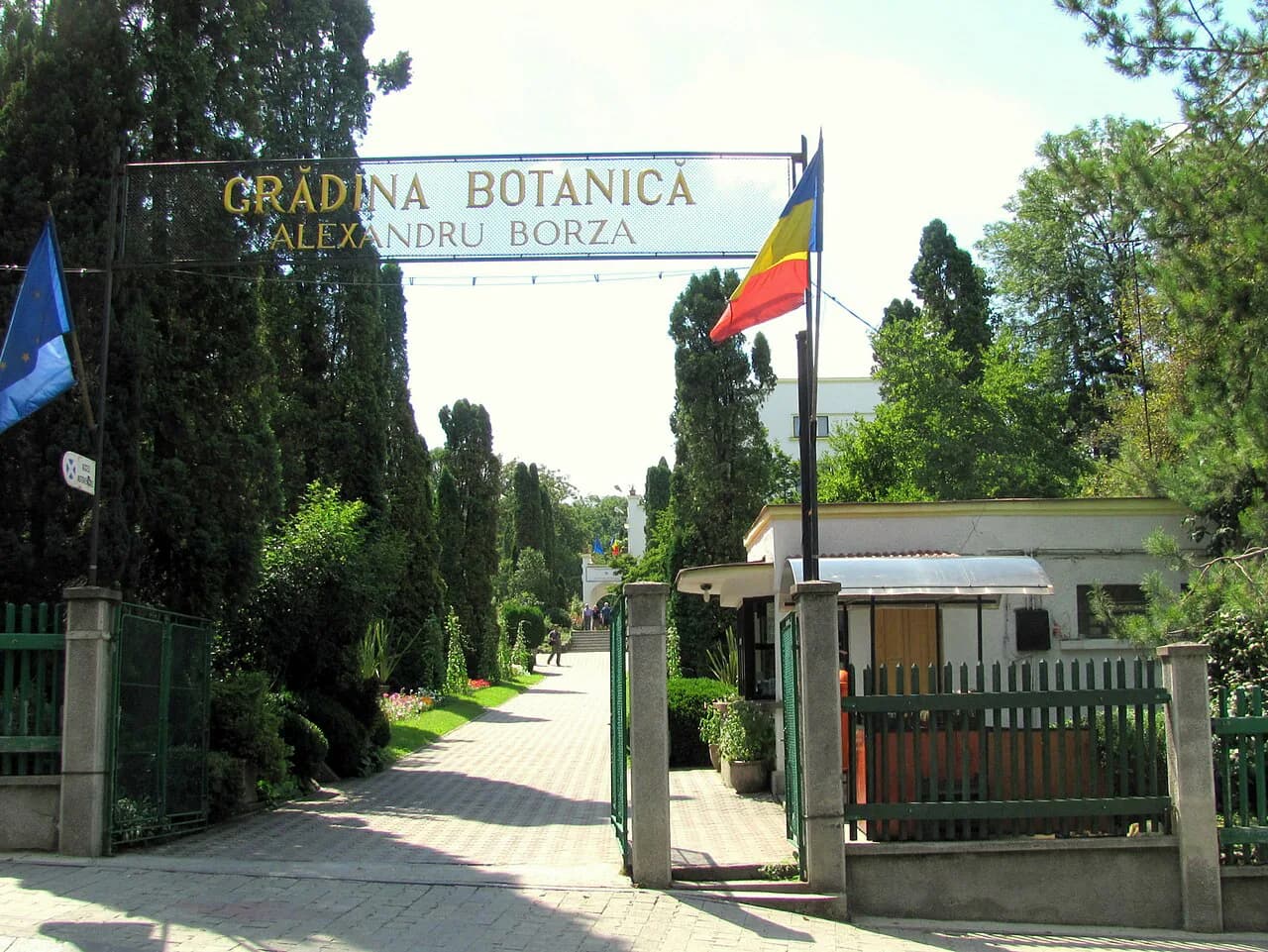
Cluj-Napoca Botanical Garden (Grădina Botanică Alexandru Borza)

Allow two hours for the Cluj-Napoca Botanical Garden if you want the outdoor sectors and the glasshouses, and about an hour if you only walk the grounds. The garden belongs to Babeș-Bolyai University and sits on Str. Republicii 42 in Cluj-Napoca. This guide explains how the garden is laid out on its own map, which numbered sectors and lettered landmarks repay the most time, and how to order the walk.
What the garden is and who runs it
The garden is a university Botanic garden rather than a municipal park, run by Babeș-Bolyai University. It combines display beds with teaching and research collections, which is why the layout reads like a catalogue rather than a pleasure ground. Expect labels, numbered sectors and glasshouses instead of sweeping lawns and follies.
Because it is a working academic garden, parts of it are organised by scientific category: plants grouped by where they come from, by family, and by economic use. That structure is the key to visiting well. Read the sector names before you start walking and you will cover the interesting ground first instead of drifting.
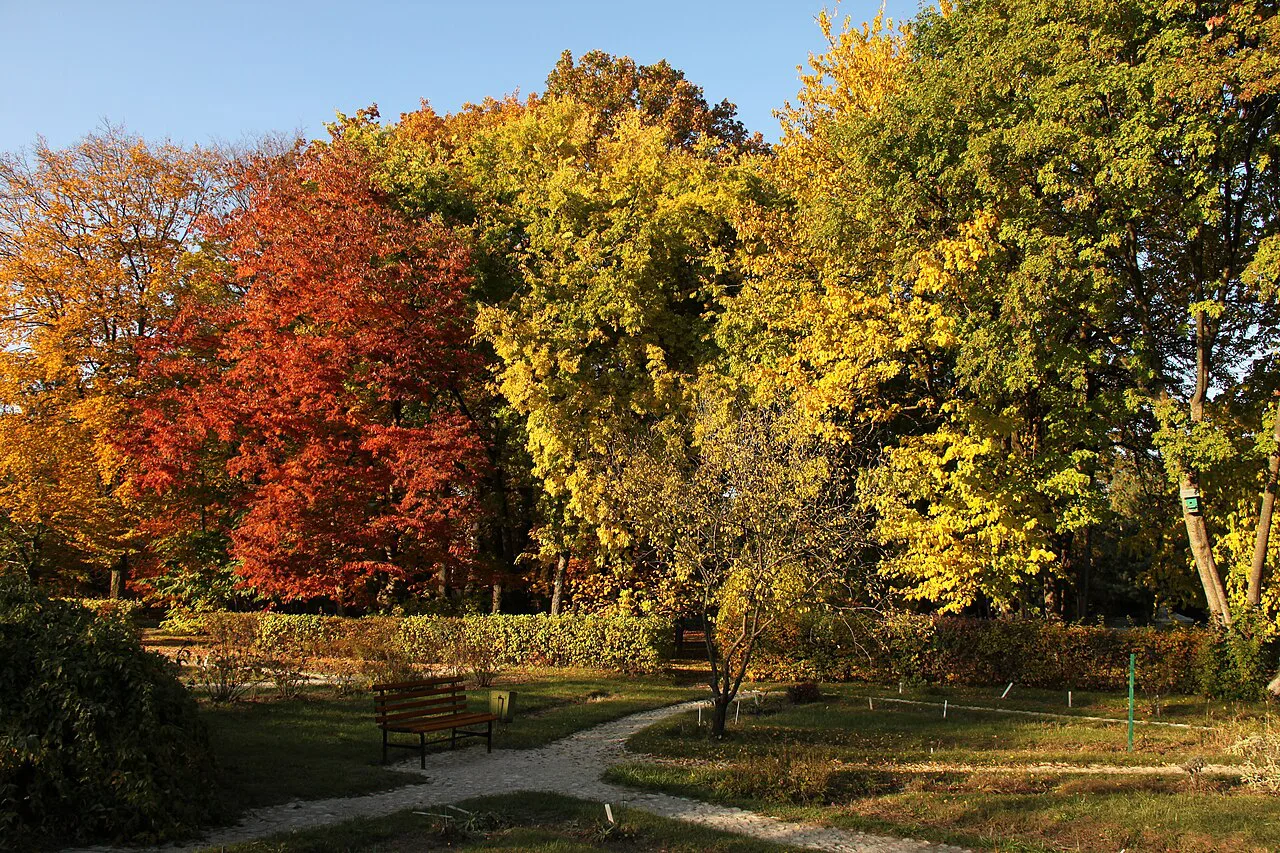

Where it is: Str. Republicii 42
The entrance address is Str. Republicii 42, Cluj-Napoca 400015. You can combine the garden with a look at St Michael's Church, Cluj-Napoca in the old town, and use Union Square as your landmark when navigating back.
The Botanic Institute building marked on the garden plan sits within the grounds and makes a natural starting point for a walk through the numbered sectors. If you are touring the city's sights on foot, slot the garden into a single stretch of the day rather than doubling back.
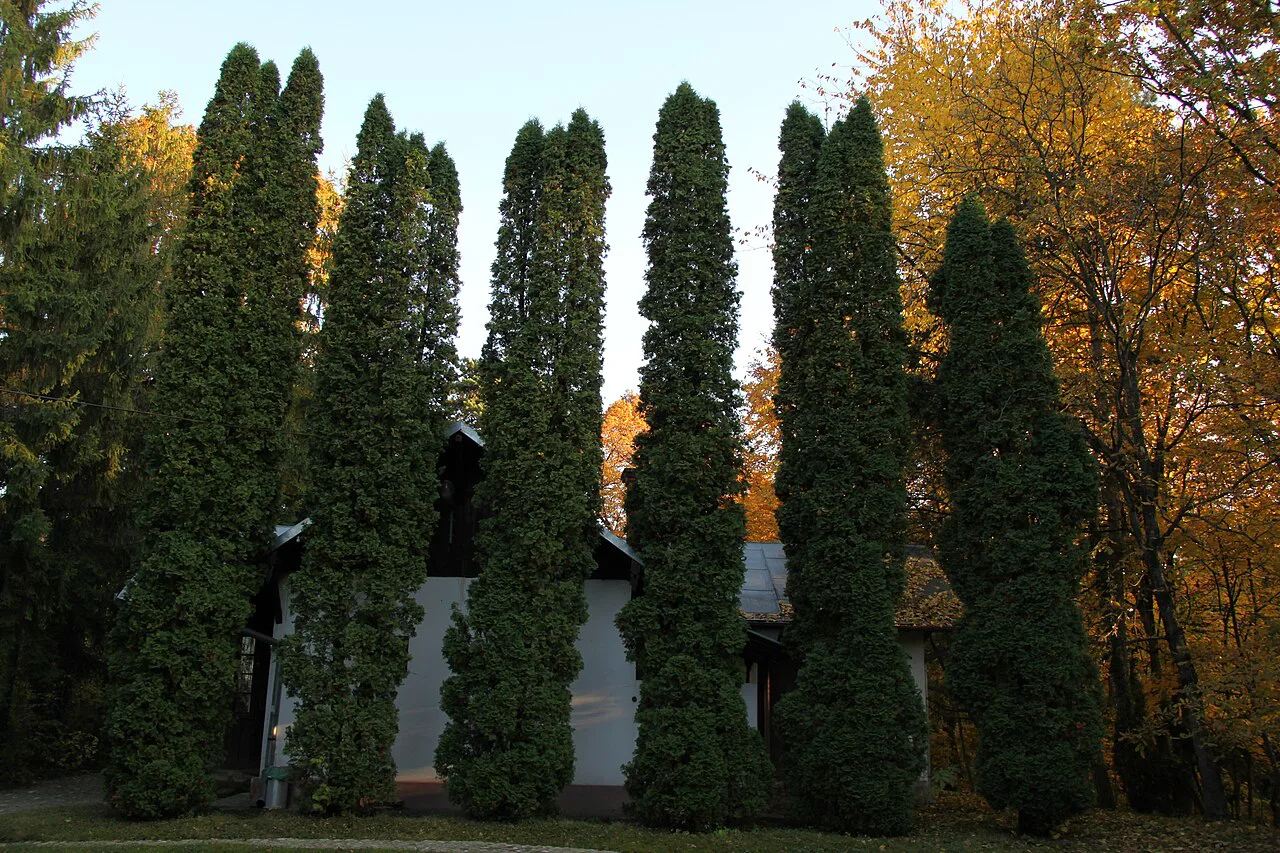

How the garden is laid out: sectors I to V and landmarks A to E
The garden's map divides the grounds into five numbered sectors and five lettered landmarks, which is the simplest way to navigate. The sectors are the Ornamental (I), the Phytogeographic (II), the Systematic (III), the Economic (IV) and a sector for visually impaired persons (V). The landmarks are the Botanic Institute (A), the greenhouses for plant growing (B), the Japanese garden (C), the Greenhouse Complex (D) and the water tower (E).
Treat the numbers and letters as a route rather than trivia. Walking I, then II, then III keeps you in the open beds; branching to B and D takes you under glass; C and E are short detours you can add at the end. That order saves the back-and-forth that eats into a short visit.
The Greenhouse Complex and the collection houses
The Phytogeographic Sector is where the garden groups plants by region, and the map names the collections it holds: the flora of the African and American deserts, the flora of North America, the Sino-Japanese flora together with the flora of the Himalayas, the Altai and the Caucasus, and the Balkan, European alpine and Mediterranean flora. For a visitor from Britain or Ireland, the desert and Mediterranean collections are the most obviously different from home gardens, and they are the reason to keep time for the glasshouses.
The Greenhouse Complex is a separate landmark from the smaller growing houses, so plan to see both rather than assuming one covers the other. If you are short of time, do the outdoor sectors briskly and give the remaining minutes to the glasshouse collections, which is where the garden offers something a city park cannot. Glasshouse temperatures climb in warm weather, so a morning slot is more comfortable than midday.
The Japanese garden, the Roman garden and the water tower
The Japanese garden carries the letter C on the map and makes a calm corner for a pause. Pair it with the Roman garden, listed among the garden's hotspots, and the water tower at E, another of the mapped landmarks within the grounds.
These sit at the decorative end of the garden's range, so save them for when your legs are tired of the systematic beds. Photographers will find the Japanese garden and the water tower give useful framing for wider shots back over the planting.
The Botanic Museum and the sector for visually impaired persons
The Botanic Museum is listed among the garden's hotspots and is the obvious indoor stop if rain interrupts your walk; check at the entrance whether it is open on the day you visit. The garden also sets aside a dedicated sector for visually impaired persons, marked V on the map.
How long to allow and the order to walk it
A sensible plan is to start at the Botanic Institute, take the Ornamental Sector first while you are fresh, move through the Phytogeographic beds, then the Systematic and Economic sectors, and finish with the Japanese garden and water tower. That sequence follows the map's own logic and avoids retracing steps. For most visitors, an hour or two covers it comfortably.
If you have less time, cut the Systematic Sector and the outer paths and concentrate on the Ornamental beds and the Greenhouse Complex. The trade-off is real: the systematic beds teach you how plants are classified, but they are less rewarding to look at than the regional collections. Decide in advance which kind of visit you want.
Tickets and opening hours
The garden's own site carries separate pages for ticket prices and opening hours, reached from its main navigation. Both can change with the season, so check the official site before you go.
The garden's site lists a phone number and email address if you need to contact it directly, for example about a group visit. Allow a little slack in your plan in case the programme is shortened on the day.
What is nearby when you leave
The garden pairs naturally with the city's museum quarter. The Bánffy Palace (Palatul Bánffy), Cluj-Napoca houses the art museum, while the Museum Square, Cluj-Napoca area holds several smaller sights in one compact block.
If you are building a fuller day, the Matthias Corvinus House (Casa Matei Corvin), Cluj-Napoca and the Pharmacy Museum, Cluj-Napoca are both central and quick to see, and Central Park (Parcul Central „Simion Bărnuțiu”), Cluj-Napoca gives you a second green stop in town. For a wider menu of what to do in the city, see Cluj-Napoca Attractions: 13 Visitor Guides.
Is the botanical garden worth half a day?
Yes, if you want glasshouse collections and a calm, structured walk rather than another square. Give it an hour or two, start at the Botanic Institute, and keep the Japanese garden and water tower for the end. If your time in Cluj-Napoca is tight, the Ornamental beds plus the Greenhouse Complex make the best short version of the visit.
Explore more Cluj-Napoca guides
Frequently Asked Questions
Do you need to book tickets in advance?
The garden's own site publishes a ticket prices page and a contact address and phone number. For a group visit, contact the garden directly before travelling.
Is the garden open at weekends?
The garden publishes its own opening hours page, which is the place to confirm days for your dates. Hours change through the year, so check the official site shortly before your visit rather than relying on an older listing.
How big is the garden?
The garden's plan shows five numbered sectors and five lettered landmarks, from the Ornamental Sector through to the water tower, which is the clearest guide to how it is laid out. A full walk of the outdoors and glasshouses is what most of the guide's one-to-two-hour estimate covers.