
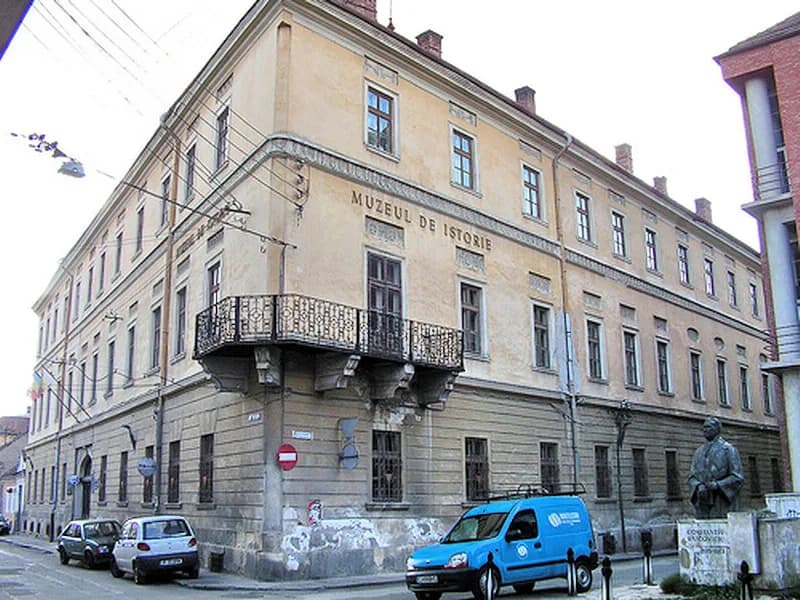
National Museum of Transylvanian History (Muzeul Național de Istorie a Transilvaniei), Cluj-Napoca

The National Museum of Transylvanian History is a manageable city-centre stop rather than a half-day outing: allow roughly one to two hours, and treat it as one stop in a walkable cluster that also takes in Piața Unirii and Piața Muzeului. Its permanent exhibition is dedicated to the history of Transylvania, and the museum reopens and refreshes that display rather than leaving it frozen.
This page covers where the museum sits, the walk from the main square, what kind of material to expect inside, a realistic time budget and a short-visit priority order. Admission prices, opening days and any temporary closures come from the museum itself, so confirm those on its official site before you travel; the page also separates this museum from the art museum and the other Cluj collections travellers mix it up with.
What the museum is and where it sits in Cluj-Napoca
This is the city's history and archaeology museum, holding a permanent exhibition on the story of Transylvania alongside zoology material, so expect a mixed cabinet of objects rather than a single narrative thread. It is not the National Museum of Art, which occupies the Bánffy Palace on Piața Unirii and shows visual art instead.
The museum stands in the old centre on Piața Muzeului, the small square just north of Piața Unirii, which puts it inside the compact historic core rather than out in a modern district. That position is what makes it practical: you can fold it into a morning around the main square without a bus or taxi.
Cluj-Napoca itself sits in the north-west of Romania, in the heart of Transylvania, and its historic core is tight enough to cover on foot. A city map helps you see how Piața Muzeului connects to the surrounding streets before you commit to a route.
If you are building a wider shortlist of sights in the city, the full set of guides sits in Cluj-Napoca Attractions: 13 Visitor Guides, which covers squares, churches, parks and museums in one place. Use it to decide what else earns a slot around the history museum.

How to reach it on foot from Piața Unirii and Piața Muzeului
Start at Piața Unirii, the main square in the central district, and walk north into Piața Muzeului; the transfer is a few minutes on flat, pedestrian-friendly streets. St Michael's Church anchors the main square, so use its tower as your landmark and head away from it towards the smaller square behind.
St Michael's Church, Cluj-Napoca is worth a separate stop in its own right, and pairing it with the museum keeps you within a few streets. If the church complex is under renovation when you visit, the exterior and the square still work as orientation points for finding Piața Muzeului.
Public transport across the city is well documented, but for this museum you rarely need it: the walk from the main square is short and the streets are level. Save vehicles for sights further out, such as the Cluj-Napoca botanical garden or Cetățuia Hill.

What the permanent exhibition on the history of Transylvania covers
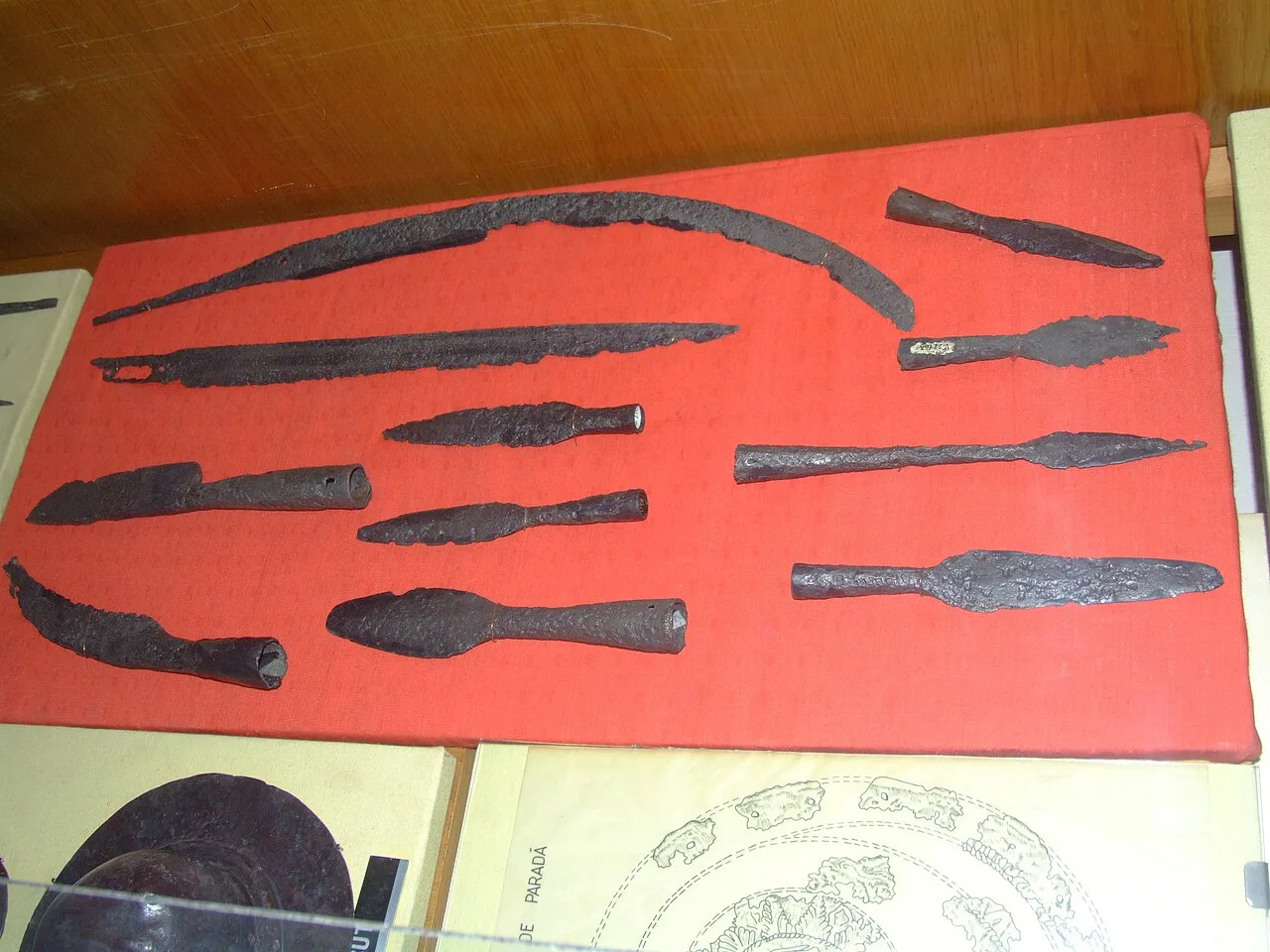
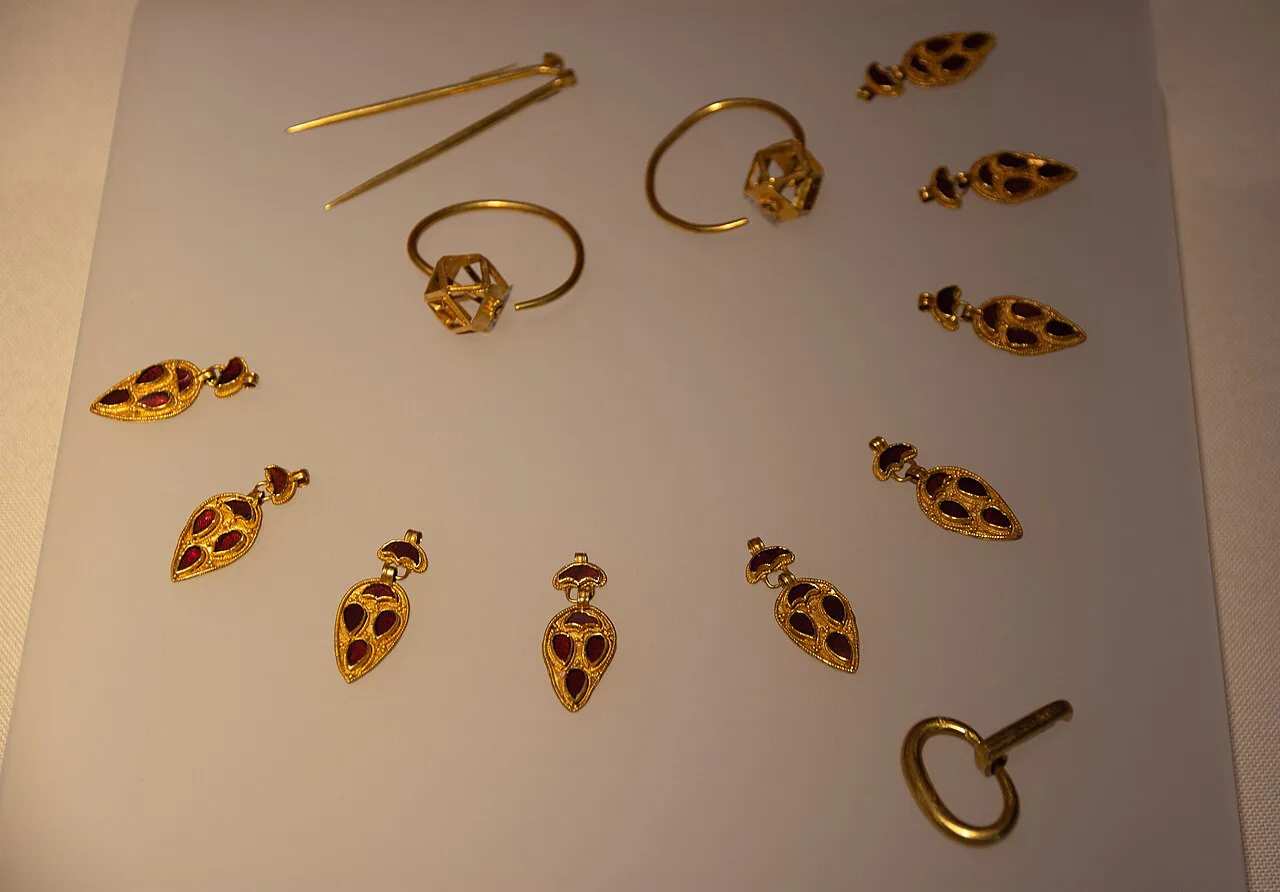
The core of a visit is the permanent exhibition dedicated to the history of Transylvania. Because the display is periodically renewed, plan around the theme rather than a checklist of specific objects: you are there for the region's story told through archaeology, documents and everyday objects.
The museum also holds zoology material, which surprises visitors expecting only human history. Treat that as a secondary strand: if your interest is Transylvania's past, the historical galleries will take most of your time.
Visitors who care about the ancient period tend to rate the Roman section highly, and it forms one of the most substantial parts of the collection. If Roman Dacia is your priority, go there first while you are fresh rather than saving it for the end.
Labels and panel text are the practical limit on how much you absorb: if you read Romanian slowly, decide in advance whether to skim the panels or concentrate on a few rooms. The museum's own site is the place to look for the current exhibition programme and any special displays.
How long to allow inside and how to pace the visit
Budget about an hour if you skim, and up to two hours if you read the panels and linger over the Roman material. That is short enough to fit the museum into a morning alongside the main square, and long enough that you should not try to bolt on two more museums the same day.
Pace it in two passes: walk the whole exhibition once to get the shape of it, then return to the sections that interest you most. This protects you from spending forty minutes in the first room and rushing the rest.
Build in a sit-down break rather than pushing straight through, especially if you have already walked the old centre. The surrounding cafés and squares give you a natural pause before or after the galleries.
Rooms and collections worth prioritising if time is short
With limited time, prioritise the historical galleries covering Transylvania's past and the Roman material, and treat the zoology displays as optional. That order matches what most visitors come for and keeps you from drifting into natural history by accident.
If you have only thirty minutes, choose one strand and do it properly instead of walking every room. A focused look at the Roman section beats a hurried circuit of the whole building.
Check the museum's site for any temporary exhibition before you go, because a special display can justify a longer visit and may change which rooms deserve your time.
Tickets, opening hours and closures: where to check them
The museum publishes its own admission prices, opening days and any closures, and those details change by season, so confirm them on the official site before you set out. Do not rely on third-party listings for current hours.
Romanian museums commonly close one day a week and reduce hours outside the main season, so check the National Museum of Transylvanian History's published opening days and seasonal hours ahead of your visit. If the museum is shut, the main square and the surrounding old streets fill the time easily.
Nearby: St. Michael's Church, the Matthias Corvinus statue and the National Museum of Art
The Matthias Corvinus statue stands at the centre of Piața Unirii, in front of St Michael's Church, and makes an obvious orientation point before or after the museum. The square formed the heart of medieval Cluj, and its nineteenth-century streetscape has survived largely intact.
The National Museum of Art occupies the Bánffy Palace on the same square, so keep the two separate in your plans: one is history and archaeology, the other visual art. The old town hall and the palace frame the square alongside the church.
Matthias Corvinus House, Cluj-Napoca is another nearby sight tied to the king's name, and it suits travellers following that thread through the old centre. Further out, Central Park (Parcul Central „Simion Bărnuțiu”), Cluj-Napoca offers an open green walk with free entry if you want to end the day outdoors.
Cetățuia Hill is the other obvious add-on, reached by a staircase that is tiring but rewards you with a wide view over the city. Treat it as a separate outing rather than squeezing it between museum rooms.
Practical points: language of labels, photography, cloakroom and steps
Expect labels primarily in Romanian, with limited English, so a translation app or a printed summary helps if you want detail. Photography rules, cloakroom use and step access vary by exhibition area and are best confirmed at the desk on arrival.
The building is a historic city-centre property, so expect stairs and uneven floors rather than a purpose-built gallery layout. If mobility is a concern, ask staff about step-free routes before buying a ticket.
Is the history museum worth an hour of your Cluj trip?
Yes, if you want Transylvania's past explained in one place and you are already in the old centre: an hour here fits neatly between the main square and the streets around Piața Muzeului. Skip it if your shortlist is architecture and open air, since St Michael's Church and the squares deliver more per minute.
Decide by checking the museum's current programme and admission first, then build the rest of the day around Piața Unirii. That way the museum is a planned stop rather than a gamble on the door being open.
Explore more Cluj-Napoca guides
- Central Park (Parcul Central „Simion Bărnuțiu”), Cluj-Napoca
- Cetățuia Hill, Cluj-Napoca
- Ethnographic Museum of Transylvania
- Museum of Art Cluj-Napoca
- Museum Square (Piața Muzeului), Cluj-Napoca
- Pharmacy Museum (Muzeul Farmaciei) in Cluj-Napoca
- Piața Avram Iancu, Cluj-Napoca
- Union Square (Piața Unirii), Cluj-Napoca
Frequently Asked Questions
Do I need to book tickets in advance for the National Museum of Transylvanian History?
The museum publishes its own admission and booking arrangements, so check its official site before you travel. Walk-in entry is common at Romanian city museums, but check the day you plan to visit, especially around public holidays.
Are the museum's labels in English?
Expect panel text mainly in Romanian, with limited English translation. A translation app or a short printed summary makes the historical galleries easier to follow if you do not read Romanian.