Brașov Old Town: Squares, Streets and Towers to Walk
A practical walk through Brașov Old Town, taking in Council Square, the Black Church and the medieval walls, with honest notes on crowds, timing and layout.
On this page
Brașov Old Town is a walk, not a checklist: start in Piața Sfatului (Council Square), work outwards to the Black Church and the lanes behind it, then follow the old wall and towers before climbing Tâmpa for the view back over the rooftops. Allow half a day for that core and two days if you want to slow down.
The town sits in Transylvania, in the Carpathian Mountains of central Romania, with the old quarter packed tightly under Tâmpa Hill. This guide covers the layout, what each square and street is like underfoot, which stretches of fortification still make a proper walk, and how long to give it. Individual sights get their own pages rather than being repeated here; the wider set of things to do in Brasov is covered separately.
What the old town covers and where it sits under Tâmpa
The old town is the medieval core of Brașov, arranged around Piața Sfatului and hemmed in by the slopes of Tâmpa Hill, which rises directly behind the rooftops. Cobbled streets, Gothic towers and mountains behind every roofline are the shorthand for the place, and the whole quarter is small enough to cross on foot in one push.
Because the centre is compact, orientation is the first job: get your bearings on the main square, then use the gates and streets radiating from it to find the walls and the quieter edges. A Brasov map is worth keeping open on your phone before you set off, since the lanes double back and the wall runs behind buildings rather than along obvious main streets.
If you want the background before you start, read up on Brasov history first; it makes the towers and guild streets legible rather than decorative, and sets the medieval core in the wider story of the town.
Start at Piața Sfatului (Council Square)
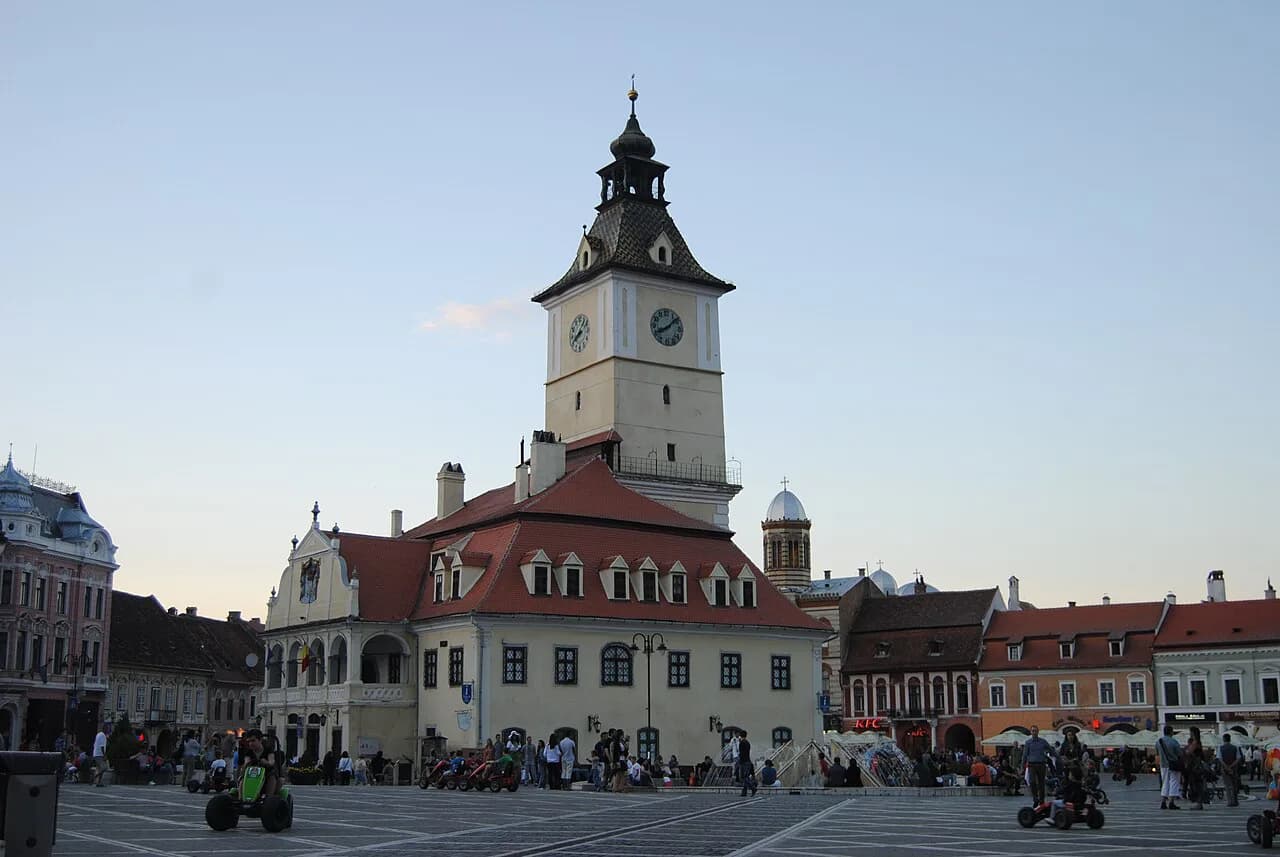
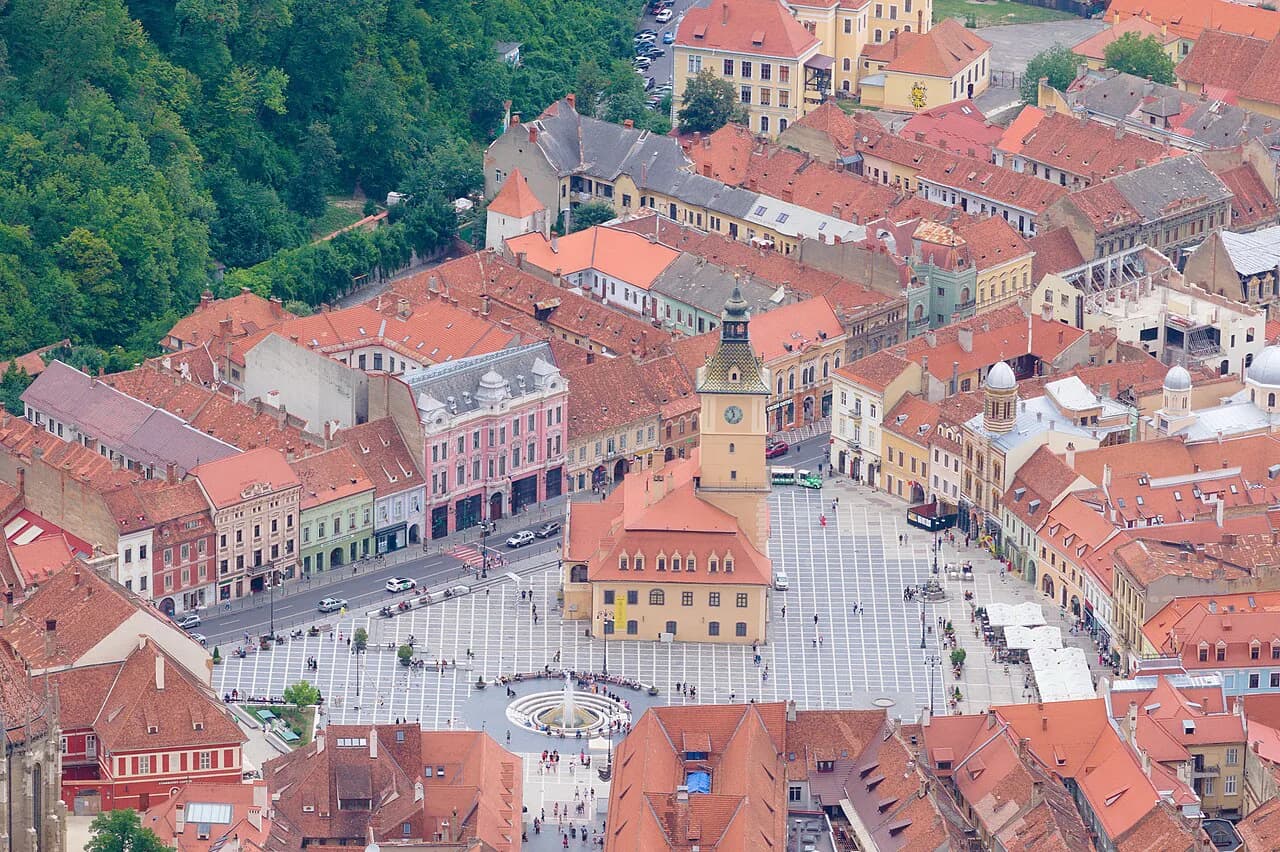
Piața Sfatului, or Council Square, is the natural first stop. It is the open, café-lined heart of the old town, framed by colourful merchant houses and with the Black Church closing one edge; the square is where you read the town’s shape before diving into lanes.
Stand in the middle and look out: streets leave the square in several directions towards the gates, the church and the foot of Tâmpa. That radial pattern is the whole logic of the old town, and once you have it, the rest of the walk organises itself.
The square is also the busiest point in town, so treat it as a starting gate rather than a place to linger at midday. Cross it early, then come back in the evening when the day-trippers have gone.
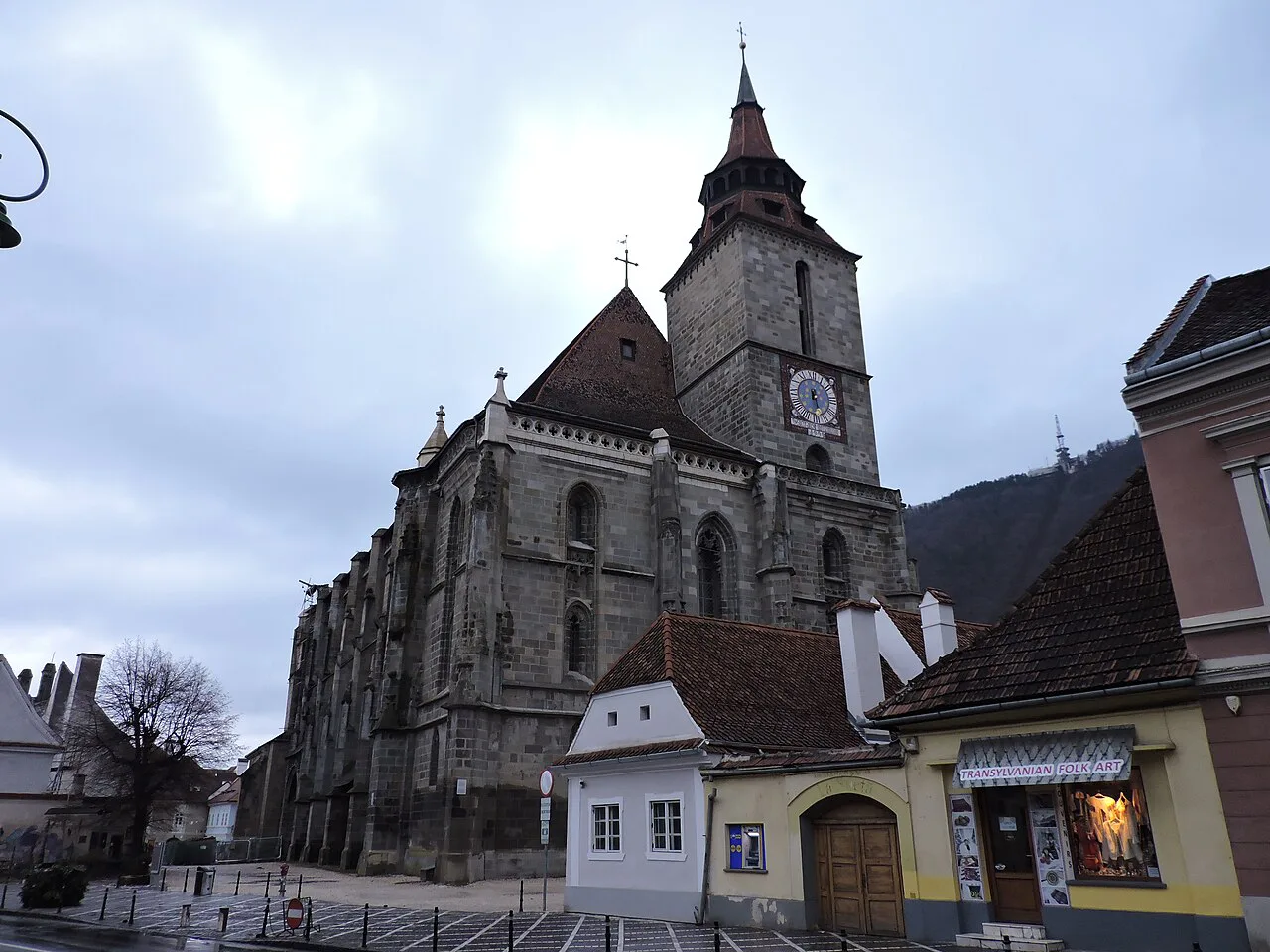
The Black Church on the square's edge
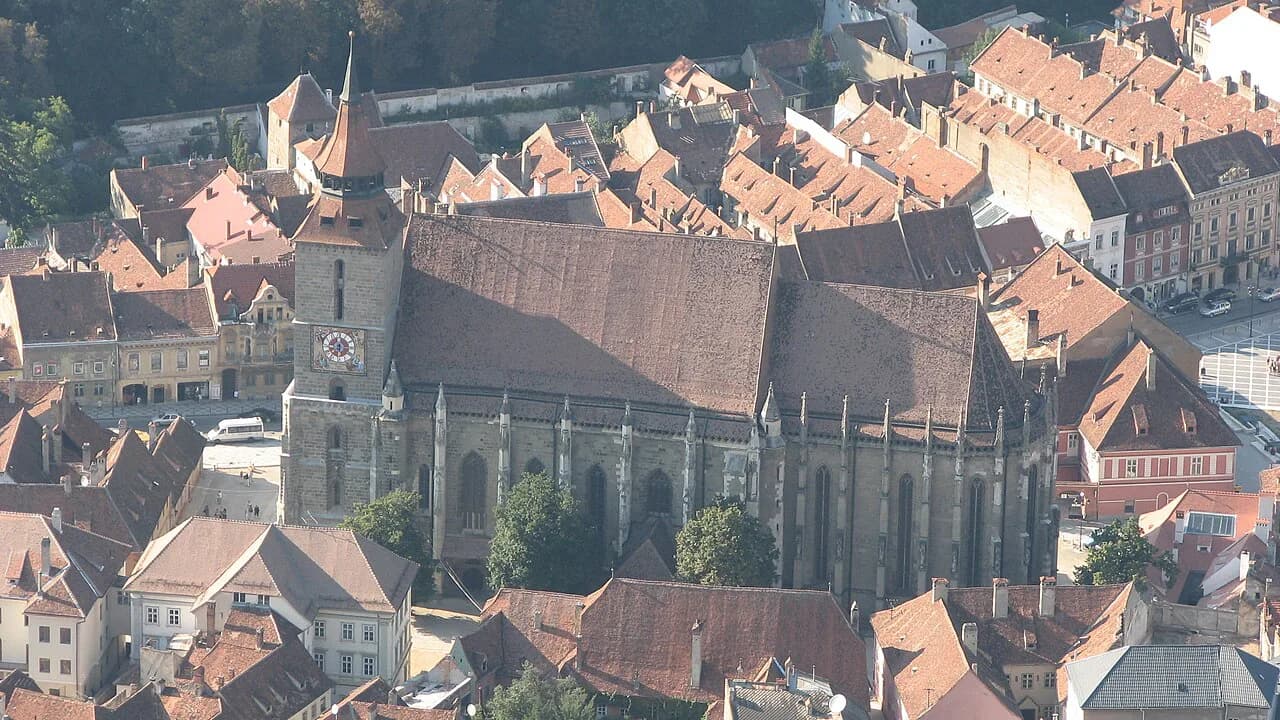
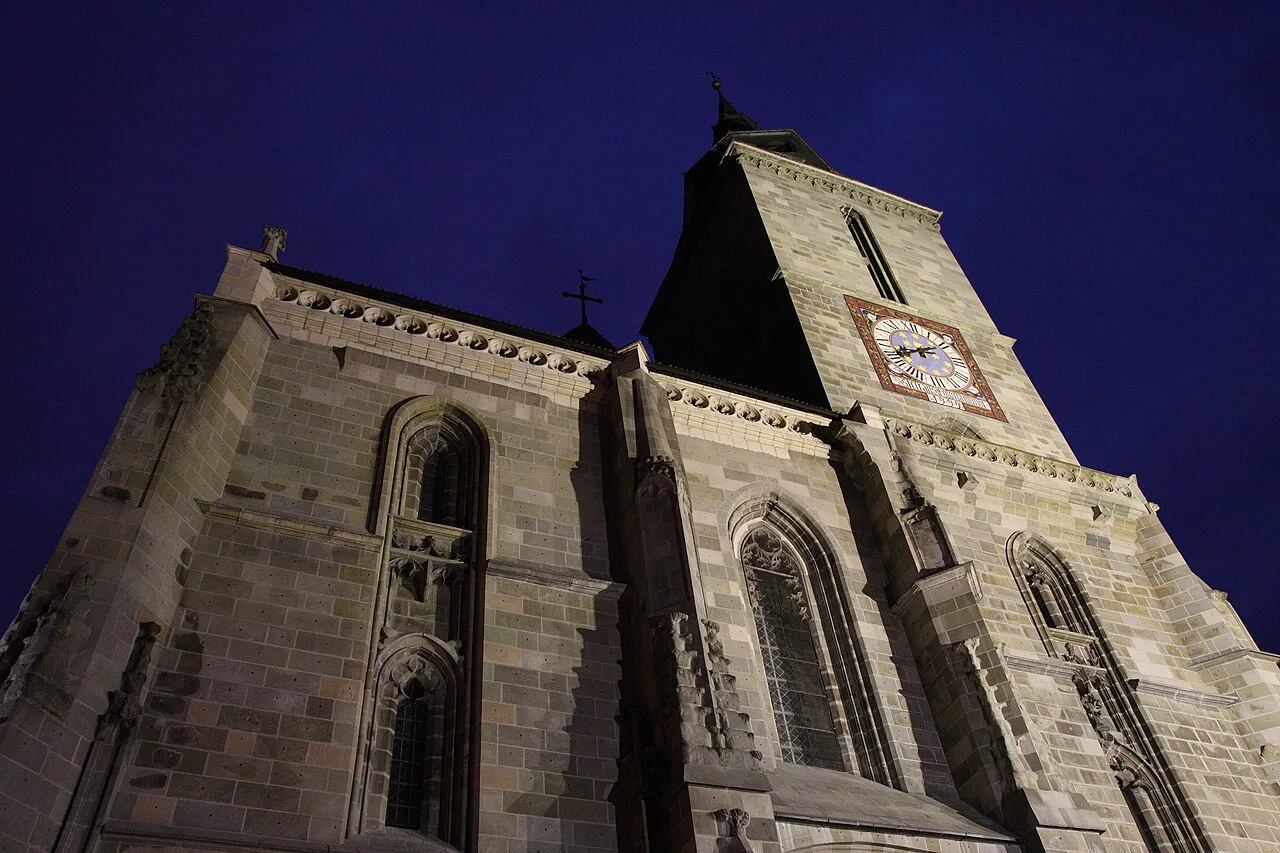
The Black Church (Biserica Neagră) is the landmark most visitors come to see on the edge of the old town, alongside the square itself and the mountain view. It anchors the western side of the old town and is the obvious second stop on any route.
Opening hours and entry charges change, so confirm them at the church door or with the town’s visitor information before building your day around a visit. If you are planning to see several interiors, our guide to churches in Brasov sets out what is worth your time.
If you have an interest in the town’s museums and civic collections, the museums worth your time are worth slotting in around the church rather than as a separate day. Keep the church as the landmark, then use the surrounding lanes for the rest.
Walking the lanes behind the square
Behind Piața Sfatului, the old town becomes a grid of narrow cobbled lanes and courtyard entrances that reward slow walking. The streets are best taken one at a time rather than as a dash between sights: pick a lane, follow it to its end, and turn back.
This is where the old town quietens down, and it is the part of Brașov that rewards an unhurried pace. The cobbles are uneven and the pavements narrow, so wear shoes you can walk in for hours; this is a real constraint, not a formality.
If you would rather have the route set for you, a Brasov walking tour covers the same lanes with context you would otherwise miss. Otherwise, treat the lanes as a loop back to the main square and let the wandering do the work.
The medieval walls and towers you can still walk
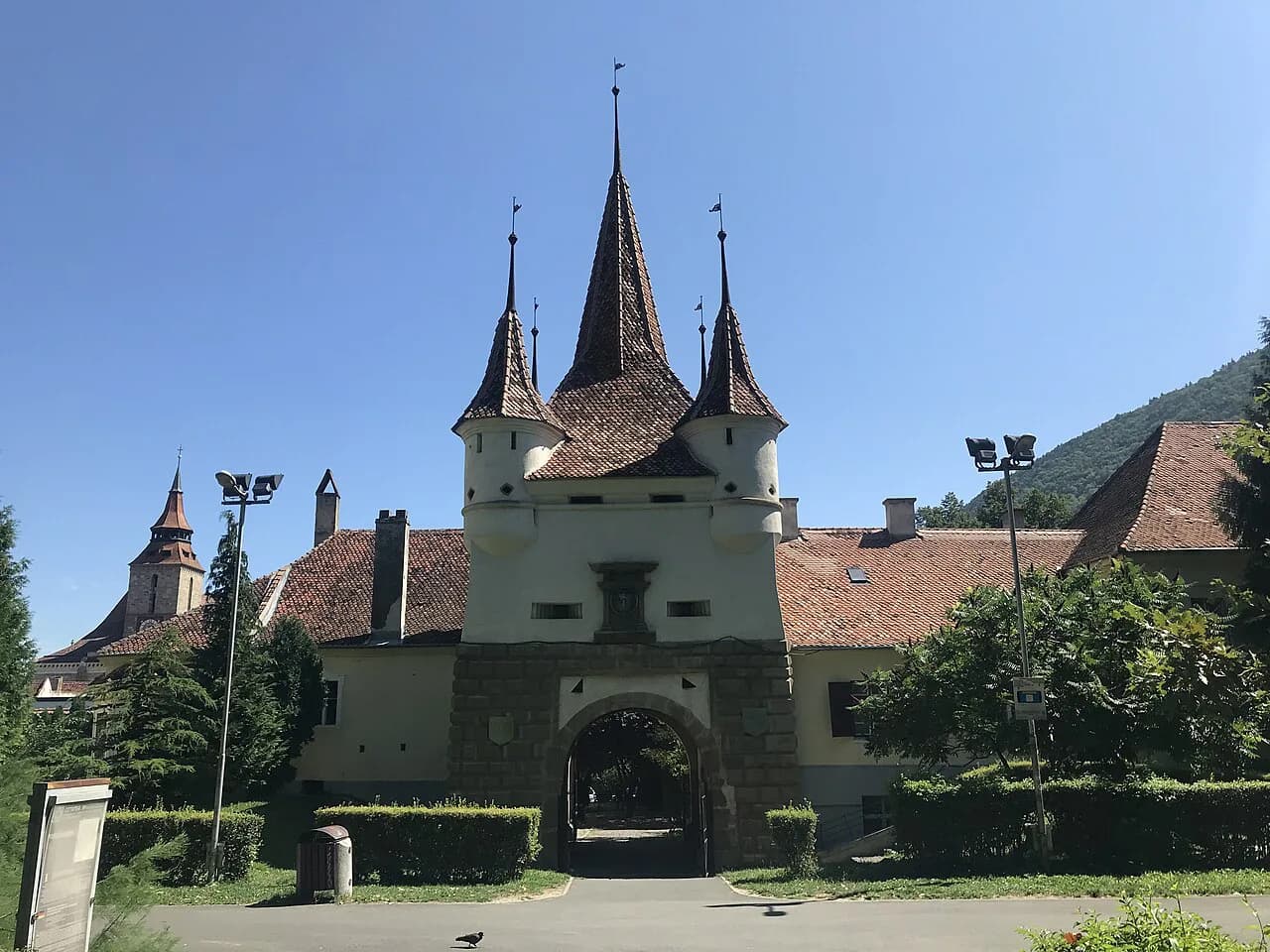
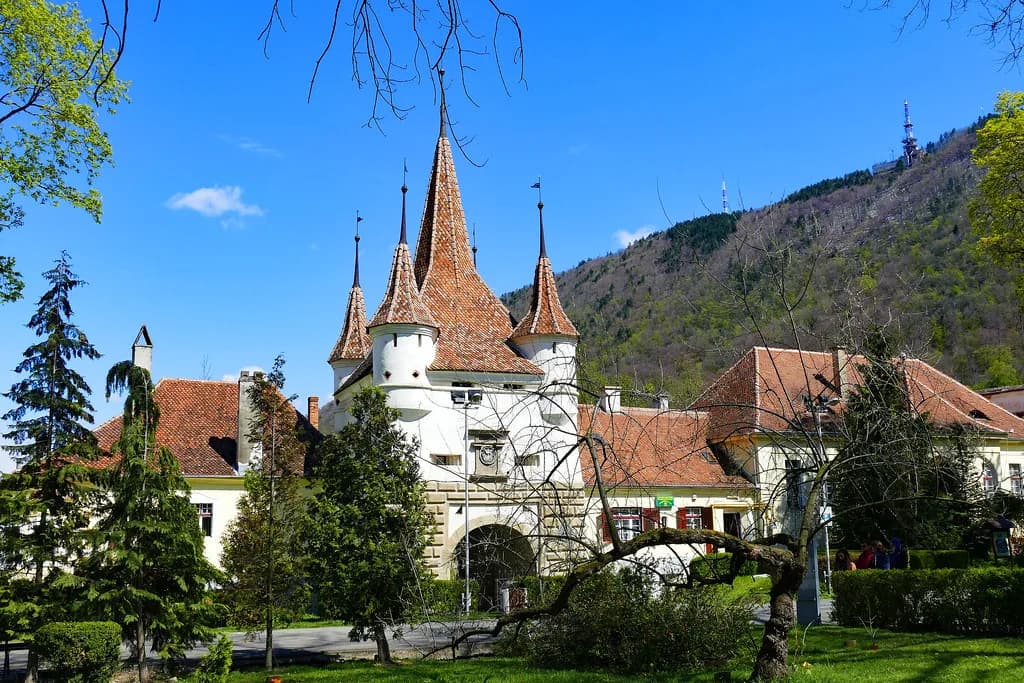
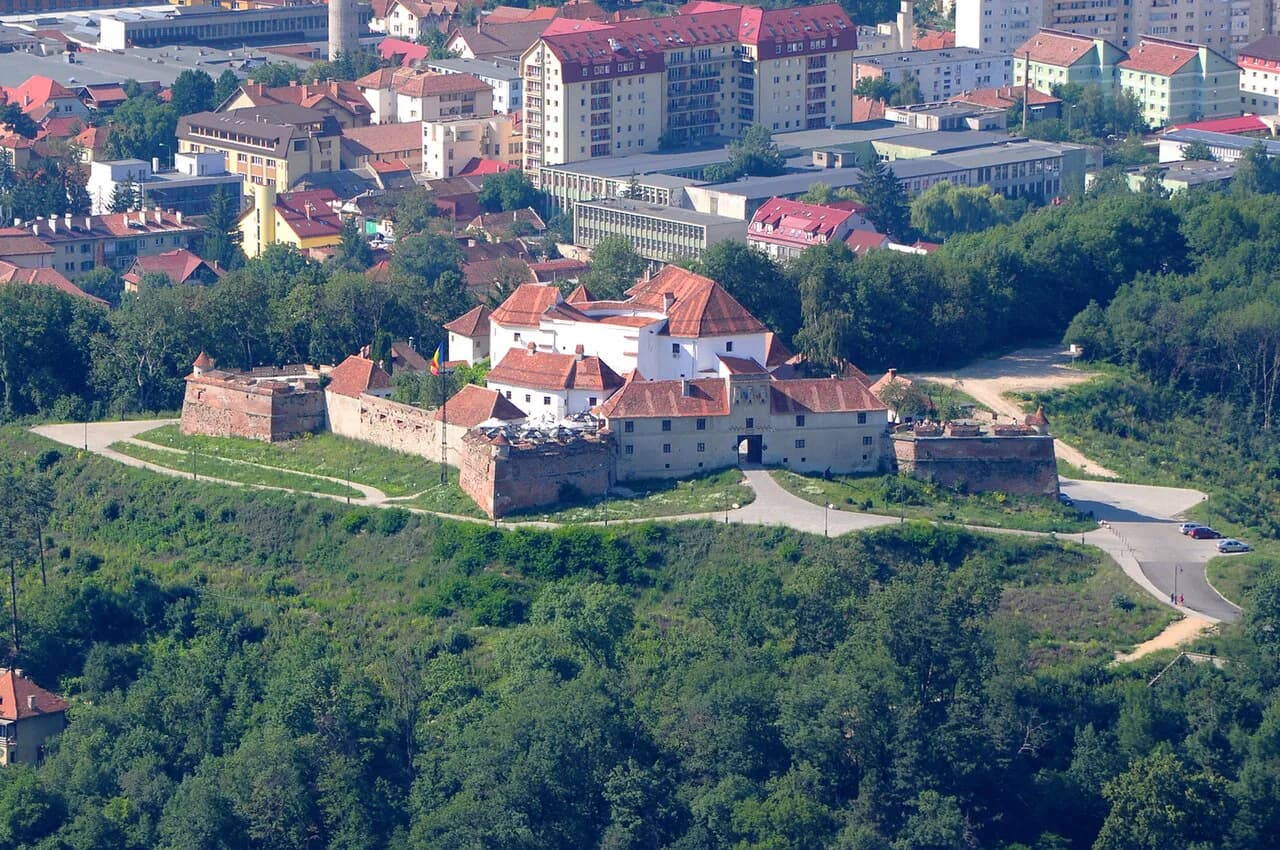
Brașov’s old town was once wrapped in a ring of walls, towers and bastions, and substantial stretches still stand, particularly on the edges away from the main square. The walk along the surviving wall is where the town feels most medieval, and it is the part most day visitors skip.
Work the wall into your route after the church rather than before: the fortifications are spread out, and following them properly takes you away from the square and towards the quieter streets. It is also where the cobbles and steps start to matter, so plan the wall for when your legs are fresh.
The Șchei district, just outside the old town walls, is a separate quarter with its own character and a good extension of the walk if the wall has left you wanting more. It is close enough to combine with the fortifications in a single outing.
Tâmpa Hill: the viewpoint over the rooftops
Tâmpa Hill rises directly behind the old town and gives you the view that makes sense of the whole layout: the rooftops, the square and the wall all at once. The climb is the price, and it is a proper uphill walk rather than a stroll, so budget your legs for it.
The Brașov sign on the hillside is visible from much of the old town and is the marker to aim for if you walk up. Details of the paths and the best approach are on our page about the Brașov Sign on Tâmpa.
If the walk up does not appeal, the view from the old town itself still works: the Black Church and the square are framed by the mountain from street level. Decide based on your energy rather than on what a checklist says.
How long the old town needs
A half-day circuit covers the core comfortably: Piața Sfatului, the Black Church, the lanes behind the square and a stretch of the wall. That is the honest minimum if you are passing through.
Two days lets you slow down, take the wall in full, climb Tâmpa and still have time for a museum without rushing. Brașov rewards a slower pace: the town is small, and the value is in the repetition of familiar streets rather than in covering more ground.
If you want a ready-made shape for those two days, our Brasov itinerary lays the walk out day by day. Use it as a frame, then adjust according to how much time the wall and the hill take.
Layout and orientation: squares, gates and streets
The old town reads as a ring: Piața Sfatului at the centre, streets running out to the gates, and the wall wrapping the edge. Once you see the square as a hub rather than a destination, the rest of the old town follows.
The gates are the memory aids: pass through one and you are heading out towards the wall or Șchei; come back through it and you are heading in. Keep a Brasov map to hand for the first hour and you will not need it after that.
For a broader view of what sits inside and around the old town, the Brasov Attractions: 14 Visitor Guides collection covers the individual sights, so you can plan the walk around the ones that matter to you.
Practical trade-offs: crowds, cobbles and where it quietens down
Piața Sfatului and the Black Church draw the crowds, especially in the middle of the day; the lanes behind the square and the wall are where it quietens down. Plan the busy core for early or late and give the middle of the day to the edges.
The cobbles are the real practical constraint: uneven, polished in places and hard on the feet after a few hours. Wear proper shoes, and if you are combining the old town with a castle day, keep the castle for a day when your legs are fresh.
Bran Castle is the name most visitors arrive with, and it is a short trip out of town rather than part of the old town walk; keep it as a separate outing and give the old town its own time. For a wider look at what is on offer in Brașov, start with things to do.
Which version of the old town to walk
Walk the core first: Piața Sfatului, the Black Church and the lanes behind the square in one half-day, then decide whether to add the wall and Tâmpa on a second day. That order keeps the busiest sights early and leaves the cobbles for when you have the energy.
If you are short on time, take the square and the church and leave the wall for next visit; if you have two days, the fortifications and the hill are where the old town repays the extra time.
Explore more Brasov guides
Frequently Asked Questions
Where is Brașov located in Romania?
Brașov sits in Transylvania, in the Carpathian Mountains of central Romania, with the old town directly under Tâmpa Hill. It is well placed for reaching Bran Castle and the surrounding mountains.
Sources
Useful notes for your next trip
Optional updates to our guides.
You might also like
Continue reading
More guides you'll find useful