Brașov Map: Finding Your Way Around the Old Town
A visitor's guide to reading a Brașov map: where the city sits in Romania, how the old centre and modern city split, and what to pin before you arrive.
On this page
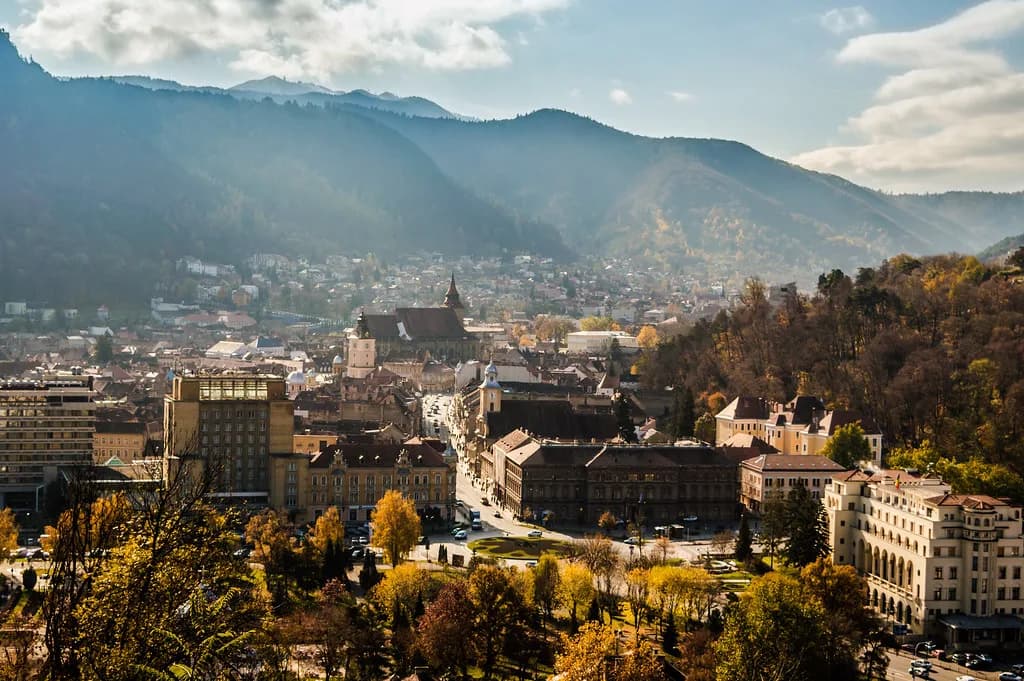
The single most useful thing a Brașov map shows is the split between the old centre and the modern city around it. The historic core reads as a distinct, tightly packed block, with the rest of Brașov spreading out beyond it. This guide explains where the city sits in Romania, how to read the street pattern, which map sources help, and what to pin before you arrive.
Treat the map as a planning tool rather than a sight list. A pin tells you where something sits; it does not tell you when it opens, what it costs or how many steps you face. Pin the area first, then use the Things to Do in Brașov pages to fill in the detail.
Where Brașov is on a map of Romania
Brașov sits in the Carpathian mountains, in the centre of Romania. Romania lies in south-eastern Europe, with the Black Sea to its east and the Carpathian arc curving through the country. On a national map Brașov reads as a central mountain town rather than a lowland city, which shapes how the roads reach it.
Stepping back to the national picture is worth doing before you fix a route. The Romania Tourism map collection brings the city plans together in one place, so you can compare Brașov with the plans for Bucharest, Sibiu, Cluj-Napoca, Iași, Timișoara and Oradea before committing to any of them. Use those maps to shape the trip, then zoom in to the streets.
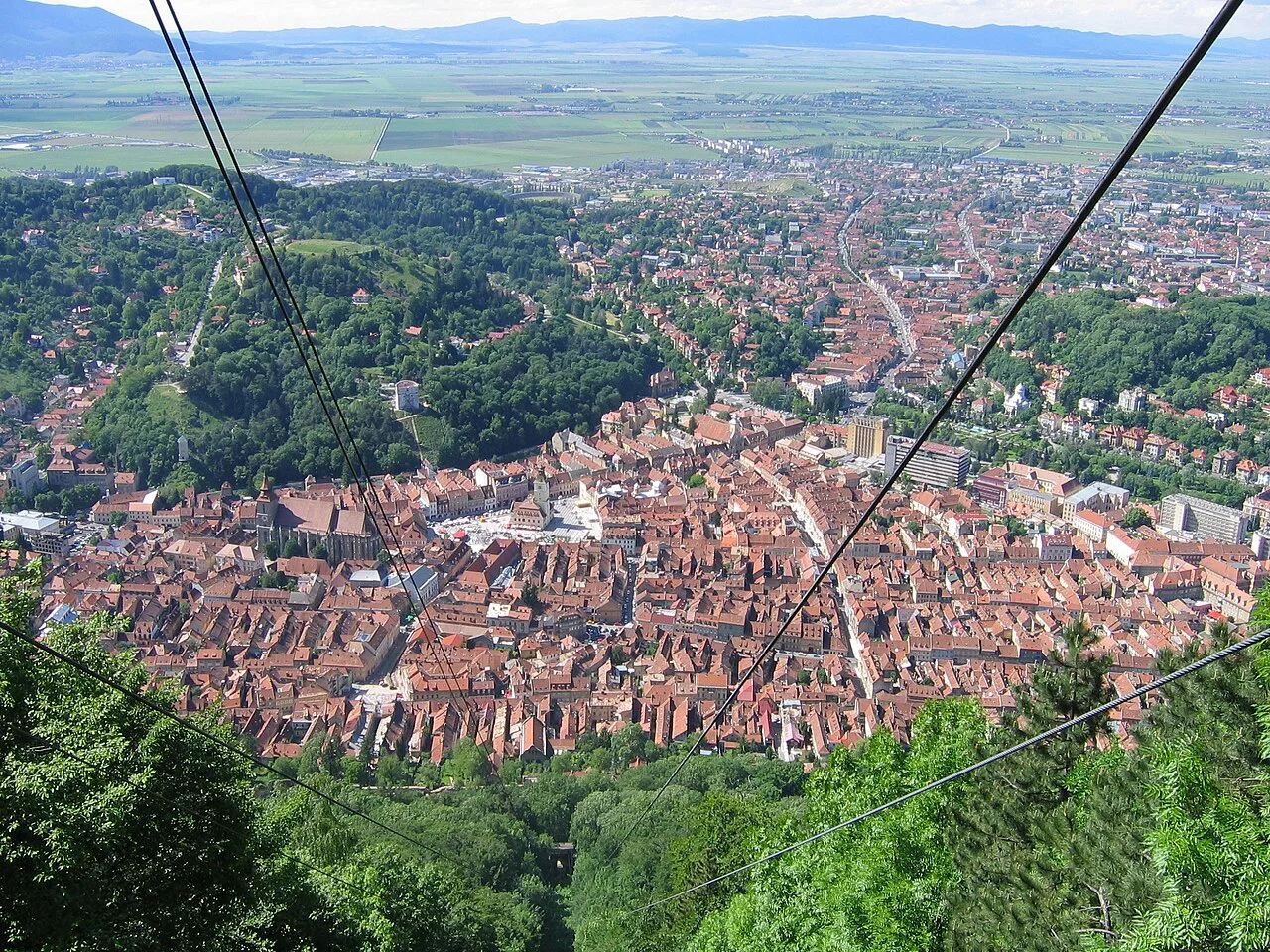
Old Town versus modern Brașov
The In Your Pocket guide to Brașov describes the Old Town as appearing sealed off from the modern part of the city, and that is exactly what a street map shows: a dense historic block with newer development wrapping around it. The distinction matters when you plan, because a pin on the edge of the modern city can look close to the centre while actually sitting a walk away.
Practically, decide whether you want to be inside the historic core or accept a walk in from outside it. The map makes the boundary obvious, so you can see how far the edge sits from the old streets before you commit. For what is actually inside that core, work from the Brașov Old Town page rather than trying to read it off a pin.
Reading the street pattern: lanes, squares and connections
The Brașov city map on Romania Tourism is the simplest place to start on the Old Town layout. Read the core as a web of short, irregular lanes and small squares rather than a grid — typical of a medieval core, where streets bend around older property lines. Follow the actual line of a street when you plan a route instead of drawing a straight one between two points.
Because the lanes are short, distances inside the old centre are small, but the turns add up. Group sights by the square or street they open onto, then walk between groups rather than criss-crossing. A structured walking tour route does this work for you and saves re-walking the same lanes.
Map sources worth using
The Michelin map of Brașov combines town, road and tourist mapping with hotels, tourist sites and restaurants, which helps if you are driving in or want the wider town at a glance. For a walking trip the simpler street plan is easier to read. Pick one and stick to it, so you build a single mental picture instead of juggling several.
The In Your Pocket guide to Brașov works as a written companion to the map, listing sights, museums and churches by name — which is what you need to label your pins. Use the two together: the map tells you where, the guide tells you what. The museums in Brasov page then narrows the list to the ones worth your time.
What a map will not tell you, and what to check on the ground
A map cannot tell you when a museum opens, what a ticket costs or how many steps a tower involves. Those details belong on the individual sight pages and at the ticket desk. Before you lock a route, confirm the opening day and ticket desk for each place you plan to enter, and leave slack for the ones that turn out to be shut.
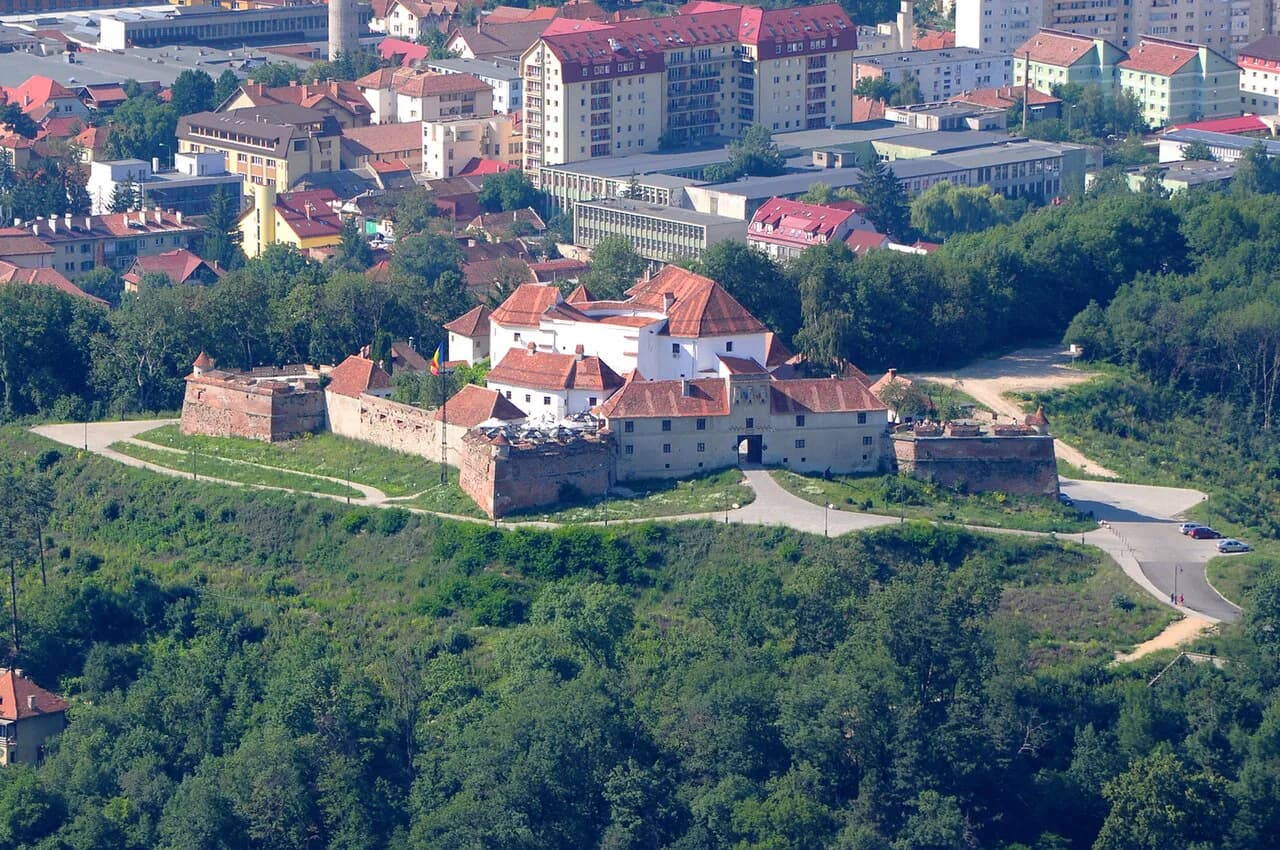
The same applies to churches and to uphill sites such as the citadel on Straja Hill: the map shows the climb, not the effort. Read the specific page before committing a morning, and treat the map as the frame rather than the answer.
Using a city map alongside a trip: what to pin first
Pin the old centre first, then the places you definitely want to enter, then the edges where you will arrive and leave. That order stops you building a route around one sight and then discovering the rest of the old town is a long walk away. If you are working to a fixed number of days, sketch a rough itinerary before you pin anything, so the map serves the plan rather than dictating it.
For anything beyond the city, a day tour is often simpler than plotting a drive yourself, especially if you want to pair a castle or a fortified church with the town. Use the map to see how far those places sit, then book the transport rather than guessing at the roads.
Pin the Old Town first, then plan around it
The most useful first move with a Brașov map is to fix the boundary of the old centre in your head. Once you can see where the historic core ends and the modern city begins, everything else — which streets to walk, where to group sights — falls into place around it.
Then label the places you actually intend to enter, check their opening days and ticket desks before you go, and leave the rest of the map as breathing room. That is how a map stops being decoration and starts being the plan.
Explore more Brasov guides
Frequently Asked Questions
How many days do you need in Brașov?
Two full days cover the old centre at an easy pace, with time for a museum or two and a walk up to the citadel. Add a third day if you want a day trip out to a castle or fortified church. The old town looks small on a map because it is compact, but the lanes and the uphill sites eat into a morning faster than the scale suggests.
Do you need a paper map in Brașov?
A printed street map still helps in the old centre because the lanes are short and irregular, and a paper plan shows the whole core at once without zooming. Keep it as a backup and use your phone for detail between pins. Either way, fix the old town boundary before you arrive.
Sources
Useful notes for your next trip
Optional updates to our guides.
You might also like
Continue reading
More guides you'll find useful