Churches in Brașov: Which Ones to Visit and What to See Inside
The Black Church and Brașov's other historic churches, what to look for inside each, published opening times, and how long a visit takes on a city break.
On this page
Give the Black Church one hour and the rest of Brașov's churches a glance each, and you have the city's religious architecture covered in a single morning. The Lutheran Black Church (Biserica Neagră) is the one to plan around, with a Gothic shell and a Baroque-rebuilt interior; the Franciscan church, the Roman Catholic cathedral and the Neolog Synagogue fill out a compact circuit near the old town. This guide sets out what to look for inside each building, the opening times the Black Church publishes, and a practical order for seeing them without doubling back.
What Brașov's churches give a city-break visitor
Four traditions feature in the city: Lutheran, Roman Catholic, Orthodox and Jewish. Brașov's historic churches sit within easy reach of the centre, so the churches are worth an hour or two rather than a whole day. If your trip is built around a broader list of sights, fold the churches into your things to do in Brasov rather than treating them as a separate outing.
The buildings also give you a reading of the city's trading past: the Black Church's interior holds oriental carpets brought to Transylvania through the Saxon merchants' trade with the Middle East, given to the parish on festive occasions and kept since. Keep that in mind as you walk in — it explains why a Transylvanian church interior looks unlike anything you will see in a British parish church.
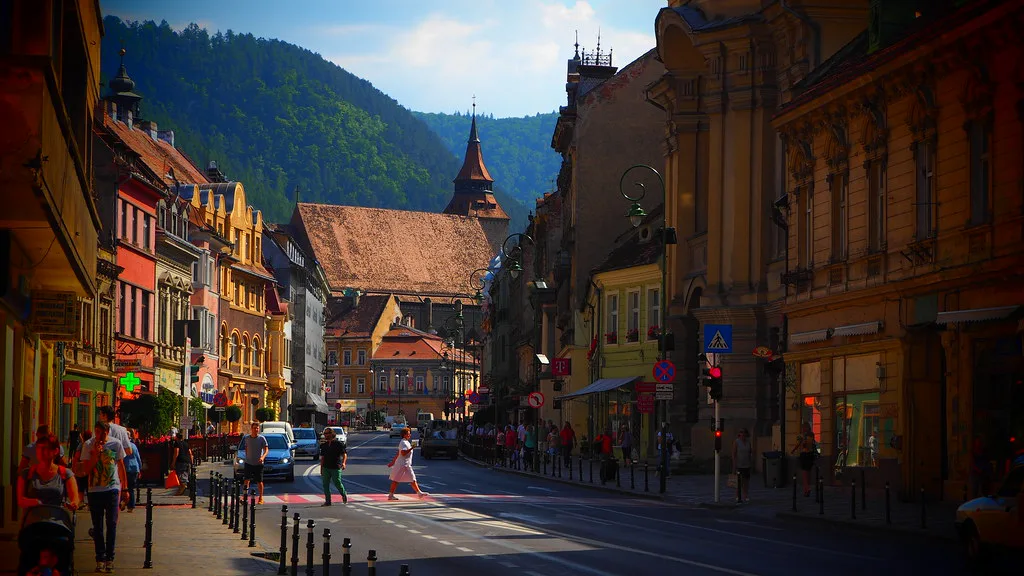
The Black Church (Biserica Neagră) at Curtea Johannes Honterus 2
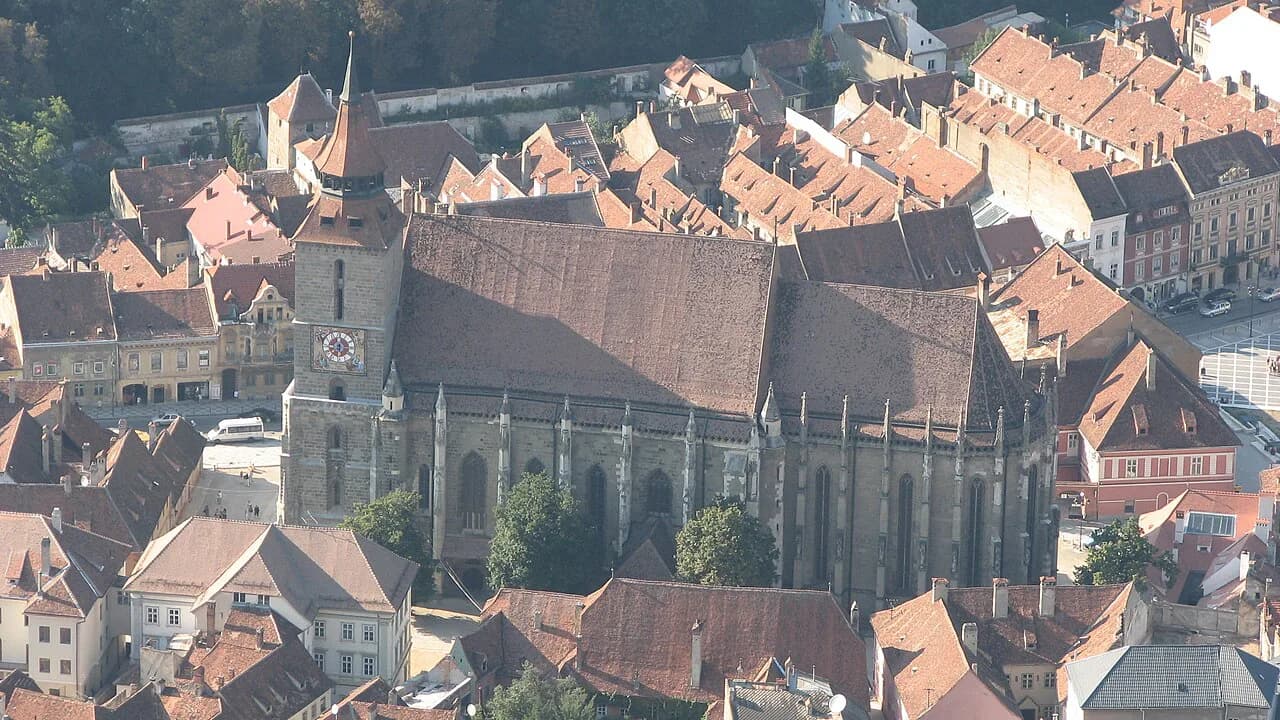
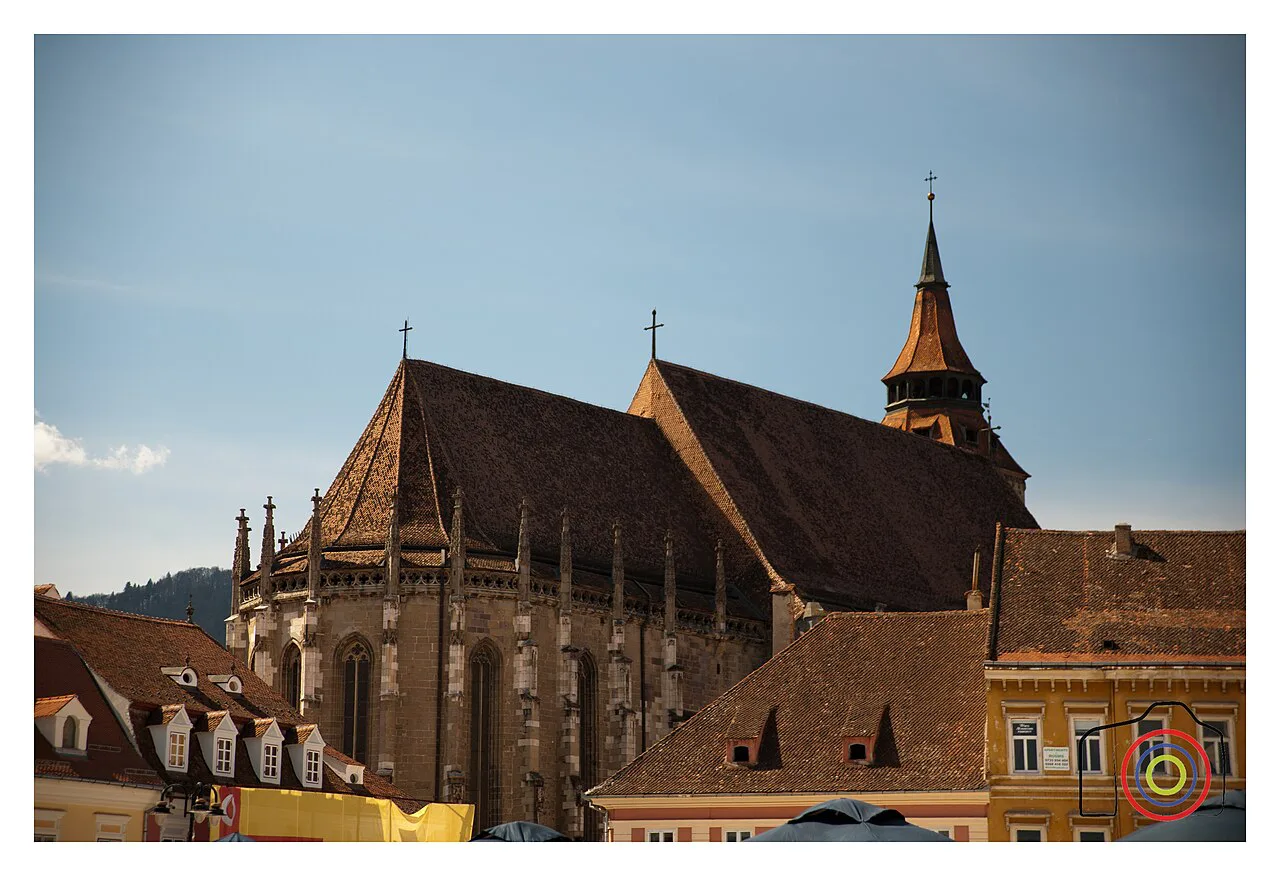
The Black Church stands at Curtea Johannes Honterus 2. It is described as the most important church of the Gothic period in Transylvania, built up through successive alterations of two earlier churches on the site — the first Romanesque building was destroyed by an earthquake. A second tower planned for the western facade was never built because of earthquake risk, so the silhouette you see is asymmetric by design rather than by accident.
Inside, look for three things. The 104 oriental carpets hang on the interior walls. The facade's ornamental and figurative sandstone sculpture includes pieces replaced by copies to protect the originals from air pollution — the originals are displayed inside, so what you examine indoors is the authentic carving. And the hall-church interior is a mix of Gothic and Baroque elements rather than a pure Gothic survival, which is the honest trade-off of a visit here.
Allow 40 minutes to an hour indoors. Photography, guided access and any restrictions on movement inside are set by the parish — look for any notice at the entrance.
Black Church opening times
The published times run in two seasons. From May to October the church opens Tuesday to Saturday 10.00–19.00 and Sunday 12.00–19.00. From November to April it opens Tuesday to Saturday 10.00–15.00 and Sunday 12.00–15.00.
The winter cut-off is the detail that catches people out: a 15.00 close means the Black Church has to be your first stop of the afternoon, not your last. Sunday opening starts at midday in both seasons, so a Sunday morning is better spent on the squares and streets before the doors open.
Opening patterns around religious festivals and services can differ from the seasonal table. Check the parish's own notice or the door before you build a day around it.
What the 1689 fire and the 1772 rebuilding left you looking at
The Great Fire of 1689 burned the church out completely and the vaults collapsed. Reconstruction ran until 1772, which is why the interior reads as Baroque over Gothic rather than as a medieval survival. Earthquakes in the sixteenth and seventeenth centuries had already forced renovation and structural support of the vaults and walls before the fire.
Renovation work completed in 1999 cleaned the sandstone exterior, which is why the name no longer matches the colour of the walls. If you want the city's wider story in sequence before you go inside, the Brasov history pages give the background the church interior only hints at.
The church is also where the first Protestant service in German was held in 1642, the starting point for the Reformation's spread through Transylvania. That detail is worth carrying into the nave: you are standing in the building where a regional religious shift began.
The other churches in the old town
Brașov's historic churches include the Sf Ioan Botezătorul Franciscan church and the Pavel Roman Catholic Church, also described as the Roman Catholic cathedral. Both appear in local listings of the city's churches; plan on passing them on the same central walk, and treat them as short stops rather than destinations in their own right, since no opening times are confirmed here.
No opening times are given here for either building, so check the notice on the door on the day. If the door is shut, carry on with the circuit and come back later.
The Neolog Synagogue on the same walk
The Neolog Synagogue was built between 1898 and 1901 to designs by architect Lippòt Baumhorn, in the Hungarian Secessionist style, and still serves as a synagogue. It is one of the buildings covered on the same Religiana entry as the Black Church. The nearby Orthodox Synagogue, built in 1924, is a vernacular brick building that now stands abandoned — visible from outside, but not a visit.
Treat the synagogue as a place of active worship first. Dress modestly, keep your voice down, and follow any instruction about where visitors may stand.
Doing the churches in one morning
Start at the Black Church for opening time, since it has published seasonal hours and the longest visit. From there, walk back through the centre past the Franciscan church and the Roman Catholic cathedral, then finish at the Neolog Synagogue. The whole circuit is short — well under an hour of walking, with the bulk of the time spent indoors.
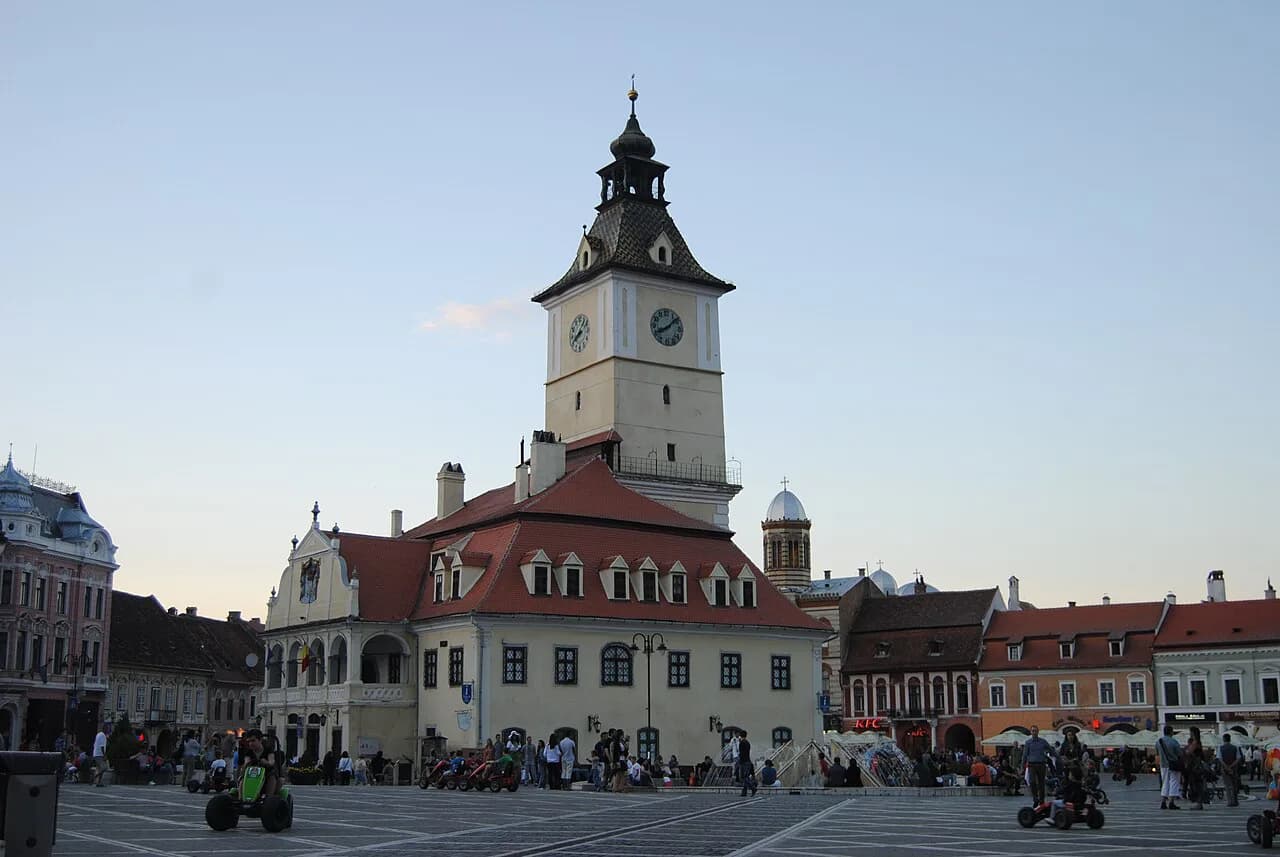
If you want a map of the centre before you set out, use the Brasov map to find the streets around Curtea Johannes Honterus. The main square, Piața Sfatului, is the usual anchor for a morning in the centre.
Anyone building a fuller weekend around this should look at a Brasov itinerary that slots the churches in alongside the fortifications and the mountain. Two nights gives you the churches comfortably plus a castle day; one night means choosing between them.
Which church to pick if you only have time for one
Choose the Black Church. It is the one on this list with published seasonal hours, a defined interior to look at in detail, and a story — fire, collapse, Baroque rebuilding, the carpets — that repays the time. The others are worth a short look if the doors are open, but none of them justifies rearranging a day.
If you have an hour spare after the Black Church, the city's other indoor sights are a better use of it than a second church. The Museums in Brașov Worth Your Time guide covers what is open and what each collection holds.
Practical points for visiting
Dress modestly — covered shoulders and knees — for every building on this walk, and keep quiet if a service is in progress. If worship is underway, wait at the back or come back later; these are working churches and a synagogue, not museums.
Hours change with the season, so the winter afternoon cut-off is the single most important thing to check before you go. If a door is locked outside published times, that is the parish's decision and not a reason to press.
Build the churches into your Brașov morning
Plan the Black Church for opening time, walk the Franciscan church, the Roman Catholic cathedral and the Neolog Synagogue afterwards, and you have seen the city's religious architecture before lunch. Allow an hour indoors at the Black Church, and check the seasonal table before you set out — the winter close at 15.00 is the detail that decides your order.
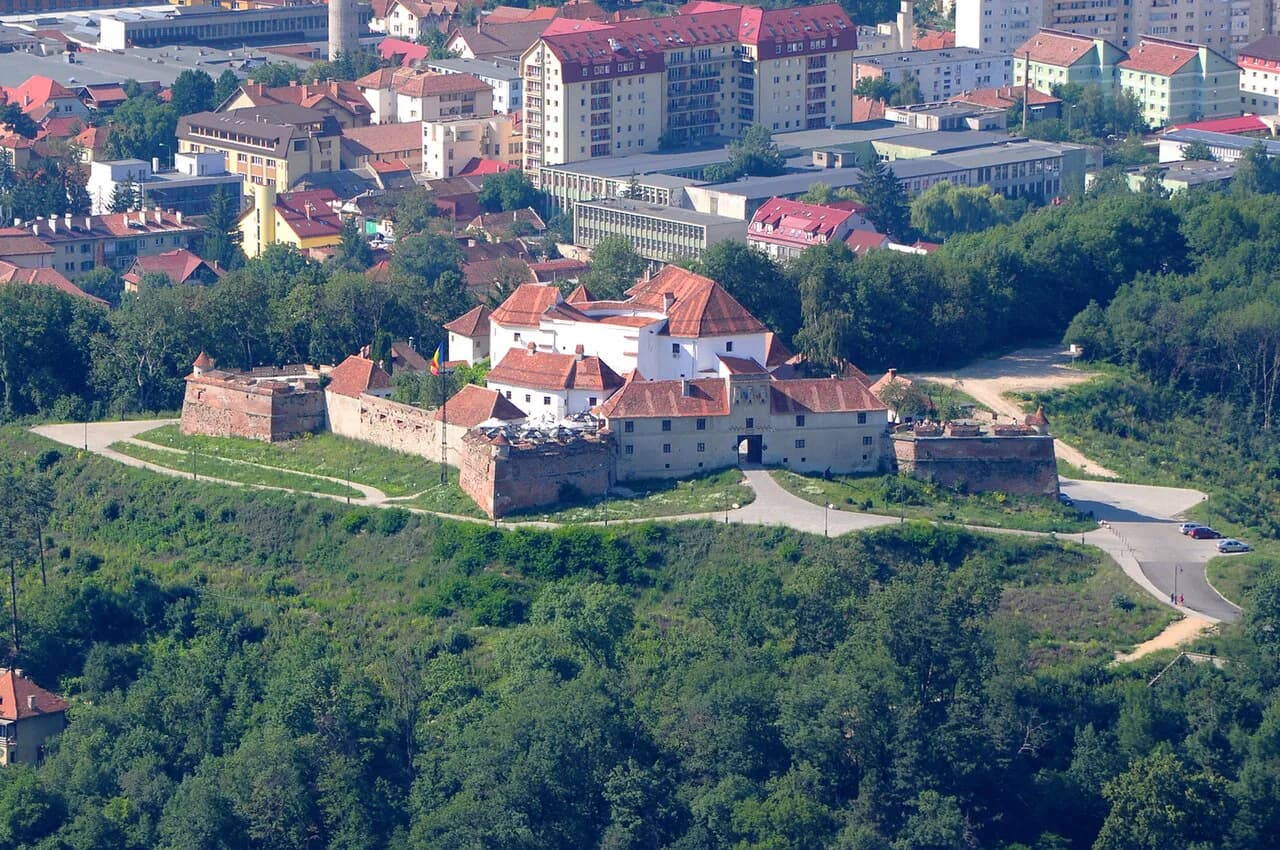
If the churches leave you with an afternoon spare, the Brasov Citadel on Straja Hill is a short walk and a different kind of sight entirely.
Explore more Brasov guides
Frequently Asked Questions
Is the Black Church in Brașov Catholic or Protestant?
It is a Lutheran church. The first Protestant service in German was held there in 1642, and that service is described as the starting point for the Reformation's spread through Transylvania. Roman Catholic worship in the city is centred on the Pavel Roman Catholic Church, also called the Roman Catholic cathedral.
How much time should I allow for the Black Church?
Plan on 40 minutes to an hour indoors. The interior holds 104 oriental carpets, the original sandstone carvings replaced by copies on the facade, and a hall-church layout mixing Gothic and Baroque work, so there is more to look at than the exterior suggests.
Can I visit the churches on a Sunday?
The Black Church opens at midday on Sundays in both seasons, closing at 19.00 from May to October and at 15.00 from November to April. Sunday mornings are better spent on the squares before the doors open. Other churches on the circuit keep their own patterns, so check the notice on the door.
Sources
Useful notes for your next trip
Optional updates to our guides.
You might also like
Continue reading
More guides you'll find useful