Brașov Citadel on Straja Hill: Visiting the Cetățuia
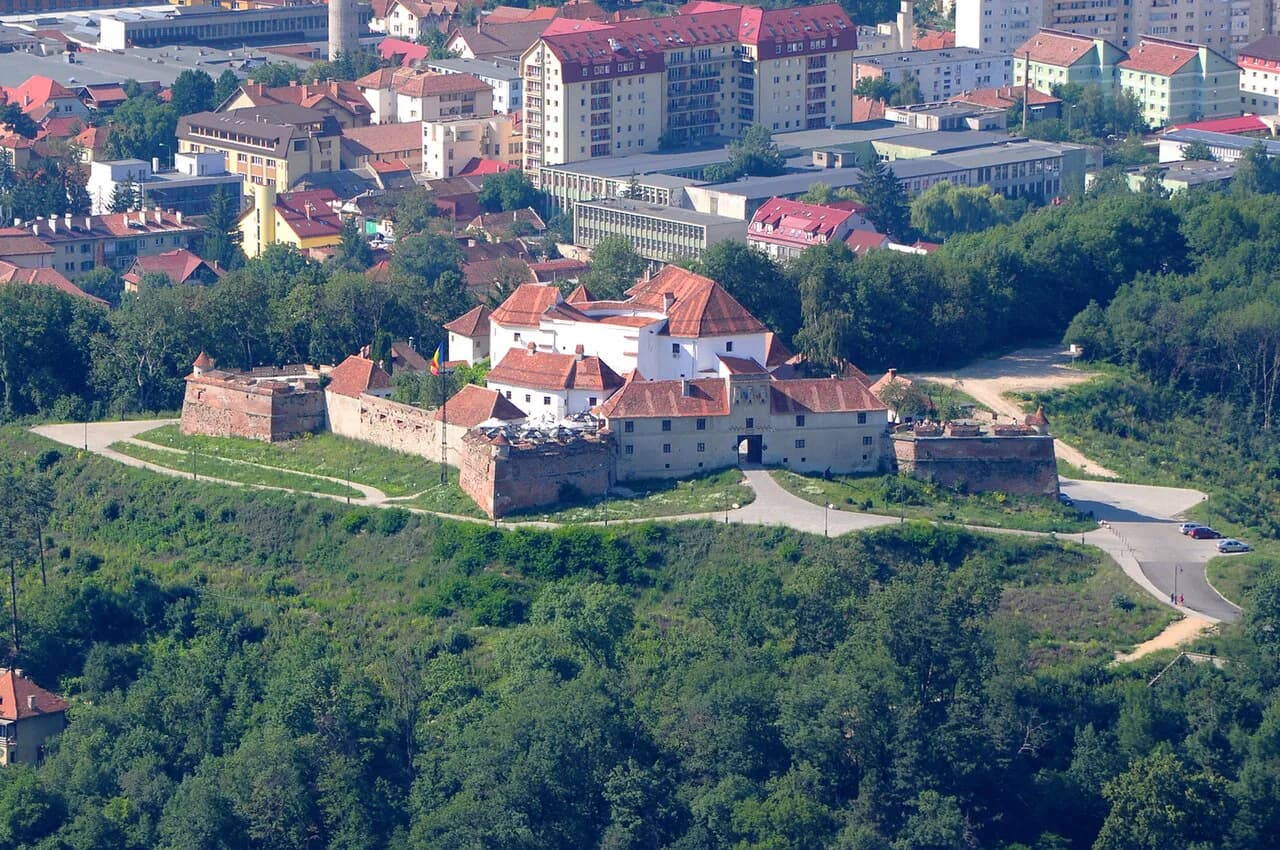
The Brașov citadel on Straja Hill is a fortress outside the old town walls, reached by car or on foot along Mihai Eminescu street. Here's what to expect.
On this page
The Brașov citadel is a hilltop fortress on Straja Hill, outside the medieval town fortifications, so you will not find it among the streets of the old centre. It is reached by car or on foot along the alley towards the Cetățuie off Mihai Eminescu street. This guide covers what stands on the hill, how the walk and the drive compare, and where the citadel sits relative to Piața Sfatului and the walls below.
Expect a short, focused visit rather than a museum circuit: the appeal is the fortification itself and the position above the town. Pair it with the old centre rather than treating it as a separate outing, and read it alongside the rest of the Things to Do in Brașov.
What the Brașov citadel is
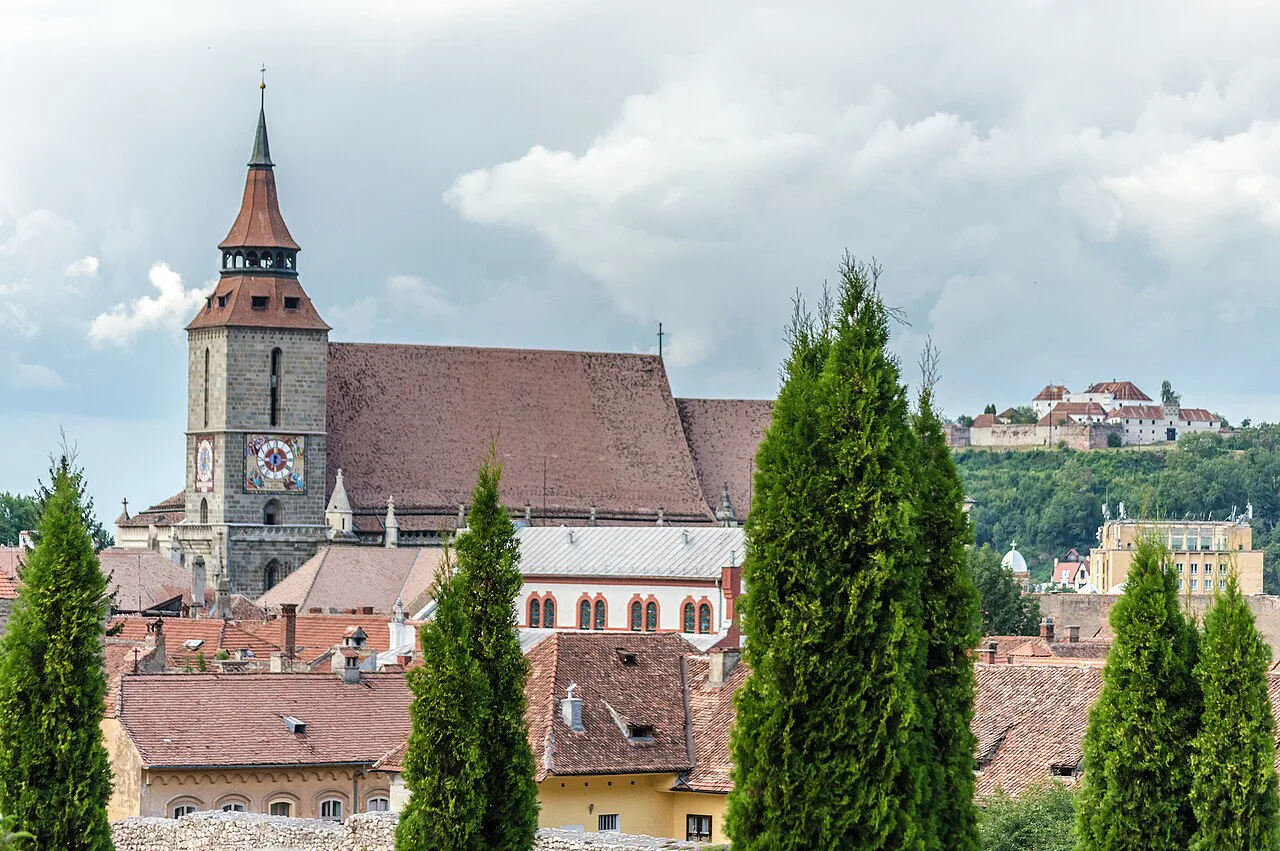
The fortress on Straja Hill is one of the symbols of the city and a draw for visitors, standing above Brașov rather than within its historic core. The hill itself carries the German name Schlossberg, and the site is known locally as Cetățuia or Cetățuie. Keep that distinction in mind: the citadel is a separate hill fort, while the walls, towers and bastions most visitors photograph are down in the old town.
Walking the old centre and climbing to the citadel are two different outings with different logistics, so plan them as such. If your time in Brașov is short, decide first whether you want the streets or the hill view; this page helps you judge the second. The Brașov Old Town guide covers the streets side.
The short history you need
A stone and brick watchtower in the shape of a horseshoe was built on the hill in 1524. In 1625 the fortress was rebuilt, and during that period a well 81 metres deep was dug in the fortress courtyard. Those three facts, the watchtower, the rebuild and the well, are the concrete markers that make the site legible when you arrive.
Treat the dates as history rather than as a description of what survives today. The 1524 tower and the 1625 rebuilding explain why the hill was fortified at all, and the well was dug out of the fortress courtyard in that period.
Getting up: by car or on foot
There are two approaches. You can drive up to Cetățuie, or walk the alley towards the citadel from Mihai Eminescu street. The drive suits anyone short of time or travelling with others who would rather not climb; the alley suits anyone already exploring the centre on foot and willing to add an ascent to the day.
Whichever you choose, look at the route on a map before setting out, because the entrance is not on the main pedestrian drag and the hill is easy to misjudge from the square. A Brasov map saved offline is more useful here than sign-following. Confirm current access details before you commit to the climb.
What you see on arrival
The fortification is quadrilateral, with Italian bastions at the corners and defence towers built above them. Access to the interior runs through a single entrance reached by a movable bridge. Those are the features to look for as you arrive, and they are what distinguish the hill fort from the town walls below.
Views over the old town
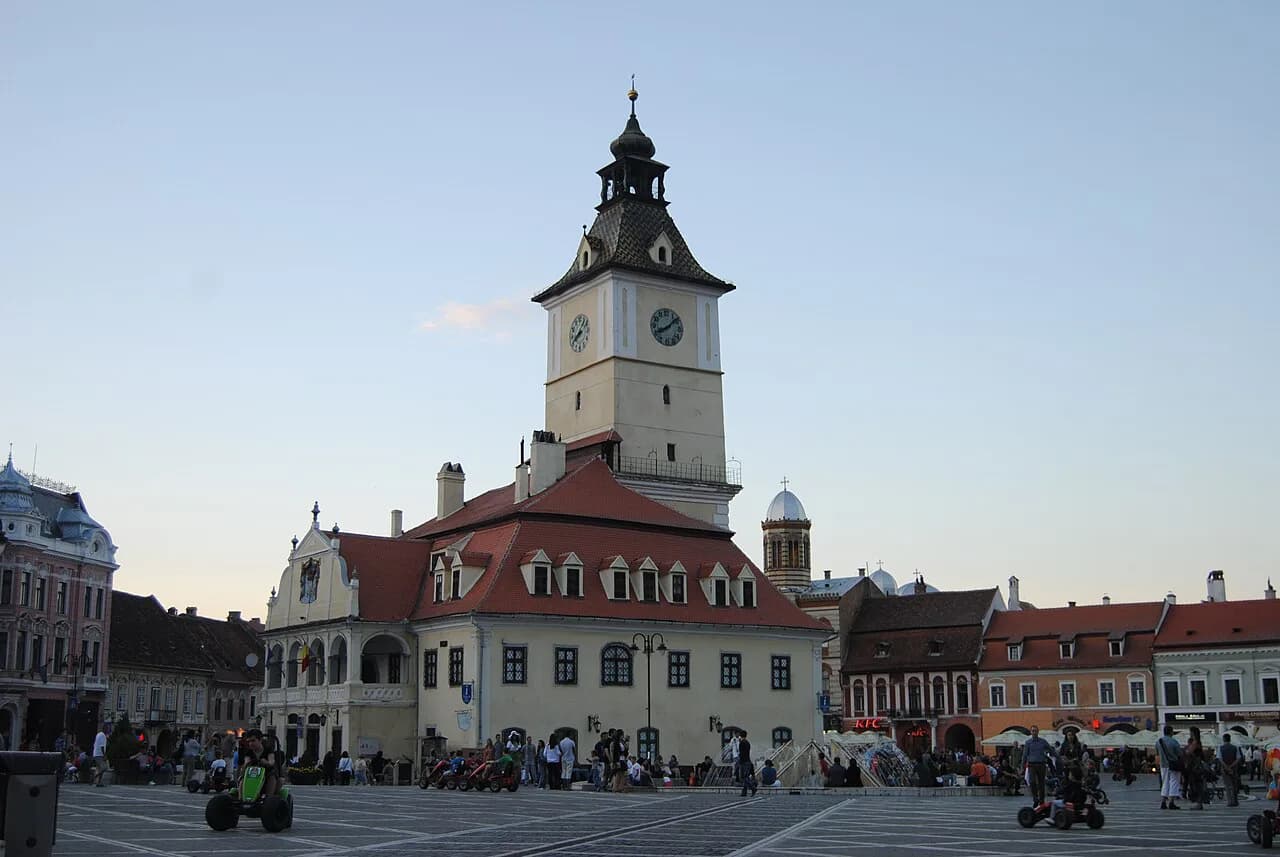
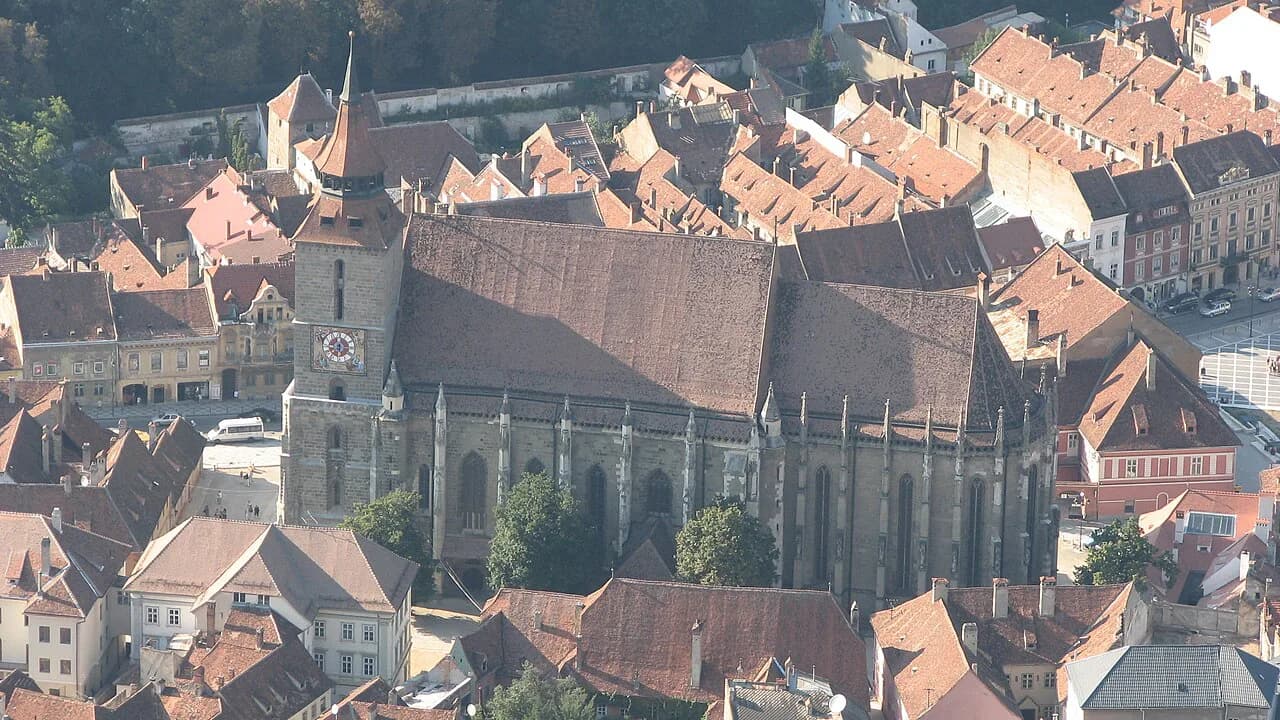
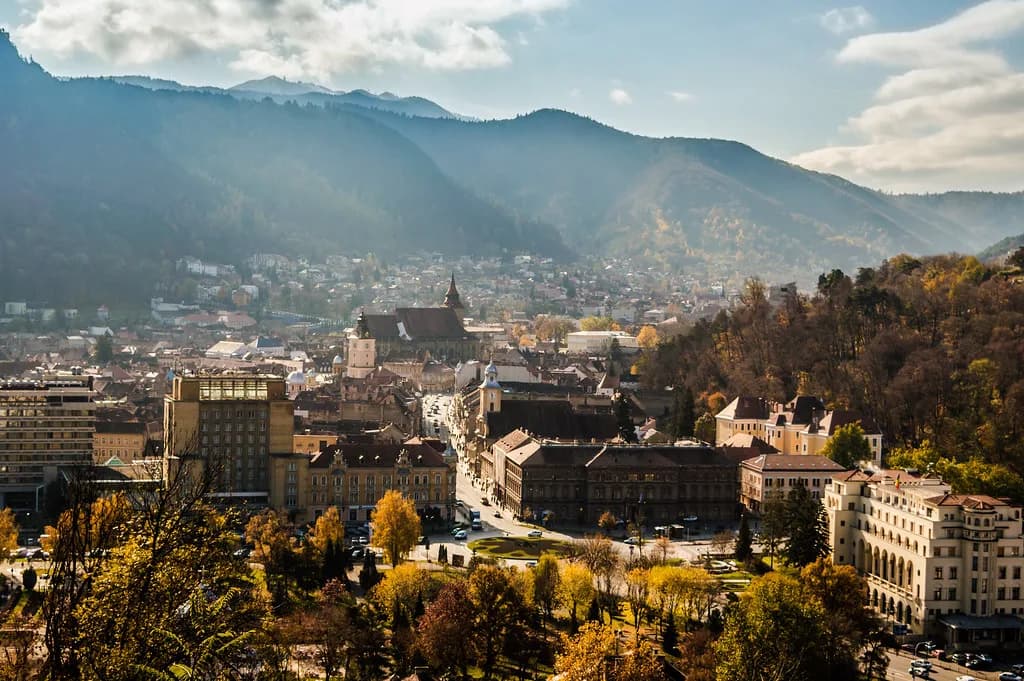
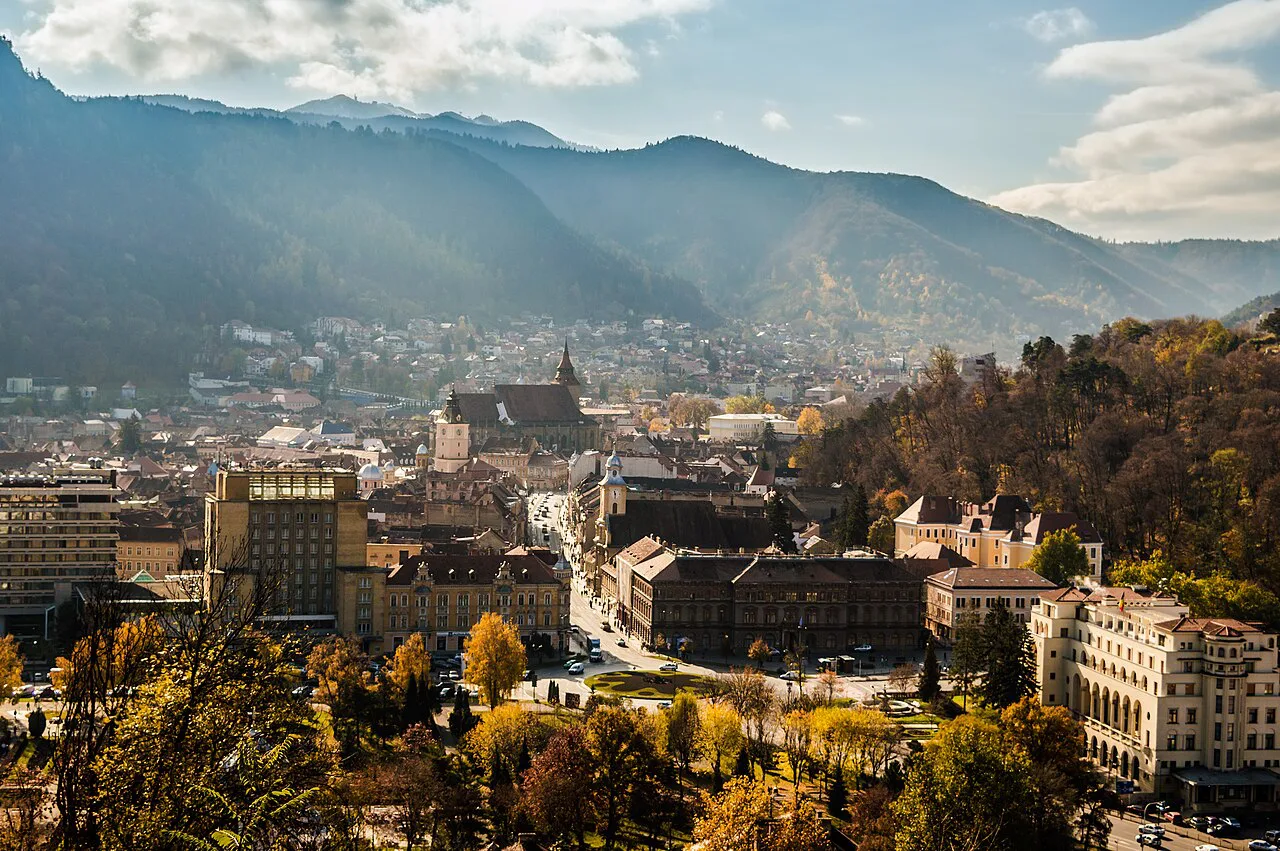
The point of the hill is the outlook. From up here you look down on the historic centre, with Piața Sfatului, or Council Square, and the Black Church as the landmarks that orient you. Use them to place yourself: the Black Church stands in the square, and the centre fans out from there along Republicii Street, which is pedestrianised.
Knowing the layout before you climb makes the view worth more. The old centre is compact, so once you have picked out the square and the church tower you can plan the rest of the day's walking from above rather than on the hoof.
The town walls below: a different fortification
Visitors often conflate the hill citadel with the town walls, so keep them apart. The medieval citadel below is ringed by walls built in the 15th century, 12 metres high and 3 kilometres long, with seven bastions. Those figures describe the town fortifications, not the quadrilateral fort on Straja Hill.
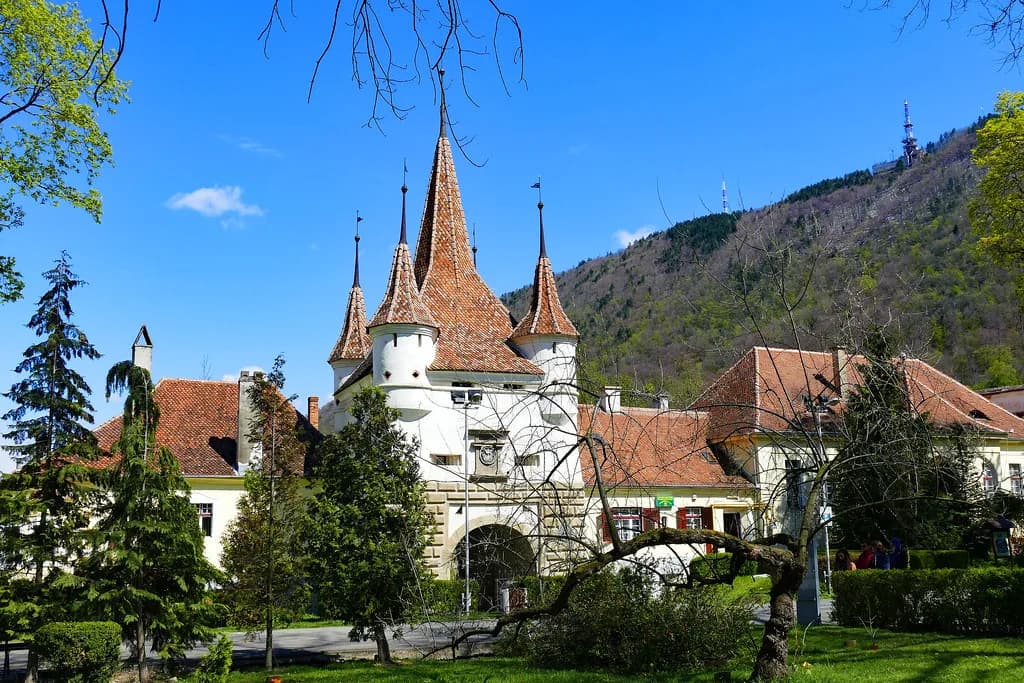
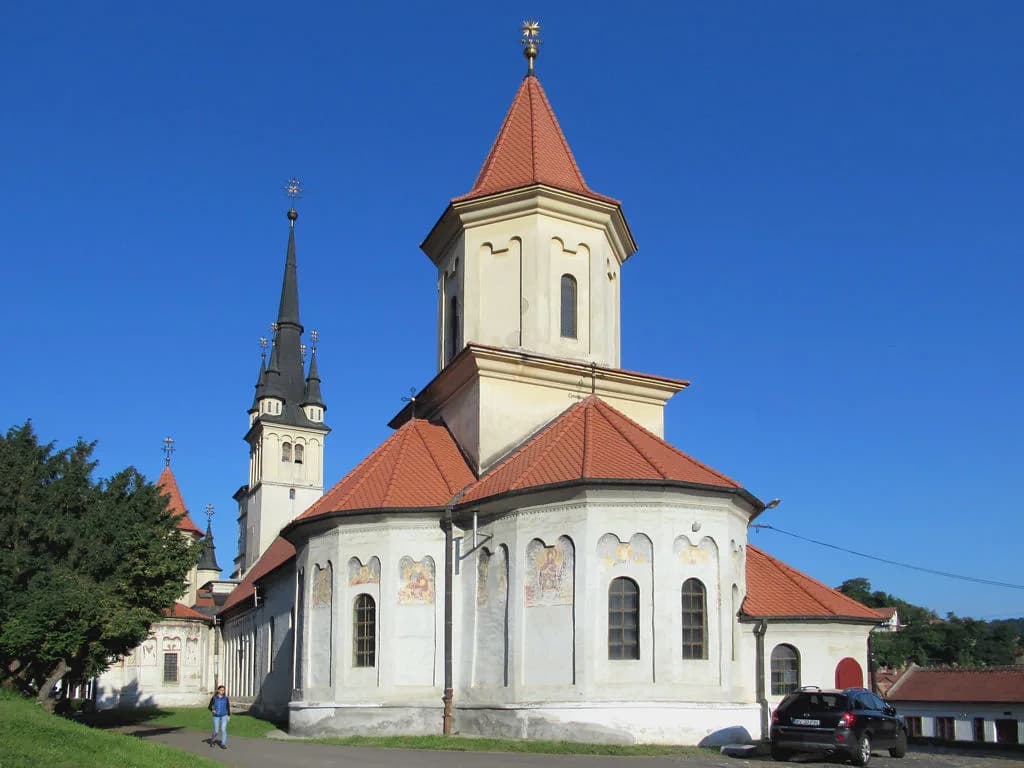
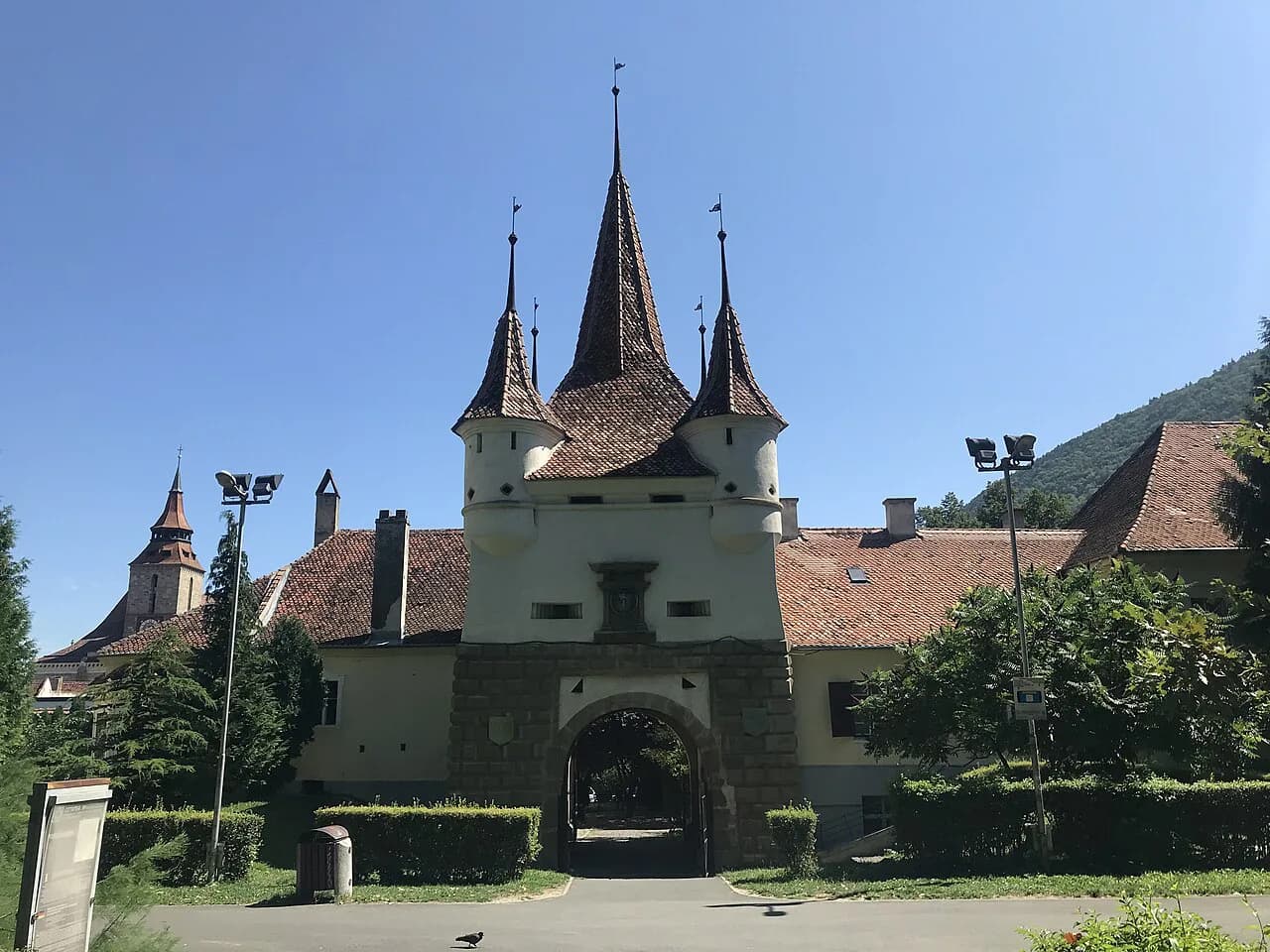
Inside those walls sit the sights most people come for: the Black Church, the narrow Rope Street linking Cerbului Street with Poarta Schei Street, St Nicholas Cathedral and Piața Sfatului, with the former council house now holding the county history museum. Catherine's Gate, or Poarta Ecaterinei, was built in 1559 to replace an earlier gate destroyed by flooding and is the only one of the city's ancient gates still standing.
Practical trade-offs
The climb costs you time and effort; the drive costs you the walk. If you are already doing a long circuit of the centre, the alley from Mihai Eminescu street adds a climb to a day that may already be full, while driving up gets you the view quickly and leaves the old town for later. Choose based on how much walking you have already done, not on principle.
Plan the citadel as a look at a fortification and a viewpoint, and put the museums of the centre in a separate slot. That keeps your expectations honest and stops the hill eating into time you meant to spend in the square.
Where the citadel fits in a Brașov itinerary
Give the citadel a half-day slot at most, and build the rest of the day around the centre. A sensible order is Piața Sfatului and the Black Church first, Republicii Street and Catherine's Gate next, then the hill for the view once the streets have been covered. If you would rather have the walking mapped for you, a guided Brasov walking tour covers the core on foot and leaves you to add the climb yourself.
Râșnov Fortress, 15 kilometres southwest of Brașov, and Bran Castle, about 25 kilometres away, are the fortresses travellers usually ask about next; treat them as separate outings rather than add-ons to the citadel. Hărman and Prejmer, the fortified churches, lie to the north at roughly 6 kilometres and a short distance beyond respectively.
Is the climb up Straja Hill worth it?
Yes if you want to understand how Brașov defended itself: the hill fort, the well and the bastions make sense once you have seen the walls below. No if your day is already tight in the centre, because the streets hold the sights you came for. Decide by your energy and your timetable, then either drive up or take the alley from Mihai Eminescu street.
Explore more Brasov guides
- Brașov Day Tours
- Brașov Itinerary
- Brașov's Walls
- Castles Near Brașov
- Museums in Brașov Worth Your Time
- The Brașov Sign on Mount Tâmpa
- Șchei, Brașov
- Brasov City Break
- Brașov History
- Churches in Brașov
- Free Things to Do in Brașov
- How Many Days in Brașov Do You Need?
- One Day in Brașov
- Shopping in Brașov
- Brasov Attractions
Sources
Useful notes for your next trip
Optional updates to our guides.
You might also like
Continue reading
More guides you'll find useful