Banat, Romania: A Practical Guide to the Region and Its Villages
Banat is a historic region split between Romania, Serbia and Hungary. Here is what it covers, which villages lie in Romanian Banat and how to reach them.
On this page
Banat is a historic province that no longer sits inside one country: it is divided today between Romania, Serbia and part of Hungary, so the Banat you visit depends on which side of the border you cross. Romanian Banat is the western wedge of the country around Timișoara, and its most distinctive rural draw is a group of villages settled by Czech families in the nineteenth century. This guide explains what the region is, which villages are worth the detour and how to plan a trip around them.
What Banat is
Treat Banat as a historical region rather than an administrative unit. Its territory is now shared by Romania, Serbia and Hungary, which is why maps of the region cross modern borders and why the Romanian part is only a portion of the whole. If you are working out how Banat fits alongside the country's other historic provinces, the regions of Romania guide sets them out side by side.
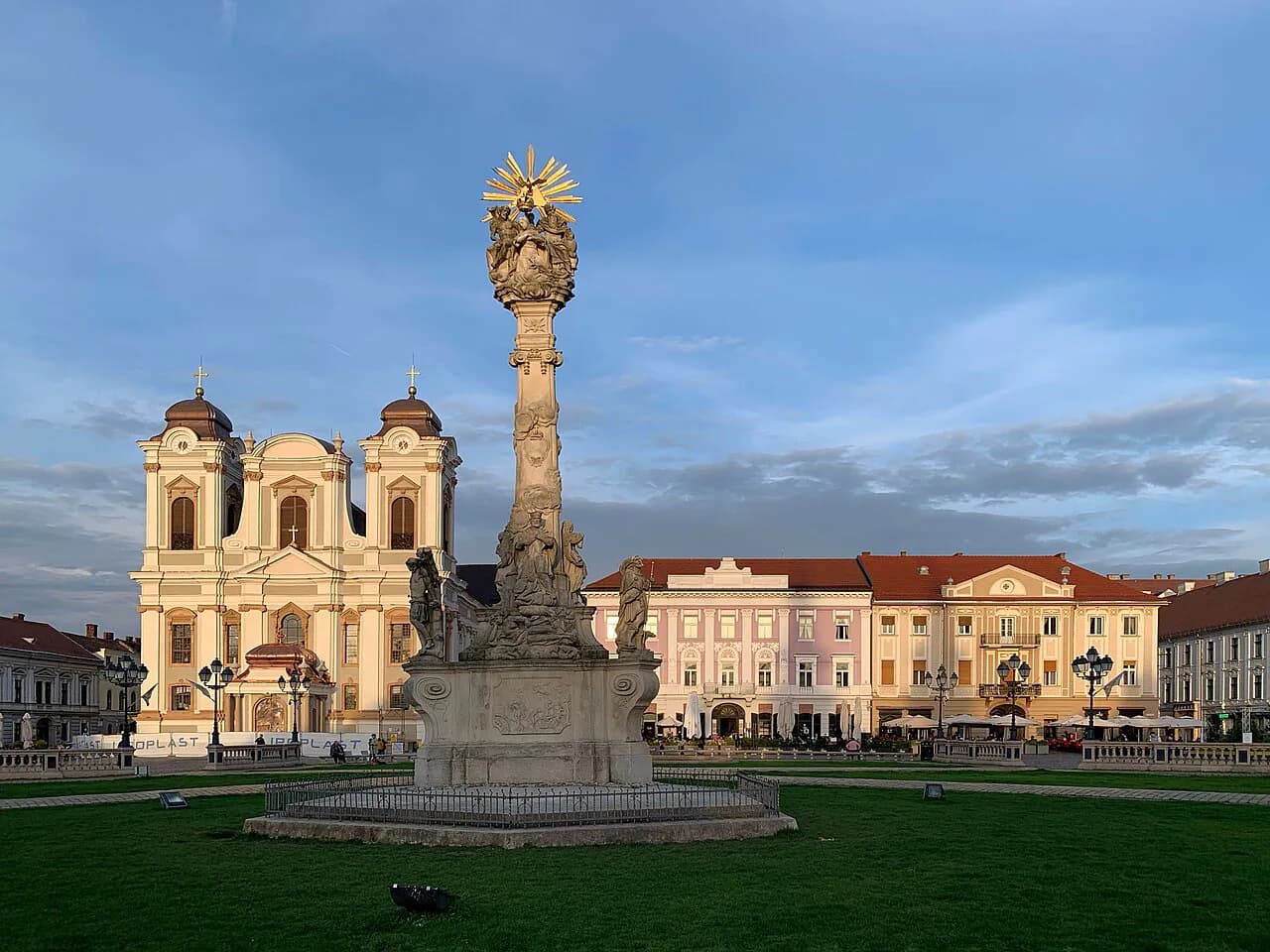
The Romanian share of Banat is the area most visitors mean when they say they are going to Banat. Its practical centre is Timișoara, but the region's character is rural: small settlements spread across plains, hills and the mountain edge towards the Danube. Plan the city as a base and the countryside as the reason to keep going west and south.
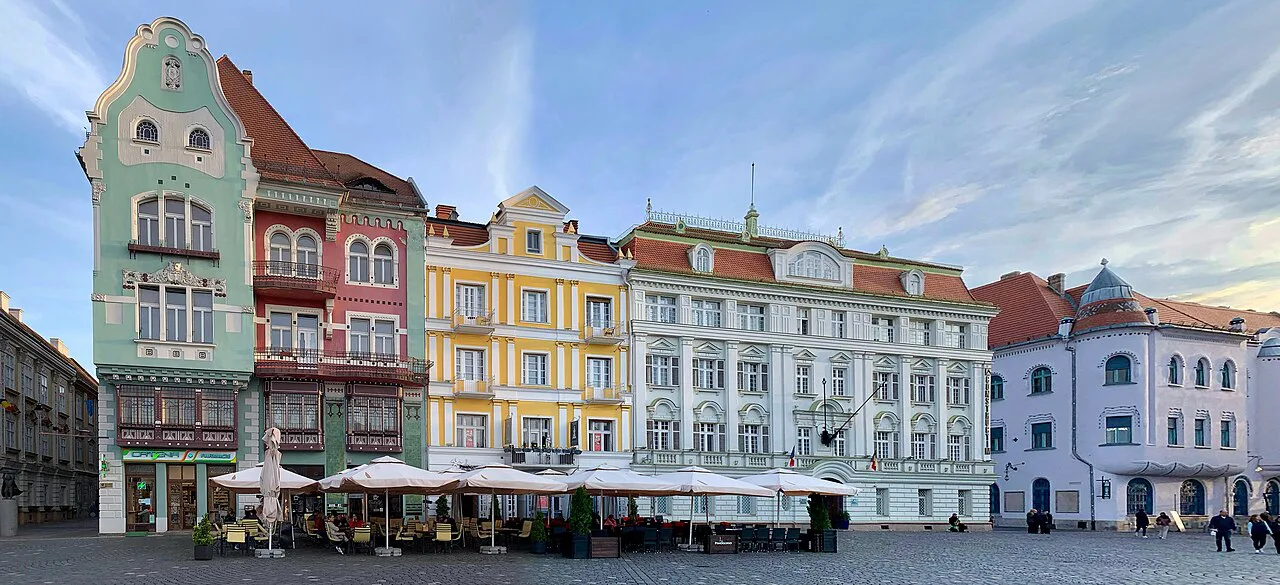
Where Romanian Banat sits and how it relates to Timișoara
Romanian Banat occupies the south-western corner of the country, with Timișoara as its main city and obvious arrival point. From the city, roads run east and south towards the hills and the Danube, which is where the Czech villages and the karst landscape begin. A map of Romania is useful before you commit, because the distances look modest on paper and take longer on the ground.
Was Banat part of Hungary? Banat is a historic province that is today divided between Romania, Serbia and a part of Hungary, so parts of it have been within Hungarian territory at different times. For a visit, the practical distinction is between Romanian Banat around Timișoara and the Serbian and Hungarian portions across the modern borders.
What does banate mean? A banate is the territory governed by a ban, a title used in this part of central and eastern Europe, and Banat takes its name from that arrangement. The region is now a historical rather than an administrative unit, which is why its boundaries cross three modern countries.
Can you visit the Czech villages without a car? The villages lie off the main routes in hilly country, so a car or an organised excursion from Timișoara is the straightforward option. Public transport exists but is not something to plan around without confirming locally, and timetables should be checked for your dates before you commit.
Do not confuse the region with the city. Timișoara is the gateway, not the whole story, and travellers who stop there and turn back miss the villages that give Romanian Banat its particular flavour. Budget at least one full day beyond the city if the villages are your reason for coming.
The Czech villages of Romanian Banat
Six villages make up the surviving Czech settlement in Romanian Banat, and each has kept its own customs, national dress and dialect, which the Banát heritage project treats as an attraction in itself. The first colonists arrived after a timber entrepreneur brought several dozen Czech families to the area, founding Svatá Alžběta in 1823; that village later disappeared for lack of water. Svatá Helena followed, probably between 1824 and 1825, and a second, larger wave of settlement came in 1827 and 1828 with military backing.
Sfânta Elena is the oldest of the Bohemian villages, set in karst hills above the point where the Danube cuts through the Carpathian Mountains. Gârnic, known for horse breeding and its blacksmiths, now has a Czech museum, a local band called Bohemia and a Czech pub. Ravensca is the most elevated of the villages, sitting between ridges with views over the Danube and the Nera valley.
Rovensko reads as a mountain village, while Bigăr is the only Banat village with a cross-shaped layout, tucked into forest and historically home to lumberjacks and miners. Eibenthal is the purely mining village, its architecture recalling the German influence in the area, and Sumita lies furthest from the tourist route. If you have time for one village only, choose by landscape: hills above the Danube for Sfânta Elena or Ravensca, forest for Bigăr.
Which villages suit which trip
For a sense of the settlement's age, head to Sfânta Elena, the oldest of the group and the one whose karst setting above the Danube is easiest to picture before you arrive. For a village with something to do indoors and a drink at the end, Gârnic offers the Czech museum, the Bohemia band and a pub serving Všerad beer. Both suit a first visit because they give you a clear reason to be there beyond the scenery.
Ravensca rewards anyone willing to climb, since it sits highest and looks out over the Danube and the Nera valley. Sumita is the opposite choice: furthest from the tourist route, it is where you go for quiet rather than for sights, and the trade-off is the extra driving and thinner facilities. Match the village to the kind of day you want, not to a tick-list.
How to reach the Banat villages and what travel there involves
The reliable approach is to base yourself in Timișoara and drive or join an organised excursion into the hills, because the villages sit off the main routes and public transport is not something to rely on without checking. Ask your accommodation or a local tour operator what is running on your dates, and confirm the return leg before you set out. Detailed maps of all the villages are published by the Banát project, which is the practical starting point for route planning.
Allow generous time for the roads once you leave the city. The landscape is hilly, the villages sit between ridges, and a short distance on the map can take far longer than you expect, so a two-village day is usually enough. Carry what you need with you rather than relying on shops appearing on arrival.
What you will see between the villages
The scenery is the reason to come: karst hills and valleys above the Danube, fields and plum orchards around Sfânta Elena, and the Nera valley opening out below Ravensca. The Danube itself cuts through the Carpathian Mountains here, and the river is a constant reference point even when you cannot see it. This is farmland and forest, managed by local farmers, not a landscaped park.
Wildlife is part of the experience in places: the forest around Bigăr is described as having bears, so keep food stored and follow local advice rather than wandering off marked routes at dusk. Treat the villages as working settlements, with cattle and goats in the street, and give people room.
Practical trade-offs: distance, facilities and slow roads
The honest trade-off is that these villages sit well away from Romania's main tourist circuit. Sumita in particular is remote enough that solitude is the point, and that remoteness costs you time and comfort. If you want convenience, a city break in Timișoara plus one village will satisfy you more than a rushed attempt at five.
Facilities are sparse and uneven between villages, so plan around the services you know about rather than expecting a café or shop to be open. Gârnic's Czech pub and museum are the clearest examples of something organised to visit, and elsewhere the appeal is the landscape and the villages themselves. Think of Banat as a place you travel through slowly, with the region's other corners beyond Romania's borders for another trip.
Is Romanian Banat worth the detour?
Yes, if you want rural Romania with a specific cultural story rather than another castle queue. Base in Timișoara, pick two villages that match your mood, and accept that the driving is the price of the quiet.
Before you set out, confirm what is open on your dates and how you will get back, since the villages are small and services are limited. Check current road and transport information locally rather than relying on any plan made months in advance.
Explore more Romania guides
Frequently Asked Questions
Was Banat part of Hungary?
Banat is a historic province that is today divided between Romania, Serbia and a part of Hungary, so parts of it have been within Hungarian territory at different times. For a visit, the practical distinction is between Romanian Banat around Timișoara and the Serbian and Hungarian portions across the modern borders.
What does banate mean?
A banate is the territory governed by a ban, a title used in this part of central and eastern Europe, and Banat takes its name from that arrangement. The region is now a historical rather than an administrative unit, which is why its boundaries cross three modern countries.
Can you visit the Czech villages without a car?
The villages lie off the main routes in hilly country, so a car or an organised excursion from Timișoara is the straightforward option. Public transport exists but is not something to plan around without confirming locally, and timetables should be checked for your dates before you commit.
Sources
Useful notes for your next trip
Optional updates to our guides.
You might also like

Continue reading
More guides you'll find useful