Crișana, Romania: Oradea, the Apuseni Mountains and What to See
Crișana covers north-west Romania around Oradea, from the Apuseni Mountains and their caves to the thermal springs and Bihor villages nearby.
On this page
Crișana is the historical region of north-west Romania whose traditional centre is Oradea, and it is best treated as a two-part trip: a city base in Oradea and a day or two out among the caves and karst valleys of the Apuseni Mountains. It is not a separate administrative unit today, so you will not find it on a modern county map, but it remains a useful way to group Oradea with the Bihor countryside around it.
This guide sets out the region's edges, the caves and national park that give it its character, the thermal springs near Oradea, three cultural sites that most Romania routes skip, and how long to allow. Prices, opening hours and tour availability for individual sites are not fixed here; check each site's own listing before you commit a day to it.
What Crișana is and where it sits in Romania
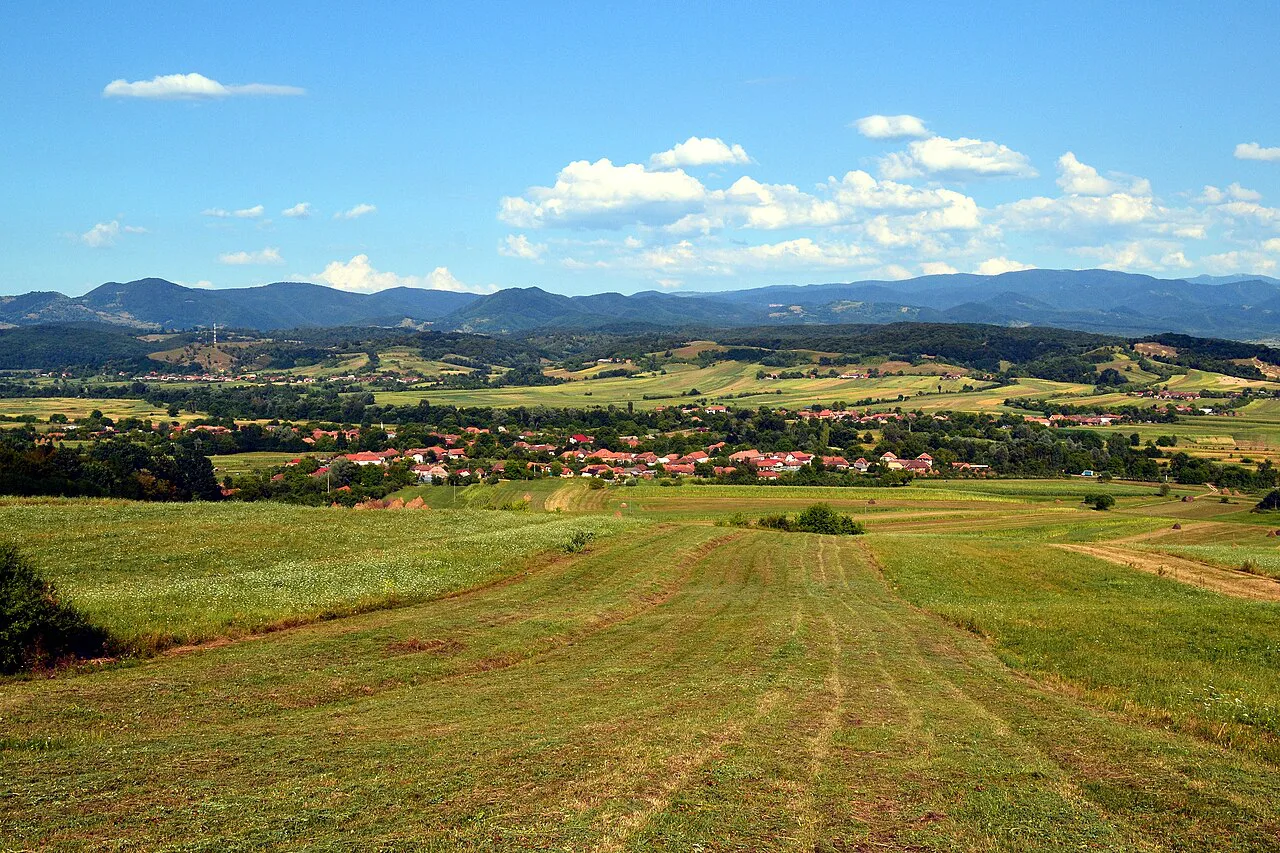
Crișana lies in the north-west of the country, bordering Maramureș to the north, Transilvania to the east, Banat to the south and Hungary to the west. On the Romanian side it takes in the whole of Bihor county plus most of Arad and Sălaj counties, the southern edge of Satu Mare county and the northern edge of Hunedoara county.
The towns that anchor the region are Oradea, Arad, Zalău, Beiuș, Marghita, Salonta, Șimleu Silvaniei, Ineu, Brad and Tășnad. Oradea is the traditional centre, and for a visitor it is also the most practical place to sleep and hire a car.
Its rivers are the Crișul Negru (Black Criș), Crișul Repede (Rapid Criș) and Barcău, which drain east to west toward Hungary. The land rises from flat, fertile plain in the west to the Apuseni Mountains in the east, where Vârful Bihor reaches 1,849 m.
It sits inside the wider arc of the Carpathian Mountains rather than the Alps, and it is not part of Transilvania, despite the proximity and the shared Hungarian and Romanian history. If you are stitching regions together, it makes a natural western arm between Hungary and the Transylvanian cities further east; the map of Romania is worth keeping open while you plan.
Why Oradea is the base for a Crișana trip
Oradea is the obvious base because the region's road and rail lines converge on it and the Apuseni foothills begin within a short drive east. It is a city in its own right rather than a dormitory for the mountains, so a wet day or a rest day is not wasted.
The thermal springs that give the area its spa reputation sit at Baile Felix and Baile 1 Mai just outside Oradea, in the same cluster as the city. Use Oradea for beds, fuel and shopping, and treat the mountains as outings rather than a place to stay in for a short trip.
From Oradea, the Apuseni caves and the Padiș plateau lie east and south-east, while Arad and the Șoimoș fortress lie south-west along the Mureș corridor. That geography dictates how you split the days: do not try to see the caves and Arad on the same day.
The Apuseni Mountains: karst scenery, valleys and what it means for a visit
The Apuseni are limestone country, and the landscape that matters to a visitor is karst: caves, gorges, deep valleys and sinkholes rather than high alpine peaks. The highest point, Vârful Bihor at 1,849 m, is modest, and the region's appeal is underground and in the wooded valleys rather than on summits.
Practically, that means a cave visit is a short, guided or self-guided walk into a hillside, not a mountain expedition, but the roads to the cave entrances are slow and winding. Allow more driving time than the straight-line distance suggests, and keep a full day for one cave plus the surrounding valley.
Much of the upland is forested with oak and beech, with wildlife including wild boar, roe deer, wolf and fox in the woods. That is a reason to walk quietly and stay on marked paths rather than to expect sightings.
Caves named in Crișana: Peștera Urșilor, Peștera Vântului, Peștera Meziad and others
The caves most often named in the region are Peștera Urșilor (Bears' Cave), Peștera Vântului (Wind Cave), Peștera Meziad, Peștera Piatra Altarului, Peștera cu cristale de la Farcu, Peștera Măgura, Peștera Coliboaia and Peștera Ghețarul Focul Viu (the Living Fire Ice Cave). Each has its own access arrangements, and some are far more developed for visitors than others.
Peștera Urșilor, near Chișcău, is the one most people build a day around, and Peștera Meziad is the other well-known show cave in Bihor. The crystal cave at Farcu and the ice cave at Focul Viu are specialist stops rather than casual ones.
Do not assume all of them are open to walk-in visitors: some are gated, some need a guide, and some are research sites. Check the individual cave's listing for opening days and whether booking is required before you drive out, because the access rules vary cave by cave.
For a short trip, pick one developed cave and one secondary site rather than attempting a cave crawl; the roads between them eat the day. Bring a warm layer, since cave interiors stay cold regardless of the weather outside.
Parcul Național Munții Apuseni and Lumea Pierdută de la Padiș
Parcul Național Munții Apuseni protects the central uplands, and the Lumea Pierdută de la Padiș (the "Lost World" of Padiș) is the plateau area most often cited as its signature landscape. It is a high, enclosed karst plateau of meadows and dolines rather than a viewpoint with a car park.
Reaching Padiș means a slow drive on mountain roads followed by walking, so treat it as a full-day outing from Oradea or as an overnight in the mountains if you want to see it without rushing. The park is walking country, not a drive-through attraction.
The park sits at the centre of the cave country, so a Padiș day pairs naturally with a cave stop on the approach road. Confirm the park's current access points and any seasonal road closures locally before setting out, as mountain roads here are affected by weather.
Thermal water at Baile Felix and Baile 1 Mai, and the lotus flower
Baile Felix and Baile 1 Mai, just outside Oradea, are built around geothermal water that rises warm from underground. The springs are the region's main natural tourism draw, and the resorts are the established places to experience them.
The thermal water also supports Nymphaea lotus thermalis, a lotus that grows in the warm waters at Baile Felix and 1 Mai. It is the region's best-known rare plant and the reason the springs are more than a bathing stop.
The same geothermal resource underpins Moneasa in Arad county, described as the Pearl of the Apuseni, and Stâna de Vale further east. Keep these as separate half-days rather than mixing them into a mountain day.
Entry arrangements, pool hours and treatments at each resort are managed by the individual complexes, so check the specific venue you plan to use rather than assuming a single regional pass.
Cultural sights: Cetatea Aradului, Cetatea de piatră Șoimoș and Castelul Curtici
Three cultural sites in the region are worth building into a route: Cetatea Aradului, the fortress at Arad; Cetatea de piatră Șoimoș, the stone fortress above Șoimoș on the Mureș; and Castelul Curtici, a country house near the Hungarian border. All three are architectural and historical monuments rather than museums with fixed displays.
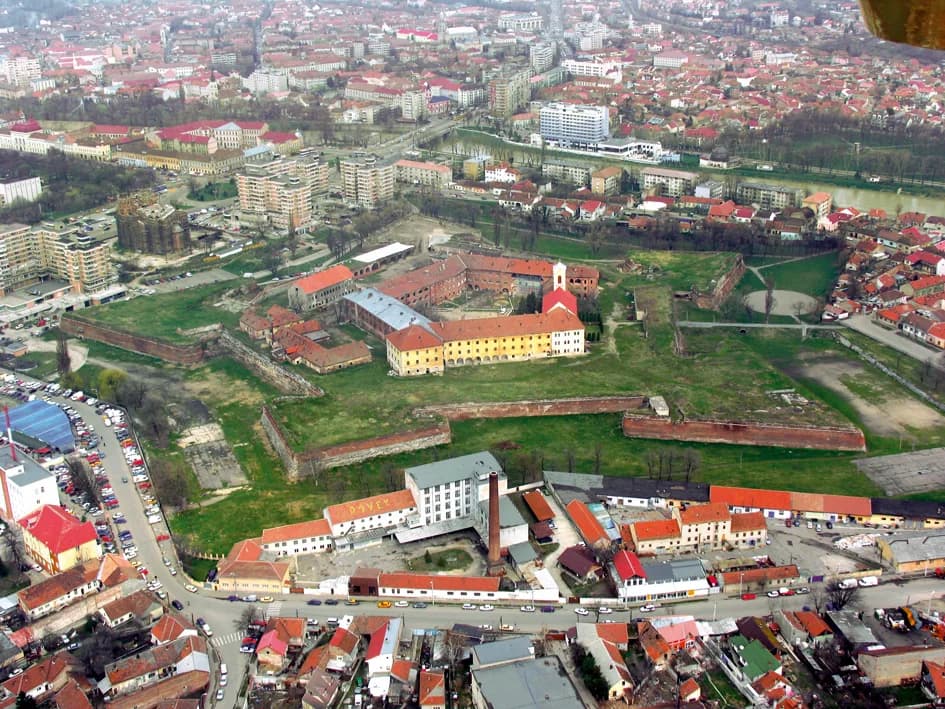
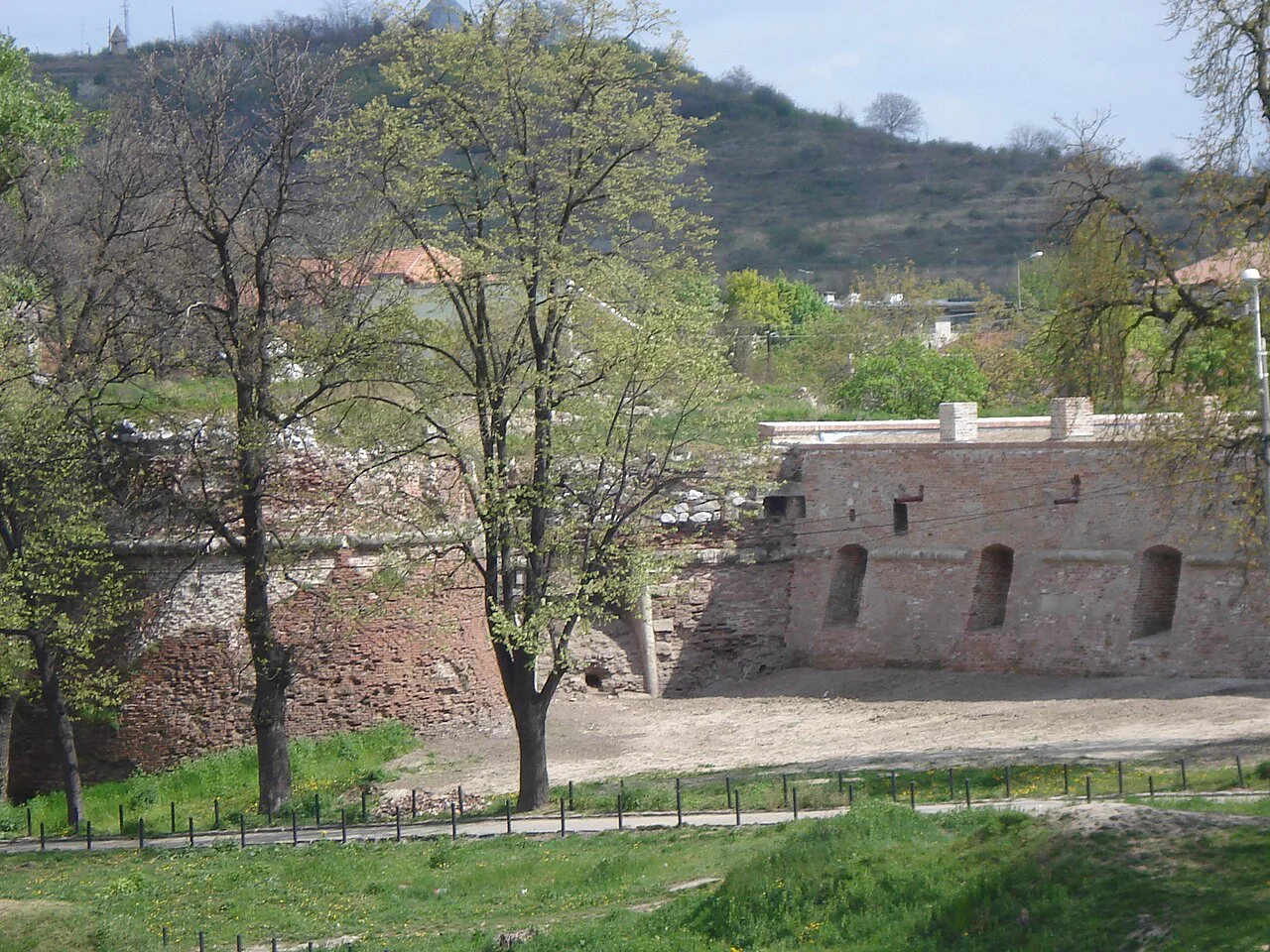
Șoimoș is the most rewarding for a walker, since the ruined fortress sits above the village and repays the climb with a view over the Mureș valley. Arad's fortress is a low, star-shaped bastion system that you can walk around without entering any building.
Access to these sites is inconsistent: some are open ruins, some are privately managed, and some are best seen from outside. Check locally and expect to see them as landscape and exterior architecture rather than as ticketed interiors.
Castelul Curtici stands close to the Hungarian border, which makes it a natural stop on the drive between Oradea and Szeged or Debrecen rather than a detour from the mountains.
How to move between Oradea, the caves and the villages
A car is the realistic way to see the caves, Padiș and the Bihor villages; public transport reaches the towns but not the cave entrances or the plateau roads. Oradea has the widest choice of car hire and the best road connections, so collect the car there.
Drive times are longer than the map suggests once you leave the main roads, so plan one cave or one plateau per day and add a buffer for the return in the dark. Fuel up in Oradea or Beiuș rather than relying on village pumps.
For Arad, Șoimoș and Curtici, the Mureș corridor and the Arad–Oradea road make a straightforward loop, and these can be done without entering the mountains at all. That gives you a bad-weather alternative when the high roads are unappealing.
If Crișana is one leg of a longer Romania trip, it links east into Transilvania via Oradea and south into Banat via Arad, which is covered separately in the Banat guide. The regions of Romania overview is the place to compare it with the other historical provinces before fixing a route.
How long Crișana needs and when to fit it around a wider Romania trip
Allow three full days as a minimum: one for Oradea, one for a cave and the Apuseni foothills, and one for either Padiș or the Arad–Șoimoș–Curtici loop. Four days lets you add Baile Felix or a second cave without rushing.
The region works best as the western end of a Romania itinerary, entered from Hungary or used as the first stop after crossing the border, before moving east to Transilvania. It is a poor add-on to a short Bucharest break, since the distance is too great.
Pair it sensibly: Crișana for Oradea and the caves, Transilvania for the Saxon towns and castles, and Banat for Timișoara. If you are assembling the trip from scratch and comparing provinces, start with the regions of Romania and then check the map of Romania to see how the routes connect.
Is Crișana worth building into your route?
Yes, if you want a city base with genuinely wild cave country an hour away and you are willing to drive. Crișana gives you Oradea, the Apuseni caves, the Padiș plateau and the thermal springs without the crowds of the better-known Transylvanian stops.
Skip it if you have only a few days in Romania and are based in Bucharest or Brașov, because the travel time will swallow the benefit. If Crișana is on your list, base yourself in Oradea for at least three nights, hire a car on day one, and check each cave's access and each fortress's opening arrangement before you drive out.
Explore more Romania guides
Frequently Asked Questions
Is Crișana the same as Transylvania?
No. Crișana is a separate historical region in the north-west of Romania, centred on Oradea and bordering Transilvania to the east, Maramureș to the north, Banat to the south and Hungary to the west. It overlaps the two in shared Hungarian and Romanian history but is distinct in geography.
How far is Oradea from the Apuseni Mountains?
The Apuseni foothills begin a short drive east of Oradea, but the cave entrances and the Padiș plateau involve slow mountain roads beyond that. Plan on a full day out from Oradea for a single cave and the surrounding valley, and check route conditions locally before setting off.
Do you need a car to see the Apuseni caves?
Yes, for practical purposes. Public transport connects the towns but does not reach the cave entrances or plateau roads, so a hired car from Oradea is the realistic option for Peștera Urșilor, Peștera Meziad and Padiș.
Which towns in Crișana are worth a stop?
Oradea is the essential stop, with Arad, Zalău, Beiuș and Salonta as secondary ones. Oradea has the best base facilities, while Arad puts you close to Șoimoș and Curtici.
Can you visit the Crișana caves without a guide?
It varies by cave. Some are developed for walk-in visitors, while others are gated or require a guide, so check the individual cave's listing before you go.
Sources
Useful notes for your next trip
Optional updates to our guides.
You might also like

Continue reading
More guides you'll find useful