Cluj-Napoca Itinerary: A 2-Day Plan by Square and Street
A practical two-day Cluj-Napoca itinerary that walks from Piața Muzeului to Piața Unirii, Avram Iancu Square and Cetățuia hill, with clear trade-offs.
On this page
Two days in Cluj-Napoca are enough to walk the old town properly, and a third day makes sense only if you have a car for Turda or a nearby village. The city's sights sit close together, so a route by square and street beats a checklist: Piața Muzeului, then Piața Unirii, Avram Iancu Square and finally the view from Cetățuia hill. This itinerary sets out that order, day by day, with the walking and driving trade-offs spelled out.
Cluj-Napoca sits in Transylvania and is the second largest city in Romania after Bucharest, with a large student population that keeps the centre busy and young. That matters for planning: the old town rewards slow wandering rather than a timed circuit, and the university quarter along Bulevardul Eroilor is part of the walk rather than a detour.
Where the old town sits, square by square
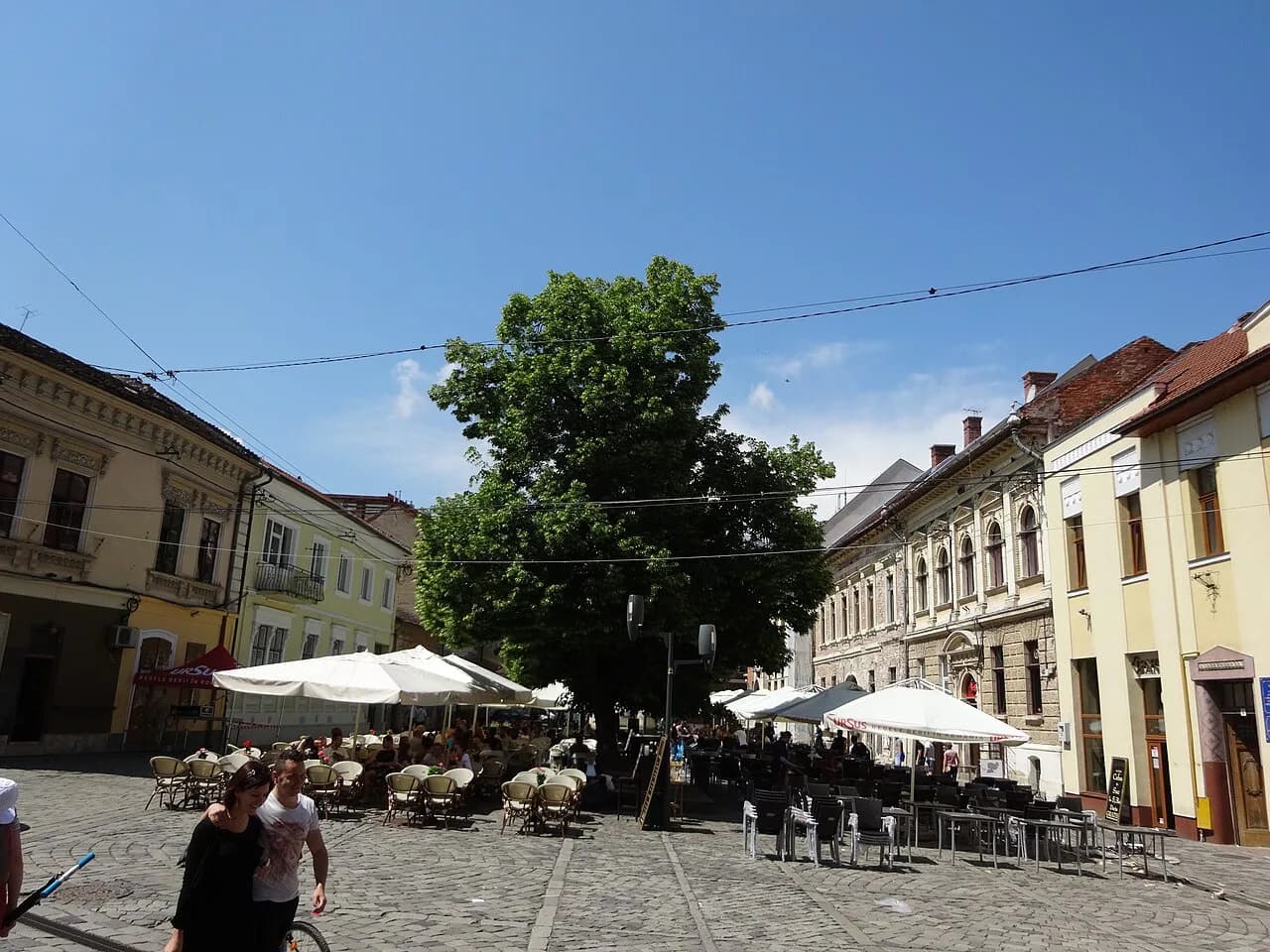
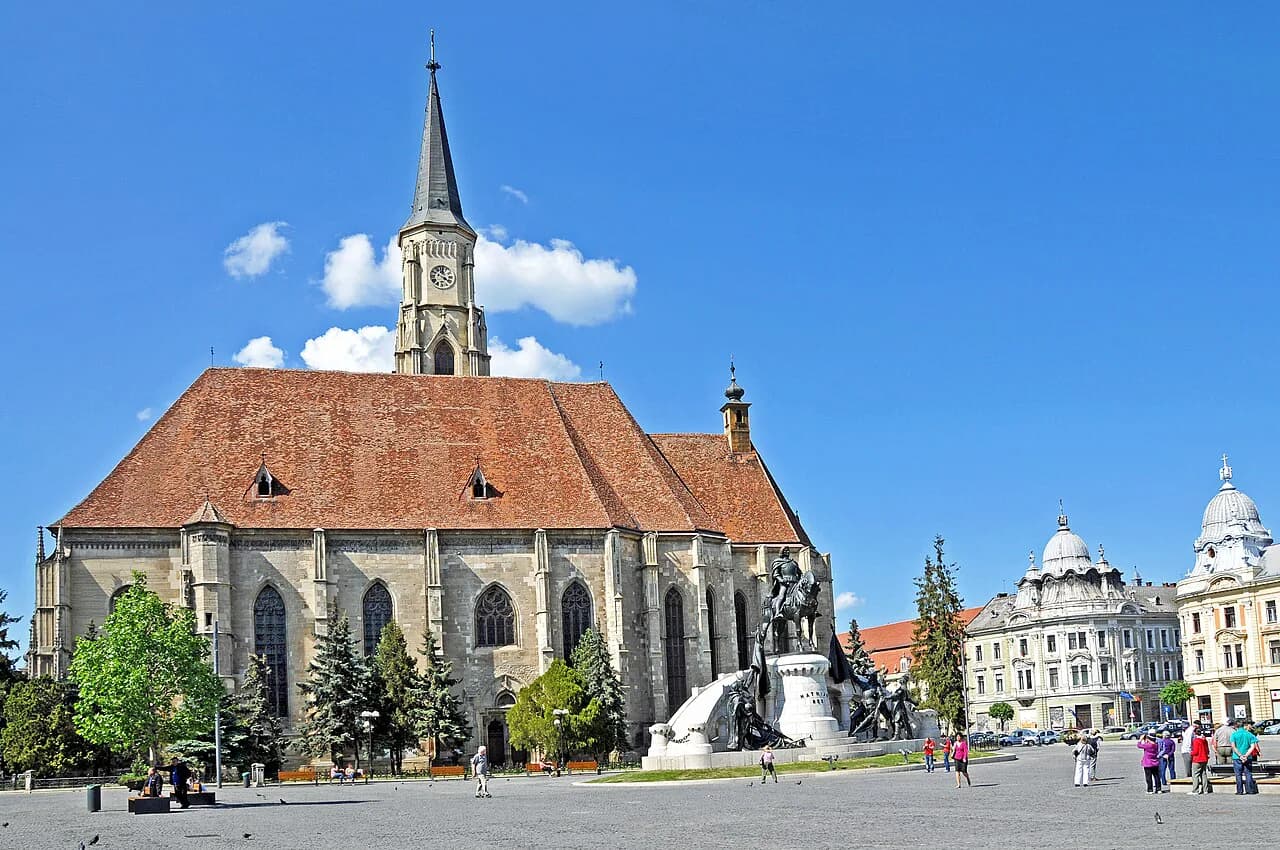
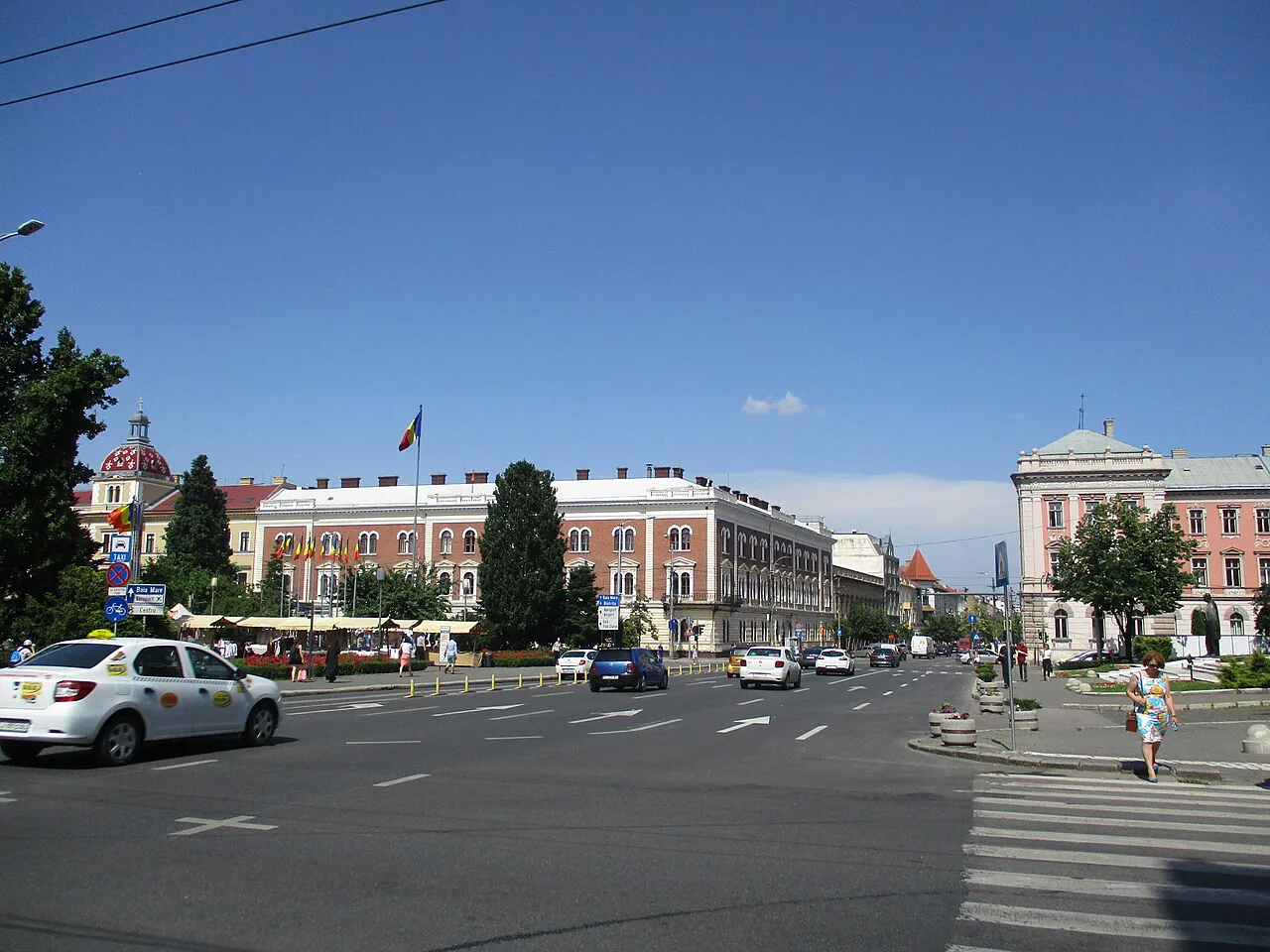
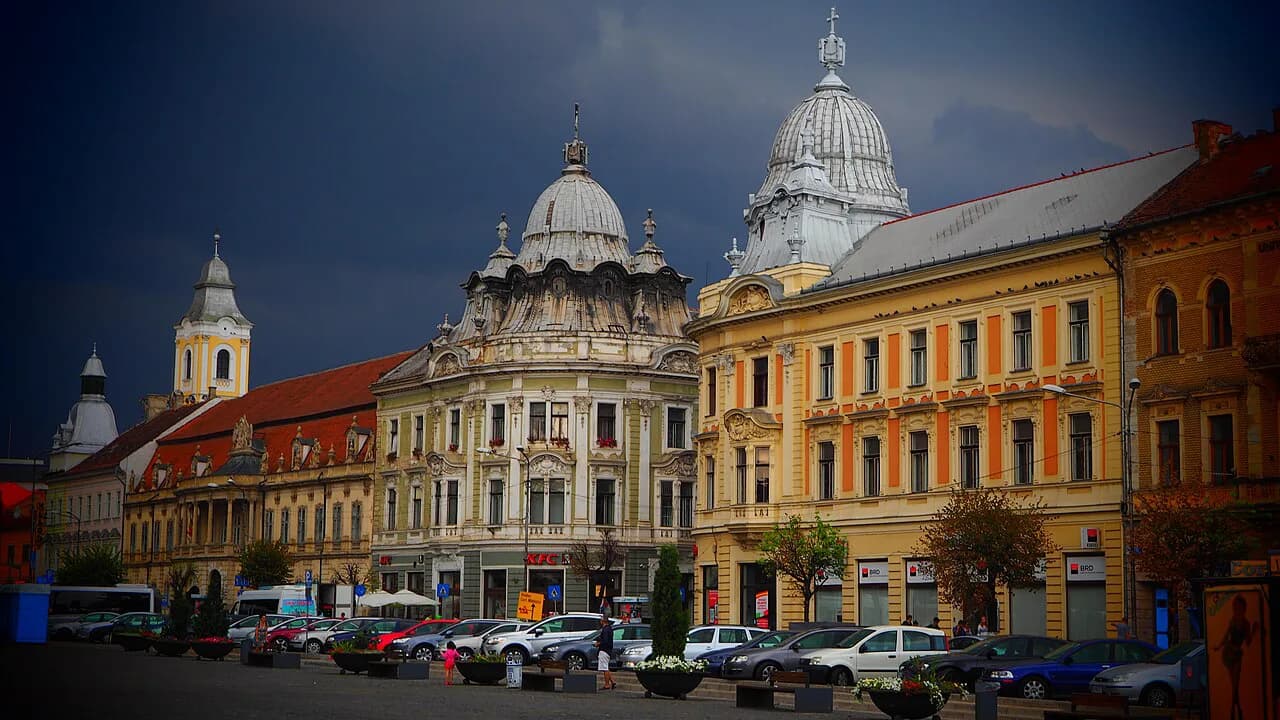
The centre reads as a chain of squares linked by one long avenue. Piața Muzeului, the Museum Square, is the cobbled start of the old town, with terraces and bakeries around it. From there the walk runs to Piața Unirii, Cluj's main square, which holds St Michael's Church and the art museum in a former palace, and then along Bulevardul Eroilor to Avram Iancu Square.
Treat that chain as your spine and everything else hangs off it. Piața Mihai Viteazul, on the other side of the centre, is a wide square dominated by a statue of Mihai Viteazul and surrounded by later architecture; it is worth a look on the way through rather than a stop in its own right. Bulevardul Eroilor is the pleasant stretch in between, pedestrianised in part, with colourful buildings, benches and shops, and it makes the most satisfying axis for a return walk.
Day one, morning: Piața Muzeului and the skyline
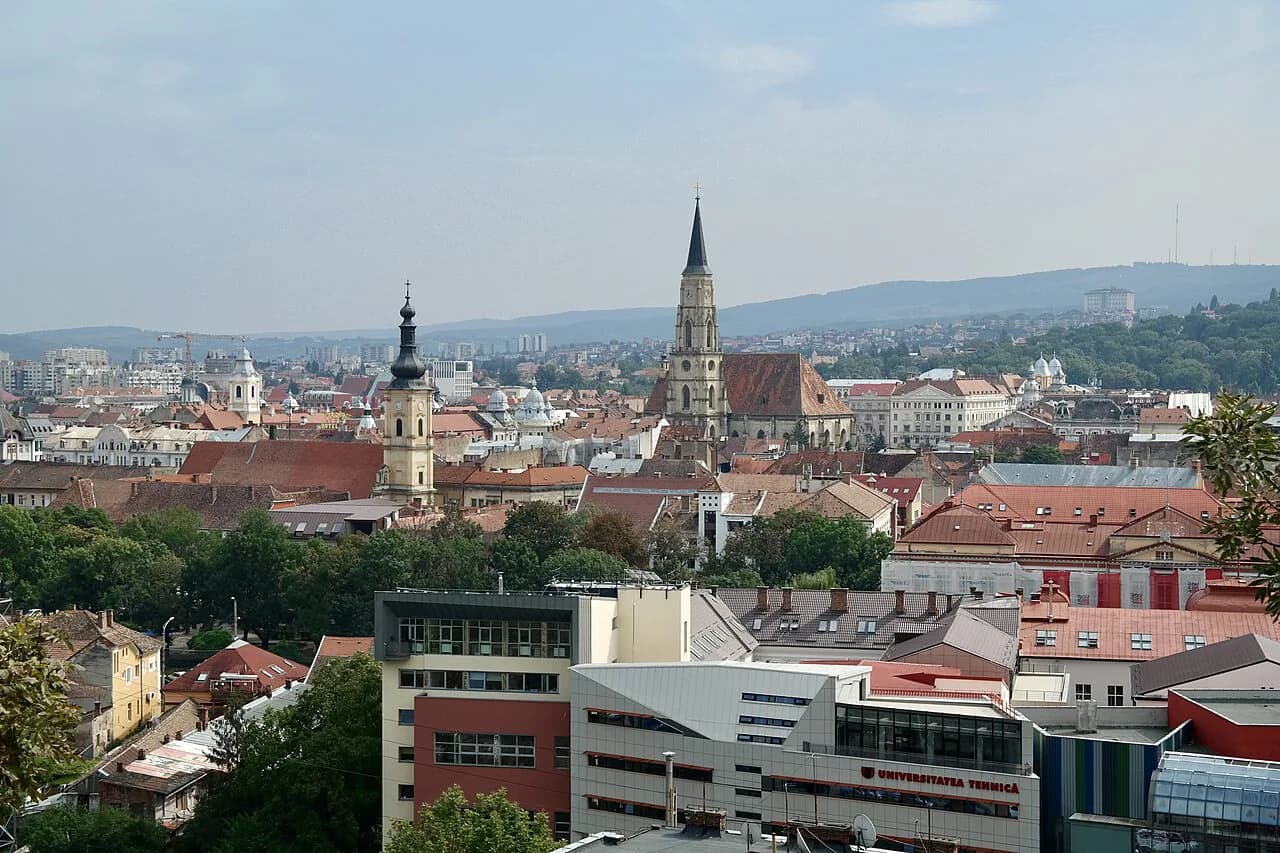
Start in Piața Muzeului, where the cobbles, terraces and smell of freshly baked covrigi give the old town its morning character. Covrigi are the pretzel-like bread sold from small bakeries, and a corner shop such as Gigi's Covrigi is the quickest breakfast going, including sweet filled versions. Then head for the Klausen Burger rooftop terrace for a view over the Cluj skyline: it is the simplest way to see the city's shape before you walk it, and the right photo stop on a clear morning.
Keep this first block unhurried. The old town is small enough that you will pass the same corners again on day two, so use the morning to get your bearings rather than to tick off buildings. If you would rather have the orientation narrated, a guided walk fits neatly into this slot.
Day one, midday: St Michael's Church and the art museum
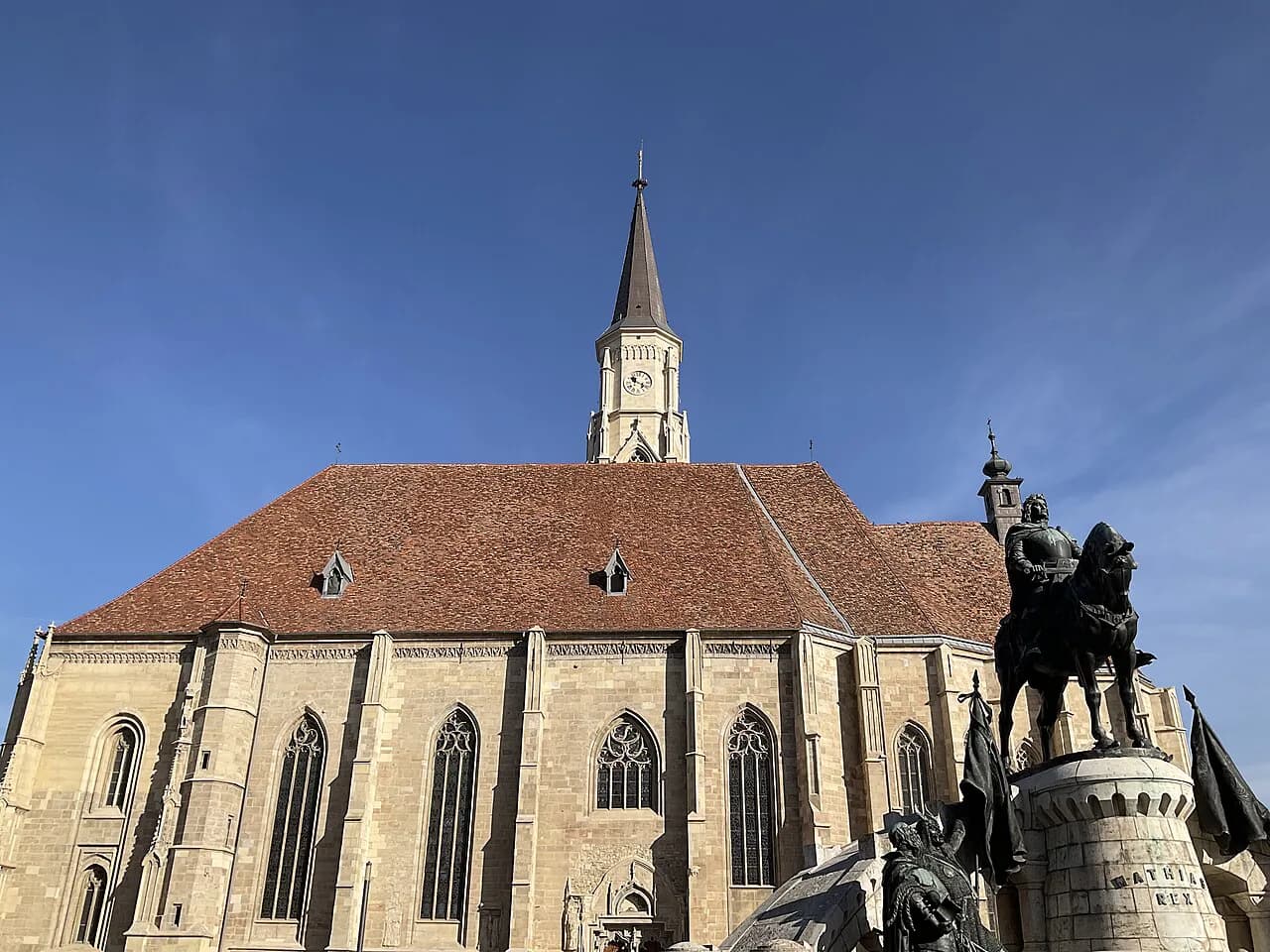
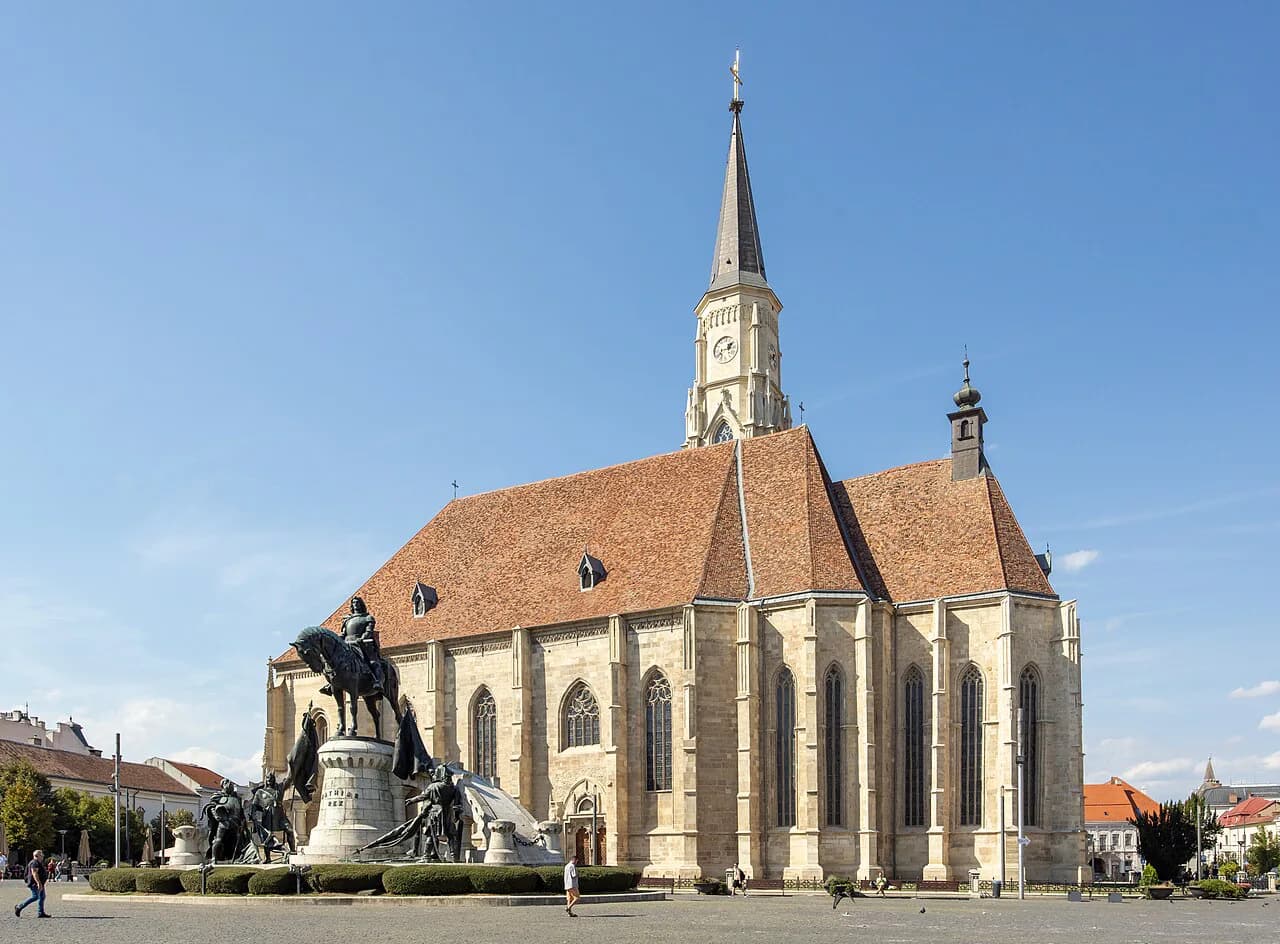
St Michael's Church anchors Piața Unirii with a tower that rises to about 80 metres, and its south wall carries an Ottoman cannonball embedded since a long-ago battle, which is easy to miss if you do not look up. The Gothic arches and doorways do not quite line up, the result of funding running short and the design changing mid-build. Allow a quarter of an hour outside and rather more if you go in.
On the same square, the museum in the former palace mixes Romanian art with modern pieces and portraits; a 2025 account gives entry at 16 lei, which is modest enough to justify an hour. For the wider set of collections across the city, from the cathedral's basement museum to the art museum, plan which ones you actually want rather than drifting into all of them.
Lunch belongs here rather than later. Piața Unirii and its edges are thick with options, from pizza slices sold by the piece to sit-down places, and eating now means the afternoon park walk starts on a full stomach.
Day one, afternoon: Parcul Central and Lake Chios
Walk from the main square to Parcul Central, the Central Park, where leafy paths lead past statues and monuments to Lake Chios. Pedal boats on the lake, hammocks and chess players under the trees make this the city's most relaxed hour, and the bandstand in the park is used for weddings. Budget an hour here even if you only sit.
Continue through the park to Cluj Arena, the stadium where U Cluj play. Check whether a fixture falls on your dates before you build the walk around it; match days change the atmosphere and the crowds around the stadium. Otherwise the stadium is a marker on the way back rather than a destination.
Day one, evening: dinner in the old town
Return to the old town for dinner and keep it simple. The streets around Piața Muzeului and Piața Unirii hold everything from vegetarian kitchens to casual burger places, and a 2025 guide picks out Samsara as a vegetarian option and Klausen Burger for the terrace. Book nothing elaborate: an early night sets up day two, which is the longer walking day.
Day two, morning: Avram Iancu Square
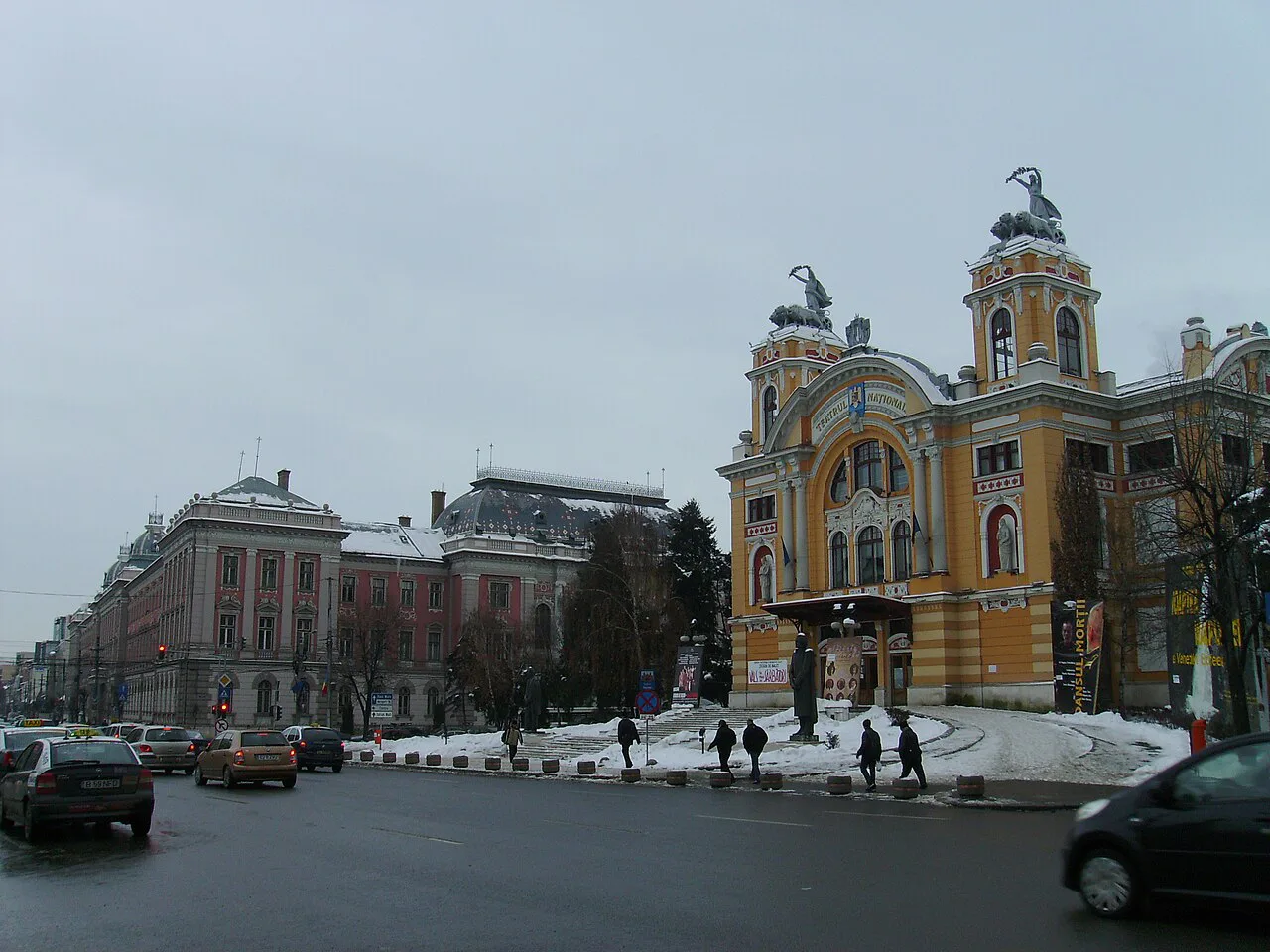
Walk Bulevardul Eroilor to Avram Iancu Square, which holds two buildings worth the trip. The Orthodox Cathedral, formally the Dormition of the Theotokos Cathedral, was built in the 1920s and modelled on Hagia Sophia; inside, the murals are darkened by long use of candles, and a basement museum holds religious and historical artefacts. Opposite stands the National Theatre, a Neo-baroque building whose interior is as much of a sight as the square outside.
Sit by the fountain beneath the statue of Avram Iancu to take in the contrasting styles on all sides: Orthodox domes on one flank, a Neo-baroque theatre on the other. If a performance at the theatre fits your evening, tickets are worth chasing, but do not plan the day around one unless you have confirmed it.
Day two, midday: Fortress Hill for the view
Cetățuia, Fortress Hill, gives the best view over Cluj and the surrounding landscape, and you have a choice about how to get up there. You can walk, or you can drive and park at the top, which cuts out the climb entirely; the hill has park benches, a hotel and restaurants at the summit. The trade-off is simple: the walk is exercise, the drive is time saved for the centre.
Go up around midday and eat near the centre afterwards. The hill was used as a fortress in the 18th century and later as a prison, so the view comes with a sense of the city's defensive shape.
Day two, afternoon: Bulevardul Eroilor and the centre
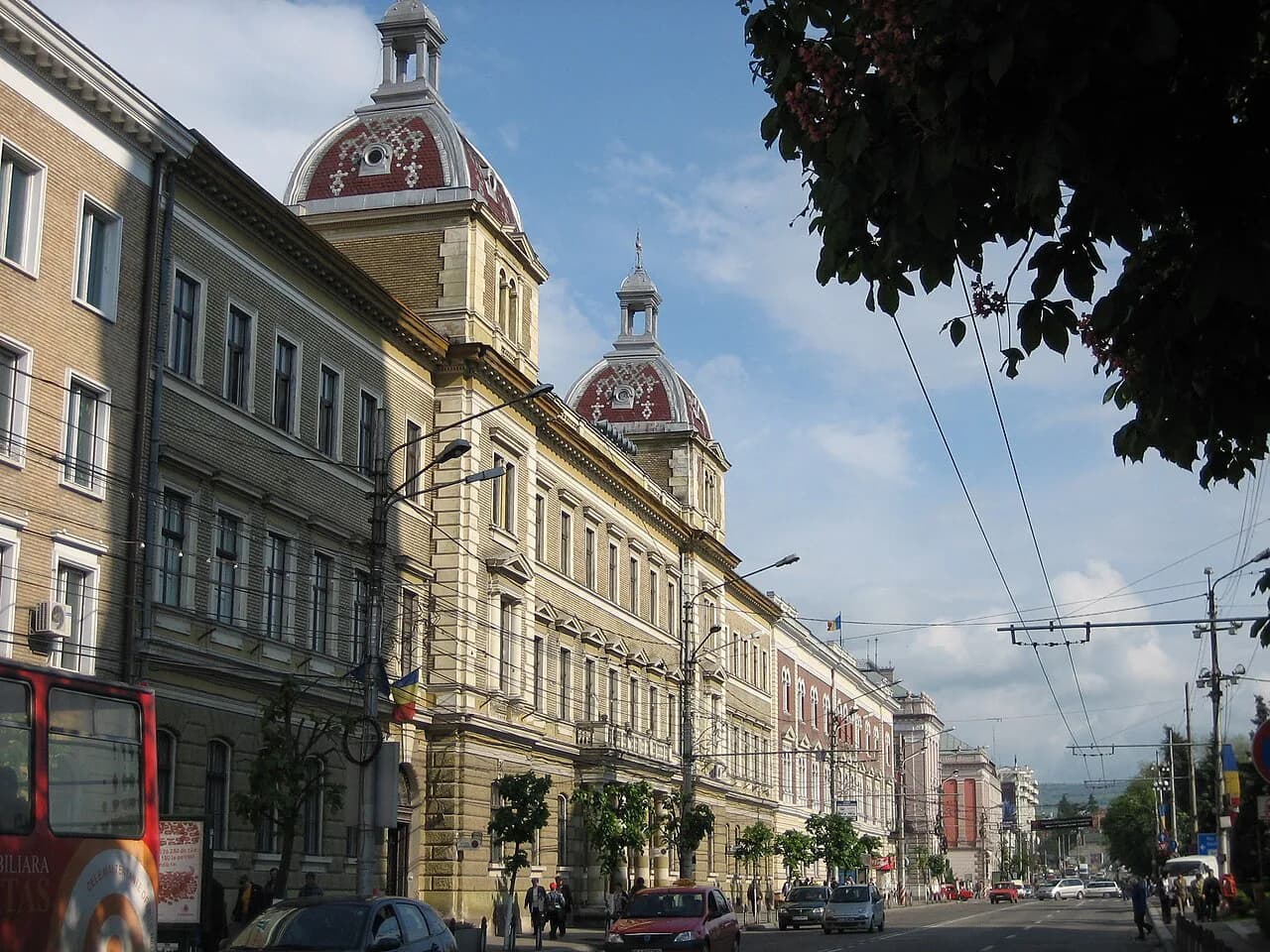
Come down and walk Bulevardul Eroilor back through the centre. It is Cluj's most likeable street: wide, largely pedestrian, lined with colourful buildings, benches and shops, and it links the cathedral square to the main square without a detour. Use it to revisit anything you skimmed on day one, whether that is the museum or the church interior.
If you want the architecture explained rather than just admired, keep the afternoon flexible and read up on what you are looking at as you go. The mix of Gothic, Orthodox and Neo-baroque within a few hundred metres is the reason the centre rewards a second pass.
Day two, evening: a last circuit after dark
Finish with a slow loop of the squares once the light goes: Piața Unirii, Piața Muzeului and the streets between them. The terraces stay busy, the buildings are lit, and the circuit takes little time, which makes it a good final hour before dinner. It also lets you leave the city with the geography straight in your head.
Adding a third day: Turda and Bonțida by car
A third day needs a car, because the best additions sit outside the city. The Turda Salt Mine is the headline: an underground mine with an amusement park inside it, which is unlike anything in the centre. Bánffy Castle at Bonțida adds a ruined-house stop if you have the time, and Turda Gorge sits between the two if you want a hike.
Decide in advance whether you are doing the mine or the castle, because adding both in one day makes for a rushed circuit. Check opening days and ticket prices with the operators before you set out, since these change with the season.
How long you need, and what to cut
Two days is the right shape for Cluj. Day one covers the old town, the main square, the park and the lake; day two covers Avram Iancu Square, the hill and the avenue back. If you have only one day, drop the park and the stadium walk, keep Piața Muzeului, Piața Unirii and Cetățuia, and treat Avram Iancu Square as optional.
If you are weighing one day against two, the honest answer is that one day gives you the squares and the view but not the parks or the museums. The city is compact enough that you will not spend your time in transit, which is why the extra day pays off in depth rather than distance.
Getting in and moving around
The airport sits close to the city, and a ride-hailing car gets you into the centre in around twelve minutes, which is the simplest arrival if you are travelling light. Flights from Leeds and London land in under three hours, so a weekend is realistic. Once in the centre, walk: the old town, the main square and Bulevardul Eroilor are all within easy reach of each other.
For a one-day version of this route, see the one-day plan; for the full list of sights with their own guides, work from the Things to Do in Cluj-Napoca hub. Neither replaces walking the centre yourself, but both help you decide what to cut.
Two days or three: which version to book
Book the two-day version unless you have a car and a taste for the underground. Cluj's centre is a walking city, and the squares, churches and hill fill two days without rushing; the third day belongs to Turda and Bonțida, not to more of the centre.
Check opening days and ticket prices for the mine and the museums before you commit to the third day, and confirm any theatre performance you want to catch. Everything else in this itinerary you can simply walk.
Explore more Cluj-Napoca guides
Frequently Asked Questions
Is Cluj-Napoca in Transylvania?
Yes. Cluj-Napoca lies in Transylvania and is the second largest city in Romania after Bucharest, with a student population that keeps the centre lively.
How far is Cluj-Napoca from Bucharest?
It is a long journey rather than a quick hop. For a city break, the practical approach is to fly into Cluj's own airport, which sits close to the centre, rather than route through Bucharest. Check current flight options for your dates.
Do I need a car for the Cluj-Napoca itinerary?
No for the two city days, which work entirely on foot between Piața Muzeului, Piața Unirii, Avram Iancu Square and Cetățuia hill. A car only becomes useful for the third day, when Turda Salt Mine, Turda Gorge and Bánffy Castle at Bonțida are the draw.
Can I drive up Cetățuia instead of walking?
Yes. You can park at the top of Fortress Hill rather than climbing, and the summit has benches, a hotel and restaurants. The trade-off is that you skip the walk but save time for the centre.
Sources
Useful notes for your next trip
Optional updates to our guides.
You might also like
Continue reading
More guides you'll find useful