Museums in Cluj-Napoca: Which Ones Are Worth Your Time
The museums in Cluj-Napoca worth your time, from the Art Museum in Bánffy Palace to the History of Transylvania, with ticket prices in lei and what each holds.
On this page
For most visitors the Art Museum of Cluj-Napoca in Bánffy Palace is the best starting point among the city's museums, and the one worth building a morning around; everything else fits in around it. Cluj-Napoca holds a cluster of state museums in the centre and a handful of small private ones, and they are not equal in scale or in what they demand of your time. This guide covers the collections, the ticket tiers in lei, and how to group the central ones on foot so a short break still works.
The practical split is between the state museums that hold national collections and the private museums that trade on a single idea or format. Treat the two differently: give a state museum an hour or more, and a private one whatever its format asks of you. The city's museums sit close enough together that you can walk between them, which is the main reason a museum day here need not depend on a car or a bus. Our wider guide to things to do in Cluj-Napoca sets the museums alongside the squares, churches and viewpoints you will pass between them.
Art Museum of Cluj-Napoca in Bánffy Palace
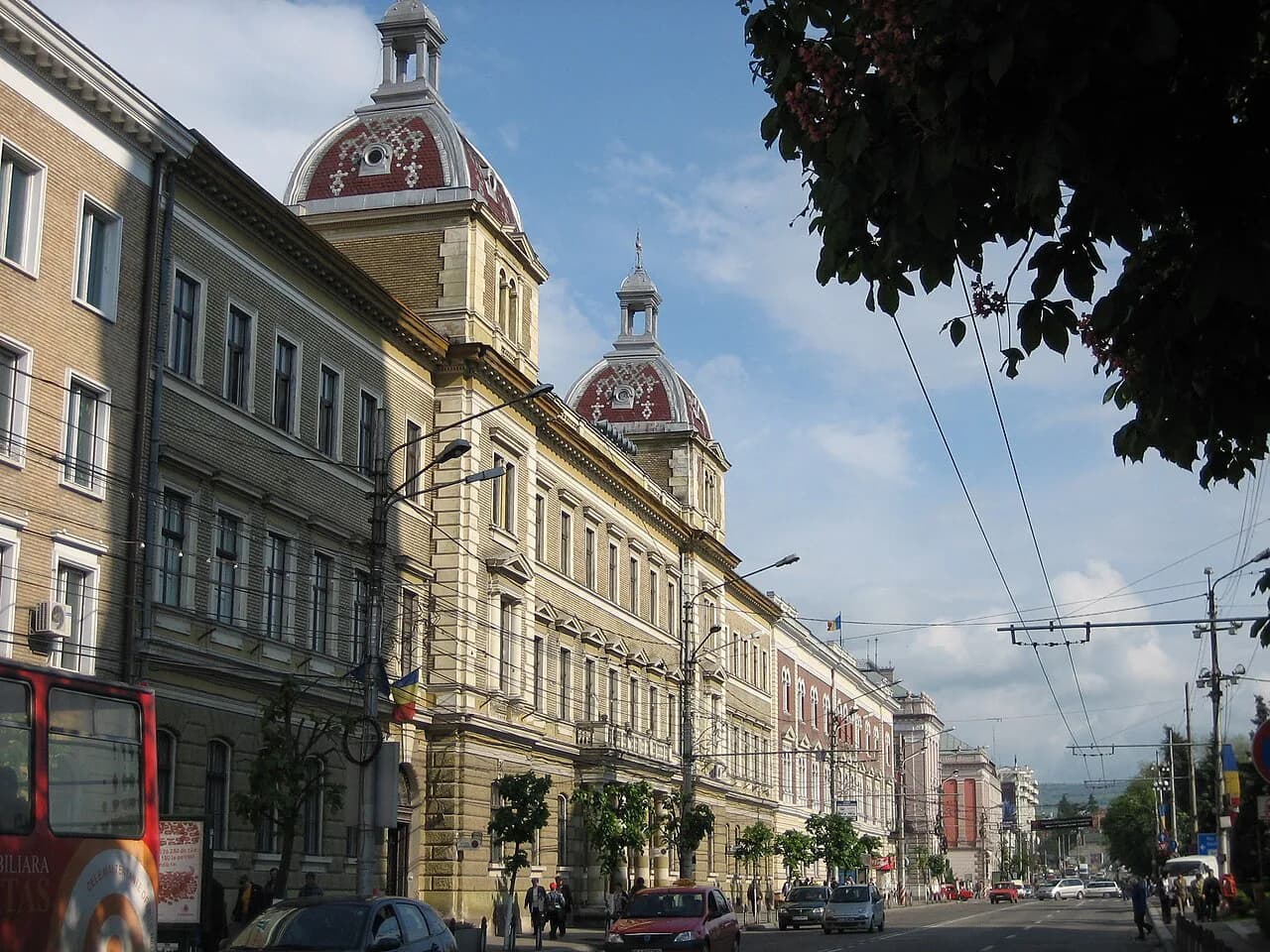
The Art Museum of Cluj-Napoca occupies Bánffy Palace, and its own site groups the collections as a national art gallery, an old art collection, and separate holdings of painting, graphic art, sculpture, decorative art and recent art including avant-garde work. A permanent exhibition sits alongside a changing programme of temporary exhibitions, so what hangs on the walls shifts between visits. If you see one museum in the city, make it this one.
Tickets come in three forms: entry to the permanent exhibition, entry to temporary exhibitions, and a combined ticket for three exhibitions of your choice including the permanent one. The combined option suits anyone planning to spend a proper half-day in the building rather than pass through. Check the museum's access page for current rates and how to buy before you go.
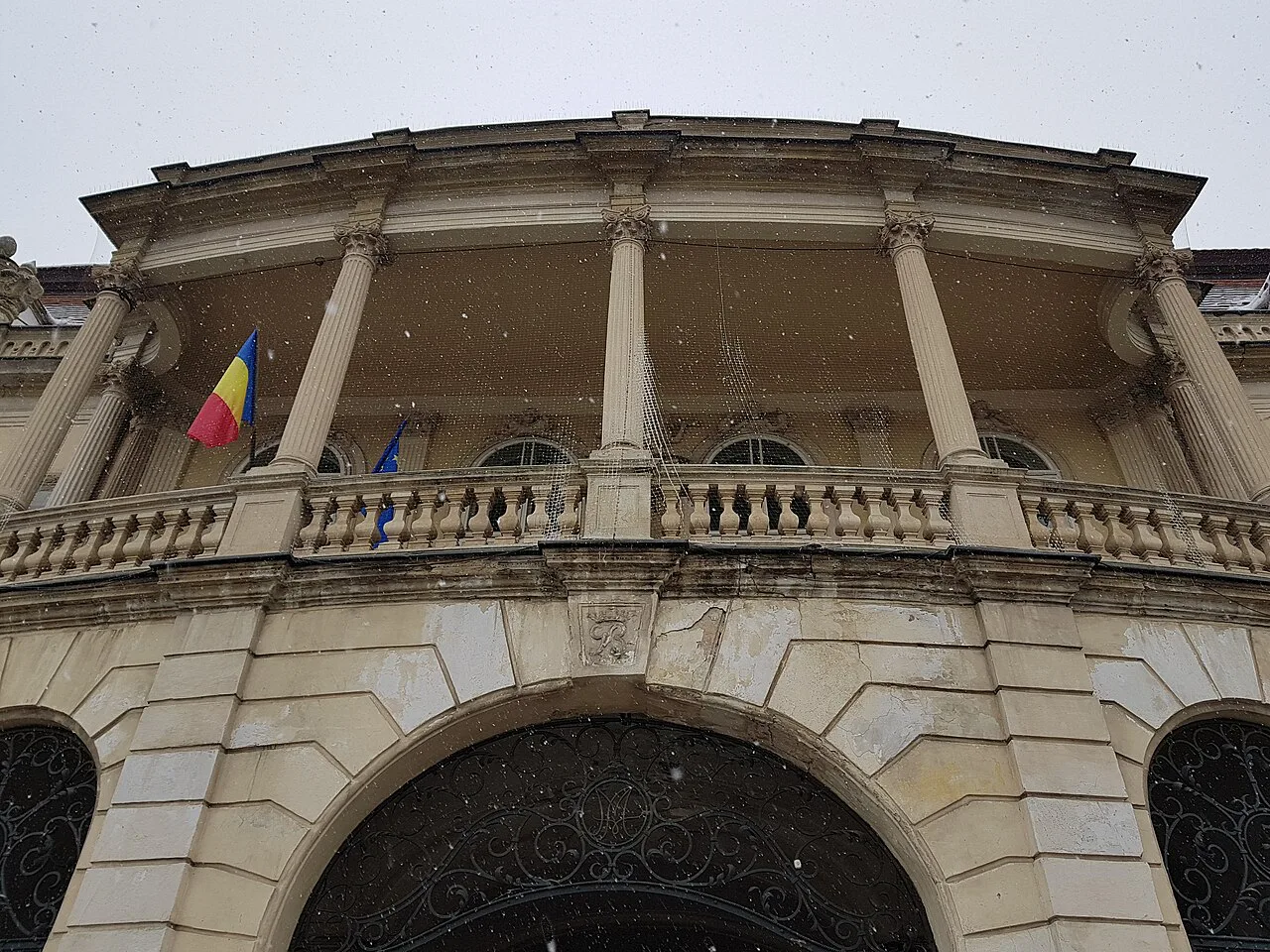
Art Museum tickets in lei
The museum publishes its rates in lei: 16 lei for the permanent exhibition, 12 lei for temporary exhibitions and 28 lei for three exhibitions including the permanent one. Reduced rates of 75%, 50% and 25% apply to the groups the museum lists, which include pupils and students, pre-school children, visitors with medium or mild disability, pensioners and groups of at least ten. A 1% Red Cross stamp is added to the ticket price. These are the rates as published on the museum's own site.
Photography carries its own charge: 20 lei per person for amateur photography for personal use without flash or tripod in the permanent exhibition, and 250 lei per group of up to 15 people for a three-hour session, which needs prior approval requested at least 72 hours ahead. Filming is charged separately at 30 lei per person or 300 lei per group. Guided tours for groups of at least ten are 7 lei per person in Romanian or Hungarian, and 130 lei per group for 60 minutes in English, both booked at least 24 hours in advance.
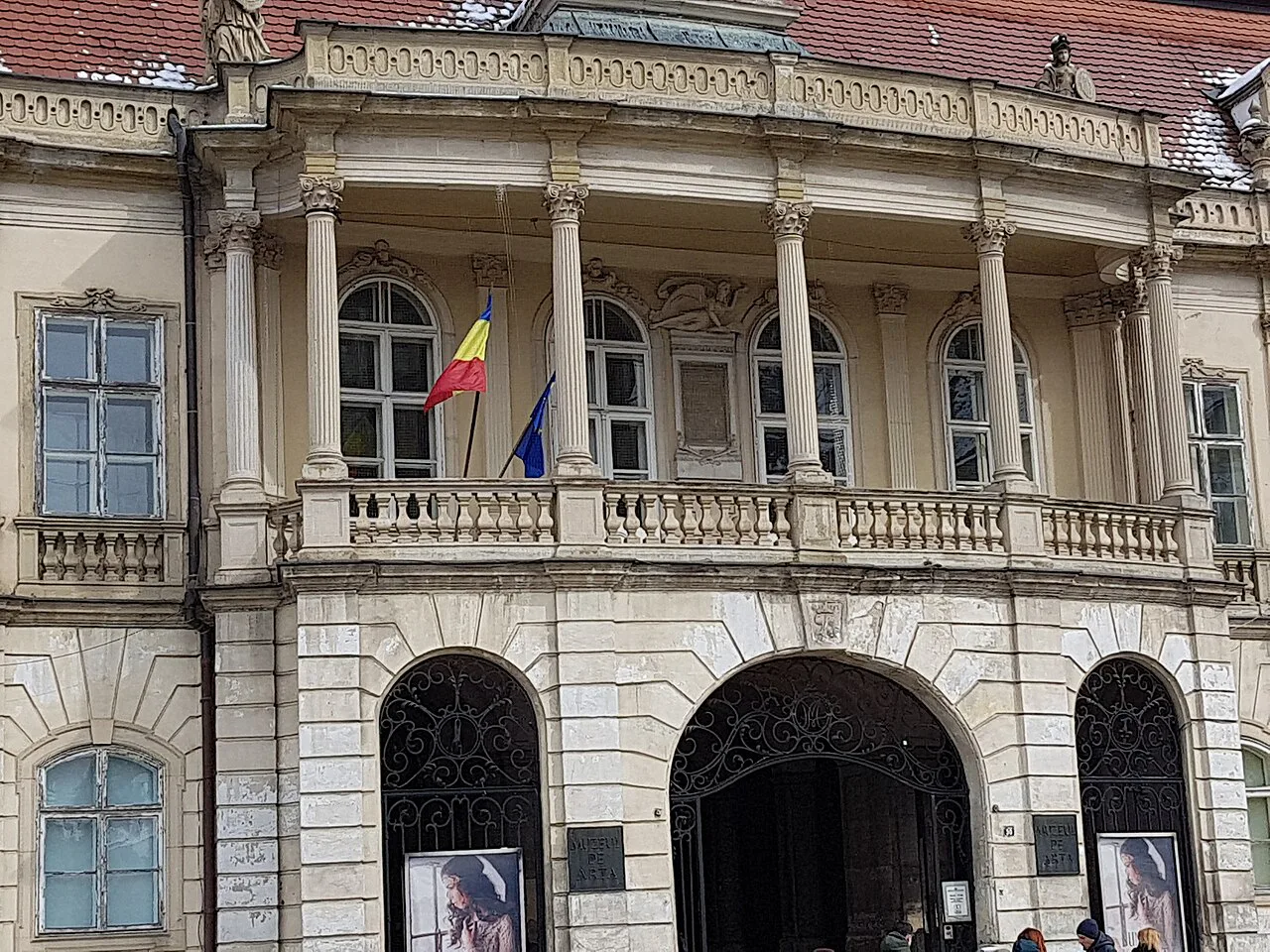
National Museum of Transylvanian History
The National Museum of Transylvanian History is the city's main historical collection, and it suits anyone who wants the region's story set out chronologically rather than room by room. Pair it with the Art Museum only if you have a full day; the two together take the bulk of it, and squeezing a third state museum into the same afternoon leaves you rushing both.
For context before you go in, the city's own history is worth half an hour of reading, since the museum assumes some familiarity with Transylvania's changing borders and administrations. Set against that background, the displays make more sense and you spend less time on the labels.
Ethnographic Museum of Transylvania
The Ethnographic Museum of Transylvania adds the rural and craft side of the region, which the art and history museums largely leave out. On a first visit to Romania it earns its place; on a repeat trip you may prefer to spend the time on the art collections instead.
It works well as the second stop of a walking loop through the centre, when your legs are still fresh and you have an hour to spare before lunch. The Cluj-Napoca Old Town streets around Piața Unirii put you within easy reach of the next museum on your list.
Cluj-Napoca Hintz House (Pharmacy Museum)
The Hintz House is the pharmacy museum, a small collection in an old pharmacy building rather than a full-scale museum. It suits a short stop of the kind you make between bigger visits, not a destination in its own right. If your time in the city is tight, this is the one to drop first.
Its position in the centre makes it easy to fold into a walk past the main square, which is the sensible way to use it. Read the exhibits as an interval between the state museums rather than a third act.
Muzeon, the storytelling Jewish history museum
Muzeon is a storytelling Jewish history museum, and the format is what sets it apart from the display-case museums elsewhere in the city. Expect narrative rather than object-led rooms, which suits visitors who engage with a story better than with labels. It is a different kind of hour from the Art Museum, and worth planning as its own stop.
Because the appeal is the format, go when you have the energy to follow it rather than tacking it onto the end of a long museum day. Put it early, then walk to the central squares for the rest.
Steampunk Transylvania and other small private museums
Steampunk Transylvania and Natura Paper are small private museums, listed alongside the state collections but operating on a different scale and for a different audience. They are the kind of place you drop into on a whim rather than plan a day around. If the subject appeals, they are a pleasant hour; if it does not, skip them without guilt.
The private museums keep their own arrangements, so check at the door or on their own listings before you go. Their opening patterns vary more than the state museums', which is another reason to treat them as optional extras rather than fixed points on a schedule.
Which museums to pick if you have one day
With a single day in the city, give the morning to the Art Museum in Bánffy Palace, because it has the deepest collections and its ticket tiers make a longer visit easy to justify. Spend the afternoon at either the National Museum of Transylvanian History or the Ethnographic Museum of Transylvania, not both. Add the Hintz House only if you finish early.
If you have two days, the second day takes the museum you missed, plus Muzeon for a change of pace and the small private museums on a wander through the centre. That is a comfortable pace, and it leaves room for the streets and squares between them. Plan the shape of the trip around the museums you actually want rather than a list.
How long each museum takes and how to group them on foot
Budget two to three hours for the Art Museum if you take the combined ticket, and an hour to ninety minutes for the National Museum of Transylvanian History. The Ethnographic Museum and Muzeon take roughly an hour each, and the Hintz House and the small private museums are half-hour stops. Walking between them in the centre costs minutes rather than a taxi ride.
Group them in a loop: Art Museum, then the central squares, then the Hintz House on your way through, with Muzeon as a separate morning. The Cluj-Napoca Old Town streets are the ones you cross on the way, so a museum day doubles as a wander. The Cluj-Napoca map sets out the streets in between.
Build Your Cluj Museum Day Around the Art Museum
Start with Bánffy Palace and the Art Museum, confirm its published ticket rates before you go, and add one more state museum the same day. Treat the private museums and the Hintz House as optional extras that fill gaps rather than fixed appointments. That order keeps a short break varied and keeps you on foot.
Explore more Cluj-Napoca guides
Frequently Asked Questions
Is Cluj-Napoca part of Transylvania?
Yes. The city sits in Transylvania, in the north-west of Romania, and its main historical collection is the National Museum of Transylvanian History.
Do I need to book a museum visit in advance?
For the Art Museum, guided tours for groups of at least ten must be booked at least 24 hours ahead, and group photography sessions at least 72 hours ahead, through the museum's contact address. The museum publishes no advance booking requirement for general entry.
Sources
Useful notes for your next trip
Optional updates to our guides.
You might also like
Continue reading
More guides you'll find useful