Cluj-Napoca Old Town: Squares, Streets and What to Walk
Plan a walk through Cluj-Napoca's old town: Museum Square and Iuliu Maniu Street, how the historic centre is laid out and how long it takes on foot.
On this page
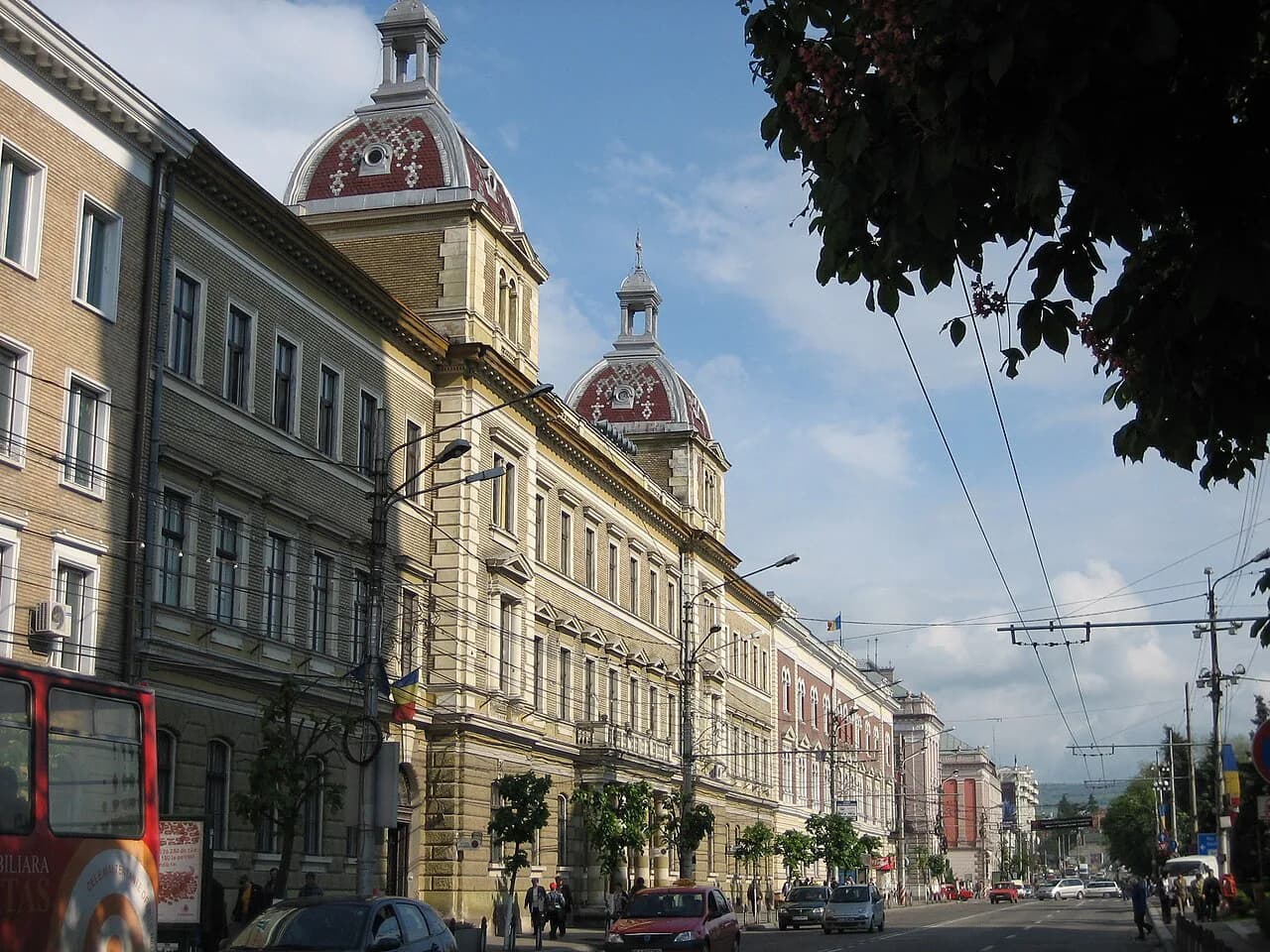
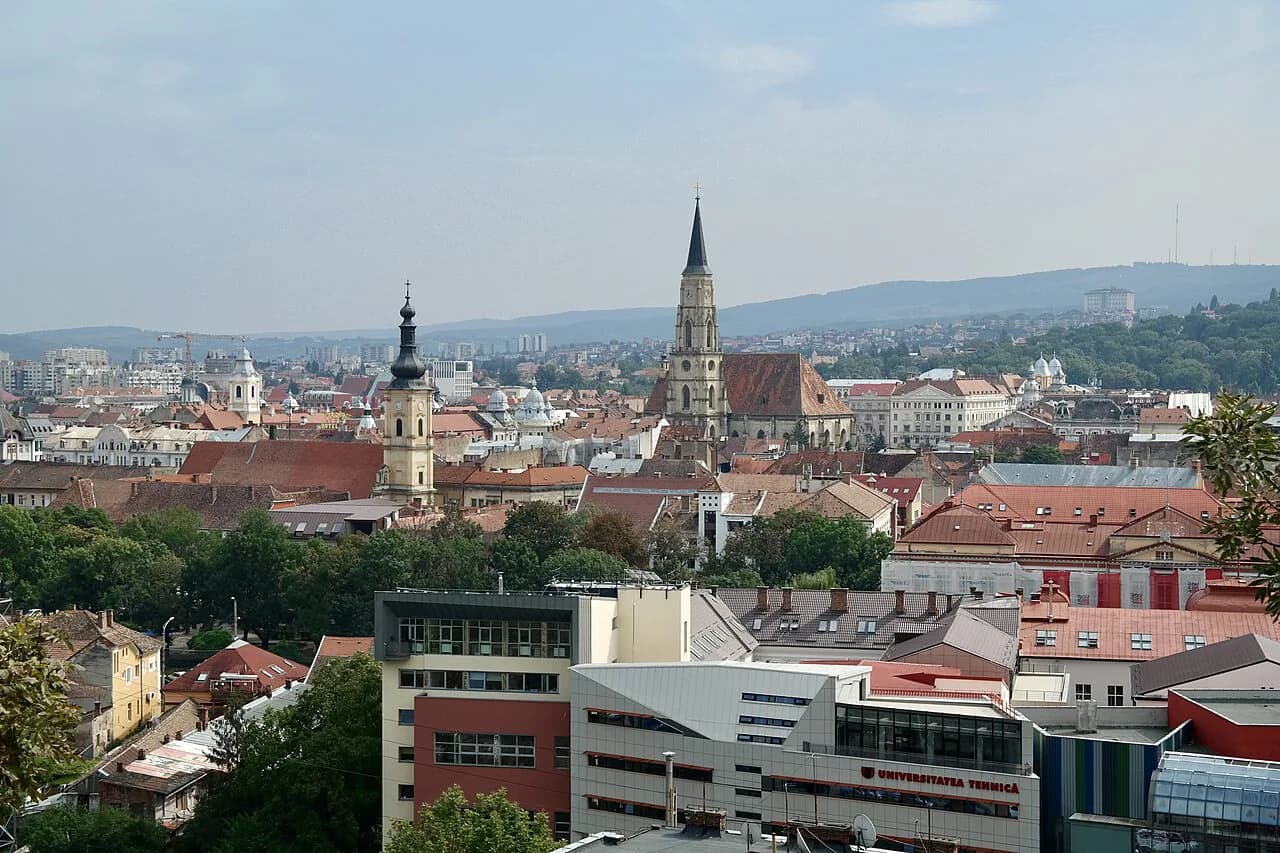
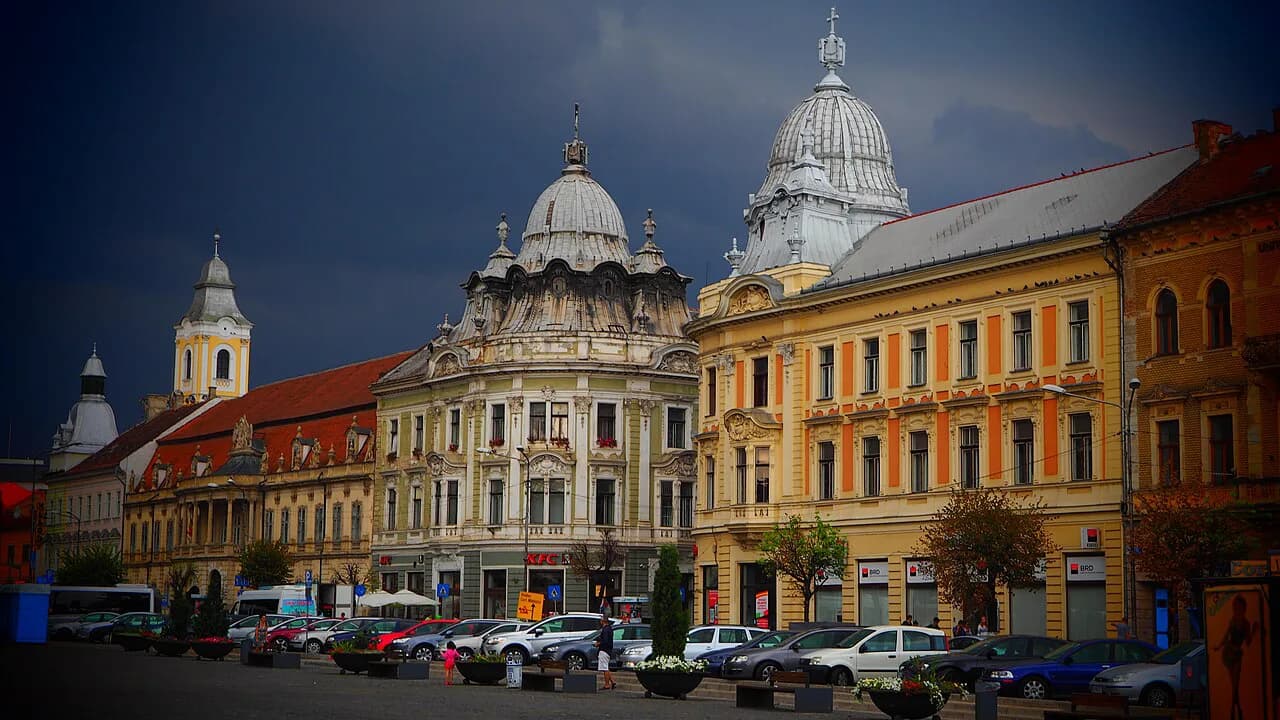
Cluj-Napoca's old town brings together Piața Unirii, the smaller Museum Square and Iuliu Maniu Street, the two historic walking areas visitors head for. You can walk the linking route in under an hour, but the squares reward a slower pass, so budget two hours for the core and a half-day if you add the museums and churches around them. This guide sets out the layout, the order to take it and the honest trade-offs on time.
Cluj-Napoca is the capital of Cluj county in northwestern Romania, standing on the site of an ancient Dacian settlement, so the centre you walk sits above a much older layer of occupation. Keep this page as your route plan and use the single-sight pages for the individual churches and museums rather than expecting every detail here.
How the old town is laid out
Think of the centre as a short line of places rather than a blob. Piața Muzeului, known in English as Museum Square, and Iuliu Maniu Street are the two historic walking areas that visitors head for, and they sit close enough together to cover on foot in one go. Piața Unirii is close by as well, so the three make a natural circuit.
That compactness is the main practical point: you are never more than a short stroll from the next piece, so you can backtrack without losing time. Pick your direction by what you want first, a wide open square or the quieter, tighter Museum Square, and the rest follows.
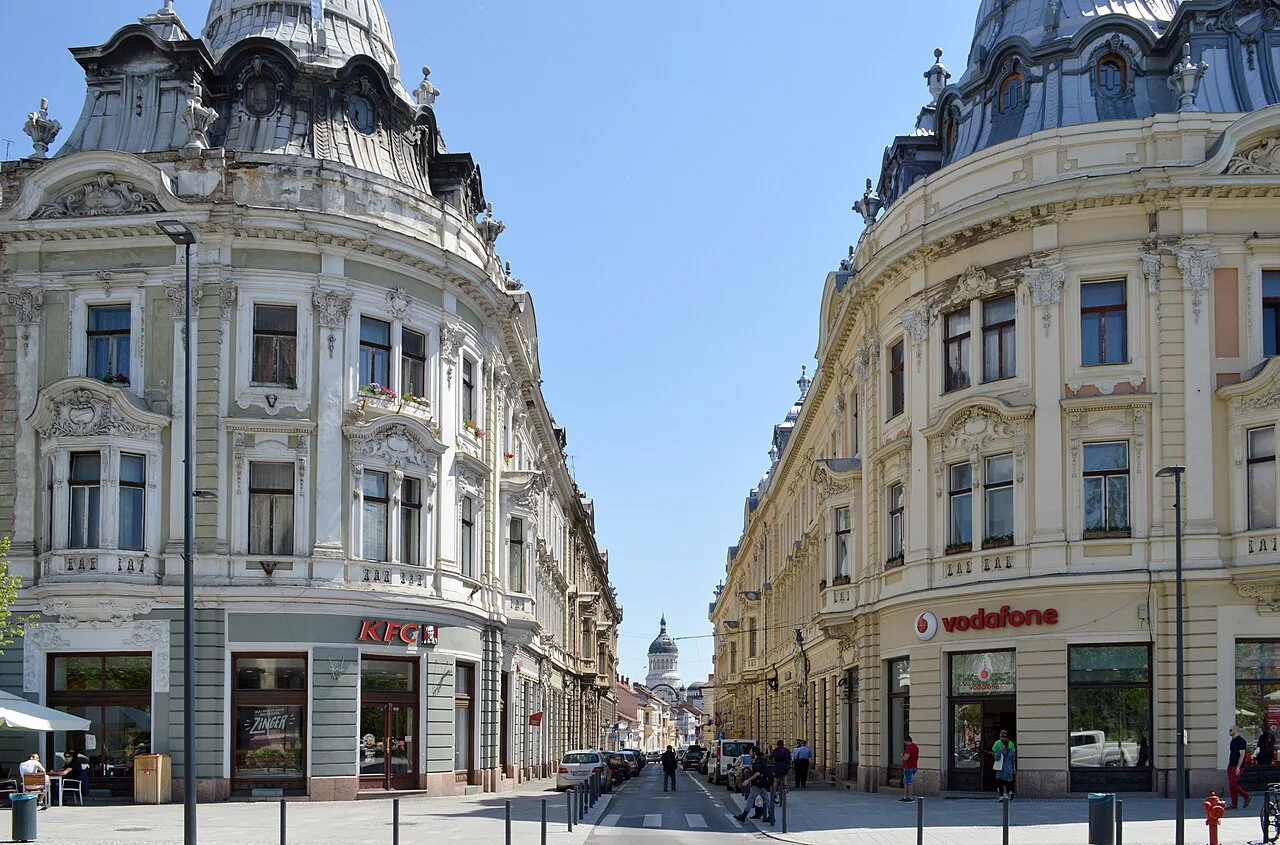
Where to start in the old town
Start at Piața Unirii rather than Museum Square. The big square gives you orientation and a clear sense of the centre's scale, and the walk to the other pieces is straightforward. If you arrive by public transport or on foot from elsewhere in the centre, aim for the square and work outwards from there.
Museum Square is the better finishing point, because it is smaller and calmer and makes a natural place to slow down after the open expanse of Piața Unirii. Doing the busier square first keeps it in front of you when you are freshest and leaves the quieter one for when you want to linger.
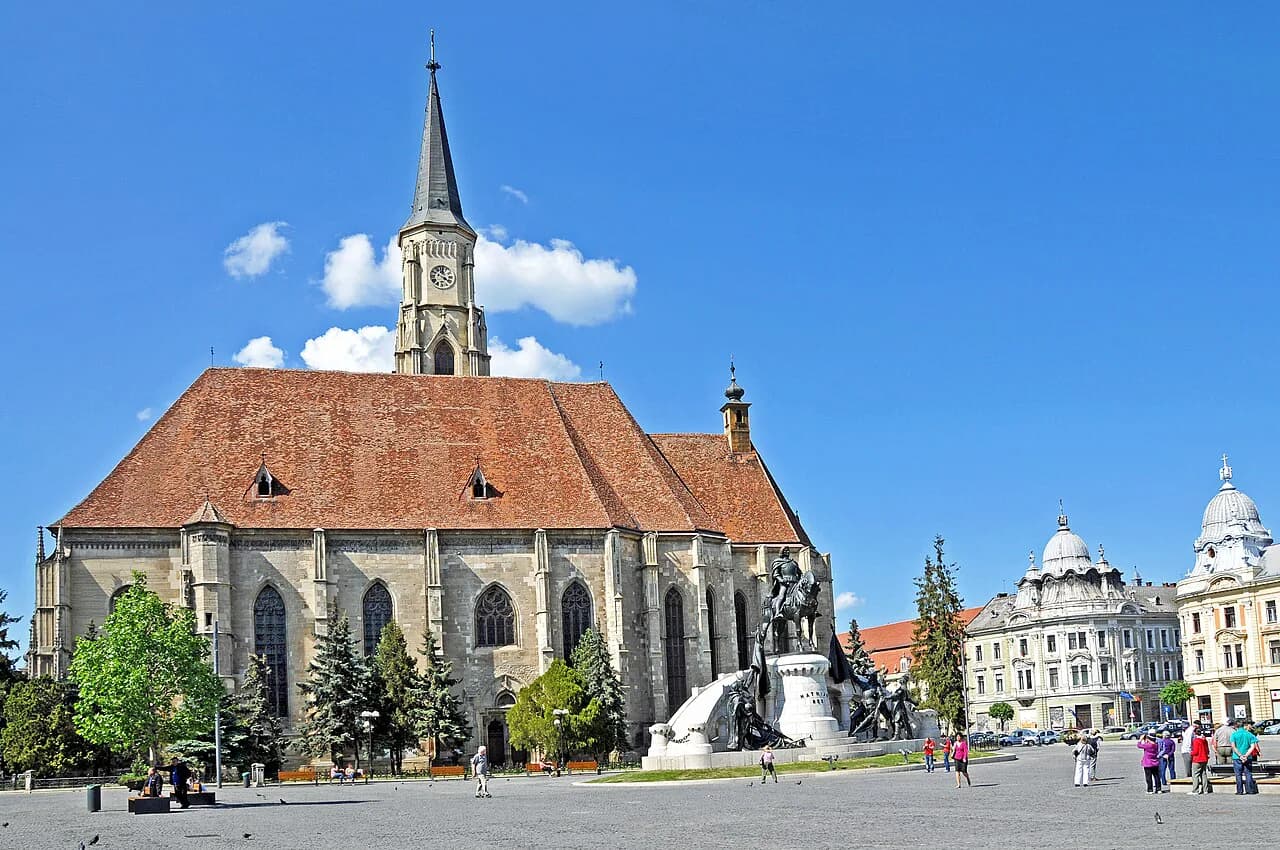
Piața Unirii: what to look at
Piața Unirii is the starting point for many walks through the centre, and the first thing to do is simply stand in it and read the shape of the streets feeding in. It works as an orientation point as much as a sight in itself. Take a full circuit of the square before choosing anything to go inside.
The square is also where the centre is easiest to read at a glance, so give Piața Unirii the extra time if the setting is your interest and treat Museum Square as the shorter second stop. The rest of the city's things to do spread well beyond this centre, so keep the square as a starting block rather than the whole trip.
Museum Square (Piața Muzeului): the smaller, quieter square
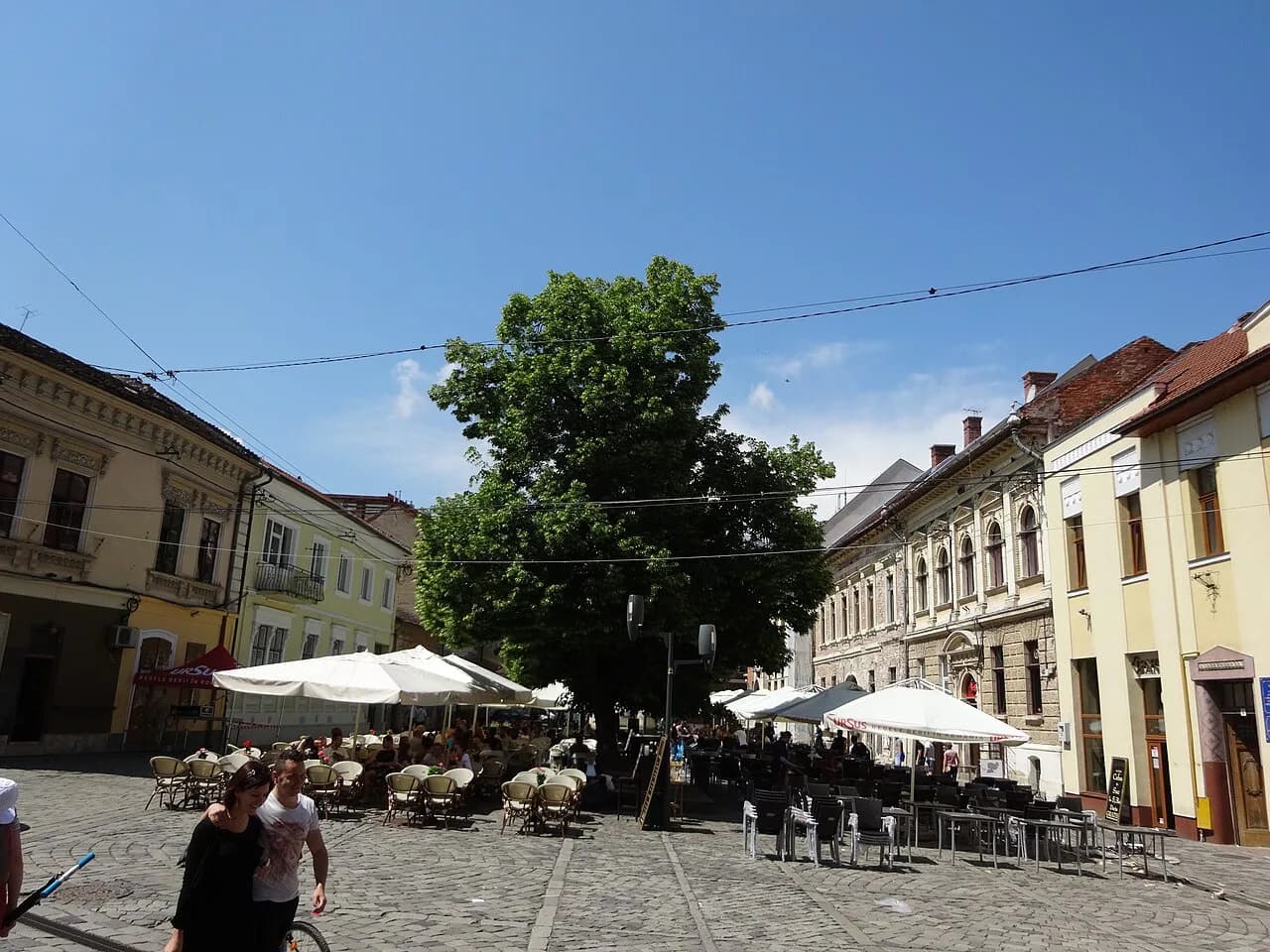
Museum Square is the quieter counterpart to Piața Unirii, and its smaller scale makes it the more intimate of the two. The name points to the museums around it, so it works as the natural place to break the walk and pick one collection rather than trying to fit in several.
Museum Square is best treated as a pause rather than a pass-through. Sit, look at the surrounding frontage and decide whether a museum fits your afternoon, then walk back at your own pace. The link between the two squares is short enough that a second look at either costs you very little time.
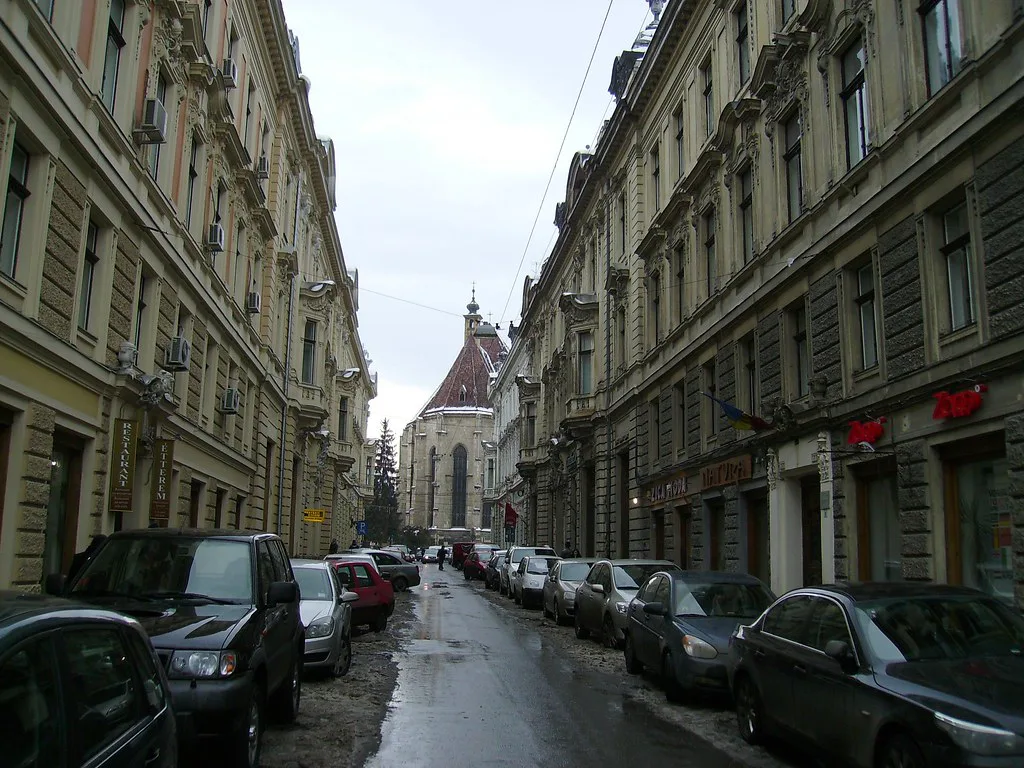
Iuliu Maniu Street: the walk between the two squares
Iuliu Maniu Street is the connective tissue of the old town, the route that ties Piața Unirii and Piața Muzeului into a single walk rather than two separate stops. Its value is as a corridor: walk it slowly in one direction, then use it again if you double back for anything you missed. Buildings along the way give the short stretch more substance than a simple shortcut would.
Match your pace to the purpose. On the way north, use the street to move efficiently and save your looking for the squares; on the way back, stop and look properly at the frontages you passed. That split keeps the walk from turning into a shuffle and means you are not re-reading the same buildings twice.
How long the old town takes on foot
There are two honest versions of this walk. The short loop is Piața Unirii, Iuliu Maniu Street and Museum Square and back, which fits comfortably into a morning or an afternoon and leaves time for something else in Cluj-Napoca. Add a museum, a church interior or a slow lunch stop and the same walk fills a half-day instead.
The trade-off is depth against coverage. The loop gives you the layout and a good look at each square but skips interiors; the half-day version means committing to one or two buildings and walking less ground. For a first visit, do the loop and come back to the specific sights later rather than rushing every doorway on the same day.
If you are weighing how much of your trip the centre deserves, note that it is compact enough to cover alongside the rest of the city rather than as a standalone day. Treat the walk as one block in a wider plan.
Where the old town sits in the wider city
The old town is the centre of Cluj-Napoca, not a walled-off quarter, so the modern city runs right up to its edges. The capital of Cluj county sits in northwestern Romania, and the centre you walk reflects that role as an administrative and cultural hub. Plan on stepping between historic frontage and ordinary city streets without a clear boundary.
That means the old town is a manageable piece of a larger city rather than a self-contained attraction. Use it as the anchor for your first day, then fan out to the museums, churches and neighbourhoods beyond it. The Cluj-Napoca Map will show how quickly the centre gives way to the surrounding districts.
Practical points for the walk
Paved squares and streets make ordinary shoes fine for the loop; the variable part is time spent standing rather than distance covered. Give the main squares a full circuit before you commit to any single doorway, and build in a sit-down at Museum Square rather than pushing straight through.
Time the walk around your energy rather than a clock. The short loop fits into a spare ninety minutes, while the half-day version needs a clear block with a break in Museum Square built in. If you only have one clear slot, take the loop and leave the interiors for another visit.
Picking what to go inside
Keep the old town itself as groundwork and use dedicated pages for single sights, so the walk stays a walk rather than a checklist. The squares tell you where the churches and museums are; the detail on any one of them belongs on its own page. Make a short list of two or three interiors before you set out, not a dozen.
If art is your focus, plan the walk to end near a gallery and give yourself a proper block there rather than a rushed look. Otherwise, pick one building that catches your eye in Piața Unirii and one in Museum Square and leave the rest for a return trip.
Should you start with the squares or a single sight?
Start with the squares. Walking Piața Unirii, Iuliu Maniu Street and Piața Muzeului in one pass gives you the centre's shape, its scale and its quieter corners in a couple of hours, and it sets up everything else you might want to see. Then pick one or two interiors for a second visit rather than trying to compress the whole centre into a single afternoon.
Confirm current opening times for any museum or church on your list before you go, as these change through the year. For the rest, trust the route, do the loop first and let the old town show you what it is worth a longer look.
Explore more Cluj-Napoca guides
Frequently Asked Questions
Which country is Cluj-Napoca in?
Cluj-Napoca is in Romania, in the northwestern part of the country, and it is the capital of Cluj county. The city stands on the site of an ancient Dacian settlement, so the centre you walk has a long history beneath it.
What is Cluj-Napoca known for?
The city has a historic centre with Museum Square (Piața Muzeului) and Iuliu Maniu Street as its two leading historic walking areas, with Piața Unirii close by. Those pieces form the old town visitors come to walk.
Is Cluj the most expensive city in Romania?
The sources here do not compare city costs, so work out your own budget for the things you plan to do.
Sources
Useful notes for your next trip
Optional updates to our guides.
You might also like
Continue reading
More guides you'll find useful