Moldavia, Romania: Iași, Bucovina's Painted Monasteries and Neamț
Moldavia is eastern Romania: Iași, Suceava, the Neamț monasteries and Bucovina's painted monasteries. Here is how to plan a route between them.
On this page
Moldavia is the Romanian region in the east of the country, and the Republic of Moldova is a separate state across the Prut. If you are planning a trip, the places you want are Iași, Suceava, and — to the west of that line — Târgu Neamț, its monasteries and the painted monasteries of Bucovina. This guide sets out those anchor towns, the monastery stops and how to link them.
Romania's tourism board lists Moldavia alongside Transylvania, Maramureș, Banat and Crișana, Dobrogea, Bucovina and Wallachia among the country's historical regions, and names Iași and Suceava among its main cities. Use our guide to the regions of Romania to see how Moldavia sits beside the others before you commit to an itinerary.
Moldavia or Moldova: which place the traveller means
In English the two words look interchangeable, but they point at different travel plans. Moldavia is the region inside Romania, containing Iași and Suceava; Moldova is the independent Republic that borders Romania, with its own capital, currency and tourist board.
A trip to Moldavia is a Romanian trip: you fly or train into Romania, move between Romanian towns and pay in lei. A trip to Moldova means crossing a border, and the Republic of Moldova's official tourist portal is the place to plan entry formalities rather than a Romanian regional guide.
The names are shared because the historical region extends beyond the modern border. RomaniaTourism describes Moldavia as a historical region of Romania, while English Wikipedia covers the political idea that Moldova and Romania should become a single sovereign state. Treat that as background reading, not as a practical assumption: for your trip, plan each side of the border as its own destination with its own arrangements.
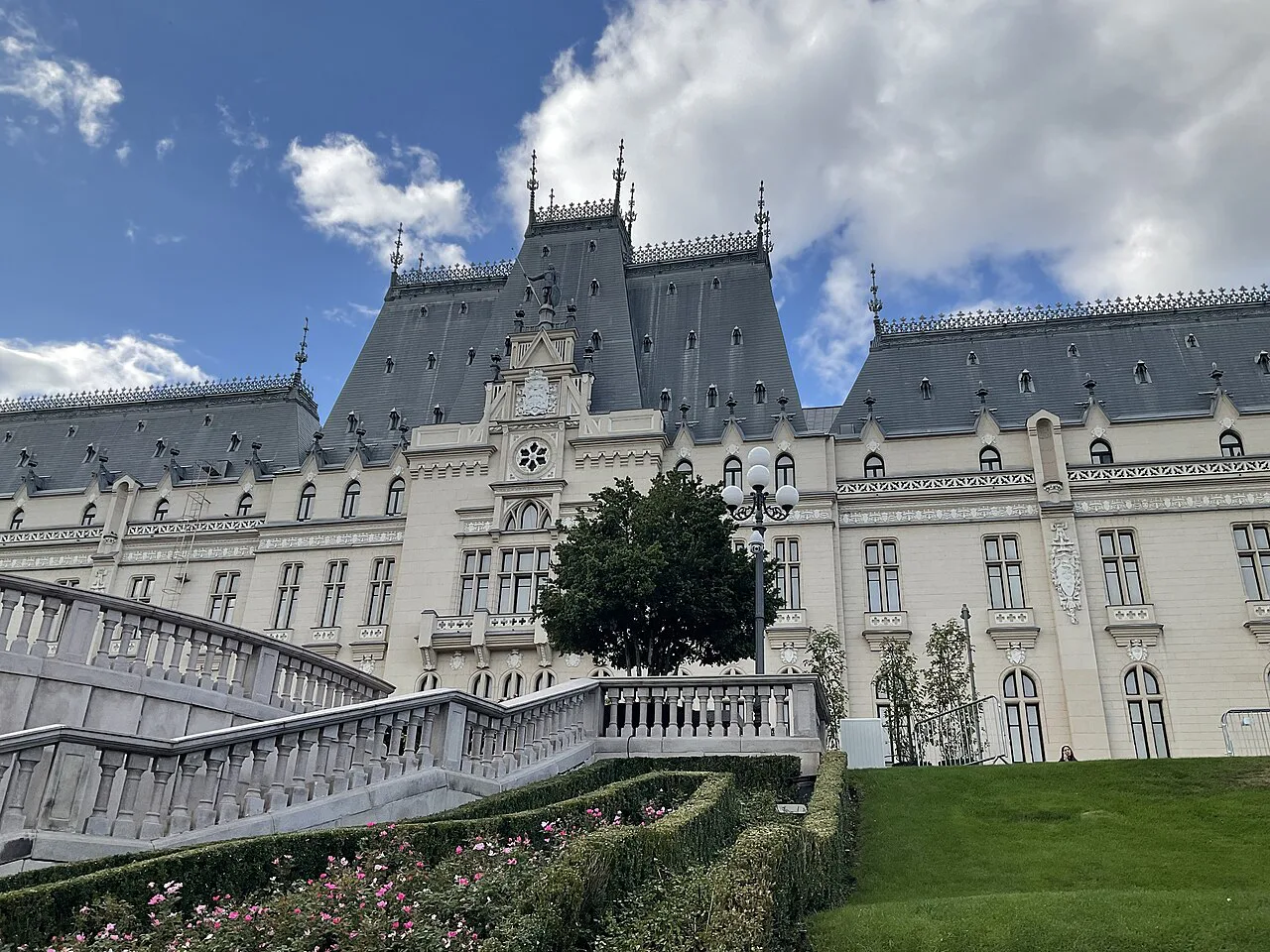
Where Moldavia sits in Romania and which towns anchor a route
Moldavia is a historical region, one of those Romania's tourism authority lists separately from Transylvania, Wallachia and the rest. Its practical spine for visitors runs north from Iași to Suceava and on into Bucovina, while Târgu Neamț and its monasteries lie to the west of that line. Our map of Romania helps you fix the geography before you commit to a route.
Three towns do most of the work as bases. Iași gives you a city with museums and churches; Suceava gives you a town with its own fortress and quicker access to the painted monasteries; Târgu Neamț gives you its monastery cluster and the villages around it. Our map of Romania makes the distances obvious before you book anything, and shows why trying to cover all three in a single day does not work.
If you are building a longer Romanian trip, Moldavia combines naturally with Transylvania to the west, and our regions of Romania overview shows how the listed historical regions sit together. Alba Iulia, Brașov and the Carpathian Mountains are Transylvanian stops, not Moldavian ones, so plan them as a separate leg rather than as day trips from Iași.
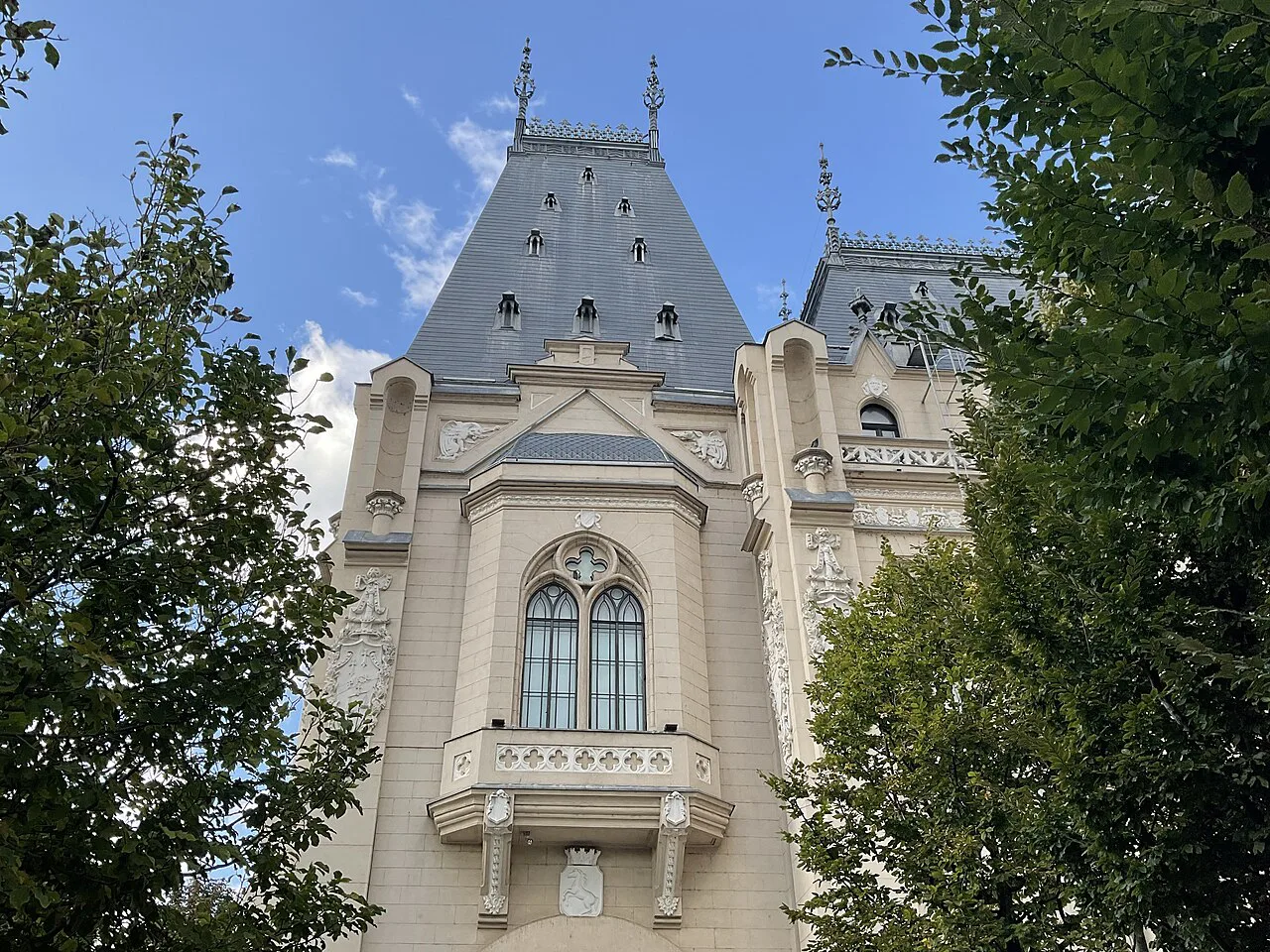
Iași: what to see in the former capital
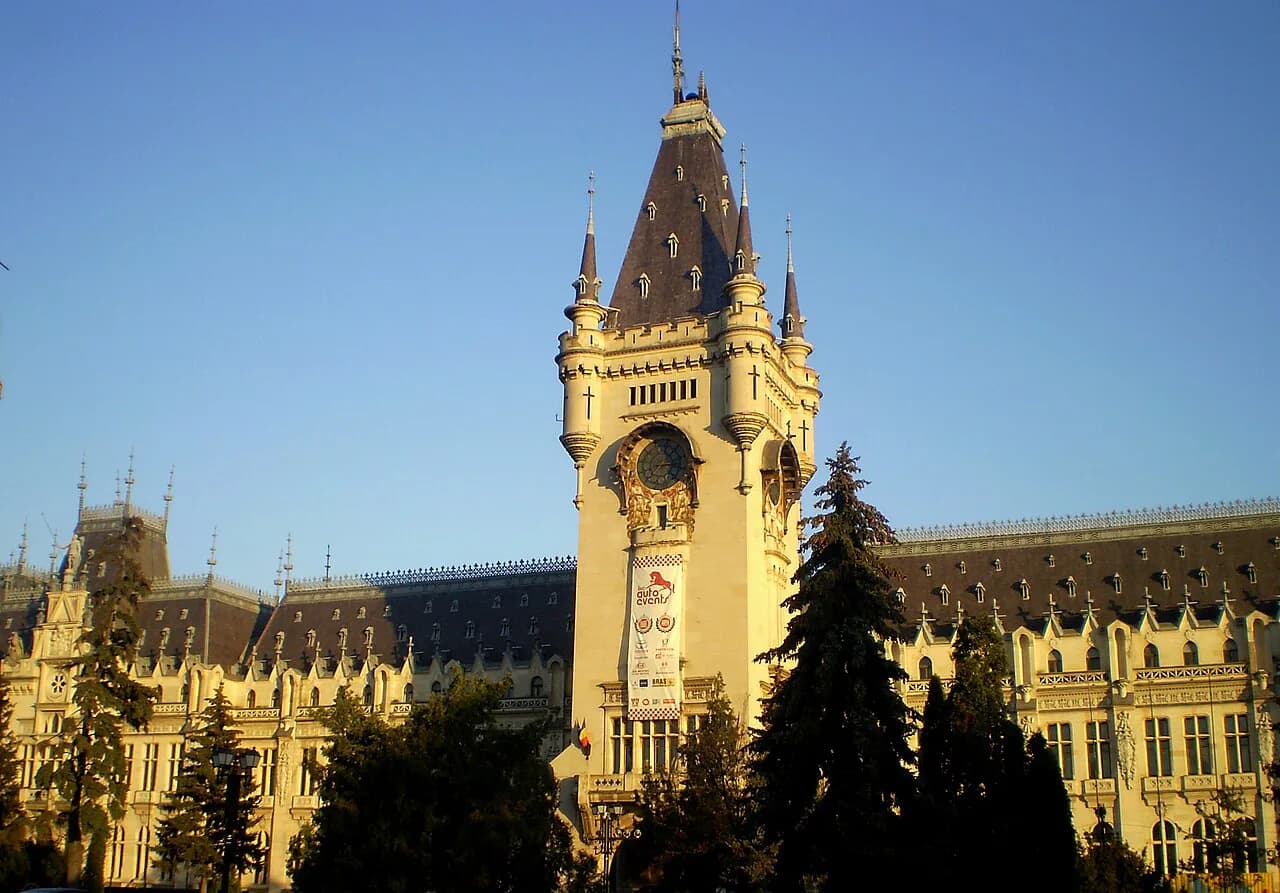
Iași was the capital of the Principality of Moldavia, and it is the natural first stop for anyone arriving in the region. The city centre is compact enough to walk: the Palace of Culture, the main squares and the university quarter sit within a readable grid rather than a sprawl.
Build your day around the centre rather than around a checklist. Churches, the palace and the pedestrian streets cluster together, so two nights gives you one full day in the city and a buffer for arrival and departure. Check opening days for individual museums at the ticket desk or on each museum's own page, since these change by season.
Iași is also the transport hub for the region, with the road and rail links that connect to Suceava and onward to Bucharest. If you are coming from the capital, treat Iași as a stop on a longer Romanian route rather than a quick add-on; our Wallachia guide covers the southern end of that journey.
Suceava as a base for the Bucovina monasteries
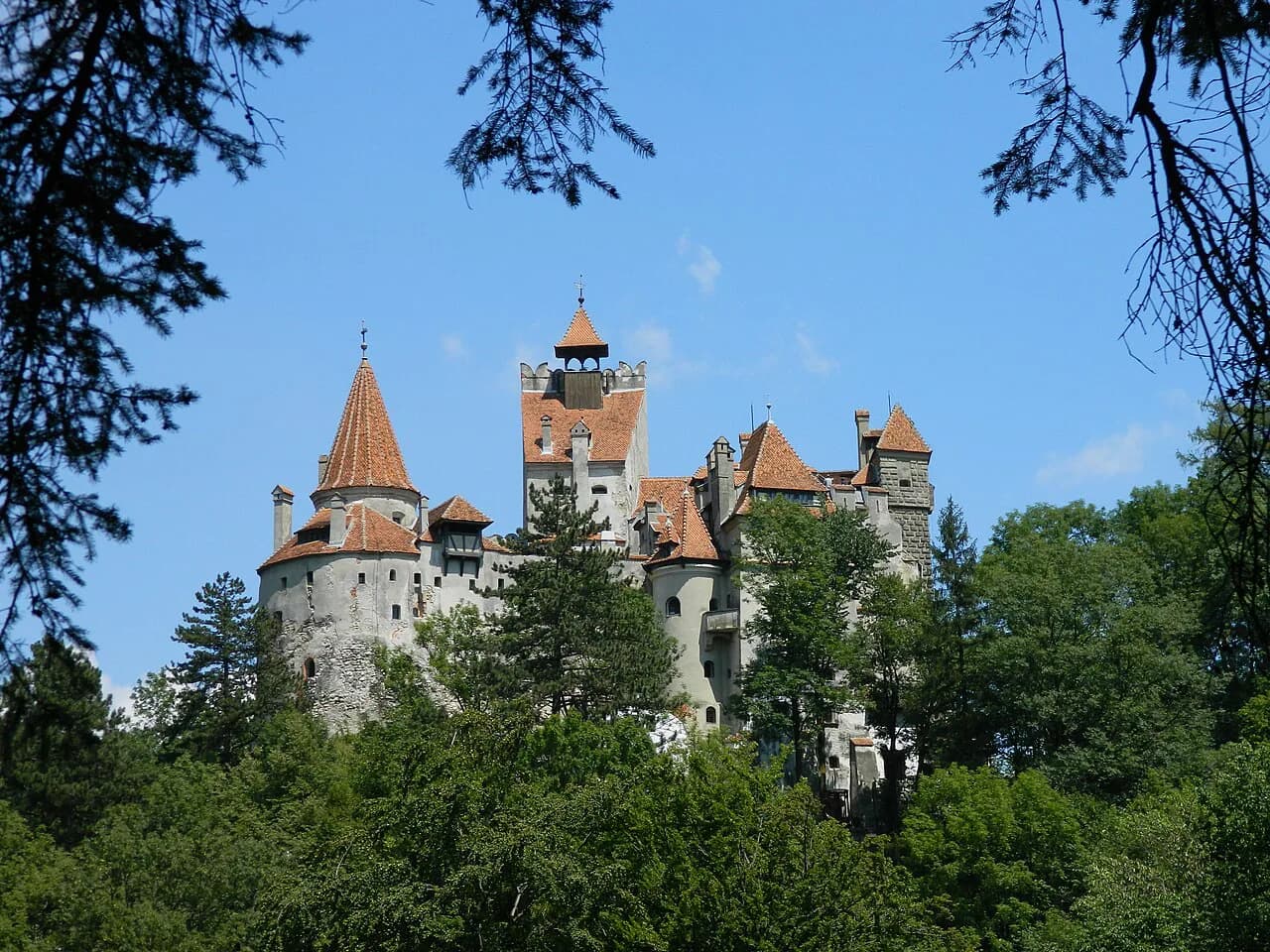
Suceava works well as a base because it splits the difference between town and countryside. The town has its own princely fortress and a compact centre, and the painted monasteries lie out in the Bucovina countryside to the west and north-west, reachable by road.
The trade-off is that no single monastery is on Suceava's doorstep, so a car or an organised tour does most of the connecting. If you rely on public transport, there is no published connecting service for this stretch in our sources, so pick one monastery per day and check return times at the local bus station or with your accommodation host.
Suceava is also the practical place to sort out cash, fuel and supplies before heading into the villages, where options thin out quickly. Give the town half a day for the fortress and centre, then use the rest of your time for the monasteries themselves.
The painted monasteries of Bucovina: Voroneț, Sucevița and Moldovița
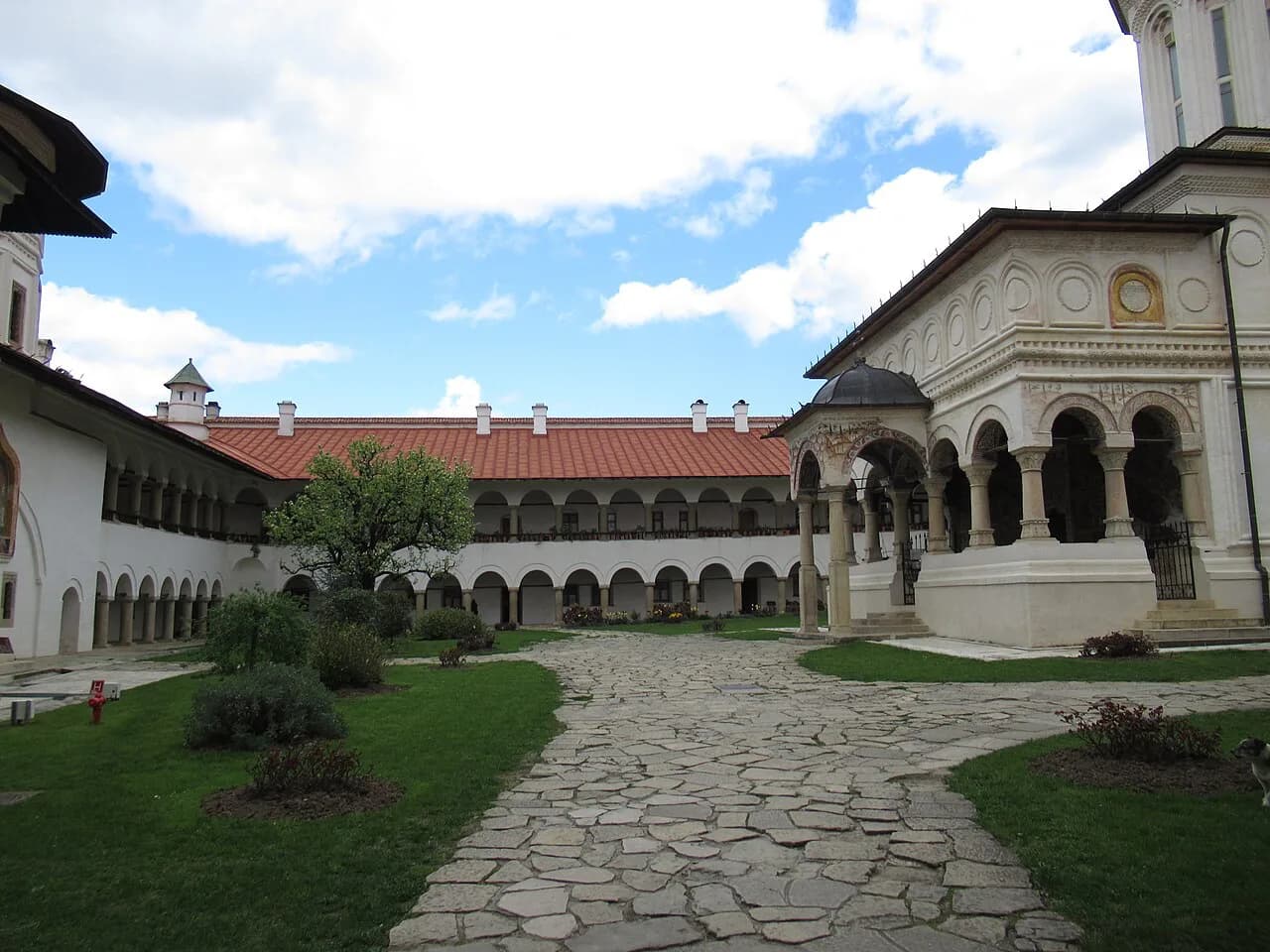
The painted monasteries are the reason many travellers come to Moldavia, and the three most-visited are Voroneț, Sucevița and Moldovița. Each has exterior frescoes on its church walls, which is what distinguishes this cluster from ordinary monastery visits elsewhere in Romania.
Voroneț is the closest to the town of Gura Humorului and the easiest to fit into a short stay. Sucevița and Moldovița sit further out and are best paired on a single driving day, since they lie in the same direction from Suceava.
Photography and access rules vary between working monasteries, and these are religious sites rather than museums, so dress modestly and check any restrictions at the entrance. Confirm opening hours for each monastery on the day you plan to visit, because they follow monastic rather than tourist schedules.
The Neamț monasteries and the villages around Târgu Neamț
The Neamț cluster is separate from Bucovina and needs its own base, which is why Târgu Neamț earns a place on the route. The town gives you access to the monasteries and to the surrounding villages, and our map of Romania shows where it sits relative to Iași and Suceava.
Reaching Târgu Neamț is the part to plan carefully, because our transport sources cover road access into the national parks but set out no scheduled service to this town. Budget a full day for the monasteries and the villages, and plan to stay the night rather than doubling back the same evening.
Nearby Piatra Neamț and the surrounding valleys make the area a natural place to slow down after the city pace of Iași. If you are continuing west into Transylvania, this is the point where the Carpathian Mountains begin to shape the landscape and the driving becomes slower.
Hikers sometimes extend this leg towards the high ground. Piatra Craiului National Park, south-west of Brașov, is a separate trip from the Neamț villages, so do not fold it into a Moldavian itinerary.
Getting between the towns by train, bus and car
Iași and Suceava anchor the route and are the two towns most travellers will arrive in first. For domestic rail and bus schedules, use the Romanian transport pages rather than guessing at frequencies, and book seats on longer routes in advance.
A car gives you the monasteries on your own schedule, which is the main reason many travellers to Bucovina drive or join a tour. Romanian roads in the region are mostly single-carriageway, so estimate generously and avoid planning more than two monastery stops in a day.
For the Neamț cluster, expect a road transfer from either Iași or Suceava, and plan it as the least predictable leg of the route. If you are combining Moldavia with the rest of Romania, the same logic applies across the country: check each leg's timetable before you book accommodation, because a missed connection can cost you a night.
How long each stop needs and a workable order
A sensible order runs Iași, then Suceava and the painted monasteries, then Târgu Neamț if you want the second cluster, or the reverse if you are arriving from Transylvania. Iași needs at least two nights, Suceava two to three nights for the monasteries, and Târgu Neamț one night.
That gives a workable week with time to travel between stops rather than a rushed four days. If you have less time, choose one cluster: Bucovina from Suceava is the easier pair to reach by public transport.
Allow half a day for transfer between Iași and Suceava, and more if you are heading on to Târgu Neamț. Keep the last day light before a flight or long train, since regional connections are not always frequent.
Where Moldavia stops and the Republic of Moldova begins
Moldavia ends at the Prut, the river that forms Romania's border with the Republic of Moldova. Crossing it means a border check, a different currency and a separate set of travel arrangements, so it is not a casual afternoon detour from Iași.
If you do want to continue east, plan the crossing as its own leg with its own paperwork. The Republic of Moldova's official tourist portal covers entry requirements and what to see on the other side, and it is updated by the country itself rather than by Romanian regional sources.
Within Romania, the rest of your trip continues across the other historical regions: Transylvania to the west, and Wallachia to the south. Knowing which town belongs to which region keeps your routing honest and stops you booking a Moldavian base for a Transylvanian day trip.
Which Moldavian base suits your trip
Choose Iași if you want a city with museums and easy rail access, Suceava if the painted monasteries are your priority, and Târgu Neamț if you want the Neamț cluster and the villages. Trying to base yourself in one town for all three means long days on the road.
Book the transport before the accommodation, and check monastery opening days in the week you travel, since these follow religious rather than tourist schedules. For the wider picture, use our map of Romania to place each stop before you commit, and our guide to the regions of Romania to see how Moldavia fits beside the other historical regions.
Explore more Romania guides
Sources
Useful notes for your next trip
Optional updates to our guides.
You might also like
Continue reading
More guides you'll find useful