Oltenia, Romania: What to See in Craiova and the Region
Oltenia is a region of south-western Romania, not a country. Plan around Craiova's museum, the monasteries under the mountains and what each place needs.
On this page
Oltenia is a historical province and geographical region of south-western Romania, also called Lesser Wallachia in older usage, and it sits between the Danube, the Olt and the foothills of the Carpathian Mountains. For visitors it is not a single destination but a region anchored by Craiova, with monasteries under the mountains to the north and a scattering of small towns in between. This guide covers what the region is, how to use Craiova as a base and how to fit the rest into a realistic number of days.
Treat Oltenia as one layer of a wider Romanian trip rather than a stand-alone country break. Our guide to the regions of Romania puts it alongside Wallachia to its east, Banat to the west and the mountain areas to the north, so you can see how a Craiova stop fits a longer route.
What Oltenia is: a province, not a country
Oltenia is a historical province and geographical region in western and south-western Romania, and it carries the older name Lesser Wallachia in antiquated usage. The Habsburg period between 1718 and 1739 belongs to its history rather than to anything you will plan around today. Nothing about travel here involves a border crossing or a separate currency.
The practical consequence is that 'Oltenia' describes a spread of counties and towns, so you plan by town, not by region. Craiova is the largest city and the natural anchor, while Gorj county to the north holds the mountain monasteries. If you are mapping a wider route, the guide to Wallachia, Romania covers the neighbouring region east and south of Oltenia.
Where Oltenia sits and how Craiova anchors a visit
Oltenia lies in the south-west of the country, with the Danube forming much of its southern edge and the Olt running down its eastern side towards the river. The region's northern edge meets the Carpathian Mountains, which is where the monasteries sit and where road journeys become slower than the map suggests. A map of Romania makes those two lines, the Danube and the mountains, the easiest way to picture the region.
Craiova works as the base because it holds the region's main museum, a walkable centre and the transport links out towards the mountain roads. Base yourself there for two nights and you can see the city and make a day of the monasteries without moving hotels. Push further north and you trade convenience for shorter drives into Gorj county.
Craiova: the centre and the Oltenia Museum of History and Archaeology
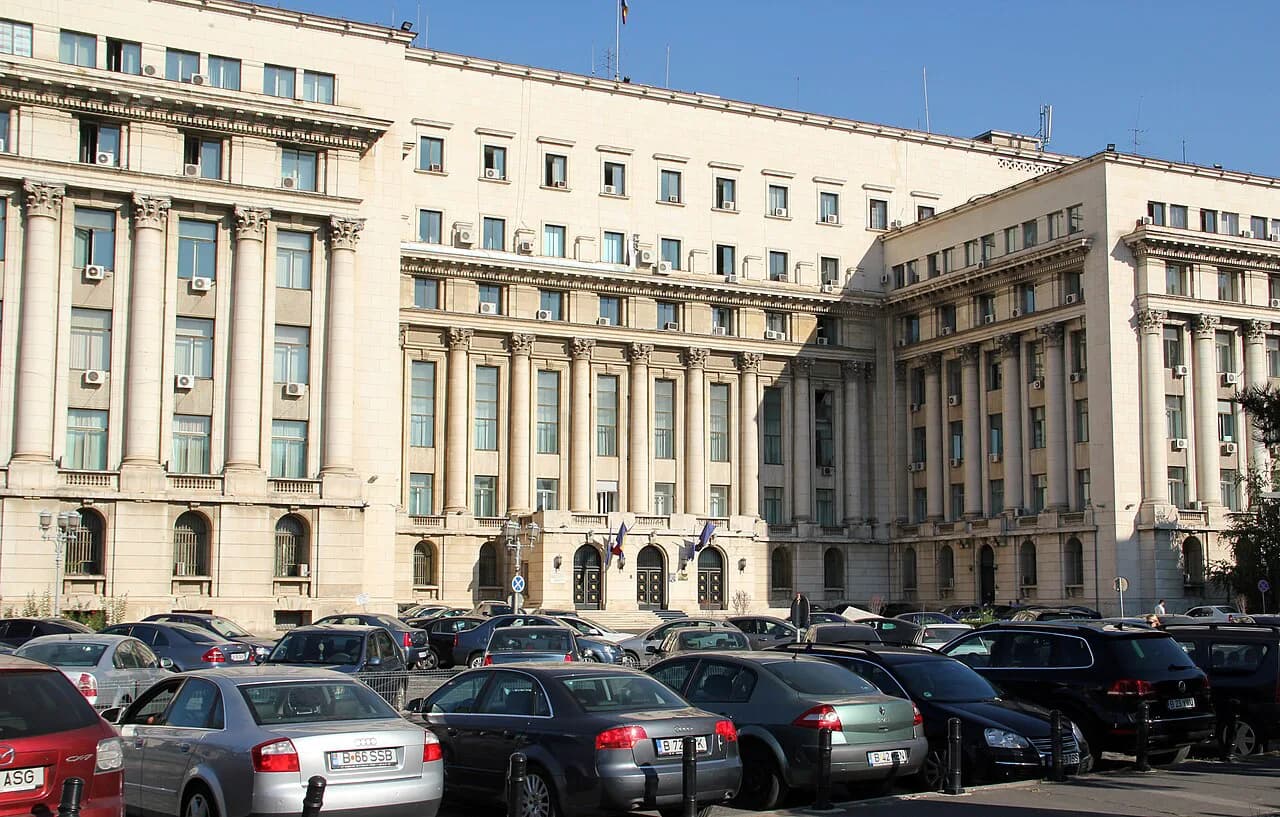
Craiova's sights sit close together, which makes the city a half-day of walking rather than a full sightseeing programme. The Oltenia Museum of History and Archaeology occupies a classical building at Strada Madona Dudu 14, Craiova 200410, in the historic core of the city. It was founded in 1915 and holds collections covering archaeology, ethnography and natural history, with finds from Geto-Dacian sites and the Pelendava Roman camp.
The museum is the one Craiova stop worth protecting time for. Inside, the rooms are compact and laid out in sequence, so a leisurely walk through takes you from archaeological material, including finds from the Castra Nova fortress, through to folk costumes and crafts in the ethnographic collection and specimens of Oltenia's flora and fauna. Display information is mainly in Romanian, but the visual sequence and the objects carry the visit even if you read none of it.
For a city break, give Craiova a full morning at the museum plus an afternoon on foot through the centre; the museum's own guide suggests roughly 10 to 15 minutes' walk from the National Theatre or the university. Families do well here because the models of ancient settlements and the natural history exhibits hold children's attention. Check current opening days and any ticket price directly with the museum on its website, www.muzeulolteniei.ro, or by phone on +40 251 417 756 before you build a day around it.
Getting to Craiova and the museum
If you are already in the centre, the museum is a walk rather than a journey: about 10 to 15 minutes at a leisurely pace from the National Theatre or the university area. Bus and tram stops sit in the immediate vicinity of the building on Madona Dudu Street, which is useful if you are staying in an outer district. Your landmark is the classical façade on the street itself.
From Craiova's railway station, a taxi takes about 10 minutes, and walking the same route takes around half an hour. Craiova International Airport lies about 10 kilometres away, with a taxi taking 15 to 20 minutes, or a bus with a change in the city centre. If you are arriving by air, the taxi is the simpler choice with luggage; by rail, walk it if the weather holds and save the fare.
The monasteries under the mountains: Polovragi and Horezu
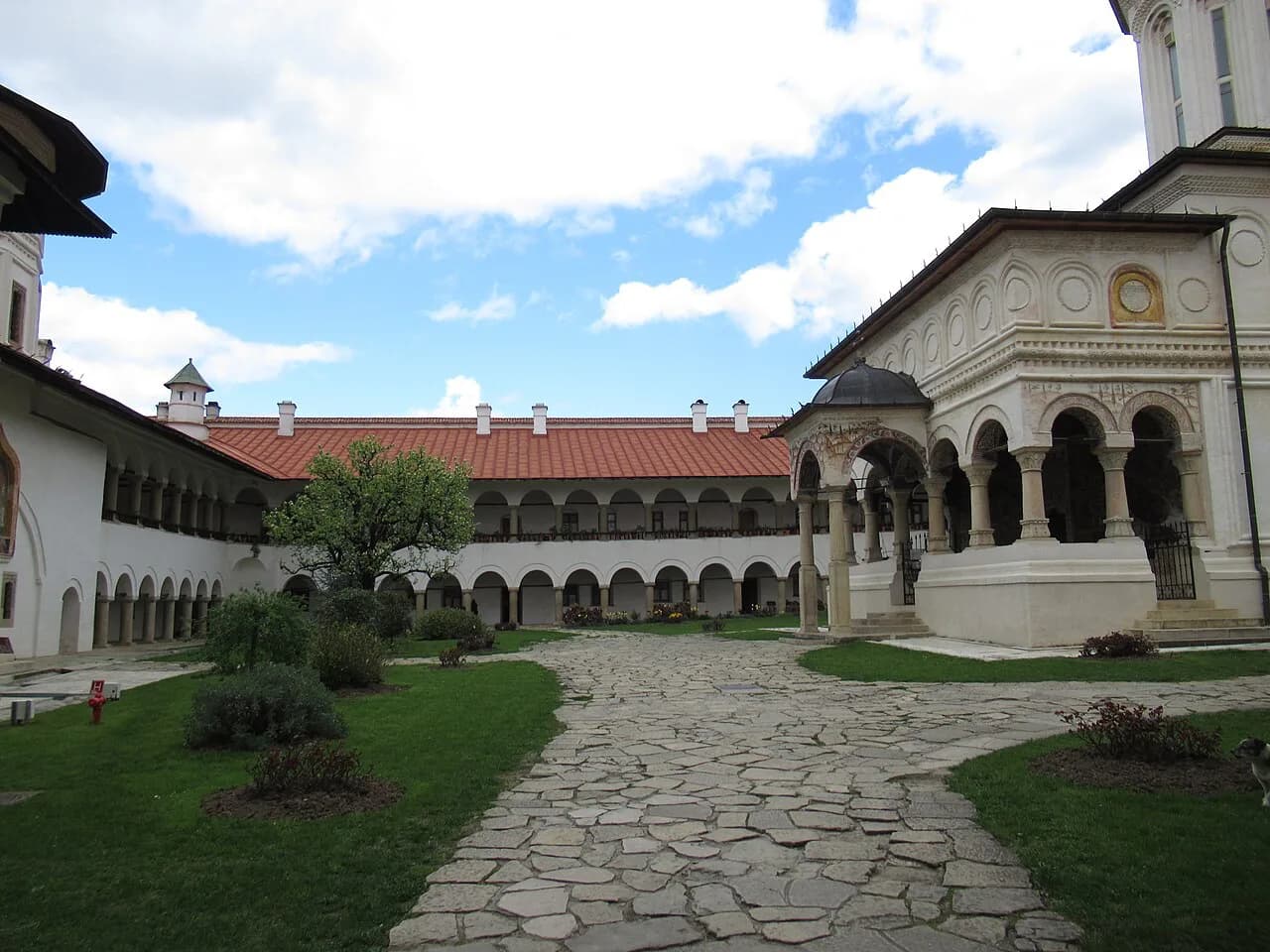
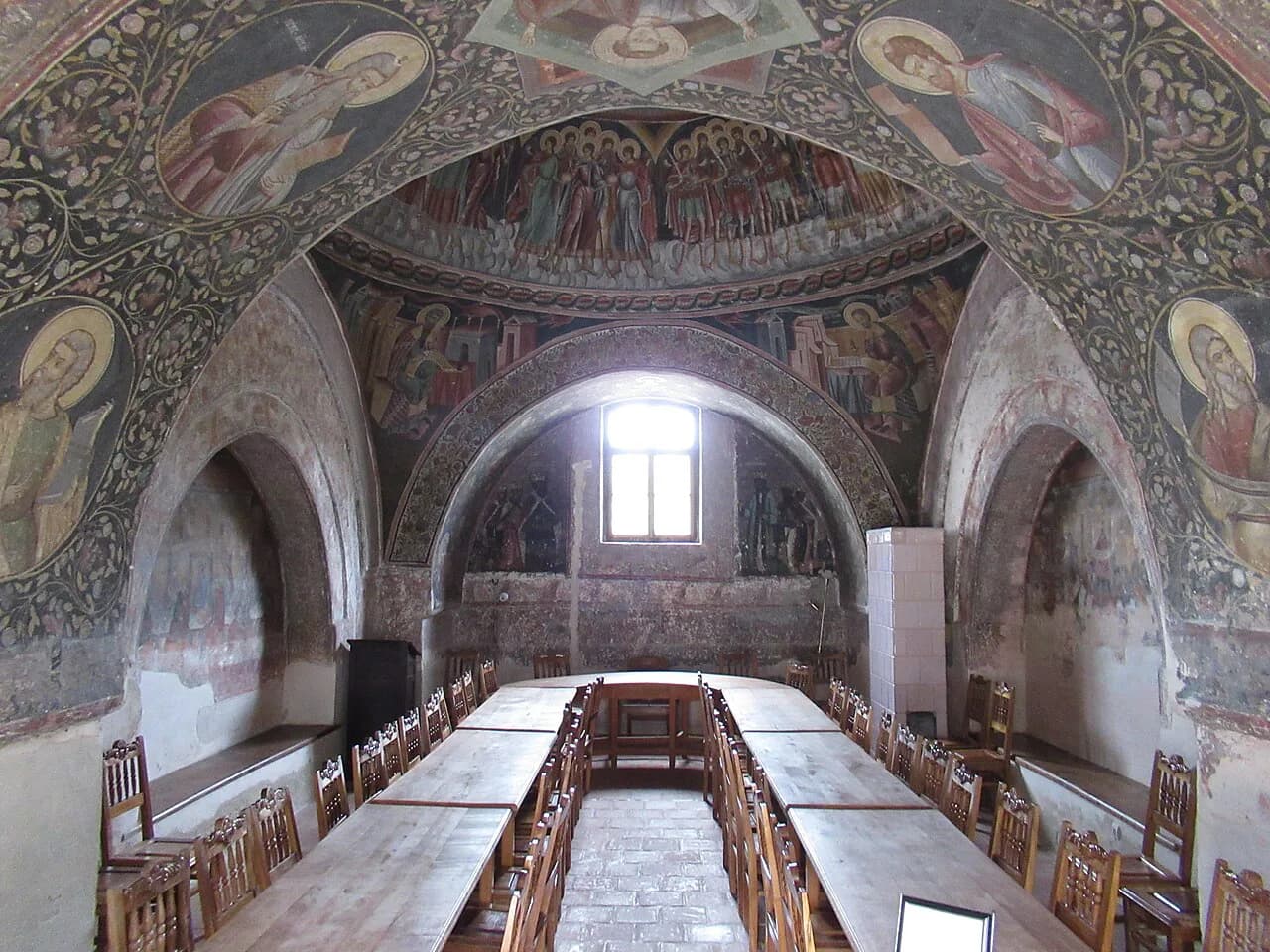
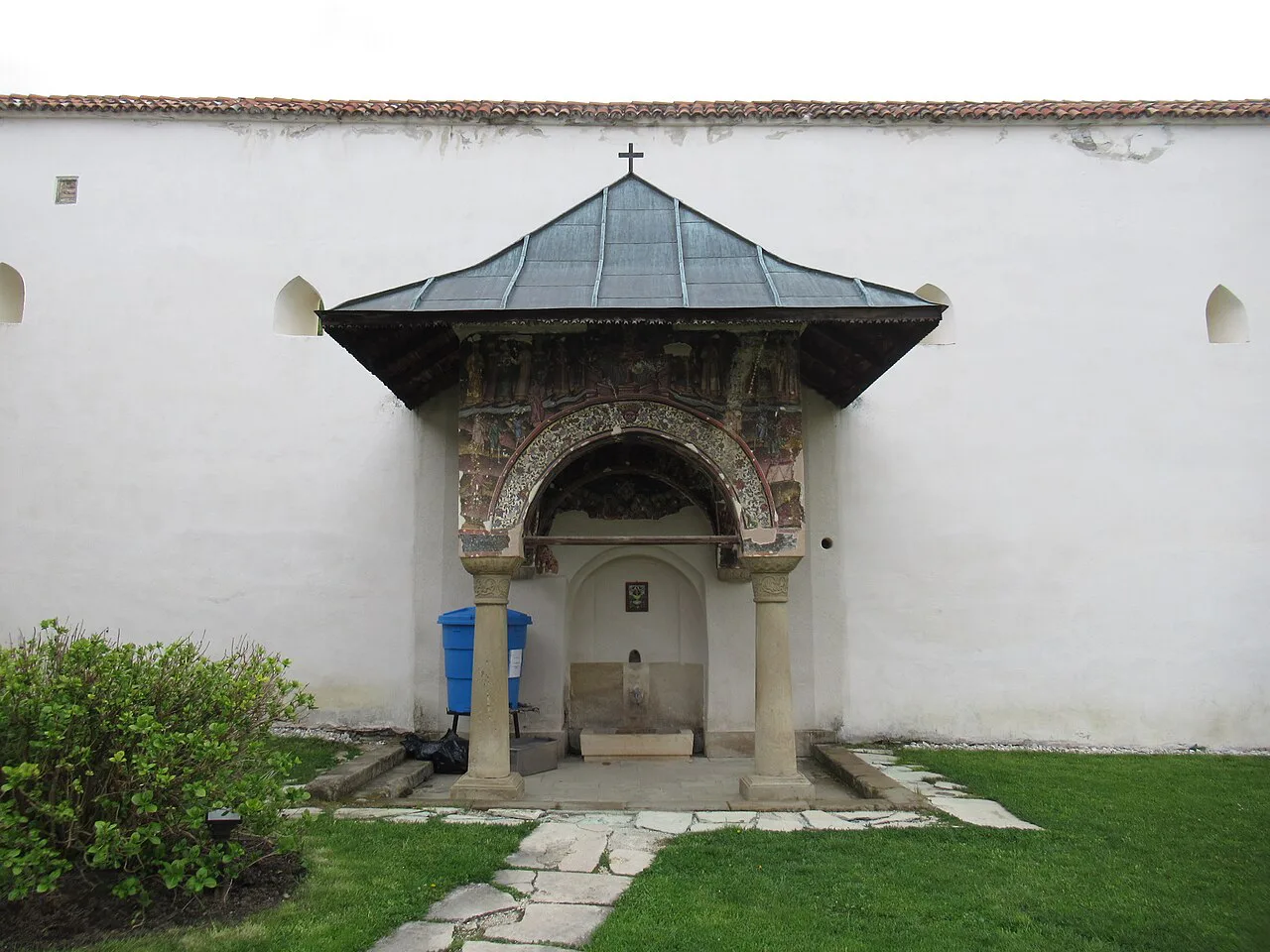
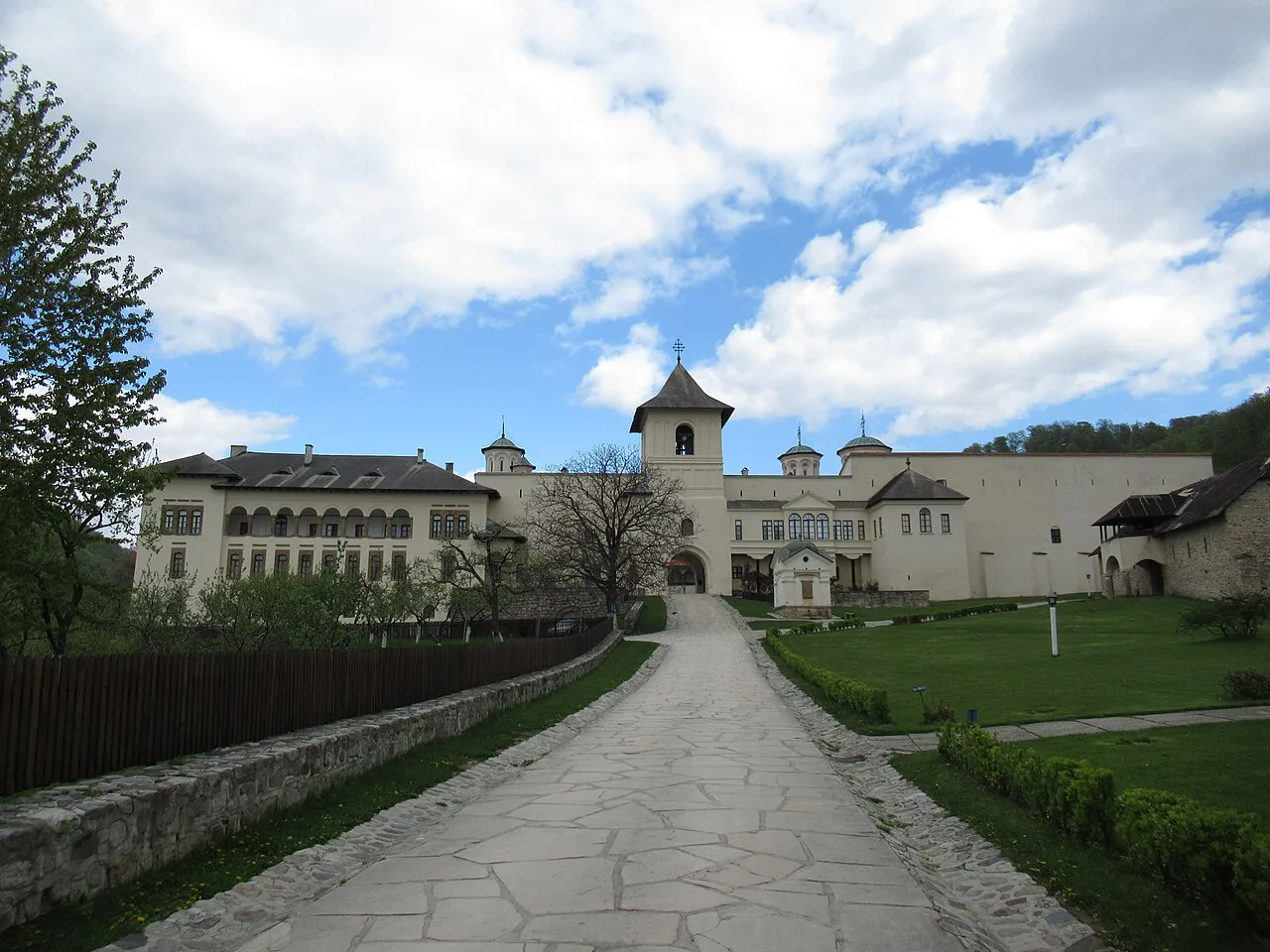
North of Craiova, Gorj county holds Polovragi Monastery, an Orthodox monastery that appears among the region's monastery attractions. Treat it as a working religious site rather than a museum, and dress and behave accordingly. Horezu, further east in Vâlcea county, is the other name that comes up for this part of the region, and the two make a natural pairing on a drive through the foothills.
These monasteries are the part of Oltenia that rewards having a car, because public transport between the small settlements is thin and slow. Polovragi and the Horezu area both sit under the mountains, where the roads narrow and a straightforward-looking distance takes longer than you expect. Plan a single loop out of Craiova rather than trying to reach several sites by bus in one day.
Linking Craiova, Târgu Jiu and the monastery villages
Târgu Jiu sits north-west of Craiova in Gorj county, and it is the natural second stop if you are driving towards Polovragi and the mountain villages. The order that works is Craiova, then Târgu Jiu, then the monasteries on a loop back, so you are not doubling back on mountain roads at dusk. With a car this is a comfortable two- or three-day sweep; by bus you are limited to the main town-to-town routes and will need to pick one monastery rather than several.
If you would rather not drive, use Craiova as a fixed base and take an organised tour for the mountain day, keeping the city days on foot and by tram. Tours and buses serve the towns reliably; the smaller monastery villages are where a car earns its keep. Compare a day of car hire against a single guided day before deciding, and note that hiring in Craiova and dropping elsewhere usually costs more than a return.
How many days Oltenia needs, and what to cut
Two nights in Craiova covers the museum and the centre properly, and a third day adds the mountain monasteries if you have a car. Four nights lets you add Târgu Jiu and the monastery loop without rushing. Anything beyond that is best spent elsewhere in Romania rather than padded out in Oltenia.
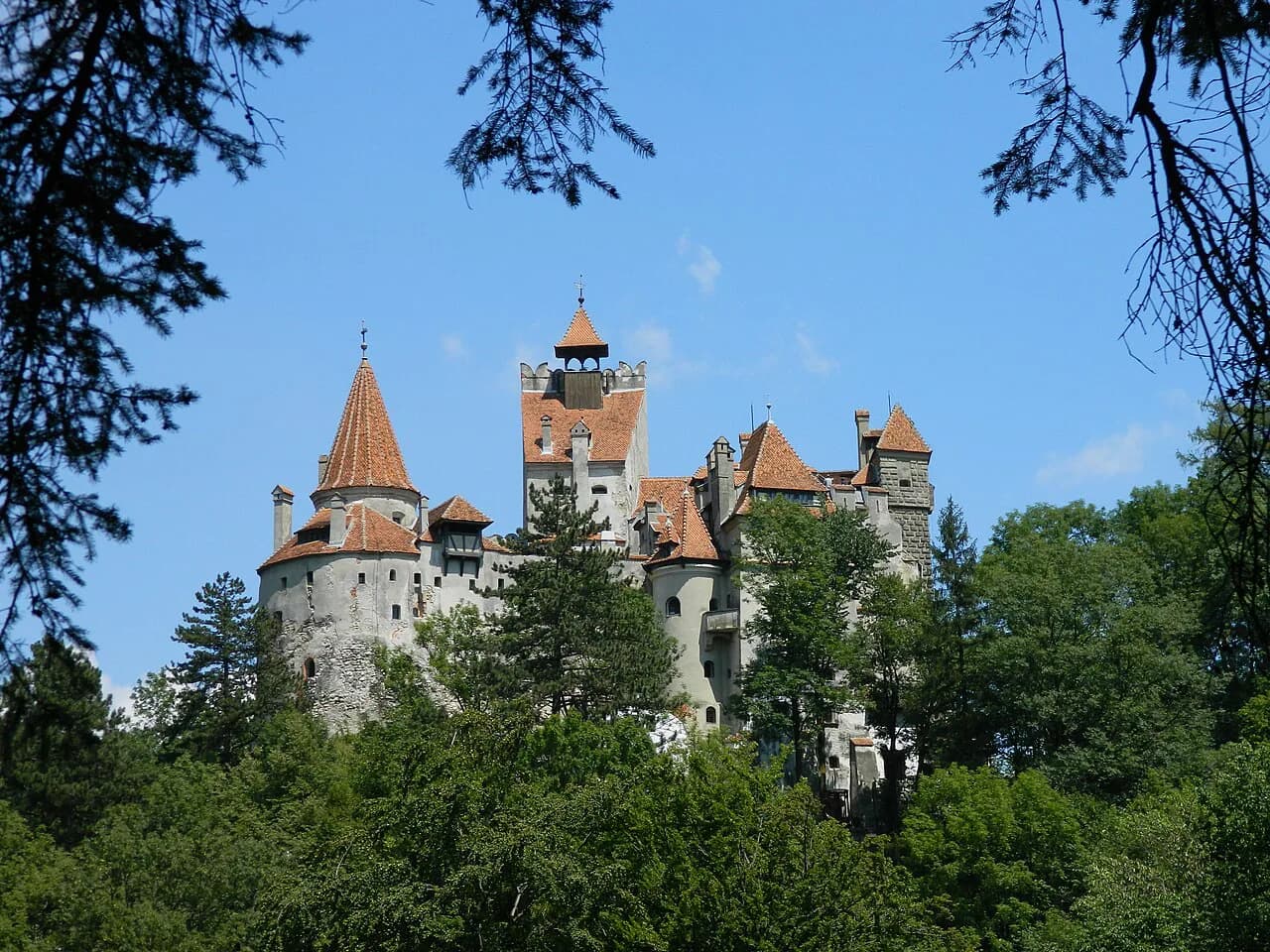
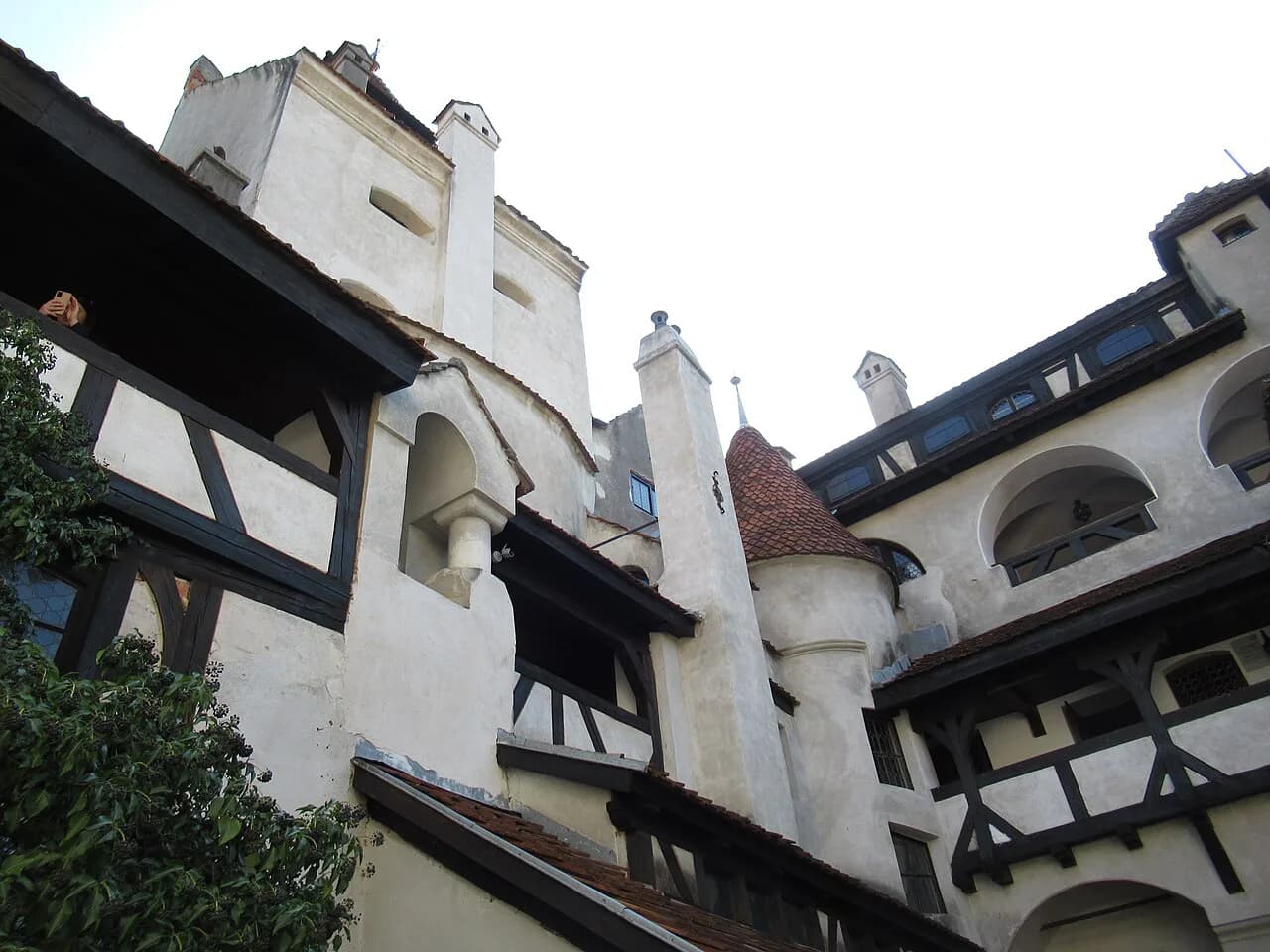
When time is short, cut the outer villages first and keep Craiova's museum and one monastery day. Dropping the second monastery is a smaller loss than dropping the museum, because the museum explains the region's archaeology and folk traditions in one place. If castles are what brought you to Romania, look at Bran Castle and the other sites in the wider regions guide and treat Oltenia as a separate leg, not a substitute.
Is Oltenia worth adding to your route?
Oltenia earns a place on a Romanian itinerary if you want one strong regional museum, a walkable city centre and a day of Orthodox monasteries under the mountains without the crowds of the better-known Transylvanian sites. It does not work as a quick stop squeezed between Brașov and Bucharest, because the rewarding parts are spread out and the mountain roads are slow.
Build it as two nights in Craiova, with a car for the monastery day and Târgu Jiu if you have a third. Confirm the museum's opening days and any ticket cost on the museum's own website before you fix dates, and leave the outer villages for a trip when you have more time.
Explore more Romania guides
Frequently Asked Questions
Is Oltenia a country?
No. Oltenia is a historical province and geographical region of Romania in the south-west of the country, sometimes called Lesser Wallachia in older usage. It has no separate border, currency or government for visitors to deal with.
What does the word 'Oltenian' mean?
It refers to Oltenia, the region in south-western Romania, and to the people and things associated with it. In travel terms you will mostly see the name attached to regional institutions, such as Craiova's Oltenia Museum of History and Archaeology, rather than to a place on a map.
Sources
Useful notes for your next trip
Optional updates to our guides.
You might also like
Continue reading
More guides you'll find useful