Orăștie: What to See in the Town and Nearby
Orăștie is a small Hunedoara town about an hour from Sibiu, with narrow streets, churches worth a look and Dacian sites in the hills beyond.
On this page
Orăștie is worth a half-day at most as a stop on a Sibiu–Hunedoara route, and the Dacian sites in the hills around it are a separate outing that needs its own vehicle and a dry day. A traveller who knows the area describes it as a town about an hour from Sibiu, with a Saxon-era past and Dacian ruins in the surrounding countryside. This guide covers the centre on foot, the churches, the sites beyond the town and how much time to give each.
Where Orăștie Sits in Hunedoara County
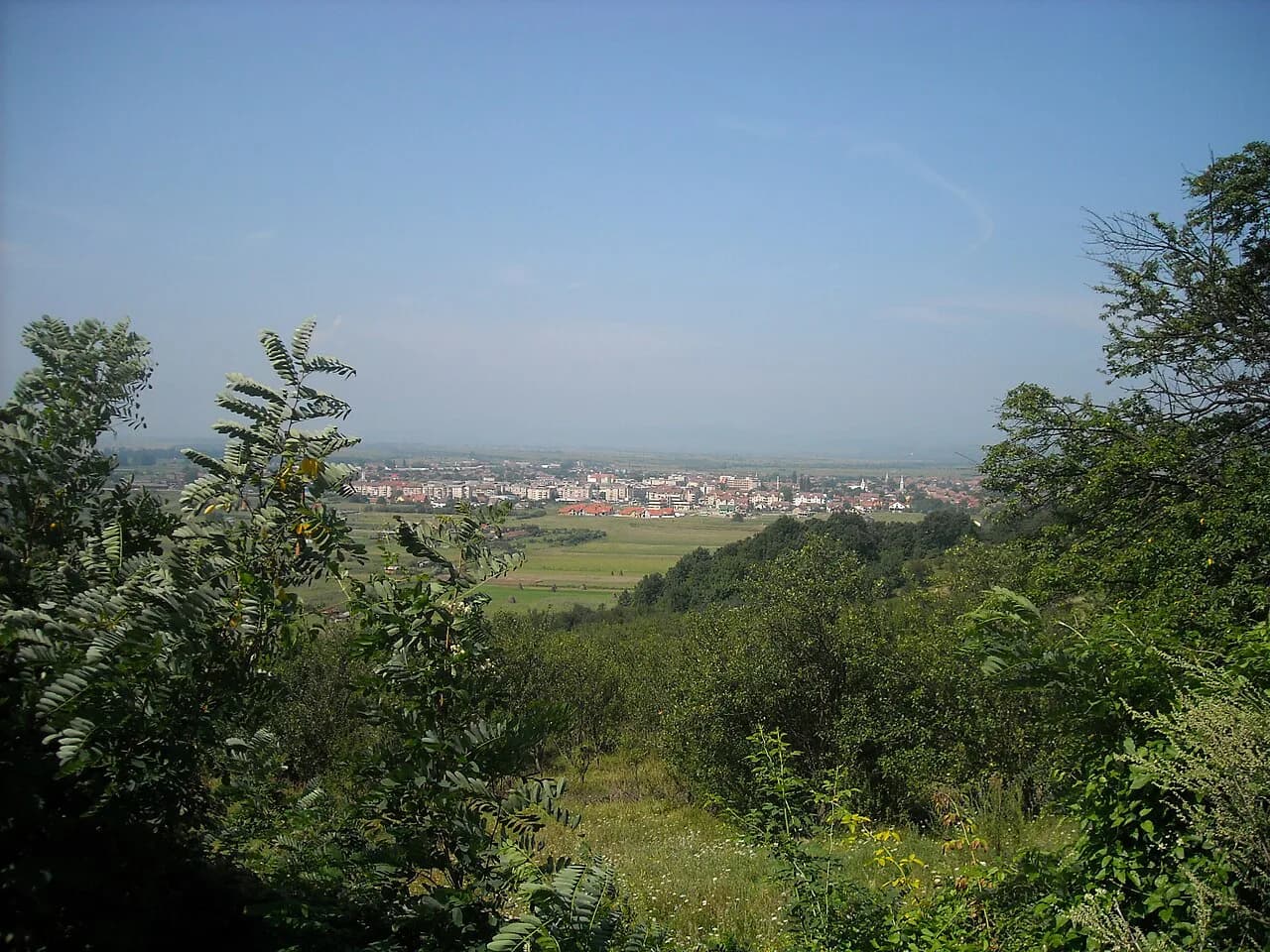
Orăștie lies in Hunedoara county, in the part of Transylvania that British travellers usually reach from Sibiu. The town has a population of around 20,700, which puts it in the small-town bracket rather than the city league of Cluj-Napoca or Brașov. That scale is the point: you can walk the centre in an hour and spend the rest of the day in the countryside.
For orientation, Cluj-Napoca is roughly 108 km away, Timișoara about 159 km and Brașov around 194 km, so Orăștie slots most naturally into a loop built around Sibiu and Deva. If your trip is centred on the castles, use the Hunedoara guide to plan the Corvin Castle leg and treat Orăștie as a pause on the way. Plan the driving days around daylight rather than squeezing the town in at dusk.
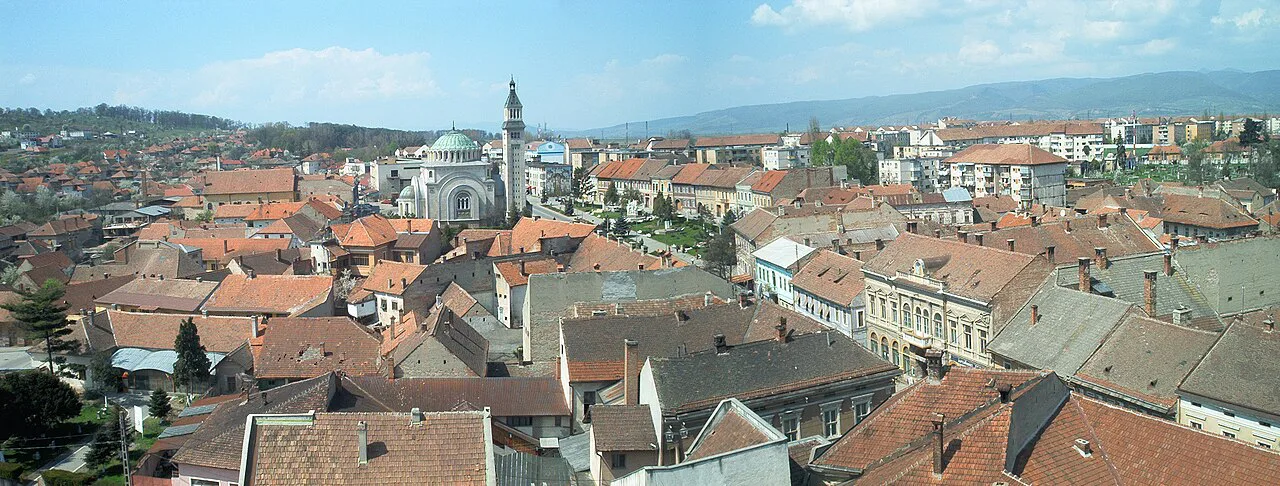
How the Town Is Laid Out
The centre is compact and the streets are narrow, so the sensible approach is to park once and walk. A traveller who has been describes narrow roads and ruins that are sometimes not accessible by car, which is a useful warning for anyone planning to drive right up to every sight. Start in the middle and work outwards on foot before getting back in the vehicle.
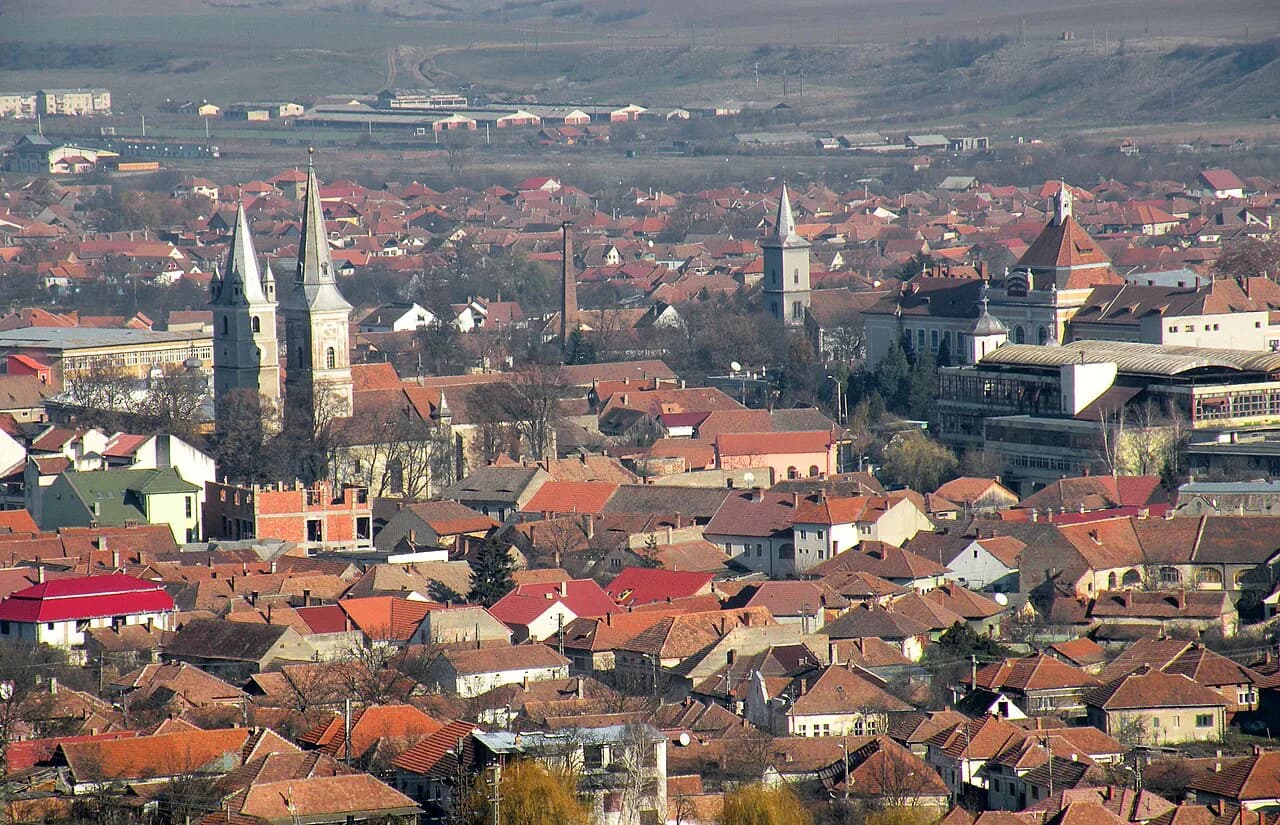
Allow an hour to an hour and a half for the central streets, the churches and a coffee stop. The town rewards a slow look rather than a checklist: there is no blockbuster museum to queue for, so the value is in the streetscape and the surviving church buildings. If you are short of time, the centre alone justifies the stop.
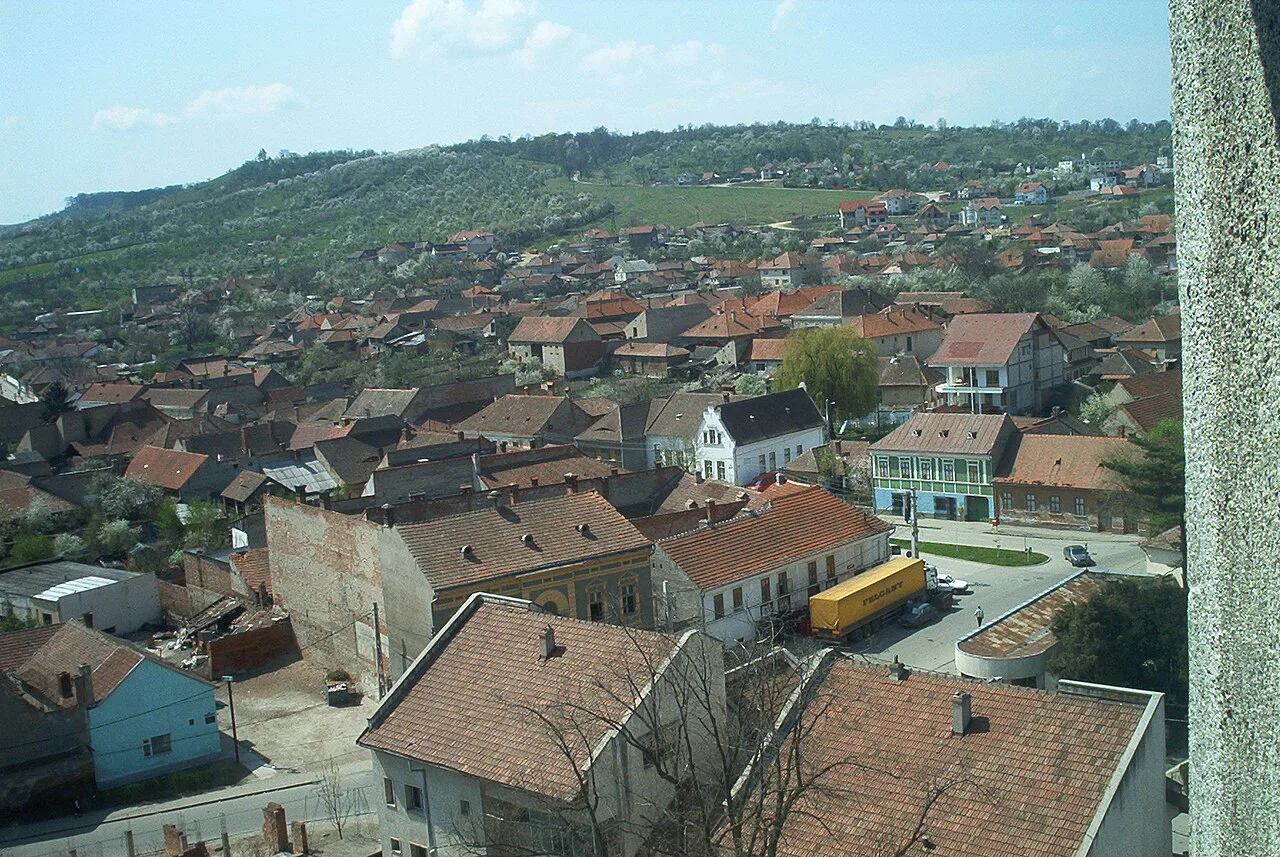
Saxon and Dacian History in and Around the Town
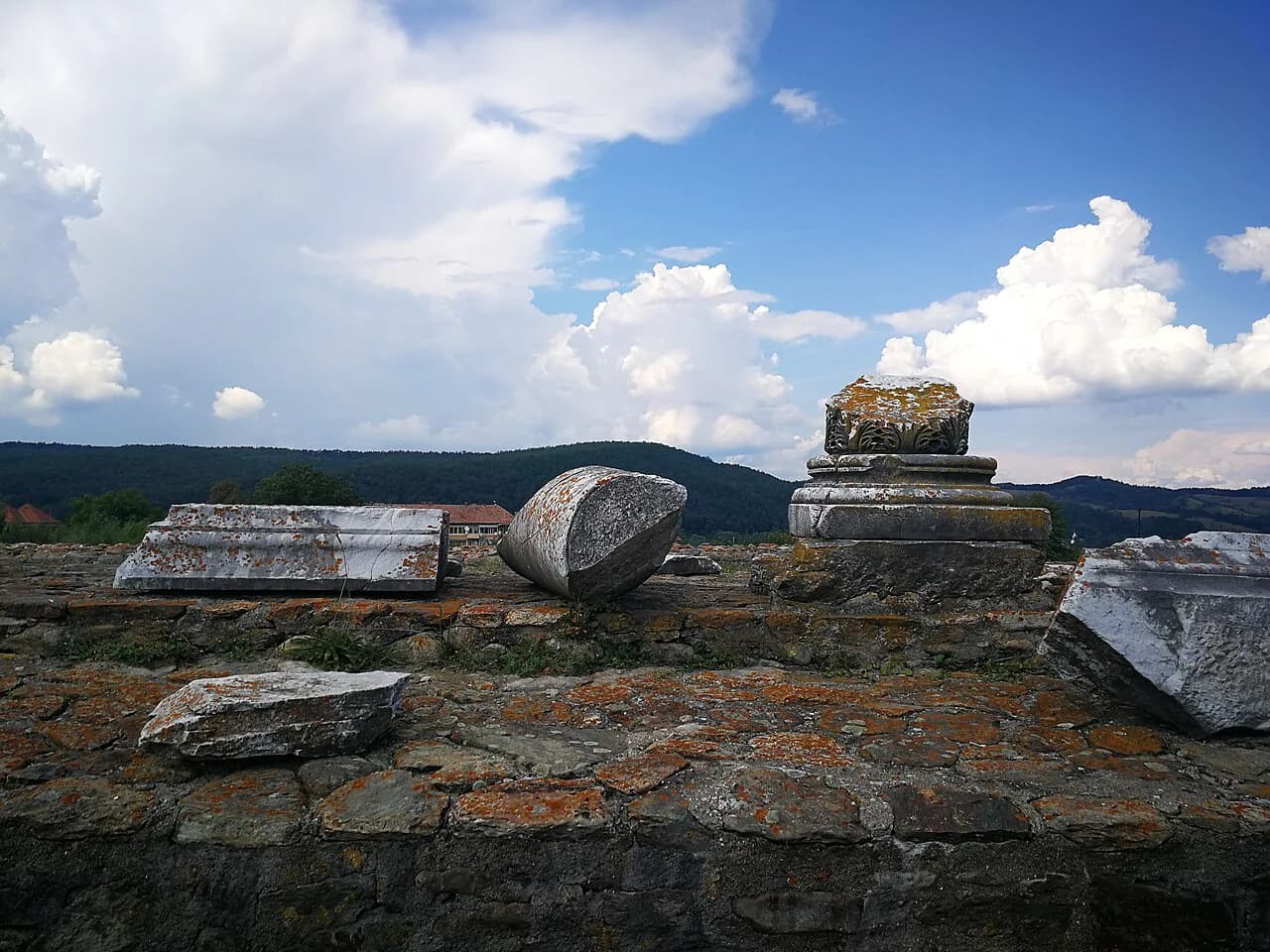
Orăștie's recorded story has two layers. A traveller's account describes it as a Saxon area where the first settlers came from Germany in the Middle Ages, and before that as part of the kingdom of Dacia, with ancient ruins still visible in the area. Keeping those two layers apart helps: the German-speaking settlement shaped the town, while the Dacian remains lie outside it in the hills.
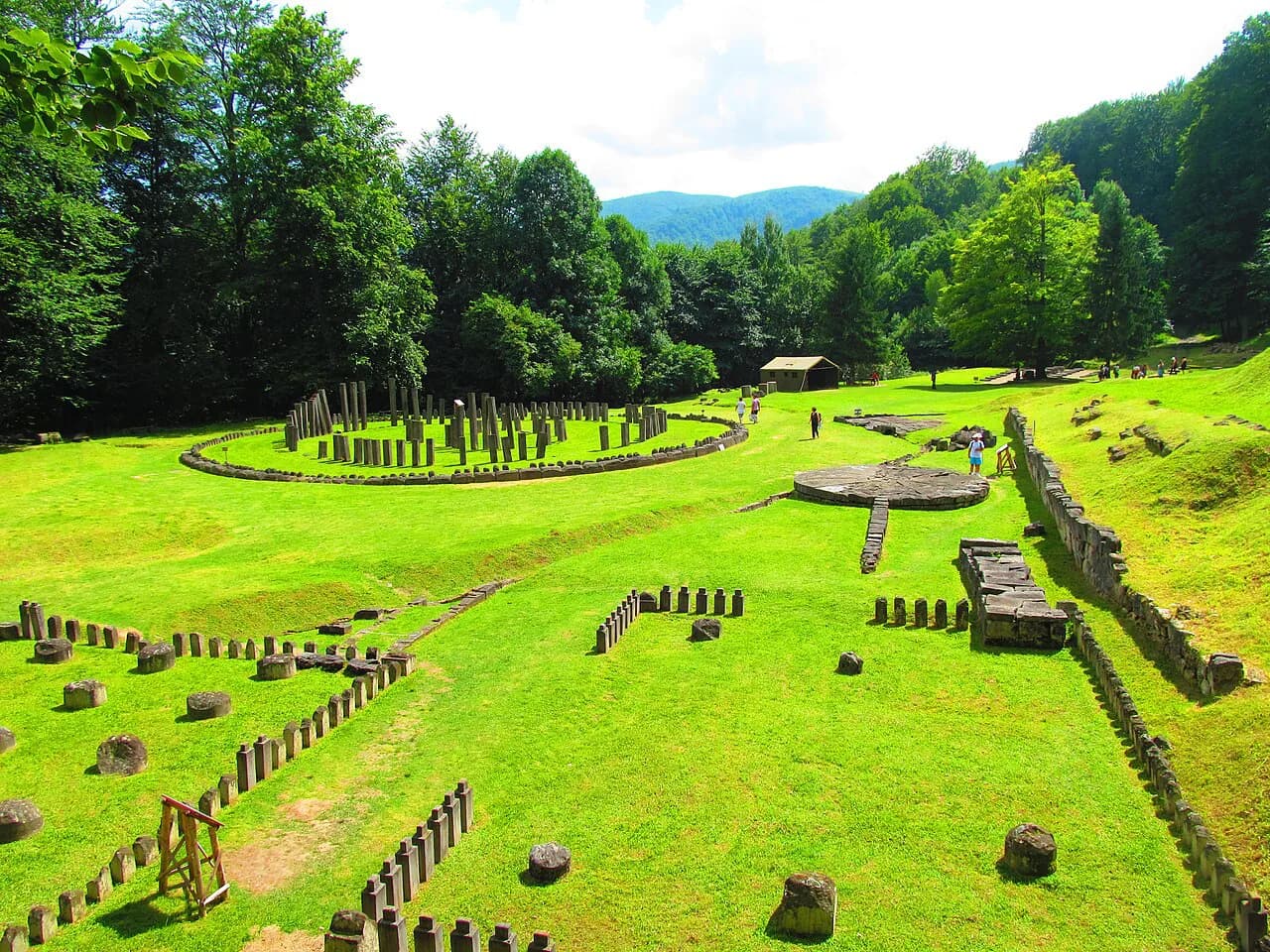
On the ground, that means looking at the church buildings and street pattern in town, then driving out for the Dacian sites. Do not expect a single archaeological park at the edge of the centre; the Dacian material described here is in the surrounding landscape. The Dacian fortresses of the Orăștie Mountains are the wider group to read up on before you go.
Churches and Shrines in the Town
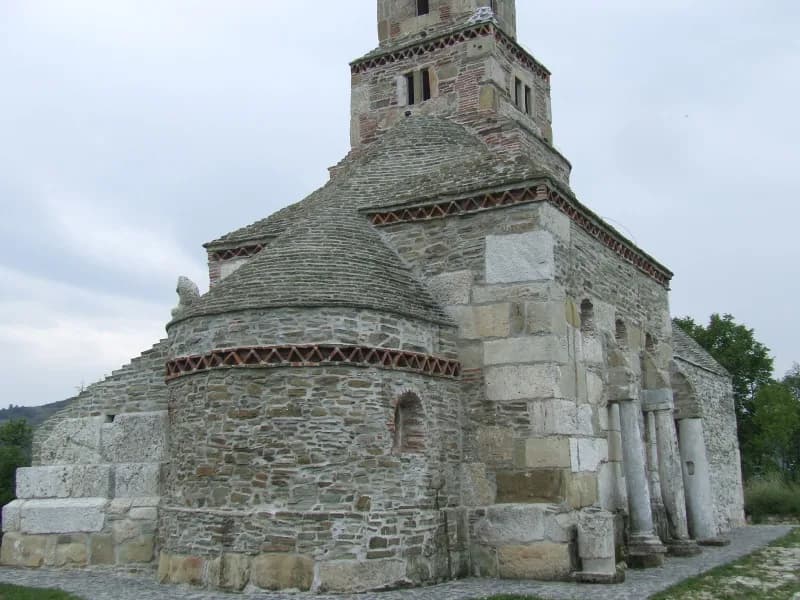
The town's churches are the main thing to see on foot, and a visitor's account singles out beautiful shrines and several churches worthy of interest. Treat them as parish buildings in a working town rather than monuments with ticket desks: look, be quiet, and check locally whether a particular church is open before planning around it.
If church architecture is your reason for being in this part of Transylvania, the stone church at Densuș is the one to add to the same day's driving. Densuș Church sits in the Hațeg basin, which fits neatly between Orăștie and the mountain roads. Read the Densuș Church guide before you set out so you know what you are looking at when you arrive.
Dacian and Roman Sites Around Orăștie
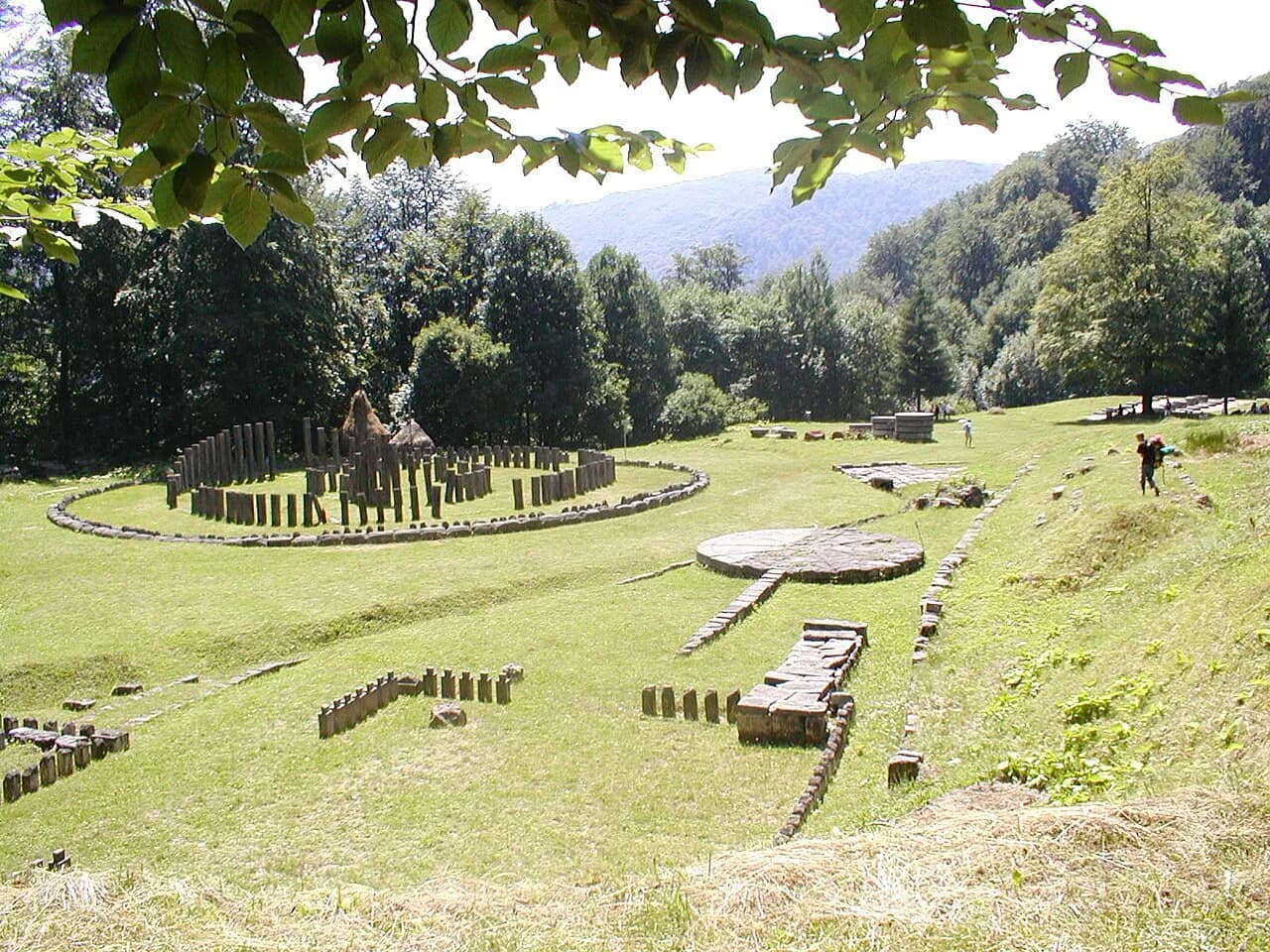
Sarmizegetusa Regia is a Dacian fortress site in the Orăștie Mountains, not in Orăștie itself, so plan it as a drive rather than a walk. The route to it is the part of the day that needs the most planning. Read the Sarmizegetusa Regia guide for what the site involves before committing a full day to it.
The Roman side is a separate stop: Ulpia Traiana Sarmizegetusa is a Roman city site, distinct from the Dacian fortress and with a different story. If Roman Dacia is the draw, give it its own slot rather than tacking it onto the mountain drive. The Ulpia Traiana Sarmizegetusa guide covers what is there.
Why the Last Stretch of Road Matters
Access to the ruins is the honest trade-off. The same visitor account warns that a 4x4 or a good vehicle is advisable, particularly when the ground is wet from rain, and suggests asking the tourist office about car rental with or without a guide. That is practical advice rather than a hard rule, so judge it against the weather on the day and your own vehicle.
In practice, build slack into the day: wet ground slows the final approach, and a hired city car is a poor match for rough tracks. If you would rather not drive yourself, base yourself in Hațeg and use it as a hub for the surrounding sites. our Hațeg guide covers the practical side of that base.
Getting There and Getting Around
Coming from Sibiu, Orăștie is about an hour by road according to a traveller's estimate, which makes it an easy first or last stop on a Transylvania loop. Public transport will get you into the town, but the ruins in the hills effectively require your own wheels or an arranged guide. Decide which of the two you are doing before you book anything, because they are different days.
If you are hiring, do it in a city with a proper rental desk rather than hoping for one in a town of this size, and ask specifically about ground clearance for the mountain tracks. The tourist office is the place to ask about local rental and guided options. Prices and availability change, so confirm them directly when you book rather than relying on a guide written months earlier.
How Long Orăștie Needs
Give Orăștie half a day for the town and a separate full day if you are adding the Dacian ruins. The town alone is a walking stop of an hour or two; the ruins involve a drive, rough ground and a return leg. Trying to do both on the same afternoon is where people come unstuck.
Build the stop into a Sibiu–Hunedoara route rather than making it the base for the whole trip. One workable shape is Sibiu in the morning, Orăștie and its churches around midday, then on to the castle country. The Hunedoara page explains how the Corvin Castle visit fits the same leg.
Time Zone and Daylight for Planning a Day Out
Orăștie keeps Europe/Bucharest time. In summer that is Eastern European Summer Time at UTC+3, and in winter it reverts to Eastern European Time at UTC+2, so the clock goes back an hour on the last Sunday in October. In 2026 that change falls on 25 October, moving from 4:00 am to 3:00 am.
Daylight is the figure that matters for a ruins day out. On 24 October 2026 the town saw sunrise at 7:56 am and sunset at 6:26 pm, about ten and a half hours of light. Check the sunrise and sunset for your own dates before committing to a late-afternoon drive into the hills.
Orăștie runs on Romania's clock, two hours ahead of the UK and Ireland in summer, and one hour ahead of them in winter, so a morning start from Sibiu feels earlier than it is on the local clock. Set your alarm by local time and give yourself the full window of daylight rather than cutting it fine.
Is Orăștie Worth the Stop?
Yes, as a half-day stop with churches and a compact centre, and as a launch point for the Dacian sites if you have a sturdy vehicle and a dry forecast. It is not a town to build a holiday around, and the ruins are not on the doorstep. Treat it as one honest pause on a Sibiu–Hunedoara drive.
Frequently Asked Questions
Do you need a car to reach the Dacian sites near Orăștie?
Effectively yes. A traveller who knows the area advises a 4x4 or a good vehicle, particularly when the ground is wet, and suggests asking the tourist office about car rental with or without a guide. Public transport will get you into the town but not up to the sites in the hills. Check current access conditions locally before you set out.
Is Orăștie worth visiting?
As a short stop, yes. The centre is compact, the streets are narrow and there are churches worth a look, and it sits about an hour from Sibiu on a natural route towards Hunedoara. It does not need more than half a day on its own. The Dacian sites in the hills are a separate outing that needs its own transport and time.
How far is Orăștie from Sibiu?
A traveller's estimate puts it at about an hour from Sibiu, which makes it a straightforward first or last stop on a Transylvania loop. The town also sits roughly 108 km from Cluj-Napoca and 159 km from Timișoara. Check current road conditions and driving times before you set off.
Sources
Useful notes for your next trip
Optional updates to our guides.
You might also like
Continue reading
More guides you'll find useful