Ulpia Traiana Sarmizegetusa: Roman Capital Ruins & Museum
Plan a visit to Ulpia Traiana Sarmizegetusa, the Roman capital of Dacia. See the amphitheatre, forum ruins and museum, and learn how to get there from Hațeg.
On this page
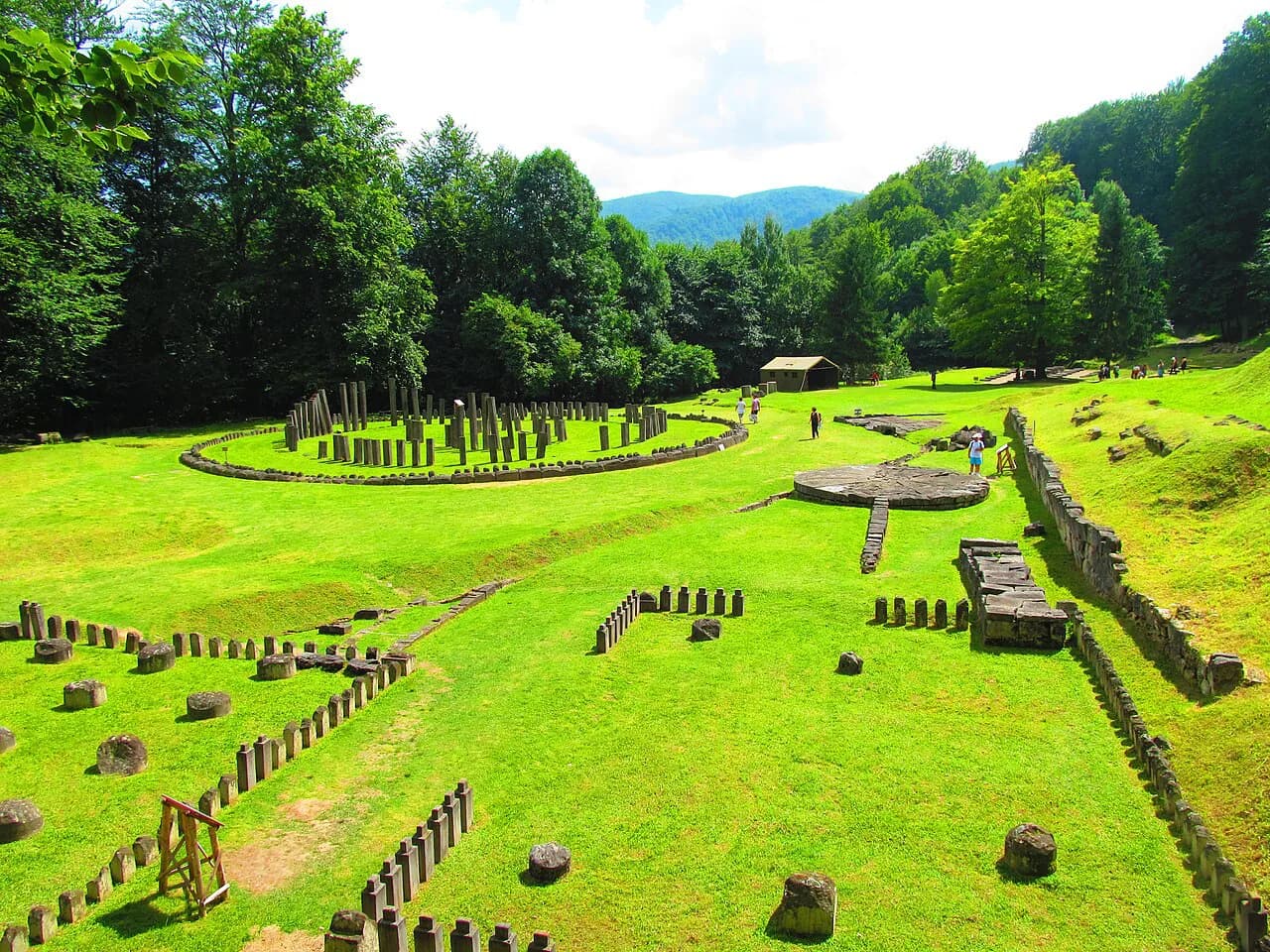
Ulpia Traiana Sarmizegetusa is a Roman archaeological site in Țara Hațegului, in Hunedoara County, where the capital of Roman Dacia was founded after Trajan's Dacian wars. The fenced field holds the amphitheatre, parts of the forum and temple fragments, while the museum across the street displays finds the ruins no longer show.
This guide explains what survives, how the site is laid out, where the museum is and how to reach the ruins from Hațeg or Deva. It also separates this Roman town from the Dacian fortress of Sarmizegetusa Regia, a different site about 40 km away, because mixing the two is the most common mistake on this stretch of a Transylvania history trip.
What Ulpia Traiana Sarmizegetusa is
The Roman colony was established after the Dacian wars of 101–102 and 105–106 AD, when Trajan's empire took control of Dacia. Its name honours the emperor and deliberately echoes the earlier Dacian capital, Sarmizegetusa Regia, which lies about 40 km away and is a separate UNESCO-listed site.
The city held the privileged status of colonia and later received the ius italicum, which brought a degree of autonomy and tax exemptions. It sat on the imperial road linking the legions south of the Danube with the northern province, passing Apulum, Potaissa and Napoca on the way to Porolissum.
At its peak the town housed roughly 20,000 to 30,000 people, making it a medium-sized city by Roman imperial standards. Veterans of the Dacian wars were among the first settlers, and the town remained inhabited until around the 5th century.
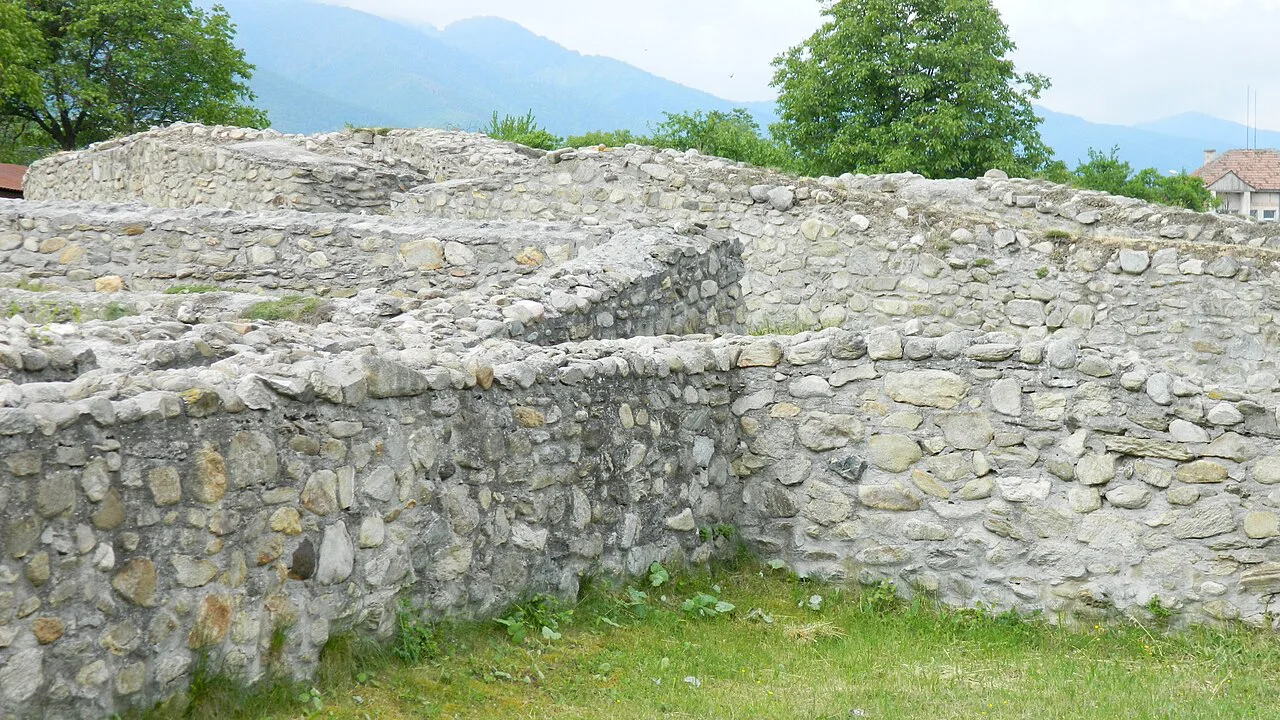
Where it sits in Țara Hațegului
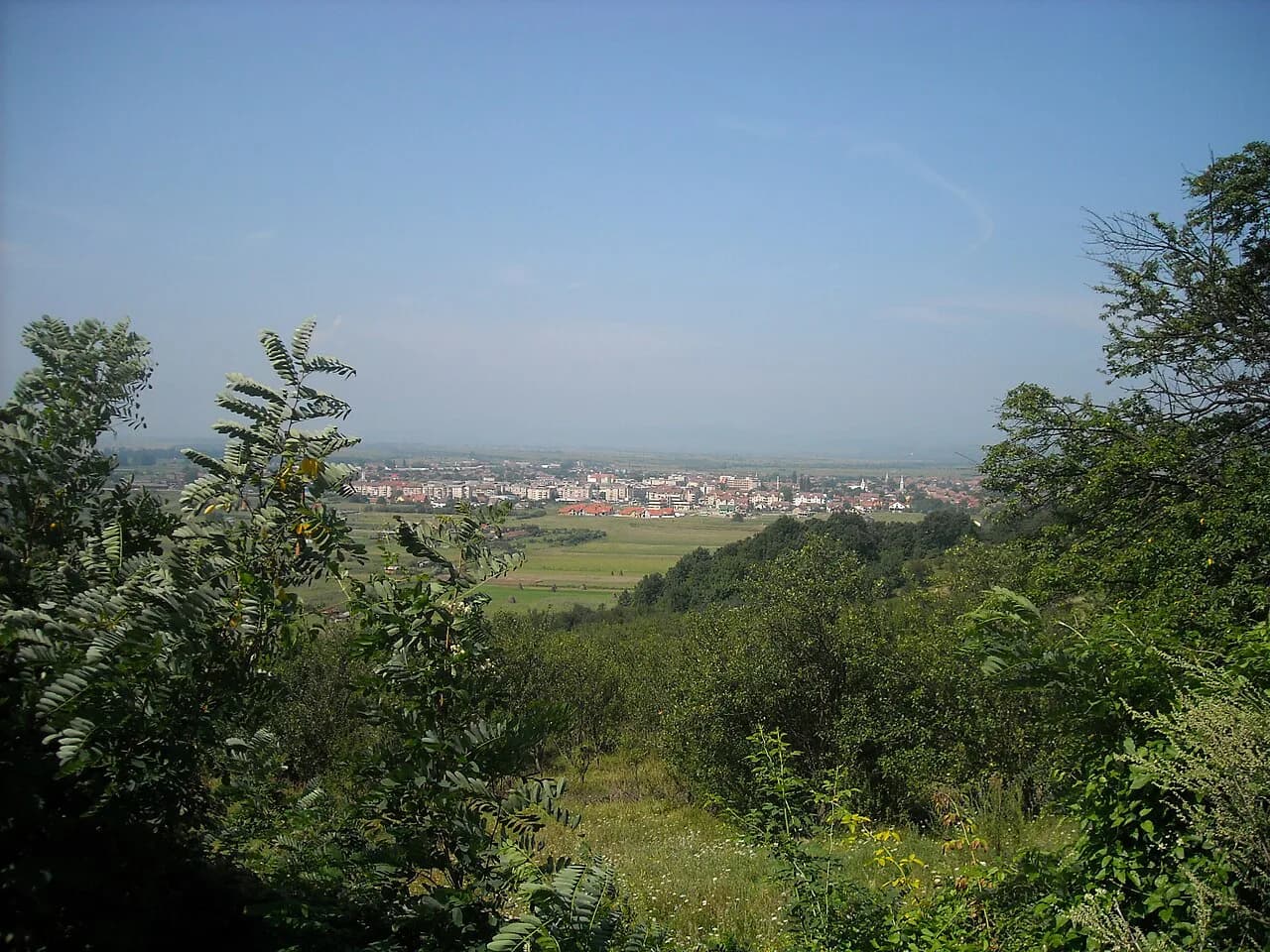
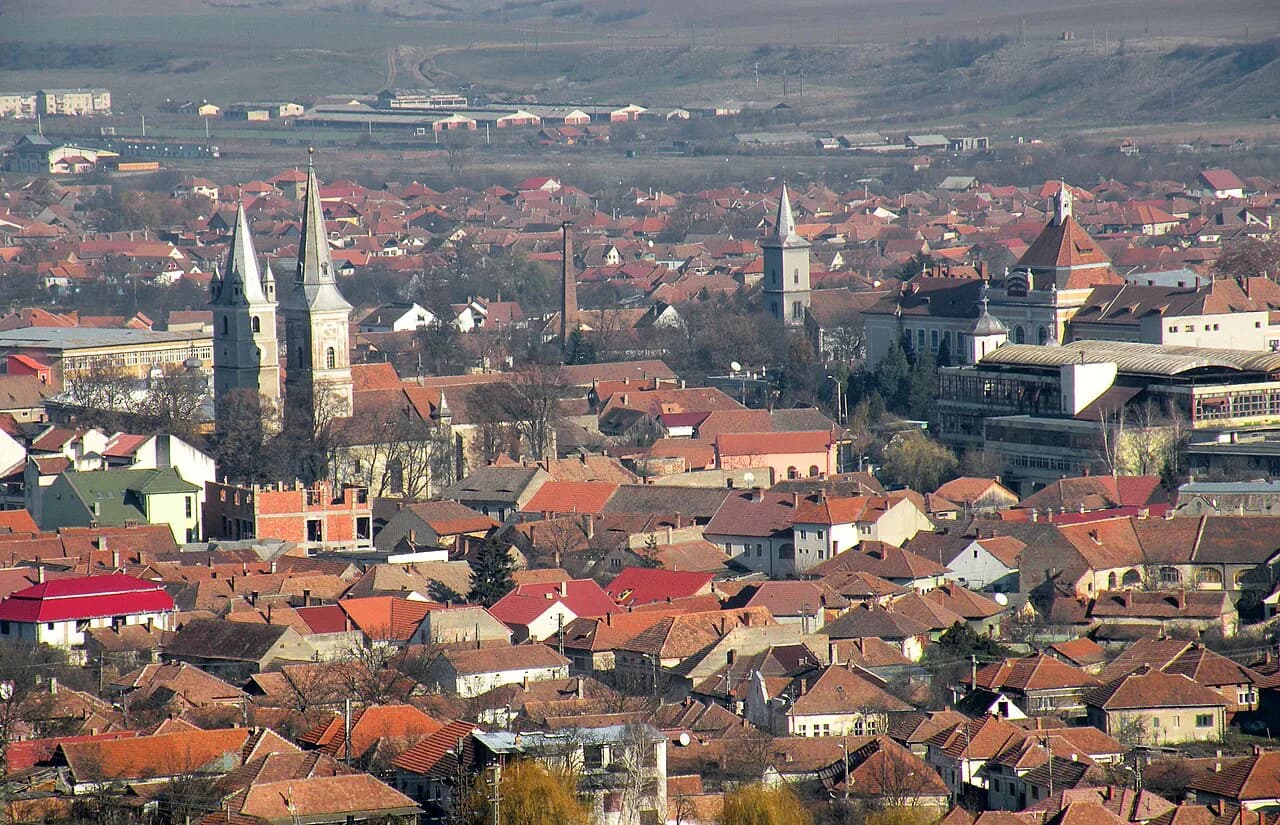
The ruins lie beside the modern village of Sarmizegetusa, in Hunedoara County, with Deva as the closest city and Hațeg the nearest small town. Access is from the DN68, the road between Hațeg and Caransebeș, which runs past the site.
The setting is open country below the Retezat mountains, close to the Iron Gates of Transylvania, the narrow pass that links this basin with the north. If you are basing yourself in the area, Hațeg is the practical hub for the ruins and the surrounding villages.
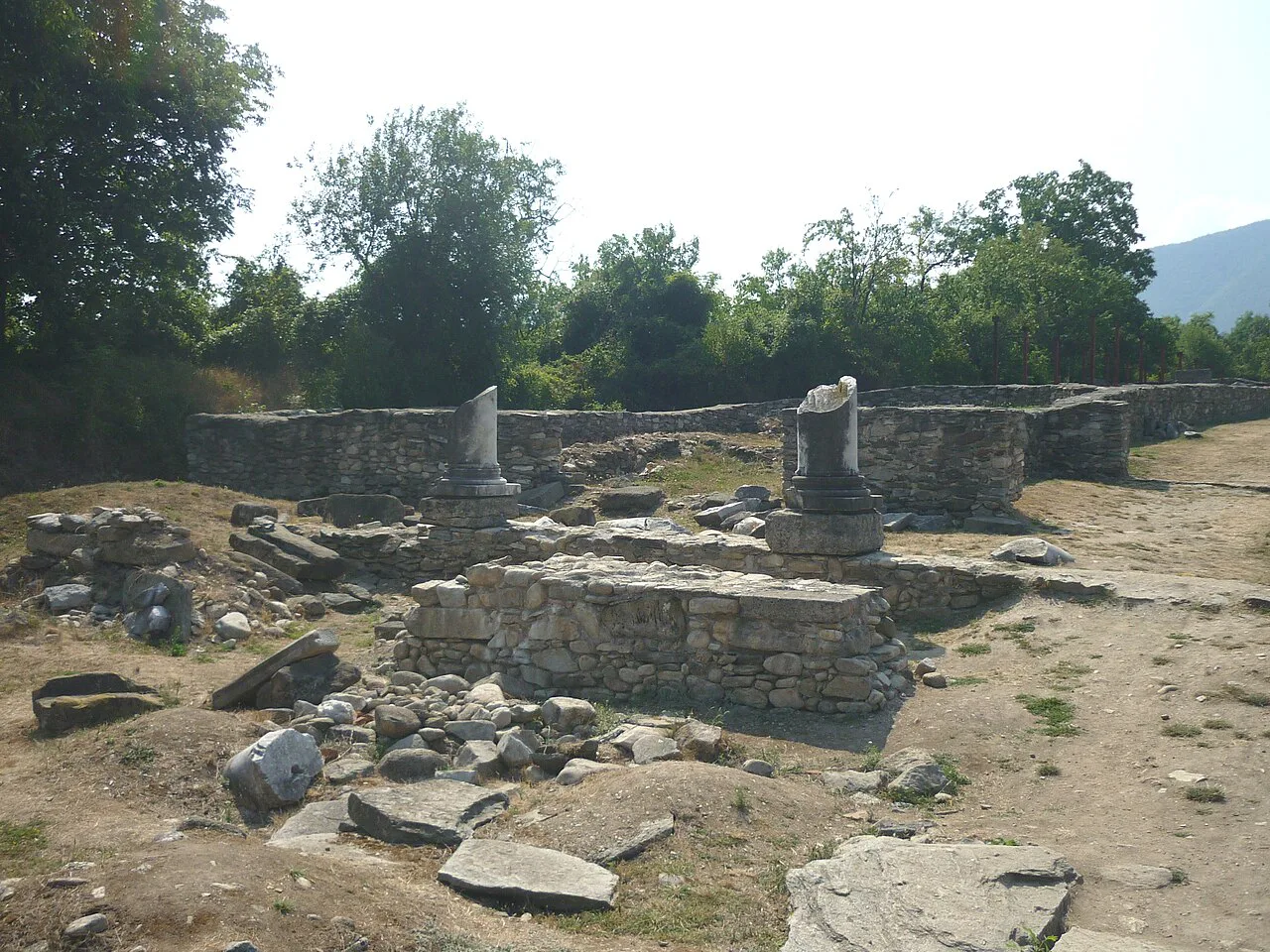
What survives to see: amphitheatre, forum and temples
The amphitheatre, built for about 5,000 spectators, is the structure most often singled out on the site, with its curved seating and arena outline still readable in the grass. Parts of the forum and fragments of temples to various gods are also preserved.
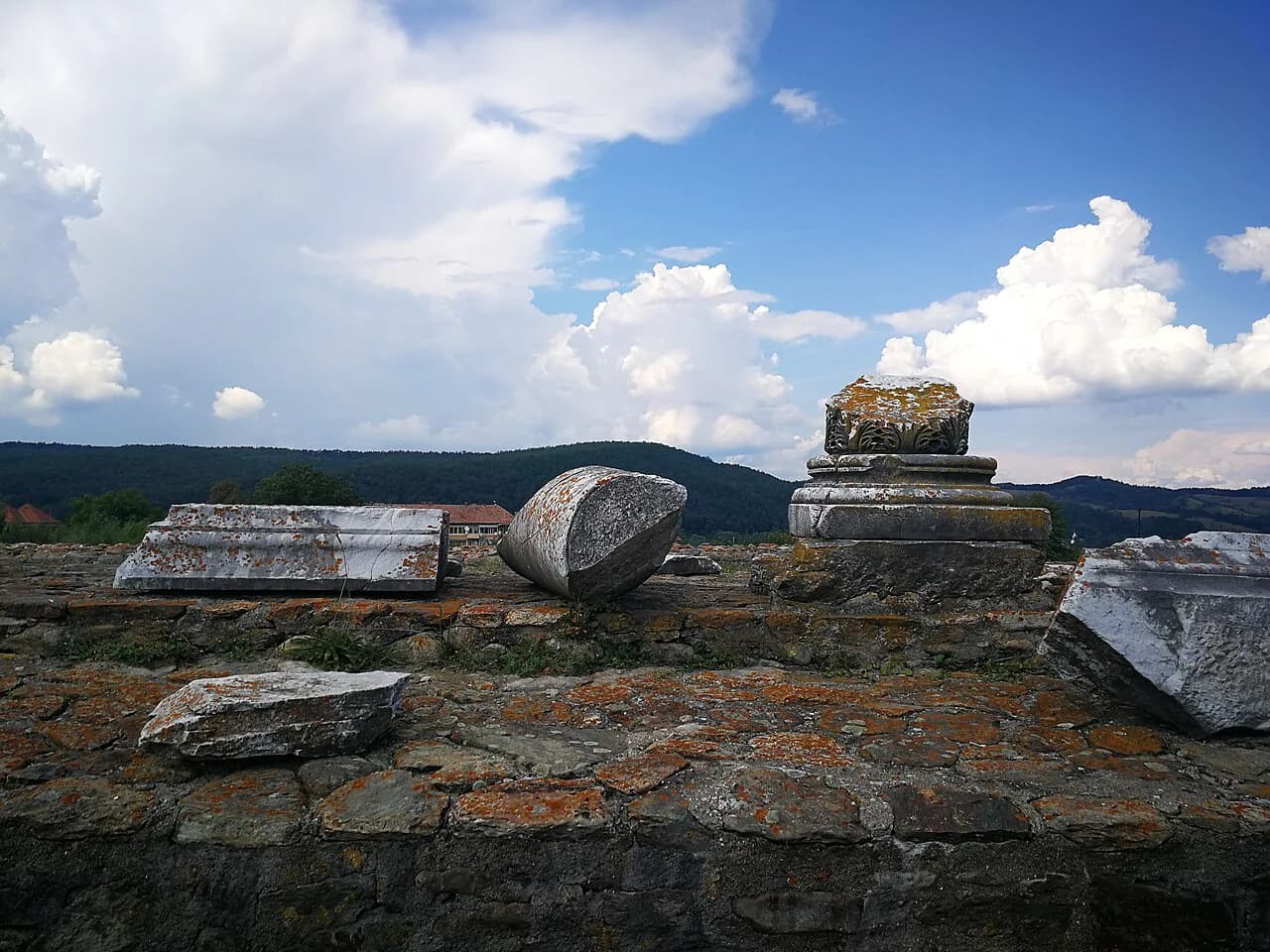
Archaeological work has identified temples to the Syrian gods, to Mithras, and to Malagbel, Aesculap and Hygia, though what you see above ground is mostly foundations and low walls. Read up before you go, because much of what the site once held is now in the museum rather than in the field.
The museum across the street
The museum opposite the ruins holds the sculpted stone, inscriptions and small finds that the field cannot display, including a child's footprint marked on a brick. It is the place to make sense of the temples and the forum before or after walking the site.
Opening hours and ticket prices for the ruins and the museum are not published in the sources used here. For the visiting schedule, check the Dacian and Roman Civilization Museum in Deva, which the site guide points you to, before you travel.
The scale of the site and walking time
Inside the walls the Roman town covered about 33 hectares, and outside them it spread over another 60 to 80 hectares with houses, public buildings and tombs. The walled area is the part you walk today, and even that takes a good hour at an unhurried pace.
Allow two to three hours for the ruins plus the museum, and wear shoes that cope with grass and uneven stone. There is no need to plan a full day here; the site suits a half-day combined with one or two of the nearby churches.
The Palace of the Financial Prosecutor and underfloor heating
Partially excavated, the Palace of the Financial Prosecutor of the Dacia Apulensis province, known as the Domus Procuratoris, can still be seen on the site. Buildings with hypocaust systems, the underfloor heating that kept Roman interiors warm, were also found outside the gates, along with brick kilns and a glass workshop.
These are subtle remains: look for the raised floors and channels rather than expecting standing walls. The museum's finds and inscriptions fill in what the ground does not show.
How to get there
By car, approach from Hațeg on the DN68 towards Caransebeș, or from Deva via Hațeg; the ruins are beside the village of Sarmizegetusa. Driving gives you the flexibility to pair the site with the surrounding villages and the Corvin Castle at Hunedoara.
Public transport is thin, and any bus on the Hațeg–Caransebeș route that may stop near the village is best checked locally on arrival. A taxi from Hațeg is a practical fallback if you are without a car.
Nearby Roman and Dacian remains worth pairing
Sarmizegetusa Regia, the Dacian fortress in the Orăștie mountains, is about 40 km away and makes the obvious second stop for anyone following the Roman conquest. The drive is mountainous and the fortress is a separate ticket and a separate day if you want to do it justice.
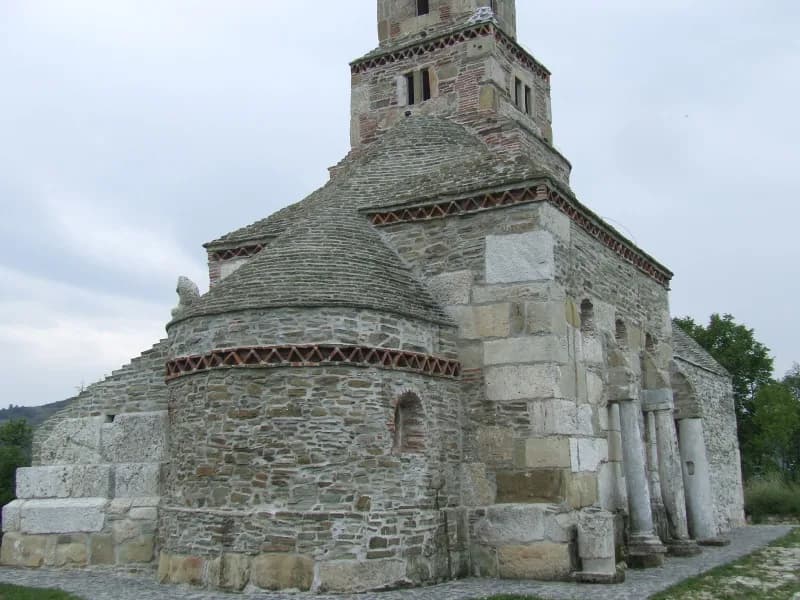
Closer at hand, the churches of Densuș, Ostrov, Sântămărie Orlea, Peșteana and Hățăgel were built with stone and carved pieces taken from the Roman town. Seeing Roman columns and inscriptions set into a village church is the most tangible link between the colony and the medieval landscape.
Managing expectations
Only about 5% of the ancient city has been excavated, and much of the rest lies under fields and the modern village, where Roman stones turn up in gardens and courtyards. What you see is a fragment of a much larger town, so judge the visit for the archaeology and the museum rather than for monumental ruins.
The village that now stands here, the modern Sarmizegetusa, has only around 2,000 residents, and it sits directly over the old Roman town, which is why Roman remains turn up in gardens and courtyards rather than being confined to a single monument.
Is the Roman capital worth the detour?
Yes, if you are already in Țara Hațegului for the churches, the Dacian fortresses or the Corvin Castle, and you want a quiet, informative hour or two in a Roman provincial capital. It is not a substitute for Sarmizegetusa Regia, but the two together tell the story of the conquest from both sides.
Check the museum's programme for the day you plan to visit, fill the car with fuel in Hațeg or Deva, and allow time for at least one of the Roman-stone churches on the way back.
Explore more Hunedoara guides
Frequently Asked Questions
How much time do you need at Ulpia Traiana Sarmizegetusa?
Plan a couple of hours for the ruins and the museum across the street. The walled area is about 33 hectares and takes a good hour at an easy pace; the museum adds context that the low walls do not.
Is the site wheelchair accessible?
The ruins are in grass and on uneven ground. Ask the museum in Deva before you travel if step-free access matters to you, as the sources used here do not describe accessibility.
Is there parking at the ruins?
The village of Sarmizegetusa is small and the site is beside the DN68, so expect to park on the street or in an informal space near the entrance. Check locally on arrival.
Is there a ticket price for the ruins and the museum?
Ticket prices are not published in the sources used here. Check with the Dacian and Roman Civilization Museum in Deva, and carry lei in case card payment is not available at the gate.
Sources
Useful notes for your next trip
Optional updates to our guides.
You might also like
Continue reading
More guides you'll find useful