Șchei, Brașov: the Romanian quarter beyond the walls
Șchei is Brașov's historic Romanian quarter outside the Saxon citadel. Here is what to see, how it differs from the walled town and how long it needs.
On this page
Șchei is worth a half-day on foot: it is Brașov's historic Romanian quarter, grown outside the Saxon citadel on the city's south-western side, and it holds St Nicholas Church, the courtyard where a Romanian school was founded in 1495, Holy Trinity Church and Piața Unirii. This guide explains how the quarter relates to the walled town, what to see there and how to plan the walk up from the centre.
Treat it as a separate walk rather than an extension of the old town. The lanes climb away from the fortifications, the landmarks sit within a compact area around the church and the square, and the reward is a quarter with its own community, church and traditions instead of another stretch of Saxon streets.
What Șchei is and why it grew outside the walls
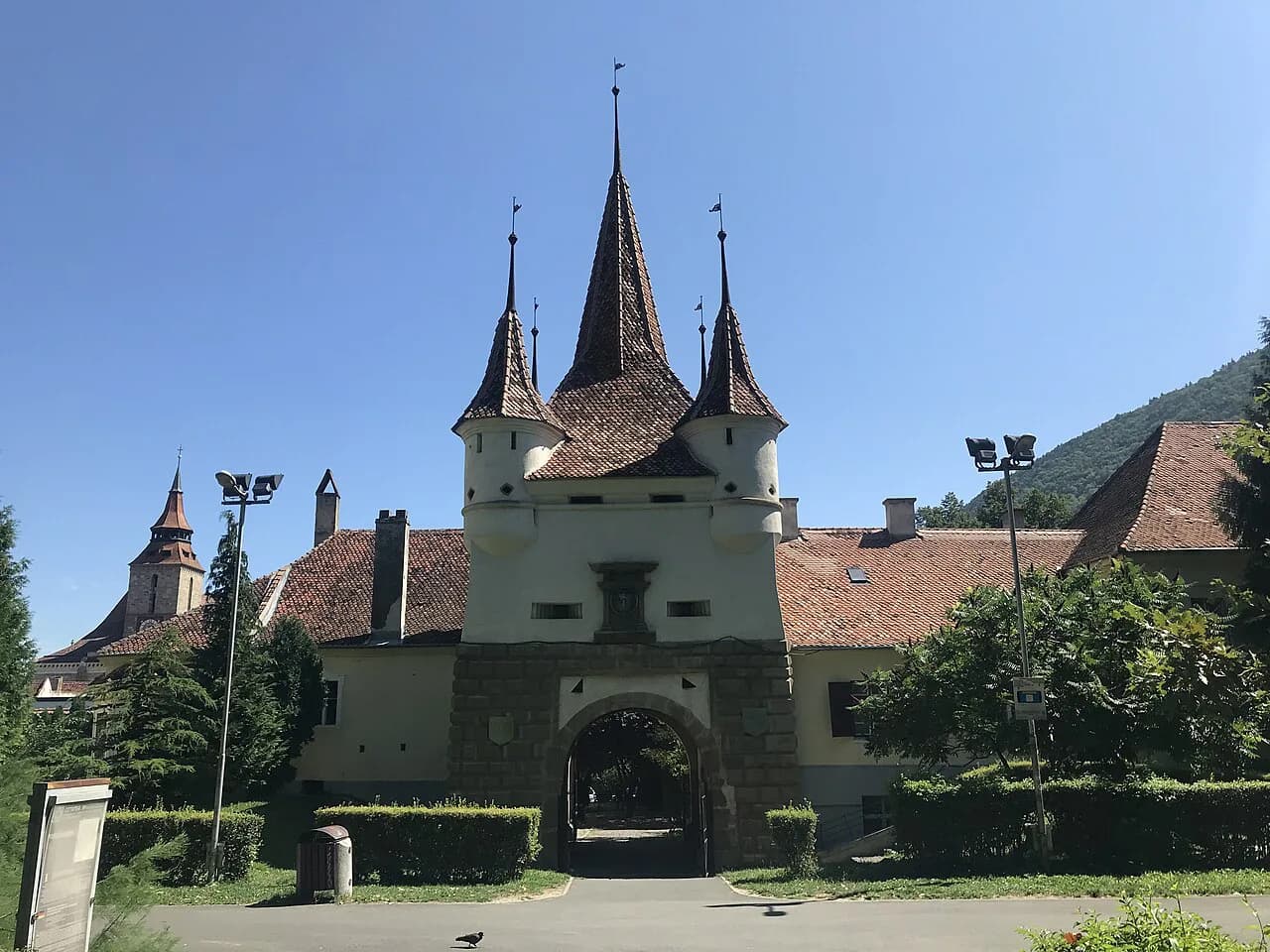
Șchei is the south-western district of Brașov where Romanian residents settled during the Saxon rule of the city, at a time when they were forbidden to own property inside the citadel. The quarter therefore grew as a settlement beyond the fortifications rather than within them, which is the single fact that explains its shape, its churches and its separate identity.
Brașov's oldest quarters are Șchei and Poiana Brașov, with the communist-era districts such as Steagu Roșu (now Astra) and Tractorul following much later. That places Șchei among the historic neighbourhoods rather than the twentieth-century housing estates, and it is described today as the city's historic quarter and a visitor destination in its own right.
Where Șchei sits in Brașov
The quarter lies to the south-west of the walled centre, so the natural approach is on foot from the old town, heading uphill towards St Nicholas Church and Piața Unirii. Walking up is the simplest way to understand the relationship between the two: the compact, fortified centre below and the looser, climbing streets of Șchei above it.
Plot the route before you set out so you do not simply retrace your steps. A Brasov map makes the climb and the return leg easier to judge, and it helps to see how Șchei connects back to the centre before you commit to an afternoon there.
How Șchei differs from the walled town
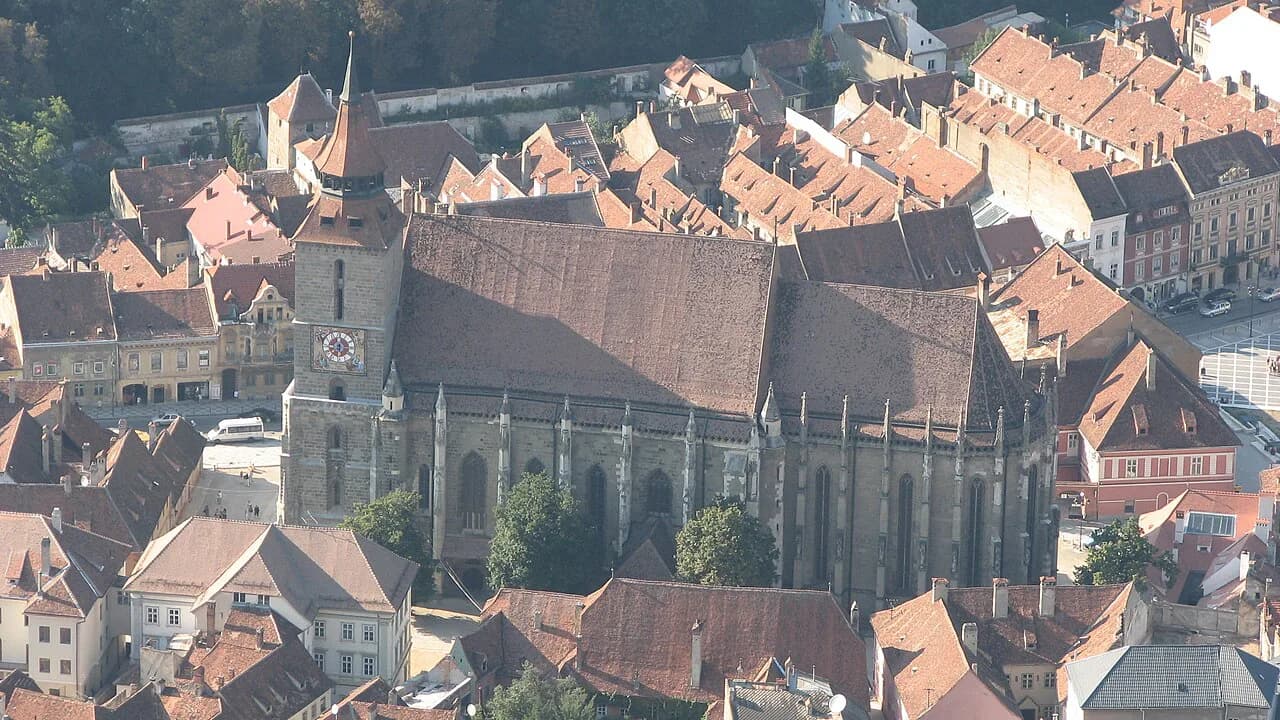
The old town is the Saxon citadel: compact, walled and organised around its squares and the Black Church (Biserica Neagră). Șchei sits outside those fortifications and was built by a Romanian community that could not hold property within them, so it reads as a different kind of place, with its own parish church and its own square rather than the burghers' grid.
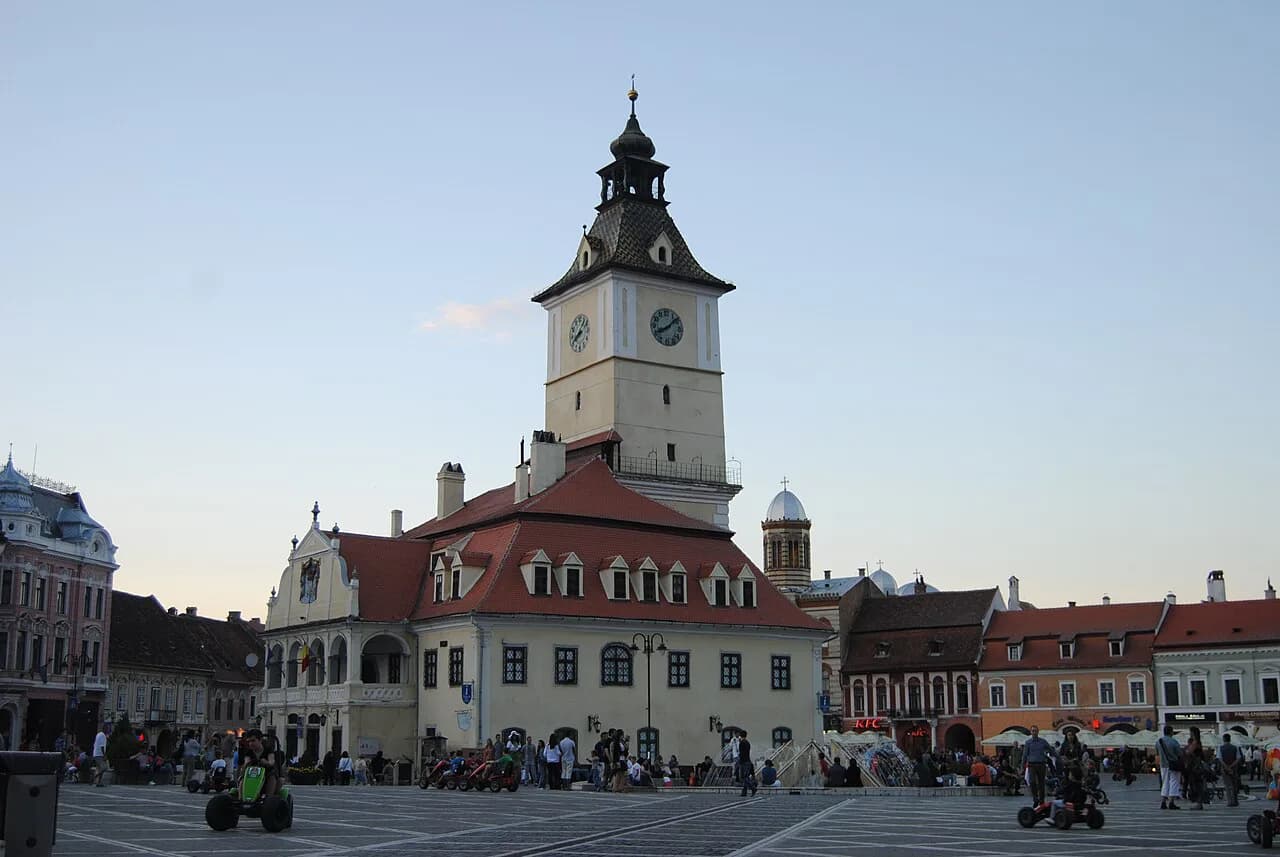
That difference is the reason to visit both on separate walks. Brașov old town rewards time in Piața Sfatului and the surrounding streets, while Șchei rewards a slower pass through its lanes and churchyard; doing them back to back in one push blurs the contrast that makes the quarter interesting.
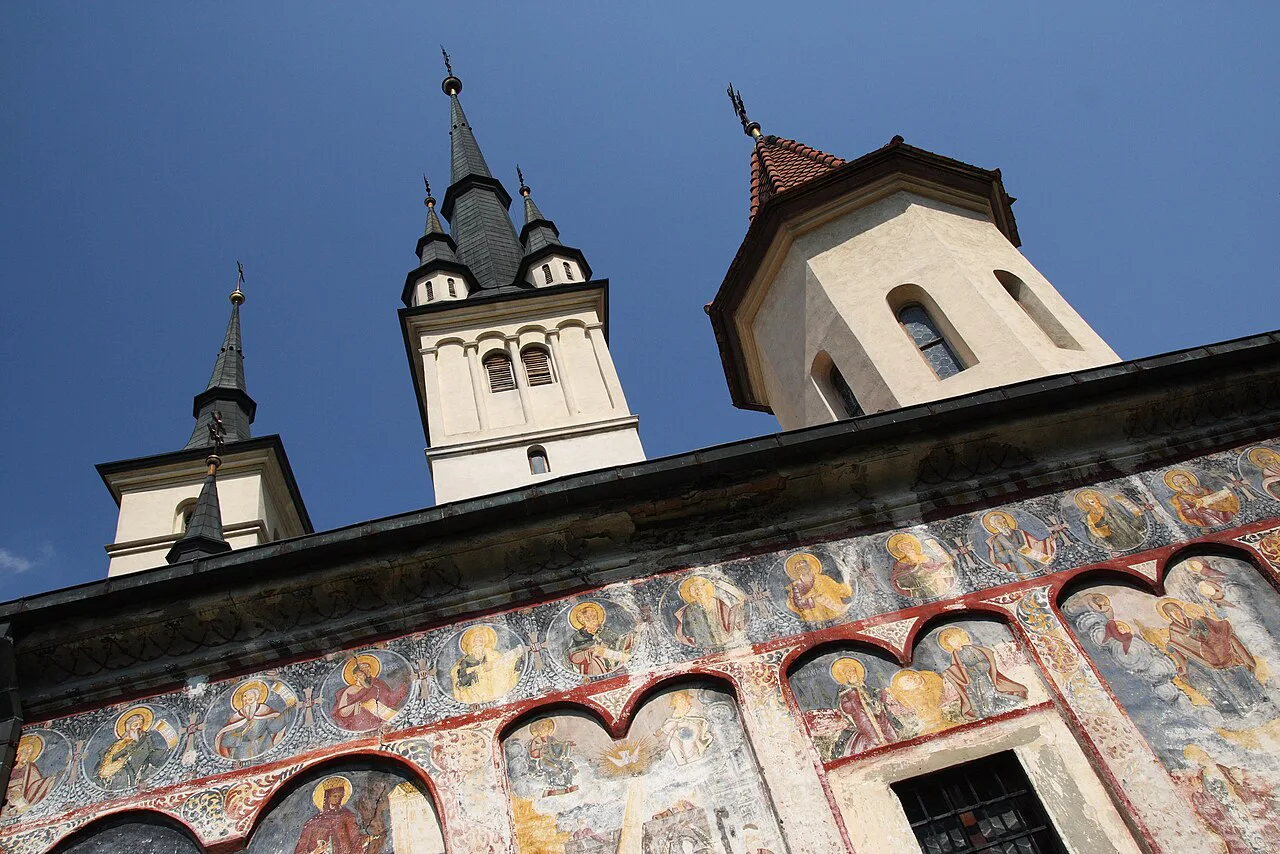
Churches carry much of the quarter's character, and the two here are the ones to seek out. If religious architecture is a theme of your trip, it is worth comparing what you see in Șchei with the Saxon churches of the centre on a dedicated round of Brasov churches.
Biserica Sfântul Nicolae and the first Romanian school
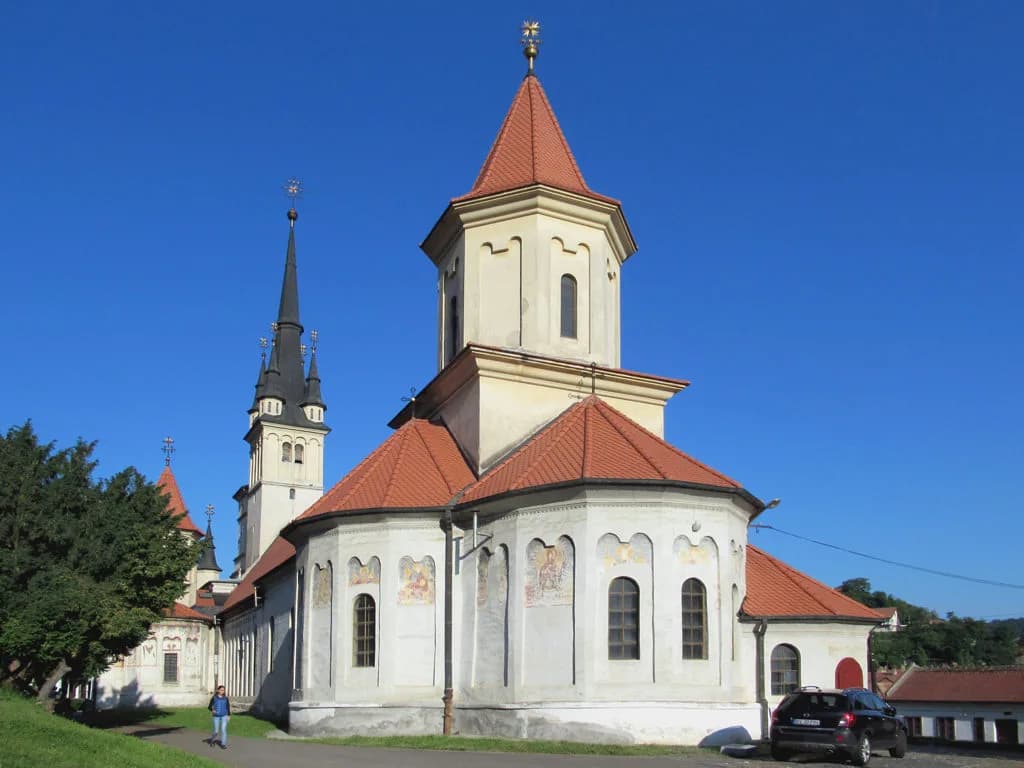
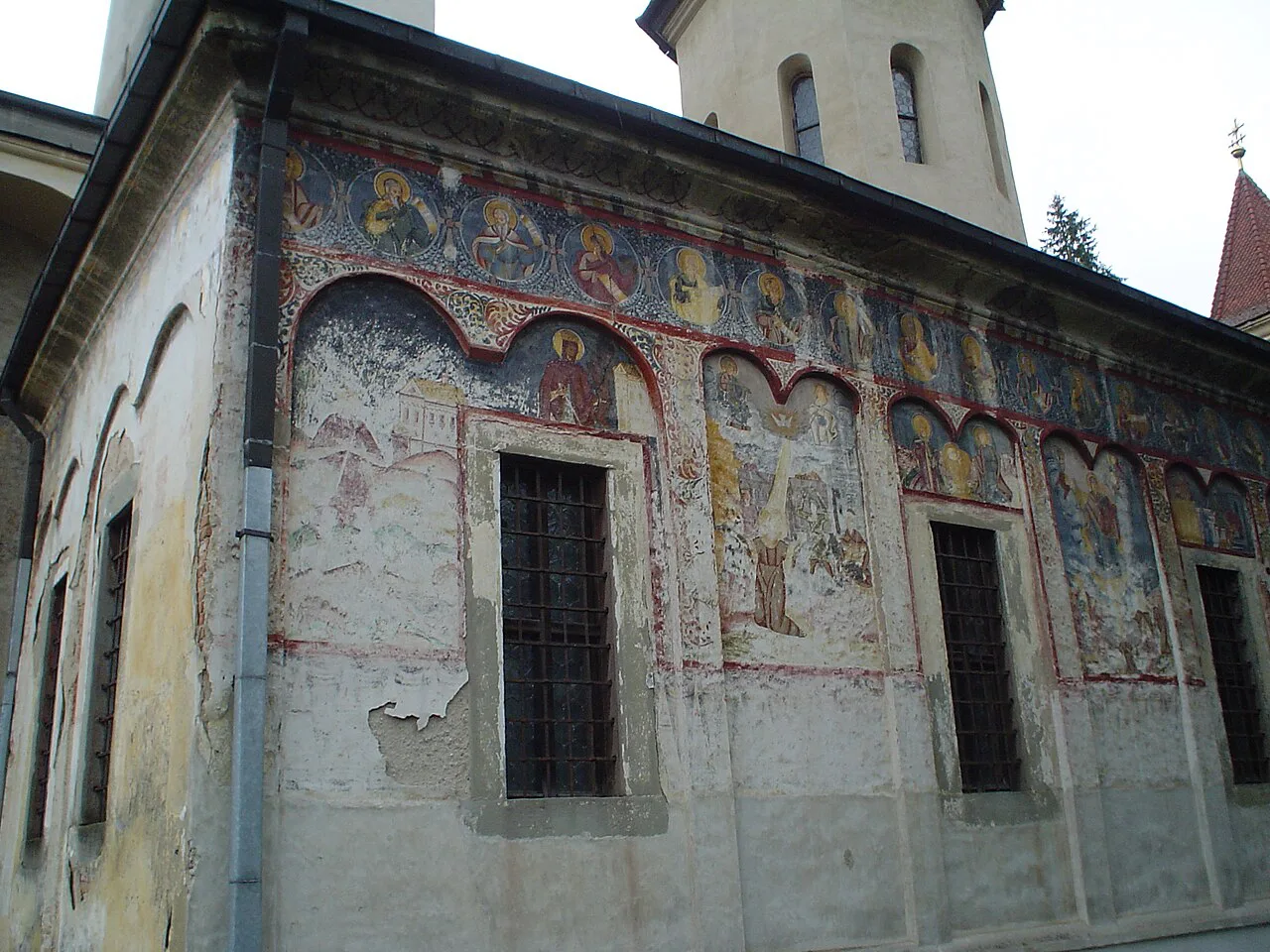
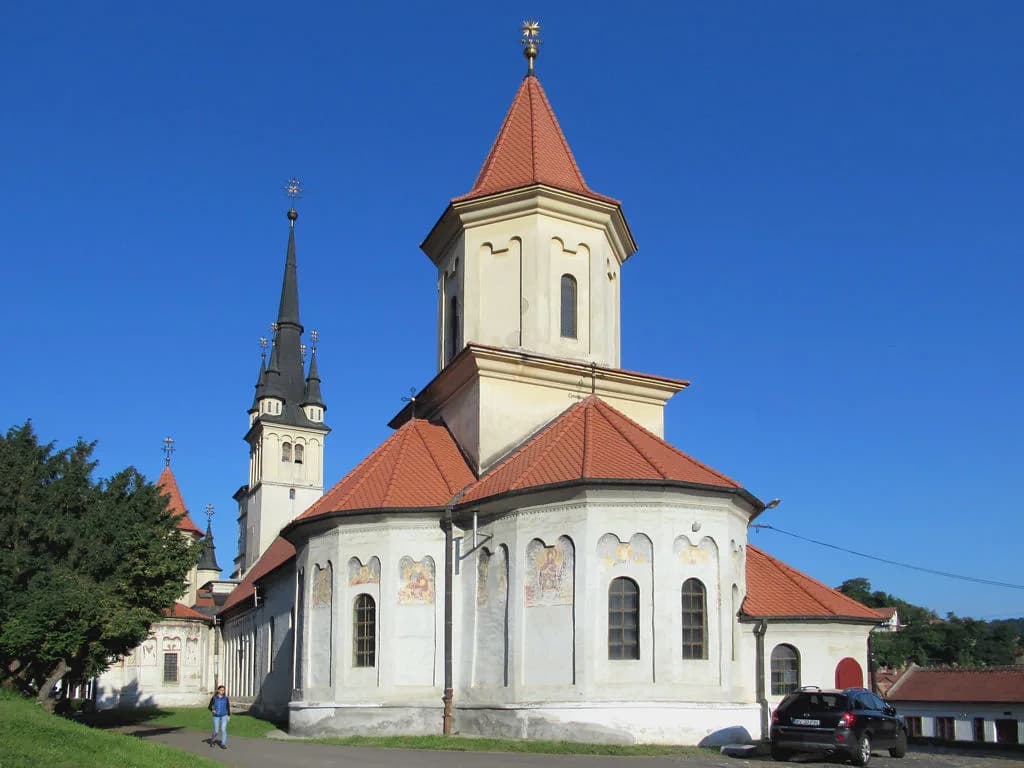
St Nicholas Church (Biserica Sfântul Nicolae) is the anchor of Șchei, and the first Romanian school was founded in its courtyard in 1495. The church and that courtyard are the reason to make the climb, and they make the quarter a place to linger rather than a street to pass through.
Plan for the visit as a site to look at from the outside as well as in, since the churchyard and the school building are part of the story. Opening times, entry arrangements for the school museum and any service schedule change, so check them with the Biserica Sfântul Nicolae or the museum before you go rather than assuming a fixed pattern.
If you want a wider choice of museums for the same day, keep your options open and check which Brasov museum is open on your dates before building the afternoon around it.
Piața Unirii and Biserica Sfânta Treime
Piața Unirii and Holy Trinity Church (Biserica Sfânta Treime) are the quarter's other landmarks alongside St Nicholas. Together with the church and its school courtyard, they form the compact set of sights that justifies the walk up from the centre.
Use Piața Unirii as a natural pause between the two churches rather than rushing from one to the other. It is a square in a residential quarter, so the pleasure is in the ordinary life around it as much as in the buildings themselves.
The Junii tradition
The Junii tradition is linked to Șchei, the quarter where the legend of the Junii took shape, a custom that is today unique to the city.
If you are in Brașov when the Junii celebrations take place, expect the quarter to be busy and the atmosphere to shift from quiet lanes to crowds. Check the current year's arrangements with the local tourist office before planning a visit around them, as the details are set locally each year.
Walking the lanes: how much time to give Șchei
Give Șchei half a day on foot, including the climb, the two churches, Piața Unirii and a wander through the lanes. That is enough to see the landmarks without turning the visit into a route march, and it leaves the rest of the day free for the walled centre.
Pair it with the old town rather than with a day trip: a morning in the citadel and an afternoon in Șchei makes a coherent day, with the climb acting as the natural break between the two. A guided Brasov walking tour can cover the centre's squares efficiently if you would rather save your own legs for the uphill stretch.
For a wider plan across several days, fit Șchei into a Brasov itinerary as an afternoon rather than a headline sight, and keep the morning for the centre.
Getting there and back
The most straightforward approach is on foot from the centre, heading south-west and uphill towards St Nicholas Church and Piața Unirii; the climb is the main effort of the visit. Coming by car removes the walk but adds parking and one-way streets in a residential quarter, so decide before you set out which trade-off suits you.
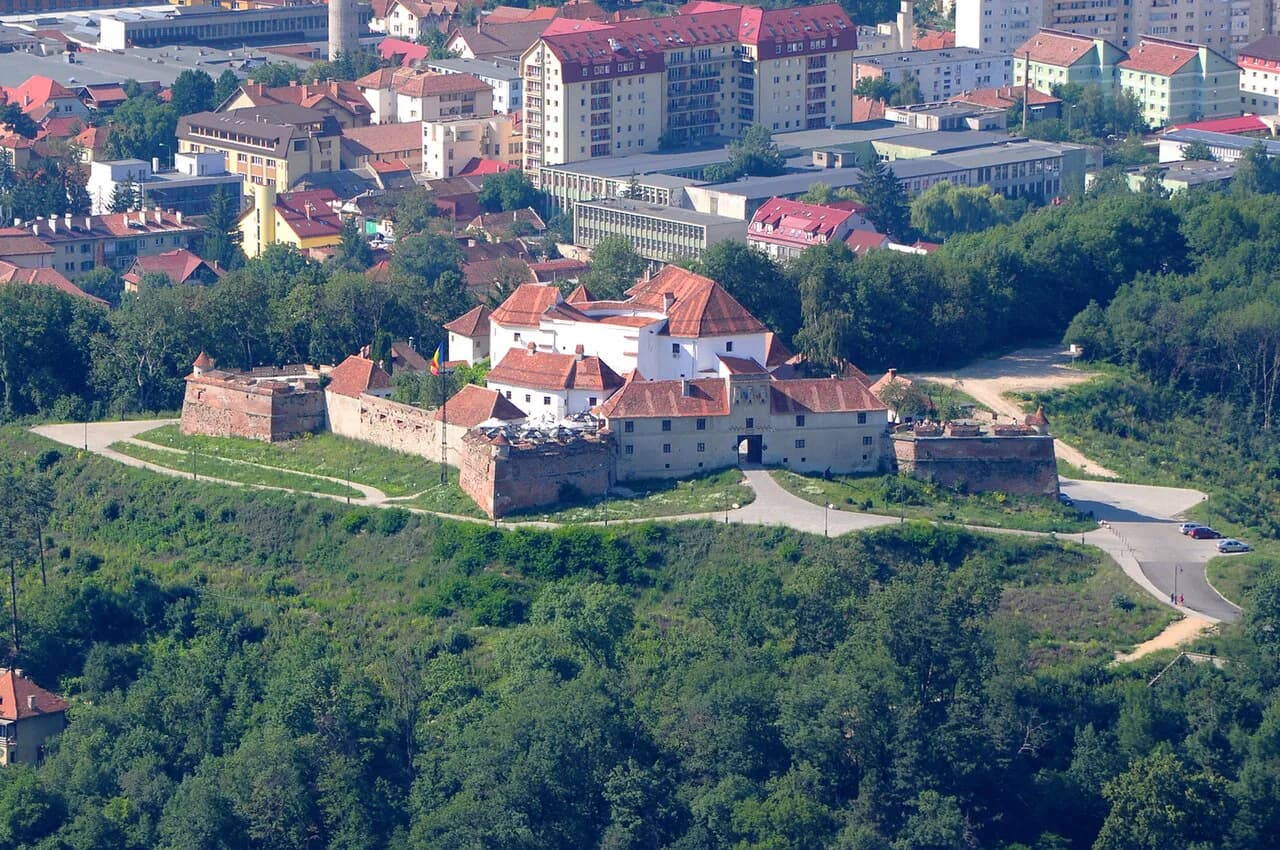
If you are covering more of the city's sights on the same day, the Brașov Citadel (Cetățuia) on Straja Hill is a separate viewpoint and fortification rather than part of Șchei, so treat it as another stop rather than a continuation of the same walk.
Who should add Șchei to a Brașov trip
Add Șchei if you have at least a full day in Brașov and want to see how the city worked outside its walls: the Romanian community, its church, the 1495 school courtyard and the Junii tradition give the quarter a distinct story. It suits travellers who prefer a residential neighbourhood and a climb to a second pass around the same central squares.
Skip it on a tight one-night stop, when the walled centre, Piața Sfatului and the Black Church will use the time you have. It is also the wrong choice if stairs and uphill lanes are a problem, since the approach from the centre climbs steadily.
If you would rather hand the logistics to someone else, a Brasov day tour covering the city can include the quarter without you planning the route yourself.
Is Șchei worth the walk up?
Yes, if you have the time: St Nicholas Church, the courtyard where the Romanian school was founded in 1495, Holy Trinity Church and Piața Unirii together justify an afternoon, and the climb is what separates the quarter from the walled town below. Go in the morning or early afternoon so you have daylight for the lanes and the churchyard.
Build the day around two walks, the citadel first and Șchei second, and confirm current opening arrangements for the church and school before you climb.
Explore more Brasov guides
Frequently Asked Questions
Is Șchei inside the old town of Brașov?
No. Șchei lies outside the Saxon fortifications on the south-western side of Brașov, and it grew as a Romanian settlement at a time when Romanians could not own property inside the citadel. That is why it has its own church and square rather than fitting into the old town's street pattern.
How long does Șchei take to visit?
Allow half a day on foot for the climb from the centre, St Nicholas Church and its courtyard, Holy Trinity Church, Piața Unirii and a wander through the lanes. That pace leaves time for the walled town in the same day.
Do I need a car to reach Șchei?
No. Walking up from the centre is the simplest approach and the one that makes the quarter's position outside the walls clearest. A car saves the climb but brings parking and one-way streets in a residential area.
Sources
Useful notes for your next trip
Optional updates to our guides.
You might also like
Continue reading
More guides you'll find useful