Constanța History for Visitors: What You Can Still See
Constanța's history for visitors, from the Roman mosaic and Ovidiu Square to the Casino, told through the buildings and ruins you can still walk past today.
On this page
Constanța history for a visitor comes down to four layers you can see in an afternoon: the Roman city of Tomis, the Ottoman-era mosque, the interwar seafront with its Casino, and the modern port and resort around them. This guide ties each layer to a named place in the historic core, from the Roman mosaic to the Cathedral of Saints Peter and Paul, so you know what you are looking at and which sights need a ticket rather than a glance.
Most of the old core sits close to the seafront and is walkable, with the Casino and Ovidiu Square at its heart. Beyond that compact centre, Mamaia runs north along the coast as a separate resort strip rather than part of the historic town. For a wider look at the city beyond the historic streets, see the guide to Things to Do in Constanța.
Reading Constanța's layers on foot
Start with the geography. Constanța is a Black Sea port city in south-eastern Romania, roughly 225 kilometres east of Bucharest, which explains why its historic core faces the water rather than sitting inland like Brașov or Sibiu.
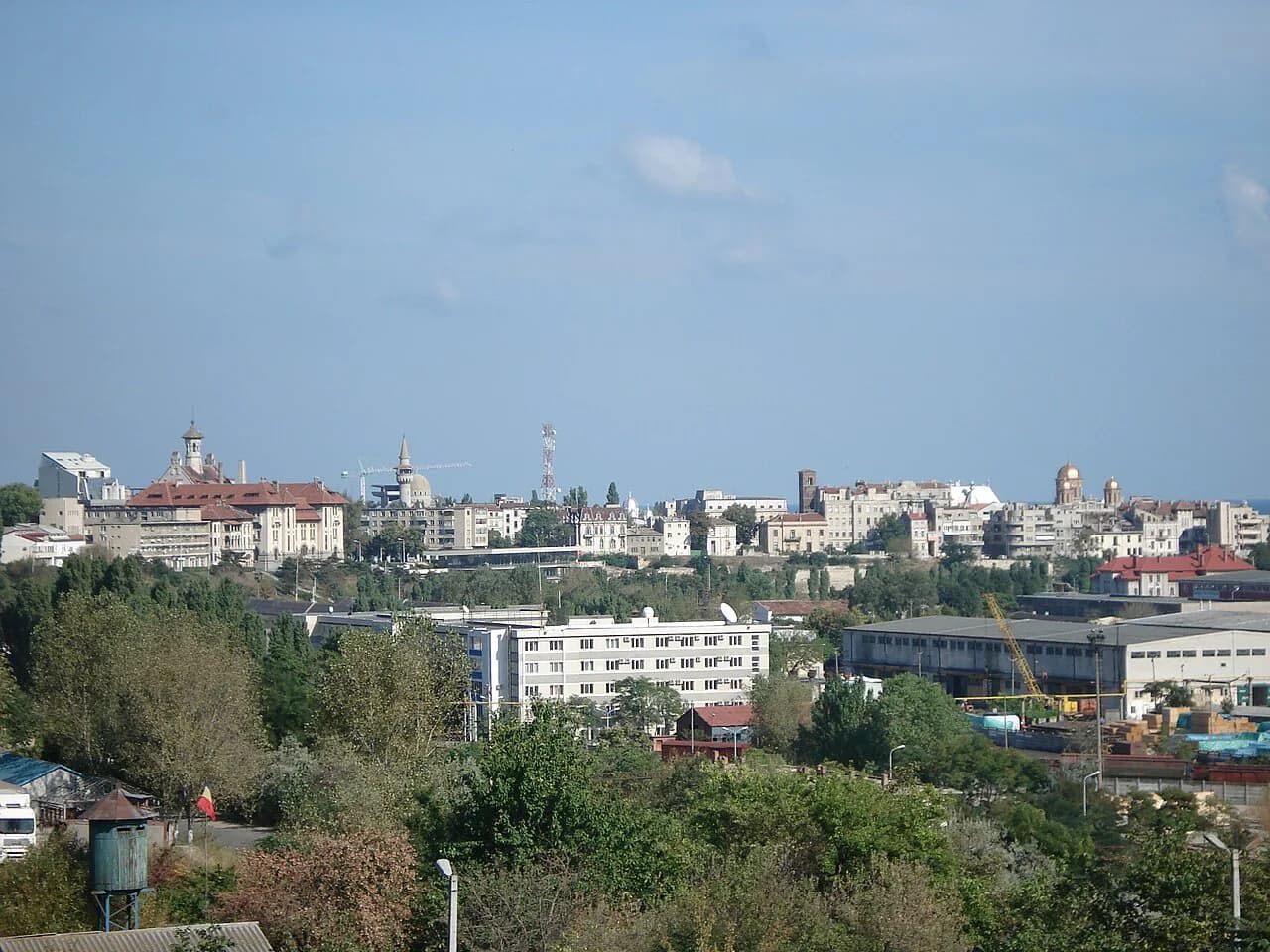
The Archaeological Park and the old town sit near the waterfront, with the Casino, Ovidiu Square and the museums within a short walk of each other. Treat that cluster as the historic core and you can see the rest of the city as a working port and resort around it.
A sensible order is ruins first, then squares, then churches, then the museums, because the open-air fragments make more sense once you have seen the chronology laid out indoors. If you want the historic core only, half a day is enough; add the museums and it becomes most of a day.
The Roman layer: the mosaic and ancient Tomis
The Roman city here was called Tomis, and the clearest surviving piece is the Roman mosaic building, known as the Edificiul Roman cu Mozaic. It is the ruin to prioritise if you only see one ancient fragment, because a floor mosaic gives you the scale and finish of the Roman town in a way that scattered stones do not.
The mosaic is in the old core, close enough to the seafront to combine with the Casino and the Archaeological Park in one loop. Plan it as a short stop of twenty to thirty minutes rather than a museum visit; entry arrangements and any lei ticket price are set by the site itself, so confirm them before you rely on a figure.
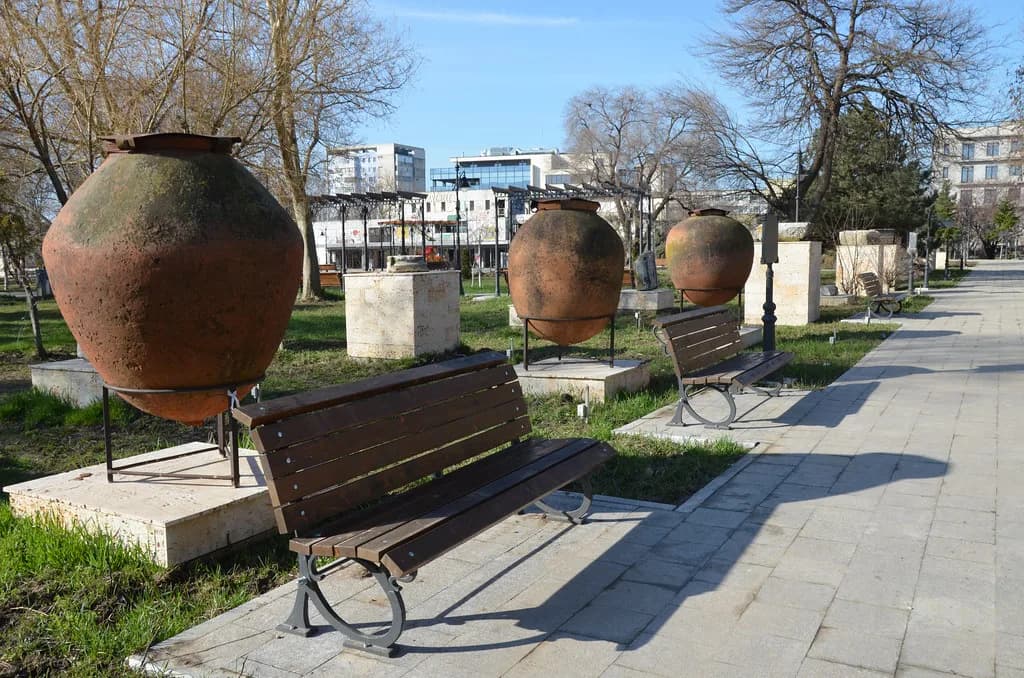
The Archaeological Park is the open-air counterpart, a green space threaded with ancient fragments near the old town. It works as a walk-through rather than a sight with a single focus, and it is a good place to slow down between the mosaic and Ovidiu Square.
Ovidiu Square: the hinge between old town and seafront
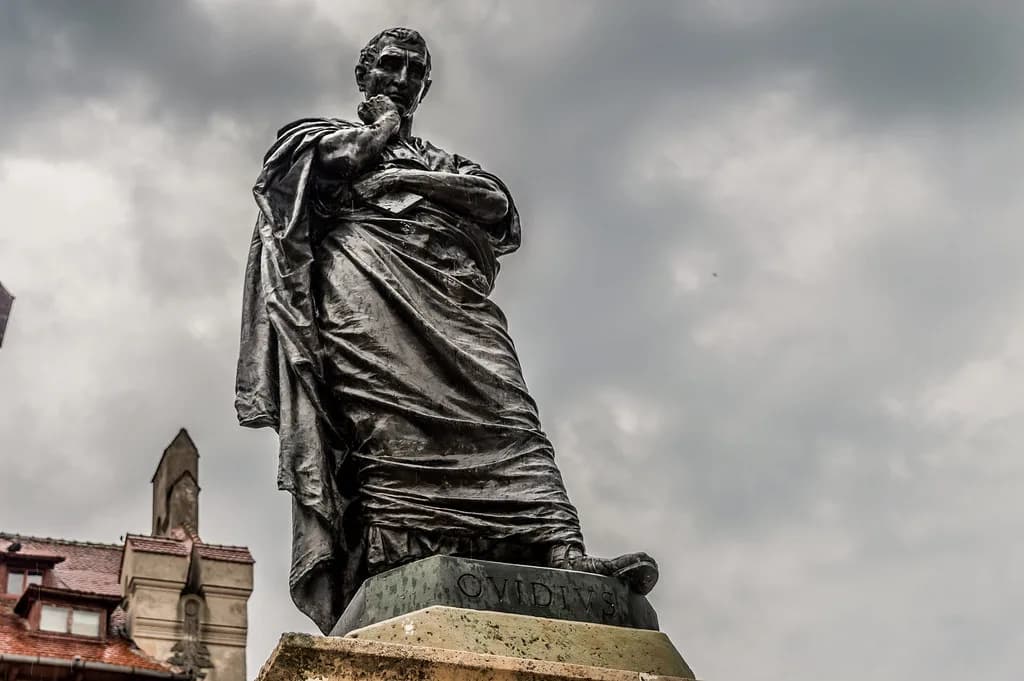
Ovidiu Square, also written as Ovid Square, is the pivot of the old core: the statue in the square, historic buildings and outdoor seating put you between the streets inland and the promenade along the water. It is the natural place to start or end a walk, because almost every other sight in the historic centre is a few minutes away.
The square is also where the city's layers visibly stack. Roman remains, later civic buildings and the seafront all meet within a short radius, which is why the historic core is easy to cover on foot rather than by car or bus.
The Casino and the seafront promenade
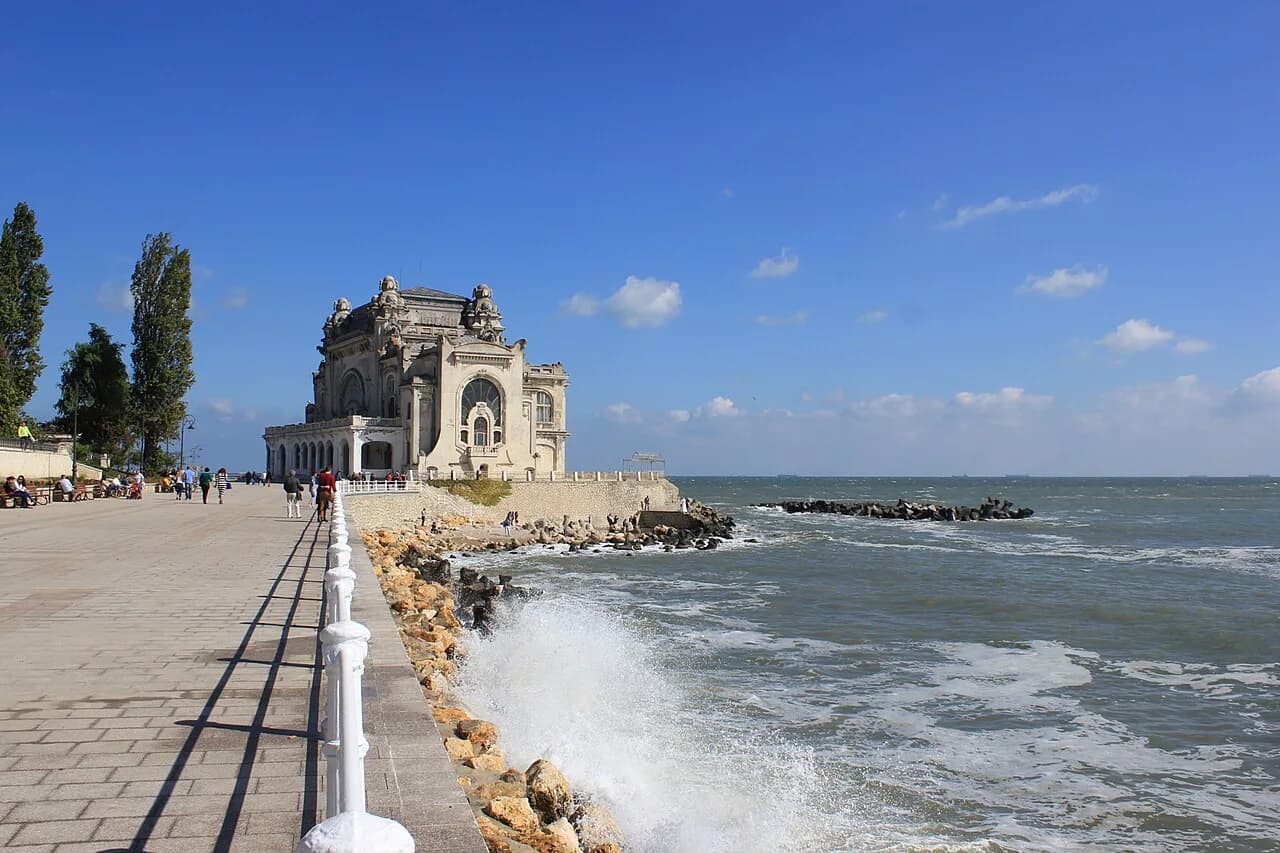
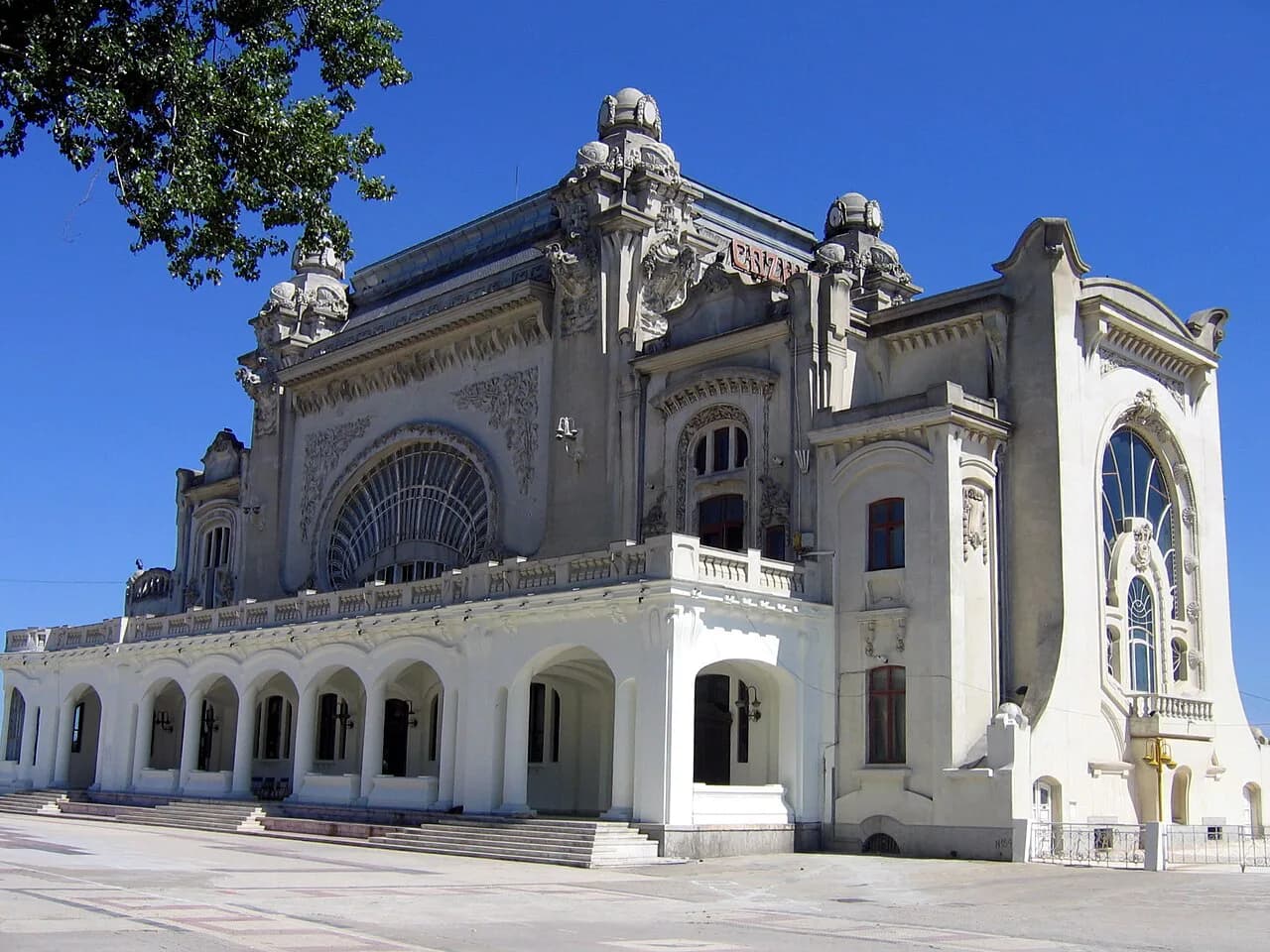
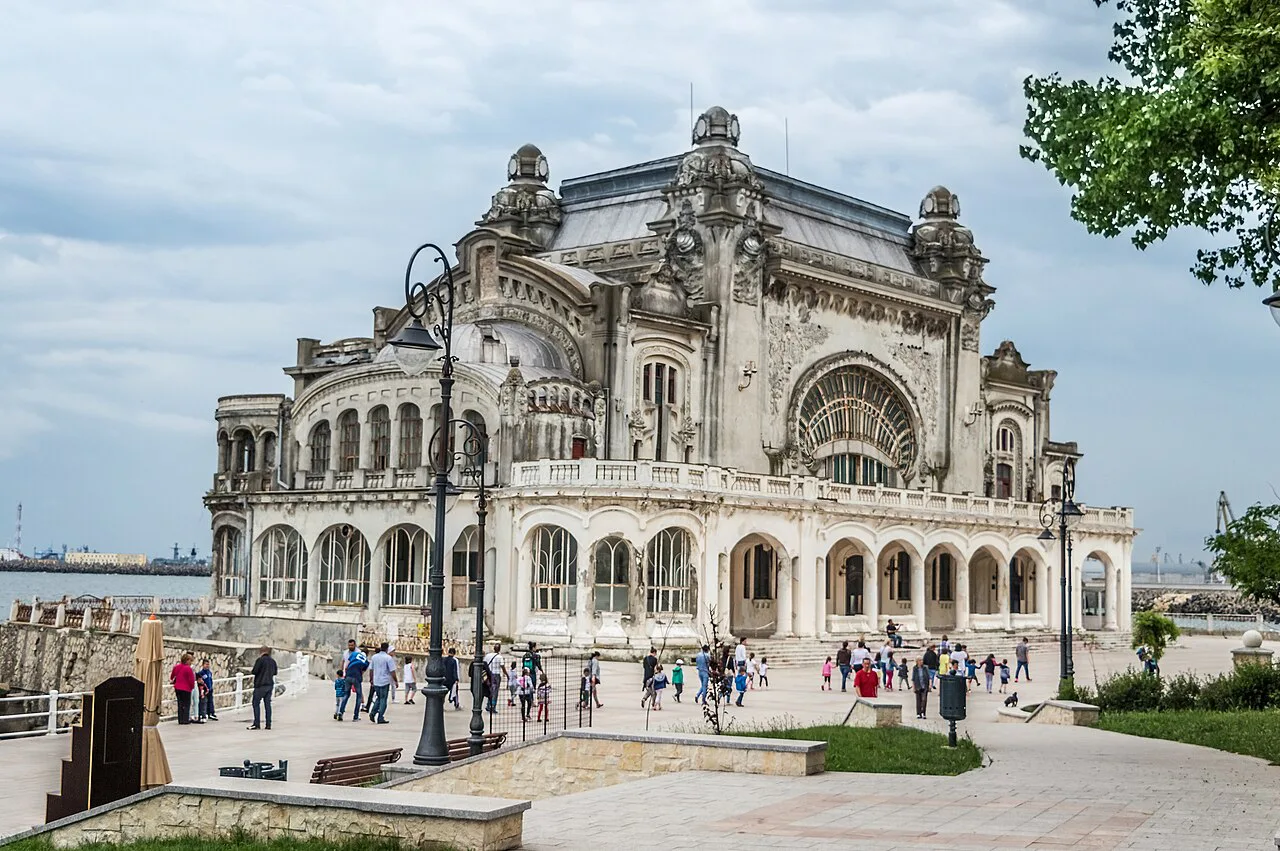
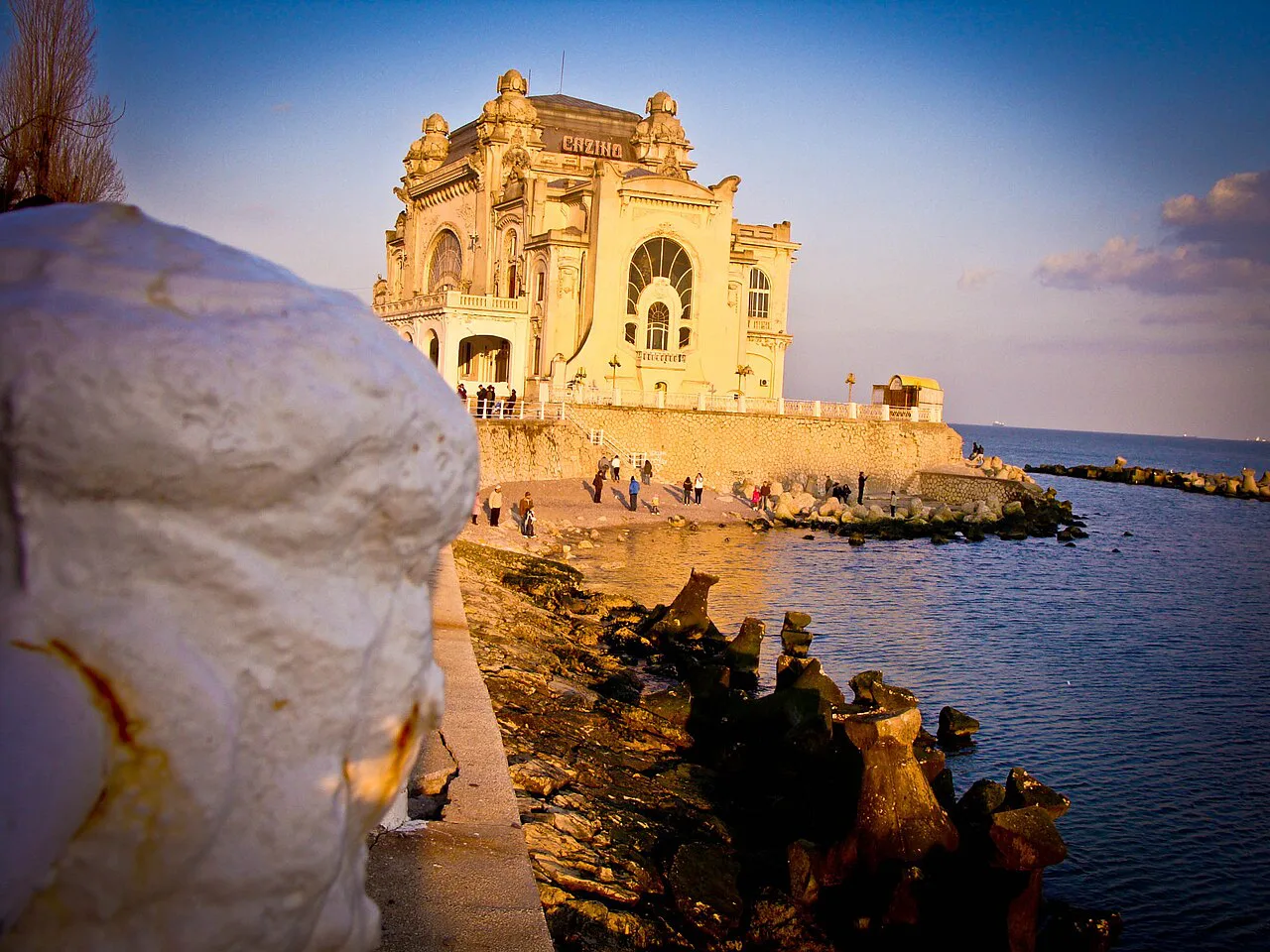
The Casino is the landmark that gives Constanța its interwar face: an ornate building on the waterfront, best seen as part of a promenade walk. Whether you can go inside is best confirmed locally before planning around it; the seafront setting is the reliable part.
Walk the promenade from the Casino towards Ovidiu Square and you pass the seam between the historic town and the working port. It is an easy, flat stretch, and the old city area around the Casino is the most comfortable part of Constanța for pedestrians.
Churches and cathedrals: the Metamorphosis Greek Church and Saints Peter and Paul
The Metamorphosis Greek Church is a small, easy-to-miss stop in the old town, and it rewards a few minutes precisely because it is not a grand set piece. Look for it while walking between the square and the seafront rather than making a separate trip.
The Cathedral of Saints Peter and Paul is the larger, more formal church in the centre, and it anchors the ecclesiastical layer of the city in the same way the Casino anchors the seafront. Both are working places of worship, so visit outside service times and keep the stop short.
The museums that hold the chronology
The Museum of National History and Archaeology is where the timeline becomes legible: finds from the Greek, Roman and later periods are displayed together, so it is the best single indoor stop if you want the story rather than the fragments. Give it an hour or more, and go before or after the open-air ruins rather than instead of them.
The Museum of Romanian Navy covers the maritime side of the same story and suits anyone interested in how the port shaped the city. Opening days and lei ticket prices are not the same for every museum, so check each one's own notice before you set out, or use a guide to the city's collections to plan which to prioritise.
The Archaeological Park as an open-air fragment of the ancient city
The Archaeological Park is a walk among ancient remnants in the open air rather than a ticketed exhibition hall. It is the place to see how much of the ancient city survives in situ, scattered through a green space the city uses as a park as well as a heritage site.
Pair it with the mosaic and you have the Roman layer covered without a heavy museum morning. Keep the visit brief, and use the park as a route between the seafront and the museum quarter rather than a checklist item.
Fitting the historic core into part of a day
A workable half day is Ovidiu Square, the Roman mosaic, the Archaeological Park, the Casino promenade, then one church. If you have a full day, add the Museum of National History and Archaeology and the Museum of Romanian Navy, which together turn the walk-past sights into a proper chronology.
Wear comfortable shoes and expect a flat, compact route; the main friction is opening hours, not distance. Because the old core is small, it is easy to double back and see something you missed, so leave a margin rather than booking a tight schedule around the museums.
If you want the full picture of the city beyond the historic core, the wider guide to Things to Do in Constanța covers the rest of the town and its coast. For a shorter, focused outing, a walking route through Constanța Old Town keeps you inside the historic streets.
Which part of Constanța's past to see first
Start with the Roman mosaic and Ovidiu Square, then walk the Casino promenade, and use the Museum of National History and Archaeology when you want the dates and context filled in. That order keeps the outdoor layers and the indoor chronology in the right sequence.
Check the day and time for each museum and the mosaic before you go, since these are the parts of the old core that can close. Everything else is a walk past, which is why Constanța's history is easy to fit into a half day.
Explore more Constanta guides
Frequently Asked Questions
Can you see Constanța's Roman remains without a museum ticket?
The Archaeological Park is an open-air space you walk through, and the Casino promenade and Ovidiu Square are public streets. The Roman mosaic building is a separate site with its own entry arrangements, so check at the entrance before assuming it is open.
How long does the historic core of Constanța take?
Half a day covers Ovidiu Square, the Roman mosaic, the Archaeological Park, the Casino seafront and one church. Add the Museum of National History and Archaeology and the Museum of Romanian Navy and it becomes most of a day, mostly because of indoor opening hours rather than walking distance.
What is the difference between Tomis and Constanța?
Tomis is the ancient name long associated with the city on this site; Constanța is the later city that grew around it. The Roman mosaic and the Archaeological Park are the visible remnants of the ancient town, while the Casino and the squares belong to the modern city.
Is the Casino open to visitors?
Its waterfront setting is publicly accessible and worth walking past, but whether the building itself admits visitors can change. Check locally, at the building or through the city's tourism information, rather than travelling on the assumption that it is open.
Sources
Useful notes for your next trip
Optional updates to our guides.
You might also like
Continue reading
More guides you'll find useful