Constanța Old Town: What to See and How to Walk It
Constanța Old Town is the historic core of Romania's Black Sea city. Here is what to see on foot, how the streets fit together and how long to allow.
On this page
Two hours on foot covers the core of Constanța Old Town, and half a day lets you add a museum and a slow loop along the seafront. The old town is a compact, walkable quarter rather than a checklist of monuments, and its streets run from the built-up centre down to the water. This guide explains what sits where, sets out a rough walking route with timings and flags the trade-offs, from summer heat to steps and shade.
What Constanța Old Town is and where it sits in the city
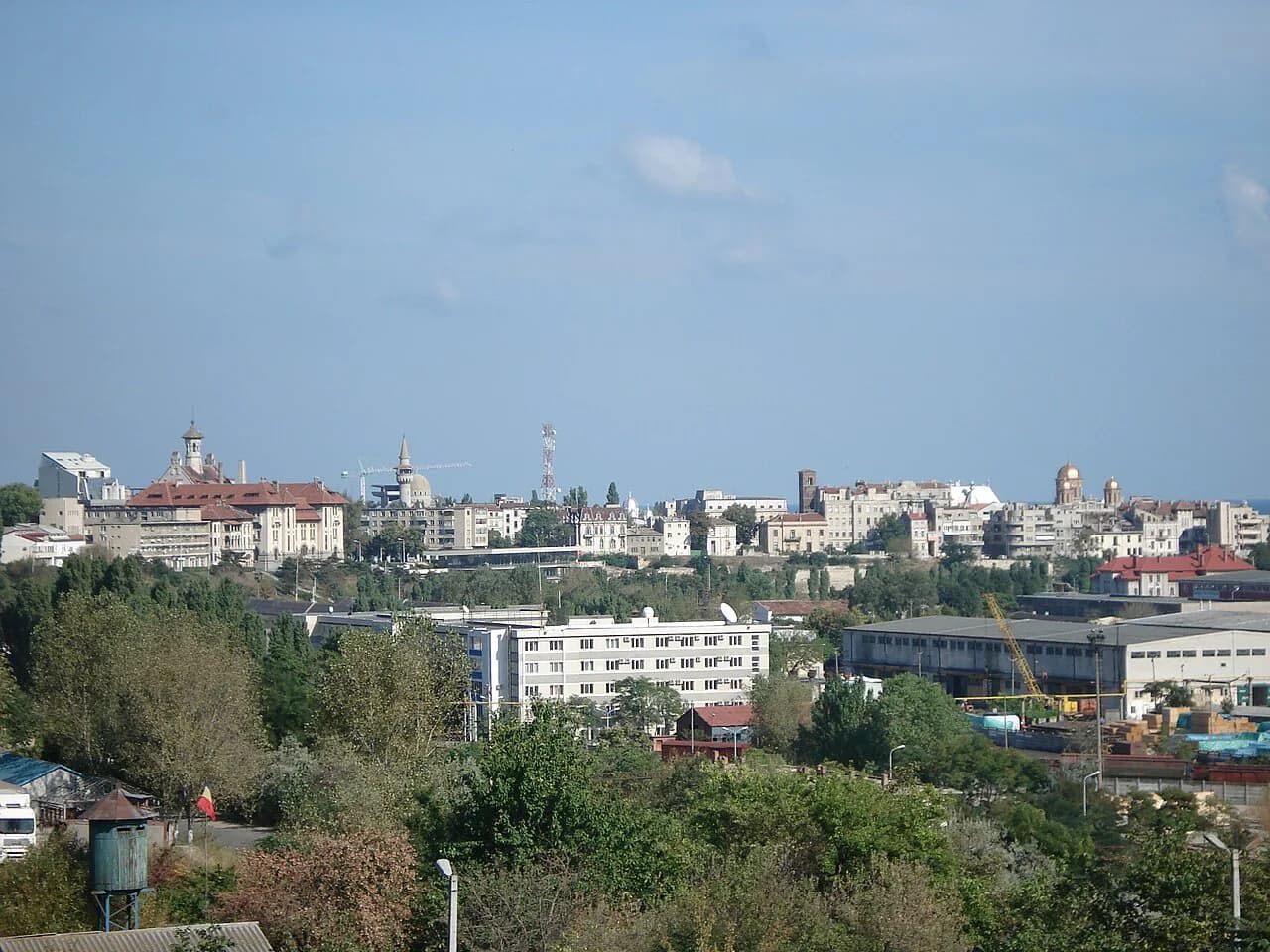
Constanța Old Town is the historic heart of the city on Romania's Black Sea coast, and it holds the pedestrian zone, the area around Ovidiu Square and the seafront edge on what local guides describe as a peninsula. Treat it as one continuous walkable district rather than a set of separate sights. The city's beaches and resort strip run out along the coast to Mamaia, so the old town sits at the opposite end of a short trip from the sand. This guide sticks to the centre itself; for the wider city picture, the guide to things to do in Constanta covers the rest of town.
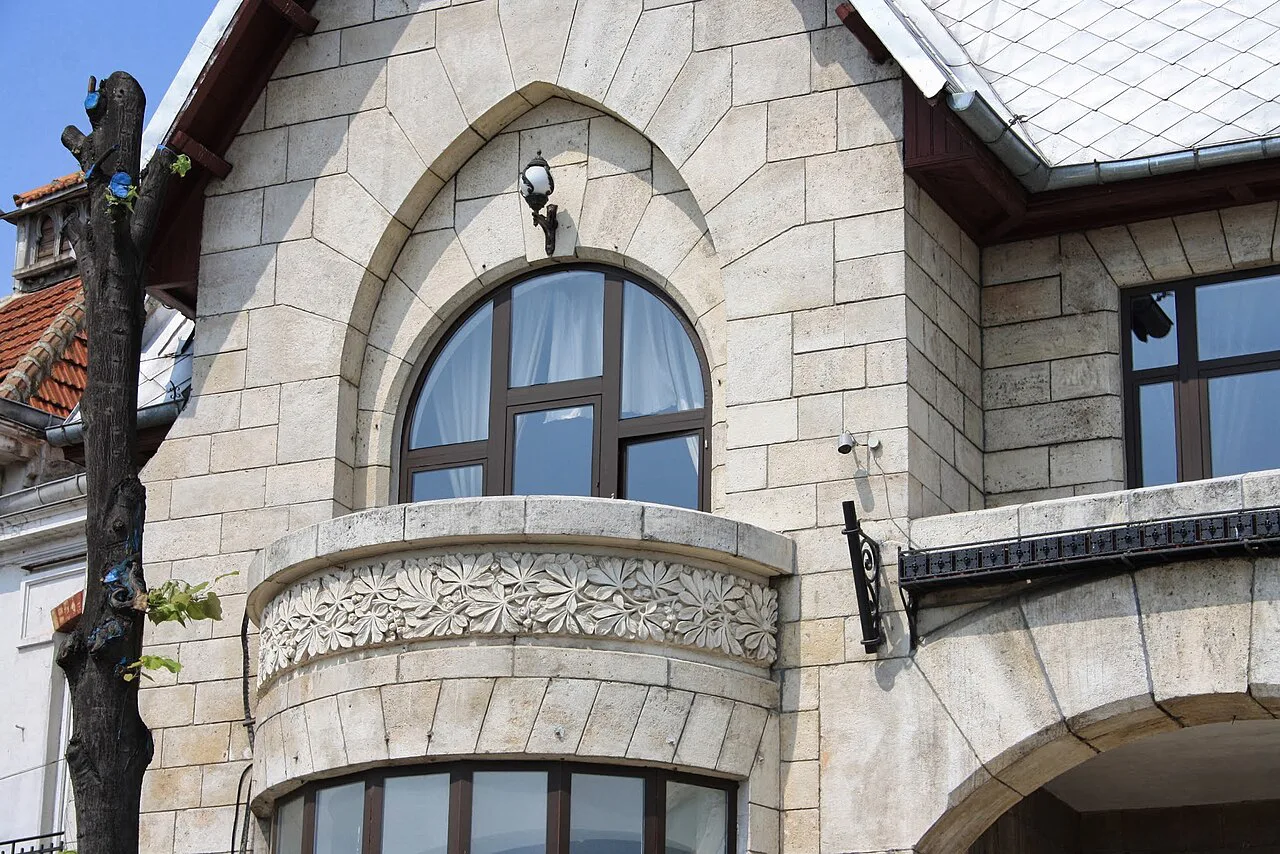
How the old town is laid out: the pedestrian zone, Ovidiu Square and the seafront edge
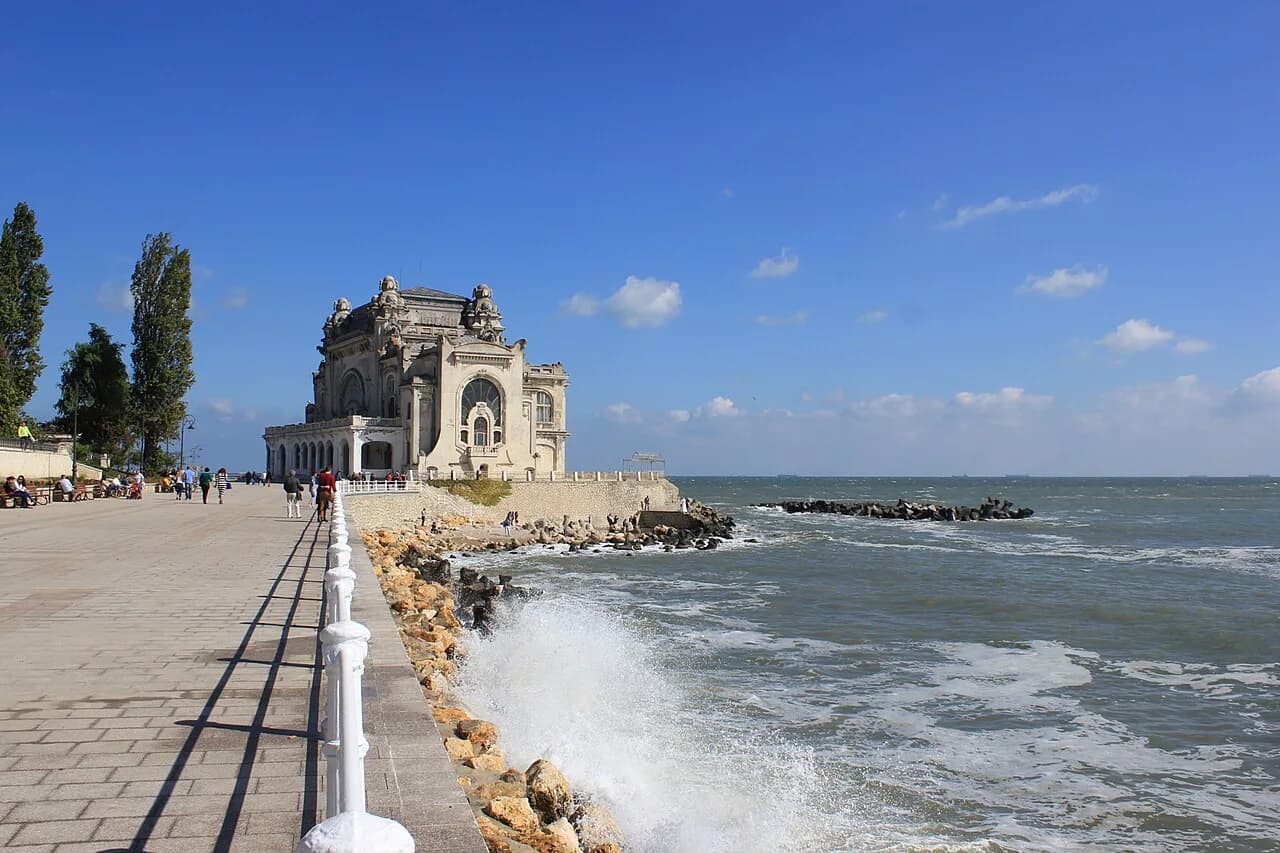
Three elements give the old town its shape: the pedestrian zone, Ovidiu Square and the seafront. The pedestrian zone is the broad walking street where through traffic is kept out, and it works as the natural spine of a visit. Ovidiu Square sits inland of the water and pulls together the streets around it, so you will pass through it more than once. The seafront forms the third edge, with the ground rising gently above the water before the casino headland closes the picture. Once you have those three fixed in your head, the rest of the quarter is a small grid, and getting lost costs you very little.
A map is the fastest way to fix the layout before you arrive. Use a Constanta map to mark the pedestrian zone, Ovidiu Square and the casino headland, then work out which of the three you will reach first from your arrival point. The walking distances are short, so a mistake adds a few minutes rather than a whole detour. The Black Sea edge runs along one side of the quarter, and that line is the clearest guide if you lose your bearings. Finding the sea gives you a reliable mental compass, so check which way the water lies when you first arrive.
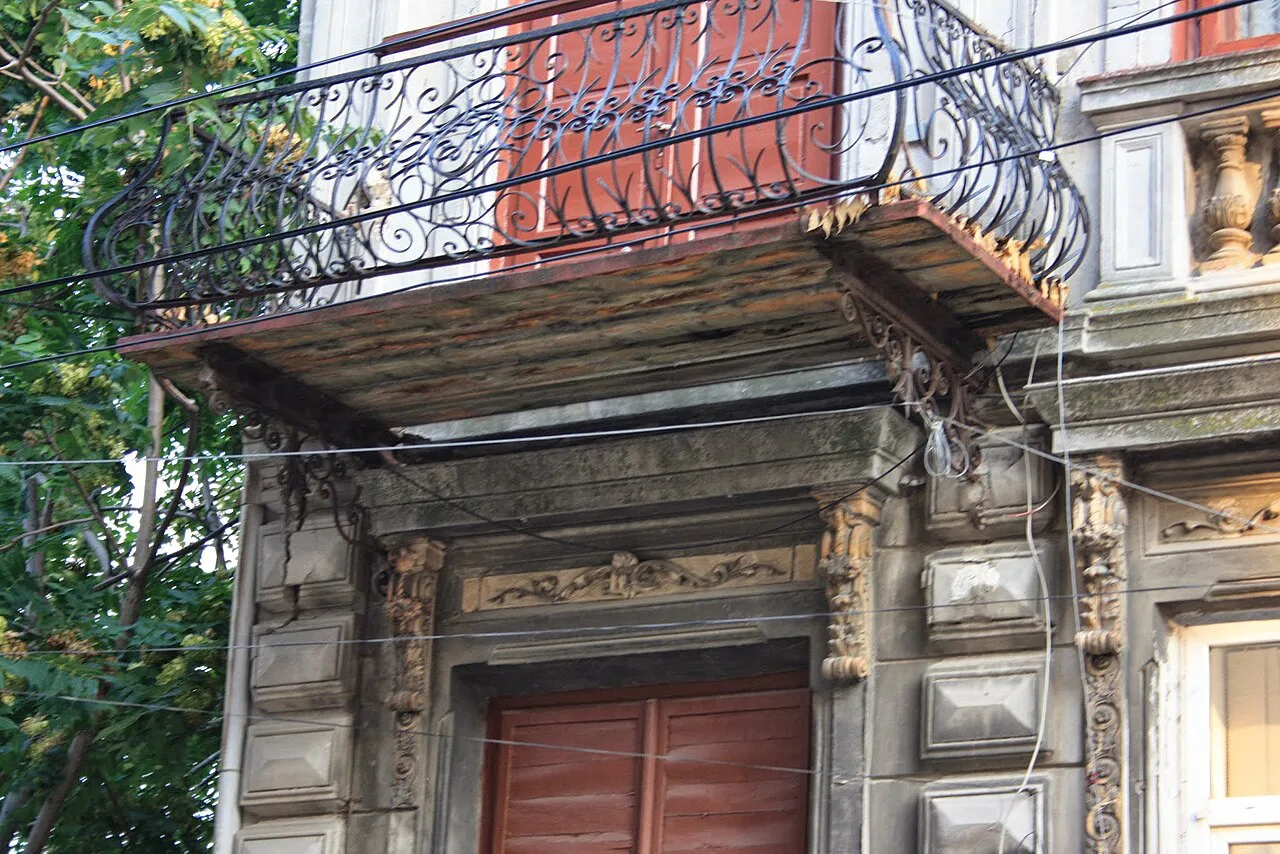
A walking route through the old town, with rough timings
Start on the pedestrian zone and walk it end to end, which takes about twenty minutes at an easy pace. From there, cut through the streets around Ovidiu Square, where the walking is flat and the paving is straightforward. Allow thirty minutes for the square and its immediate surroundings before heading down towards the water. The whole loop from the pedestrian zone through the square to the seafront and back runs to roughly two hours at a relaxed pace, longer if you stop.
A self-guided route works well here because the distances are small and there is no single circuit to follow. The pedestrian zone and its route towards Ovidiu Square and the old town are treated as one continuous walking area in route guides, so use them to plot your own Constanta walking tour. The order matters more than the exact streets: pedestrian zone first, Ovidiu Square second, seafront last. That sequence keeps the water as your finish, which is the more rewarding end to the walk.
If you want more than the streetscape, the old town holds several museums whose opening days and tickets are best checked on the day. A Constanta museum stop adds an hour or more, so decide before you set out whether you are walking only or walking plus one museum. Add the museums in the middle of the route rather than at the end, while you still have energy. The full Constanta attractions hub lists the individual sights so you can choose which one earns the hour.
The seafront side: the casino headland and the old town's edge above the water
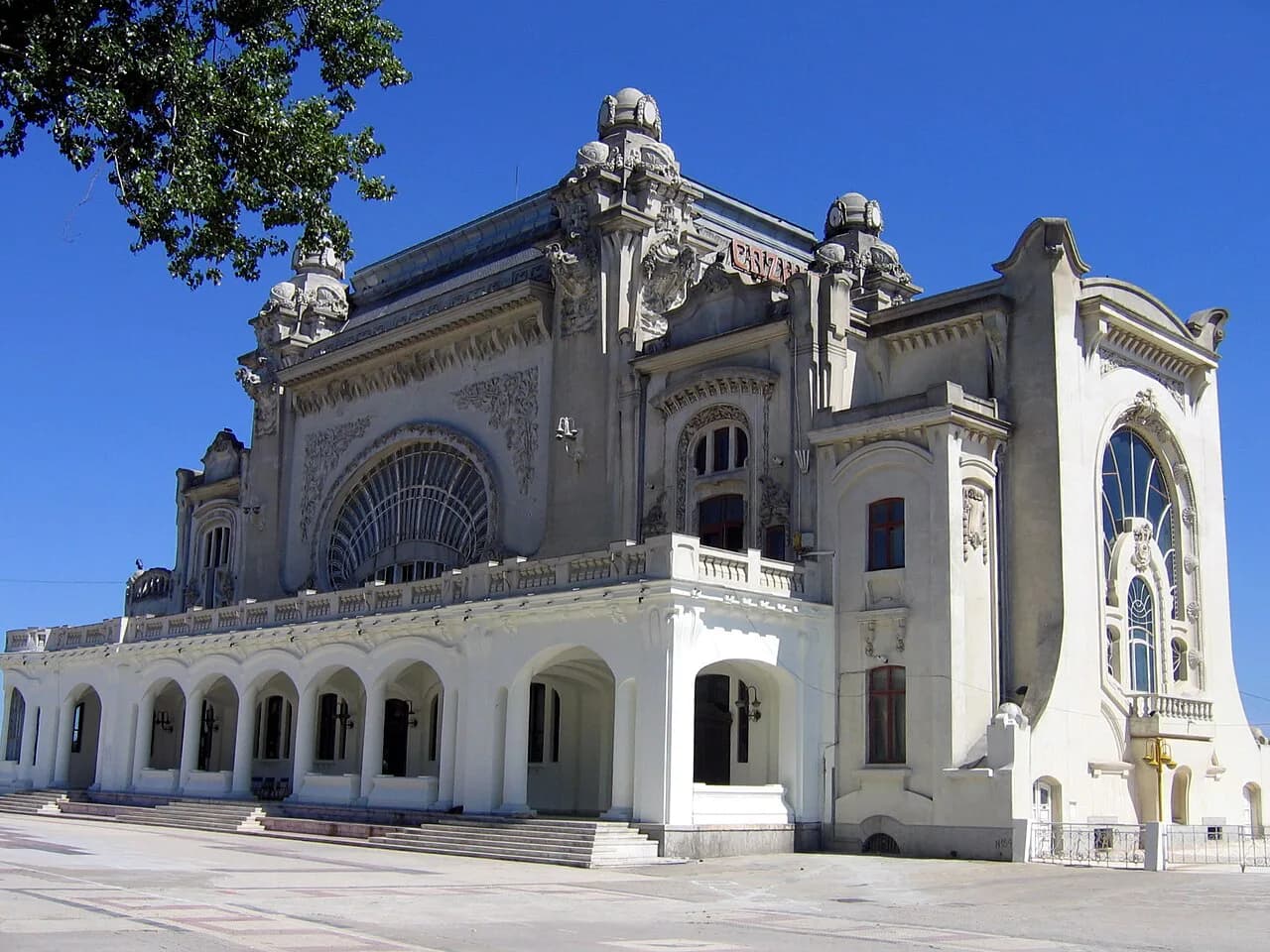
The seafront is where the old town's character changes, with the ground running close to the water and the casino headland closing the quarter at one end. Route guides list this seafront side as a separate highlight from the streets behind it, which is a fair way to plan: walk the interior first, then finish above the water. The casino itself is the obvious landmark on this edge, and it is the point most people photograph. Allow twenty to thirty minutes on the seafront if you want to stop rather than pass through. The buildings along the seafront carry much of the old town's visible history, and a separate page sets out the wider Constanța History for Visitors for context.
For a wider view, a cycling and hiking loop from Mamaia Nord links the Constanța pedestrian zone with the Great Mosque of Carol I. That loop is a bike or long-walk option rather than part of the central stroll, and it shows how the old town connects to Mamaia, the resort strip on Romania's Black Sea coast beside Constanța. If you are staying out at the resort, use it as a way of reaching the old town on foot or by bike, then do the central circuit separately. For the resort side of the trip, start with Mamaia.
Ovidiu Square and the streets around it
Ovidiu Square is the natural pause in the walk, and it is where the streets around it fan out towards the pedestrian zone and the water. The square sits in the itinerary as a hinge rather than a destination: you will cross it on the way down to the seafront and again on the way back. The streets around it are short and flat, so explore them on the way through rather than as a separate leg. If you only have time for one fixed point in the centre, make it Ovidiu Square, because the rest of the old town hangs off it.
What to give a miss if you are short on time
If you have only an hour or two, skip the outer seafront loop, cut the museum and walk the pedestrian zone straight through to Ovidiu Square. The old town's core is small, so the parts you drop are the slower, optional ones rather than essential ground. The casino headland and the seafront edge are the first things to cut if your time is tight, because they take you away from the centre and back. A fast circuit of the pedestrian zone and the square still gives you a real sense of the quarter. The alternative is to slow down and accept fewer landmarks: this is a quarter for wandering, not a monument checklist.
How long to allow and when the streets are busiest
Allow two hours for the core walk and a half day if you want museums and a slow seafront. The summer daytime heat is the real constraint: the Black Sea coast can reach temperatures above 30°C in July and August, so an early or late start makes the walk far more comfortable. The coast's sea breezes help, but they do not change the sun.
The usual pattern is indoor sightseeing in the middle of the day and outdoor walking after four in the afternoon, which suits Constanța Old Town well. That schedule spreads the pedestrian zone and Ovidiu Square across the cooler hours and leaves the seafront for the evening. Out of season the same walk is quieter and the pace of the streets slows, which is the more comfortable way to see the quarter. If you want the streets at their calmest, the trade-off is simply to accept cooler, shorter days and fewer people around. Constanta is busiest when the coast is at its warmest, so quieter out-of-season walking tells you more about the place itself.
Practical points: walking surfaces, steps and shade
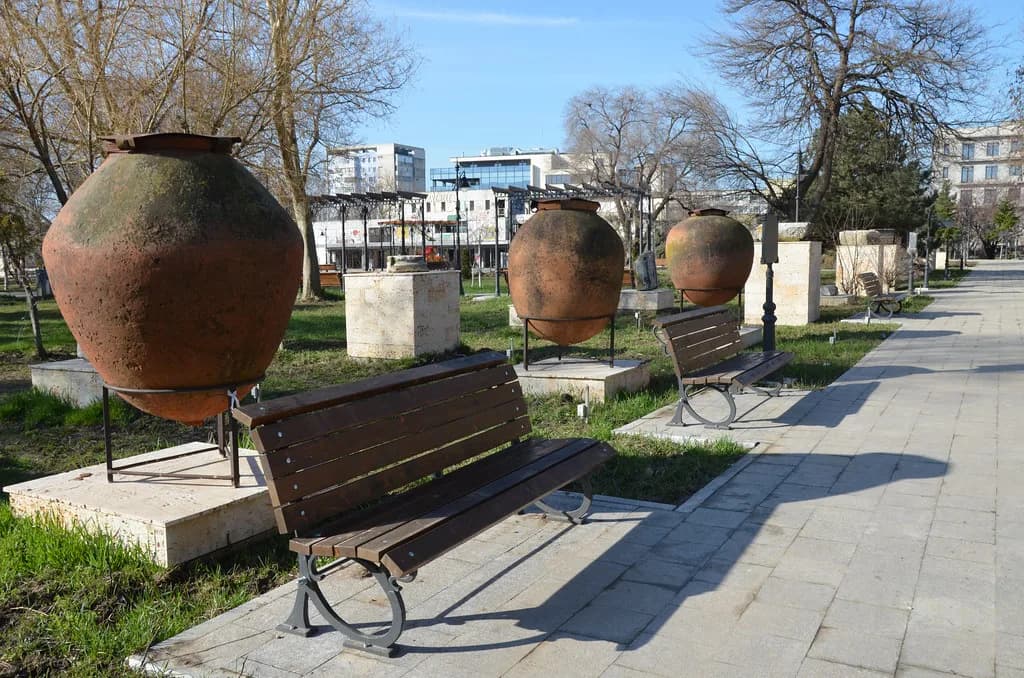
The walking surfaces in the pedestrian zone and around Ovidiu Square are man-made paving, flat and easy underfoot. Steps and changes of level come in around the seafront edge and the streets that rise above the water, so wear shoes you can walk in rather than anything you have to watch on every step. Shade matters more than distance here: the open seafront has little of it, and the streets behind give more shelter. Carry water on a warm day and plan the seafront for the morning or evening.
Is the old town worth the walk?
Yes: Constanța Old Town gives you the pedestrian zone, Ovidiu Square and the seafront in a single two-hour walk, and it is the part of the city most worth your time on foot. The trade-off is straightforward. The core rewards wandering more than ticking off sights, and the summer heat argues for an early or late start rather than a midday one.
Plan the route around those three anchors, pick one museum if you want an indoor break and finish on the casino headland. That sequence keeps the walking short and avoids doubling back. If you have a half day, the extra hours go to the museums and the seafront rather than to more streets.
Sources
Useful notes for your next trip
Optional updates to our guides.
You might also like


Continue reading
More guides you'll find useful