Dobruja (Dobrogea): Romania's Black Sea Region for Visitors
Dobruja, or Dobrogea, is the region around Constanța on Romania's Black Sea coast. Here are the historic sites, ruins and towns worth building a route around.
On this page
Dobruja (Dobrogea in Romanian) is not a town but the Black Sea region of south-eastern Romania, with Constanța as its main city and practical base. Plan it as a route: a day or two in Constanța's old town, then out to the archaeological sites that need their own trip. This guide covers what sits where, how to reach the region, how to get around, and how much time to allow. If you are still shaping your city stop, start with our guide to the things to do in Constanta before plotting the wider route.
Where Dobruja sits
Dobruja lies between the River Danube and the Black Sea, with Constanța in the south-east of Romania. Constanța is a city of over 310,000 people, about 225 kilometres east of Bucharest, according to Expedia's Constanta travel guide. That geography explains the region's shape: the Danube Delta edge to the north, the coast to the east, and inland plains scattered with Roman and Ottoman remains.
How to reach Dobruja
The closest airport is Mihail Kogălniceanu International Airport, about 25 kilometres from Constanța city centre, from where you can take a taxi or shuttle bus into town. Alternatively, fly into Bucharest and continue by train or bus; Bucharest's larger airport gives more airline and route options. For a history-led trip, Bucharest plus a train is often the more flexible combination, while the local airport saves a transfer if the flight times suit. Whichever you choose, the arrival point matters little once you start on the things to do in Constanta, since the old town is compact and walkable.
Constanța's historic core
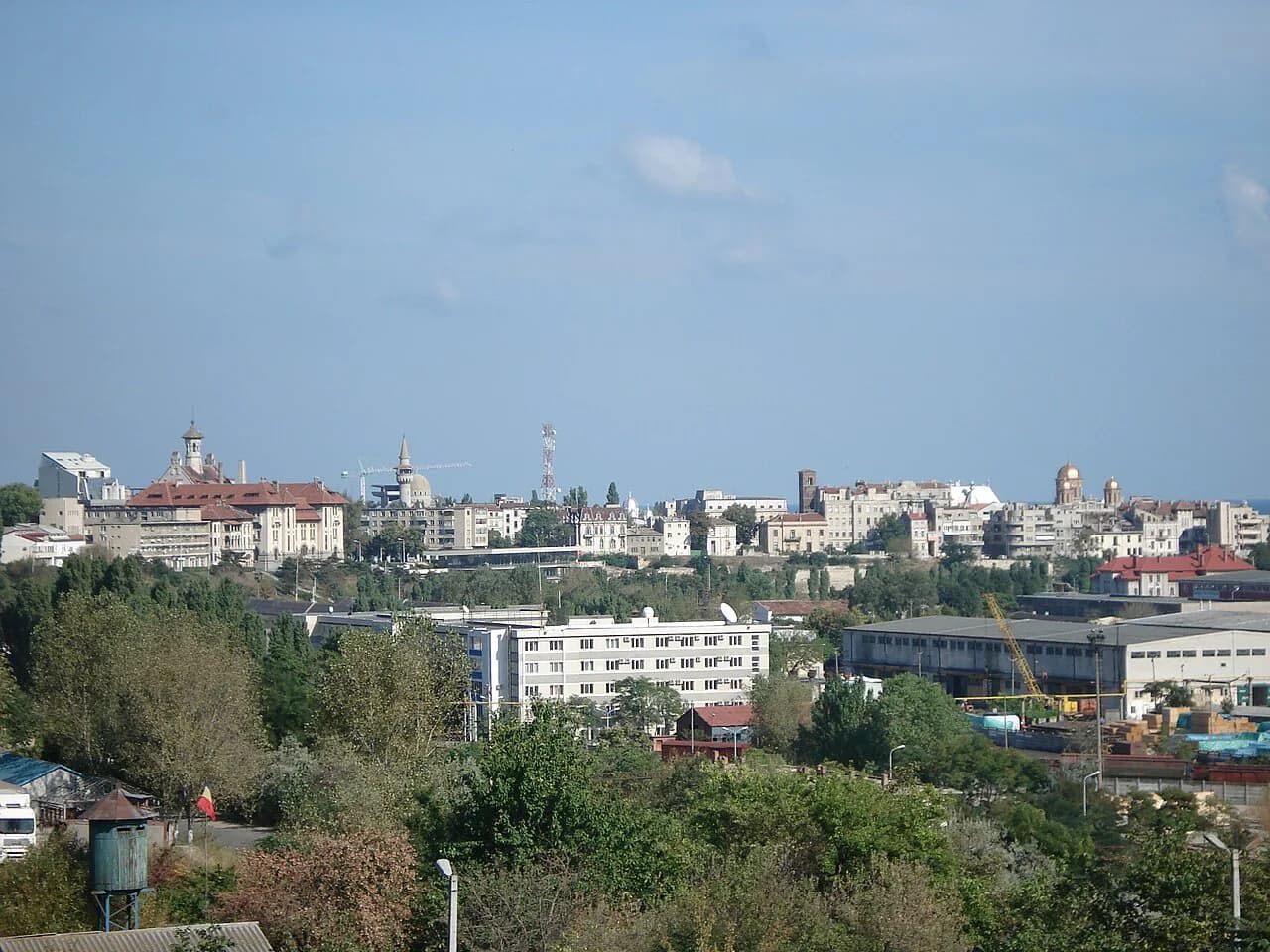
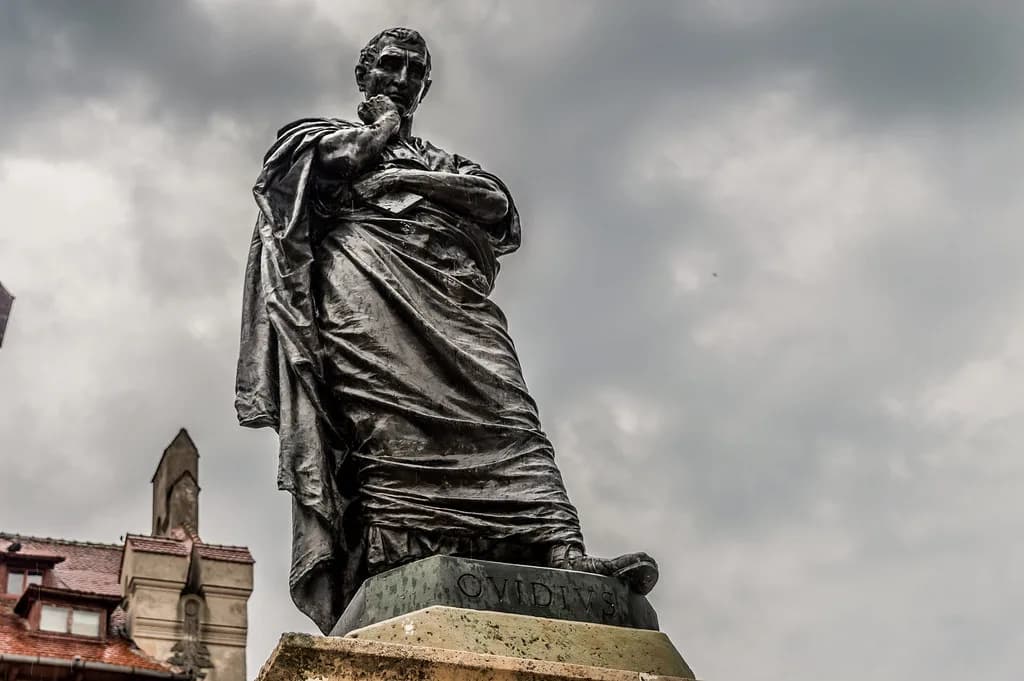
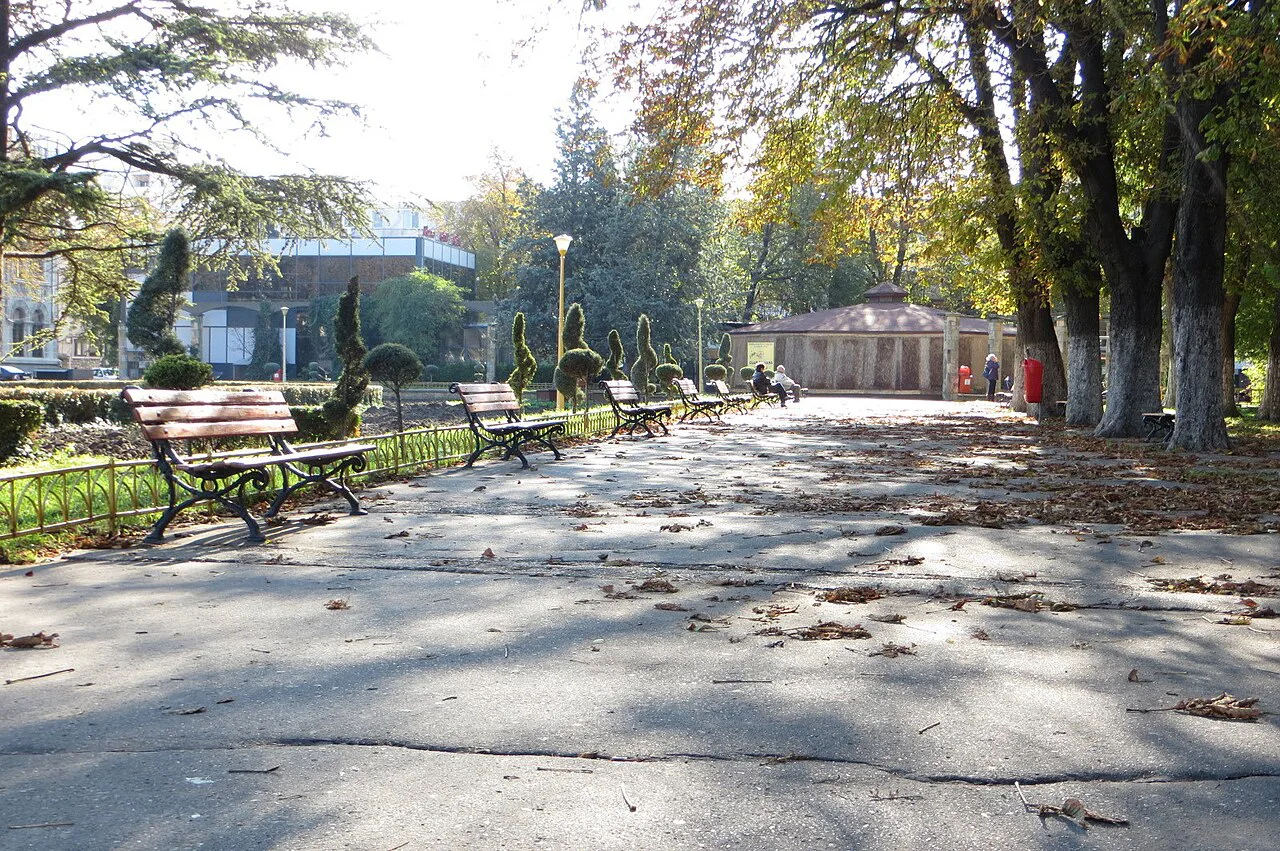
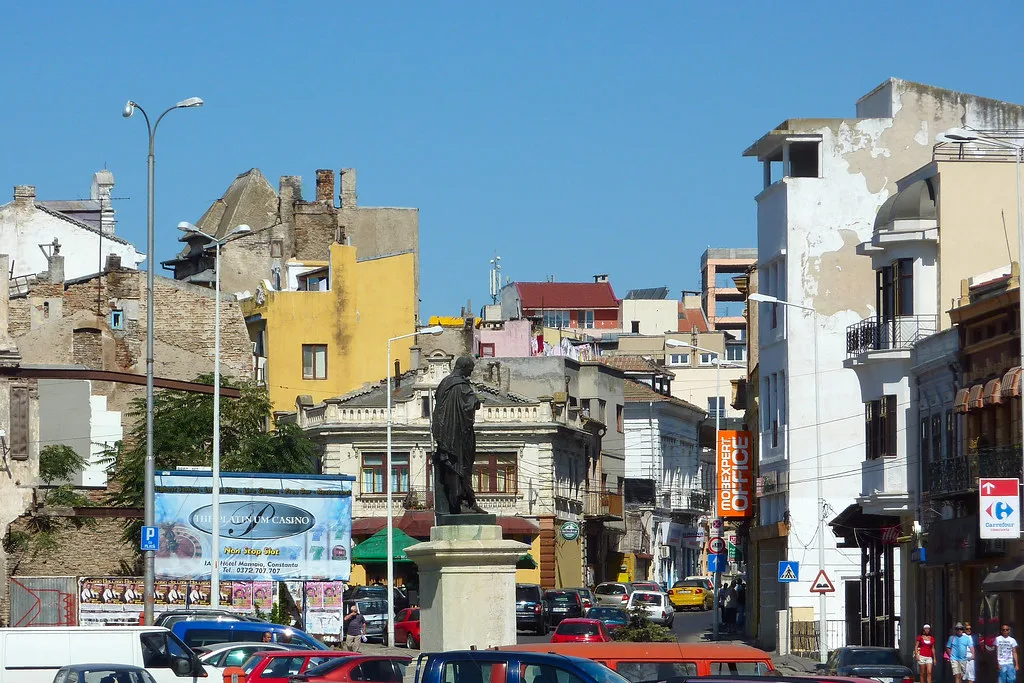
Start in the old town, which is walkable and holds most of the city's headline sights within a short radius. Ovidiu Square, the Casino, the Roman mosaic, the Museum of National History and Archaeology, the Great Mahmudiye Mosque and the Cathedral of Saints Peter and Paul all sit in or around this core. Allow a full day to see them without rushing. For a fuller list of what to see in the city, see things to do in Constanta.
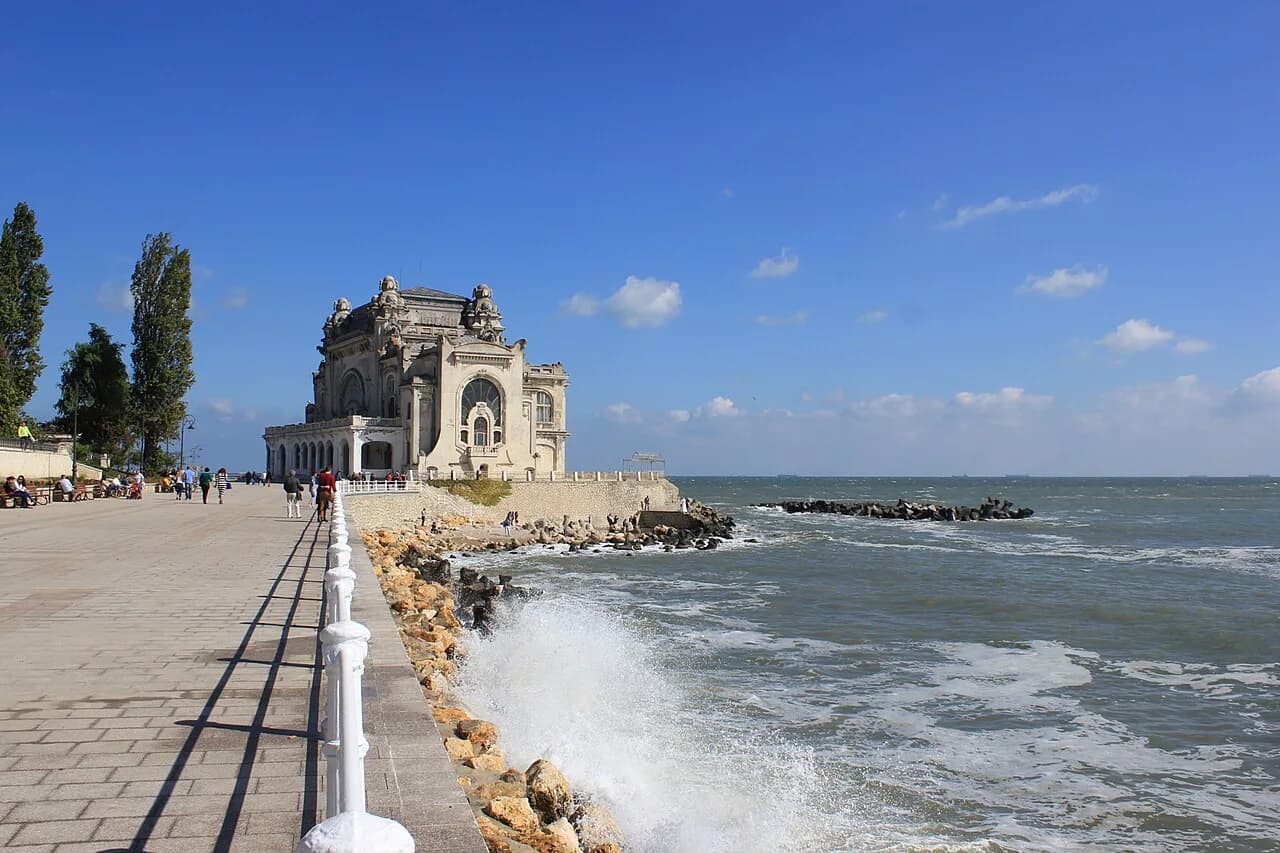
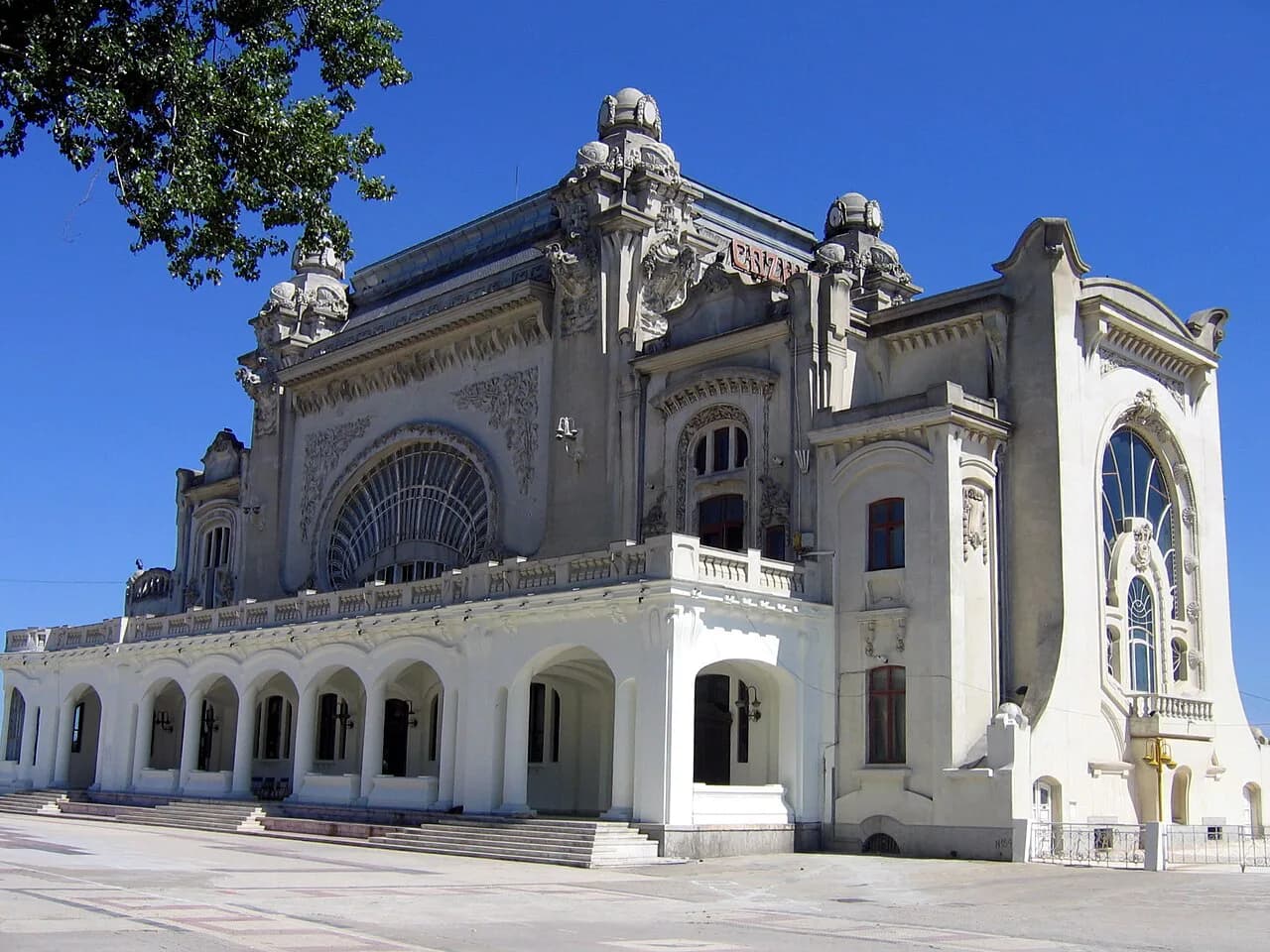
The Casino is one of the old town's best-known landmarks, and the surrounding streets are an easy place to orient yourself. Pair the waterfront with Ovidiu Square and the museum quarter rather than treating them as separate outings. If you are weighing this against another coastal base, our guide to things to do in Constanta shows how the same walk fits a fuller city itinerary.
The Museum of National History and Archaeology
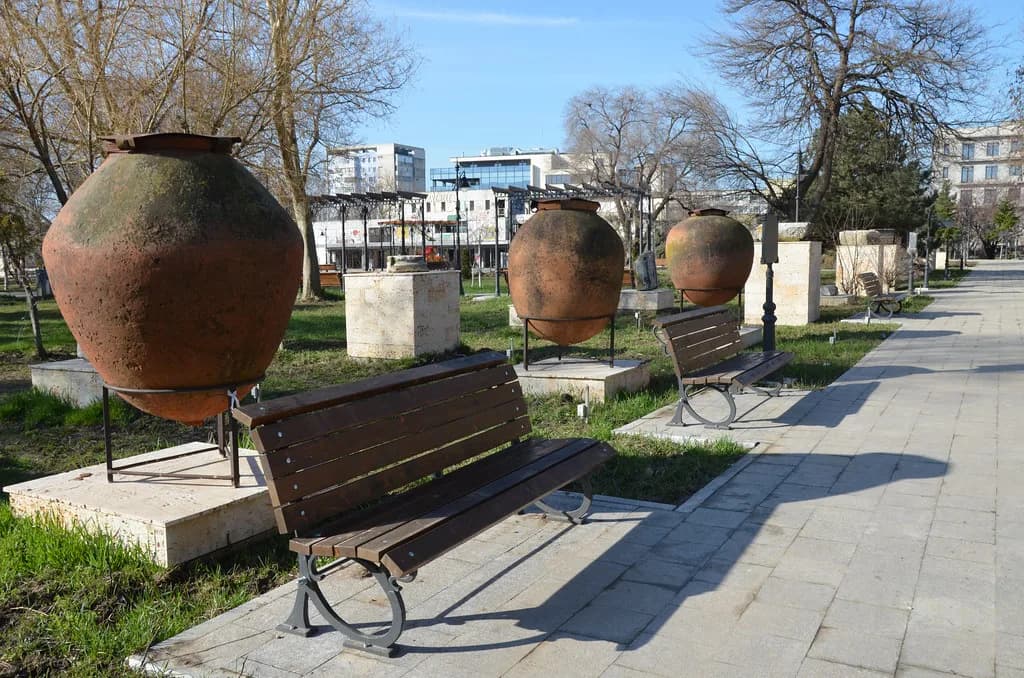
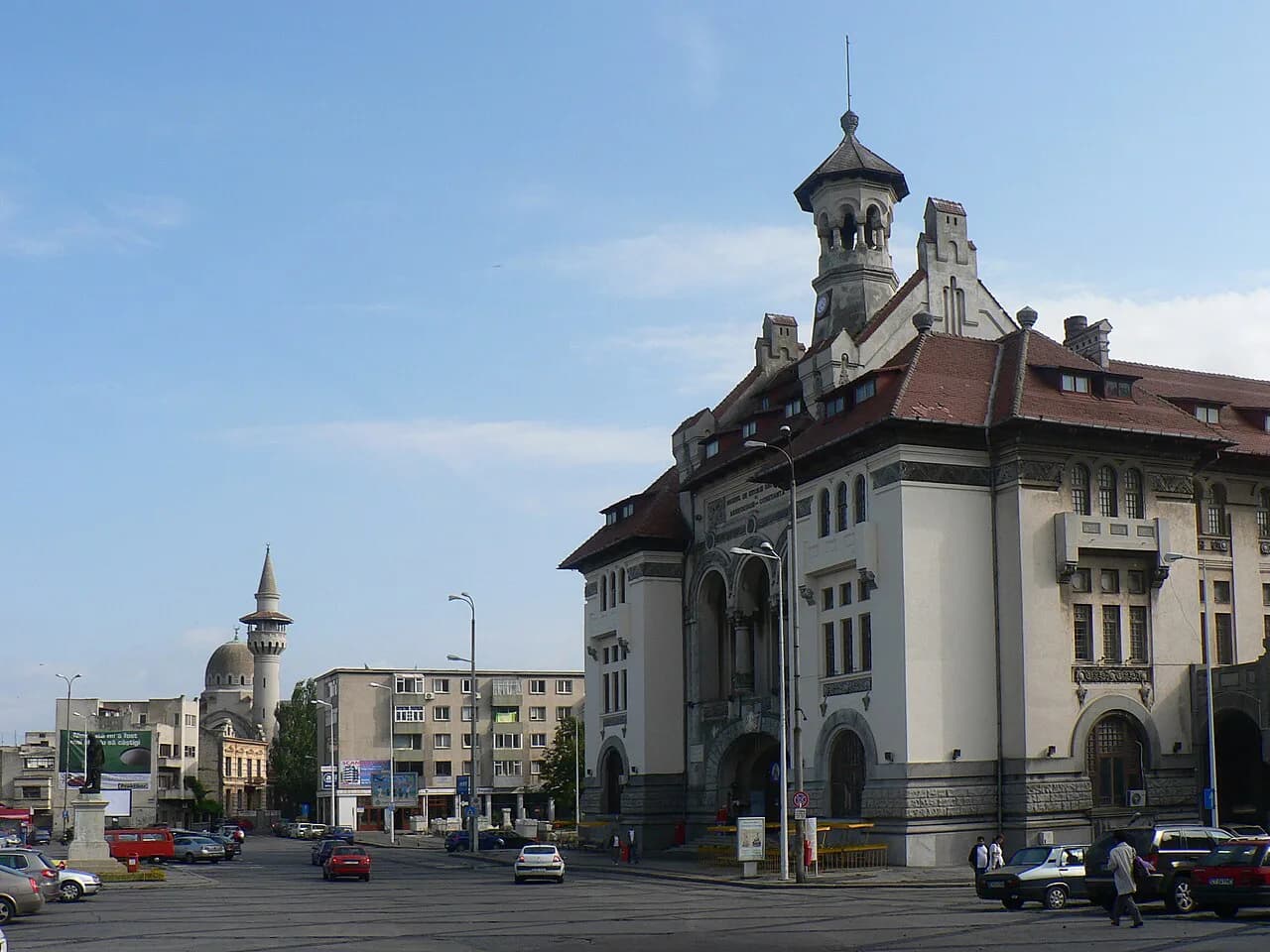
The Museum of National History and Archaeology is the place to assemble the region's Greek, Roman and Ottoman layers before you visit the scattered sites. Expedia names it among Constanța's principal attractions alongside the Casino and the Great Mahmudiye Mosque. Go early in your trip: what you learn here makes the ruins at Histria and Adamclisi legible rather than a pile of stones.
The Ottoman thread: the Great Mahmudiye Mosque
The Great Mahmudiye Mosque is the clearest Ottoman-era sight in the city and sits within the old-town circuit. Visit it in sequence with the Roman mosaic and the museum so the layers of Greek, Roman and Ottoman rule make sense as you walk, and you can fold Ovidiu Square into the same loop using our things to do in Constanta.
Out of the city: the archaeological sites
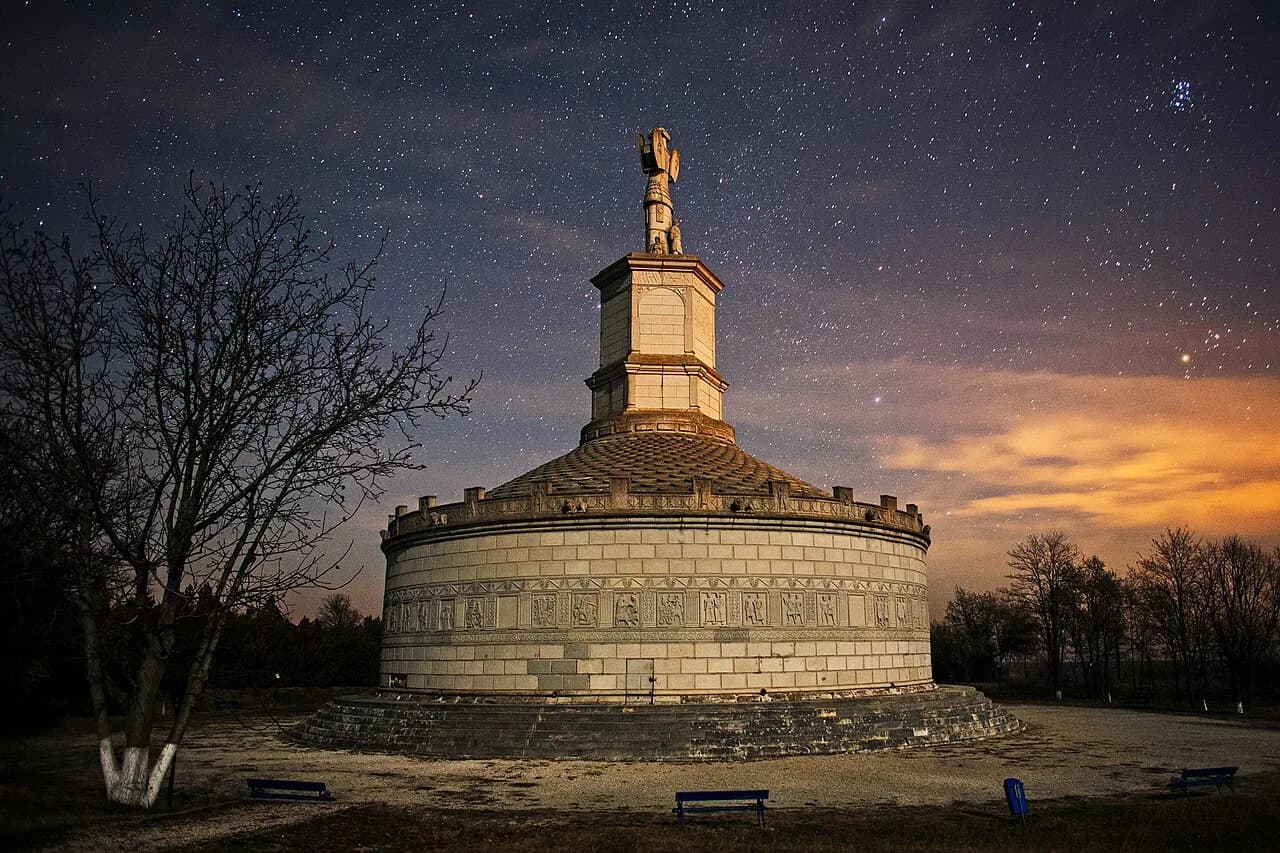
Two sites justify separate days out of Constanța: Histria, north of the city, and the Tropaeum Traiani at Adamclisi, inland to the west. Histria: the Greek city ruins on Lake Sinoe rewards an early start, while Tropaeum Traiani at Adamclisi is the region's Roman monument and needs its own half-day. Both are outdoor sites with limited shade, so carry water and wear shoes suited to uneven ground.
South of Constanța, the coast runs through Mangalia, the site of the Greek city of Callatis and an easy stop if you are driving the coast road or using the bus network. It adds a second Greek site to balance Histria. Pair it with a look at the town itself rather than treating it as a standalone detour, and compare it with what things to do in Constanta offer before deciding how to split your coastal days.
North of Constanța: Enisala and the Danube Delta edge
North of Constanța, Enisala Fortress sits near the Danube Delta, and the Măcin Mountains rise nearby for travellers who want landscape between the historic stops. Build this into a route towards Tulcea rather than attempting it as a half-day from Constanța: reaching this far north is easier with a car. If the delta itself is on your list, plan the onward leg with our Danube Delta guide.
Base yourself in Constanța
Constanța is the practical base for a Dobruja trip: the old town is walkable, and the city has buses, minibuses and taxis covering the wider area, with taxis described as readily available and relatively affordable. Mamaia, the resort strip just north, adds beach time but little for a history-led itinerary beyond a place to sleep. If your priority is ruins and old-town streets, stay in Constanța and treat Mamaia as an optional extra.
Getting around the region
Within Constanța, walk the old town and use buses or minibuses for anything further out. For Histria, Adamclisi, Enisala or Mangalia, a car gives you the most control over timing, since these sites sit off the main public transport lines. Hiring a car gives you that flexibility; check insurance and collection details with the rental company before you book.
How long Dobruja needs
Allow two full days for Constanța itself and its immediate old-town sights. Add a day for Histria and another for Adamclisi if you want to see both properly, and a further day if you are pushing north to Enisala and the delta edge. A city break of three days covers Constanța well; a region-wide route of five to seven days lets you reach the outlying sites without rushing. Fewer days means choosing between the coast and the inland ruins rather than trying to do both.
A practical route from Constanța
Begin with a day in the old town: Ovidiu Square, the Casino, the Roman mosaic and the Museum of National History and Archaeology. Use the museum visit to set up the next day, then drive north to Histria in the morning. On day three, head inland to Tropaeum Traiani at Adamclisi, where the monument and the fort site sit together.
What Dobruja suits and what it does not
Dobruja suits travellers who want Roman and Greek ruins, an Ottoman-era mosque and a walkable old town in one region. It does not suit a castle-focused trip in the Bran or Peleș mould: this is a region of scattered archaeological sites rather than set-piece fortresses. The trade-off is travel time between stops, which is why a car helps. If your Romanian trip is built around castles, spend your days in Transylvania and treat Constanța as a separate coastal add-on; otherwise, start with things to do in Constanta to see what the city itself offers.
How to plan a Dobruja route
For a first visit, base yourself in Constanța for three days: one for the old town, one for Histria and one for Adamclisi. Add Mangalia if you are driving south, or Enisala if you are heading north towards Tulcea. Check museum and site opening times directly, since these vary by season.
Explore more Constanta guides
Frequently Asked Questions
Is Dobruja the same as Dobrogea?
Yes. Dobruja is the English name and Dobrogea the Romanian name for the same Black Sea region of Romania, centred on Constanța.
Do I need a car to see Dobruja's archaeological sites?
A car is the most practical way to reach Histria, Adamclisi and Enisala, because they sit off the main public transport lines. Constanța's old town is walkable, and buses and minibuses cover the city and nearby coast.
How far is Constanța from Bucharest?
Constanța is about 225 kilometres east of Bucharest. You can fly into Bucharest and continue by train or bus, or use Mihail Kogălniceanu International Airport, about 25 kilometres from the city centre.
Sources
Useful notes for your next trip
Optional updates to our guides.
You might also like
Continue reading
More guides you'll find useful