Museums in Constanța: History, Archaeology and Art
The museums in Constanța worth your time, from Roman finds to Romanian folk art, with what each collection holds and how to plan a visit around the old town.
On this page
If you see one museum in Constanța, make it the Museum of National History and Archaeology: its floors of Greek, Thracian and Roman finds from Dobrudscha give the rest of the old town its context. Everything else is a complement to it, whether you add the Art Museum, the naval collection or the folk art displays. This guide covers what each holds, how they sit together on foot, and where ticket prices in lei are posted. For the wider city, see Things to Do in Constanța, and for the streets between the museums, Constanța Old Town.
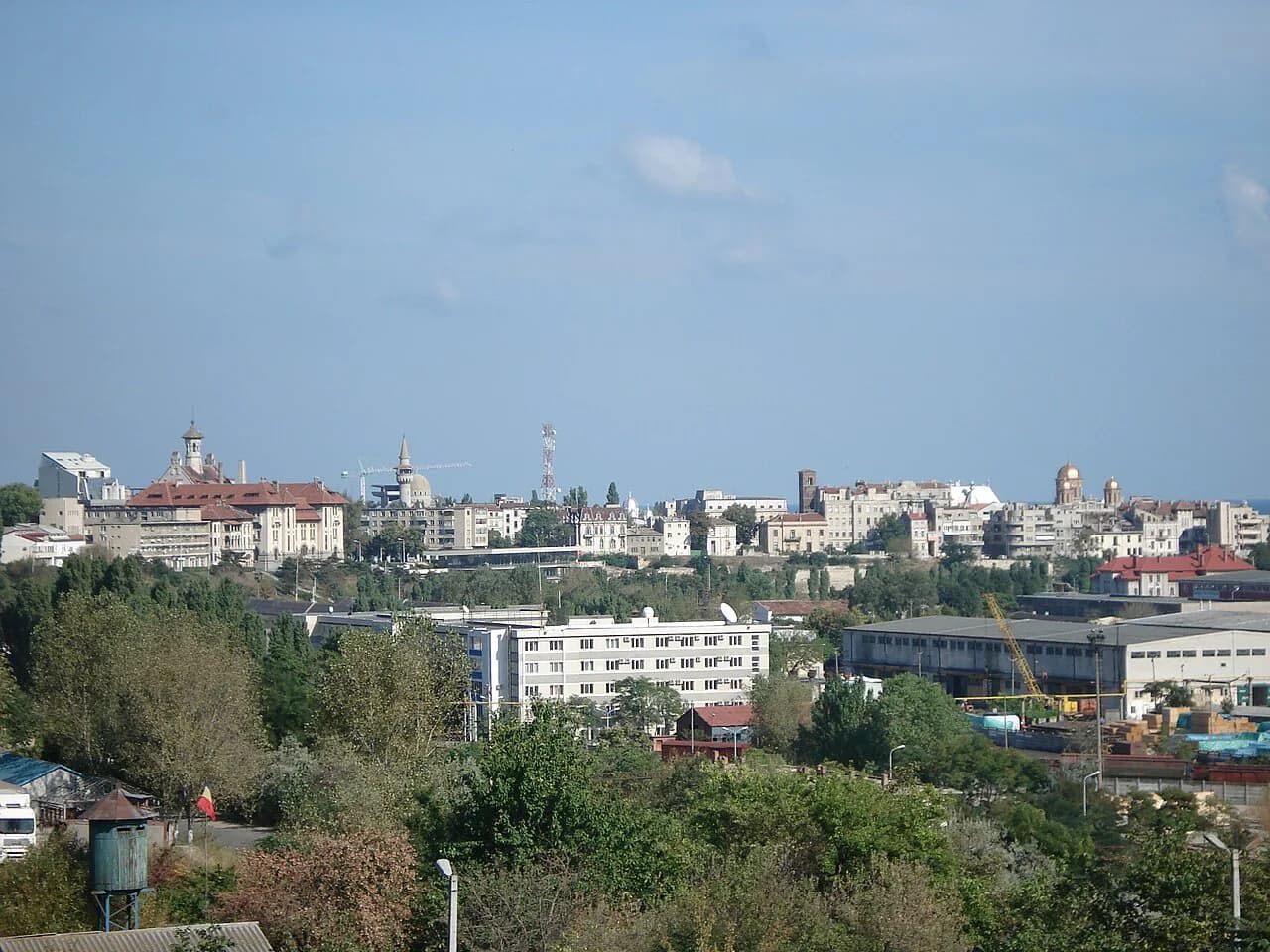
Constanța is a city of over 310,000 people and sits roughly 225 kilometres east of Bucharest, and its historic core is compact enough to cover on foot. Plan the museums as one half-day block rather than scattering them across your stay.
Which museums in Constanța are worth visiting?
Four indoor collections earn a place on a short trip: the Museum of National History and Archaeology, the Art Museum of Constanța, the Museum of Romanian Navy and the Museum of Folk Art. Treat the Roman Mosaic as a separate open archaeological site and the Casino and Ovidiu Square as landmarks you pass between them, not as ticketed museums. If you have a single afternoon, take the archaeology museum and walk the old town around it.
The Art Museum and the Popular Art Museum are separate galleries on different central streets, and the Navy Museum is another attraction near the old town, so plan the order below around those addresses: one end of the centre does not lead straight to the other.
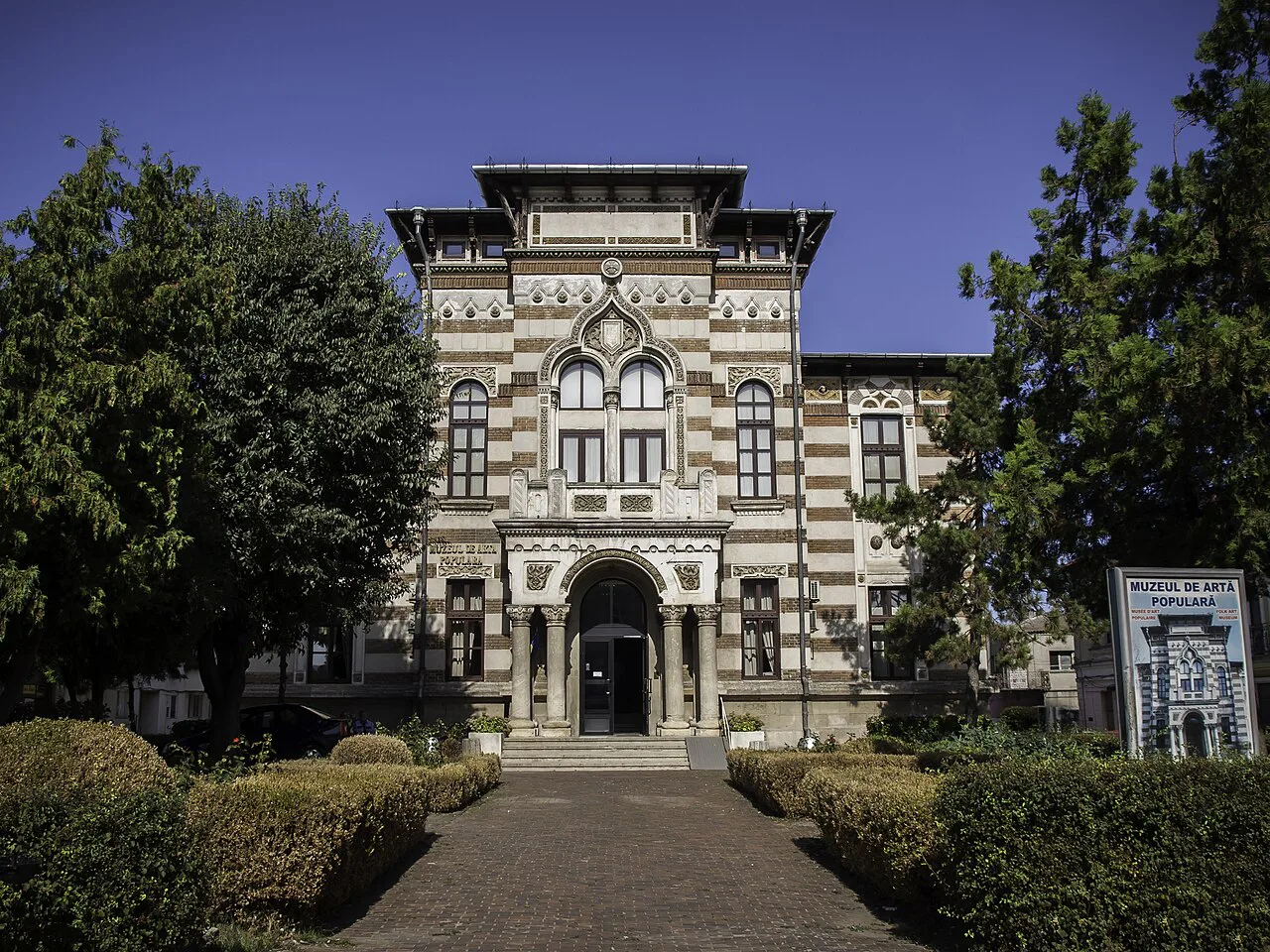
Museum of National History and Archaeology: Roman and Greek finds from Dobrudscha
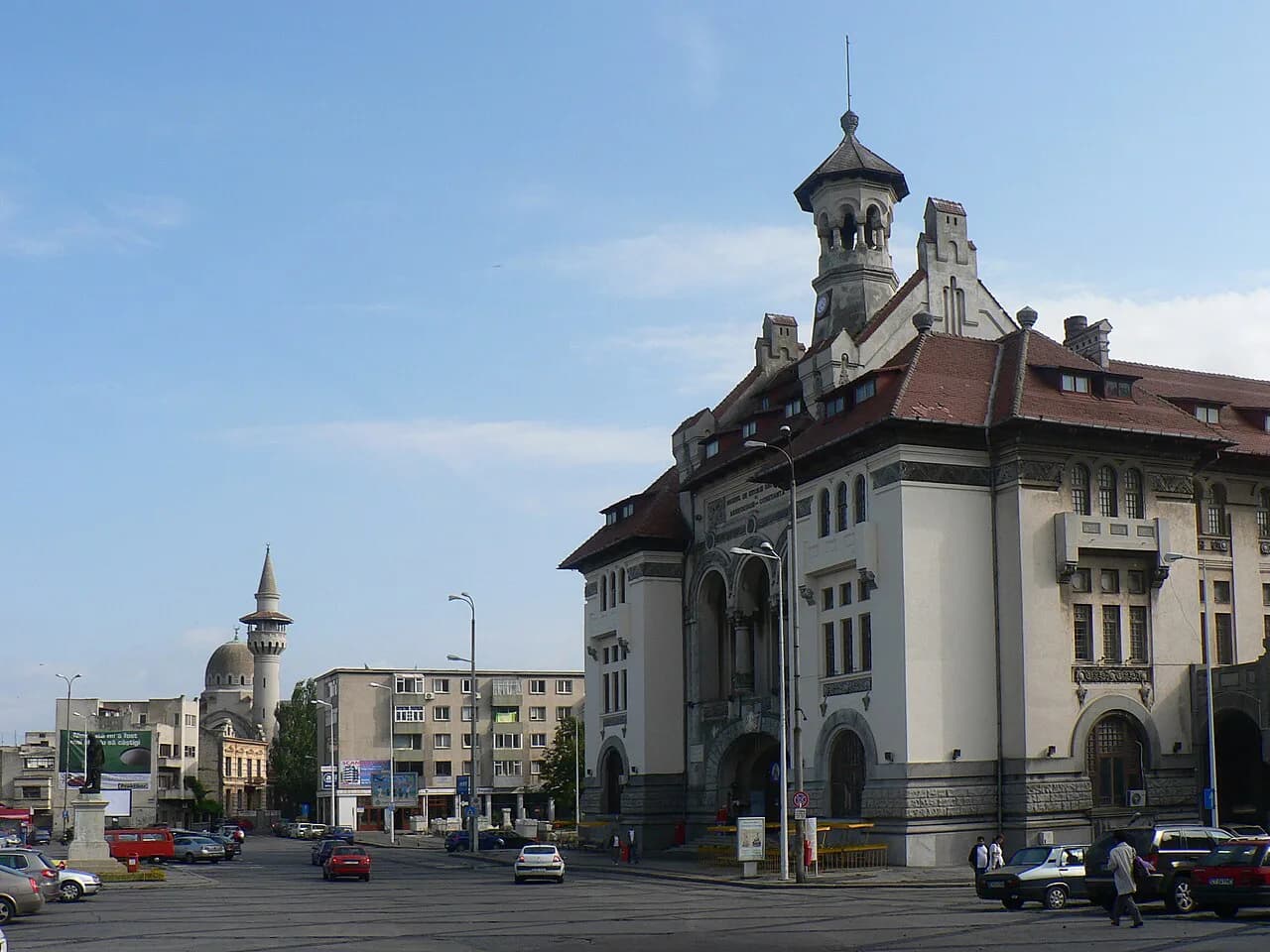
The museum holds an extensive collection of archaeological and historical objects from the Dobrudscha region, with artefacts spanning Greek, Thracian and Roman material. The displays run across several floors, so budget for stairs and for reading rather than a quick sweep through one room.
A traveller has reported an entry charge of 20 RON; treat it as a rough indication and confirm the current price at the desk.
What the archaeology collection holds and why it anchors a first visit
Constanța's Roman and Greek layers are what make the old town legible: once you have seen the sculpture, pottery and inscriptions upstairs, the ruins outside stop looking like scattered stones. Start here on your first morning and the rest of the day reads as a sequence rather than a list. Allow around two hours if you read the labels, less if you are skimming.
The museum sits with Constanța Casino, the Great Mahmudiye Mosque and Ovid Square among the city's major attractions, so it is easy to fold into a single loop. The museum is the one I would protect if the day shortens.
The Art Museum of Constanța on General Manu street
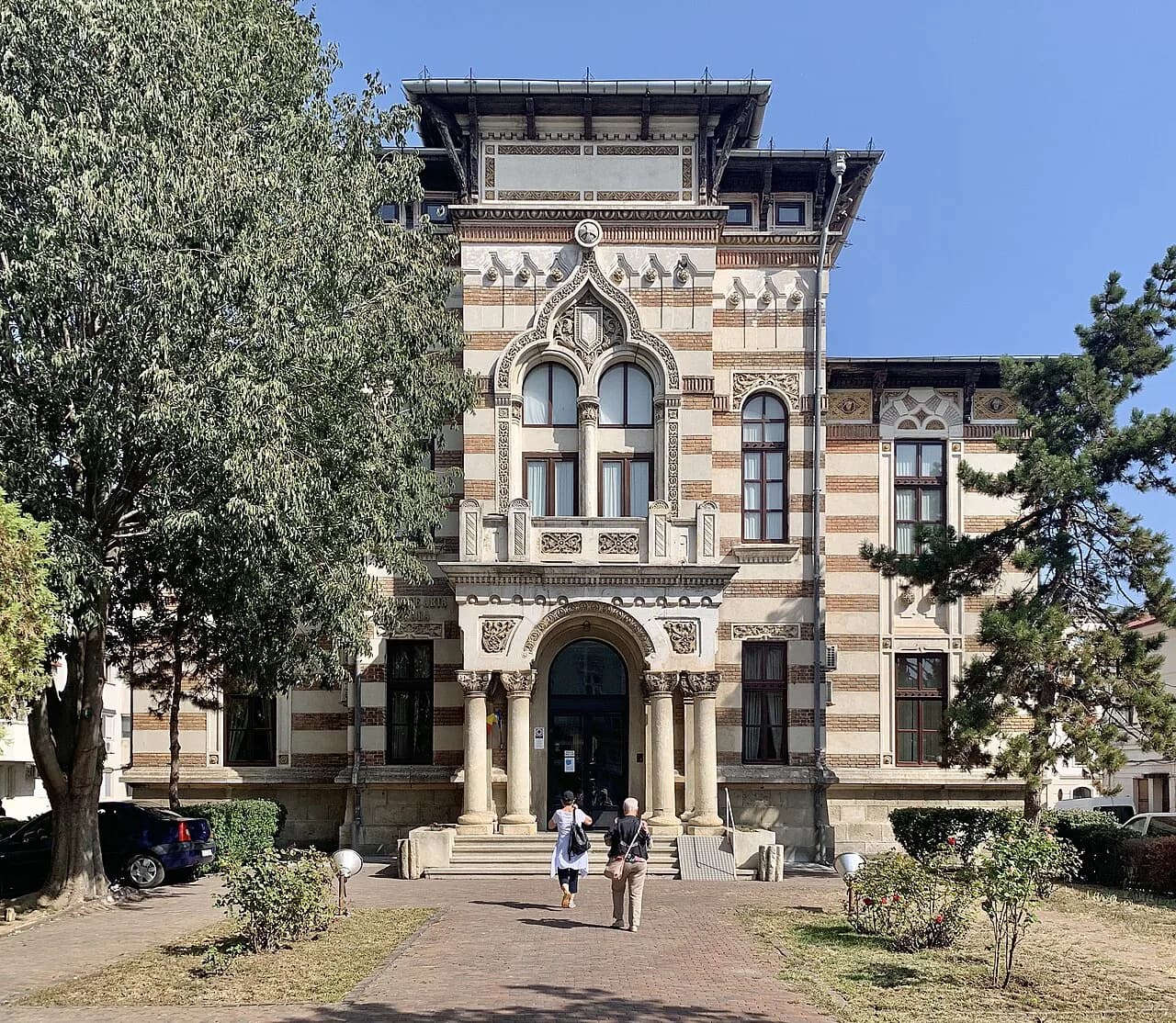
The Art Museum of Constanța occupies 13 General Manu and shows works by Romanian and international artists, which makes it the natural second stop after the archaeology museum. It is a smaller commitment than the history floors, so it suits a late-afternoon slot when your legs are tiring.
Pair it with the Popular Art Museum on Aristide Karatzali Street only if folk material interests you specifically; both are listed among the city's galleries and museums. Otherwise spend the saved hour on the seafront instead.
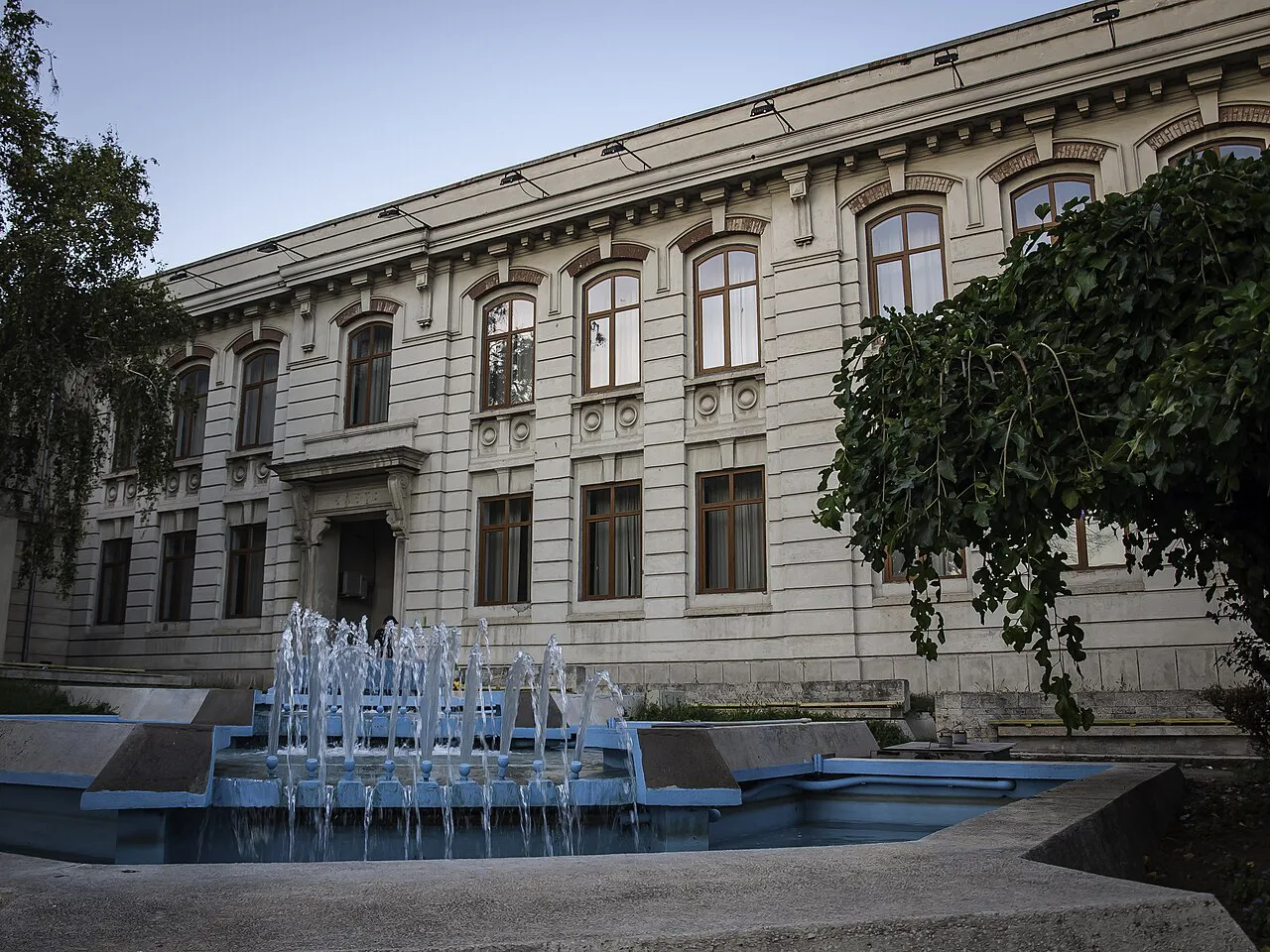
Museum of Romanian Navy: ships, models and naval history near the seafront
The Navy's Museum covers Romania's maritime story through models, equipment and naval material, and it sits near the waterfront where the subject makes most sense. It works well as a change of register after the ancient collections.
Come here after the archaeology museum rather than before, because the naval narrative depends less on prior knowledge and rewards a fresher attention span later in the day. If you are travelling with someone lukewarm on museums, this is the one most likely to engage them.
The Museum of Folk Art on Aristide Karatzali street
The folk art collection holds traditional Romanian costume, handmade textiles, ceramics, wooden objects and decorative pieces, and a scheduled 'Visit to the Museum of Folk Art' tour is sold through GetYourGuide. Check the museum's own arrangement for entry before you set out.
Because the tour runs to a guide's pace, allow a fixed block rather than squeezing it between two other stops. If your time in Constanța is short, this is the collection I would drop first: it is good, but it tells you less about the city under your feet than the Roman material.
The Roman Mosaic and the city's Roman past
The Roman Mosaic, known in Romanian as Edificiul Roman cu Mozaic, is an open archaeological site rather than an indoor museum and is listed among the old town's things to do, so visitors often confuse it with the history museum's galleries. See it in daylight and on foot as part of the old town circuit.
Sequence it straight after the archaeology museum so the floor plans and the objects upstairs connect with what you are standing on. The old town around the Casino and the pedestrian zone is compact and walkable, which makes this an easy add rather than a separate trip.
Casino and Ovidiu Square as the walking spine
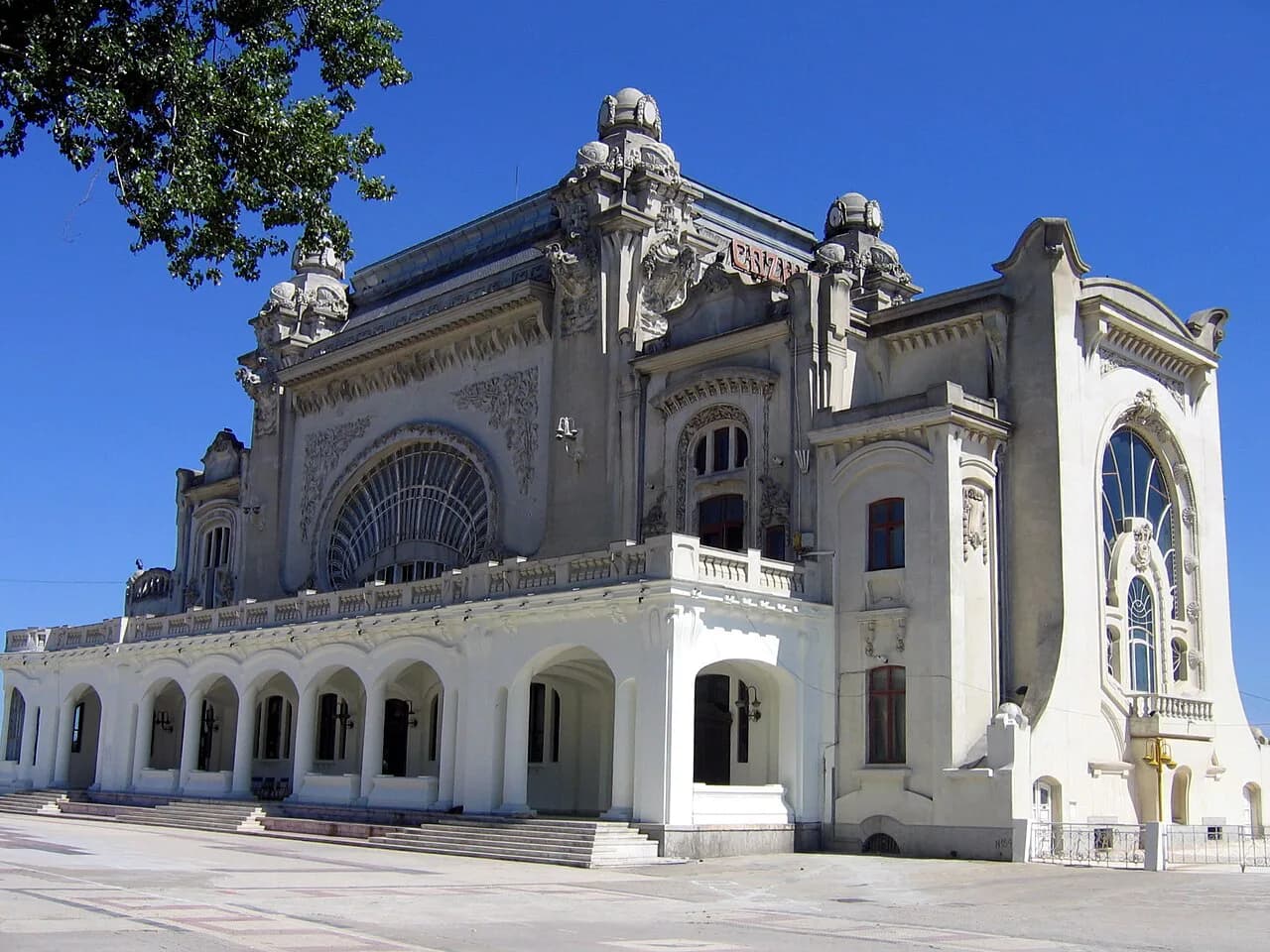
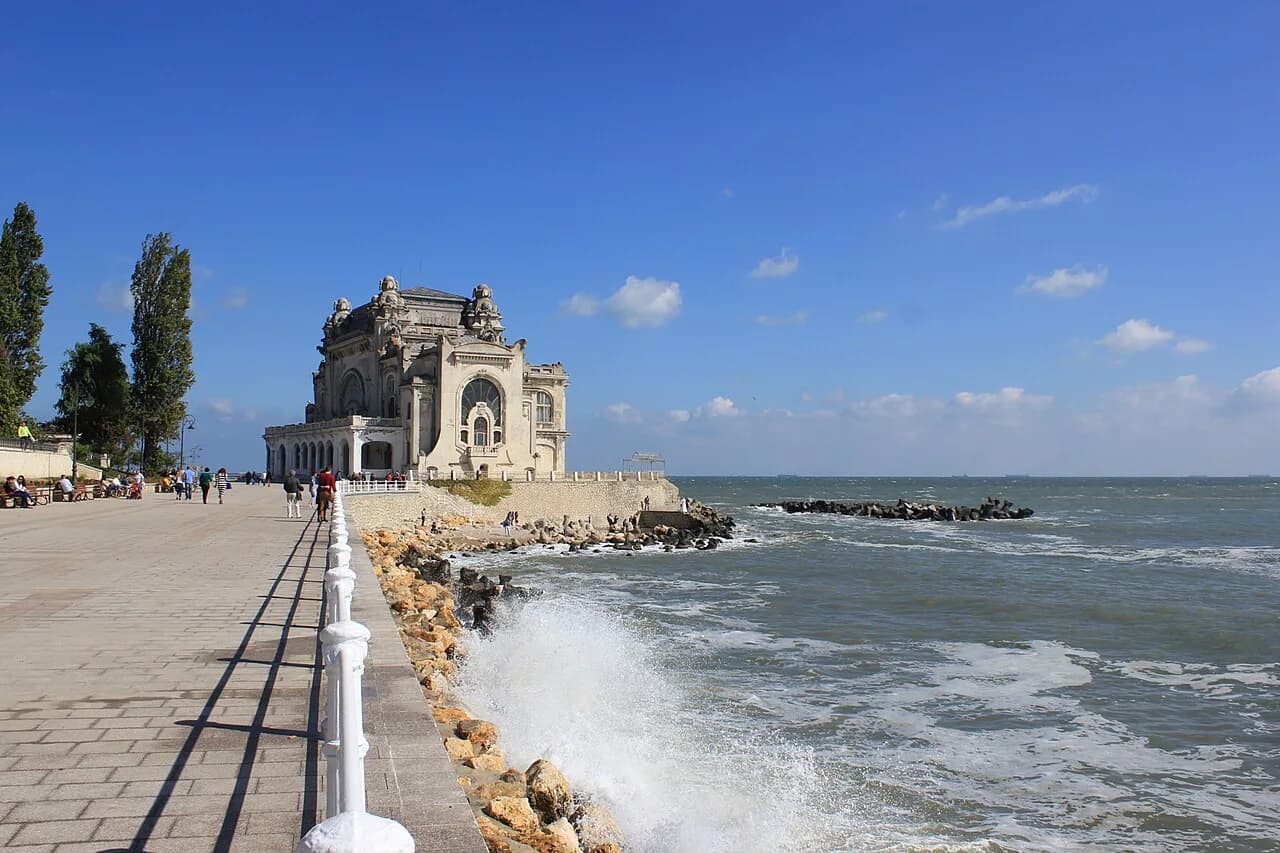
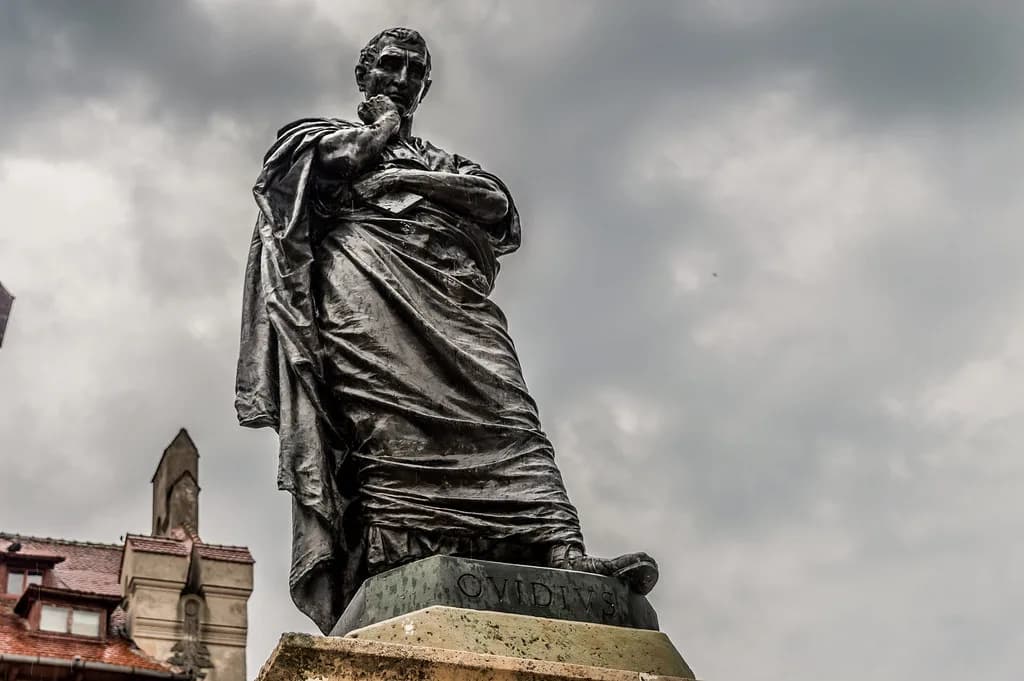
Use the Constanța Casino and Ovidiu Square as wayfinding landmarks rather than ticketed stops. The Casino building is a landmark on the seafront and Ovidiu Square anchors the pedestrian core, so both make useful reference points when you are working out which museum is next. The Archaeological Park nearby gives you somewhere to sit between visits.
A cycling highlight places the old town on a route that loops through the pedestrian zone towards the Great Mahmudiye Mosque, which helps if you want to cover ground faster on two wheels. Walking remains simpler for museum-hopping, since you will be ducking in and out of buildings.
How long the cluster takes and the order that avoids backtracking
Allow a full morning for the archaeology museum and the Art Museum, then an afternoon for the Navy Museum and the Roman Mosaic, with the Casino and Ovidiu Square as your connecting line. That order keeps you moving in one direction rather than criss-crossing the centre. The folk art collection slots in only if you have a spare guided block.
If you would rather follow a set route, a self-guided walk through the old town is the simplest way to link the doorways without rechecking a map at every corner. Keep the museum interiors for the middle of the day, when the streets are busiest and shade is welcome.
Ticket prices and opening days in lei
Ticket tariffs vary by collection and by visitor category, and the figures you find online are often out of date. Carry lei and confirm the price at each ticket desk rather than relying on a planning figure. Where a charge is quoted, such as the 20 RON reported for the history and archaeology museum, treat it as indicative until you see it posted.
Opening days change with the season and with each institution's own calendar, so check the museum's own notice or the city tourist information point before you build a day around one. A single closed door can cost you a morning if you have not looked first.
Practical constraints: closed days, renovation closures and step-heavy interiors
The history museum's displays span several floors, so expect a step-heavy visit; ask at the desk about access before buying a ticket. The folk art tour runs with a guide, which means fixed timings rather than flexible entry.
Renovation work can close individual rooms or whole buildings, and it is worth a quick check on the day rather than planning weeks ahead on assumptions. If a museum turns out to be shut, the Archaeological Park and the seafront give you a fallback within a few minutes' walk.
One museum or four?
Choose the Museum of National History and Archaeology if you have one museum in you, and add the Art Museum if you have a second. The Navy Museum suits anyone with an interest in ships, while the folk art collection is worth the guided time only if Romanian craft is the draw. Build the day around Ovidiu Square and the Casino and the walking takes care of itself; for the wider itinerary, see Things to Do in Constanța.
Explore more Constanta guides
Frequently Asked Questions
Is the Constanța Casino a museum?
No. The Casino is a landmark on the seafront and a useful reference point when you are walking between the museums. Plan it as a stop on the route rather than a visit in its own right.
Do I need to book the folk art museum in advance?
GetYourGuide sells a scheduled visit to the Museum of Folk Art, so a booked slot is one way to see the collection. Check the museum's own arrangement for entry when you are in the city.
How much are museum tickets in Constanța?
Tariffs vary by museum and by visitor category, and posted prices change. Check the price at each ticket desk in lei on the day instead of budgeting from an online figure.
Sources
Useful notes for your next trip
Optional updates to our guides.
You might also like
Continue reading
More guides you'll find useful