Cisnădioara: the Hilltop Romanesque Church Above the Village
Cisnădioara's hilltop Romanesque church near Sibiu: the short paved climb, the carved west portal, where to ask for the key, and the two driving routes in.
On this page
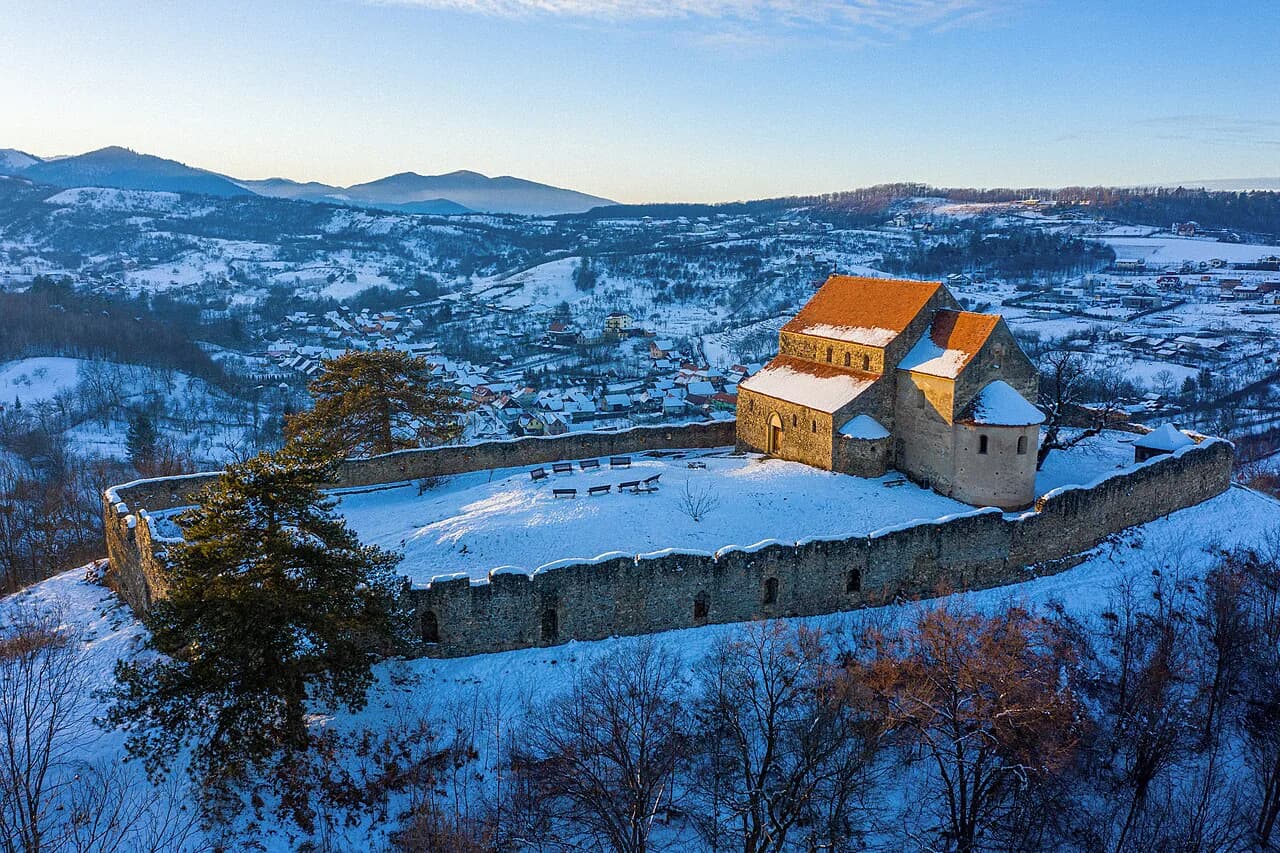
Cisnădioara is worth a half-day from Sibiu: a village under wooded hills with a Romanesque church in a walled enclosure on top of Dealul Sfântul Mihail, reached by a short paved path that takes under about 15 minutes. The reward is the climb, the views towards the Făgăraș and Cibin ridges, and a west portal that is the finest detail of a deliberately plain building. This guide covers the church, the walk up, the key arrangement on quiet days and the two ways in from Sibiu.
Plan the visit around the hill rather than the village centre. Piața Gozelinus has parking, and from there you pass Pensiunea Sub Cetate to reach the foot of the hill, where the path begins and the entrance fee is paid at the gate.
Where Cisnădioara sits and how it relates to Cisnădie
Cisnădioara is a separate village from Cisnădie, so do not type the shorter name into a route planner and expect the hilltop church. The two are neighbours in the same part of Sibiu County, and the medieval record ties Cisnădioara to the Cistercian monastery at Cârța over the Olt, when its inhabitants became the monastery's serfs in 1223.
The church was built at the end of the 12th century, between about 1180 and 1200, and dedicated to Saint Michael, which gave the hill its medieval name, Mons Sancti Michaelis. That dedication is the reason the hill and the church are the same visit: you are climbing to a single building in a walled yard, not to a village church in a street.
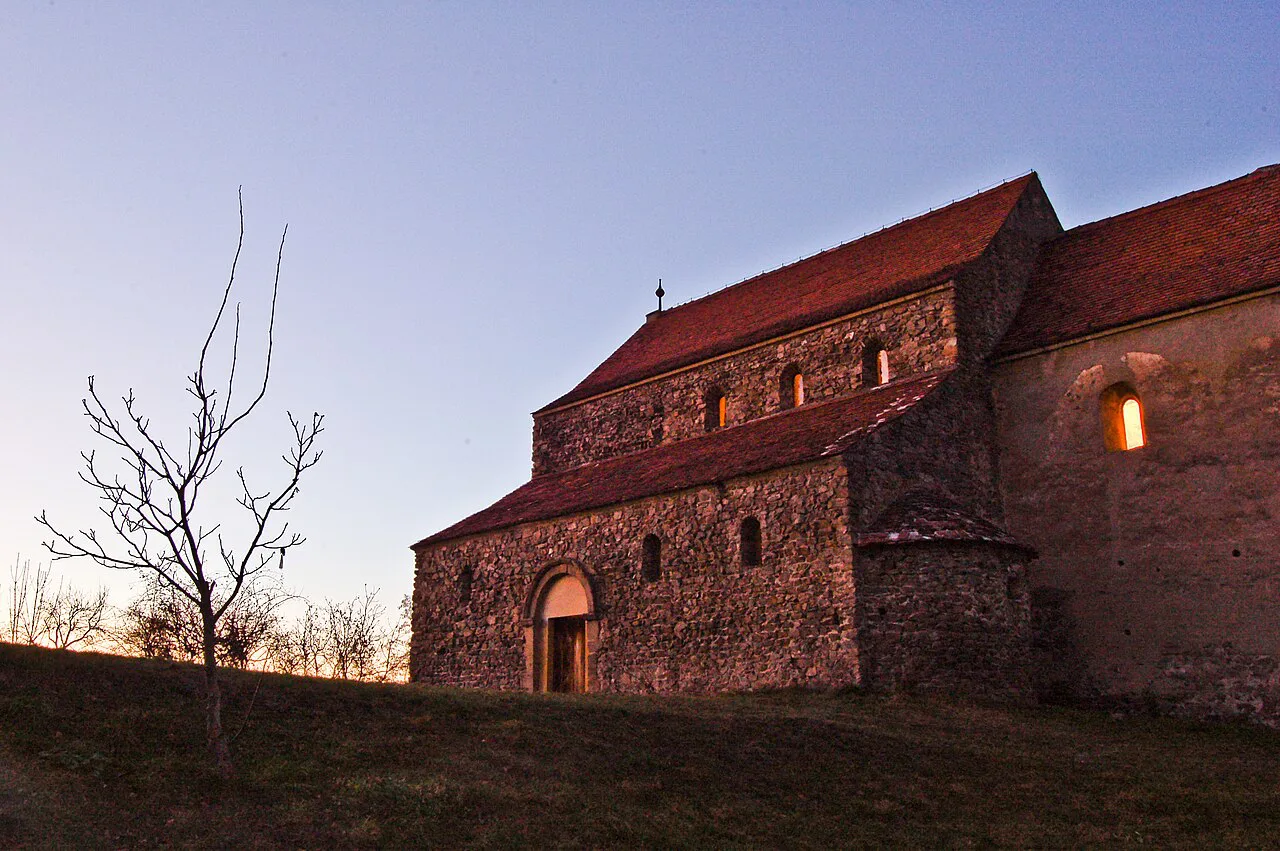
The church on Dealul Sfântul Mihail
The church is Romanesque and has not been altered over the centuries the way most churches in Transylvania have, which is why the exterior matters more than the interior. The hilltop is cramped, so the building is shorter and more tightly packed than you might expect, with a wide main nave and two side aisles.
Setting and architecture are the two draws here: the church sits above the whole village on Dealul Sfântul Mihail, and the Romanesque character is the reason to come. If you want a broader survey of Sibiu's religious buildings for comparison, the city's churches are covered separately.
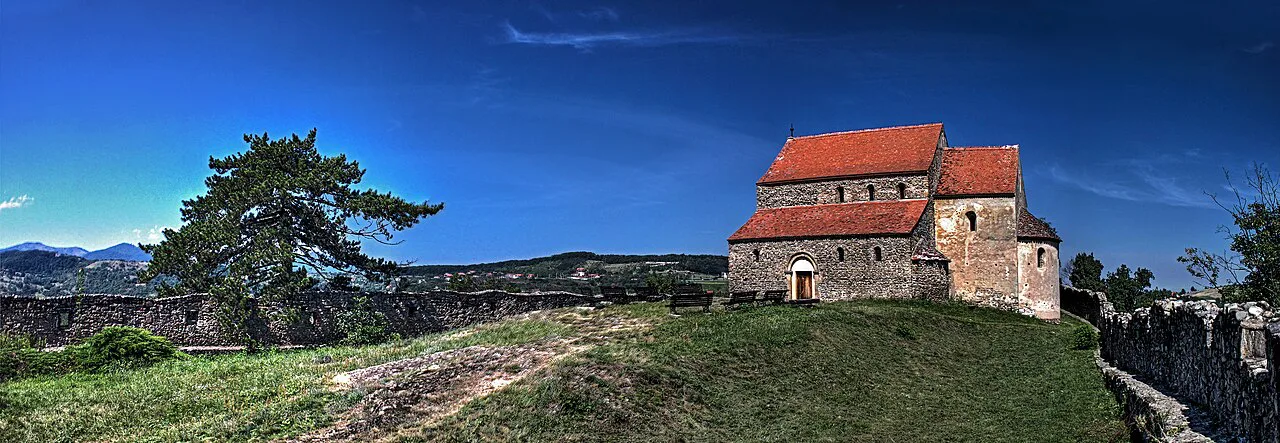
The walk up: paved path and benches
The path is short and not hard going, largely laid with small concrete slabs and with benches at intervals, so it is a walk rather than a hike. Allow under about 15 minutes to reach the walls, and add time at the top for the circuit along the inside of the wall.
The walls you arrive at stand 4 to 6 metres high, and you enter the enclosure through a small gate that is covered in vegetation in summer. From the gate you cross the yard to the church, which has a side door for visitors.
Inside: a simple nave and war graves
Do not expect a long stop inside. The interior is plain, with the wide nave and two aisles, and a handful of funerary plaques to German and Austro-Hungarian soldiers who died in the fighting around Sibiu in the First World War.
Treat the inside as a five-minute pause and give the rest of your time to the walls and the view. The yard is full of flowers in season, and the benches along the wall are the reason many visitors linger rather than hurry back down.
The Romanesque west portal, blind arcades and ironwork
The highlight is outside, on the west wall: a Romanesque portal carved with a fineness that stands out against the austerity of the rest of the building. The blind arcades flanking the portal are an unusual element in Transylvanian Romanesque architecture, so walk round the exterior before you go in.
Look closely at the massive wooden door and its metalwork, where the fittings are worked in fine detail. This is the part of the visit that rewards a slow look rather than a photograph from the path.
The walls, the gate and the view
Once inside, walk the length of the walls. The enclosure is small, so the circuit is quick, but the outlook opens towards the Făgăraș and Cibin ridges, which is the reason the hill is worth the climb even for travellers who skip the interior.
For a wider sense of how the hills sit around Sibiu before you set out, check a map of the area and the routes out of the city. The Sibiu Old Town itself is compact and easy to cover on foot on the same day.
Getting in: the fee at the foot of the hill and the key in the village
The entrance fee is paid at the bottom of the hill, at the entry to the path, and on summer days, especially at weekends, someone is at the gate selling tickets. Expect the church to be open and staffed in that busy window, and plan your visit for a weekend in season if you want the simplest entry.
On quieter days the arrangement changes: if nobody is at the entrance, you ask in the village for the key, at the houses numbered 202 or 246, where the key holder is named as doamna Fleps Erika. This is village practice rather than a staffed desk, so treat it as the local way in and not a guarantee. Carry lei in cash for the fee and confirm the current position with the village or your accommodation before a quiet-day trip.
Getting there from Sibiu: DJ 106C through Dumbrava or DJ 106D through Cisnădie
There are two approaches from Sibiu, and the choice is scenery against directness. DJ 106C leaves the city through Dumbrava and then climbs through forest on a winding road of serpentines, which is the more attractive drive; DJ 106D comes in via Cisnădie.
Whichever route you take, the parking is in Piața Gozelinus, from where you walk past Pensiunea Sub Cetate to the start of the path. Cisnădioara also works as a quiet base on the edge of the mountains, close enough to reach Sibiu and still sleep away from the city.
If you come without a car, check bus and train options for the Sibiu area before relying on public transport to the village; the routes into Cisnădioara are described for drivers.
The Cretaceous limestone outcrop on Strada Argintului
A second, much less visited stop sits west of the village. From the central square, head down Strada Argintului and follow the road out of the village towards the west to reach the Cretaceous limestones of Cisnădioara, a natural monument valued for its palaeontology and, in the source's words, extremely picturesque.
Add it as a short detour on the way in or out rather than a separate trip: it is a roadside geology stop, and the hilltop church remains the main reason to come to Cisnădioara.
How long to allow and what to combine
Half a day covers Cisnădioara comfortably: the climb, the circuit of the walls, the portal and the door, plus the limestone outcrop if you drive. The short climb and the small enclosure mean the visit does not stretch, so pair it with something in Sibiu rather than trying to fill a whole day in the village.
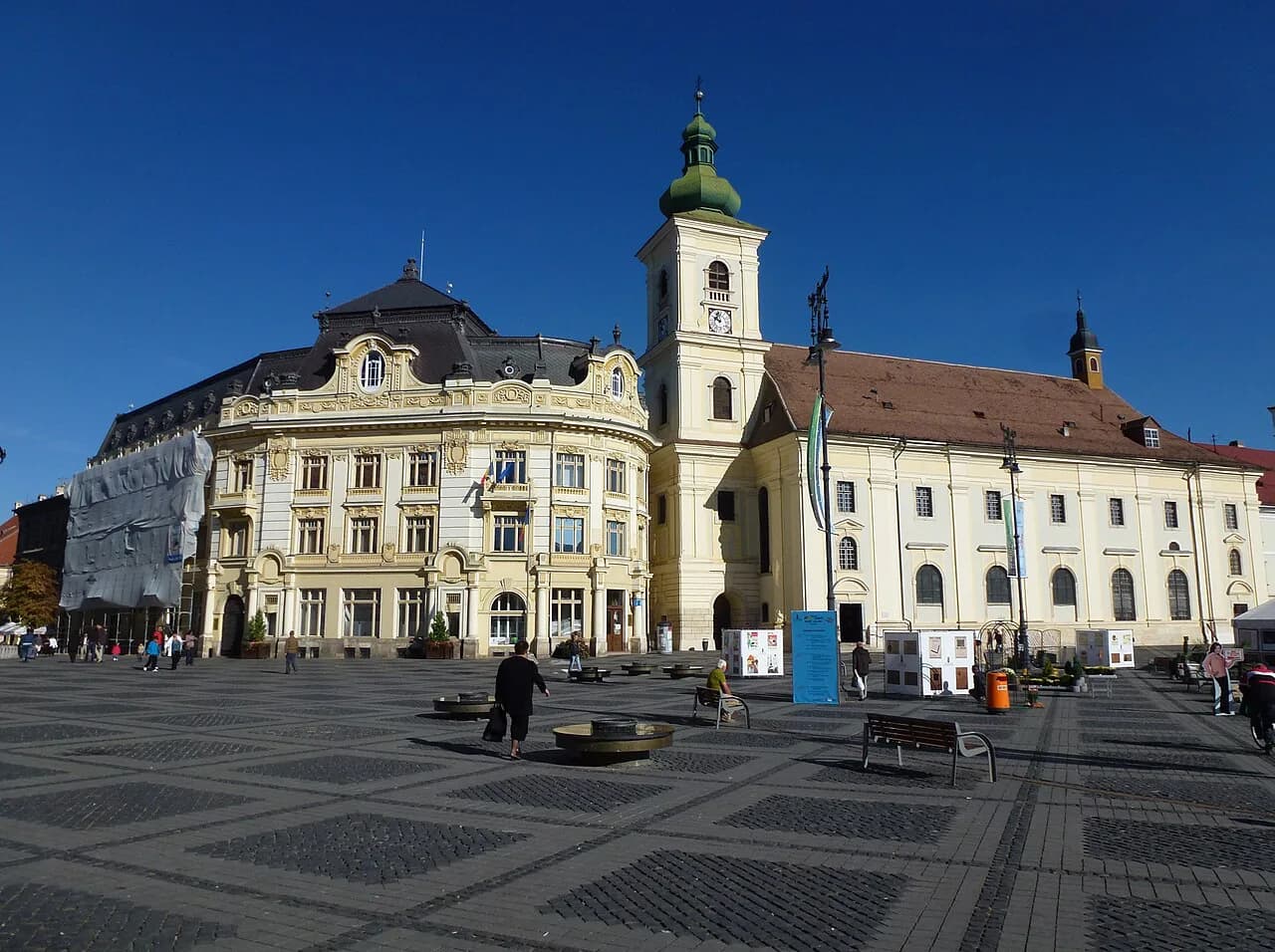
In the city, the museums and the old town squares fill the rest of a day without rushing. If you are choosing between city stops, the old town squares and the streets around them are the obvious pairing with a morning on the hill, and the Things to Do in Sibiu guide covers the city's main sights in more detail.
Summer weekends versus quiet days
The visit feels different by season and by day. In summer, and above all at weekends, tourists are numerous and the gate is staffed; on less crowded days you may find nobody at the entrance and need the key from the village, which means a slower start and an extra errand before the climb.
If your plan depends on the church being open, aim for a summer weekend, or ask in the village about the key before you drive out. Either way, build the walk and the view into the day regardless, since the path and the walls are there whether or not the building is unlocked.
Is the Cisnădioara detour worth it?
Yes, if you want a short climb, a walled Romanesque church and a view over the Cibin and Făgăraș ridges without leaving the Sibiu area. Come on a summer weekend for the simplest entry, or on a quiet day with the key arrangement in mind and cash for the fee at the foot of the hill.
Take the forest road through Dumbrava if you value the drive, or the Cisnădie approach if you want the simpler line, and park in Piața Gozelinus either way.
Explore more Sibiu guides
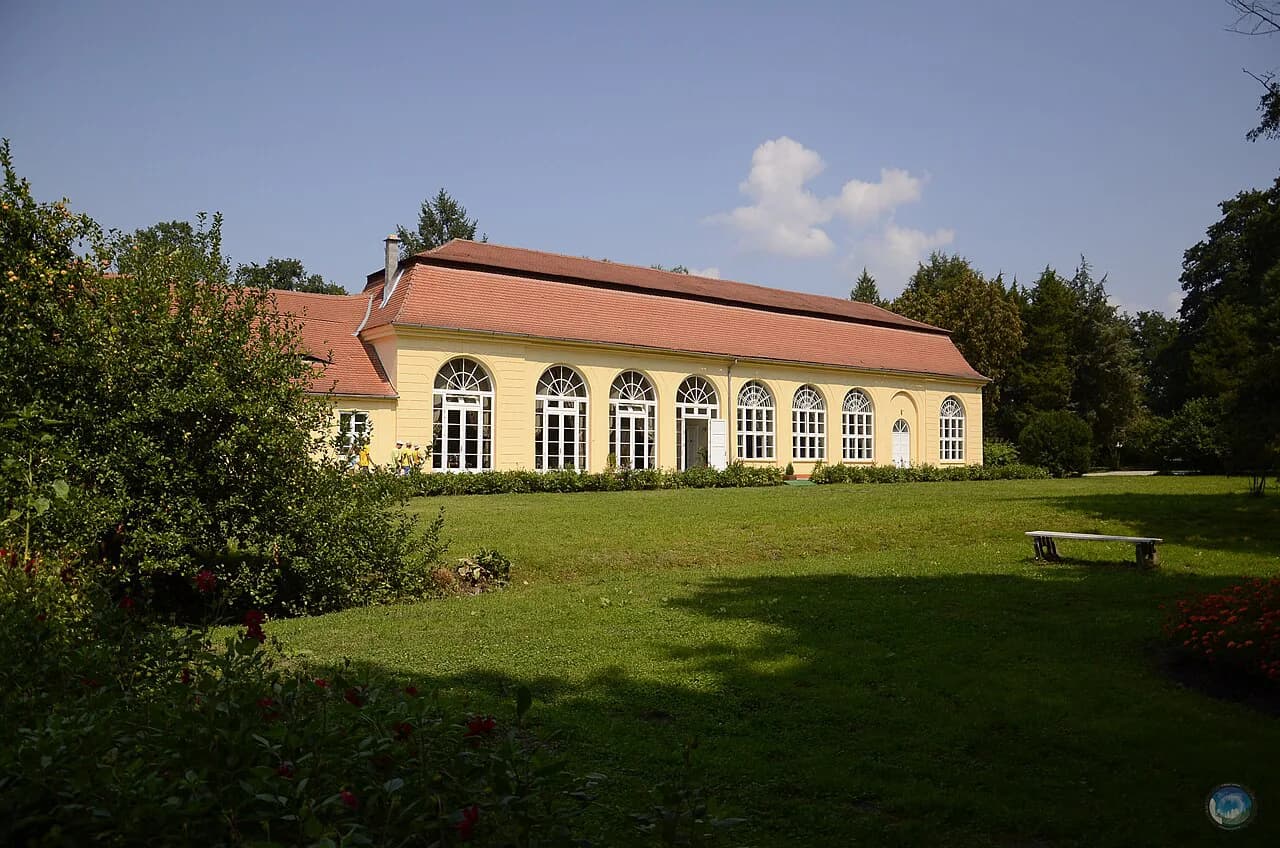
- Avrig: Brukenthal's Summer Palace and the Town on the Sibiu to Făgăraș Road
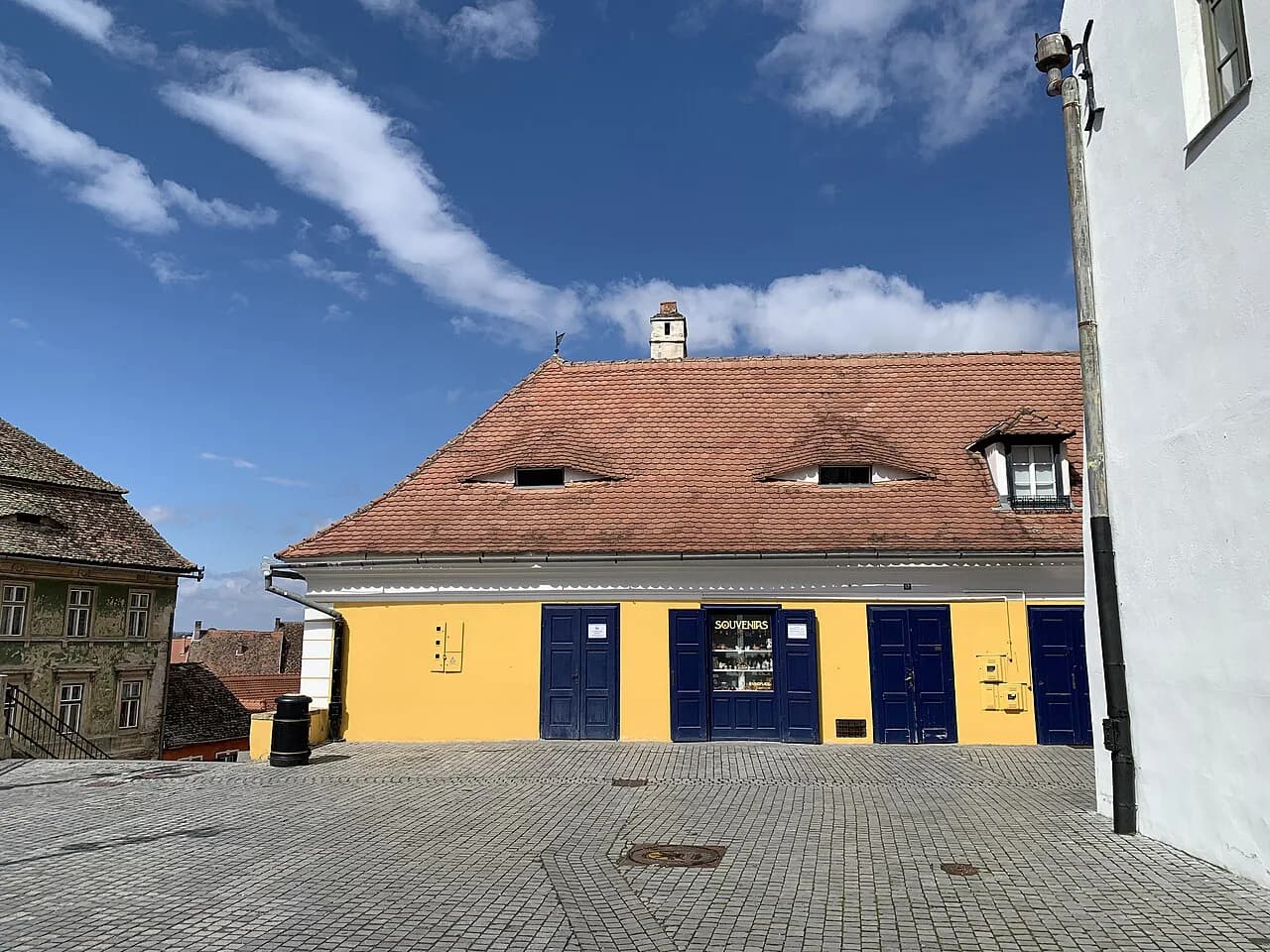
- Houses with Eyes in Sibiu
- Lower Town Sibiu (Orașul de Jos)
- Museums in Sibiu
- Rășinari
- Sibiel: What to See in the Village of Glass Icons Near Sibiu
- Sibiu City Walls
- Sibiu Itinerary
- Sibiu Map
- Villages Near Sibiu
- Free Things to Do in Sibiu
- How many days in Sibiu do you need?
Frequently Asked Questions
Is Cisnădioara the same place as Cisnădie?
No. Cisnădioara is a separate village from Cisnădie, with its own hilltop church on Dealul Sfântul Mihail. Check the spelling when you enter the name in a route planner, because the two are often confused.
Do you need a car to reach Cisnădioara from Sibiu?
The two routes described are driving routes, DJ 106C through Dumbrava and the forest, and DJ 106D via Cisnădie. If you plan to arrive by bus or train, check the options for the Sibiu area before you set out, because the village approach is easiest by car.
Can you walk up to the church without a guide?
Yes. The path starts at the foot of the hill, is laid with small concrete slabs and has benches, and the climb takes under about 15 minutes. You pay the entrance fee at the start of the path, and the visit itself is self-guided.
Is the church open every day?
Not in the same way throughout the week. On summer weekends someone is normally at the gate, while on quieter days you may need to ask in the village for the key at houses 202 or 246. Confirm the current arrangement locally before a quiet-day visit.
Sources
Useful notes for your next trip
Optional updates to our guides.
You might also like
Continue reading
More guides you'll find useful